
Planting specific grasses can significantly enhance your garden’s appeal to monarch butterflies. These beautiful pollinators rely on particular grasses for habitat and sustenance, making them essential for creating a butterfly-friendly environment.
1. Prairie Dropseed: A Monarch Magnet
Prairie Dropseed is a fantastic choice for attracting monarch butterflies. This native grass not only offers beauty but also creates a welcoming habitat for these lovely pollinators.
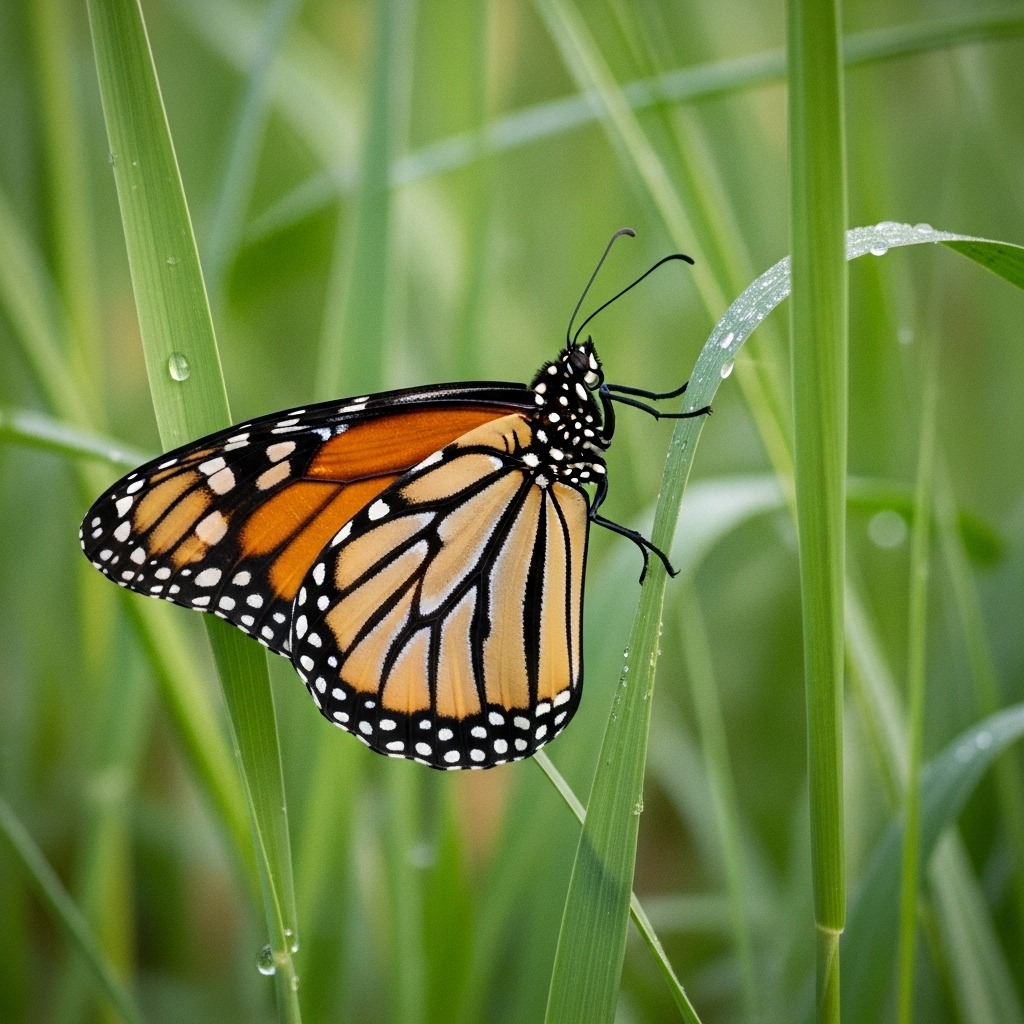
Characteristics of Prairie Dropseed
- Height: Prairie Dropseed typically grows between 2 to 3 feet tall. Its graceful, arching blades add texture to your garden.
- Appearance: It has fine, green leaves that turn a lovely golden color in the fall. The delicate seed heads resemble fluffy clouds, making it visually appealing year-round.
- Growth Habit: This grass clumps together, providing shelter and protection for butterflies, especially during their resting periods.
Ideal Growing Conditions
- Sunlight: Prefers full sun but can tolerate partial shade.
- Soil: Thrives in well-drained soils, including sandy or loamy types. It’s drought-tolerant once established.
- Watering: Regular watering helps during the initial growth phase; however, it does well with minimal water once mature.
Benefits for Monarchs
- Habitat: Prairie Dropseed offers a safe space for monarchs to rest and hide from predators. Its dense clumps provide excellent cover.
- Nectar Source: While the grass itself isn’t a nectar source, it supports the overall ecosystem needed for monarchs by providing a habitat alongside nectar-rich plants.
- Native Plant: As a native species, it plays a vital role in the local ecosystem, attracting other beneficial insects as well.
Success Story
One gardener in the Midwest reported that after planting Prairie Dropseed, they noticed an increase in monarch butterfly visits. They combined it with other nectar-rich flowers, creating a vibrant butterfly haven. The garden became a hotspot for these butterflies during migration seasons, showcasing the grass’s effectiveness in attracting them.
Planting Prairie Dropseed is a smart move for any butterfly gardener. For a more diverse butterfly garden, consider adding a Butterfly Garden Seed Mix to your planting list!
2. Big Bluestem: Tall and Attractive
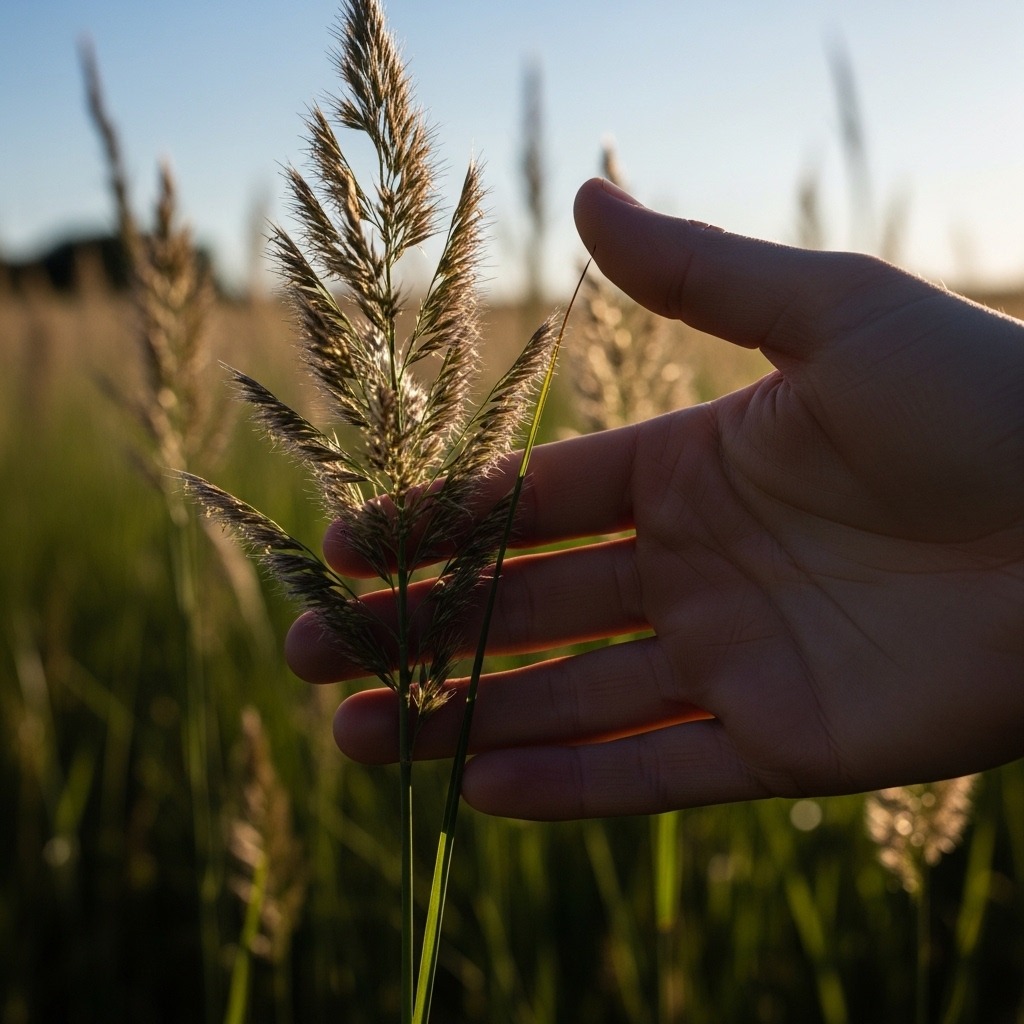
Big Bluestem is a standout grass that not only looks great but also provides essential habitat for monarch butterflies. With its tall stature and lush growth, it creates a welcoming environment for these beautiful pollinators.
Description of Big Bluestem
Big Bluestem, or Andropogon gerardii, can grow up to 6 feet tall. Its unique blue-green color turns to a gorgeous reddish hue in the fall. This grass features a distinctive three-part seed head, making it visually striking in any garden.
Growth Habits
Big Bluestem thrives in well-drained soils, often found in prairies and open fields. It prefers full sun and is drought-tolerant once established. Here are some key growth habits:
Table of Contents
- Height: Up to 6 feet tall
- Spread: 2-3 feet wide
- Sunlight: Full sun to partial shade
- Soil: Well-drained, adaptable to various soil types
Importance to Monarchs
This grass is more than just pretty; it’s vital for monarch butterflies. Big Bluestem provides shelter from wind and predators. The dense clumps create a safe space for butterflies to rest and lay eggs.
Imagine planting Big Bluestem alongside other native flowers. You’ll create a vibrant habitat that attracts not just monarchs but many other pollinators too. For instance, a garden layout featuring Big Bluestem, Purple Coneflower, and Milkweed forms a diverse ecosystem. This mix not only looks beautiful but also significantly boosts butterfly visits.
Adding Big Bluestem is a smart choice for any butterfly-friendly garden. It acts as a natural support system for monarchs, ensuring they have a safe haven while they flutter about.
3. Switchgrass: A Versatile Choice
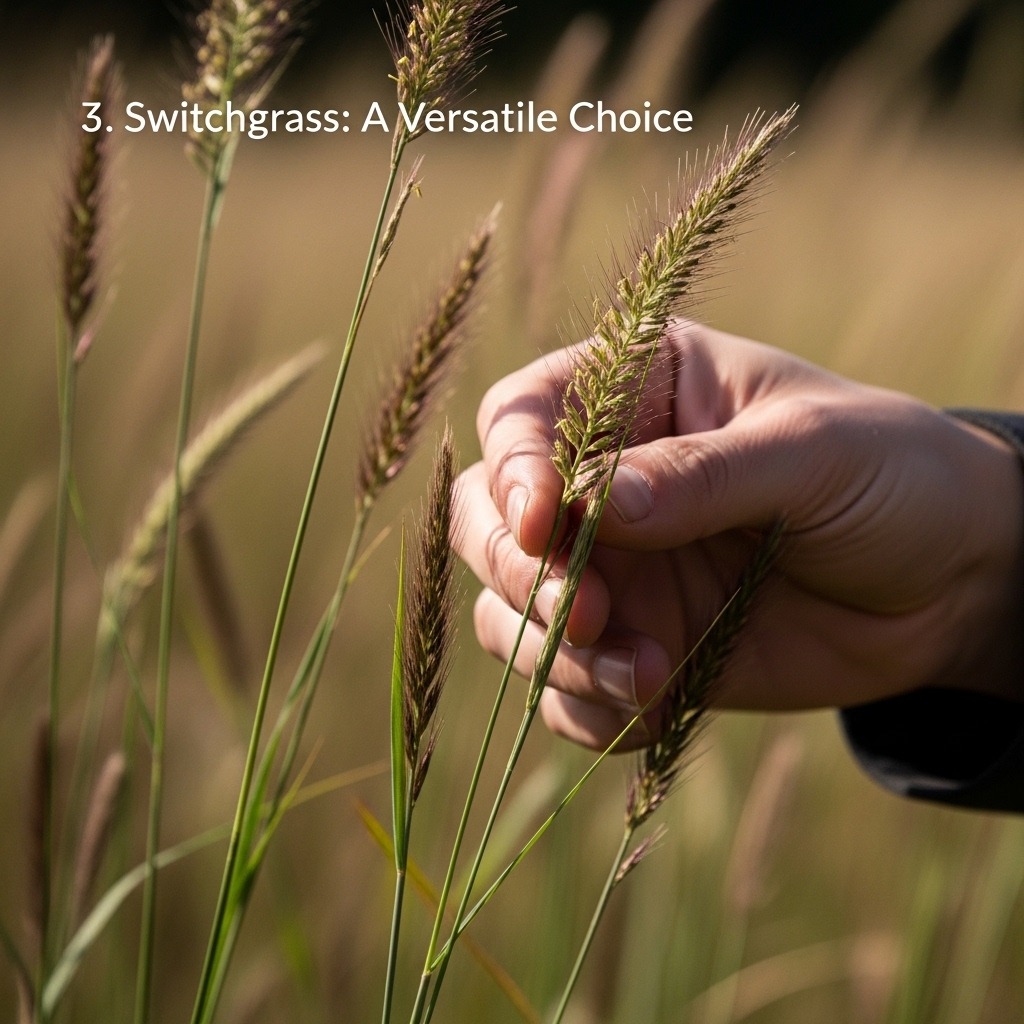
Switchgrass is a fantastic option for attracting monarch butterflies. It’s not just beautiful; it’s also packed with ecological benefits. Let’s dive into what makes Switchgrass a top pick for your butterfly garden.
Features of Switchgrass
- Adaptability: Switchgrass thrives in various soil types and conditions. It can handle both wet and dry environments. This flexibility makes it easy to grow almost anywhere.
- Height: It can reach heights of 3 to 5 feet. This creates a layered look in your garden and provides shelter for butterflies.
- Seasonal Interest: In fall, Switchgrass turns golden bronze, adding color to your garden even after other plants have faded.
Ecological Benefits
- Soil Health: Switchgrass has deep roots that help prevent soil erosion. These roots also improve soil structure and fertility over time.
- Biodiversity: It supports a variety of wildlife, not just butterflies. Birds, bees, and other pollinators love it too. This makes your garden a hotspot for biodiversity.
- Carbon Sequestration: By growing Switchgrass, you’re helping to absorb carbon dioxide from the atmosphere. It’s a win for both your garden and the planet.
Attraction to Monarchs
Switchgrass plays a unique role in a butterfly garden. While it’s not a direct food source like milkweed, it provides essential habitat. Monarchs need places to rest and lay eggs. The dense clumps of Switchgrass offer the perfect safe haven.
Here’s why you should plant Switchgrass:
- Companion Planting: Pair it with milkweed and other nectar-rich flowers. This combo creates a thriving environment for monarchs.
- Long Lifespan: Being a perennial, Switchgrass returns year after year. This ensures your garden remains a butterfly haven for seasons to come.
Consider adding a Butterfly Garden Seed Mix to your planting plans. It can complement Switchgrass and other butterfly-friendly plants beautifully. Check Price on Amazon.
Incorporating Switchgrass into your butterfly garden is a smart move. It supports monarchs while enhancing your garden’s overall health and beauty.
4. Little Bluestem: Colorful and Attractive
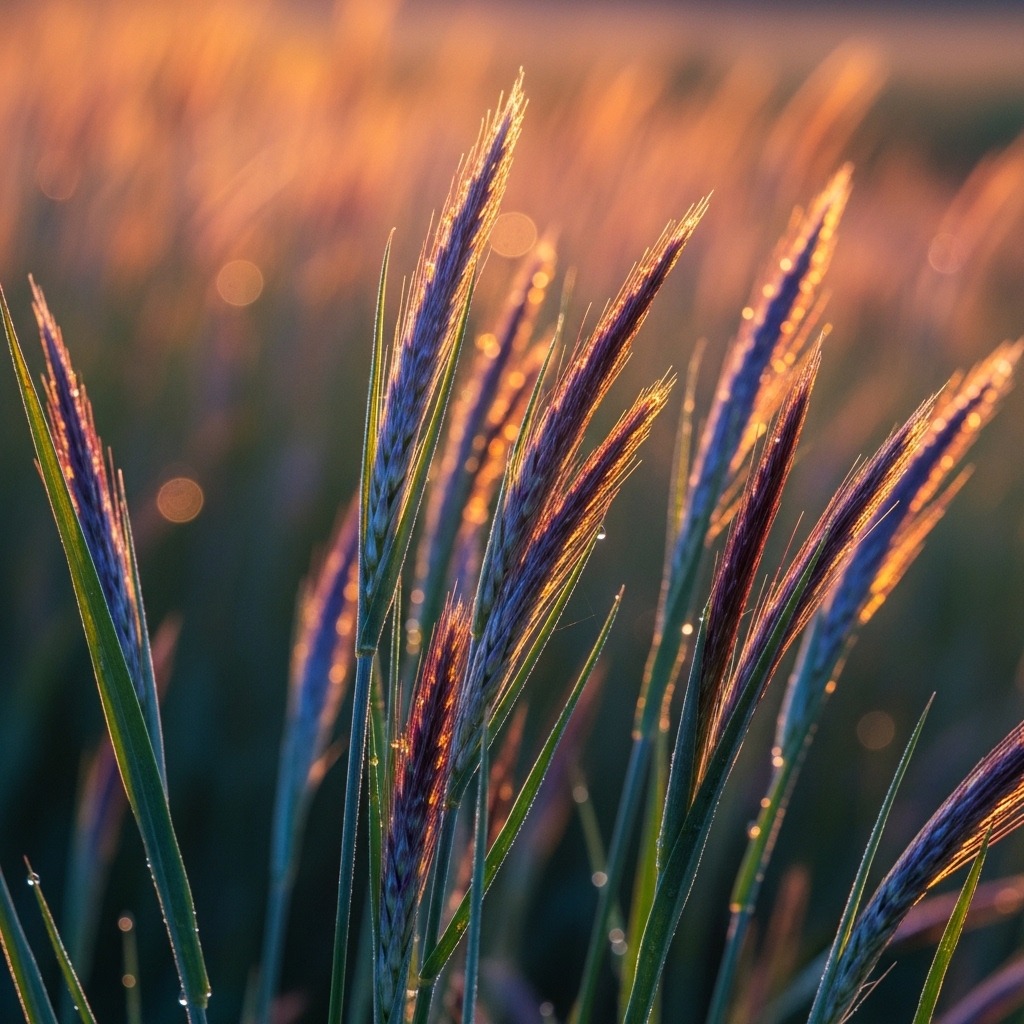
Little Bluestem is a stunning grass that not only adds beauty to your garden but also plays a vital role in supporting monarch butterflies. Its unique qualities make it a favorite among gardeners looking to attract these iconic pollinators.
Appearance of Little Bluestem
Little Bluestem boasts a lovely blue-green hue that turns vibrant shades of orange and red in the fall. This grass can grow up to three feet tall, providing a lovely backdrop for other plants. Its delicate seed heads sway gracefully in the breeze, creating a visually appealing scene for both you and the butterflies.
Growth Patterns
This grass thrives in well-drained soil and full sun. It’s drought-tolerant, making it perfect for areas with less moisture. Little Bluestem usually blooms from late summer to early fall, offering seeds that butterflies can feed on.
- Height: Up to 3 feet
- Sunlight: Full sun
- Soil Requirements: Well-drained, drought-tolerant
Support for Monarchs
Little Bluestem serves as an excellent habitat for monarchs. It provides shelter and protection while they feed on nearby nectar-rich plants. When you plant Little Bluestem alongside milkweed and other flowering plants, you create a thriving ecosystem for monarch butterflies.
- Habitat: Offers shelter for resting butterflies
- Nectar Sources: Complements nearby flowering plants for feeding
- Planting Tip: Best paired with native wildflowers for a diverse butterfly garden
Comparison with Other Grasses
When choosing grasses for your butterfly garden, consider how Little Bluestem stacks up against others:
| Grass Type | Height | Sun Requirements | Monarch Support |
|---|---|---|---|
| Little Bluestem | 3 feet | Full sun | Excellent habitat |
| Switchgrass | 4-6 feet | Full sun/Partial | Great, but taller |
| Big Bluestem | 5-8 feet | Full sun | Supports but more dominant |
As you can see, Little Bluestem is more compact compared to some other grasses, making it ideal for smaller spaces while still effectively supporting monarch butterflies. By diversifying your garden with this grass, you enhance both its beauty and its ecological value.
5. Blue Grama Grass: A Pollinator Favorite
Blue Grama Grass is a fantastic choice for attracting monarch butterflies. Its unique characteristics make it a top pick for any butterfly garden.
Defining Blue Grama Grass
Blue Grama Grass (Bouteloua gracilis) is a native grass found in North America. It grows about 1-2 feet tall and has distinctive, fine-textured blades. This grass thrives in dry, sunny areas, making it perfect for many gardens.
Habitat Preferences
Monarch butterflies prefer habitats that offer shelter and food. Blue Grama Grass provides both. The clumps of this grass create a cozy spot for monarchs to rest and hide from predators.
- Sun Requirements: Full sun
- Soil Type: Well-drained, sandy or clay soils
- Water Needs: Low to moderate
Monarchs Love It
Monarch butterflies are attracted to Blue Grama Grass for several reasons:
- Nectar Sources: While Blue Grama itself isn’t a nectar source, it often grows alongside flowering plants that are. These flowers provide essential nectar for adult monarchs.
- Habitat Creation: The grass forms a natural habitat that supports various insects, including those that monarchs rely on for food.
Here’s a quick comparison of Blue Grama Grass against other grasses:
| Grass Type | Height | Sun Requirements | Monarch Support |
|---|---|---|---|
| Blue Grama Grass | 1-2 feet | Full sun | Excellent habitat |
| Little Bluestem | 3 feet | Full sun | Excellent habitat |
| Switchgrass | 4-6 feet | Full sun/Partial | Great, but taller |
| Big Bluestem | 5-8 feet | Full sun | Supports but more dominant |
Blue Grama Grass stands out for its compact size and low maintenance needs. This makes it ideal for smaller gardens while still providing crucial support for monarchs. By incorporating it into your garden, you enhance both the beauty and ecological value of your space.
6. Sideoats Grama: A Unique Choice
Sideoats Grama is a standout grass for attracting monarch butterflies. Its unique features make it an excellent addition to your butterfly garden.
Characteristics of Sideoats Grama
- Distinctive Appearance: This grass has an attractive, tufted growth habit. The oat-like seeds dangle from one side of the stem, giving it a unique look.
- Height: It grows up to three feet tall, making it a versatile option for various garden layouts.
- Adaptability: Sideoats Grama thrives in full sun and tolerates a range of soil types, which is perfect for different gardening conditions.
Growth Requirements
- Sunlight: Full sun is essential for optimal growth.
- Soil: It does well in average soil, making it easy to maintain.
- Watering: Moderate watering is sufficient. Once established, it requires less water.
Monarch Attraction
Sideoats Grama is not just beautiful; it plays a crucial role in supporting monarchs.
- Nectar Source: While it provides a habitat, it also attracts various pollinators, including monarchs, with its seeds.
- Host Plant: It’s known to support the larvae of other butterfly species, which boosts overall butterfly activity in your garden.
Integrating Sideoats Grama into your butterfly garden can enhance its ecological value. Pair it with nectar-rich flowers for a diverse habitat. For instance, you might plant it alongside milkweed, the primary food source for monarch caterpillars. This combination creates a thriving environment that supports both adult butterflies and their young.
When planning your garden, consider the following tips:
- Diversity: Include a mix of grasses and flowering plants.
- Seasonal Blooms: Ensure you have plants that bloom at various times to provide continuous food sources.
- Local Adaptation: Choose varieties that are native to your region for the best results.
Sideoats Grama is a fantastic choice for those looking to attract monarch butterflies while adding beauty to their gardens.
7. Indian Rice Grass: A Resilient Option
Indian Rice Grass is a fantastic choice for attracting monarch butterflies. This native grass not only looks great but also provides essential support for these beautiful pollinators.
Overview of Indian Rice Grass
Indian Rice Grass is a perennial grass native to North America. It features long, slender leaves and produces small seed heads. This grass thrives in various conditions, making it versatile for many gardens.
Adaptability
- Soil Types: Indian Rice Grass grows well in both sandy and clay soils.
- Sunlight Needs: It prefers full sun but can tolerate some shade.
- Water Requirements: This grass is drought-resistant, making it perfect for low-water gardens.
Support for Monarchs
Indian Rice Grass serves as a habitat for several butterfly species, including the monarch. Here’s how:
- Nectar Source: While it doesn’t produce nectar directly, it supports butterflies by creating a healthy ecosystem.
- Larval Host: It provides shelter for butterfly larvae, helping them thrive.
- Biodiversity: Planting Indian Rice Grass alongside flowering plants enhances your garden’s biodiversity, attracting more butterflies.
Case Study: Successful Butterfly Garden
In a suburban garden in Colorado, an enthusiastic gardener planted Indian Rice Grass alongside milkweed and various flowering plants. Over a year, they noticed a significant increase in monarch butterfly sightings. The combination of grasses and flowers created an inviting space, proving that Indian Rice Grass can be a valuable addition to any butterfly garden.
By choosing Indian Rice Grass, you’re not just beautifying your garden; you’re contributing to the survival of monarch butterflies and promoting ecological health.
8. River Oats: A Beautiful Addition
River Oats is a fantastic grass to plant if you want to attract Monarch butterflies to your garden. Not only does it look great, but it also provides essential support for these beautiful pollinators.
Description of River Oats
River Oats (Chasmanthium latifolium) is a native grass known for its graceful, arching form. It features flat, broad leaves and produces distinctive seed heads that resemble oats. This grass typically grows in clumps and can reach heights of 2 to 4 feet. Its lush green foliage turns a lovely golden hue in the fall, making it a stunning addition to any butterfly garden. River Oats thrives in moist, well-drained soil and prefers partial shade to full sun.
Care Tips
- Soil: River Oats prefer rich, loamy soil but can adapt to various soil types.
- Watering: Keep the soil consistently moist, especially during dry spells.
- Fertilizing: A light application of fertilizer in spring can promote healthy growth.
- Pruning: Cut back dead foliage in late winter or early spring to encourage new growth.
Role in Supporting Monarchs
River Oats play a crucial role in creating a welcoming environment for Monarch butterflies. While they may not serve as a host plant for caterpillars, they offer many benefits:
- Habitat: River Oats provide shelter and nesting sites for butterflies and other pollinators.
- Nectar Sources: Their flowering spikes attract various nectar-seeking insects, including Monarchs.
- Ecosystem Balance: By supporting diverse wildlife, River Oats contribute to a healthy garden ecosystem.
Successful Planting Combinations
To create a vibrant butterfly-friendly space, consider pairing River Oats with the following plants:
- Milkweed: Essential for Monarch caterpillars.
- Coneflowers: Beautiful and nectar-rich.
- Bee Balm: Attracts butterflies and other pollinators.
By combining these plants, you can enhance both the beauty of your garden and its appeal to Monarch butterflies.
9. Sweetgrass: Aromatic and Attractive
Sweetgrass is a fragrant grass that not only enhances your garden’s beauty but also attracts monarch butterflies. Its delicate scent is just one of the reasons to include it in your butterfly garden.
Features of Sweetgrass
- Fragrance: Sweetgrass emits a lovely aroma, especially when the leaves are brushed or crushed. This scent can attract butterflies and other pollinators.
- Appearance: It has long, slender blades that can grow up to 24 inches tall. The graceful arch of its leaves adds visual interest to your garden.
- Cultural Significance: Traditionally, Sweetgrass has been used by Native American tribes for weaving baskets and making ceremonial items. Including it in your garden honors this cultural connection while supporting local ecosystems.
Growing Requirements
- Light: Thrives in full sun to partial shade.
- Soil: Prefers moist, well-drained soil. It can tolerate a range of soil types but flourishes in slightly acidic conditions.
- Water: Regular watering is essential, especially during dry spells.
Monarch Attraction
Sweetgrass serves as a valuable habitat for monarch butterflies. While it doesn’t provide direct nectar, it creates a lush environment for adult butterflies to rest and hide. By planting Sweetgrass alongside nectar-rich flowers, you create a welcoming oasis for these beautiful insects.
When considering plants for your butterfly garden, think about how Sweetgrass can complement other choices. Pair it with milkweed and flowering plants to ensure a steady food source and a safe haven for monarchs.
10. Tall Fescue: A Practical Choice
Tall Fescue is a fantastic option for your butterfly garden. It offers both beauty and functionality, making it a top choice for attracting monarch butterflies.
Overview of Tall Fescue
Tall Fescue is a resilient, hardy grass. It grows well in various soil types and adapts to different climates. This makes it a versatile choice for many gardens. The grass has a deep root system, which helps it survive droughts. Plus, its lush green blades provide a lovely backdrop for colorful flowers.
Maintenance tips
Caring for Tall Fescue is straightforward:
- Watering: Keep the soil consistently moist, especially during hot, dry spells.
- Mowing: Mow regularly to encourage healthy growth. Aim to cut it to about 3-4 inches high.
- Fertilizing: Use a balanced fertilizer in early spring to promote strong growth.
- Aerating: Aerate the soil once a year to improve drainage and root health.
Benefits for monarchs
Tall Fescue supports monarch butterflies in several ways:
- Habitat: It provides a safe resting and hiding place for butterflies.
- Nectar Source: While not a direct nectar source, it complements flowering plants that do attract butterflies.
- Ecosystem Support: A healthy lawn of Tall Fescue can help create a thriving ecosystem for various pollinators, including monarchs.
For a successful garden, pair Tall Fescue with nectar-rich flowers like milkweed and zinnias. This combination ensures that monarchs have both nourishment and a safe habitat. By choosing Tall Fescue, you’re creating a welcoming environment that supports these beautiful creatures.
Frequently Asked Questions
These quick answers cover the most common questions about this topic, including key details, practical tips, and common concerns.
What plant attracts monarch butterflies the most?
Milkweed is the primary plant that attracts and supports monarch butterflies. It serves as the host plant for monarch caterpillars, providing essential nutrition. For adult butterflies, nectar-rich flowers and grasses like Prairie Dropseed or Big Bluestem also draw them to your garden.
Can I plant milkweed in October?
Yes, you can plant milkweed in October in most regions with mild climates. In colder areas, it’s best to plant in early spring or wait until the soil warms. Planting in fall allows the roots to establish over winter, leading to healthy growth in spring.
What grasses attract butterflies?
Native grasses such as Prairie Dropseed, Big Bluestem, Switchgrass, Little Bluestem, and Blue Grama attract butterflies. They provide shelter, resting spots, and habitat for various butterfly species, including monarchs.
What noise does a butterfly make?
Butterflies do not produce noise. They are silent insects. Any sounds you might associate with butterflies are usually caused by wind, plants moving, or other environmental factors.
How can I create a butterfly-friendly garden?
Include a variety of native plants, especially nectar-rich flowers and grasses. Plant milkweed for monarchs and provide shelter with grasses like Little Bluestem. Ensure continuous bloom throughout the season and avoid pesticides. Providing water sources and sunlit areas also helps attract butterflies.
Why are native plants important for monarch butterflies?
Native plants are adapted to local soil, climate, and ecosystems, making them more resilient and beneficial. They support native pollinators like monarchs better than non-native plants, offering the right habitat and food sources for caterpillars and adults.
When is the best time to plant grasses for butterflies?
Plant grasses in early spring or fall, depending on your climate. Spring planting gives plants time to establish before the growing season, while fall planting allows roots to develop over winter. Timing ensures the grasses are mature when butterflies arrive.
What other plants can I include in my butterfly garden?
Add nectar-rich flowers like coneflowers, bee balm, and zinnias. Include other host plants such as parsley and fennel for caterpillars of different butterfly species. Incorporate native shrubs and trees for additional shelter and food sources.