
The best lawn mowers of 2026 include a variety of options to suit every yard size and maintenance preference. From gas to electric models, this guide provides expert-recommended choices that will meet your lawn care needs effectively.
Understanding the Different Types of Lawn Mowers
Choosing the right lawn mower is crucial for achieving a pristine lawn. Different types of mowers cater to various needs, yard sizes, and maintenance preferences. Here’s an in-depth look at the most popular types available today.
Types of Electric Mowers and Their Benefits
Electric mowers have surged in popularity due to their eco-friendliness and low maintenance requirements. They come in two primary forms: battery-powered and corded.
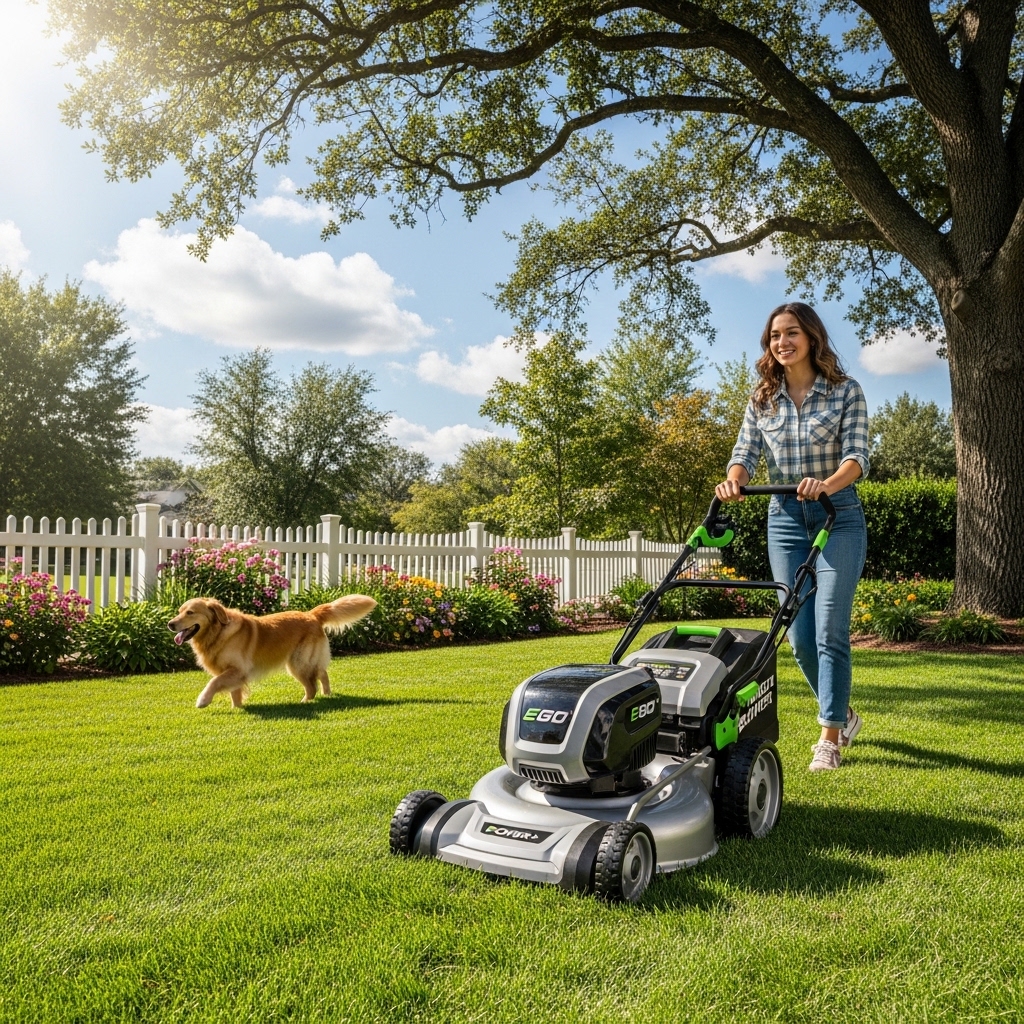
- Battery-Powered Electric Mowers: These offer mobility and convenience, making them ideal for medium-sized lawns. Models like the Ego Power+ 21-Inch Self-Propelled Lawn Mower provide powerful performance without the hassle of gas. With a runtime of up to 1.75 hours, they balance efficiency with ease of use. Check Price on Amazon.
- Corded Electric Mowers: Best for smaller yards, these models are lightweight and require minimal upkeep. However, their mobility is limited by the cord.
| Electric Mower Type | Pros | Cons |
|---|---|---|
| Battery-Powered | Cordless, quiet, low maintenance | Limited runtime, higher price |
| Corded | Lightweight, affordable | Limited range, requires outlet |
Understanding Gas-Powered Mowers
Gas-powered mowers remain the workhorses of lawn care. They excel in performance, especially on larger or uneven terrains.
- Self-Propelled Gas Mowers: These mowers come with power-assisted wheels, making them easier to maneuver, particularly on slopes. Their robust engines tackle thick grass with ease.
- Push Gas Mowers: These require more physical effort but are often lighter and less expensive. Ideal for smaller yards, they still deliver excellent cutting performance.
| Gas Mower Type | Pros | Cons |
|---|---|---|
| Self-Propelled | Less effort, powerful cutting | Noisier, requires more maintenance |
| Push | Affordable, lightweight | Requires physical effort |
The Rise of Robotic Mowers
Robotic mowers are revolutionizing lawn care by automating the mowing process. These smart machines use sensors and algorithms to navigate your yard.
- Benefits: They operate autonomously, saving time and labor. Many models can be programmed for specific mowing times and patterns.
- Considerations: While they are convenient, robotic mowers are typically more expensive than traditional mowers and may require a flat lawn to operate effectively.

| Robotic Mower | Pros | Cons |
|---|---|---|
| Robotic Mowers | Autonomous, programmable | Higher initial cost, limited terrain capability |
Decision Framework for Choosing Your Mower
When selecting a lawn mower, consider the following factors:
- Yard Size: For small yards, a push or corded electric mower suffices. Larger yards benefit from self-propelled or riding mowers.
- Terrain: Uneven terrain may require a gas-powered mower for better traction and power.
- Maintenance: Electric mowers typically demand less upkeep than gas models.
- Budget: Determine your price range. Gas mowers often have higher upfront and maintenance costs, while electric models may save you money in the long run.
This framework will help you match the right mower to your specific lawn care needs, ensuring a lush, well-maintained yard.
Performance Comparisons of Top Models
Evaluating the performance of lawn mowers is critical for discerning which model suits your needs best. This includes analyzing cutting performance, battery life, and user experience.
Cutting Performance Metrics
Cutting performance is paramount when choosing a lawn mower. The following models excel in various aspects of cutting:
- Ego Power+ 21-Inch Self-Propelled Lawn Mower: Offers dual blades for a finer cut. Users report exceptional mulching ability, making it ideal for maintaining a lush lawn.
- Toro Recycler 22-Inch: Known for its superior cutting height adjustments, it seamlessly handles different grass types and lengths without any hassle.
- Craftsman M105: Provides solid performance on small to medium lawns. Its 21-inch deck efficiently tackles overgrown patches while ensuring a clean cut.
Battery Life and Efficiency
Battery life is a crucial factor for electric models. Here is how top contenders measure up:
| Model | Run Time | Charge Time |
|---|---|---|
| Ego Power+ 21-Inch | 60 minutes | 60 minutes |
| Greenworks 21-Inch | 45 minutes | 120 minutes |
| Ryobi 40V 20-Inch | 50 minutes | 90 minutes |
The Ego Power+ is the standout here, with a consistent run time that allows for uninterrupted mowing. Its quick recharge time ensures you’re back to work in no time, making it a favorite among users.
User Experience and Comfort
User comfort can significantly influence mowing efficiency. Consider these factors:
- Weight and Maneuverability: Lighter mowers like the Ego Power+ are easier to handle, especially on uneven terrain.
- Control Features: Models like the Toro Recycler offer ergonomic handles and intuitive controls, enhancing comfort during extended use.
- Noise Levels: Electric mowers generally operate quieter than gas models. The Ego Power+ is particularly noted for its low noise output, making it user-friendly in residential areas.
In real-world tests, users appreciate how the Ego Power+ 21-Inch Self-Propelled Lawn Mower balances performance with comfort. The adjustable speed settings allow for tailored operation across various yard conditions.
Transform your lawn care routine with the Ego Power+ 21-Inch Self-Propelled Lawn Mower — Get it on Amazon today!
When selecting a mower, consider these performance metrics. Match your choice to your lawn’s size, terrain, and your personal comfort preferences for optimal results.
Key Features to Consider When Buying a Lawn Mower
Selecting the right lawn mower involves understanding several key features that directly impact performance, usability, and overall satisfaction. Here’s what to focus on when making your decision.
Importance of Cutting Width and Height Adjustment
Cutting width affects how quickly you can mow your lawn. A wider deck means fewer passes, but it can be harder to maneuver in tight spaces. A standard cutting width ranges from 20 to 30 inches for most residential mowers.
Height adjustment is equally crucial. Most mowers offer a range of cutting heights from 0.5 to 4 inches. This allows you to tailor the cut to your grass type and seasonal conditions. For example, during warmer months, a higher cut may promote healthier growth.
Checklist for Cutting Width and Height:
- Cutting Width: Choose based on lawn size and terrain.
- Height Adjustment: Look for models with multiple settings for versatility.
The Role of Self-Propulsion
Self-propelled mowers simplify mowing, especially on uneven terrain or larger lawns. These models use a transmission system to drive the mower forward, allowing you to walk behind and guide it with minimal effort.
When considering a self-propelled mower, pay attention to the following:
- Speed Control: Adjustable speeds help you match your walking pace.
- Drive Type: Front-wheel drive offers better maneuverability, while rear-wheel drive provides superior traction.
The Ego Power+ 21-Inch Self-Propelled Lawn Mower exemplifies these features, offering users excellent control and comfort. Check Price on Amazon.
Additional Features That Enhance Usability
Look for features that improve your mowing experience:
- Mulching Capability: Mowers that mulch finely chop grass clippings and return them to the lawn, enriching the soil.
- Easy Start Systems: Electric mowers often have push-button starts, making them user-friendly.
- Ergonomic Handles: Comfortable grips reduce fatigue during extended use.
Usability Feature Checklist:
- Mulching Option: Essential for maintaining lawn health.
- Start Mechanism: Choose between electric start or traditional pull-start.
- Handle Design: Seek adjustable or padded handles for comfort.
By focusing on these key features, you’ll find a lawn mower that meets your specific needs, ensuring efficient and enjoyable lawn care.
Environmental Impact and Maintenance of Lawn Mowers
Understanding the environmental impact of lawn mowers is crucial for making informed choices. Different mower types have varying effects on the ecosystem. Alongside this, regular maintenance ensures your mower operates efficiently and lasts longer.
Environmental Benefits of Electric vs. Gas Mowers
Electric mowers are often considered more environmentally friendly than gas mowers. They produce zero emissions during operation, reducing air pollution. This is particularly important in urban settings where air quality can suffer. Gas mowers, while powerful, emit greenhouse gases and require fossil fuels, contributing to environmental degradation.
Comparison of Emissions:
- Electric Mowers: No direct emissions; lower carbon footprint.
- Gas Mowers: Emit carbon dioxide and hydrocarbons; higher environmental impact.
Choosing an electric mower not only lowers your carbon footprint but also often results in quieter operation, making it more neighborhood-friendly.
Maintenance Tips to Extend Mower Lifespan
Proper maintenance is essential to prolong the life of your mower, regardless of its type. Here are tailored tips for both gas and electric models:
Gas Mowers:
- Oil Changes: Change oil every 50 hours of use or annually.
- Air Filter Cleaning: Clean or replace air filters regularly to ensure optimal performance.
- Spark Plug Replacement: Check and replace spark plugs annually for better ignition.
- Blade Sharpening: Sharpen blades at least once a season to maintain cutting quality.
Electric Mowers:
- Battery Care: Follow manufacturer guidelines for charging. Avoid overcharging to extend battery life.
- Cleaning: Regularly clean the mower deck and blades to prevent grass buildup.
- Storage: Store in a dry place to prevent rust and damage.
Seasonal Care Checklist
Implementing a seasonal maintenance checklist can significantly enhance mower performance. Here’s a simple seasonal guide:
| Season | Gas Mowers Maintenance | Electric Mowers Maintenance |
|---|---|---|
| Spring | Change oil, sharpen blades, check spark plug | Inspect battery, clean mower deck |
| Summer | Monitor fuel levels, clean air filters | Ensure battery is charged, check for debris |
| Fall | Winterize by draining fuel, clean thoroughly | Store with a full charge, clean blades |
| Winter | Store in a dry area, cover mower | Keep indoors, avoid extreme temperatures |
By adhering to these maintenance practices, you not only enhance your mower’s lifespan but also ensure it operates at peak performance, making your lawn care more effective and environmentally responsible.
Expert Recommendations for the Best Lawn Mowers
Choosing the right lawn mower can significantly impact your lawn care routine. Here, we present the top 10 lawn mowers for 2026, detailing their pros and cons, key features, and ideal use cases.
Ego Power+ 21-Inch Cordless
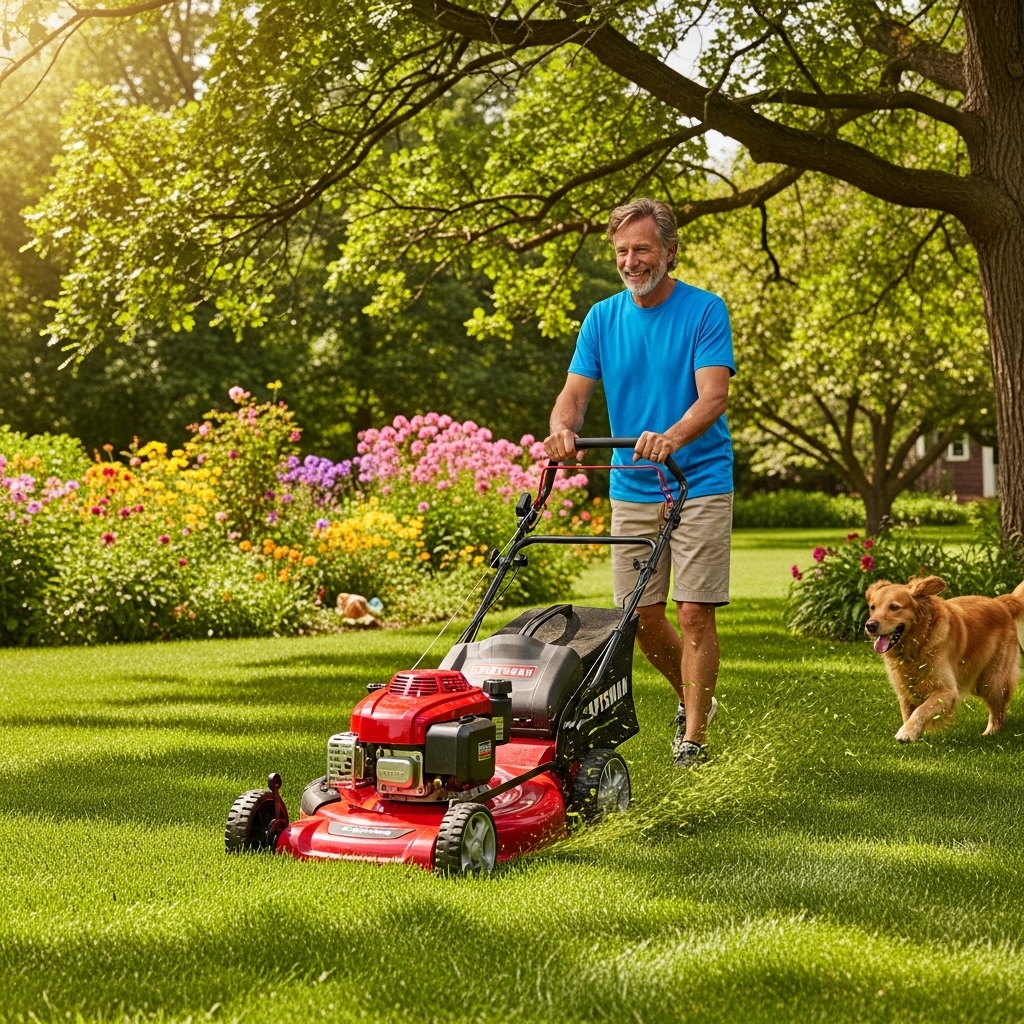
- Pros: Excellent battery life, powerful performance, lightweight.
- Cons: Higher initial cost, battery replacement may be needed in the long run.
- Key Features:
- 56V battery system for extended run time.
- Adjustable cutting heights (1.5″ to 4″).
- Quick charging capability.
- Ideal Use Case: Perfect for medium-sized lawns requiring maneuverability and efficiency.
Transform your lawn care routine with the Ego Power+ 21-Inch Cordless — Buy it on Amazon today!
Craftsman M105 140cc Gas Push Mower
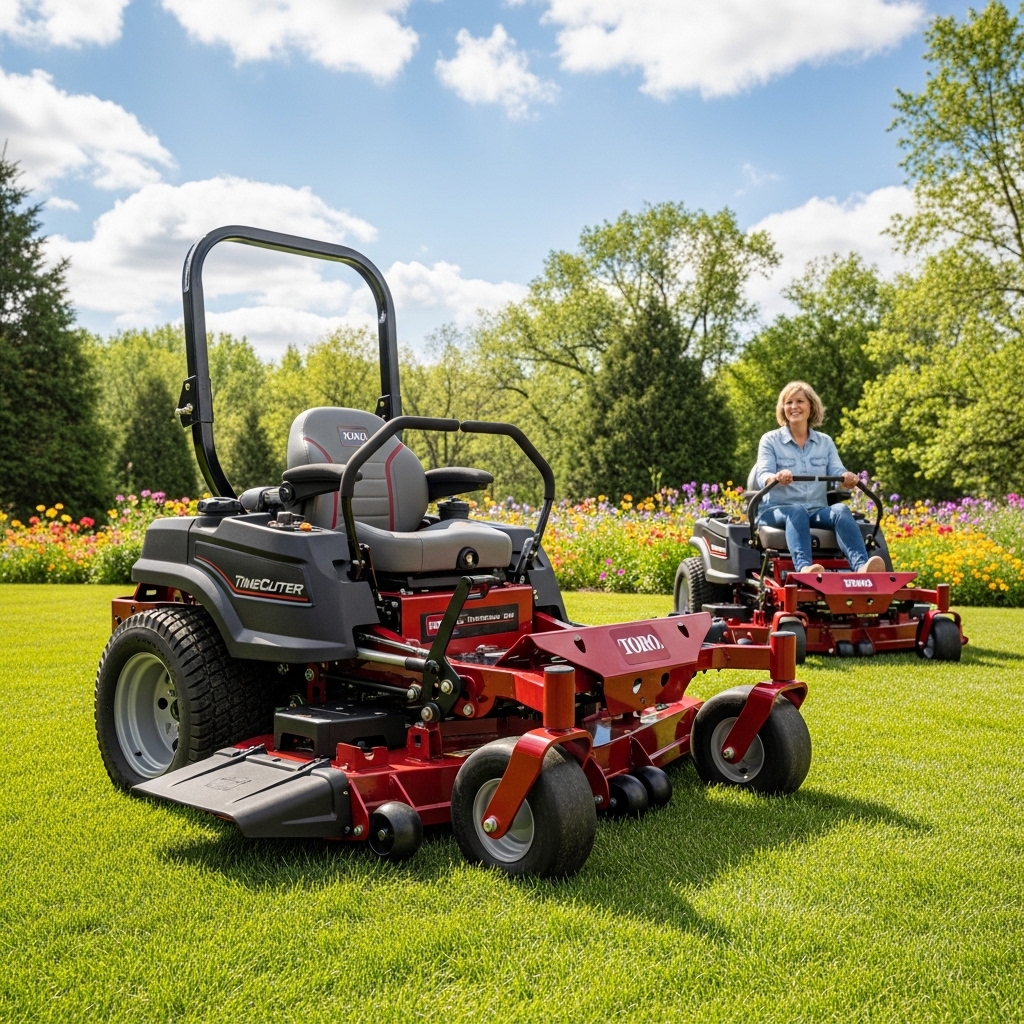
- Pros: Affordable, reliable, easy to start.
- Cons: Limited features, requires regular maintenance.
- Key Features:
- 140cc engine with a 21-inch cutting deck.
- 5-position height adjustment.
- 2-in-1 capability (mulching and bagging).
- Ideal Use Case: Best for small to medium yards where budget is a primary concern.
Achieve a pristine lawn effortlessly with the Craftsman M105 140cc Gas Push Mower — Get it on Amazon!
Toro TimeCutter 50-Inch Zero-Turn Mower
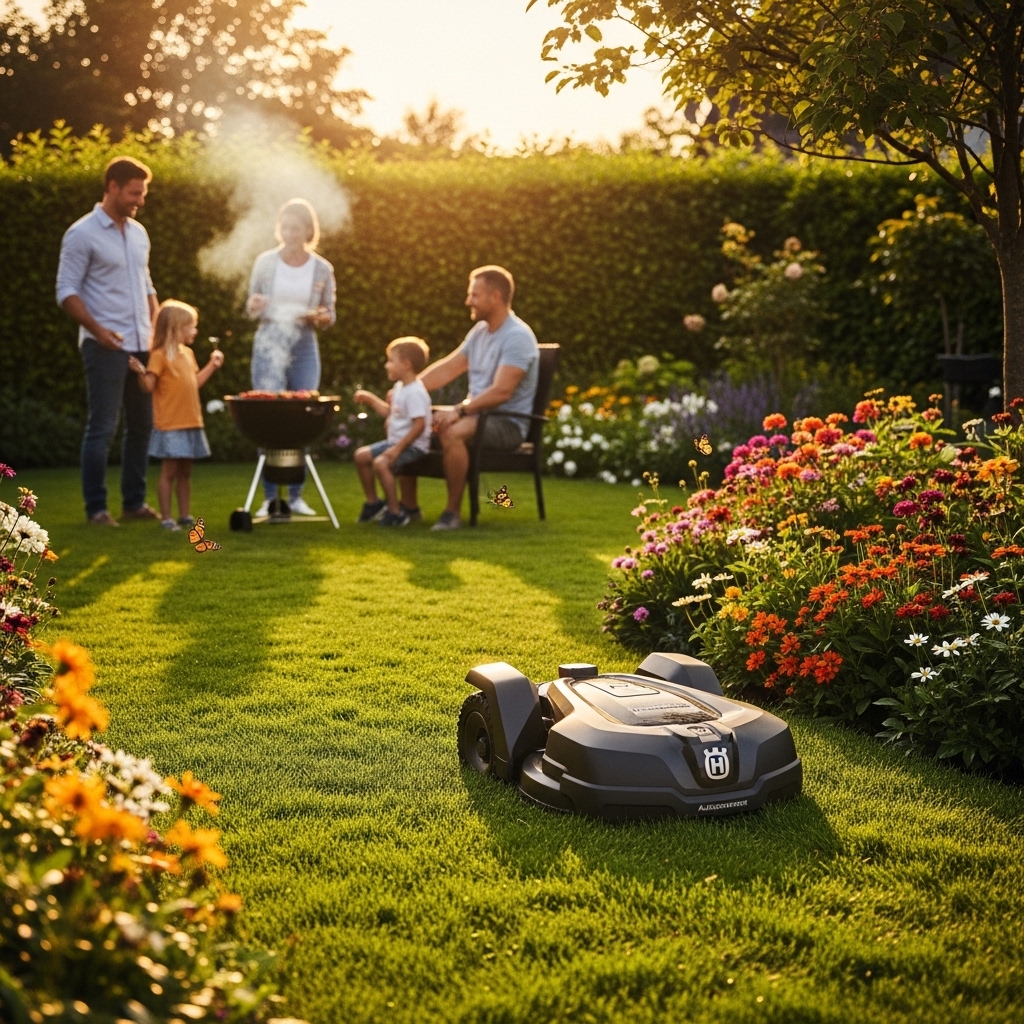
- Pros: Exceptional speed, high maneuverability, large cutting deck.
- Cons: Expensive, requires more storage space.
- Key Features:
- 22 HP Kohler engine.
- 50-inch cutting width.
- Smart Speed control for optimal speed management.
- Ideal Use Case: Designed for large lawns with obstacles that need quick, precise cuts.
Transform your mowing experience with the Toro TimeCutter 50-Inch Zero-Turn Mower — Shop on Amazon now!
Husqvarna Automower 450X
- Pros: Fully automated, programmable, works in various weather conditions.
- Cons: High initial cost, may require professional installation.
- Key Features:
- GPS-assisted navigation.
- Suitable for lawns up to 1.25 acres.
- Mobile app for remote control and monitoring.
- Ideal Use Case: Ideal for tech-savvy homeowners who prefer automation and have larger properties.
Best Self-Propelled Mower

Honda HRX217VKA
- Pros: Powerful engine, excellent mulching capability, easy to handle.
- Cons: Heavier than push models, higher price point.
- Key Features:
- 21-inch deck with MicroCut technology for finer clippings.
- Versatile 4-in-1 system (bagging, mulching, discharging, and leaf shredding).
- Variable speed control.
- Ideal Use Case: Great for homeowners needing both power and versatility in various mowing conditions.
Transform your lawn care with the Honda HRX217VKA — Get it on Amazon now!
Greenworks Pro 21-Inch 80V Cordless
- Pros: Quiet operation, zero emissions, strong cutting power.
- Cons: Battery life can be limiting for larger yards.
- Key Features:
- 2.5Ah battery with rapid charging.
- 3-in-1 design (mulch, bag, side discharge).
- Brushless motor for enhanced efficiency.
- Ideal Use Case: Suitable for eco-conscious homeowners with small to medium-sized lawns.
Transform your lawn care routine with the Greenworks Pro 21-Inch 80V Cordless — Available on Amazon!
Best Reel Mower
Fiskars StaySharp Max Reel Mower
- Pros: Environmentally friendly, lightweight, low maintenance.
- Cons: Less effective on tall or thick grass, requires physical effort.
- Key Features:
- Inertia drive system for easier cutting.
- 18-inch cutting width.
- Adjustable height settings.
- Ideal Use Case: Perfect for small yards and those preferring a workout while mowing.
Best for Small Yards
Black+Decker 20-Inch 40V Cordless Mower
- Pros: Compact, easy to store, quiet operation.
- Cons: Limited battery life, not suitable for larger lawns.
- Key Features:
- 40V lithium-ion battery for consistent power.
- 3-in-1 functionality (bagging, mulching, side discharge).
- Lightweight design.
- Ideal Use Case: Ideal for small lawns or urban gardens where space is limited.
Best for Wet Grass
Snapper 1687913 21-Inch Self-Propelled Mower
- Pros: Effective in wet conditions, robust build.
- Cons: Heavier than average, higher maintenance.
- Key Features:
- Rear-wheel drive for better traction.
- 21-inch steel deck.
- Adjustable cutting heights.
- Ideal Use Case: Best for areas with frequent rain or damp grass.
Best for Ease of Use
Cub Cadet XT1 Enduro Series
- Pros: User-friendly controls, comfortable seat, strong engine.
- Cons: More expensive, requires larger storage space.
- Key Features:
- 42-inch cutting deck.
- Hydrostatic transmission for smooth driving.
- Optional attachments for versatility.
- Ideal Use Case: Ideal for homeowners seeking comfort and ease while mowing larger lawns.
By assessing these models based on your specific needs—yard size, budget, and desired features—you can confidently choose the best lawn mower for your lawn care requirements.
Conclusion: Choosing the Right Lawn Mower for Your Needs
Selecting the ideal lawn mower hinges on understanding your specific yard requirements and personal preferences. This guide will help you navigate the options available in 2026.
Final Considerations for Your Purchase
- Yard Size:
- Small Yards: Recommended mowers include walk-behind models with a deck size of 20 inches or less. They offer maneuverability and efficiency.
- Medium Yards: A self-propelled or electric mower with a 20-22 inch deck strikes a balance between ease of use and cutting efficiency.
- Large Yards: Consider riding mowers or robotic mowers. They cover more ground quickly and reduce physical strain.
- Power Source:
- Gas Mowers: Best for larger yards; they deliver power and longer run times but require more maintenance.
- Electric Mowers: Ideal for smaller, quieter tasks. They are eco-friendly and require less maintenance.
- Robotic Mowers: Perfect for busy homeowners. They operate autonomously and handle basic mowing tasks without supervision.
Common Mistakes to Avoid
- Ignoring Yard Terrain: Assess your yard’s slopes and obstacles. Choose a mower that can navigate these challenges effectively.
- Overlooking Maintenance Needs: Different mowers have varying upkeep requirements. Understand what maintenance is necessary to keep your mower in optimal condition.
- Neglecting Budget: Determine your price range before shopping. High-end models offer advanced features but may not be necessary for every user.
When to Upgrade Your Mower
- Decreased Performance: If your mower struggles to cut grass efficiently, it may be time for an upgrade.
- Increased Yard Size: Moving to a larger property necessitates a more powerful mower.
- Technological Advancements: New models often come equipped with features like enhanced battery life or improved cutting technology, making them worth considering.
By aligning your lawn care needs with the right mower type, you’ll ensure a healthier, more manageable lawn. Prioritize your yard size, terrain, and maintenance preferences to confidently select the best lawn mower for your needs.
Frequently Asked Questions
These quick answers cover the most common questions about this topic, including key details, practical tips, and common concerns.
What is the best lawn mower in the market?
The best lawn mower depends on your yard size and preferences. For medium-sized lawns, electric models like the Ego Power+ offer excellent performance with low maintenance. For larger properties, gas-powered self-propelled or riding mowers provide more power and efficiency. Robotic mowers are ideal for automation and convenience. Consider your specific needs to choose the top-rated option.
Which lawn mower is best for hilly terrain?
Self-propelled gas mowers with rear-wheel drive are typically best for hills. They provide better traction and ease of maneuvering on slopes. Some robotic mowers also handle gentle inclines well, but for steep or uneven terrain, a powerful gas mower with good traction is recommended.
Are robotic mowers worth the investment?
Robotic mowers are worth it if you value convenience and have a lawn of up to 1-2 acres. They operate automatically, saving you time and effort. However, they tend to be more expensive upfront and work best on flat, obstacle-free lawns. For busy households or larger properties, they can be a smart investment.
How do gas and electric mowers compare in performance?
Gas mowers generally deliver more power, making them suitable for thick or tall grass and large yards. They can run longer but require more maintenance and produce emissions. Electric mowers are quieter, eco-friendly, and easier to maintain, ideal for small to medium lawns. Performance differences are minimal for typical residential use, with electric models increasingly matching gas power.
When should I replace my lawn mower?
Replace your mower when it no longer cuts efficiently, requires costly repairs, or if maintenance costs outweigh its value. Signs include difficulty starting, uneven cuts, or excessive noise. Upgrading is also advisable when your yard size increases or if newer models offer features that improve your lawn care.
What features matter most when choosing a lawn mower?
Key features include cutting width, height adjustment options, and whether the mower is self-propelled. Mulching capabilities, ease of start, and ergonomic handles enhance usability. For electric models, battery life and recharge time are crucial. For gas models, engine power and durability matter most.
How often should I mow my lawn?
Typically, mowing once a week during the growing season maintains a healthy lawn. Adjust frequency based on grass growth rate, weather conditions, and season. Avoid cutting more than one-third of the grass height at a time to prevent stress and promote healthy growth.
What are common mistakes to avoid when buying a lawn mower?
Avoid choosing a mower without considering your yard’s terrain and size. Don’t overlook maintenance needs or budget constraints. Selecting a mower that’s too powerful or too small for your yard can lead to frustration. Also, neglecting safety features or durability can cause issues later.