
This article highlights 10 endangered butterflies and their essential host plants, showcasing the critical relationship between these beautiful insects and the flora necessary for their survival. Understanding these connections can help us support conservation efforts.
1. Overview of Endangered Butterflies and Their Host Plants
Endangered butterflies are beautiful creatures that face serious threats to their survival. Their existence is closely tied to specific plants known as host plants, which are crucial for their life cycles.
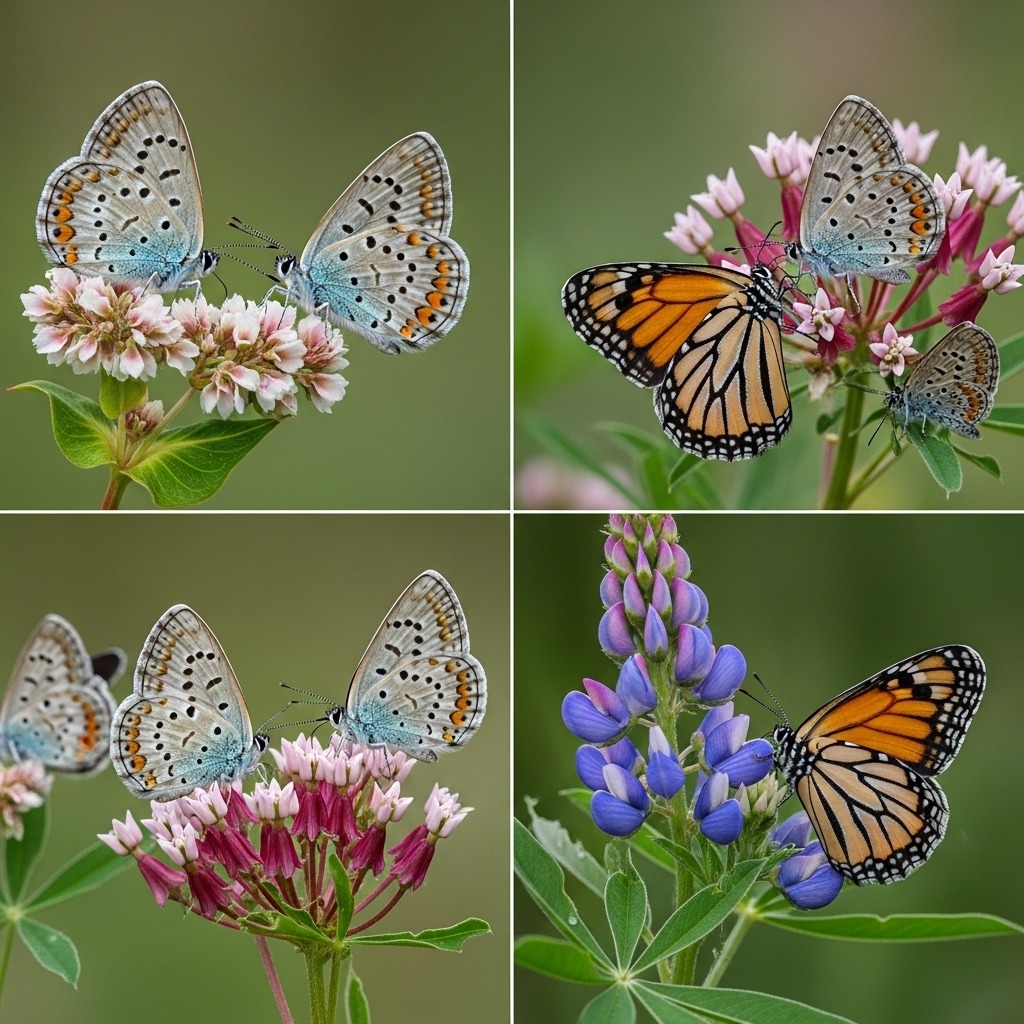
Importance of Biodiversity
Biodiversity is essential for healthy ecosystems. Butterflies play vital roles as pollinators and indicators of environmental health. The decline of butterfly populations often signals larger ecological issues, such as habitat destruction and climate change.
The Role of Butterflies in Ecosystems
Butterflies contribute to pollination, helping many plants reproduce. They are also a food source for various animals. Each butterfly species has a unique role, making their survival crucial for maintaining ecological balance.
How Host Plants Support Butterfly Life Cycles
Host plants are where butterflies lay their eggs and where caterpillars feed. Without these plants, many butterfly species cannot thrive. Here’s a quick look at some endangered butterflies and their primary host plants:
- Monarch Butterfly: Milkweed
- Miami Blue: Beach blueberry
- Saint Francis’ Satyr: Various sedges
- Callippe Silverspot: Viola species
- Bartram’s Hairstreak: Various shrubs
- Schaus Swallowtail: Wild lime
This relationship between butterflies and host plants is critical. Protecting these plants means protecting the butterflies that depend on them.
By understanding this connection, we can take meaningful steps to support conservation efforts. For instance, planting native host plants in gardens can help bolster local butterfly populations. This simple act contributes to the broader goal of preserving biodiversity.
Table of Contents
2. Monarch Butterfly and Its Host Plants
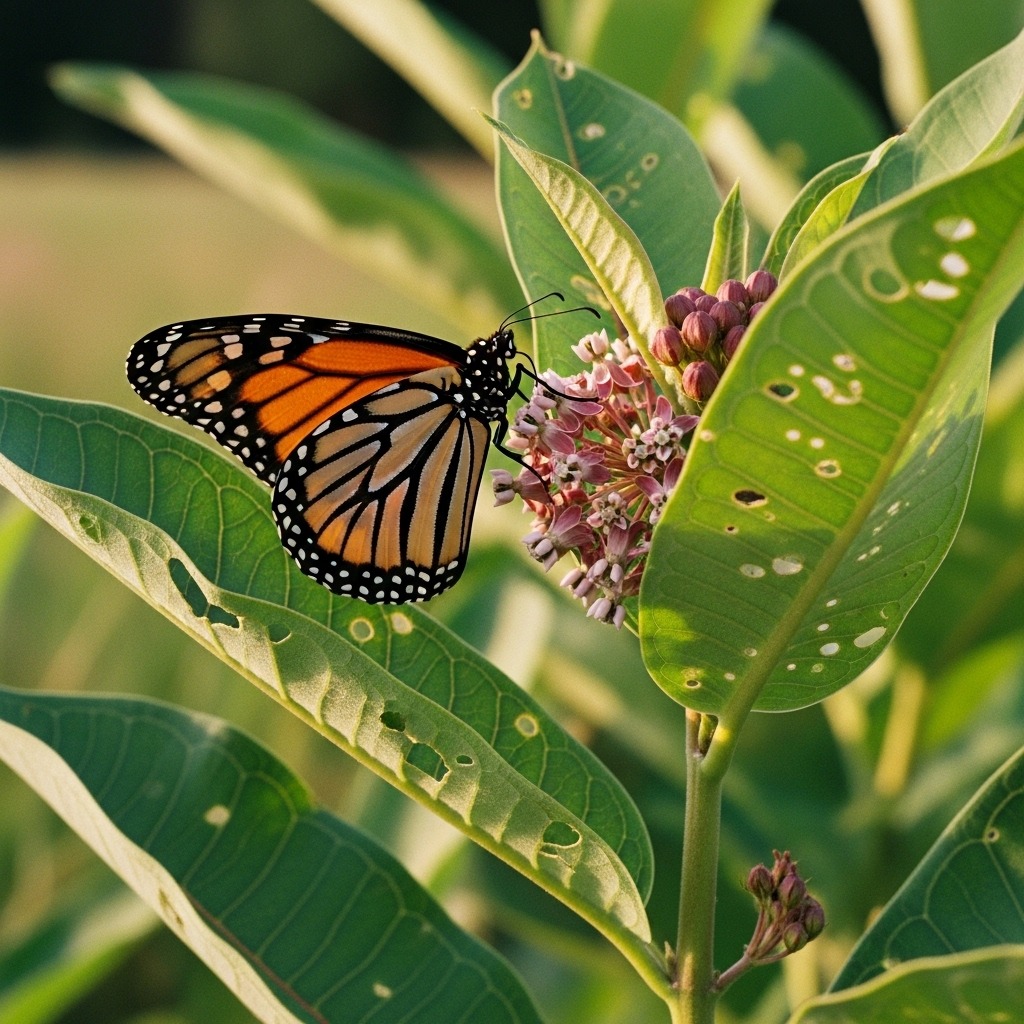
The Monarch butterfly is one of the most well-known endangered species. Its stunning orange and black wings capture our attention, but its survival is at risk. The Monarch relies heavily on milkweed for its lifecycle.
Conservation status and threats
The Monarch butterfly is currently facing significant threats. Its population has decreased drastically, primarily due to habitat loss and climate change. Specifically, the decline of milkweed due to agricultural practices has been a major factor. Without milkweed, Monarchs cannot reproduce or thrive.
- Endangered Status: The Monarch is a candidate for protection under the Endangered Species Act.
- Population Decline: Reports indicate an 80% decrease in Monarch numbers over the past two decades.
Importance of milkweed
Milkweed is not just a food source; it is essential for Monarch caterpillars. Adult Monarchs lay their eggs on milkweed plants, which serve as the sole food source for the hatching caterpillars. Here’s why milkweed is crucial:
- Lifecycle Dependence: Monarch caterpillars feed exclusively on milkweed leaves.
- Nutritional Value: Milkweed provides the necessary nutrients for caterpillar growth and development.
- Toxicity: The toxins in milkweed protect caterpillars from predators, making them less palatable.
Support Monarch habitats
Planting milkweed is a simple yet effective way to support Monarch populations. Here are some strategies to help you create a Monarch-friendly garden:
- Choose Native Milkweed Varieties: Use local milkweed species to ensure they thrive in your area.
- Create a Pollinator Garden: Combine milkweed with nectar-rich flowers to attract adult Monarchs.
- Avoid Pesticides: Reducing or eliminating pesticide use will create a safer environment for Monarchs and other beneficial insects.
By taking these steps, you can contribute to the conservation of the Monarch butterfly and its vital habitat.
3. Miami Blue Butterfly and Its Host Plants
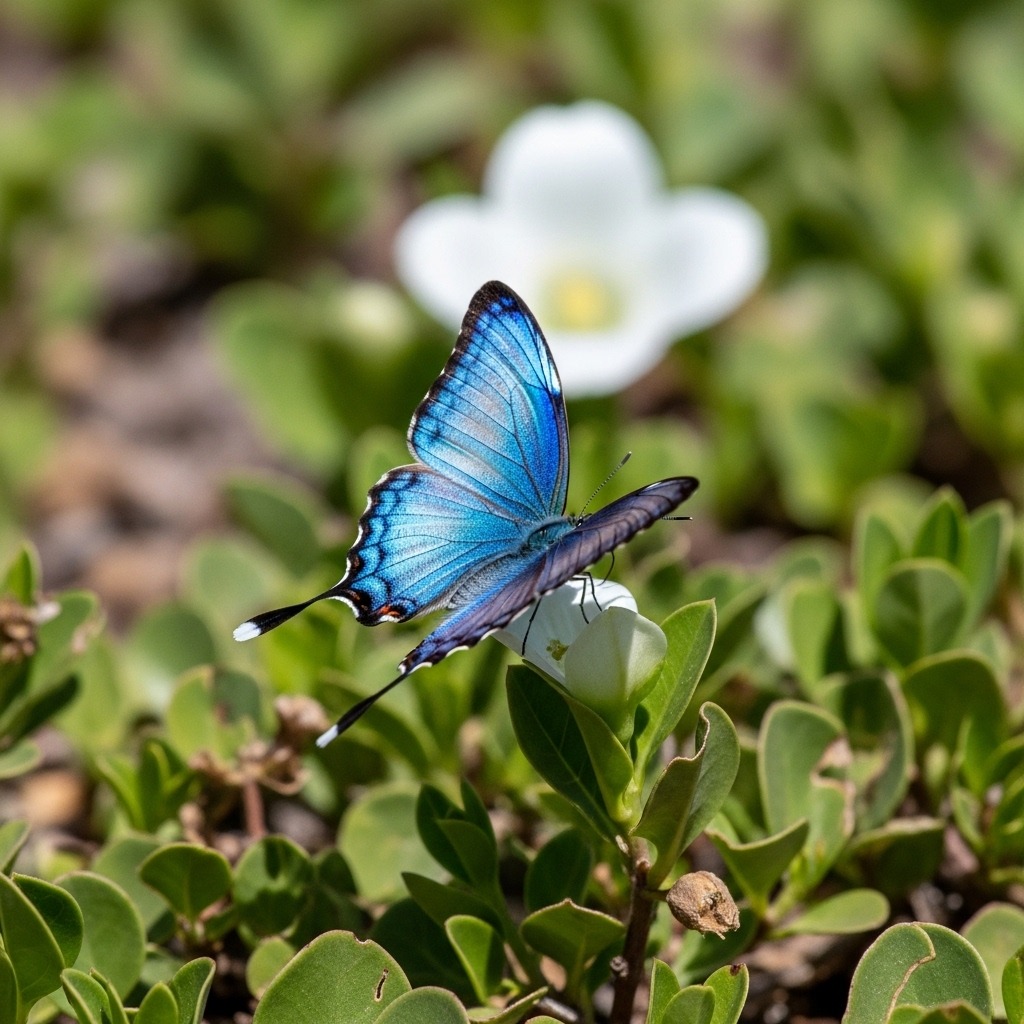
The Miami Blue butterfly is a stunning species with a unique connection to its host plant, the beach blueberry. This butterfly is critically endangered, making its conservation crucial for maintaining biodiversity in its native habitat.
Unique Habitat Requirements
The Miami Blue butterfly thrives in coastal areas of Florida, specifically within the subtropical ecosystems. It requires specific conditions to flourish, including:
- Warm temperatures: These butterflies prefer sunny habitats.
- Low vegetation: They are often found in areas with sparse plant cover.
- Access to host plants: The presence of beach blueberry plants is vital for their survival.
Importance of Beach Blueberry
Beach blueberries (Vaccinium myrsinites) serve as the primary host plant for Miami Blue caterpillars. Here’s why this plant is essential:
- Egg-laying site: Female butterflies lay their eggs on the tender leaves of the beach blueberry.
- Food source: Caterpillars feed on the leaves, which are rich in nutrients necessary for their growth.
- Habitat support: Beach blueberries help maintain the specific ecosystem the Miami Blue depends on.
Conservation Actions in Florida
Efforts to protect the Miami Blue butterfly are ongoing. Here are some key actions being taken:
- Habitat restoration: Initiatives are underway to restore coastal habitats where beach blueberries grow.
- Public awareness campaigns: Educating the community about the significance of the Miami Blue and its habitat helps garner support for conservation.
- Monitoring programs: Conservationists track butterfly populations and their habitats to assess the effectiveness of recovery efforts.
By focusing on the Miami Blue butterfly and its relationship with beach blueberries, we can make strides toward protecting this beautiful and vital species.
4. Saint Francis’ Satyr and Its Host Plants
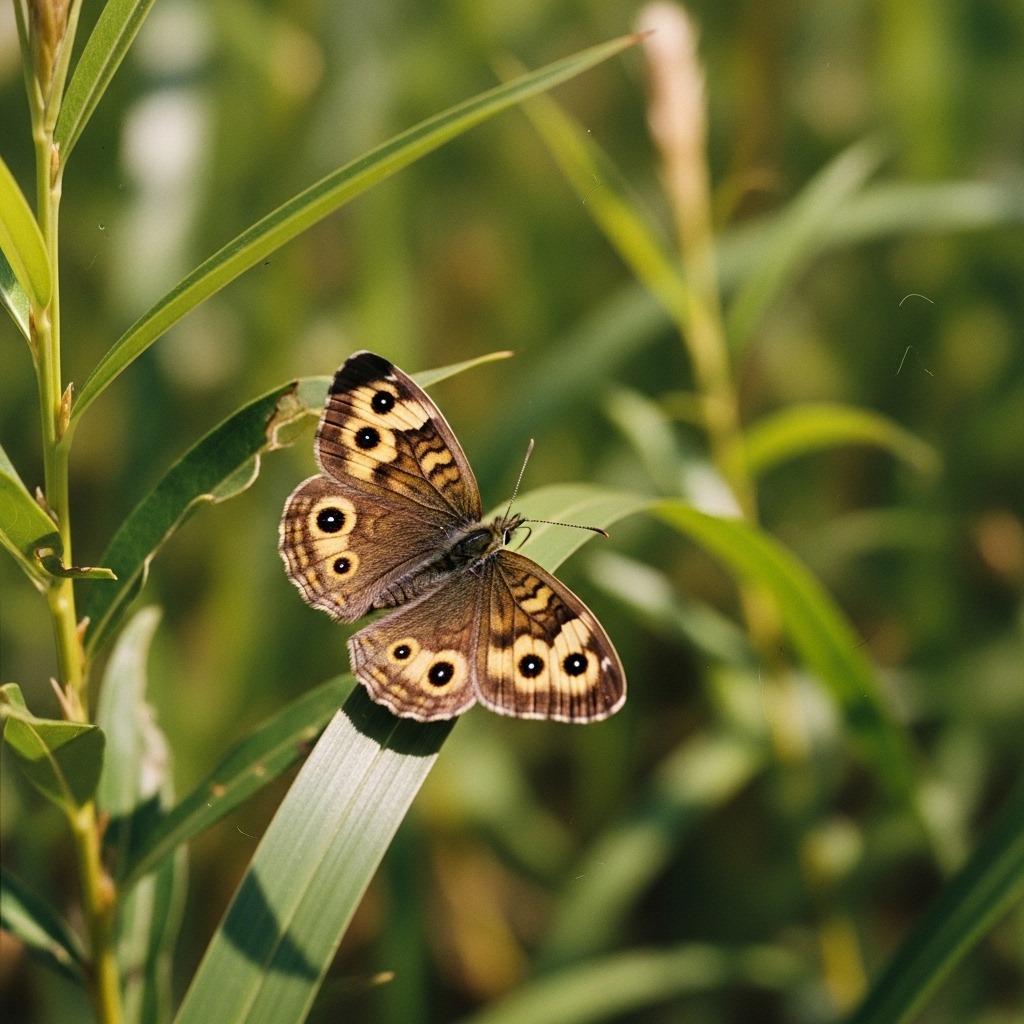
The Saint Francis’ Satyr butterfly is a rare gem in the butterfly world. Its survival hinges on specific sedges found in its unique habitat. Let’s take a closer look at this beautiful butterfly, its habitat, and the vital role of sedges.
Conservation Challenges
The Saint Francis’ Satyr faces significant challenges. Habitat destruction is a major threat. Urban development and agricultural expansion have reduced the wetlands where these butterflies thrive. Additionally, climate change poses risks to their delicate habitats.
- Wetland Loss: Draining and pollution diminish their environment.
- Climate Change: Alters the delicate balance of ecosystems.
- Invasive Species: Non-native plants can outcompete the sedges they rely on.
Role of Sedges in the Lifecycle
Sedges are essential for the Saint Francis’ Satyr’s lifecycle. These plants provide food for caterpillars, acting as their sole source of nourishment.
- Food Source: Caterpillars feed on sedges, which are crucial for their growth.
- Egg Laying: Female butterflies lay eggs exclusively on these plants, ensuring the next generation has immediate access to food.
Preservation Efforts in North Carolina
Conservationists are actively working to protect the Saint Francis’ Satyr. Successful efforts focus on habitat restoration and community engagement.
- Restoration Projects: These initiatives aim to restore wetland areas where sedges grow.
- Community Involvement: Local groups work to educate the public about the importance of preserving these habitats.
Example of Success: In North Carolina, a specific project involved replanting native sedges in degraded wetlands. This effort led to an increase in the Saint Francis’ Satyr population, demonstrating that targeted conservation can yield positive outcomes.
By understanding the relationship between the Saint Francis’ Satyr and its host plants, we can take meaningful steps toward ensuring their survival.
5. Callippe Silverspot Butterfly and Its Host Plants
The Callippe Silverspot butterfly is a rare beauty found primarily in California. To survive, it depends heavily on specific host plants, particularly Viola species. Understanding this relationship is crucial for conservation efforts.
Threats to Callippe Silverspot
The Callippe Silverspot faces several threats:
- Habitat Loss: Urban development and agriculture have drastically reduced its natural habitat.
- Invasive Species: Non-native plants compete with Viola species, limiting food availability.
- Climate Change: Changing weather patterns can affect the availability and distribution of host plants.
Significance of Viola for Caterpillars
Viola plants are essential for the larvae of the Callippe Silverspot. Here’s why they matter:
- Food Source: Caterpillars feed exclusively on Viola leaves. Without them, they can’t survive.
- Egg Laying: Female butterflies lay their eggs on these plants, ensuring the next generation has immediate access to food.
Conservation Initiatives in California
Several initiatives aim to protect the Callippe Silverspot and its habitat:
- Restoration Projects: These projects focus on planting native Viola species in areas where they have dwindled.
- Community Engagement: Local organizations educate the public about the butterfly’s plight and how to help.
- Example of Success: In a recent project, reintroducing Viola in a previously degraded area led to a noticeable uptick in Callippe Silverspot sightings.
To support local populations, gardeners can plant Viola species in their yards. Creating a butterfly-friendly habitat involves:
- Choosing native Viola varieties.
- Avoiding pesticides that can harm caterpillars and butterflies.
- Providing a diverse range of plants to create a thriving ecosystem.
By taking these steps, we can help ensure a brighter future for the Callippe Silverspot butterfly.
6. Bartram’s Hairstreak and Its Host Plants
The Bartram’s Hairstreak butterfly is a small, yet striking species. It primarily relies on specific host plants for its survival and reproduction. Understanding this relationship is key to its conservation.
Conservation Status and Habitat Loss
Bartram’s Hairstreak (Strymon acis bartrami) is currently listed as an endangered species. Its populations have declined due to habitat loss. Urban development and agricultural practices have damaged its natural environment. These butterflies thrive in open woodlands and glades, where their host plants flourish. Without these habitats, their survival is at risk.
Importance of Host Plants
The Bartram’s Hairstreak has a unique relationship with specific host plants. It primarily feeds on:
- Redbud (Cercis canadensis): The larvae rely on this tree for nourishment.
- Various species of legumes: These plants are essential for the caterpillars’ growth.
Host plants provide not just food, but also shelter. They are crucial for the lifecycle of the Bartram’s Hairstreak, from egg to caterpillar to adult butterfly.
Restoration Efforts in the Southeastern U.S.
Efforts to restore habitats for the Bartram’s Hairstreak are ongoing, particularly in the Southeastern U.S. Here are some examples of local projects:
- Planting native Redbud trees: Communities are encouraged to plant these trees to create suitable habitats.
- Creating butterfly gardens: Local organizations are promoting butterfly gardens that include host plants for the Bartram’s Hairstreak.
By engaging in these restoration efforts, communities can contribute significantly to the survival of this beautiful butterfly. Every small action counts in helping to create a thriving ecosystem for Bartram’s Hairstreaks and other endangered species.
7. Schaus Swallowtail and Its Host Plants
The Schaus Swallowtail is a rare butterfly found primarily in Florida. Its survival hinges on a critical relationship with the wild lime tree, its primary host plant.
Endangered Status and Threats
The Schaus Swallowtail is classified as endangered. Its population has drastically declined due to several factors, including:
- Habitat loss: Urban development and agricultural expansion have destroyed many of their natural habitats.
- Climate change: Altered weather patterns impact the availability of wild lime trees.
- Pesticide use: Chemicals in farming can harm both the butterflies and their host plants.
These threats make conservation efforts vital for the survival of the Schaus Swallowtail.
Role of Wild Lime in the Lifecycle
Wild lime trees (Zanthoxylum fagara) play a crucial role in the lifecycle of the Schaus Swallowtail. Here’s how:
- Egg-laying: Female Schaus Swallowtails lay their eggs on the leaves of wild lime trees.
- Caterpillar nourishment: Once hatched, the caterpillars feed exclusively on the leaves, which provide the necessary nutrients for growth.
- Habitat: These trees offer shelter and protection from predators during the caterpillar stage.
Without wild lime, the Schaus Swallowtail cannot complete its lifecycle, leading to population declines.
Community Efforts for Conservation
Communities play a big role in protecting the Schaus Swallowtail. Here are ways to get involved:
- Plant wild lime trees: Encourage local planting initiatives to restore habitats.
- Create butterfly gardens: Design gardens that include both wild lime and nectar-rich flowers to attract adults.
- Educate others: Share information about the Schaus Swallowtail and its needs to raise awareness.
Community involvement not only supports local butterfly populations but also enhances biodiversity in the area. By working together, we can help ensure a future for the Schaus Swallowtail and its essential host plants.
8. Palos Verdes Blue Butterfly and Its Host Plants
The Palos Verdes Blue butterfly is a stunning species native to California. This butterfly relies heavily on specific host plants for its survival, making their conservation essential.
Status and Habitat Specificity
The Palos Verdes Blue butterfly is classified as endangered. Its populations are primarily found in a small area of the Palos Verdes Peninsula. Habitat loss due to urban development poses a significant threat to this butterfly’s survival.
Key Host Plants for Palos Verdes Blue
- Lupinus albifrons (Silver Bush Lupine): This is the primary host plant for the Palos Verdes Blue caterpillars. Adult butterflies also use it for laying eggs.
- Lupinus variicolor (Variegated Lupine): Another important plant that supports the lifecycle of this butterfly.
- Other native plants: While these two are crucial, maintaining a variety of native plants in the area can enhance habitat quality.
Conservation Efforts in California
Efforts to protect the Palos Verdes Blue butterfly include:
- Habitat restoration projects: These aim to restore native plant communities, focusing on the essential host plants.
- Community involvement: Local organizations are engaging residents in planting native species and creating butterfly-friendly gardens.
- Education programs: Initiatives to raise awareness about the butterfly’s status and the importance of its host plants are vital for long-term conservation.
By supporting these conservation efforts, individuals can help protect the Palos Verdes Blue butterfly and its essential habitat. Consider participating in local planting days or educating others about the importance of this butterfly and its host plants.
9. Oregon Silverspot and Its Host Plants
The Oregon Silverspot butterfly is a stunning yet endangered species, primarily relying on specific types of violets for survival. Understanding its needs helps in conservation efforts.
Conservation Status and Habitat Needs
The Oregon Silverspot butterfly (Speyeria zerene hippolyta) is critically endangered. It primarily inhabits coastal grasslands and meadows. Unfortunately, habitat loss due to urban development and agricultural expansion threatens its survival.
Key habitat needs include:
- Open grasslands: These areas support the growth of violets, which are essential for the butterfly’s lifecycle.
- Diverse plant life: A mix of native plants encourages a healthy ecosystem that supports the Oregon Silverspot and its host plants.
Significance of Violets
Violets, particularly the Western violet (Viola adunca), play a critical role in the lifecycle of the Oregon Silverspot. These plants serve as the sole food source for the butterfly’s caterpillars.
Key points about violets:
- Egg-laying sites: Female butterflies lay their eggs on the leaves of violets.
- Caterpillar food source: After hatching, caterpillars feed on the leaves, crucial for their growth and development.
- Habitat support: Violets thrive in the same environments where the Oregon Silverspot lives, creating a symbiotic relationship.
Ongoing Conservation Projects
Community involvement is vital for the Oregon Silverspot’s recovery. Local conservation groups are working on projects that focus on habitat restoration and public education.
Examples of these efforts include:
- Planting violets: Communities are encouraged to plant native violets in gardens and green spaces to support local populations.
- Habitat restoration: Projects aim to restore degraded grasslands, creating more suitable environments for both the butterflies and their host plants.
- Educational programs: Workshops and events inform the public about the importance of preserving the Oregon Silverspot and its habitat.
By engaging in these initiatives, individuals can make a meaningful impact on the conservation of the Oregon Silverspot butterfly and its essential host plants.
10. Other Notable Endangered Butterflies and Their Host Plants
Many other endangered butterflies are struggling to survive due to habitat loss and environmental changes. Each of these butterflies has unique host plants that are crucial for their lifecycle. Supporting these plants is vital for their conservation.
Summary of Notable Species
- Karner Blue Butterfly
- Host Plant: Wild Lupine
- Threats: Habitat destruction and invasive species.
- Conservation Needs: Habitat restoration and protection of wild lupine populations.
- Oregon Silverspot Butterfly
- Host Plant: Various violets
- Threats: Loss of coastal grasslands and development.
- Conservation Needs: Habitat preservation and public education on the importance of local ecosystems.
- Fender’s Blue Butterfly
- Host Plant: Native prairie flowers
- Threats: Urbanization and agricultural practices.
- Conservation Needs: Restoration of native prairies and controlled grazing practices.
- Mission Blue Butterfly
- Host Plant: Various species of bluebell
- Threats: Climate change and habitat fragmentation.
- Conservation Needs: Protecting and restoring native habitats in San Francisco.
- Bay Checkerspot Butterfly
- Host Plant: Various native plants, especially plantain
- Threats: Urban development and invasive species.
- Conservation Needs: Effective land management and creating protected areas.
Importance of Host Plants
Host plants are essential for the survival of butterfly larvae. Without these specific plants, caterpillars cannot feed and grow. Here’s a quick overview of the host plants for these butterflies:
| Butterfly Species | Host Plant |
|---|---|
| Karner Blue | Wild Lupine |
| Oregon Silverspot | Various Violets |
| Fender’s Blue | Native Prairie Flowers |
| Mission Blue | Various Bluebell Species |
| Bay Checkerspot | Various Native Plants |
Call to Action for Conservation
To help these endangered butterflies, consider the following actions:
- Plant native host plants in your garden to support local butterfly populations.
- Participate in local conservation efforts aimed at restoring habitats.
- Educate your community about the importance of preserving these butterflies and their ecosystems.
Every small action counts. Together, we can help protect these beautiful creatures and their vital host plants.
11. Conclusion: The Future of Endangered Butterflies and Their Host Plants
Conservation efforts for endangered butterflies are essential for their survival. These delicate creatures rely heavily on specific host plants throughout their life cycles. Protecting both butterflies and their host plants can help maintain biodiversity and a healthy ecosystem.
Recap of Key Points
- Endangered Butterflies: Many butterfly species are facing extinction. Their survival is threatened by habitat loss, climate change, and pesticide use.
- Host Plants: Each butterfly species depends on particular plants for laying eggs and feeding their caterpillars. Without these plants, butterflies cannot thrive.
- Biodiversity: Butterflies play a critical role in pollination. Their decline affects not only their species but the entire ecosystem.
The Role of Individuals in Conservation
Everyone can contribute to butterfly conservation. Here are some actionable steps:
- Plant native host plants: Create a butterfly-friendly garden using local flora.
- Support local conservation efforts: Join community initiatives focused on habitat restoration.
- Educate others: Share knowledge about the importance of protecting butterflies and their habitats.
Future Challenges and Opportunities
The road ahead involves overcoming significant challenges but also offers opportunities for positive change. Here’s what to consider:
- Habitat Restoration: Projects that restore native plant communities can significantly boost butterfly populations.
- Research and Monitoring: Continued research into butterfly behaviors and habitats can inform effective conservation strategies.
- Community Engagement: Engaging local communities fosters a collective effort to protect endangered species.
By understanding the intricate relationships between butterflies and their host plants, we can work towards a future where these beautiful insects continue to thrive. Every effort counts in making a difference!
Frequently Asked Questions
These quick answers cover the most common questions about this topic, including key details, practical tips, and common concerns.
What are the top 10 endangered plants that support butterfly habitats?
Some key endangered plants include milkweed (crucial for Monarchs), beach blueberry (Miami Blue), sedges (Saint Francis’ Satyr), Viola species (Callippe Silverspot), wild lime (Schaus Swallowtail), lupine (Karner Blue), violets (Oregon Silverspot), native prairie flowers (Fender’s Blue), bluebells (Mission Blue), and native plants like plantain (Bay Checkerspot). Protecting these plants helps conserve their dependent butterfly species.
How can I identify endangered butterflies?
Endangered butterflies often have distinctive markings, colors, and habitat preferences. For example, Monarchs are orange with black and white spots, while Miami Blue has bright blue wings. Learning about their size, wing patterns, and preferred environments helps. Observing their host plants and behaviors also aids identification.
Why are host plants essential for butterfly survival?
Host plants are the only food source for caterpillars. They provide nutrients necessary for growth and development. Without these plants, butterfly populations decline because caterpillars cannot feed or complete their lifecycle. Protecting and planting native host plants is critical for conservation.
When is the best time to plant host plants for butterflies?
The optimal time is in early spring or late fall, depending on your region. Planting during these periods allows native plants to establish before the peak butterfly breeding season. Check local planting calendars for specific timing to maximize success.
What are the main threats to butterfly populations?
Major threats include habitat destruction from urbanization, agriculture, and development. Climate change alters habitats, and pesticide use harms both adults and larvae. Invasive species compete with native host plants, reducing food sources for caterpillars.
How do I create a butterfly-friendly garden?
Choose native host plants and nectar flowers suited to your area. Avoid pesticides and chemicals. Provide shelter, such as native shrubs or logs, and ensure a variety of plants to support different butterfly species throughout the season. Regularly maintain and expand your garden to support local populations.
Why are certain butterflies endangered?
Many butterflies are endangered due to habitat loss, climate change, and invasive species. Their specific host plants and habitats are shrinking or degrading, making survival difficult. Conservation efforts focus on habitat restoration and protecting native plants to help these species recover.
What are some conservation success stories for endangered butterflies?
Some projects have successfully restored habitats by replanting native host plants, leading to population increases. For example, habitat restoration for the Saint Francis’ Satyr and reintroduction of violets for the Oregon Silverspot have shown positive results. Community involvement and targeted planting are key to these successes.