
There are numerous butterfly species facing extinction due to habitat loss and environmental changes. This article highlights 10 critically endangered butterflies and their specific host plants, emphasizing the crucial relationship between these species and the plants they rely on for survival [1].
Table of Contents
1. Overview of Endangered Butterflies and Their Host Plants
Endangered butterflies are vital components of our ecosystems, yet many face extinction due to various threats. The survival of these species is intricately linked to their host plants, which provide essential resources for their life cycles.
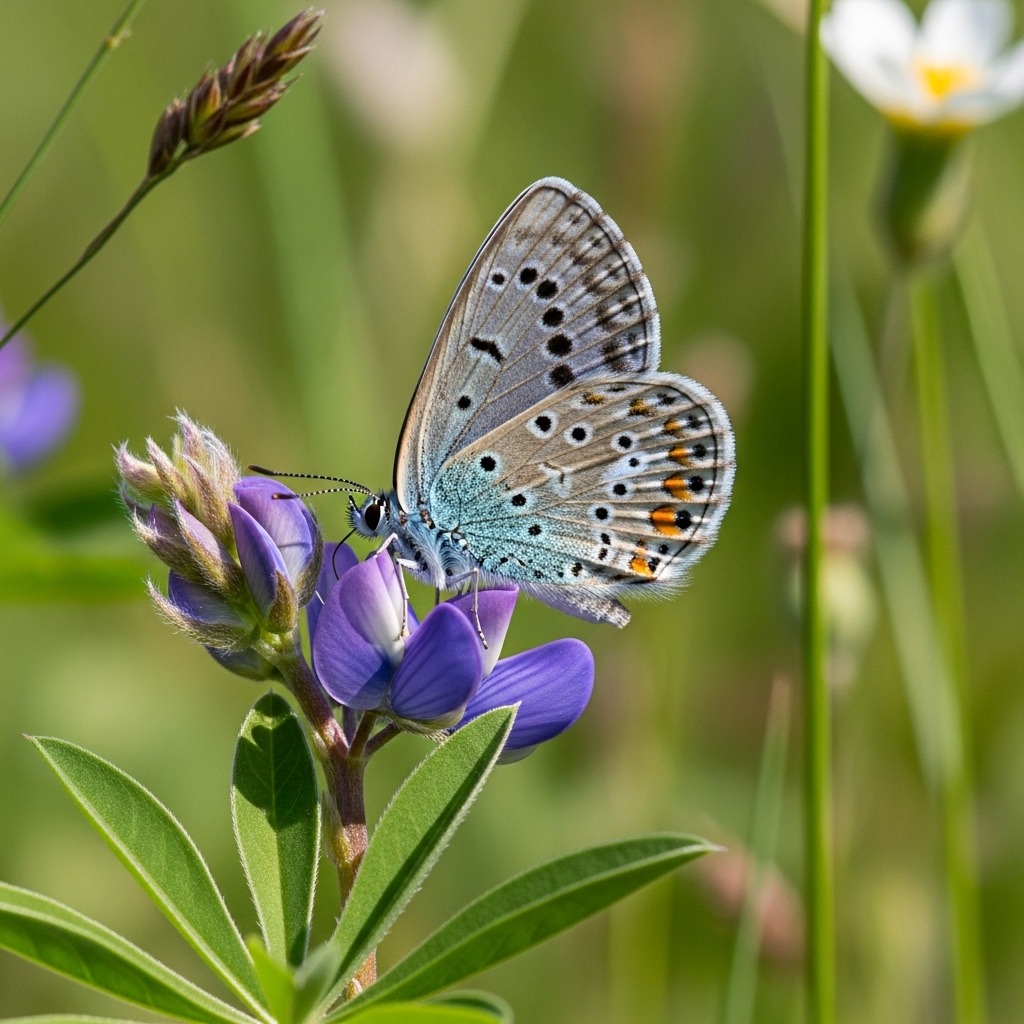
Importance of Biodiversity Conservation
The conservation of endangered butterflies is crucial for maintaining biodiversity. Each butterfly species plays a unique role in its ecosystem, often acting as pollinators for many plants. Protecting these butterflies helps preserve the intricate web of life. Their decline signals broader environmental issues, indicating habitat degradation and loss of biodiversity.
Understanding Host Plants
Host plants are specific plants that butterflies rely on for laying eggs and feeding their caterpillars. These plants are not just food sources; they are integral to the butterfly’s life cycle. Without the correct host plants, many butterfly species cannot survive.
Here are key relationships:
- Caterpillar Development: Host plants provide the necessary nutrients for caterpillar growth. For example, the Karner Blue butterfly exclusively uses wild lupine as its host plant.
- Nectar Sources: Adult butterflies also need nectar-rich plants for sustenance. Providing both host plants and nectar plants maximizes the chances for butterflies to thrive in your garden.
Key Endangered Butterflies and Their Host Plants
1. Karner Blue: Wild lupine
2. Miami Blue: Beach blueberry
3. Callippe Silverspot: Viola species
4. Schaus Swallowtail: Wild lime
5. Pawpaw Sphinx: Pawpaw
6. Hammock Skipper: Various grass species
7. Oregon Silverspot: Various violets
8. Zabulon Skipper: Various grasses
9. Northern Metalmark: Various asters
10. Banded Hairstreak: Redbud trees
Each of these butterflies has a specific host plant, highlighting the importance of plant preservation for their continued existence. Conservation efforts must focus on protecting these vital plants to ensure the butterflies’ survival.
Understanding this interdependence is critical. Conservation initiatives can be more effective when they address both butterfly and host plant needs. For instance, habitat restoration projects should prioritize the cultivation of native host plants to support local butterfly populations. This dual approach fosters a healthier ecosystem and promotes biodiversity resilience.
2. Monarch Butterfly and Its Host Plants
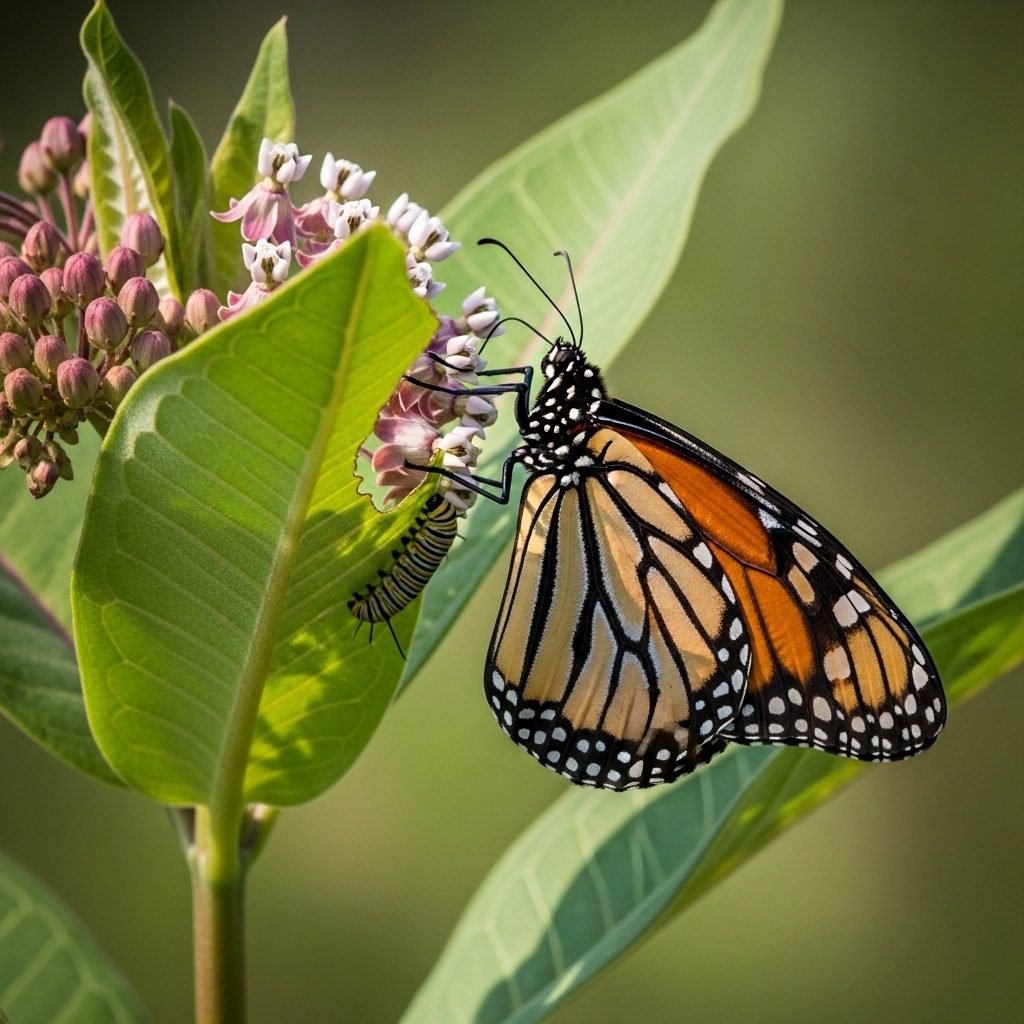
The Monarch butterfly (Danaus plexippus) is an iconic species known for its striking orange and black wings. It plays a critical role in our ecosystems, but its population is declining due to various threats, primarily habitat loss.
Conservation Status of the Monarch
The Monarch butterfly is currently listed as a candidate for protection under the Endangered Species Act. According to the U.S. Fish and Wildlife Service, its population has decreased by over 80% in the past two decades, largely due to the loss of milkweed, its primary host plant, and the effects of climate change [3]. Conservation efforts are underway, focusing on habitat restoration and the protection of migratory routes.
Role of Milkweed
Milkweed (Asclepias spp.) is essential for the Monarch’s lifecycle. This plant serves as the sole host for Monarch caterpillars, providing the nutrients they need to grow. Adult Monarchs also rely on milkweed for its nectar, which is vital for their energy needs. The relationship between Monarchs and milkweed is symbiotic; without milkweed, Monarchs cannot reproduce successfully.
Key Host Plants for Monarch Caterpillars:
- Common Milkweed (Asclepias Syriaca)
- Swamp Milkweed (Asclepias Incarnata)
- Butterfly Weed (Asclepias Tuberosa)
Planting these species in gardens can bolster local Monarch populations. Creating a diverse butterfly habitat with a mix of nectar-rich and larval host plants is crucial for sustaining butterfly ecosystems [4]. By incorporating these plants, gardeners can actively participate in conservation efforts aimed at protecting this magnificent butterfly.
3. Miami Blue Butterfly and Its Host Plants
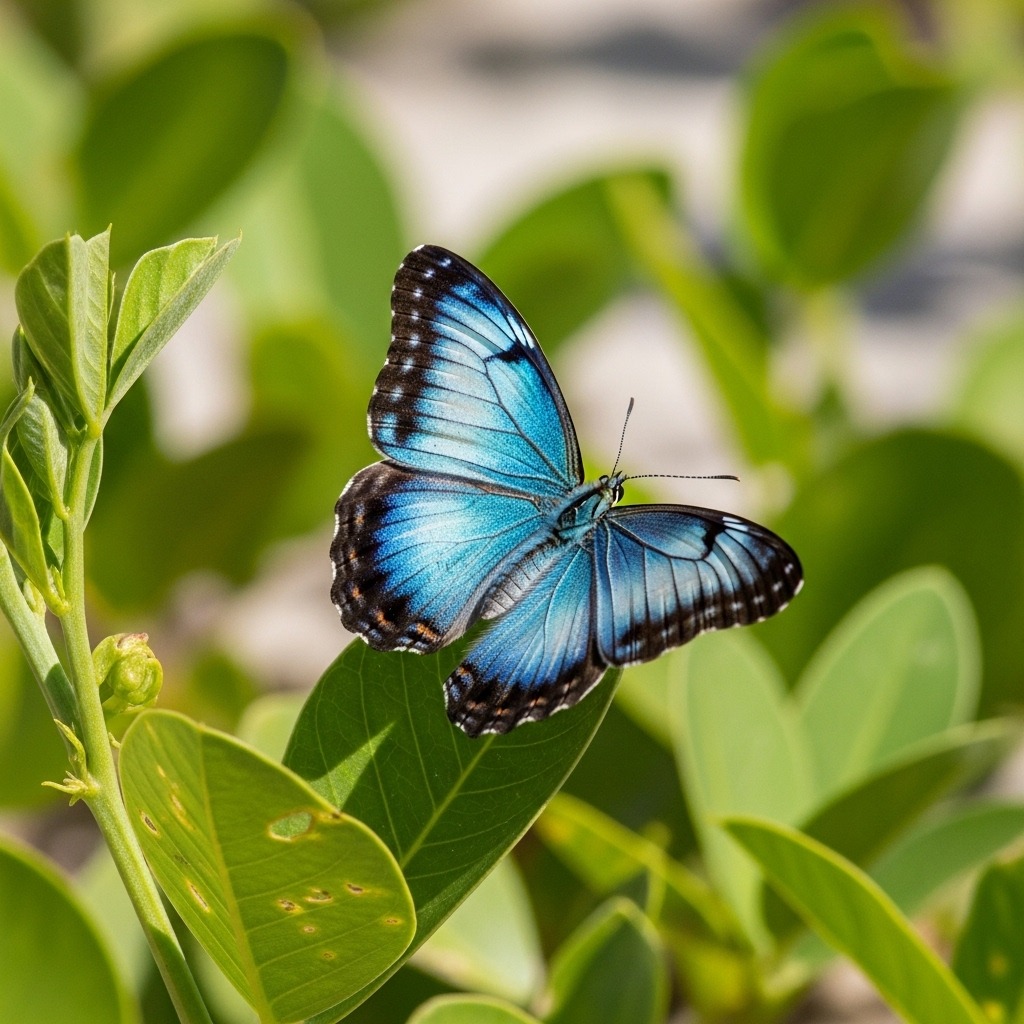
The Miami Blue butterfly (Cyclargus thomasi bethunebakeri) is a critically endangered species, closely tied to specific coastal habitats and host plants. Understanding its unique habitat needs is crucial for conservation efforts.
Threats Facing the Miami Blue
The Miami Blue faces significant threats, primarily due to habitat loss and degradation. Urban development, agricultural expansion, and climate change have drastically reduced its natural habitats. These factors contribute to its precarious status, making conservation efforts imperative.
Importance of Beach Morning Glory
The Beach Morning Glory (Ipomoea pes-caprae) serves as the primary host plant for the Miami Blue caterpillar. This plant is vital for its lifecycle, providing essential nutrients during the larval stage. Without access to Beach Morning Glory, Miami Blue populations cannot thrive.
Key Facts About Beach Morning Glory:
- Habitat: Thrives in sandy coastal areas.
- Role: Serves as the primary food source for Miami Blue caterpillars.
- Nectar Source: Also attracts adult butterflies for nectar, supporting their energy needs.
Conservation initiatives are underway to protect both the Miami Blue butterfly and its host plants. These include habitat restoration projects and the establishment of protected areas. Engaging local communities in conservation efforts enhances the chances of survival for this fragile species.
4. Saint Francis’ Satyr and Its Host Plants
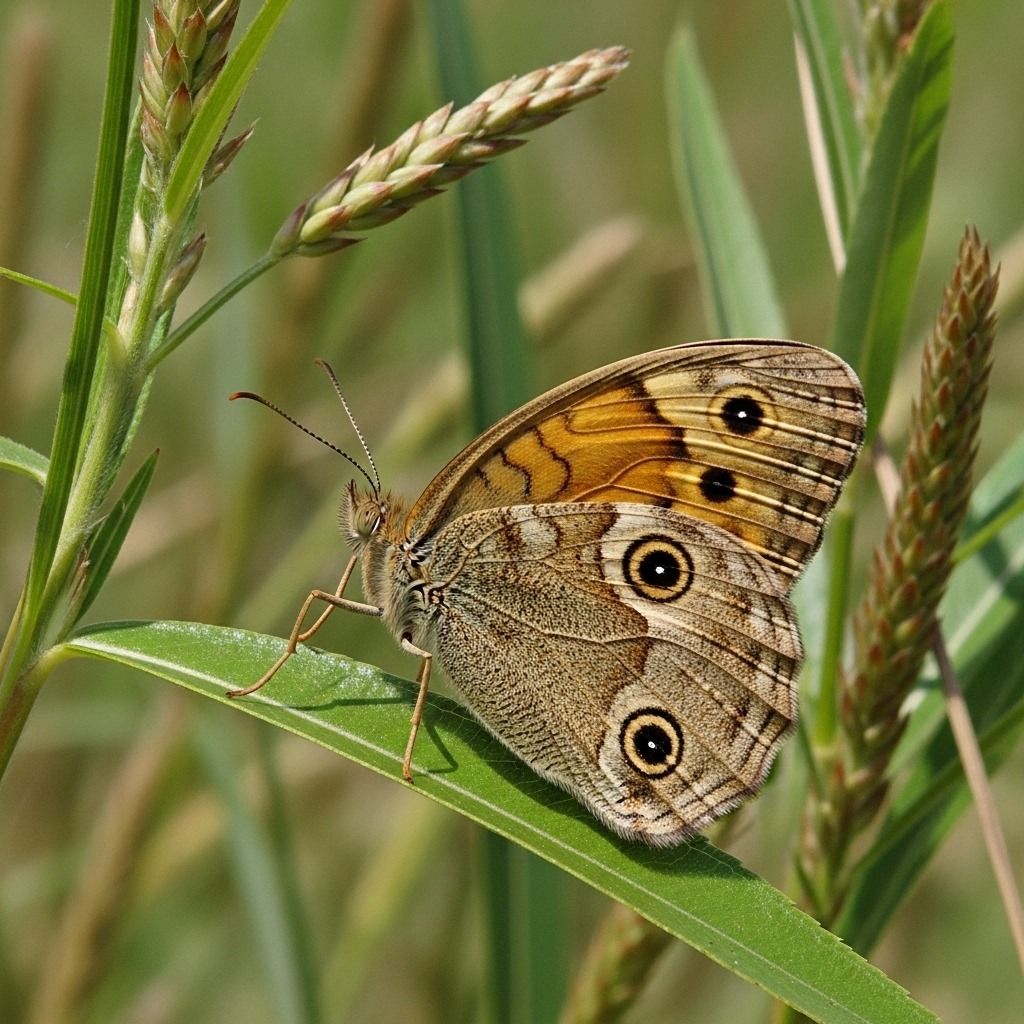
The Saint Francis’ Satyr butterfly (Neonympha mitchellii francisci) is a critically endangered species requiring targeted conservation efforts. Its survival hinges on specific host plants, primarily sedges, which play a vital role in its lifecycle.
Habitat and Range
The Saint Francis’ Satyr is endemic to wetland habitats in the southeastern United States, particularly in North Carolina. This butterfly thrives in areas dominated by wet meadows and sedge-dominated marshes.
- Threats: Habitat destruction due to urban development and drainage of wetlands severely impacts its population.
- Conservation Status: Listed as endangered by the U.S. Fish and Wildlife Service, the species faces imminent extinction without immediate intervention [7].
Sedges as Essential Host Plants
Sedges (Carex spp.) are critical for the Saint Francis’ Satyr’s lifecycle. These plants provide both food and shelter for caterpillars, ensuring successful development into adulthood.
- Food Source: Caterpillars exclusively feed on sedges, making them indispensable for survival.
- Lifecycle Support: Adult butterflies rely on these plants for oviposition, as females lay eggs on the sedge leaves.
Key Host Plant Features
- Nutritional Value: Sedges offer high nutritional content essential for larval growth.
- Environmental Conditions: They thrive in wet, nutrient-rich soil, aligning with the butterfly’s natural habitat requirements.
Conservation strategies focus on preserving and restoring wetland ecosystems where sedges grow, thereby safeguarding the Saint Francis’ Satyr and its critical host plants. Engaging in habitat restoration and monitoring sedge populations are essential steps in this conservation effort, ensuring that future generations of this unique butterfly can flourish.
5. Callippe Silverspot Butterfly and Its Host Plants
The Callippe Silverspot butterfly (Speyeria callippe callippe) is a stunning yet endangered species, primarily found in the western United States. This butterfly relies on specific host plants for its survival, making the understanding of these relationships crucial for conservation efforts.
Conservation Efforts
Conservation strategies for the Callippe Silverspot focus on preserving and restoring its natural habitats. Key actions include:
- Habitat Restoration: Efforts to restore grasslands and wet meadows, which are vital for the butterfly’s lifecycle.
- Monitoring Populations: Regular assessments of existing populations to track health and numbers.
- Public Awareness Campaigns: Educating the public about the importance of host plants and habitats.
These initiatives aim to ensure that the Callippe Silverspot butterfly has a fighting chance against extinction.
Importance of Viola Species
The primary host plants for the Callippe Silverspot butterfly are various species of violets, particularly:
- Viola pedunculata
- Viola sororia
These plants provide essential nourishment for the caterpillars during their growth stages. The relationship between the Callippe Silverspot and its host plants is pivotal; without violets, the caterpillars cannot thrive, thus jeopardizing the entire species.
Key points about violets as host plants:
- Nutritional Value: Violets are rich in nutrients, crucial for caterpillar development.
- Lifecycle Support: Female butterflies lay eggs on the leaves, ensuring direct access to food for emerging larvae.
Understanding this relationship highlights the critical role of habitat conservation in supporting butterfly populations [8].
6. Bartram’s Hairstreak and Its Host Plants
The Bartram’s Hairstreak (Strymon acis bartrami) is a captivating butterfly native to the southeastern United States. This species is particularly threatened due to habitat loss and a limited range of host plants, making its conservation critical.
Threats and Conservation Status
Bartram’s Hairstreak faces significant threats primarily from urban development and agricultural expansion. These activities reduce its natural habitat, particularly scrublands and dry woodlands. The U.S. Fish and Wildlife Service has classified this butterfly as endangered, highlighting its precarious situation and the urgent need for conservation efforts [9].
Role of Blueberry Plants
Blueberry plants (Vaccinium spp.) serve as vital host plants for Bartram’s Hairstreak caterpillars. The relationship between this butterfly and blueberry plants is essential for its lifecycle:
- Larval Food Source: Blueberries provide the necessary nutrition for caterpillars. Without these plants, the larvae cannot survive.
- Egg Laying: Female Bartram’s Hairstreaks lay their eggs on the leaves of blueberry plants, ensuring that newly hatched caterpillars have immediate access to food.
Specific varieties of blueberries, such as the highbush blueberry, are particularly important for this species. They thrive in the same habitats preferred by Bartram’s Hairstreak, illustrating a significant ecological relationship that underscores the importance of habitat conservation for both the plants and the butterflies [10].
By fostering blueberry cultivation alongside conservation efforts, we can create a supportive environment for Bartram’s Hairstreak. This dual approach not only aids in the survival of the butterfly but also promotes biodiversity in agricultural landscapes.
7. San Bruno Elfin Butterfly and Its Host Plants
The San Bruno Elfin butterfly (Callophrys mossii bayensis) is a critically endangered species found exclusively in the San Francisco Bay Area. This butterfly relies heavily on specific host plants for its survival, making habitat conservation crucial.
Habitat Requirements
The San Bruno Elfin thrives in unique habitats characterized by grassy, coastal scrub environments. These habitats are often found on rocky slopes or open areas where its primary host plants are abundant. Essential conditions include:
- Well-drained soil: This supports the growth of host plants.
- Sunlight: Direct sunlight is vital for adult butterflies to warm themselves.
- Minimal disturbance: Areas free from heavy foot traffic or agricultural development are preferred.
Importance of Host Plants
Host plants play a pivotal role in the lifecycle of the San Bruno Elfin. The primary host plant is the California buckwheat (Eriogonum fasciculatum). Here’s how host plants contribute to the butterfly’s survival:
- Food Source: Caterpillars feed exclusively on the leaves of California buckwheat, providing necessary nutrients for growth.
- Egg-laying Sites: Female butterflies lay their eggs on these plants, ensuring that emerging caterpillars have immediate access to food.
- Microhabitat: The dense structure of buckwheat offers shelter and protection from predators.
Host Plant Checklist
| Butterfly Species | Primary Host Plant | Conservation Status |
|---|---|---|
| San Bruno Elfin | California buckwheat | Endangered |
The survival of the San Bruno Elfin is closely linked to the health of its host plant populations. Conservation efforts must focus on protecting these habitats and ensuring the availability of California buckwheat. Collaborative initiatives with local conservation organizations are essential for preserving this delicate ecosystem and the San Bruno Elfin’s future [11].
8. Schaus Swallowtail and Its Host Plants
The Schaus Swallowtail (Heraclides aristodemus ponceanus) is a critically endangered butterfly species native to southern Florida. Its survival hinges on specific host plants critical for its lifecycle.
Conservation Status
The Schaus Swallowtail has suffered drastic population declines. Habitat loss, primarily due to urban development, agriculture, and natural disasters, poses significant threats. It is now listed as a protected species under the Endangered Species Act. Conservation efforts include habitat protection in areas like the Key West National Wildlife Refuge and Biscayne National Park. Additionally, captive breeding programs aim to reintroduce this butterfly into suitable habitats to bolster its numbers.
Role of Wild Lime in Lifecycle
The Wild Lime (Zanthoxylum fagara) serves as the primary host plant for the Schaus Swallowtail. This plant is crucial for the caterpillars, providing essential nutrients for their development.
- Caterpillar Dependency: The larvae depend exclusively on Wild Lime for food. Without access to this plant, caterpillar survival is severely compromised.
- Adult Nectar Sources: While the caterpillars rely on Wild Lime, adult butterflies also need nectar-rich plants for sustenance. These include various flowering species that bloom in proximity to the Wild Lime.
Checklist of Essential Host Plants for the Schaus Swallowtail:
- Wild Lime (Zanthoxylum fagara)
- Additional nectar plants for adults
Understanding these relationships is vital for effective conservation strategies. Protecting the Wild Lime and promoting nectar plant diversity can significantly enhance habitat suitability for the Schaus Swallowtail, ensuring its survival in the wild.
9. Palos Verdes Blue Butterfly and Its Host Plants
The Palos Verdes Blue butterfly (Glaucopsyche lygdamus palosverdesensis) is a critically endangered species, endemic to a small region in California. Its survival hinges on specific host plants that provide essential resources for its lifecycle.
Habitat Specifics
The Palos Verdes Blue thrives in coastal sage scrub habitats that are unique to the Palos Verdes Peninsula. This delicate ecosystem supports a variety of plant species, including crucial host plants. The butterfly’s habitat is primarily characterized by:
- Coastal sage scrub: A mix of low-growing plants that create a microhabitat suitable for the butterfly.
- Limited geographic range: The butterfly is confined to the Palos Verdes Peninsula, making it vulnerable to habitat loss.
Importance of Buckwheat
Buckwheat (Eriogonum fasciculatum) stands out as the primary host plant for the Palos Verdes Blue. This plant serves as the exclusive food source for the butterfly’s caterpillars.
- Caterpillar sustenance: The larvae feed on the leaves of buckwheat, which are vital for their growth and development.
- Nectar source: Adult butterflies also derive nourishment from the nectar of flowering buckwheat, enabling reproduction and energy replenishment.
Conservation Efforts
Conservation initiatives focus on habitat restoration and protection. The U.S. Fish and Wildlife Service has designated areas for the Palos Verdes Blue, ensuring the preservation of its habitat and host plants. Successful collaboration with local organizations has led to:
- Habitat restoration programs: These programs aim to reestablish native plant communities critical for the butterfly’s lifecycle.
- Public awareness campaigns: Educating the community about the importance of the Palos Verdes Blue and its host plants fosters support for ongoing conservation efforts.
By understanding the intricate relationship between the Palos Verdes Blue and its host plants, we can better appreciate the urgency of conservation efforts to prevent its extinction.
10. Miami Blue Butterfly and Its Host Plants
The Miami Blue butterfly (Cyclargus thomasi bethunebakeri) is one of the most endangered butterfly species in the world. Its survival hinges on specific host plants, which are crucial for its lifecycle.
Current Threats
The Miami Blue has faced significant threats due to habitat loss, primarily from urban development and coastal erosion. These factors have led to a decline in its population. The butterfly relies heavily on specific host plants for larval development, making its conservation critical. Conservationists are working diligently to mitigate these threats through habitat restoration and protection efforts.
Role of Beach Morning Glory
The primary host plant for the Miami Blue is the Beach Morning Glory (Ipomoea pes-caprae). This plant serves as a food source for the caterpillars. It thrives in coastal areas, providing an essential habitat for the butterfly.
Key Characteristics of Beach Morning Glory:
- Growth Habit: Spreading vine that grows along sandy shorelines.
- Nutritional Value: Offers high nutritional value for Miami Blue larvae, supporting their growth and development.
- Pollinator Support: Attracts other pollinators, promoting biodiversity within its ecosystem.
Importance of Host Plants in Lifecycle
Host plants are not just food sources; they play a vital role in the Miami Blue’s lifecycle. The caterpillars feed on these plants, and their survival directly impacts the butterfly population.
Lifecycle Stages:
1. Egg Stage: Females lay eggs on or near host plants.
2. Caterpillar Stage: Larvae consume the host plants, growing through various instars.
3. Pupal Stage: After feeding, caterpillars pupate, often on the same host plants.
4. Adult Stage: Emerged butterflies seek nectar from nearby flowers, ensuring pollination and reproduction.
Understanding the Miami Blue’s dependency on the Beach Morning Glory underscores the importance of preserving both the butterfly and its habitat. Conservation strategies must focus on protecting these host plants to support future generations of this remarkable species.
11. Conclusion and Call to Action for Butterfly Conservation
Protecting endangered butterflies and their host plants is vital for maintaining biodiversity and ecosystem health. Each species plays a unique role in its environment, and the loss of any one can have cascading effects.
Support Butterfly Conservation
- Educate Yourself: Learn about local endangered butterflies and their specific host plants. Knowledge is power in conservation.
- Create Butterfly Habitats: Plant native host plants in your garden. This provides essential food for caterpillars and nectar for adults.
- Participate in Citizen Science: Join local conservation groups. Document butterfly sightings to help track populations.
Importance of Community Involvement
- Engage in Local Conservation Efforts: Volunteer for local habitat restoration projects. Your hands-on involvement can make a significant impact.
- Advocate for Policy Change: Support legislation that protects endangered species. Your voice can influence policy decisions.
- Spread Awareness: Share information on social media or community events. Educating others amplifies the conservation message.
By taking these concrete steps, individuals can significantly contribute to the survival of endangered butterflies and their ecosystems. The relationship between butterflies and their host plants is intricate and crucial; protecting it ensures future generations can enjoy the beauty and benefits these species provide.
Frequently Asked Questions
These quick answers cover the most common questions about this topic, including key details, practical tips, and common concerns.
What are the top 10 endangered plants?
The top endangered plants vary by region but often include species like the Florida Ziziphus, Western Prairie Fringed Orchid, and California Condor Vine. These plants face threats from habitat destruction, invasive species, and climate change. Protecting native plants is essential for supporting endangered butterflies that depend on them as host plants.
What are the most endangered butterflies?
Some of the most endangered butterflies include the Miami Blue, Saint Francis’ Satyr, Schaus Swallowtail, and Palos Verdes Blue. Their populations are critically low due to habitat loss, urbanization, and environmental changes. Conservation efforts focus on habitat preservation and restoring host plant populations.
What are some host plants for butterflies?
Host plants are specific plants that butterfly caterpillars feed on. Examples include milkweed for Monarchs, violets for Callippe Silverspot, and sedges for Saint Francis’ Satyr. Using native host plants in gardens can help support local butterfly populations and aid conservation.
What are the 10 endangered species?
The list includes butterflies like the Miami Blue, Karner Blue, Callippe Silverspot, Schaus Swallowtail, and others. Each species has unique habitat and host plant requirements, making habitat preservation and plant protection crucial for their survival.
How do host plants affect butterfly populations?
Host plants are vital for butterfly reproduction and larval development. Without their specific host plants, many butterfly species cannot complete their life cycle. Healthy populations of host plants directly translate to more successful butterfly reproduction and increased survival rates.
What can I do to help endangered butterflies?
You can plant native host and nectar plants in your garden, avoid pesticide use, and participate in local conservation programs. Educating others and supporting habitat restoration projects also make a difference in protecting these species.
When should I plant host plants for butterflies?
Plant native host plants in early spring or late fall, depending on your region. This timing ensures plants are established before butterfly eggs are laid, typically during the peak breeding season in late spring or summer. Check local planting guides for optimal timing.
What are the main threats to butterfly habitats?
Major threats include habitat destruction from urban development, agriculture, invasive species, climate change, and pollution. These factors reduce the availability of host plants and suitable environments for butterflies to breed and feed.
How can I attract butterflies to my garden?
Plant a variety of native nectar-rich flowers and host plants specific to local butterfly species. Provide water sources and avoid pesticides. Creating a diverse, pesticide-free habitat encourages butterflies to visit and lay eggs in your garden.
What should readers know about comprehensive lifecycle details for each butterfly?
Understanding each butterfly’s lifecycle—egg, caterpillar, pupa, and adult—is crucial for effective conservation. Knowing when and where they lay eggs and what they need at each stage helps in creating supportive habitats and timing planting efforts for maximum benefit.
References
1. How to raise your endangered butterfly (U.S. …
2. The effects of host plant species and larval density on immune …
3. Monarch (Danaus plexippus) | U.S. Fish & Wildlife Service
4. Monarch Butterfly Habitat Needs
5. Miami Blue Butterfly (Cyclargus thomasi bethunebakeri)
6. Butterfly Host Plants for Southeast Florida
7. Saint Francis’ Satyr Butterfly (Neonympha mitchellii francisci)
8. Callippe Silverspot Butterfly
9. Designation of Critical Habitat for Florida Leafwing and …
10. Bartram’s Scrub-Hairstreak
11. San Bruno Elfin Butterfly (Callophrys mossii bayensis)
12. Schaus’ swallowtail – Daniels Lab
13. Recovering the Schaus’ swallowtail – Saving Wildlife
14. Palos Verdes blue butterfly
15. Palos Verdes Blue Butterfly – Essig Museum of Entomology
16. Endangered Species Act protection for monarch butterfly
17. Host Plants – Alabama Butterfly Atlas