
Bucket gardening is an innovative way to grow your favorite plants in limited spaces, making it possible to enjoy fresh produce year-round. Whether you have a large backyard or a small balcony, this method allows you to cultivate a variety of flowers, herbs, and vegetables. Here are 11 essential bucket gardening tips that will help you maximize your gardening efforts throughout the seasons. Additionally, you might find useful insights in 15 Bucket Gardening Tips for Beginners at Home.
Table of Contents
1. Choose the Right Buckets
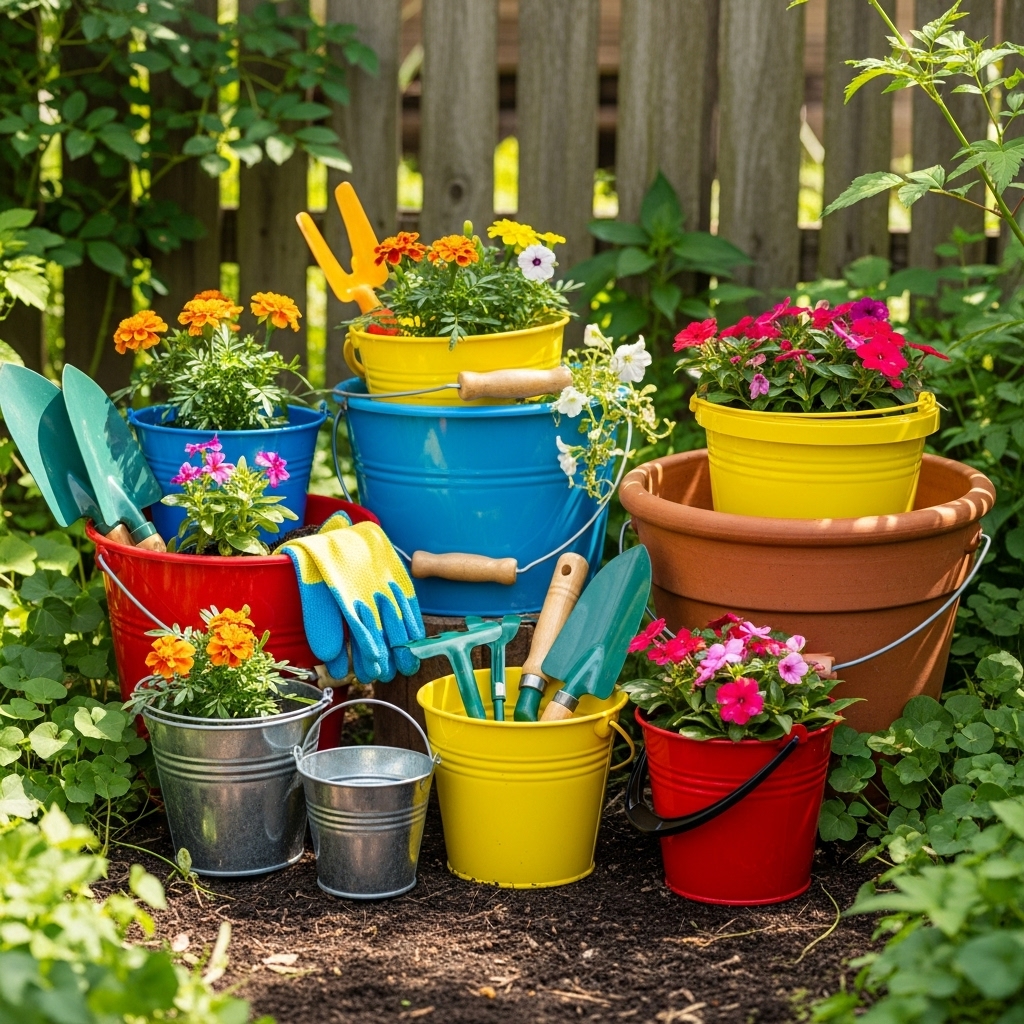
Selecting the appropriate buckets is crucial for successful gardening. Opt for food-grade plastic containers or wooden barrels that are durable and safe for plants. Ensure they have drainage holes to prevent waterlogging. The size of the bucket will depend on the type of plant; larger plants need bigger containers for root development, while smaller herbs can thrive in smaller pots.
2. Use Quality Potting Soil
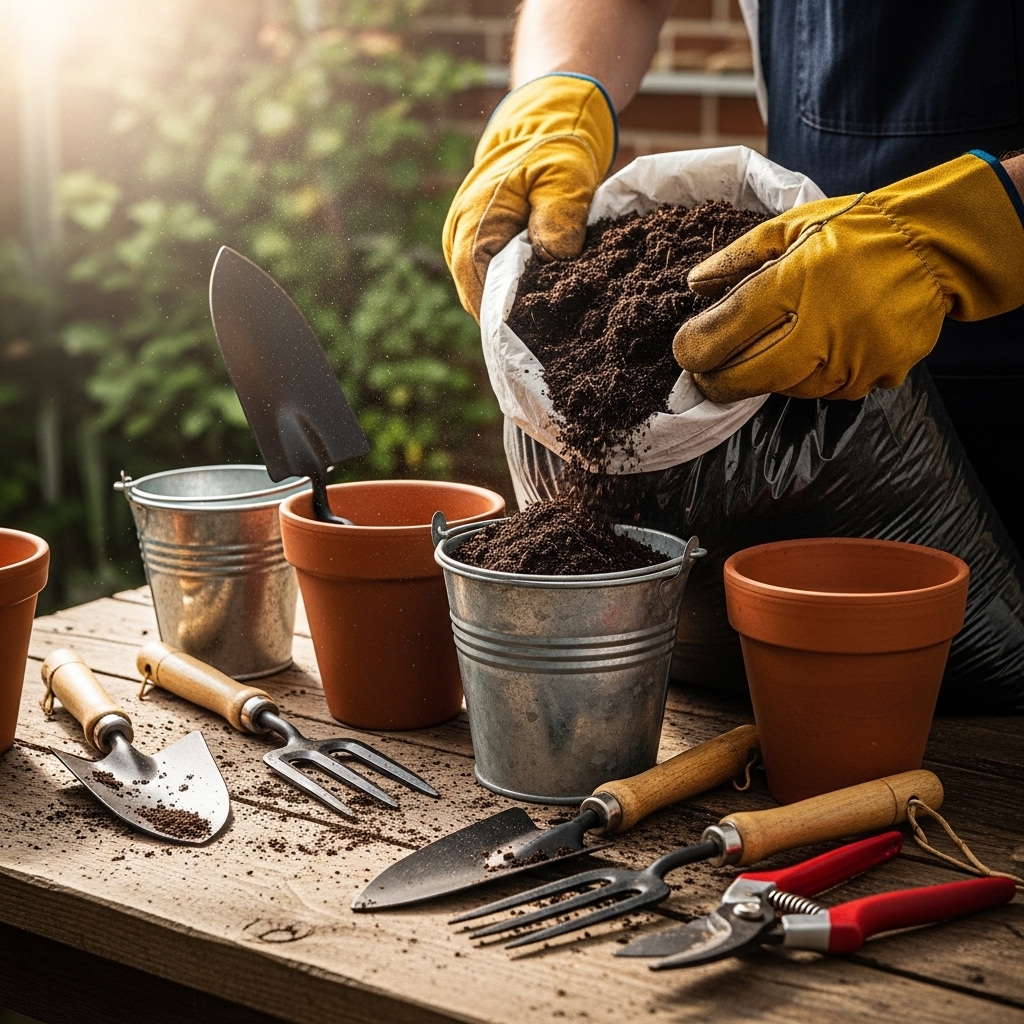
Quality potting soil is essential for healthy plant growth. It should be well-draining, nutrient-rich, and suitable for your specific plants. Consider mixing your soil with compost to enhance its fertility and moisture retention. This will provide your plants with the nutrients they need to thrive, especially in containers where soil quality can degrade quickly.
3. Select the Right Plants for Your Climate
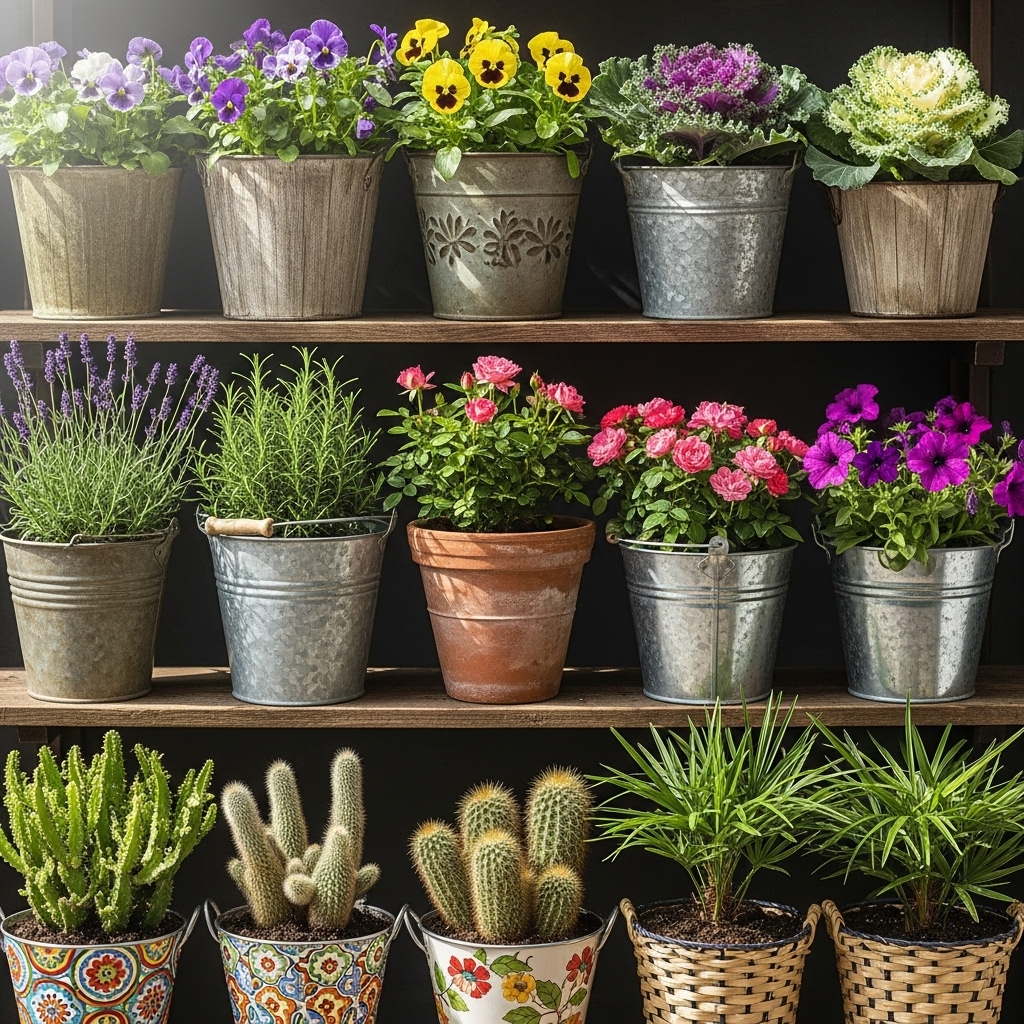
Understanding your local climate is vital when choosing plants for your bucket garden. Opt for varieties that thrive in your temperature range and growing season. For cooler months, consider hardy greens like kale or spinach, while summer may be perfect for tomatoes and peppers. Researching plant hardiness zones can greatly improve your gardening success. You can also refer to 9 Bucket Gardening Tips for Healthy Plant Growth for more insights.
4. Provide Adequate Drainage
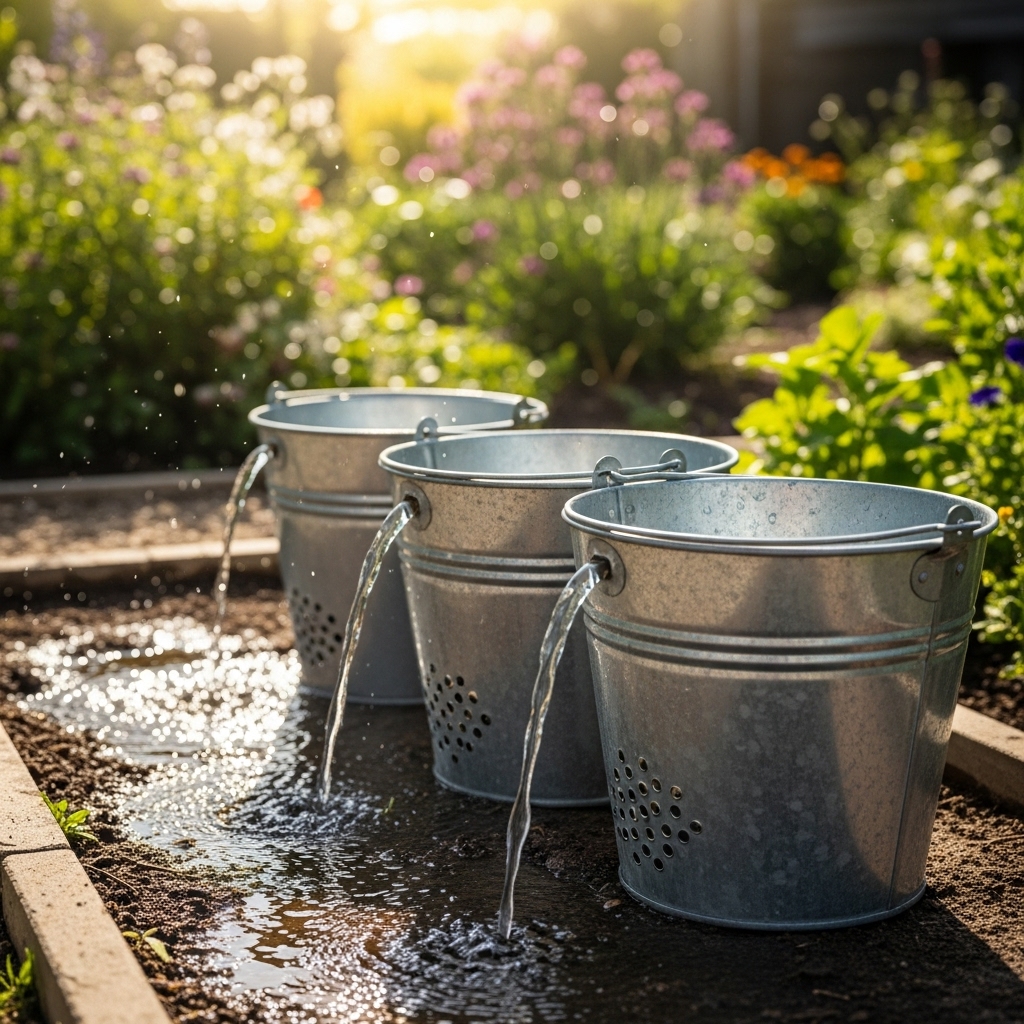
Proper drainage is a key factor in bucket gardening. Without it, roots can rot, and plants can suffer. Ensure your containers have enough holes at the bottom, and consider adding a layer of gravel or small stones before filling them with soil. This will help excess water escape and promote a healthy root environment.
5. Implement Companion Planting
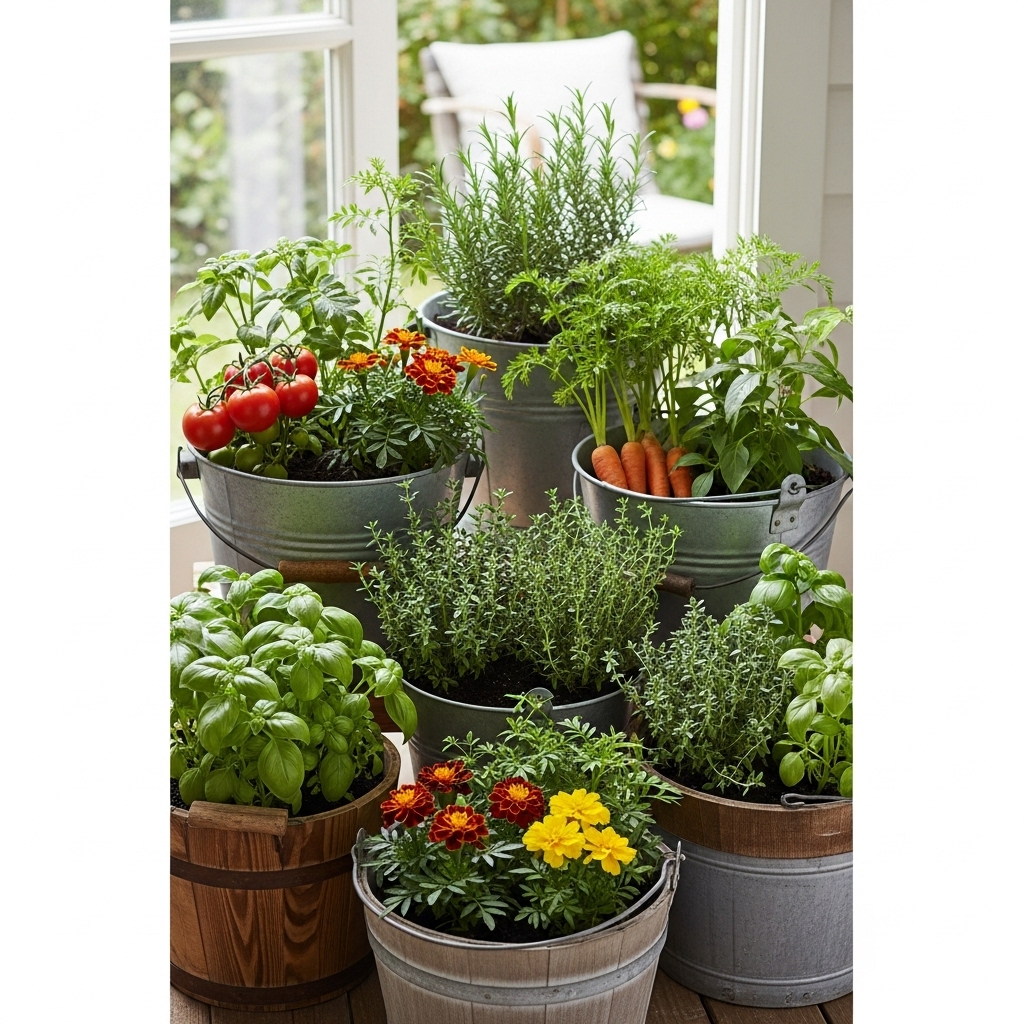
Companion planting can enhance growth and reduce pests. Certain plants, when grown together, can benefit from each other’s presence. For example, pairing basil with tomatoes can improve flavor and repel harmful insects. Research compatible plant combinations to maximize your garden’s health and yield, and enjoy a diverse array of flavors in your harvest.
6. Water Consistently
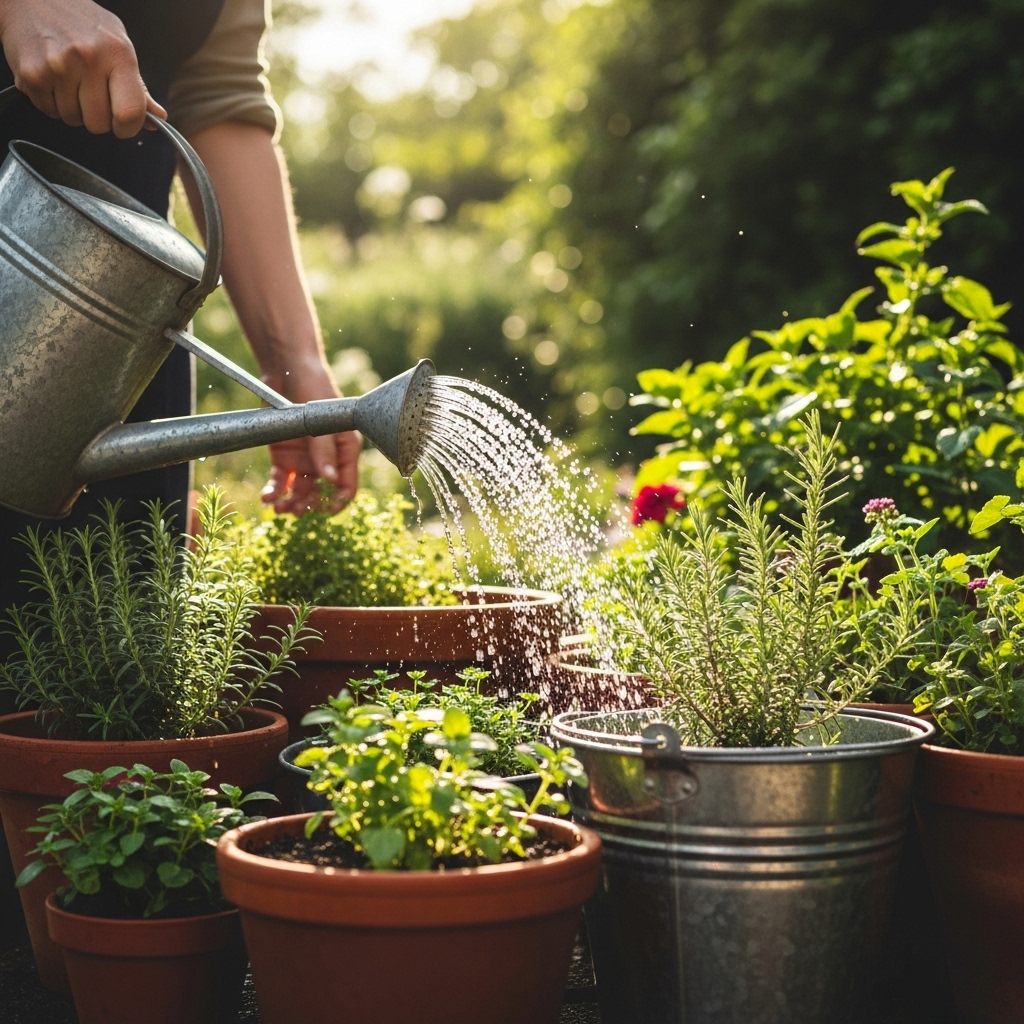
Consistency in watering is vital for bucket gardens since containers can dry out more quickly than traditional gardens. Monitor the moisture level of the soil regularly and water when the top inch feels dry. Using self-watering buckets can also help maintain consistent moisture levels, reducing the frequency of watering while ensuring your plants remain hydrated.
7. Fertilize Regularly
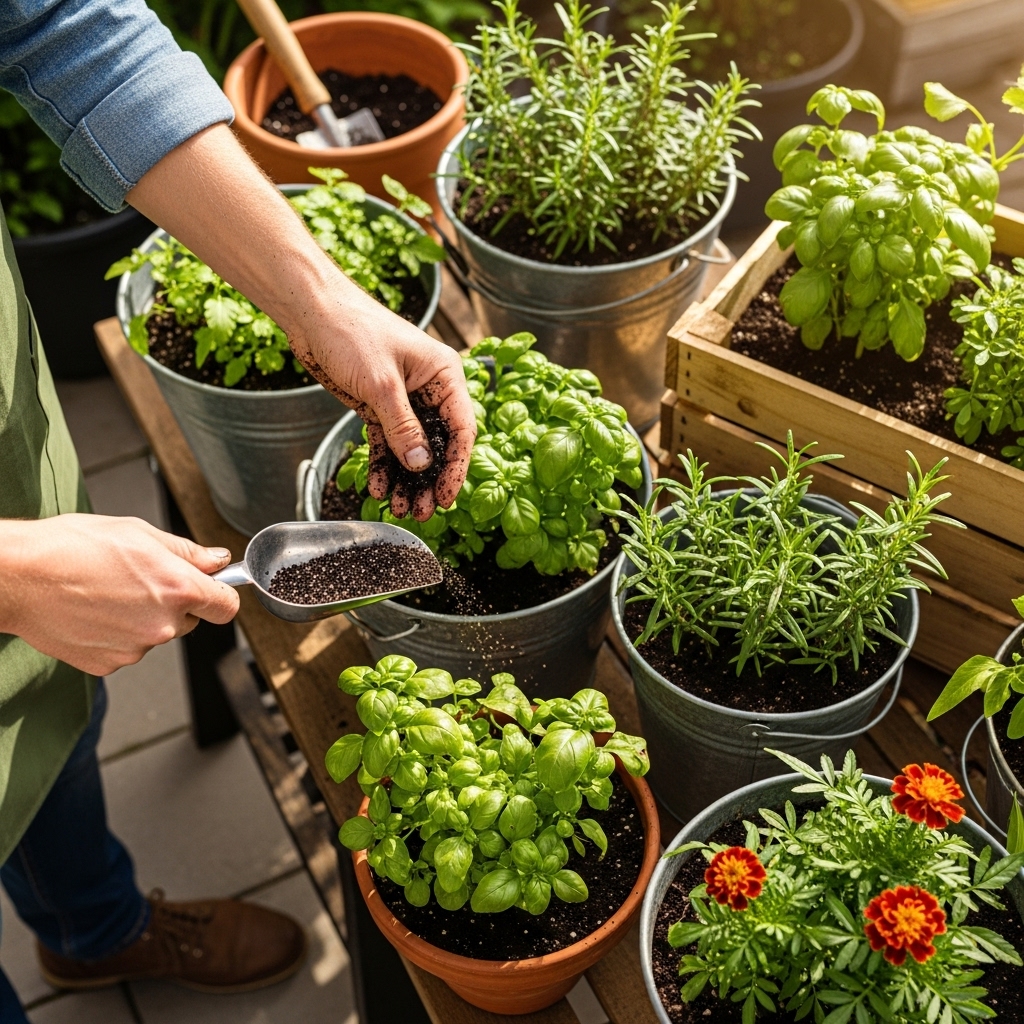
Container gardening can deplete soil nutrients quickly, so regular fertilization is important. Choose organic fertilizers that suit your plants’ needs, whether it’s a balanced formula or one high in potassium for flowering plants. Follow the manufacturer’s instructions and schedule your fertilization routine to keep your plants thriving throughout the growing season.
8. Utilize Vertical Space
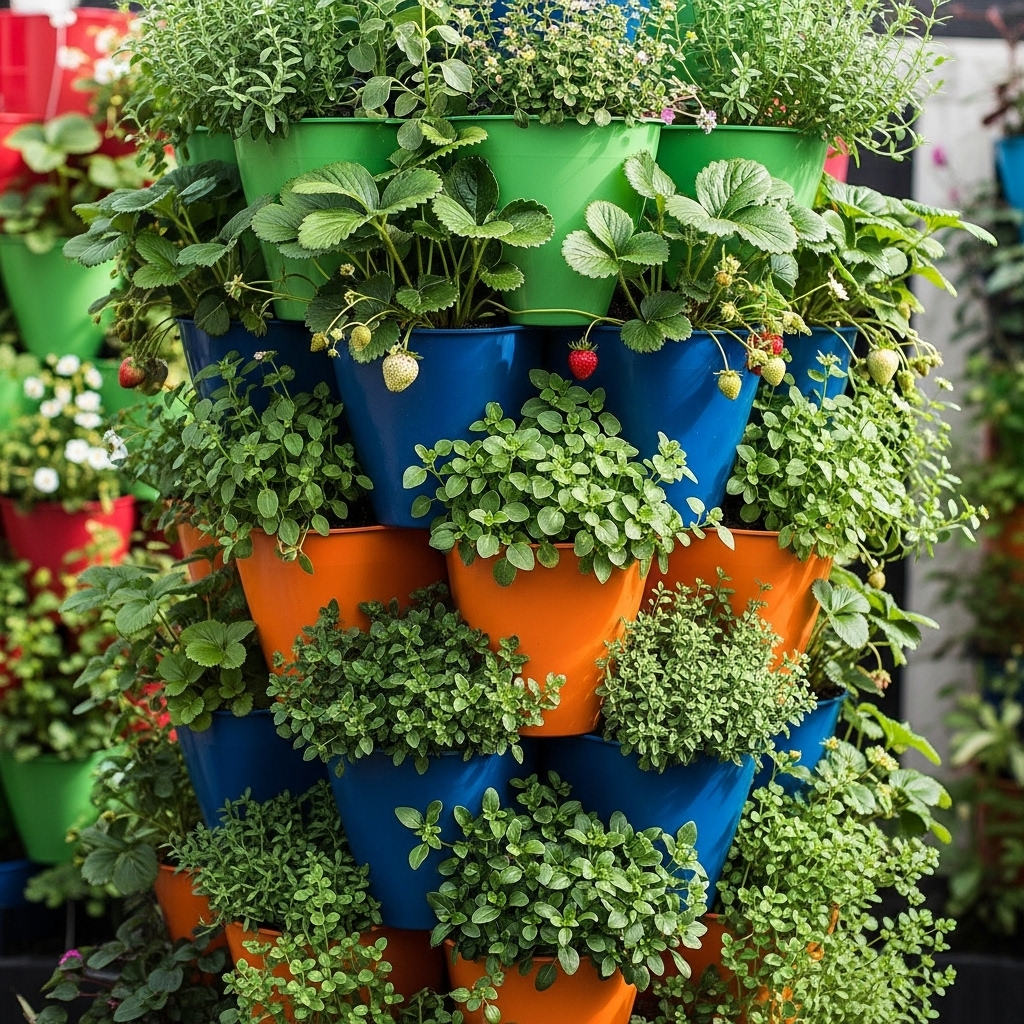
If space is limited, consider utilizing vertical gardening techniques with your buckets. Stacking containers or using tiered plant stands can help you maximize your growing area. This not only saves space but also creates an appealing visual effect, making your garden look lush and vibrant while allowing all plants to receive adequate sunlight.
9. Protect from Pests
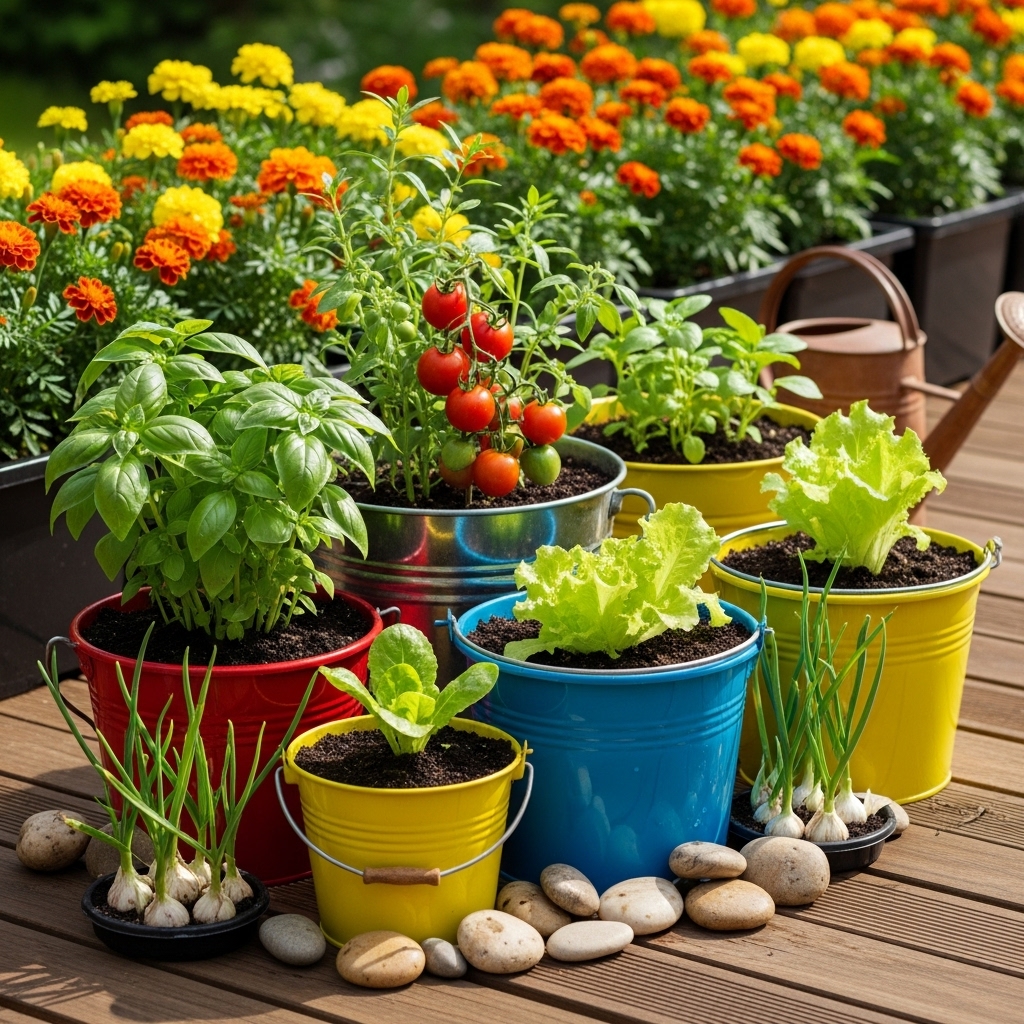
Pests can quickly become a problem in container gardens. Employ natural deterrents like marigolds to repel aphids or introduce beneficial insects like ladybugs to control populations. Regularly inspect your plants for signs of pest activity and take immediate action to avoid infestations. Organic insecticidal soaps can also be effective if needed.
10. Rotate Crops Seasonally
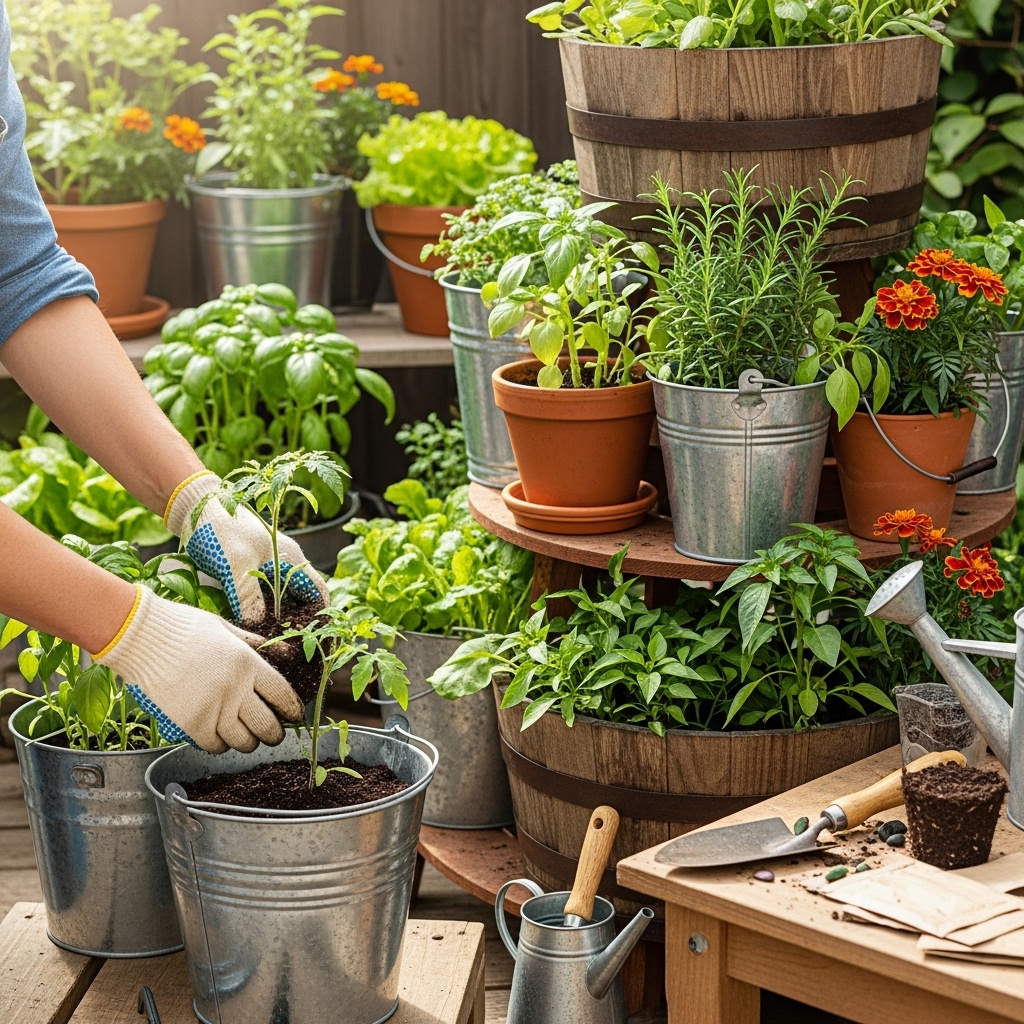
Crop rotation is essential for maintaining soil health and preventing disease. After each growing season, change the types of plants you grow in each bucket to avoid exhausting soil nutrients and reduce pest buildup. This practice not only promotes healthier plants but also keeps your garden diverse and interesting throughout the year.
11. Enjoy the Process
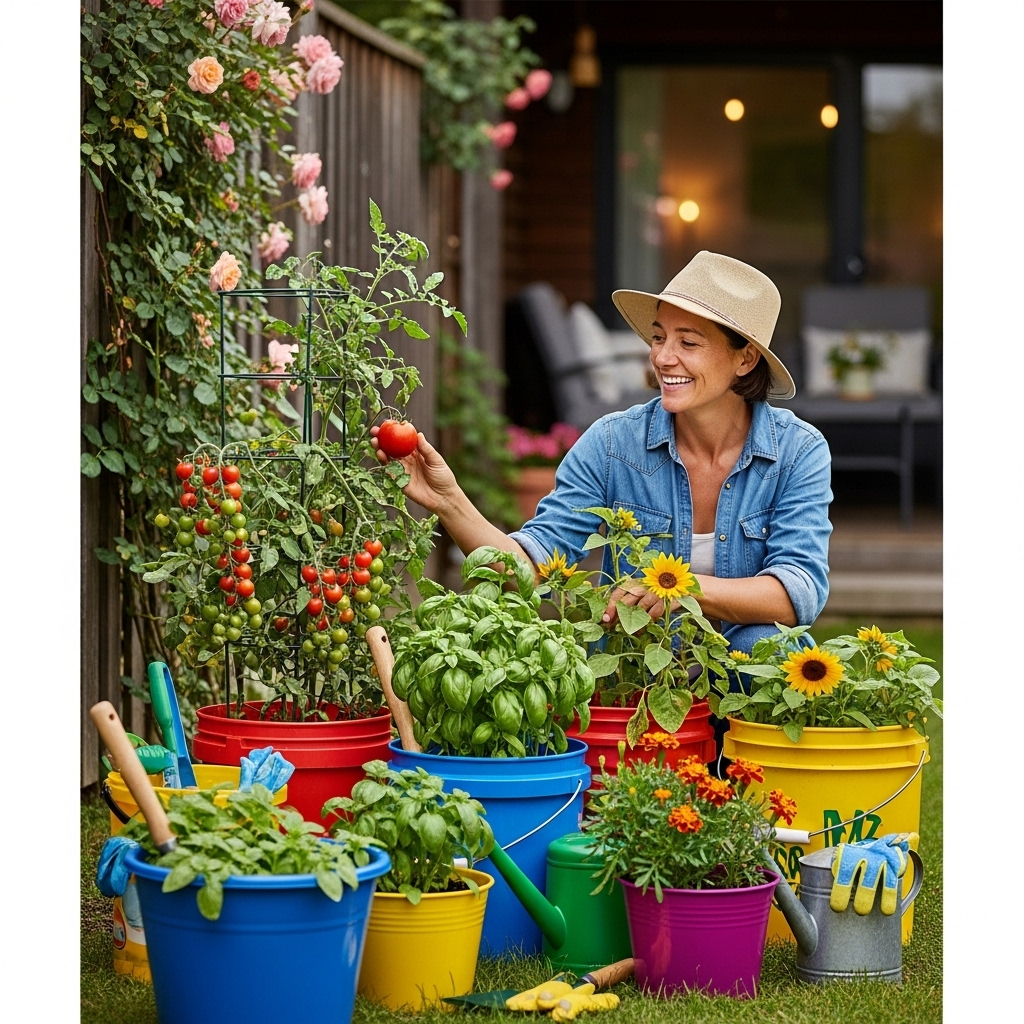
Lastly, remember to enjoy the gardening process! Cultivating a bucket garden is not just about the end result; it’s about the joy of nurturing plants and watching them grow. Take time to appreciate your hard work, share your harvest with friends and family, and embrace the therapeutic benefits that gardening brings to your life. For more creative ideas, check out 8 Bucket Gardening Ideas for Renters and Apartments.