
For Monarch butterfly enthusiasts, diving into literature about these stunning creatures is essential. This curated list features 11 must-read books that explore Monarch behavior, habitat, and conservation. Each book offers unique insights, making them perfect companions for any butterfly lover.
1. Understanding Monarch Butterflies Through Literature
Reading about Monarch butterflies is not just enjoyable; it’s essential. Literature opens the door to understanding their lives, behavior, and conservation needs.
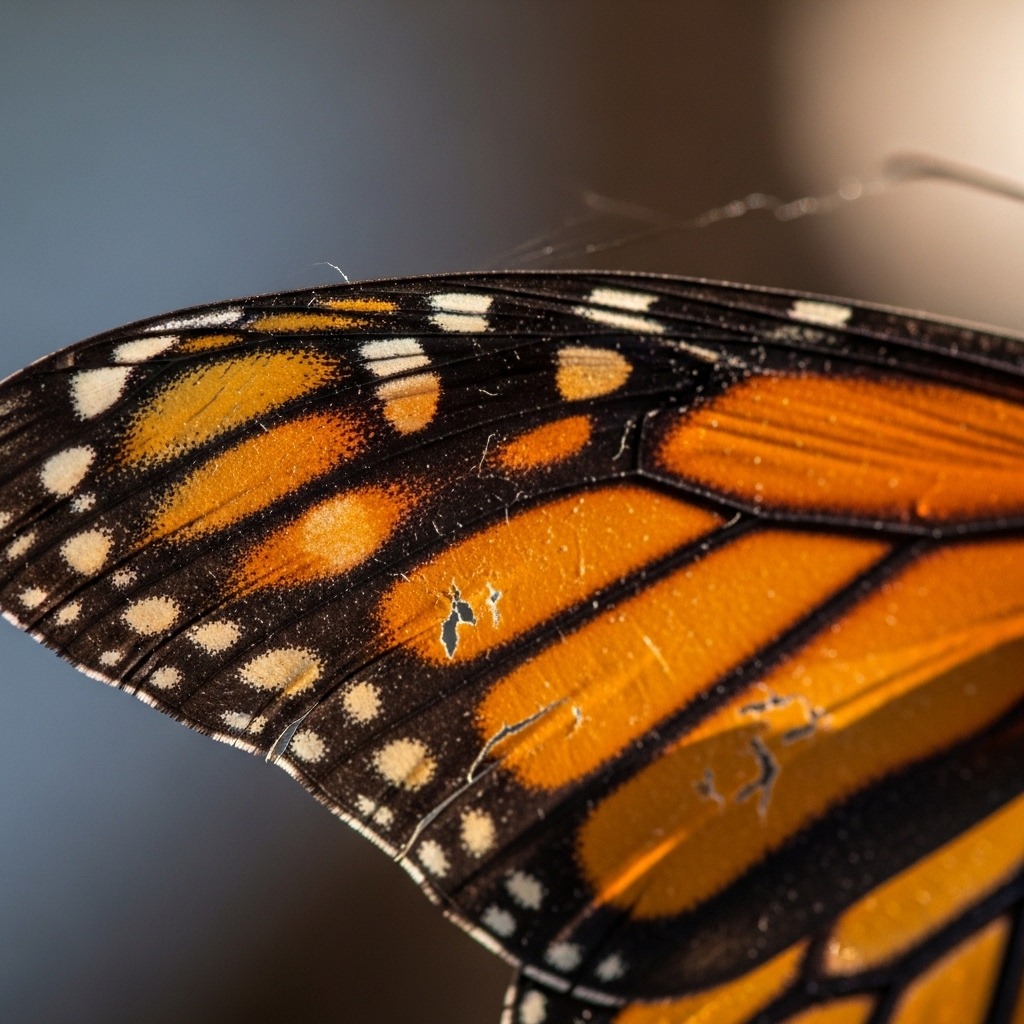
Literature as a Tool for Conservation
Books play a crucial role in Monarch conservation. They provide insights into their habitats, migration patterns, and the challenges they face. By reading, enthusiasts can grasp the importance of preserving these beautiful creatures.
- Field Guides: These offer practical tips on identifying Monarchs and understanding their lifecycle. Reading guides helps you become a better observer of nature.
- Educational Resources: Books that explain conservation efforts can motivate readers to take action. Knowledge is power!
The Connection Between Reading and Awareness
Awareness is key to conservation. Reading about Monarchs raises understanding and empathy.
- Cultural Significance: Literature often highlights Monarchs in various cultures. This connection can deepen our appreciation for them.
- Success Stories: Many books showcase successful conservation initiatives. These stories inspire readers and show that change is possible.
How Books Inspire Action
Books don’t just inform; they inspire. They can transform readers into advocates for Monarch conservation.
- Gardening Tips: Many titles provide insights into creating butterfly-friendly gardens. This practical advice encourages readers to take steps in their own yards.
- Case Studies: Real-life examples of conservation efforts can motivate action. For example, books detailing local Monarch tagging projects get readers involved.
By engaging with these texts, you’ll not only learn about Monarch butterflies but also find ways to make a difference. Whether you’re a casual reader or a serious enthusiast, these insights can guide your journey in Monarch conservation.
2. Exploring Field Guides for Monarchs
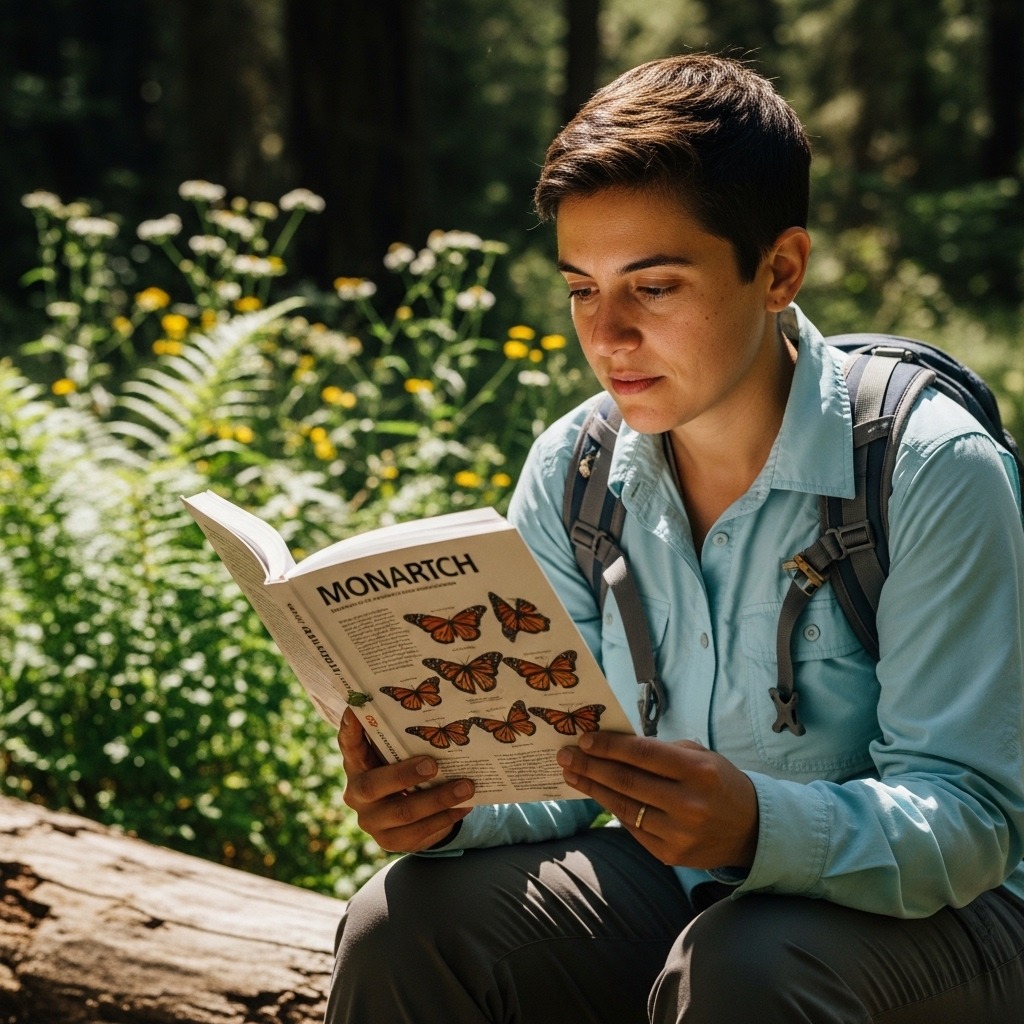
Field guides are a treasure trove for Monarch enthusiasts. They help you identify these beautiful butterflies and understand their habitats. Whether you’re a newbie or a seasoned butterfly lover, the right field guide can make all the difference.
Table of Contents
Top Field Guides for Identification
Here are some essential field guides that you won’t want to miss:
- “Butterflies of North America” by Thomas J. Allen
This comprehensive guide covers over 1,000 species, including Monarchs. It features stunning photographs and detailed descriptions. Perfect for both beginners and experts.
- “Peterson Field Guide to Butterflies of North America” by Robert Michael Pyle
This classic guide includes clear illustrations and range maps. It’s user-friendly and perfect for quick identification in the field.
- “National Audubon Society Field Guide to North American Butterflies”
A fantastic resource with over 600 species. It provides great tips on where to find Monarchs and their habitats.
Using Field Guides for Habitat Exploration
Field guides don’t just help with identification. They also provide insights into where Monarchs thrive. Look for guides that include:
- Habitat descriptions: Understand the environments Monarchs prefer, from meadows to gardens.
- Plant associations: Learn about milkweed and other plants crucial for Monarch survival.
- Migration patterns: Discover the paths Monarchs take during their seasonal journeys.
Checklist for Choosing a Good Field Guide
When selecting a field guide, consider these features:
- Clear, high-quality images: Essential for accurate identification.
- Detailed descriptions: Look for information on size, color patterns, and behaviors.
- Range maps: Helps you know where to find Monarchs locally.
- Tips for observation: Guides should offer practical advice on how to spot and record sightings.
By using these field guides, you’ll deepen your understanding of Monarch butterflies and how to support their conservation. Happy reading and happy observing!
3. Novels Featuring Monarch Butterflies
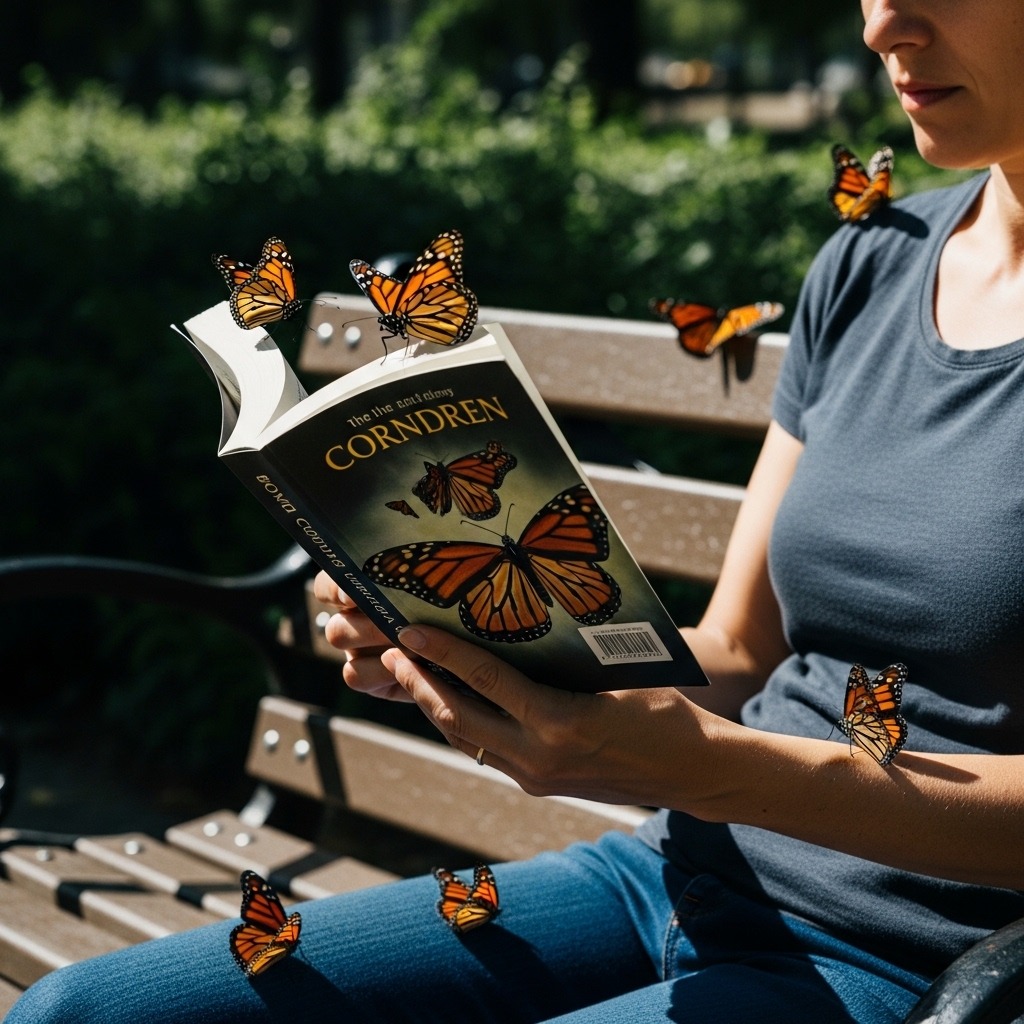
Novels can bring Monarch butterflies to life in unique ways. They weave stories that connect readers to these beautiful creatures. Here are some captivating reads that spotlight Monarchs while delivering important ecological messages.
Literary Themes in Monarch-focused Novels
1. Environmental Awareness: Many novels highlight the delicate balance of ecosystems. They illustrate how Monarchs fit into our world and why they matter.
2. Personal Journeys: Characters often undergo transformations that mirror the Monarch’s lifecycle. This connection deepens readers’ emotional investment in the butterflies.
3. Cultural Significance: Some stories explore the role Monarchs play in various cultures, emphasizing their beauty and fragility.
Narrative Perspectives that Resonate
- First-Person Narratives: These stories allow readers to experience the world through the eyes of a character. This perspective creates a powerful connection to Monarchs and their struggles.
- Multi-Generational Tales: These novels often link past and present, showing how Monarch conservation efforts evolve over time.
- Magical Realism: Some authors use this genre to blend the fantastical with reality. Monarchs become symbols of hope and resilience.
Fiction’s Role in Inspiring Conservation
Fiction can be a catalyst for change. By engaging readers emotionally, these novels inspire action. Here’s how:
- Awareness Raising: Readers become more informed about Monarch habitats and the challenges they face.
- Call to Action: Many stories encourage readers to get involved in conservation efforts, whether through gardening or advocacy.
- Community Building: Fiction can spark discussions and bring people together around a common cause—saving Monarchs.
Here are some recommended novels that beautifully intertwine storytelling and ecological themes involving Monarch butterflies:
- “Flight Behavior” by Barbara Kingsolver: This novel explores the impact of climate change on Monarch migration. Kingsolver’s vivid prose makes the plight of these butterflies relatable.
- “The Butterfly’s Daughter” by Mary Alice Monroe: A story of a young woman’s journey through grief that parallels the Monarch’s migration. It beautifully connects personal growth with environmental themes.
- “The Secret Life of Bees” by Sue Monk Kidd: While not solely about Monarchs, it beautifully captures the essence of nature and the importance of preserving it.
These novels not only entertain but also educate. They remind us of our responsibility to protect Monarch butterflies and their habitats.
4. Educational Guides on Monarch Conservation

Educational guides are invaluable for anyone eager to dive deeper into the world of Monarch butterflies. They offer insights into Monarch biology, migration patterns, and effective conservation strategies. Here are some standout reads that every Monarch enthusiast should consider.
Understanding Migration Through Educational Guides
Educational guides help explain the fascinating journey of Monarchs. Books like “The Monarch: Saving Our Most-Loved Butterfly” provide a comprehensive look at their migration routes. They break down the science behind how these butterflies travel thousands of miles. You’ll find detailed maps and explanations that make the migration process clear and engaging.
Key Conservation Strategies Detailed
Books focused on conservation strategies are essential for making a real impact. Titles such as “Bringing Nature Home” by Douglas W. Tallamy stress the importance of native plants in supporting Monarch populations. They provide practical tips for creating butterfly-friendly gardens. This is crucial for anyone looking to contribute to the preservation of these beautiful creatures.
Using Guides in Community Education
Integrating these guides into community programs can amplify conservation efforts. Consider hosting a book club or workshop that focuses on these resources. This encourages discussion and fosters a sense of community among butterfly lovers. For example, using “Monarchs and Milkweed” as a central text can spark conversations about local gardening practices that support Monarchs.
Here’s a quick list of educational guides to check out:
- “The Monarch: Saving Our Most-Loved Butterfly”
- “Bringing Nature Home” by Douglas W. Tallamy
- “Monarchs and Milkweed”
- “The Life Cycle of the Monarch Butterfly”
These guides not only inform but also inspire action. They empower readers to engage in meaningful conservation efforts.
5. Gardening for Monarchs: Essential Reads
Creating a butterfly-friendly garden is a rewarding way to support Monarchs. These books will guide you on the best practices and plants to attract these beautiful butterflies.
Plants that Attract Monarchs
1. “Bringing Nature Home” by Douglas W. Tallamy
This book emphasizes the importance of native plants. It explains how certain flowers, like milkweed, are essential for Monarchs. Tallamy offers practical advice on selecting plants that will thrive in your garden while supporting local wildlife.
2. “The Monarch: Saving Our Most-Loved Butterfly”
A comprehensive guide that details the plants Monarchs love. It breaks down the life cycle of Monarchs and highlights the specific plants that provide food and habitat.
3. “Monarchs and Milkweed” by Annetta E. D. H.
This book focuses on the vital relationship between Monarchs and milkweed. It provides tips on growing milkweed in your garden and why it’s crucial for Monarch reproduction.
Creating a Butterfly-Friendly Garden
1. “The Life Cycle of the Monarch Butterfly”
This book offers an engaging look at Monarchs from egg to adult. It includes sections on creating environments suitable for each stage of their life cycle.
2. “Butterfly Gardening for Kids”
Perfect for families, this book encourages children to participate in gardening. It includes fun activities and simple steps to attract butterflies, making it a hands-on guide.
3. “Attracting Butterflies and Hummingbirds to Your Garden”
This book covers a variety of plants that attract not only Monarchs but also other beneficial insects. It features practical design tips for creating a vibrant garden space.
Seasonal Gardening Tips
1. “The Butterfly Gardener’s Bible”
A complete guide to gardening throughout the seasons. It details when to plant specific flowers and how to maintain your garden to ensure it remains a butterfly haven year-round.
2. “Butterfly Gardens: The Complete Guide”
This book provides a seasonal checklist for maintaining a butterfly garden. It includes information on when to prune, fertilize, and plant new flowers to keep your garden thriving.
3. “Creating a Butterfly Habitat: A Step-by-Step Guide”
This practical guide walks you through the stages of building a Monarch-friendly garden. From site selection to planting, it covers everything you need to know.
Quick Checklist for Monarch-Friendly Gardening
- Choose native plants.
- Include milkweed for breeding.
- Create sunny spots for basking.
- Provide water sources.
- Avoid pesticides.
These resources will set you on the right path to creating a beautiful garden that welcomes Monarchs. Enjoy the transformation and the joy of watching these incredible butterflies thrive!
6. The Role of Monarchs in Ecosystems
Monarch butterflies are more than just beautiful creatures. They play a vital role in our ecosystems. Literature on Monarchs helps us understand their importance and how we can protect them.
Monarchs as Pollinators
Monarchs are essential pollinators. As they visit flowers, they help plants reproduce. This interaction supports biodiversity. A healthy ecosystem relies on diverse plant life, which in turn sustains various animal species.
- Example: When Monarchs pollinate milkweed, they ensure the plant thrives. This supports not only Monarchs but also other species that depend on milkweed for survival.
Impact on Food Webs
Monarchs are part of a larger food web. They serve as food for birds, small mammals, and other predators. Their presence indicates a balanced ecosystem.
- Case Study: In areas where Monarch populations decline, researchers notice shifts in local bird species. Fewer Monarchs mean less food for birds, leading to lower bird populations.
Cultural Significance of Monarchs
Monarchs hold cultural importance too. They symbolize transformation and migration. Many books explore these themes, connecting readers to the larger narrative of nature’s cycles.
- Examples in Literature: Books that discuss the symbolic nature of Monarchs help readers appreciate their role beyond just ecology. They inspire conservation efforts by showcasing the beauty and fragility of these butterflies.
Understanding Monarchs’ ecological roles encourages us to take action. By reading about them, we learn how to protect their habitats and support their populations.
7. Comparing Different Types of Monarch Literature
Choosing the right book about Monarch butterflies can be tricky. Different genres cater to various interests. Let’s break down the main types: field guides, novels, and educational materials.
Field Guides versus Novels
Field Guides
- Purpose: Designed for quick reference in the field.
- Content: Includes identification tips, life cycle details, and habitat information.
- Strengths: Ideal for hands-on learning. Great for gardeners and conservationists.
- Weaknesses: Often lack narrative depth and storytelling.
Novels
- Purpose: Engage readers through storytelling.
- Content: May explore Monarchs’ symbolic meanings and their cultural significance.
- Strengths: Inspire emotional connections. Highlight ecological themes in a relatable way.
- Weaknesses: Might not provide practical conservation tips.
Educational Guides versus Gardening Books
Educational Guides
- Purpose: Focus on teaching about Monarchs and their environment.
- Content: Detailed explanations of biology, migration patterns, and conservation efforts.
- Strengths: Comprehensive and informative. Great for deeper academic understanding.
- Weaknesses: Can be dense, less engaging for casual readers.
Gardening Books
- Purpose: Help readers create butterfly-friendly habitats.
- Content: Tips on planting native species that attract Monarchs.
- Strengths: Practical advice for hands-on enthusiasts. Directly aids conservation.
- Weaknesses: May not cover broader ecological issues.
Choosing Based on Personal Interest
When selecting a book, consider your interests:
- Are you looking to identify butterflies? Go for a field guide.
- Do you prefer stories that inspire? Choose a novel.
- Want to understand Monarch biology? Pick an educational guide.
- Interested in gardening for butterflies? Grab a gardening book.
Comparison Table
| Type | Strengths | Weaknesses |
|---|---|---|
| Field Guides | Quick reference, practical tips | Lacks narrative depth |
| Novels | Emotional engagement, cultural insights | May lack practical conservation tips |
| Educational Guides | Comprehensive, informative | Can be dense |
| Gardening Books | Practical advice for conservation | Might not cover broader ecological issues |
This breakdown should help you find the perfect book to dive into the world of Monarch butterflies!
8. A Focus on Conservation Efforts in Literature
Books about Monarch conservation highlight inspiring stories and practical strategies. These reads are perfect for enthusiasts wanting to make a difference.
Books Detailing Conservation Success
1. The Monarchs Are Missing: A Biologist’s Notebook on the Monarch Butterfly by Dr. David G. James
- This book dives deep into the decline of Monarch populations. Dr. James shares scientific insights and outlines steps individuals can take for conservation. It’s a call to action for butterfly lovers!
2. Butterfly Gardening for the South by Alethea Harampolis and Jill Rizzo
- A practical guide that discusses creating butterfly-friendly gardens. It focuses on native plants that attract Monarchs and other butterflies. Gardening can be a form of conservation!
Community-Driven Efforts
1. Bringing Nature Home: How You Can Sustain Wildlife with Native Plants by Douglas W. Tallamy
- Tallamy emphasizes the importance of planting native species. This book offers practical advice on how to support local wildlife, including Monarchs. It’s a great resource for community gardens!
2. Restoration Ecology: A New Frontier for Monarch Conservation by Various Authors
- This collection highlights community-led restoration projects. It showcases successful efforts to restore habitats for Monarchs. Real stories inspire readers to contribute to local initiatives.
Personal Stories of Impact
1. The Last Monarch: A Memoir by Linda M. Gorman
- This personal journey details the author’s experiences in Monarch conservation. Gorman shares her emotional connection to these butterflies and her volunteer work. It’s a heartfelt reminder of the impact one individual can have.
2. Monarchs and Milkweed: A Migrating Butterfly, A Poisonous Plant, and Their Remarkable Story of Coevolution by Anurag Agrawal
- Agrawal combines science with storytelling. He explores the relationship between Monarchs and milkweed. His narrative highlights how understanding these connections can lead to better conservation practices.
Key Takeaways for Enthusiasts
- Choose Books Wisely: Look for titles that focus on both practical gardening advice and scientific insights.
- Engage with Your Community: Find local conservation efforts and get involved. Books can inspire action!
- Share Your Journey: Use these stories to spark conversations about Monarch conservation in your circles.
These books not only educate but also motivate readers to take meaningful steps in Monarch conservation.
9. Integrating Technology with Monarch Literature
Modern technology adds a fresh layer to the world of Monarch butterfly literature. Apps and websites can enhance your understanding and conservation efforts. Let’s explore some tools that every Monarch enthusiast should consider.
Apps for Tracking Monarchs
Tracking Monarch butterflies has never been easier. Several apps help you monitor their migration patterns and report sightings. Here are some popular options:
- Journey North: This app lets users report Monarch sightings and track their migration in real-time.
- Butterfly Conservation: Offers tools to log sightings and learn about local butterfly species.
- iNaturalist: A platform where you can share your observations and engage with a community of nature lovers.
These apps not only track Monarchs but also connect you with other enthusiasts.
Online Resources for Further Learning
The internet is a treasure trove of information on Monarch butterflies. Here are some valuable resources:
- Monarch Watch: This site provides educational materials, research opportunities, and citizen science projects.
- Save Our Monarchs: Offers insights into conservation efforts and ways to get involved.
- Butterfly Conservation: Focuses on research and education about various butterfly species, including Monarchs.
These sites complement the books you read by offering up-to-date information and practical advice.
Combining Literature with Digital Tools
Integrating traditional literature with digital tools can deepen your understanding. For instance, while reading a book on Monarch gardening, you can use an app to track your local butterfly population.
- Example: If you’re reading “Bringing Nature Home,” you can apply the gardening tips while using a tracking app to see how your garden attracts Monarchs.
- Practical Tip: Create a reading schedule that aligns with the migration season. This way, you can observe Monarchs in your area while applying what you learn from the books.
By blending technology with literature, you can enhance your learning experience and contribute to Monarch conservation efforts more effectively.
10. Engaging Children with Monarch Literature
Getting kids excited about Monarch butterflies can be as easy as picking up a good book. Here are some fantastic children’s books that educate and inspire young readers about these amazing creatures.
Best Children’s Books About Monarchs
1. “Gotta Go! Gotta Go!” by Sam Swope
This delightful story follows a little caterpillar on its journey to become a butterfly. It captures the migration of Monarchs in a fun, engaging way.
2. “Monarch Butterfly” by Gail Gibbons
A beautifully illustrated book that introduces kids to the life cycle of Monarchs. Gibbons explains the butterfly’s journey and the challenges they face.
3. “Waiting for Wings” by Lois Ehlert
This book combines colorful artwork with simple text, making it perfect for young readers. It teaches about the transformation from caterpillar to butterfly.
4. “The Very Hungry Caterpillar” by Eric Carle
A classic! While not exclusively about Monarchs, it’s a great introduction to the caterpillar life cycle and encourages curiosity about butterflies.
5. “Butterfly House” by Eve Bunting
A heartwarming story about a girl who creates a butterfly haven. It emphasizes the importance of providing habitats for Monarchs.
Activities to Engage Young Readers
To deepen their understanding, you can pair these books with fun activities:
- Create a Butterfly Garden: Use the gardening tips from the books to plant flowers that attract Monarchs. Kids can help choose plants and watch the butterflies visit.
- Life Cycle Crafts: After reading, have children create art projects that illustrate the Monarch life cycle. They can use paper, paints, or even natural materials.
- Nature Journals: Encourage kids to keep a journal where they document their observations of butterflies. They can draw pictures or write about what they see.
- Story Time with a Twist: After reading a book, ask kids to act out the Monarch’s journey. This makes the story interactive and fun.
Incorporating Literature into School Projects
Books about Monarchs can be great resources for school projects. Here’s how to incorporate them:
- Research Projects: Encourage students to explore topics like Monarch migration or conservation efforts. They can use the books as sources.
- Presentations: Kids can create presentations based on what they learned from the books. This helps reinforce their knowledge and builds public speaking skills.
- Art Displays: Display their butterfly art in the classroom. It’s a great way to celebrate their learning and inspire others.
These books and activities not only teach children about Monarch butterflies but also foster an early interest in conservation.
11. The Impact of Monarch Literature on Conservation Awareness
Literature has played a crucial role in raising awareness about Monarch butterflies and their conservation. Books can inspire action and inform readers about the challenges these beautiful insects face.
Historical Perspectives on Literature’s Influence
Books have long been a source of knowledge and advocacy. From scientific studies to engaging narratives, they highlight the importance of Monarchs in our ecosystems. For instance, works like “Monarchs and Milkweed” dive deep into the life cycle of these butterflies. They reveal how vital milkweed is for their survival. Such literature not only educates but also motivates readers to take action.
Case Studies of Successful Campaigns
Several conservation efforts have stemmed from literature. For example, when “Bringing Nature Home” by Douglas W. Tallamy was published, it sparked a movement. Many readers began planting native species to support local wildlife, including Monarchs. This demonstrates how a well-researched book can lead to real-world change.
The Future of Monarch Conservation Through Literature
Looking ahead, literature will continue to shape Monarch conservation. New books are emerging, focusing on innovative ideas for habitat restoration. They encourage readers to engage in community efforts. For instance, “The Monarch: Saving Our Most Loved Butterfly” not only educates but also provides actionable steps for readers to contribute.
By sharing knowledge through these books, we build a community. This community is essential for the survival of Monarch butterflies. The impact of literature on conservation is profound, and it inspires future generations to care for our natural world.
Frequently Asked Questions
These quick answers cover the most common questions about this topic, including key details, practical tips, and common concerns.
What are the 10 books everyone should read about Monarch butterflies?
While preferences vary, some essential titles include field guides like “Butterflies of North America” by Thomas J. Allen, conservation-focused books such as “The Monarch: Saving Our Most-Loved Butterfly”, and engaging novels like “Flight Behavior” by Barbara Kingsolver. These books cover identification, ecology, and inspiring stories that deepen understanding and appreciation.
What are the best books for Monarch butterfly enthusiasts?
The best books combine practical information with compelling storytelling. Field guides help with identification and habitat understanding, educational resources provide scientific insights, and novels or children’s books foster emotional connections. Combining these types offers a well-rounded learning experience.
How to choose the best books about Monarch butterflies?
Select books based on your interest level and purpose. For identification, opt for detailed field guides with clear images. For conservation, look for educational guides and success stories. For inspiration, choose novels or personal accounts. Consider your reading level and whether you want practical tips or storytelling.
Why are Monarch butterflies important?
Monarchs are vital pollinators that support plant reproduction and biodiversity. They also serve as indicators of ecosystem health. Their migration and lifecycle highlight ecological interconnectedness, making their conservation critical for maintaining healthy habitats.
When is the best time to read about Monarch butterflies?
The ideal time is during their migration seasons, typically spring and fall, when observing Monarchs is most active. Reading about their life cycle and migration can enhance your understanding and appreciation, especially before planting milkweed or participating in conservation activities.
What challenges do Monarchs face?
Monarchs face threats such as habitat loss, pesticide use, climate change, and decline of milkweed plants. These challenges reduce their breeding and migration success, leading to population declines. Books often highlight these issues and suggest ways to help.
Are there any children’s books about Monarch butterflies?
Yes, many children’s books introduce Monarchs through colorful illustrations and simple stories. Titles like “Waiting for Wings” and “Gotta Go! Gotta Go!” teach kids about the life cycle and importance of butterflies, inspiring early interest in conservation.
How do I raise Monarch butterflies at home?
Start by obtaining healthy milkweed plants for egg-laying and caterpillar feeding. Keep the caterpillars in a safe container with fresh milkweed. As they pupate, provide a quiet environment. Once they emerge as butterflies, release them outdoors to continue their migration. Always follow guidelines to ensure their well-being.