
Visiting the Monarch Butterfly sanctuaries in Mexico is an enchanting experience, especially from November to March when millions of butterflies migrate to the Oyamel forests. To ensure an unforgettable visit, here are 11 essential tips that cover everything from the best time to go to what to pack.
Table of Contents
Understand the Monarch Migration
The Monarch Butterfly’s migration is one of nature’s most remarkable journeys. Every year, they travel thousands of miles to find refuge in Mexico’s Oyamel forests. Let’s dive into their migration patterns and why these forests are so crucial.
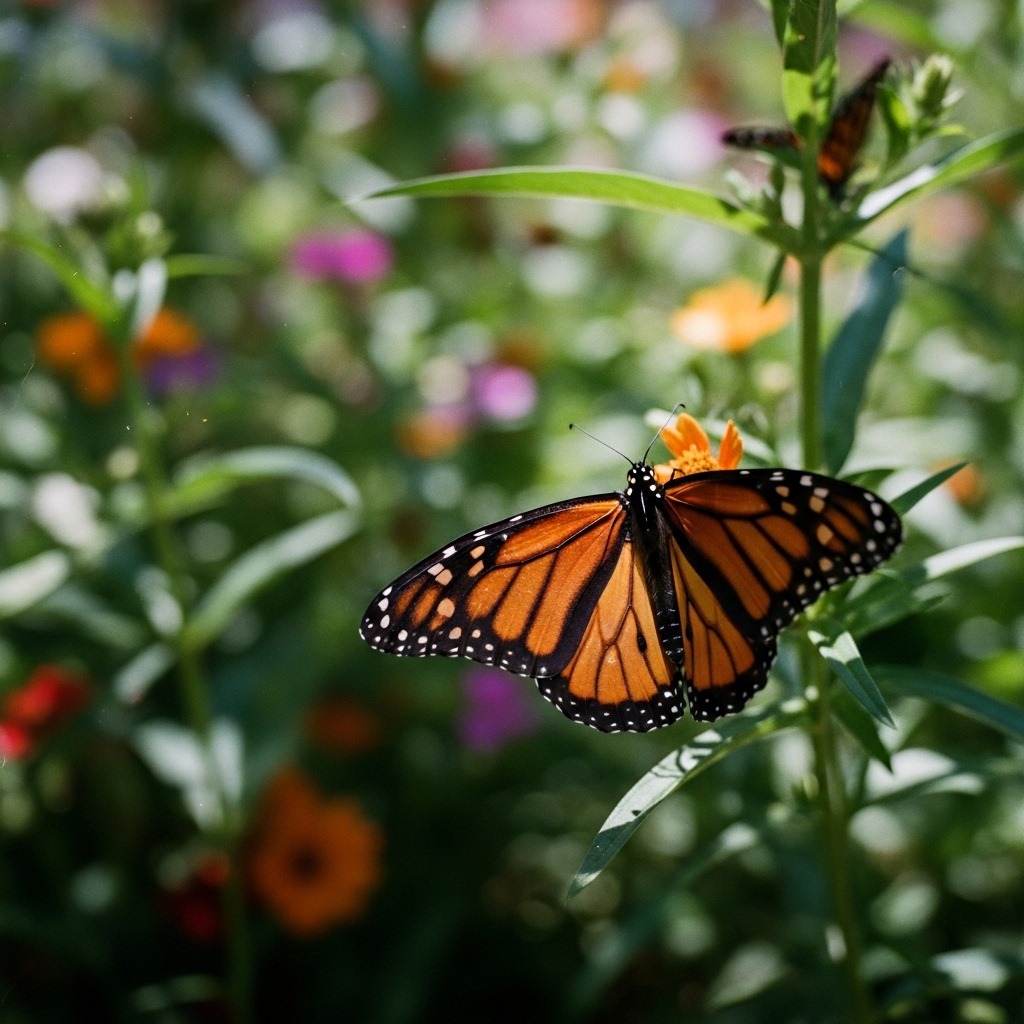
How Far Do Monarchs Travel?
Monarch butterflies embark on an epic journey. They migrate over 4,000 kilometers from Canada and the northern United States to central Mexico. This trip can take several weeks, as they navigate various landscapes and weather conditions.
- Starting Point: They begin in the northern regions of North America.
- Destination: Their winter home is mainly in Michoacán and the Estado de Mexico.
- Travel Time: The migration typically occurs between October and March.
Importance of the Oyamel Forests
The Oyamel forests are vital for the Monarchs during their winter months. Here’s why:
- Shelter: These high-elevation forests provide a cool, damp environment essential for the butterflies’ survival.
- Food Supply: The Oyamel trees offer a habitat where Monarchs can rest and feed on nectar.
- Protection: The dense tree cover shields them from harsh weather and predators.
Why Visit the Sanctuaries?
Visiting these sanctuaries allows you to witness this incredible migration. Here’s what you can expect:
- Breathtaking Views: Imagine seeing millions of orange and black butterflies fluttering around the trees.
- Cultural Experience: Engage with local communities that respect and protect these butterflies.
- Conservation Awareness: Learn about efforts to safeguard Monarchs and their habitats.
If you’re keen on spotting these beauties, consider grabbing a Monarch Butterfly Field Guide to enhance your experience. Check Price on Amazon.
Best Time to Visit the Sanctuaries
Timing your visit to the Monarch sanctuaries is key to experiencing this natural wonder. The butterflies migrate to Mexico between late October and March, but the peak times offer the best views.
When Do the Butterflies Arrive?
- Late October to Early December: This is when the butterflies first arrive. You’ll likely see them settling in and clustering together.
- January to Early February: This is the peak time. Expect millions of butterflies fluttering around. January is especially busy, with the highest number of visitors.
- Mid-February to Late March: The butterflies start to leave, but you can still catch them in action, especially in early March.
Weather Conditions
- Temperature: Expect mild weather. Daytime temperatures average around 20-25°C (68-77°F). Nights can be cooler, so a light jacket is a good idea.
- Rainfall: The winter months are generally dry, making it easier to explore the sanctuaries. Always check the forecast before your trip!
Peak Viewing Calendar
| Month | Butterfly Activity | Weather |
|---|---|---|
| Late October | Arrival begins | Mild, dry |
| November | Butterflies settling | Cool days, chilly nights |
| January | Peak population | Mild, dry |
| February | High activity, busy season | Mild, dry |
| Early March | Last sightings | Mild, dry |
Planning your trip during these peak times will enhance your experience. Don’t forget to bring your camera! For a deeper understanding of the butterflies, consider a Monarch Butterfly Field Guide to enhance your experience. Check Price on Amazon.
Choose the Right Sanctuary
When visiting the Monarch Butterfly sanctuaries in Mexico, picking the right one can make all the difference. Each sanctuary offers a unique experience, so let’s break down the main options: El Rosario, Sierra Chincua, and Piedra Herrada.
El Rosario: The Most Popular Sanctuary
El Rosario is the largest and most famous sanctuary. It attracts a lot of visitors, especially on weekends. Here are a few points to consider:
- Accessibility: About 3 hours from Mexico City. It’s easy to reach, but expect crowds.
- Features: Offers a vibrant atmosphere with numerous shops and eateries. The path can be long and steep, making it a bit challenging for some.
- Visitor Experience: Great for those who love a lively vibe. However, it can feel packed, especially on Saturdays.
Sierra Chincua: The Scenic Hike
Looking for a quieter experience? Sierra Chincua might be your best bet.
- Accessibility: Also around 3 hours from Mexico City, but the route is more scenic and less crowded.
- Features: Offers a beautiful hike through Oyamel forests. The path is generally easier compared to El Rosario.
- Visitor Experience: Perfect for nature lovers. It feels more serene, allowing you to enjoy the butterflies in peace.
Piedra Herrada: Family-Friendly Experience
If you’re traveling with kids, Piedra Herrada is a solid choice.
- Accessibility: Closest sanctuary to Mexico City, making it a quick trip.
- Features: Family-oriented, with a relatively easy hike. It’s great for those who want a more relaxed outing.
- Visitor Experience: Often less crowded than El Rosario. However, the viewing area can get busy during peak times.
Quick Comparison Table
| Sanctuary | Accessibility | Features | Visitor Experience |
|---|---|---|---|
| El Rosario | 3 hours from Mexico City | Steep paths, shops | Busy and vibrant |
| Sierra Chincua | 3 hours from Mexico City | Scenic hike | Peaceful and scenic |
| Piedra Herrada | Closest to Mexico City | Family-friendly | Relaxed, less crowded |
Choosing the right sanctuary depends on what you’re looking for. If you love crowds and energy, go for El Rosario. For a peaceful nature experience, Sierra Chincua is ideal. And for a family-friendly day out, Piedra Herrada has you covered.
Plan Your Transportation

Getting to the Monarch Sanctuaries in Mexico can be a breeze with the right planning. Whether you choose to drive or rely on public transport, you’ve got options to make your journey smooth and enjoyable.
Driving: Your Best Bet
Renting a car is one of the most flexible ways to reach the sanctuaries. It allows you to explore at your own pace. Here are some tips for driving in the area:
- Choose Your Route: If you’re coming from Mexico City, consider taking the toll roads. They are faster and safer.
- Road Conditions: Be prepared for winding mountain roads. Some can be steep and narrow, especially as you approach the sanctuaries.
- Parking: Most sanctuaries have parking areas. Arrive early to snag a good spot, especially on weekends.
Public Transport Options
If driving isn’t your style, public transport is available. Here’s how to navigate it:
- Buses: You can catch a bus from Mexico City to towns like Angangueo or Morelia. From there, you may need to take a taxi or a local shuttle to the sanctuaries.
- Tickets: Buy your bus tickets in advance, especially during peak season (late January to early March).
Local Transportation Tips
Once you arrive, consider these local transport tips:
- Hiring a Driver: If you’re unfamiliar with the area, hiring a local driver can be a great option. They know the roads and can help you avoid any tricky spots. Look for recommendations online or ask your hotel for suggestions.
- Walking Trails: Be ready for some walking! The trails in the sanctuaries can be steep. Choose a sanctuary based on how much walking you’re willing to do.
Quick Comparison Table of Transportation Options
| Transportation Option | Pros | Cons |
|---|---|---|
| Car Rental | Flexible, explore at your pace | Navigation challenges |
| Public Bus | Affordable, no driving stress | Limited flexibility |
| Local Driver/Hire | Local knowledge, less hassle | Costly compared to buses |
With these transportation tips, you’re set to enjoy your visit to the Monarch Sanctuaries! Safe travels!
Dress for Success: What to Pack
Packing for your trip to the Monarch Butterfly Sanctuaries is crucial. The weather can be unpredictable, and you want to be comfortable while enjoying the stunning views of these beautiful butterflies. Here’s a quick guide to help you pack smart.
Essential Clothing Items
- Layers: Dress in layers. Mornings can be chilly, and afternoons may warm up.
- Comfortable Shoes: Sturdy hiking boots or shoes are a must. You’ll be walking on uneven terrain.
- Weatherproof Jacket: A lightweight, waterproof jacket will keep you dry in case of rain.
- Hat and Sunglasses: Protect yourself from the sun while exploring.
Packing List for Families
Traveling with kids? Here’s what you’ll need:
- Extra Layers: Bring a few extra layers for kids. They can get cold easily.
- Snacks: Pack some easy-to-carry snacks. Hiking can build up an appetite!
- Water Bottles: Hydration is key, especially at high altitudes.
- Small Backpack: A lightweight backpack is great for carrying essentials.
Packing for Photographers
If you plan to capture the wonders of the monarchs, consider these items:
- Camera Gear: Bring your camera, extra batteries, and memory cards.
- Tripod: A lightweight tripod can help you take stable shots.
- Lens Cleaning Kit: Keep your lens clear of dust and moisture.
Quick Packing Checklist
| Item | Families | Photographers |
|---|---|---|
| Layers | Extra layers | Camera gear |
| Comfortable shoes | Snacks | Tripod |
| Weatherproof jacket | Water bottles | Lens cleaning kit |
| Hat and sunglasses | Small backpack |
By packing thoughtfully, you’ll be ready to enjoy everything the Monarch Sanctuaries have to offer.
Stay Hydrated and Energized
Visiting the Monarch Sanctuaries in Mexico is an exciting adventure! But don’t forget: staying hydrated and keeping your energy up is crucial while exploring. Here’s how to prepare.
Why Hydration Matters
The sanctuaries are often at higher elevations. This means the air is drier, and you can lose moisture quickly. Carry a reusable water bottle to sip throughout your visit. Aim for at least 2 liters a day, especially if you plan to hike.
Snack Attack
Packing snacks is a game changer. It keeps your energy levels high and makes your trip more enjoyable. Here are some local snacks you might want to try:
- Dulce de leche: A sweet treat that’s great for a quick energy boost.
- Chicharrones: Crispy pork rinds that are satisfying and easy to carry.
- Paletas: Ice pops that come in various flavors, perfect for a refreshing break.
- Nuts and dried fruits: Light and nutritious, these will keep you fueled for longer adventures.
Quick Packing List for Hydration and Snacks
| Item | Recommendation |
|---|---|
| Water Bottle | Reusable, 1-2 liters |
| Local Snacks | Dulce de leche, chicharrones, paletas, nuts |
| Portable Cooler | Optional, for longer trips |
With these tips, you’ll be ready to enjoy the beauty of the Monarch Sanctuaries without missing a beat!
Respect the Environment: Visitor Etiquette
When visiting the Monarch Sanctuaries, it’s crucial to follow etiquette guidelines. This helps protect the delicate butterflies and their beautiful habitat. By being mindful, you’ll ensure these stunning creatures thrive for years to come.
Do’s for a Positive Experience
- Stay on Marked Paths: This minimizes your impact on the habitat. It helps prevent trampling on plants that butterflies rely on.
- Keep Quiet: Loud noises can scare the butterflies. Be respectful and enjoy the silence.
- Observe from a Distance: Admire the butterflies without touching them. Monarchs are fragile, and touching can damage their wings.
- Pack Out What You Pack In: Carry out all trash. Leave no trace to keep the sanctuaries clean.
Don’ts to Avoid Harm
- Don’t Touch the Butterflies: Even a gentle touch can harm these delicate creatures. Remember, they’ve traveled thousands of miles to get here!
- Don’t Stray Off Trails: Wandering off the paths can disturb their nesting sites. Stick to the designated areas.
- Avoid Feeding the Butterflies: Feeding them alters their natural behavior. They rely on flowers for nourishment, not humans.
Quick Etiquette Checklist
| Do’s | Don’ts |
|---|---|
| Stay on marked paths | Don’t touch the butterflies |
| Keep quiet | Don’t stray off trails |
| Observe from a distance | Don’t feed the butterflies |
| Pack out what you pack in |
By following these simple guidelines, you not only protect the Monarchs but also contribute to the conservation efforts in these stunning sanctuaries. Enjoy the magic of the butterflies while doing your part!
Consider Guided Tours vs. Independent Visits
When planning your visit to the Monarch Sanctuaries, you’ll face a choice: go with a guided tour or explore on your own. Each option has its perks and potential drawbacks. Let’s break it down!
Benefits of Guided Tours
- Expert Knowledge: Guides share insights about the butterflies, their migration, and the local ecosystem.
- Convenience: Tours handle logistics, like transportation and entry fees, saving you time and stress.
- Group Benefits: Traveling with a group can be more fun and offers a sense of safety.
Drawbacks of Guided Tours
- Less Flexibility: You’ll follow a set schedule, which may not allow for spontaneous exploration.
- Cost: Tours can be pricier than visiting on your own, especially if you’re on a budget.
- Crowds: Popular tours may lead to busier areas, impacting your experience.
Advantages of Independent Visits
- Freedom: Explore at your own pace. Stay longer at spots you love and skip those that don’t interest you.
- Cost-Effective: You can save money by managing your own transportation and entry fees.
- Personal Experience: You’ll have the chance to connect with nature on a deeper level, away from the hustle of group tours.
Downsides of Independent Visits
- Planning Required: You’ll need to research and organize everything yourself, which can be time-consuming.
- Limited Information: Without a guide, you might miss out on valuable insights about the area and the butterflies.
- Navigational Challenges: Finding your way in unfamiliar areas can be tricky without a guide’s help.
Decision Framework
Ask yourself these questions to decide:
- What’s my budget? If you’re looking to save, independent visits may suit you better.
- How much do I want to learn? If you crave in-depth knowledge, a guided tour could be worth it.
- Do I prefer flexibility or structure? Choose based on whether you want a free-flowing adventure or a planned itinerary.
By weighing these factors, you can choose the best option for your Monarch Sanctuary experience!
Learn About Local Culture and Conservation Efforts
Visiting the Monarch Sanctuaries isn’t just about the butterflies. It’s also a chance to connect with the local culture and see how communities work to protect these amazing insects. The monarchs hold a special place in the hearts of many here.
Why Monarchs Matter to Local Communities
Monarch butterflies symbolize resilience and beauty. For locals, they represent more than just a seasonal visitor. Here are some important points about their cultural significance:
- Traditions and Festivals: Local festivals celebrate the arrival of the monarchs each winter. These events often include music, dancing, and art. They create a sense of community while honoring nature.
- Sustainable Tourism: Communities are increasingly embracing eco-tourism. This helps support local economies while ensuring that the sanctuaries remain protected.
Community Conservation Efforts
The locals take conservation seriously. Here’s how they work to protect the monarchs and their habitats:
- Habitat Restoration: Many communities actively restore areas where the monarchs thrive. This includes planting native trees and milkweed, which is crucial for the caterpillars.
- Education Programs: Local schools often run programs to teach children about the importance of monarchs. Engaging the younger generation is key to long-term conservation efforts.
- Collaboration with Organizations: Many local groups partner with environmental organizations to improve conservation strategies. This collaboration brings in resources and expertise.
Visitor Etiquette for Conservation
When visiting, it’s essential to respect these efforts. Here are some tips to keep in mind:
- Stick to Designated Trails: This helps protect the delicate habitats.
- Avoid Disturbing the Butterflies: Keep a respectful distance. Flash photography can be harmful.
- Support Local Businesses: Choose to eat and shop locally. This boosts the economy and promotes sustainable practices.
By understanding the cultural significance of monarchs and participating in local conservation efforts, you can make your visit more meaningful. You’re not just a tourist; you’re part of a global movement to protect these incredible creatures.
Safety Considerations When Visiting
Visiting the Monarch sanctuaries is a magical experience, but it’s important to prioritize safety. Here are key tips to keep in mind while you explore these beautiful habitats.
Health Precautions
1. Stay Hydrated: The altitude can be challenging. Drink plenty of water to avoid dehydration.
2. Altitude Awareness: If you’re not used to high elevations, take it slow. Some visitors experience altitude sickness. Listen to your body and rest if needed.
3. Wear Proper Footwear: Trails can be uneven. Sturdy shoes help prevent twisted ankles.
Local Travel Advisories
- Stick with Guided Tours: Local guides know the area. They also keep you safe and help protect the butterflies.
- Follow Instructions: Listen to your guide. They’ll share important safety tips and ensure you stay on marked paths.
- Travel Insurance: Consider getting travel insurance, especially for hikes or if you have health concerns. It’s a smart move for peace of mind.
Emergency Contacts
- Know the Local Emergency Numbers: Familiarize yourself with local services in case of an emergency.
- Keep Your Phone Charged: Ensure you have a way to communicate if needed.
By following these safety tips, you can fully enjoy your visit while protecting yourself and the Monarchs!
Capture the Moment: Photography Tips
Visiting the Monarch Sanctuaries is a dream for any nature lover, especially if you want to capture the stunning beauty of these butterflies. Here are some tips to help you take great photos while respecting these delicate creatures.
Best Times for Photography
- Early Morning or Late Afternoon: The light is softer, and the butterflies are more active. Plus, it’s usually cooler, making them less likely to be resting.
- Avoid Midday: Bright sunlight can create harsh shadows and may cause the butterflies to hide.
Ideal Angles and Techniques
- Close-Ups: Use a zoom lens to capture detailed shots without getting too close. This keeps the butterflies comfortable and safe.
- Wide Shots: Capture the stunning scenery of the sanctuaries. Look for clusters of butterflies on branches or flowers.
- Slow Motion Video: Try filming in slow motion. It beautifully showcases the butterflies’ graceful flight.
Quick Photography Checklist
- Camera or Smartphone: Ensure it has enough battery and storage.
- Zoom Lens: Perfect for those close-up shots.
- Tripod: Helps stabilize your camera for clearer images.
- Water: Stay hydrated while you’re busy snapping photos.
- Respect Nature: Always keep a safe distance from the butterflies. Avoid touching or disturbing them.
By following these tips, you can create beautiful memories of your visit to the Monarch Sanctuaries while ensuring the butterflies remain undisturbed. Happy photographing!
Frequently Asked Questions
These quick answers cover the most common questions about this topic, including key details, practical tips, and common concerns.
Is it safe to travel to see the monarch butterflies in Mexico?
Yes, visiting the sanctuaries is generally safe. Many tourists travel there each year without issues. However, it’s important to follow local safety guidelines, stay on marked trails, and be cautious on mountain roads. Always check current travel advisories and consider guided tours for added security.
Which is the best butterfly sanctuary in Mexico?
The best sanctuary depends on your preferences. El Rosario is the most popular and accessible, ideal for those wanting a lively experience. Sierra Chincua offers a quieter, scenic hike for nature lovers. Piedra Herrada is family-friendly with easier trails. Each sanctuary provides a unique experience, so choose based on your interests.
What is the best time of year to see monarch butterflies in Mexico?
The peak time to see the monarchs is from January to early March, especially mid-January when their population is highest. Arrival begins in late October, and they start leaving by late March. Visiting during the peak months ensures the best chance to witness the stunning migration.
How many monarch sanctuaries are there in Mexico?
There are about 12 official monarch sanctuaries across the States of Michoacán and Estado de Mexico. The most visited and well-known are El Rosario, Sierra Chincua, and Piedra Herrada. These protected areas are designated by conservation authorities to safeguard the butterflies’ winter habitat.
What should I wear when visiting the sanctuaries?
Wear comfortable, layered clothing suitable for mountain weather. Sturdy hiking shoes are essential for walking on uneven trails. A hat, sunglasses, and a light waterproof jacket are recommended. Temperatures can vary from cool mornings to warmer afternoons.
Are there guided tours available for the sanctuaries?
Yes, guided tours are widely available and recommended. Guides provide valuable insights into the butterflies’ migration, habitat, and conservation efforts. They also handle logistics like transportation and entry fees, making your visit more informative and hassle-free.
What are the entry fees for the sanctuaries?
Entry fees are generally modest and vary by sanctuary. They help fund conservation efforts and infrastructure maintenance. Fees typically range from a few dollars to around $10 USD. It’s best to check current prices before your trip, as they can change seasonally.
Can I take photos of the butterflies?
Absolutely. Photography is a popular activity at the sanctuaries. Use a zoom lens for close-up shots without disturbing the butterflies. Avoid using flash, as it can scare or harm them. Be respectful of their space and keep a safe distance while capturing their beauty.