
Bucket gardening is a fantastic solution for busy home gardeners who want to enjoy the fruits of their labor without dedicating endless hours to traditional gardening. This method of gardening allows you to cultivate your plants in containers, making it easier to manage your time and space. Whether you’re limited by a small yard or a hectic schedule, these 12 bucket gardening tips will help you maximize your gardening experience and yield delicious results.
1. Choose the Right Buckets
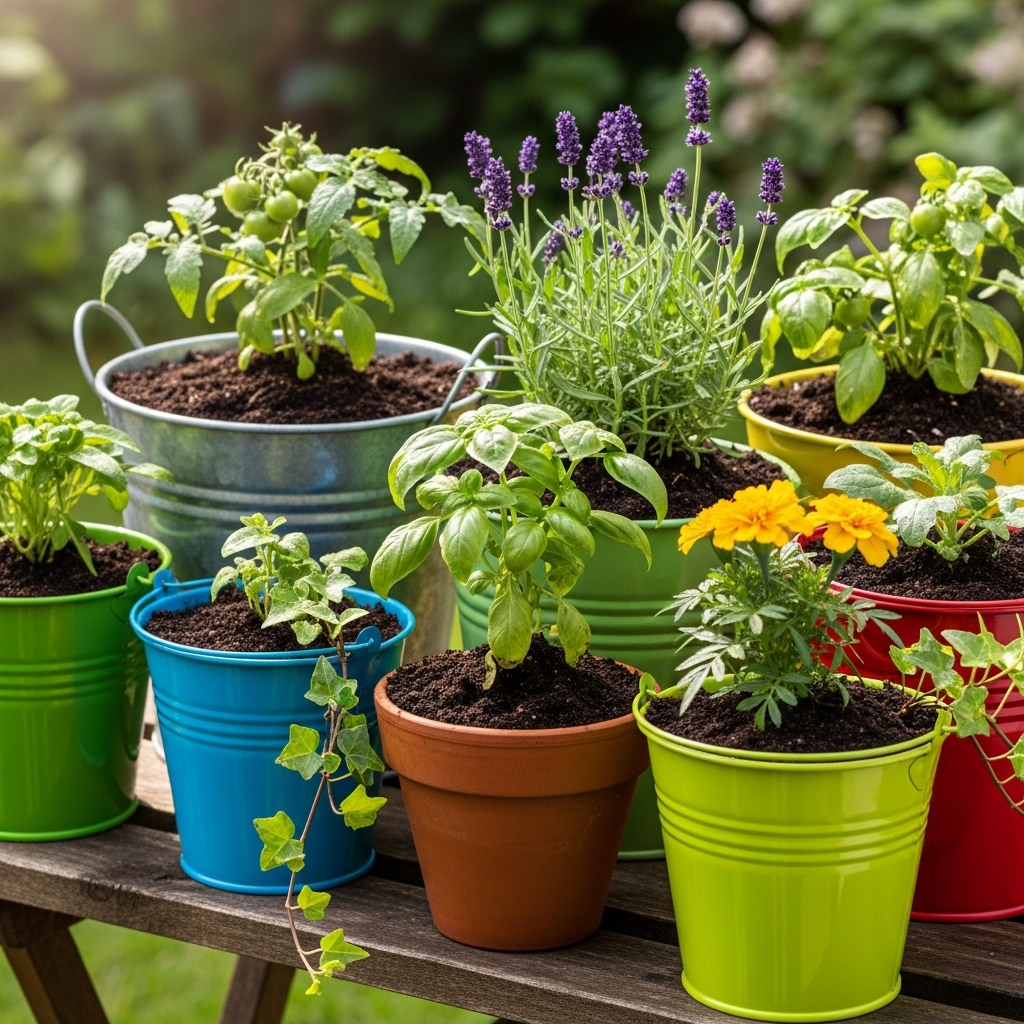
Selecting the appropriate buckets is crucial for successful bucket gardening. Opt for food-safe plastic or wooden containers with drainage holes. This ensures that your plants have enough room to grow while preventing waterlogging. Consider using different sizes based on the plants you wish to grow, as larger plants will need more space for their roots.
2. Use Quality Potting Soil
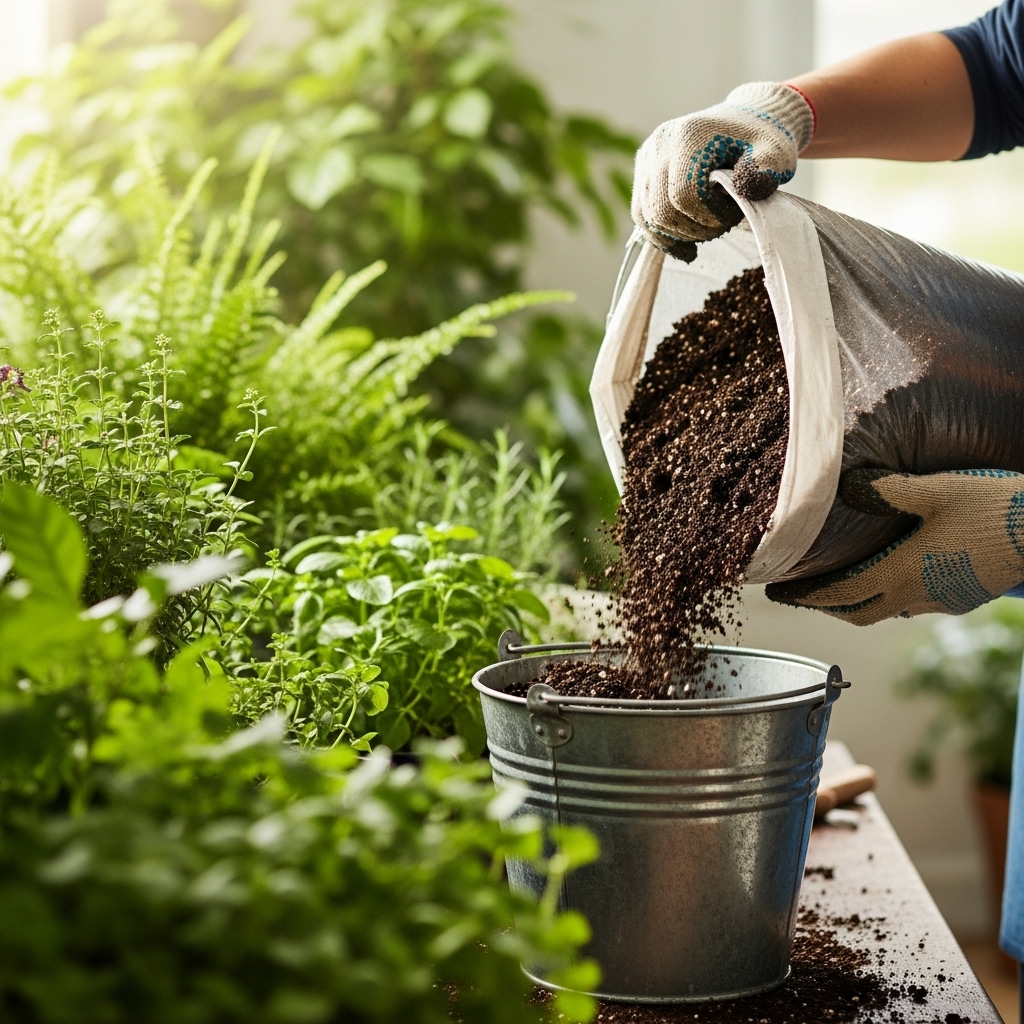
Investing in high-quality potting soil is essential for healthy plants. Unlike garden soil, potting soil is specially formulated to retain moisture while providing excellent drainage. Look for a mix that contains organic matter, which will help your plants thrive and reduce the need for frequent fertilization.
3. Incorporate Fertilizers Wisely
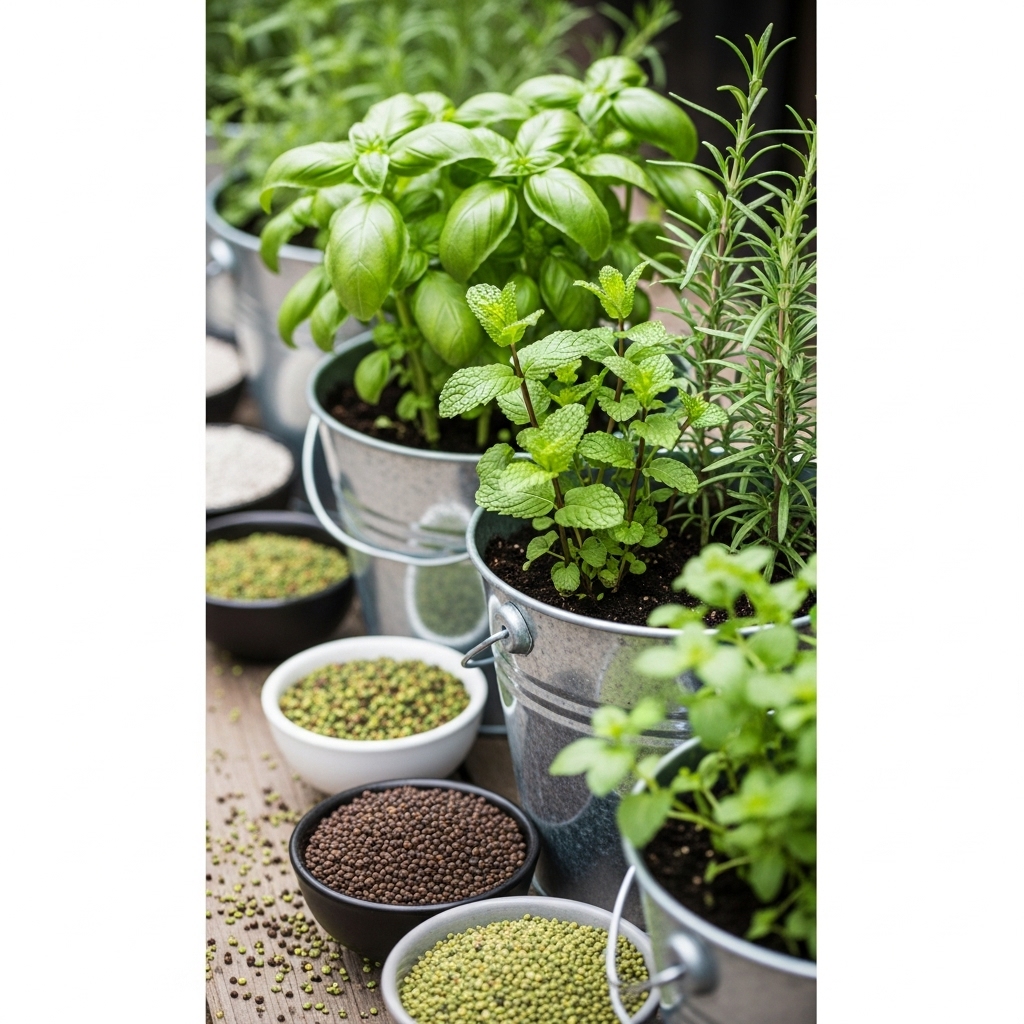
Regular fertilization is key to enhancing growth in bucket gardens. Use slow-release organic fertilizers to provide nutrients over time. This way, you can avoid the hassle of daily feeding, making it easier to maintain your garden while still getting great results. For more insights, check out 9 bucket gardening tips for healthy plant growth.
4. Select Easy-to-Grow Plants
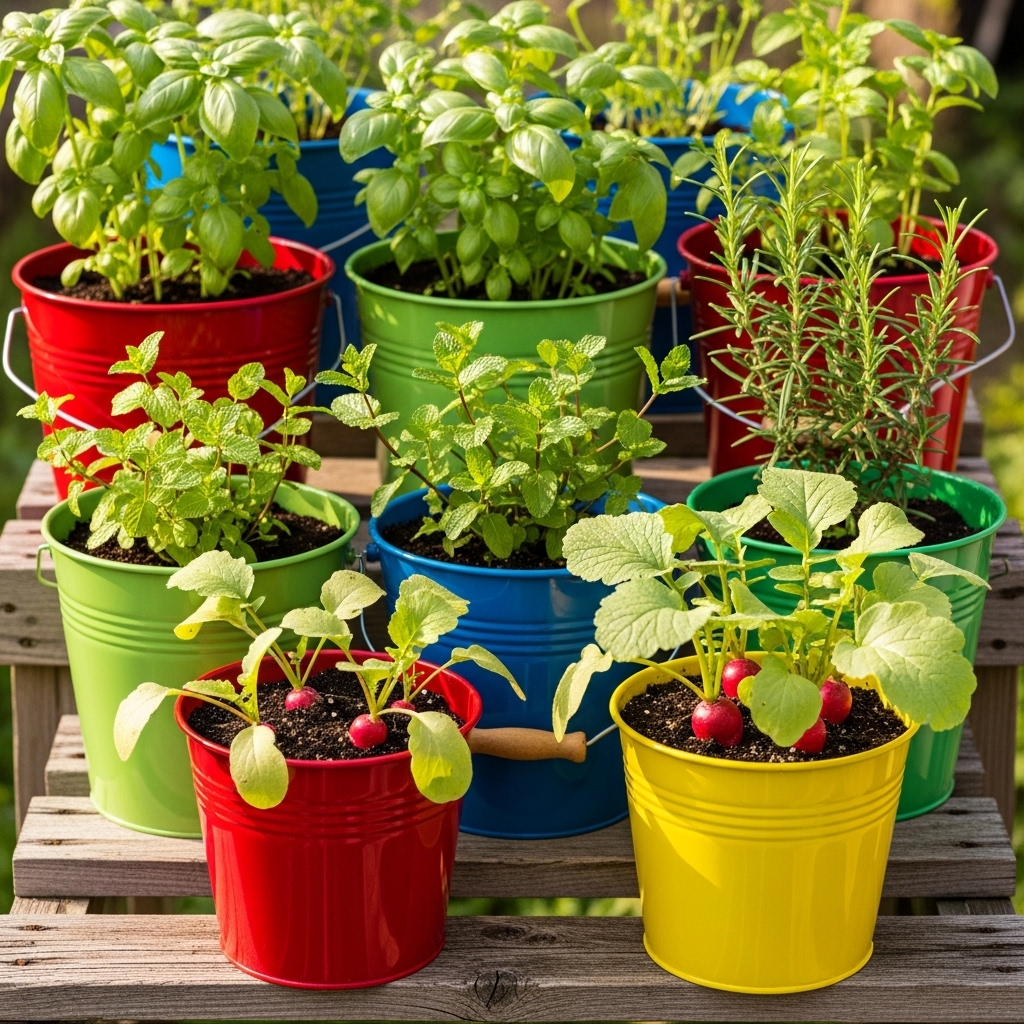
When choosing plants for your bucket garden, prioritize varieties that are known for their ease of growth. Herbs like basil and mint, as well as vegetables like radishes and lettuce, are forgiving and grow quickly. This allows you to enjoy the fruits of your labor in a shorter timeframe.
5. Utilize Vertical Space
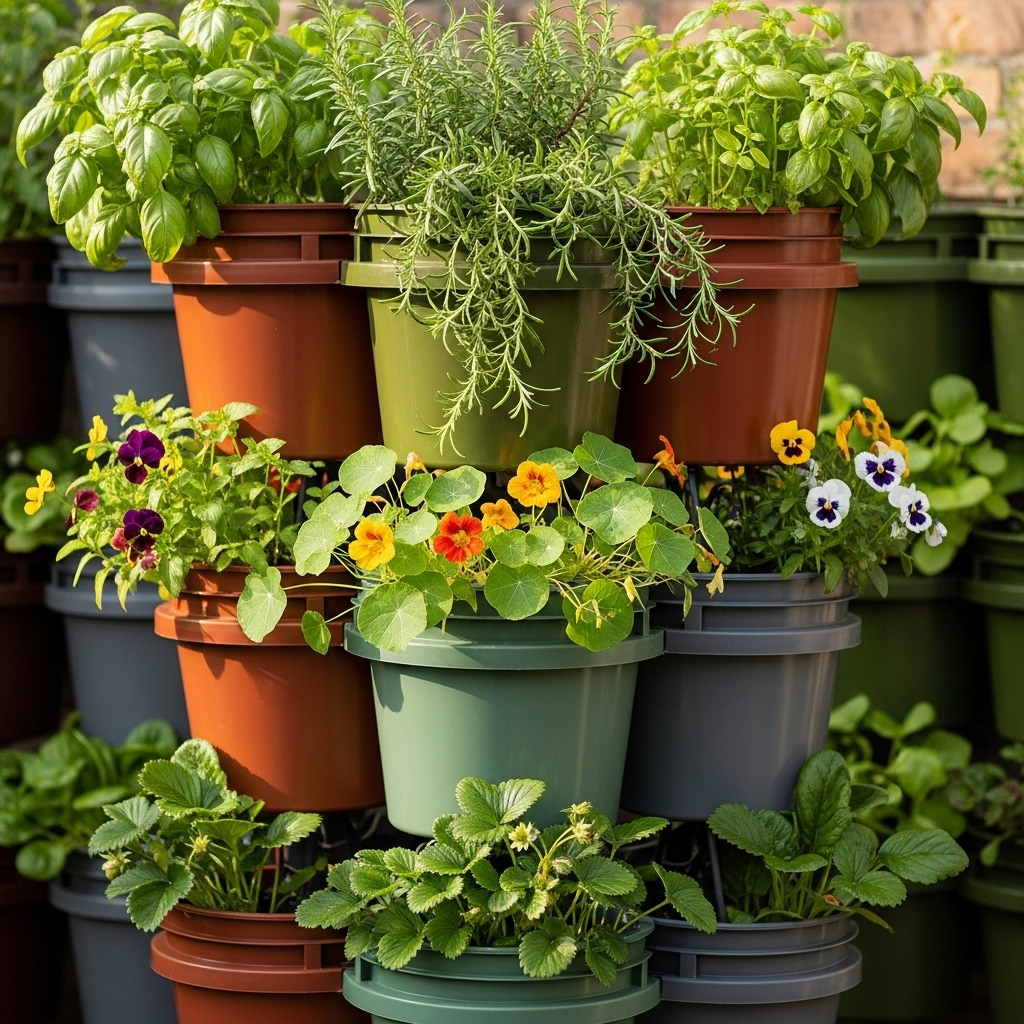
Make the most of your gardening space by stacking buckets or using tiered stands. Vertical gardening not only saves space but also adds an aesthetic appeal to your garden. Consider cascading plants like strawberries or trailing herbs to create a beautiful and productive display.
6. Implement a Watering Schedule
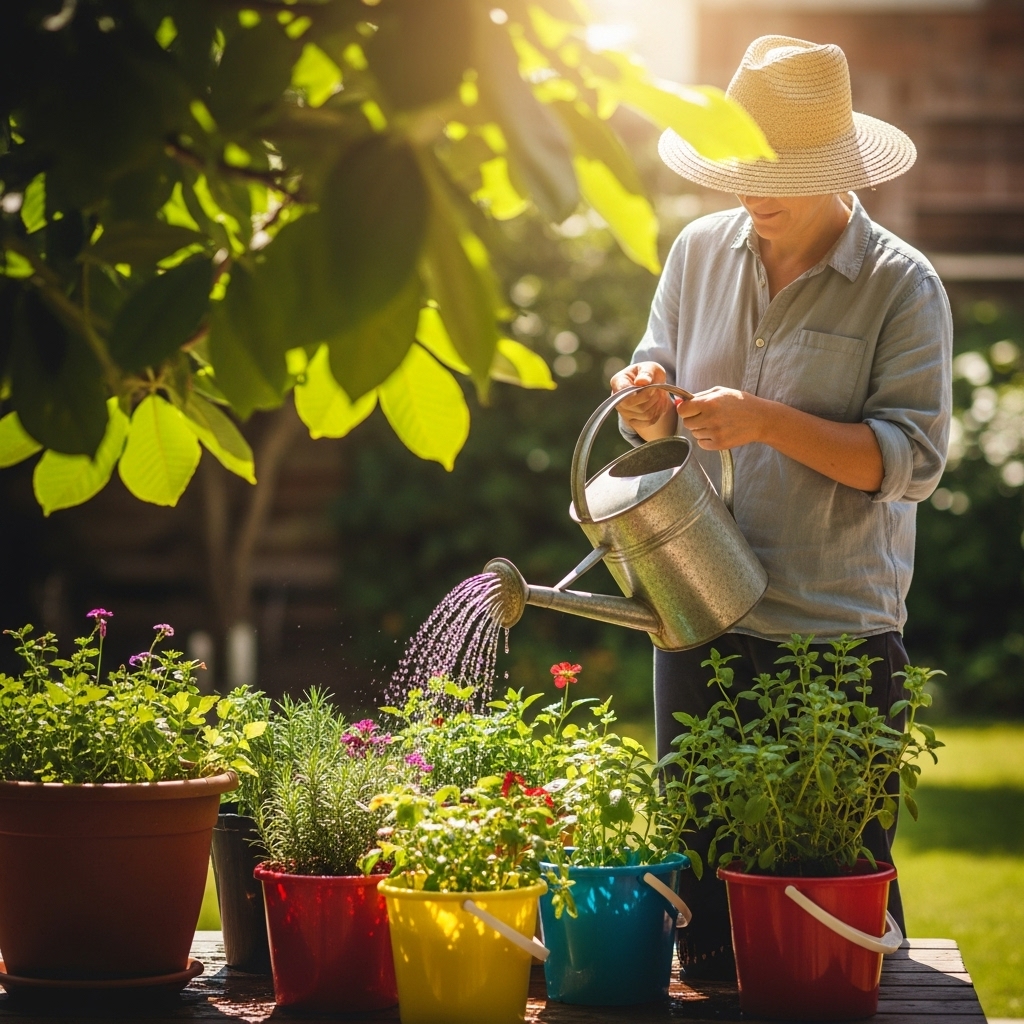
Establishing a consistent watering schedule is crucial for bucket gardening. Containers tend to dry out faster than garden beds, so monitor the soil moisture regularly. A good rule of thumb is to water when the top inch of soil feels dry. Consider using self-watering buckets to lessen the frequency of watering.
7. Position Buckets Strategically
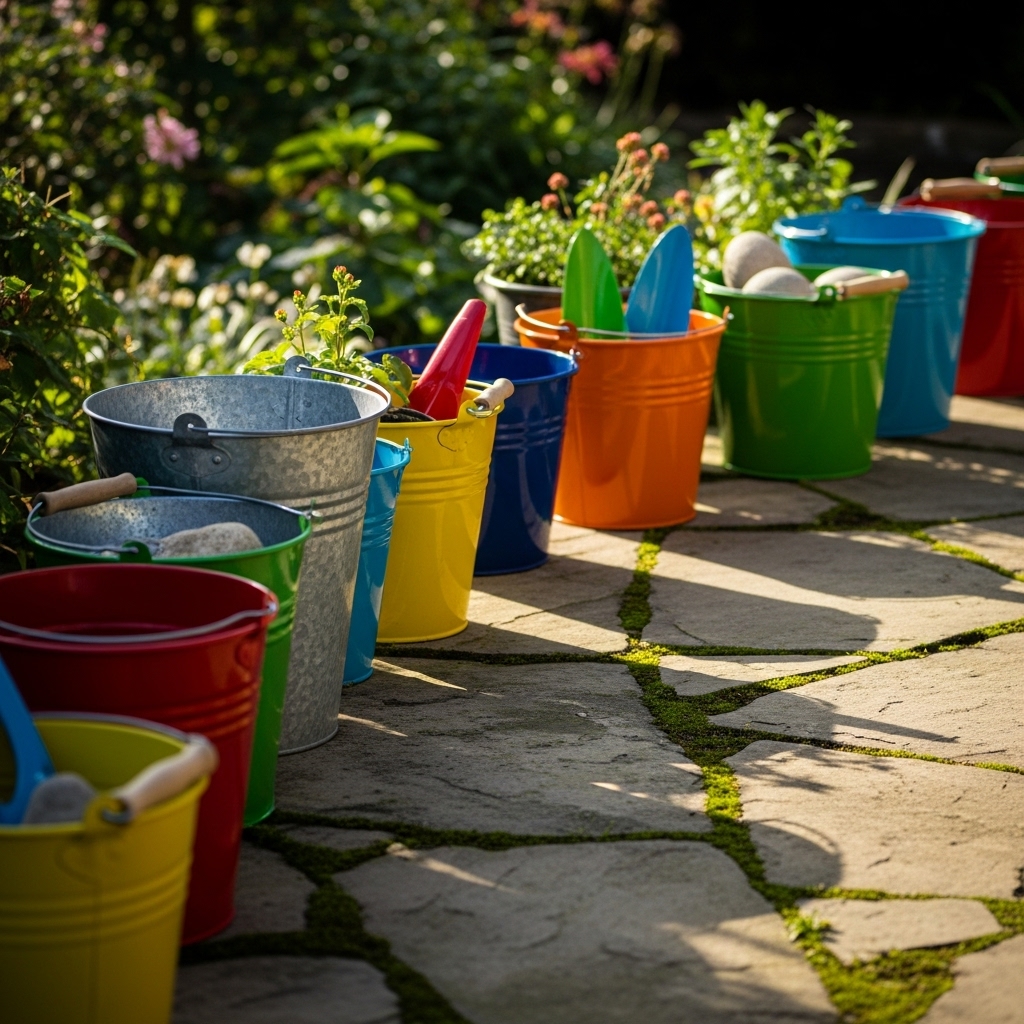
Location is key for successful growth in bucket gardens. Position your buckets in areas that receive adequate sunlight—most plants require at least 6 hours of sunlight daily. If you’re in a particularly hot climate, consider providing some afternoon shade to prevent overheating.
8. Rotate Crops Regularly
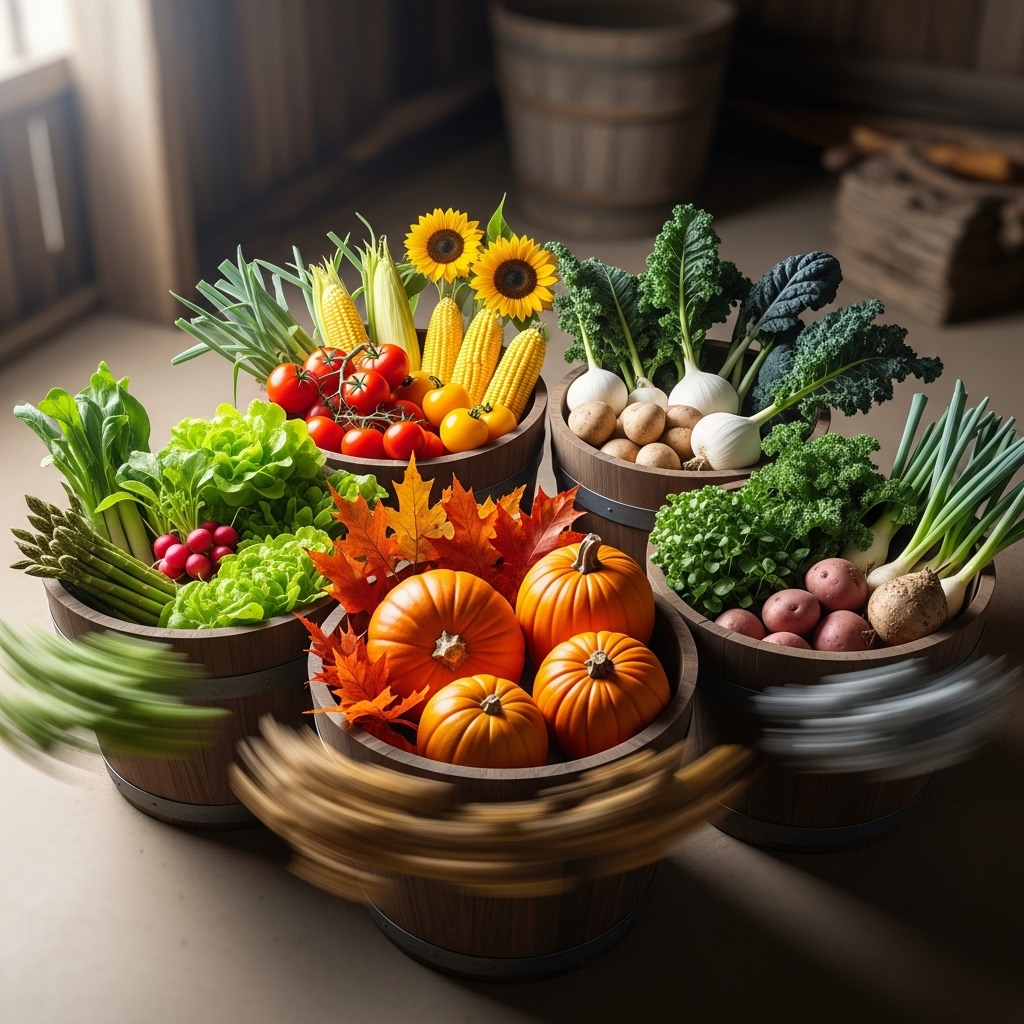
Crop rotation is an important practice that helps maintain soil health and prevents pest buildup. Every growing season, switch out the plants in your buckets to different locations. This method not only optimizes nutrient usage but also keeps your gardening experience fresh and exciting.
9. Use Mulch for Moisture Retention
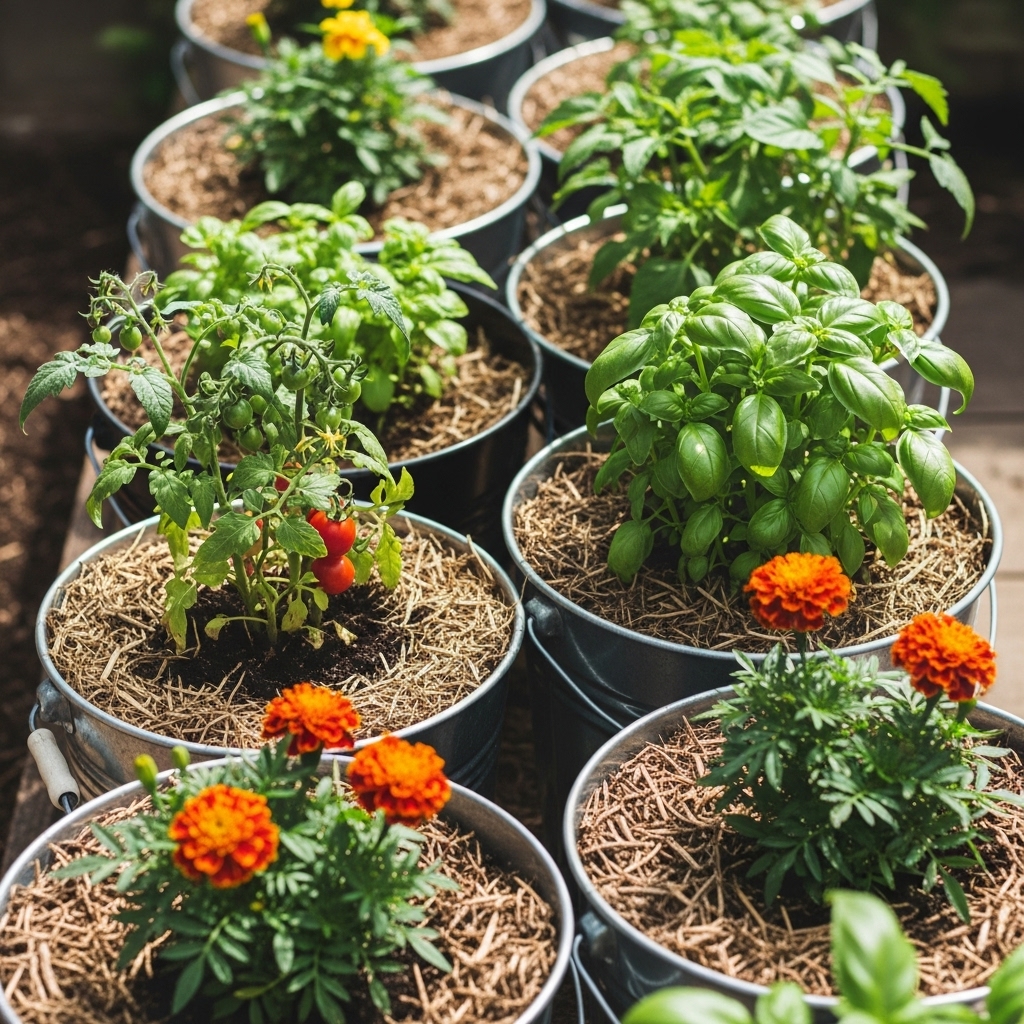
Applying mulch to the top of your soil can significantly help retain moisture and regulate soil temperature. Organic materials like straw or wood chips work well, and as they decompose, they enrich the soil. This simple step can save you time on watering while promoting plant health.
10. Monitor for Pests
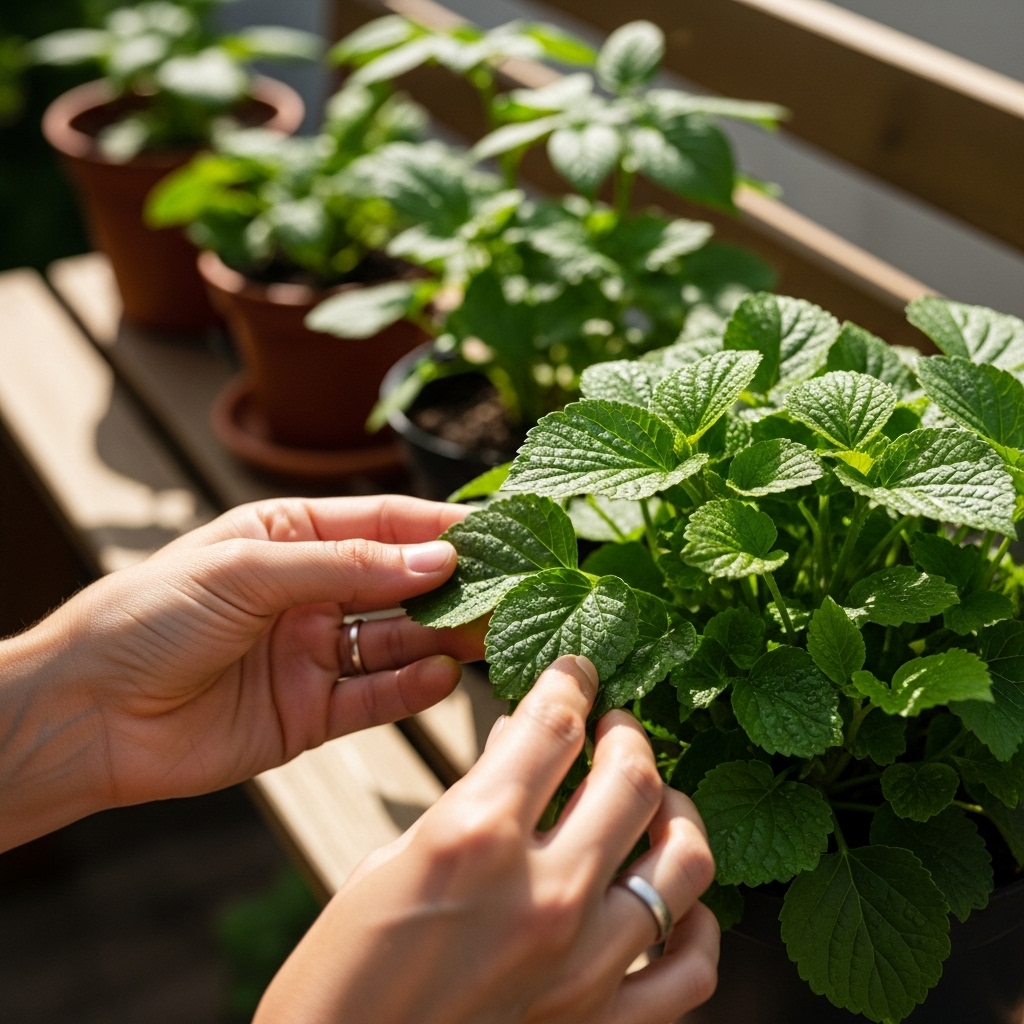
Keeping an eye on your bucket garden for pests is crucial for maintaining plant health. Regularly check the leaves and soil for any signs of infestation. If pests are detected, consider using organic pesticides or natural remedies to address the issue without harming your plants.
11. Extend the Growing Season
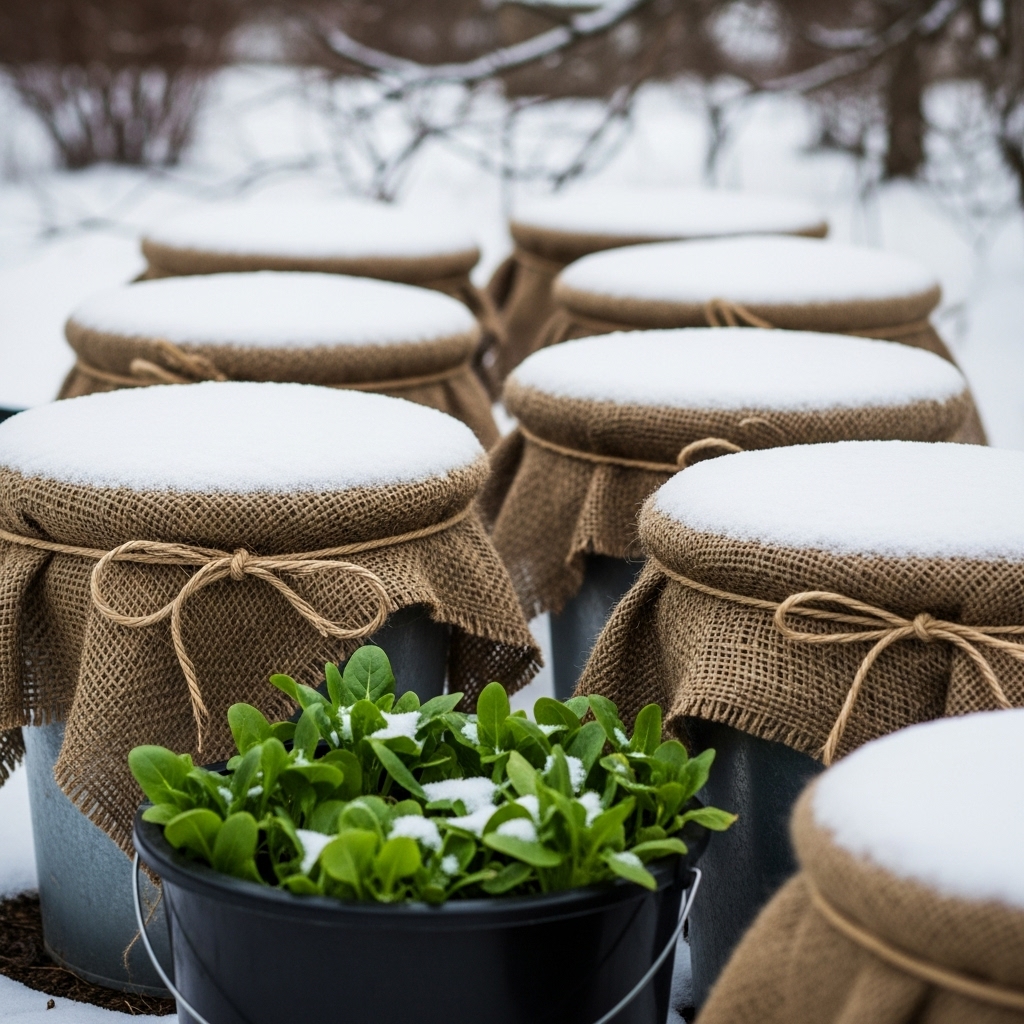
To get the most out of your bucket garden, consider using cloches or row covers to protect your plants during colder weather. This simple tactic can extend your growing season, allowing you to harvest fresh produce even in late fall or early spring, maximizing your gardening efforts. For additional tips, refer to 11 bucket gardening tips for year round growing.
12. Involve the Family
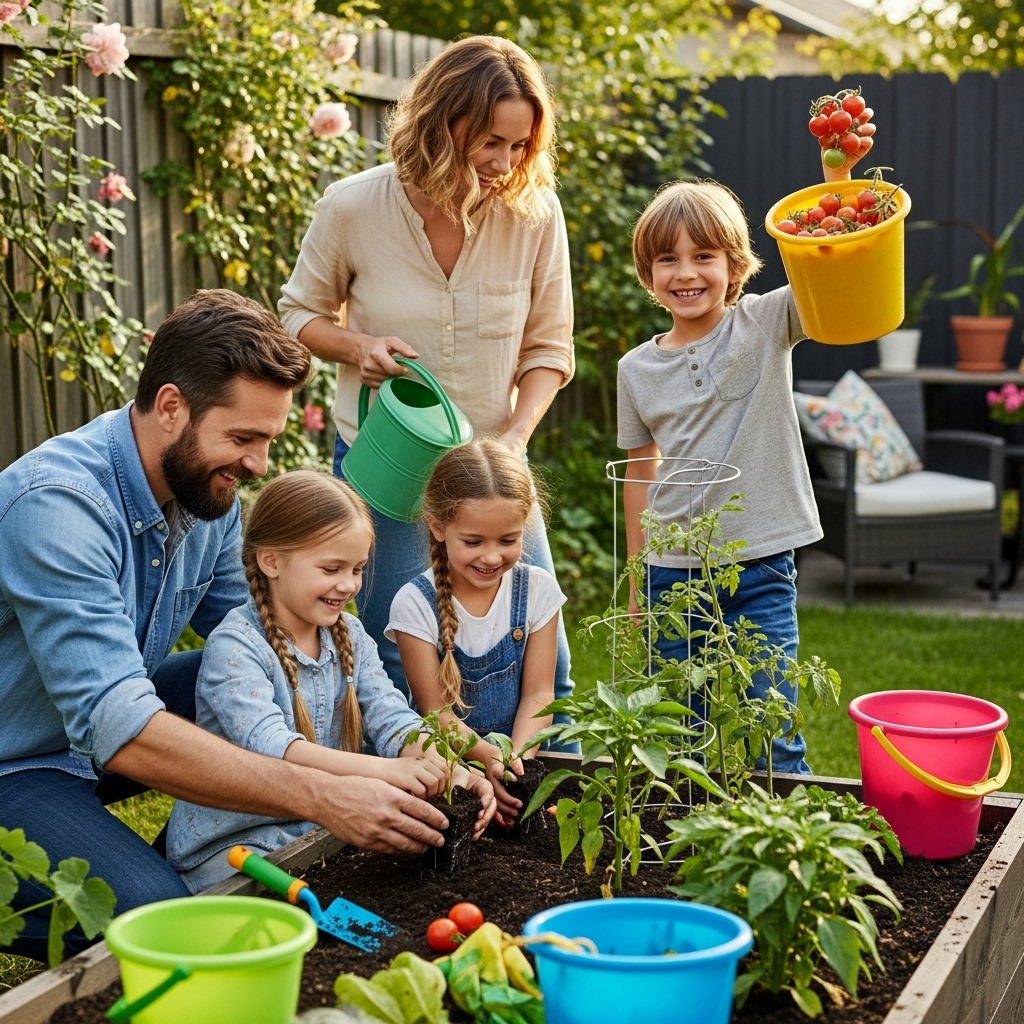
Make gardening a family affair! Involving your family in the bucket gardening process not only makes it more enjoyable but also encourages learning about plants and sustainability. Assign simple tasks to children and engage them in the joy of watching their plants grow, creating lasting memories together.