
Creating a butterfly garden requires specific supplies and considerations to attract and sustain these beautiful pollinators. From essential plants to effective watering systems, this guide outlines 13 necessities for a thriving butterfly garden, ensuring you provide the right environment for these delicate creatures.
Table of Contents
Understanding the Essential Components of a Butterfly Garden
Creating a butterfly garden is all about providing the right elements that attract and support butterflies. From the plants you choose to the care you give, every detail matters.
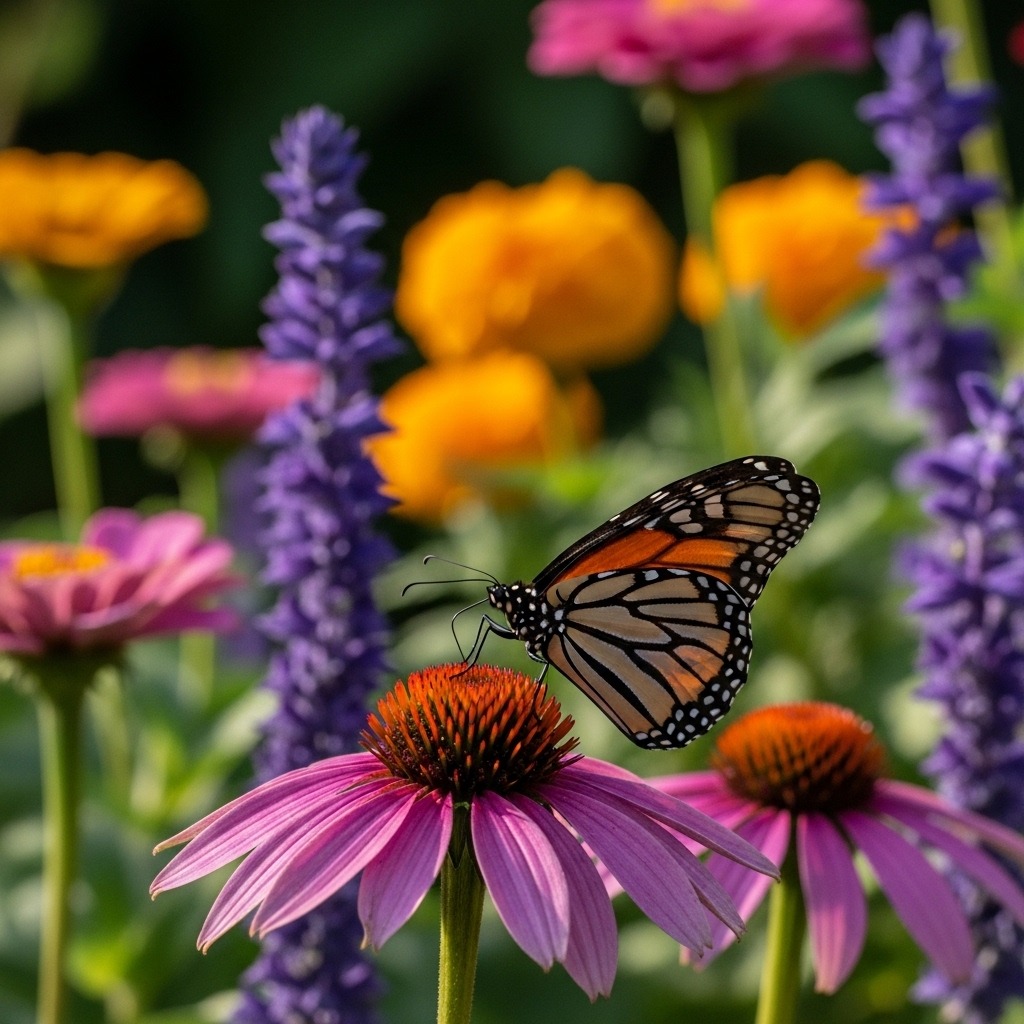
Essential Plants for Butterflies
To make your garden a butterfly haven, you need to focus on two main types of plants: nectar sources and host plants.
- Nectar Sources: These are the flowers that butterflies love. They provide the energy butterflies need to fly and thrive. Some popular nectar plants include:
- Butterfly bush
- Asters
- Zinnias
- Coneflowers (Echinacea)
- Host Plants: These plants are crucial for caterpillars. Butterflies lay eggs on these plants, and the caterpillars munch away once they hatch. Common host plants include:
- Milkweed (for monarchs)
- Parsley (for swallowtails)
- Fennel (also for swallowtails)
Garden Tools and Maintenance
Having the right tools makes all the difference. Here’s a quick list of essentials:
- Trowel: For digging holes.
- Pruners: To maintain your plants.
- Watering Can or Hose: For keeping everything hydrated.
- Mulch: Helps retain moisture and keeps weeds at bay.
Regular maintenance is key. Deadheading flowers encourages more blooms. Keeping the garden tidy helps attract butterflies.
Creating a Welcoming Habitat
Butterflies need more than just plants. They appreciate a cozy environment. Here are a few tips:
- Sunshine: Choose a sunny spot with at least six hours of sunlight daily. Butterflies love warmth!
- Shelter: Plant some shrubs or create windbreaks to protect them from strong winds.
- Water Sources: Butterflies need a drink too! Shallow dishes of water or small puddles can provide hydration, especially in hot weather.
Common Mistakes to Avoid
Starting a butterfly garden can be exciting, but avoid these common pitfalls:
- Ignoring Native Plants: Native plants are better suited to your local butterflies. They thrive naturally and require less maintenance.
- Overusing Pesticides: Chemicals can harm butterflies and caterpillars. Opt for natural alternatives to keep your garden safe.
- Neglecting Seasonal Care: Different plants thrive in different seasons. Be sure to plant accordingly to keep your garden blooming year-round.
With these essentials, you’re well on your way to creating a butterfly garden that not only looks beautiful but also supports local butterfly populations. If you’re looking for a hassle-free start, consider checking out Butterfly Garden Kits for everything you need in one package.
1. Choosing Native Plants for Butterfly Attraction
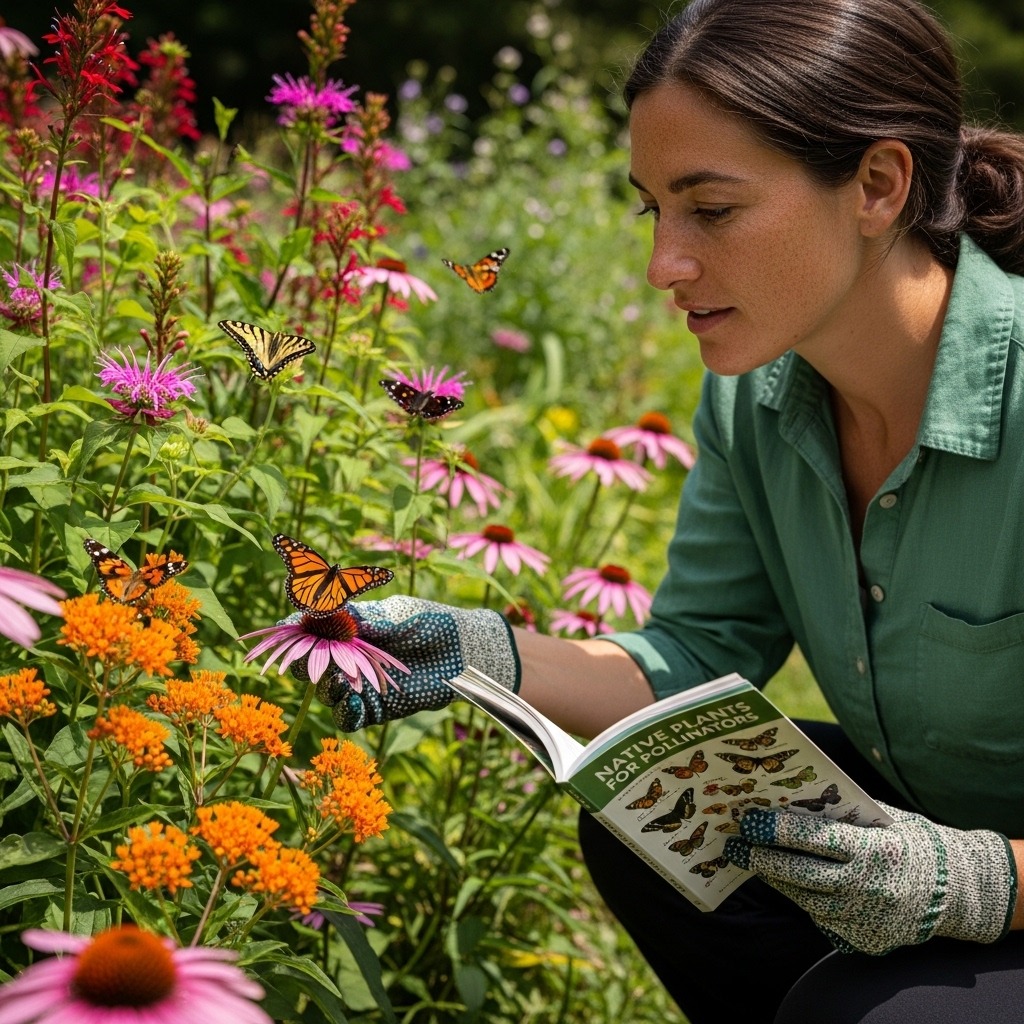
Native plants are the backbone of a successful butterfly garden. They’re adapted to your local climate and soil, making them easier to care for. Plus, they provide the nectar and habitat that butterflies crave.
Native Plants and Their Benefits
Why should you choose native plants? Here are a few compelling reasons:
- Attract Local Species: Native plants draw in butterflies that are local to your area. This helps support their populations.
- Low Maintenance: Once established, native plants typically require less water and fewer resources than non-native species.
- Biodiversity Boost: They help create a balanced ecosystem by supporting various pollinators, including bees and other beneficial insects.
Top Native Plants for Your Garden
Here’s a quick list of native plants that butterflies love:
| Plant Name | Type | Benefits |
|---|---|---|
| Butterfly Weed | Nectar | Attracts monarchs and other butterflies |
| Purple Coneflower | Nectar | Provides nectar throughout summer |
| Black-eyed Susan | Nectar | Good for various butterfly species |
| Milkweed | Host | Essential for monarch caterpillars |
| Asters | Nectar | Blooms late in the season |
Regional Guide for Selecting Native Plants
When choosing plants, consider your region. Here are a few examples:
- Northeast: Butterfly weed, milkweed, and asters.
- Southeast: Butterfly bush, coneflowers, and zinnias.
- Midwest: Blazing star, purple coneflower, and black-eyed Susan.
- West: California lilac, yarrow, and lupine.
Selecting the right native plants can make all the difference in attracting butterflies. Always research which plants grow best in your area. This ensures you create a thriving habitat for these beautiful creatures.
2. Incorporating Nectar Sources for Adult Butterflies
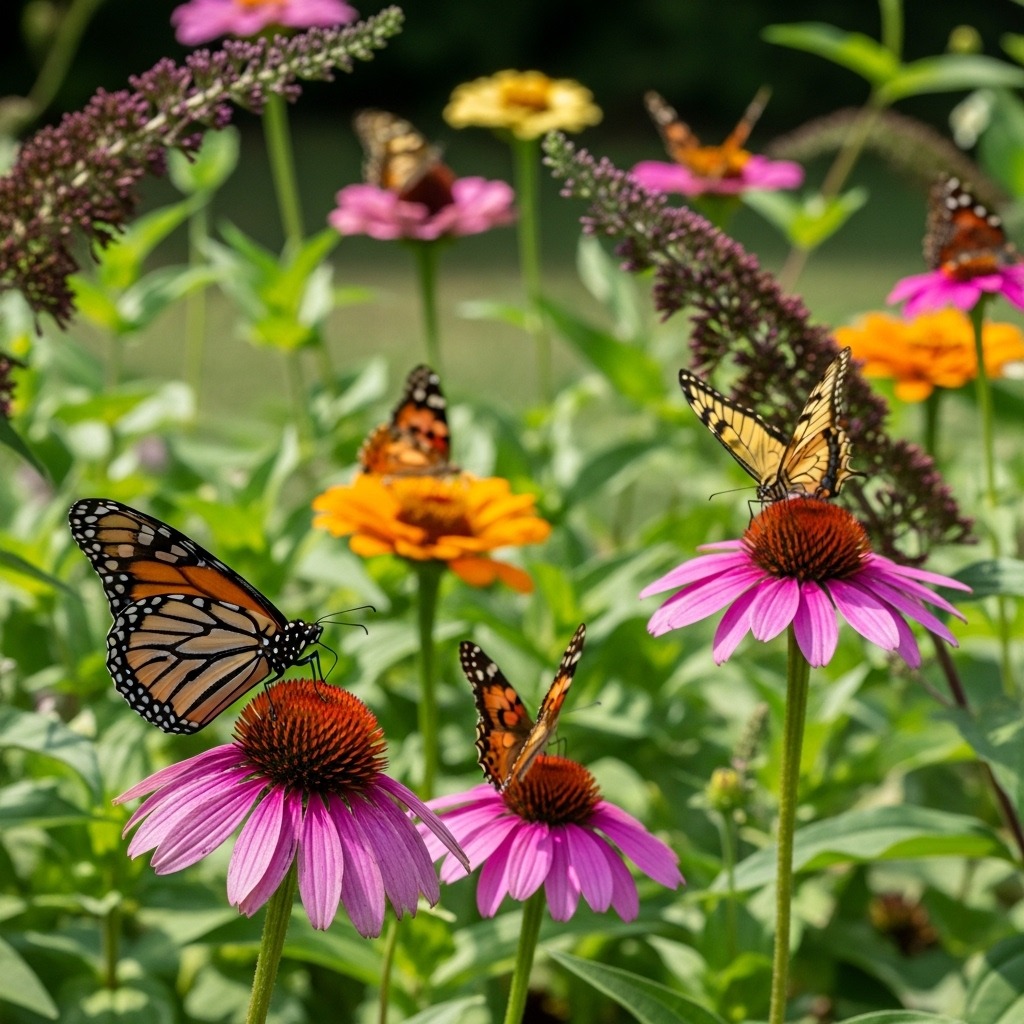
To create a butterfly-friendly garden, it’s essential to include a variety of nectar-rich flowers. These flowers provide the energy adult butterflies need to thrive. Let’s explore some fantastic options and tips!
Best Nectar Flowers for Butterflies
Here are some top nectar-rich flowers to consider:
- Coneflowers (Echinacea): These are stunning and bloom from mid-summer to fall. They attract many butterfly species and are drought-tolerant.
- Lantanas: Blooming from spring through fall, lantanas come in vibrant colors and are a favorite among butterflies.
- Butterfly Bush (Buddleia): This plant blooms all summer and can grow quite tall, making it a striking focal point in your garden.
- Zinnias: Available in various colors, zinnias bloom from summer to frost, providing a long-lasting nectar source.
- Asters: These late bloomers add color to your garden in the fall, attracting butterflies when many other plants have stopped flowering.
Planting Tips for Nectar Sources
When planting your nectar sources, keep these tips in mind:
- Group Plants: Cluster your flowers in groups of 3-5. This creates “landing pads” that butterflies can easily spot from above.
- Mix Blooming Periods: Choose a mix of annuals and perennials to ensure something is always in bloom. This attracts butterflies throughout the growing season.
- Native Plants: Opt for native varieties where possible. These plants are adapted to your region and attract local butterfly species better than non-natives.
Seasonal Blooming Checklist
Here’s a quick reference for when some popular nectar sources bloom:
| Flower | Blooming Period |
|---|---|
| Coneflowers | Mid-summer to fall |
| Lantanas | Spring to fall |
| Butterfly Bush | Summer |
| Zinnias | Summer to frost |
| Asters | Late summer to fall |
By selecting these vibrant flowers and following these tips, you’ll set the stage for a flourishing butterfly garden. Plus, consider checking out some Butterfly Garden Kits to get started easily! Check Price on Amazon.
3. Host Plants: Supporting the Caterpillar Life Stage
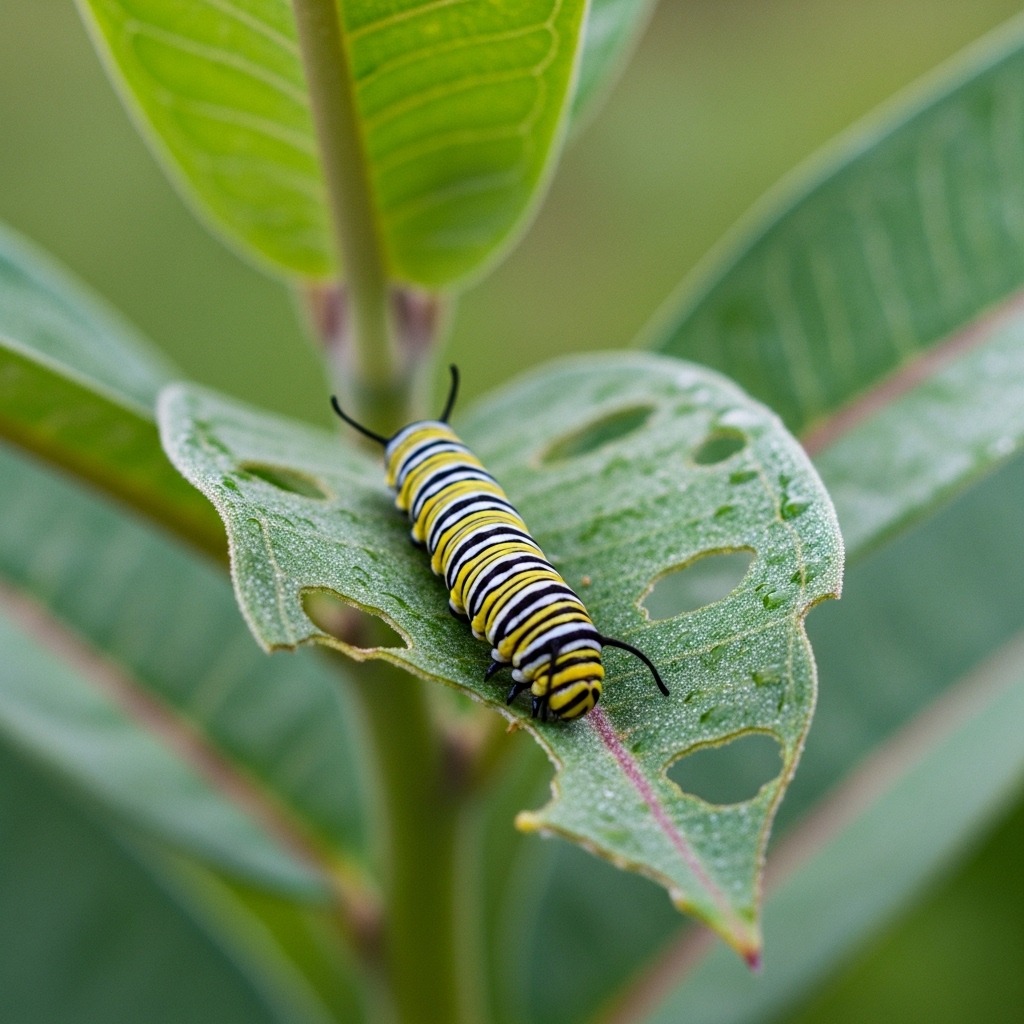
Host plants are essential for butterflies. They provide the perfect place for butterflies to lay their eggs and serve as food for hungry caterpillars. Without these plants, butterflies can’t thrive. Let’s dive into the specifics!
Common Host Plants for Butterflies
Different butterflies have different preferences when it comes to host plants. Here are some popular choices:
- Milkweed: A must-have for Monarch butterflies. They lay their eggs on this plant, and caterpillars rely on it for food.
- Dill: Attracts Swallowtail butterflies. It’s also a great herb for your kitchen!
- Fennel: Another favorite for Swallowtails. It adds a lovely touch to your garden.
- Passion Vine: Ideal for Gulf Fritillaries. These vines provide both food and shelter.
- Parsley: A common host for Swallowtails. Plus, it’s easy to grow!
How to Plant Host Plants Effectively
Planting host plants is straightforward. Here’s how to do it:
1. Choose Wisely: Select plants based on the butterfly species in your area. Research local butterflies and their preferences.
2. Plant in Clusters: Butterflies love to see multiple plants together. Group 3-5 of the same host plants for better visibility.
3. Consider Placement: Plant host plants away from nectar sources. This helps protect caterpillars from predators.
4. Be Patient: It may take time for butterflies to find your garden. Once they do, they’ll return for the host plants.
By providing these key plants, you create a welcoming habitat for butterflies. It’s all about supporting their life cycle!
4. Essential Garden Tools for Butterfly Gardening
Creating a butterfly garden is a labor of love. To make it easier, having the right tools is essential. Here’s a list of must-have tools that will help you plant and maintain your garden.
Must-Have Tools for New Gardeners
1. Hand Trowel: Perfect for digging small holes. Use it to plant host and nectar plants with ease.
2. Pruning Shears: Keep your plants healthy by trimming dead or overgrown stems. This encourages new growth and blooms.
3. Garden Fork: Great for turning soil and mixing in compost. It helps aerate the soil, promoting healthy roots.
4. Watering Can: A sturdy watering can is essential. Choose one with a long spout for easy watering without damaging delicate plants.
5. Weeder: This tool helps you remove pesky weeds without harming your butterfly-friendly plants.
Choosing the Right Tools for Maintenance
When it comes to maintaining your butterfly garden, here are tools to consider:
| Tool | Pros | Cons |
|---|---|---|
| Hose with Sprayer | Covers large areas quickly | Can be heavy to move around |
| Soil Moisture Meter | Ensures plants get the right amount of water | Can be pricey for some gardeners |
| Rake | Good for clearing debris and leveling soil | May not be necessary for small gardens |
| Garden Gloves | Protects hands while gardening | Can get dirty quickly |
Quick Gardening Tip
Decision Rule: If you’re just starting, focus on the basics. A good hand trowel, pruning shears, and a watering can are all you need to begin. As your garden grows, you can add more specialized tools.
Having the right tools simplifies the process and makes gardening more enjoyable. Happy gardening!
5. Creating Effective Watering Systems for Butterflies
Keeping your butterfly garden hydrated is crucial. Butterflies need water to thrive, especially during hot weather. Let’s explore some effective watering systems to ensure these beautiful pollinators always have access to hydration.
Setting Up Puddling Stations
Puddling stations are a butterfly favorite. They provide essential minerals and hydration. Here’s how to create one:
1. Find a Shallow Dish: Use a terra cotta saucer or a small, shallow dish.
2. Add Sand and Water: Fill it with a mix of sand and water for a mud-like consistency.
3. Sprinkle in Some Salt: A tiny bit of salt or mineral-rich soil will attract male butterflies.
4. Choose a Sunny Spot: Place your puddling station in direct sunlight, near nectar-rich flowers.
This simple setup allows butterflies to gather and sip while providing them with necessary nutrients.
Choosing the Right Irrigation System
A good irrigation system can make all the difference. Here are a couple of options to consider:
- Drip Irrigation:
- Install a butterfly-friendly drip irrigation system.
- Use micro-drippers or soaker hoses to keep the soil moist without oversaturating it.
- Set timers to water in the early morning when butterflies are most active.
- Gentle Water Features:
- Add a small solar-powered fountain or shallow pool.
- Ensure the water flow is gentle, creating small puddles for easy access.
- Position it in a partially shaded area to reduce evaporation.
Quick Tip: Make sure your watering systems are easy to maintain. Regularly check for standing water to prevent mosquitoes.
Visual Guide for Effective Watering
Here’s a simple diagram to visualize your watering setup:
“`
+———————+
| Puddling Area |
| [Shallow Dish] |
| |
| [Near Nectar Plants] |
+———————+
+————————–+
| Drip Irrigation |
| [Micro-Drippers] |
| [Plants/Flowers] |
| [Timer] |
+————————–+
+————————–+
| Gentle Water Feature |
| [Solar Fountain] |
| [Shallow Pool] |
+————————–+
“`
By implementing these watering systems, you’ll create a welcoming oasis for butterflies. Keep your garden hydrated, and watch these lovely creatures thrive!
6. Enhancing Habitat with Shelter and Protection
Creating shelters and safe spaces is crucial for butterflies. These areas offer resting spots and places to reproduce. When designing your butterfly garden, think about how to make it a cozy retreat for these lovely creatures.
Creating Natural Shelters
Natural shelters can be made from various garden structures. Here are some innovative ideas:
- Dense Shrubs: Plant native shrubs to provide cover and nesting spots. They also attract butterflies by offering nectar.
- Tall Grasses: Incorporate ornamental grasses. They can create a windbreak and give butterflies a place to hide.
- Butterfly Houses: Invest in butterfly houses made from weather-resistant materials. These should have narrow slits to keep predators out. Place them 4-6 feet off the ground near nectar-rich plants.
Example: A butterfly house positioned under a flowering bush can offer a cozy, shaded area. It helps butterflies feel safe while they rest.
Using Fencing to Protect from Predators
Fencing can play an essential role in safeguarding your butterfly garden. Here’s how to use it effectively:
- Decorative Fencing: Consider using bamboo or wooden fencing. It not only looks good but also helps block strong winds.
- Netting: Install fine mesh netting over host plants to protect caterpillars from birds and other predators. Ensure it allows airflow to keep the plants healthy.
Tip: Make sure any protective structures don’t completely block sunlight. Butterflies need sunny spots to warm up!
By creating natural shelters and using protective fencing, you enhance the safety of your butterfly garden. This makes it a thriving habitat for butterflies to flourish.
7. Avoiding Pesticides and Chemicals
Using pesticides in your butterfly garden can be a major no-no. These chemicals harm not only butterflies but also their larvae and food sources. Thankfully, there are plenty of organic alternatives that can help keep your garden thriving.
The Harmful Effects of Pesticides
Pesticides can create a toxic environment. They disrupt the delicate balance of your garden, harming beneficial insects and pollinators. Here’s what you need to know:
- Impact on Butterflies: Chemicals can deter butterflies from visiting or even cause them to avoid your garden altogether.
- Damage to Larvae: Pesticides can kill caterpillars and chrysalises, preventing butterflies from completing their life cycle.
- Risk to Other Beneficial Insects: Good bugs, like ladybugs and bees, also suffer from pesticide exposure. These insects are crucial for pollination and pest control.
Organic Pest Control Solutions
Switching to organic methods can keep your garden healthy and inviting for butterflies. Here are some effective solutions:
- Neem Oil: This natural oil disrupts the life cycle of pests without harming butterflies.
- Beneficial Insects: Introduce ladybugs and lacewings to manage pest populations naturally.
- Hand-Picking: For larger pests, simply pick them off your plants.
- Insecticidal Soaps: These are less harmful to butterflies and can effectively control soft-bodied insects.
- Diatomaceous Earth: Sprinkle this around your plants to deter crawling insects without affecting butterflies.
Quick Checklist for Organic Pest Control
- Identify Pests: Know what you’re dealing with before taking action.
- Choose Non-Toxic Solutions: Opt for organic methods that protect butterflies.
- Monitor Your Garden: Regular checks help catch issues early.
- Provide Diverse Planting: A variety of plants attracts beneficial insects.
- Create a Healthy Ecosystem: Use companion planting to naturally repel pests.
By avoiding harmful chemicals and choosing organic methods, you create a safe haven for butterflies and other beneficial insects. Happy gardening!
8. Seasonal Care: What to Do Throughout the Year
Maintaining your butterfly garden requires attention throughout the year. Each season brings unique tasks to keep your garden thriving and beautiful for butterflies. Let’s break it down!
Spring Tasks for Preparation
Spring is the time to awaken your garden. Here’s what you need to do:
- Clean Up: Remove any dead leaves and debris from winter. This helps prevent pests.
- Plant Native Species: Spring is perfect for planting host plants and nectar sources. Choose plants that attract local butterfly species.
- Mulch: Apply a layer of mulch. It retains moisture and suppresses weeds.
- Check Water Sources: Ensure that birdbaths or shallow dishes are clean and filled. Butterflies need hydration!
Summer Maintenance Tips
Summer is peak butterfly season! Keep your garden buzzing with these tips:
- Water Regularly: Ensure your plants stay hydrated. Water deeply, especially during dry spells.
- Deadhead Flowers: Remove spent blooms. This encourages more flowers and attracts more butterflies.
- Monitor for Pests: Keep an eye out for harmful insects. Use organic methods to manage them without harming butterflies.
- Provide Shelter: Add some rocks or small logs. They offer resting spots for butterflies.
Seasonal Calendar for Tasks
Here’s a handy checklist to keep your garden on track throughout the year:
| Season | Tasks |
|---|---|
| Spring | Clean garden, plant native species, mulch, check water sources |
| Summer | Water regularly, deadhead flowers, monitor pests, provide shelter |
| Fall | Cut back perennials, plant bulbs for spring, clean up garden debris |
| Winter | Protect plants from frost, plan next year’s garden, maintain water sources |
By staying on top of these seasonal tasks, you’ll create a welcoming habitat for butterflies all year long!
9. Common Mistakes to Avoid in Butterfly Gardening
Starting a butterfly garden is exciting but can be tricky. Here are some common pitfalls to watch out for, along with tips to steer clear of them.
Mistakes in Plant Selection
Choosing the right plants is crucial. Many new gardeners make the mistake of ignoring native plants. Native plants are adapted to your local environment. They attract butterflies better than non-natives.
Quick Tips for Plant Selection:
- Research Native Species: Check what butterflies are in your area. Then, find plants they love.
- Mix Nectar and Host Plants: Adult butterflies need nectar. Caterpillars need host plants to eat. Include both to create a thriving ecosystem.
- Avoid Pesticides: Chemicals can harm butterflies. Opt for natural alternatives instead.
Improper Watering Techniques
Water is essential for your garden. But overwatering or underwatering can be harmful. New gardeners often struggle with this balance.
Watering Guidelines:
- Check Soil Moisture: Stick your finger in the soil. If it’s dry an inch down, it’s time to water.
- Water Early or Late: Avoid watering during the hottest part of the day. Early morning or late evening is best.
- Use a Drip System: Consider installing a drip irrigation system. It delivers water directly to the plants without wasting it.
Additional Common Mistakes
- Ignoring Seasonal Changes: Different plants thrive in different seasons. Always plan your planting according to the seasons.
- Not Observing Butterfly Activity: Keep a journal of which butterflies visit your garden. This helps you adjust your plant selection over time.
Checklist for Success:
- Use native plants.
- Combine nectar and host plants.
- Water wisely.
- Monitor seasonal changes.
- Document butterfly visitors.
Avoid these pitfalls, and you’ll enjoy a vibrant butterfly garden that flourishes year-round!
10. Attracting Specific Butterfly Species to Your Garden
Creating a butterfly garden tailored to specific species can enhance your chances of attracting these beautiful creatures. Different butterflies have unique preferences for plants, so let’s dive into how to cater to them!
Understanding Butterfly Preferences
Butterflies are picky eaters. They love certain plants for nectar and others for laying eggs. Here’s a quick guide:
- Monarch Butterflies: They adore milkweed. This is crucial for their caterpillars.
- Swallowtails: These butterflies enjoy parsley, dill, and fennel for their larvae.
- Painted Ladies: They are drawn to thistles and hollyhocks.
Knowing what each species needs will help you make the right choices.
Best Plants for Specific Species
Here’s a handy chart showing preferred plants for various butterflies:
| Butterfly Species | Nectar Sources | Host Plants |
|---|---|---|
| Monarch | Milkweed, Asters | Milkweed |
| Swallowtail | Zinnias, Coneflowers | Dill, Fennel, Parsley |
| Painted Lady | Marigolds, Lantana | Thistle, Hollyhock |
| Eastern Tiger Swallowtail | Butterfly Bush, Joe-Pye Weed | Birch, Willow |
Tips for Planting
1. Group Plants: Plant in clusters. This makes it easier for butterflies to spot your flowers.
2. Diversity is Key: Mix nectar and host plants. This not only attracts butterflies but also supports their lifecycle.
3. Native Plants: Use native species whenever possible. They are more likely to thrive and attract local butterflies.
By understanding the specific preferences of the butterflies you want to attract, you can create a vibrant and buzzing habitat in your garden!
11. Community Resources for Butterfly Gardening
Creating a butterfly garden can be a fun and rewarding experience, especially when you connect with others who share your passion. Here are some great local and online resources to help you along the way.
Local Gardening Clubs
Joining a local gardening club can provide you with hands-on experience and support. Here’s what you can gain:
- Networking: Meet fellow butterfly enthusiasts.
- Workshops: Attend classes on butterfly gardening techniques.
- Shared Resources: Access native plants and gardening tools.
Check with your local extension office or community centers to find clubs near you. Many clubs also organize events where you can see butterfly gardens in action.
Online Resources and Forums
The internet is packed with helpful resources. Here’s a list of platforms where you can find advice and share experiences:
- Facebook Groups: Look for groups dedicated to butterfly gardening.
- Gardening Forums: Websites like GardenWeb and Reddit have active discussions on butterfly gardening.
- YouTube Channels: Follow channels that focus on butterfly habitats for visual guidance.
Additionally, many national organizations offer great insights and resources. They often have downloadable guides and seasonal tips tailored to your region.
By tapping into these community resources, you’ll have all the support you need to create a thriving butterfly garden!
12. The Role of Butterfly Gardens in Conservation
Butterfly gardens are more than just pretty patches of flowers. They play a vital role in supporting our ecosystems and promoting biodiversity. By creating a habitat specifically for butterflies, you contribute to a larger conservation effort.
Butterflies as Pollinators
Butterflies are essential pollinators. They help many plants reproduce by transferring pollen. This process supports food production and maintains the balance of our ecosystem. Did you know that butterflies can pollinate over 80% of flowering plants? Their decline could impact our food sources and the plants that provide oxygen.
Creating Awareness through Gardening
When you create a butterfly garden, you’re also raising awareness about conservation. Here are some ways your garden can make a difference:
- Educational Opportunities: Invite friends and family to learn about butterflies. Share information on their life cycles and habitats.
- Community Involvement: Join or start a local butterfly gardening group. Share tips and plant swaps.
- Wildlife Support: Your garden can provide a safe haven for various species, helping to bolster local ecosystems.
Conservation Impact
Butterfly gardens are a small but significant part of conservation efforts. Here’s how they help:
- Habitat Restoration: They replace lost habitats due to urban development or agriculture.
- Pollinator Pathways: These gardens create corridors for butterflies to move safely between areas.
- Biodiversity Boost: A variety of plants attracts different butterfly species, enhancing local biodiversity.
By planting a butterfly garden, you’re doing your part for the environment. Plus, you get to enjoy the beauty of butterflies fluttering around your garden!
Conclusion: Your Role in Butterfly Conservation
Creating a butterfly garden is not just about planting pretty flowers. It’s about making a difference for these delicate creatures and our environment. Your efforts can help restore habitats, support pollinator pathways, and boost local biodiversity.
Why Your Garden Matters
Every butterfly garden contributes to conservation. Here’s why your role is vital:
- Habitat Restoration: Your garden can replace lost natural habitats, providing safe spaces for butterflies.
- Pollinator Pathways: By planting a variety of flowers, you create safe corridors for butterflies to travel.
- Biodiversity Boost: Different plants attract various butterfly species, enriching the ecosystem.
Action Steps for Butterfly Conservation
Ready to make an impact? Here are some actionable steps you can take:
1. Choose Native Plants: These are the best for attracting local butterflies. They provide essential nectar and food for caterpillars.
2. Create Water Sources: Butterflies need hydration. A shallow dish with water and rocks can do the trick.
3. Avoid Pesticides: Opt for natural pest control methods to keep your butterflies safe.
Common Mistakes to Avoid
As you embark on your butterfly gardening journey, keep these pitfalls in mind:
- Monoculture Planting: Don’t stick to just one type of plant. Variety is key!
- Ignoring Sunlight Needs: Ensure your plants get the right amount of sunlight. Most butterflies love sunny spots.
- Neglecting Maintenance: Regular upkeep is essential for a thriving garden. Check on your plants and remove any weeds.
By following these tips, you’re not just beautifying your space. You’re playing a vital role in butterfly conservation. Each flower you plant helps create a home for these beautiful insects, ensuring they thrive for generations to come.
Frequently Asked Questions
These quick answers cover the most common questions about this topic, including key details, practical tips, and common concerns.
What do I need for a butterfly garden?
You need a combination of native plants that provide nectar for adult butterflies and host plants for caterpillars. Essential tools include pruning shears, a trowel, watering cans, and mulch. Additionally, create a sunny, sheltered space with water sources like shallow dishes or puddling stations to support butterfly hydration and habitat needs.
Can butterflies hear you?
Butterflies do not have ears and cannot hear sounds like humans do. However, they are sensitive to vibrations and air movements. They rely mainly on visual cues and scent to find flowers and mates, so your presence won’t scare them away unless you disturb their environment physically.
Can I release butterflies in October?
Releasing butterflies in October depends on your climate and butterfly species. In many regions, fall is too late for releasing adult butterflies, as most species are preparing to migrate or enter dormancy. It’s better to release butterflies in spring or early summer when they are active and can establish your garden as a habitat.
What are common butterfly garden mistakes?
Common mistakes include planting only non-native species, overusing pesticides, and neglecting seasonal plantings. Failing to provide a variety of nectar and host plants, or placing plants in shady areas, can also reduce butterfly attraction. Regular maintenance and native plant choices are key to success.
How can I create a butterfly-friendly water source?
Use shallow dishes filled with water and sand or small rocks to create puddling stations. Place these in sunny spots where butterflies can land and sip. You can also add a small, gentle fountain or a shallow pond with emergent plants to provide continuous access to water and minerals.
When is the best time to plant for butterflies?
Plant native nectar and host plants in early spring after the last frost. This gives plants time to establish before butterflies become active in late spring and summer. For fall bloomers, plant in late summer to ensure flowers are available when butterflies need them most.
Can I plant a butterfly garden in a small space?
Yes, even small gardens or container setups can attract butterflies. Use vertical space, compact native plants, and choose a variety of nectar and host plants suited for limited areas. Focus on creating a sunny, sheltered microhabitat with water sources to maximize attraction.
What tools do I need for a butterfly garden?
Basic tools include pruning shears, a trowel for planting, a watering can or hose, and mulch for soil health. Optional tools like weeders and soil moisture meters can help maintain plant health and ensure your garden remains inviting for butterflies.