
Bucket gardening is an innovative and accessible way for beginners to grow their own plants at home. Whether you have limited space or want to start small, using buckets can transform any area into a flourishing garden. This method allows for flexibility and creativity, making it perfect for those new to gardening. Here are 15 essential bucket gardening tips that will help you cultivate a thriving garden with ease. Read Interesting article: 5 Time-Saving Vegetable Gardening Tips for Busy Gardeners
1. Choose the Right Buckets
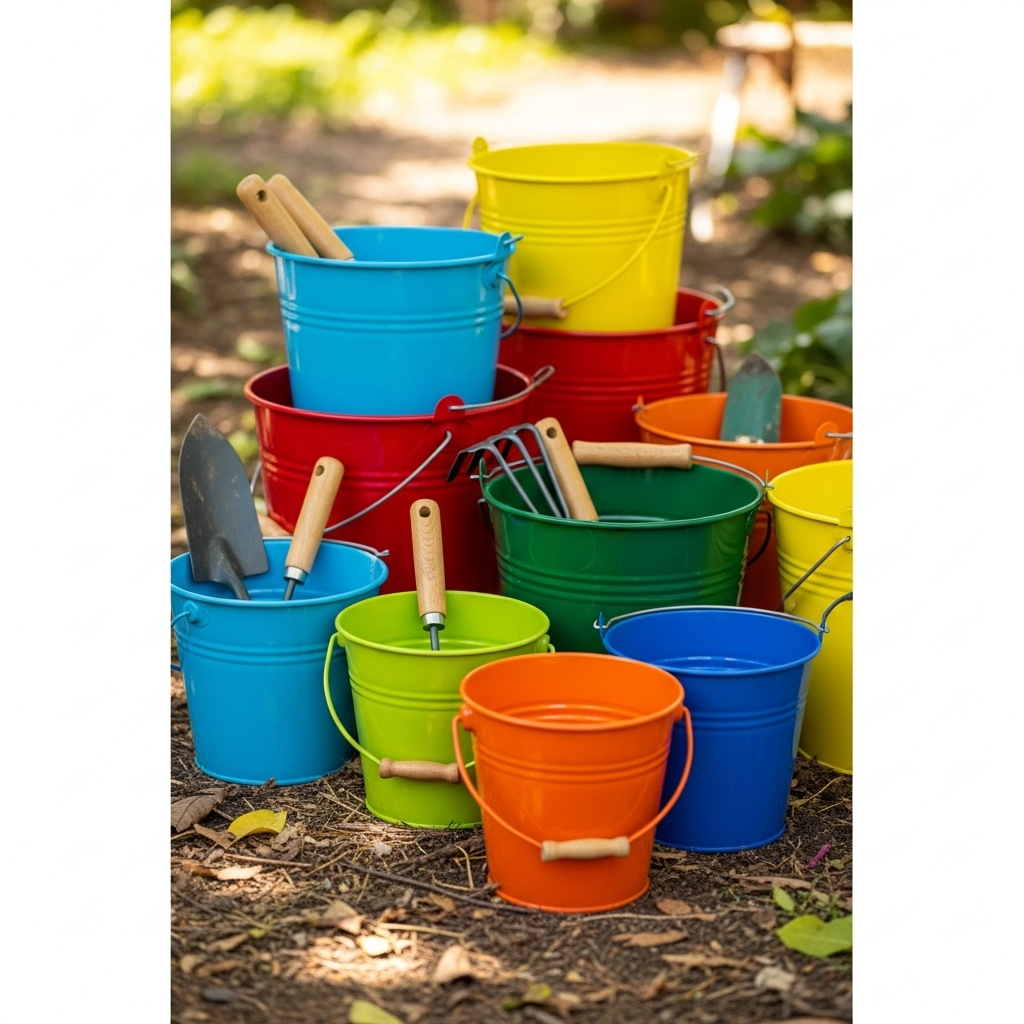
Selecting the right buckets is crucial for successful bucket gardening. Opt for food-safe plastic containers or wooden barrels that are at least 5 gallons in size. Ensure that they have drainage holes at the bottom to prevent waterlogging. If you’re using recycled buckets, make sure they’re clean and free from harmful chemicals. Your choice of bucket directly impacts the health of your plants, so choose wisely!
2. Use Quality Potting Soil
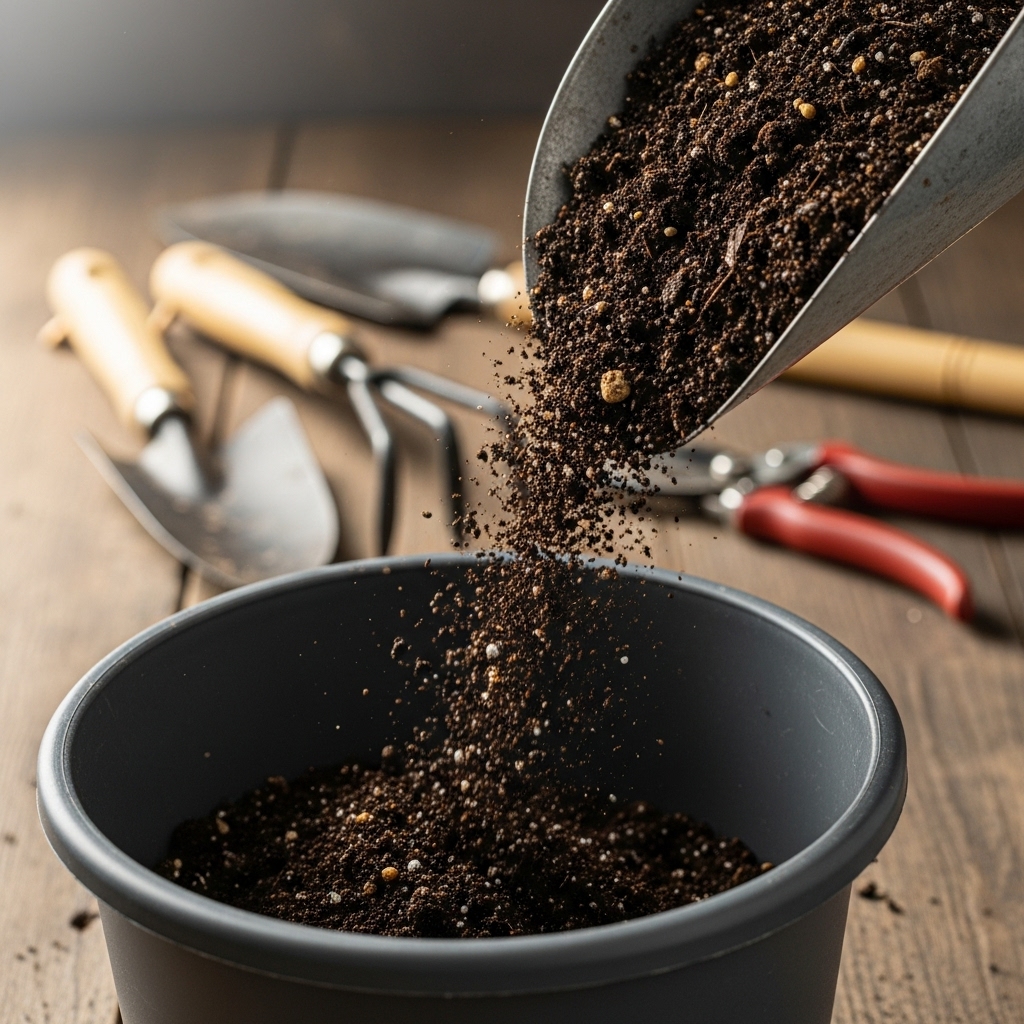
High-quality potting soil is essential for bucket gardening. Unlike garden soil, potting mixes are lightweight and designed to retain moisture while providing good drainage. Look for soil that includes organic materials like compost or peat moss to enhance plant growth. Filling your buckets with the right soil mix gives your plants the nutrients they need to thrive. Read Interesting article: Genius Storage Hacks to Keep Your Gardening Supplies Tidy
3. Optimize Drainage
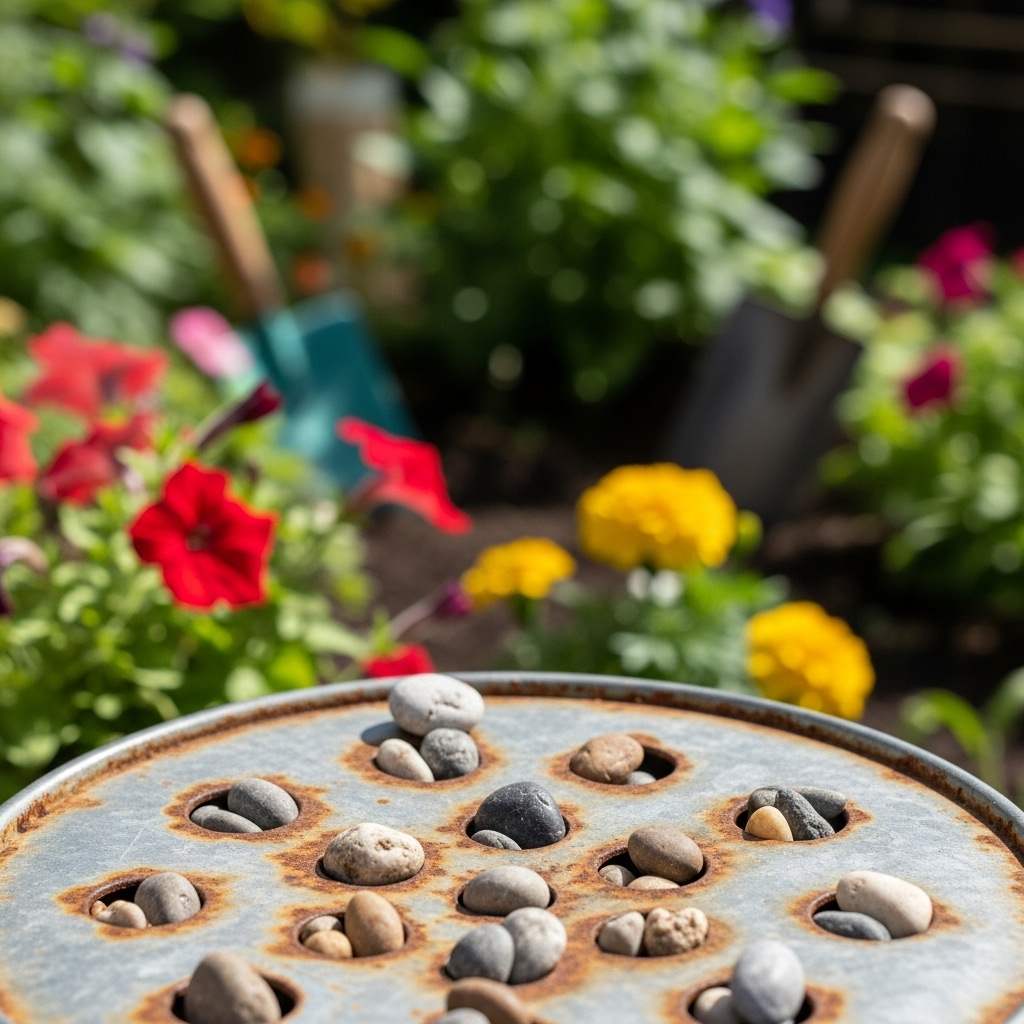
Proper drainage is key to preventing root rot in bucket gardening. Always make sure your buckets have several drainage holes at the bottom. You can also add a layer of pebbles or small stones before adding soil to further enhance drainage. This will help excess water escape and keep your plants’ roots healthy and happy.
4. Position Your Buckets Wisely
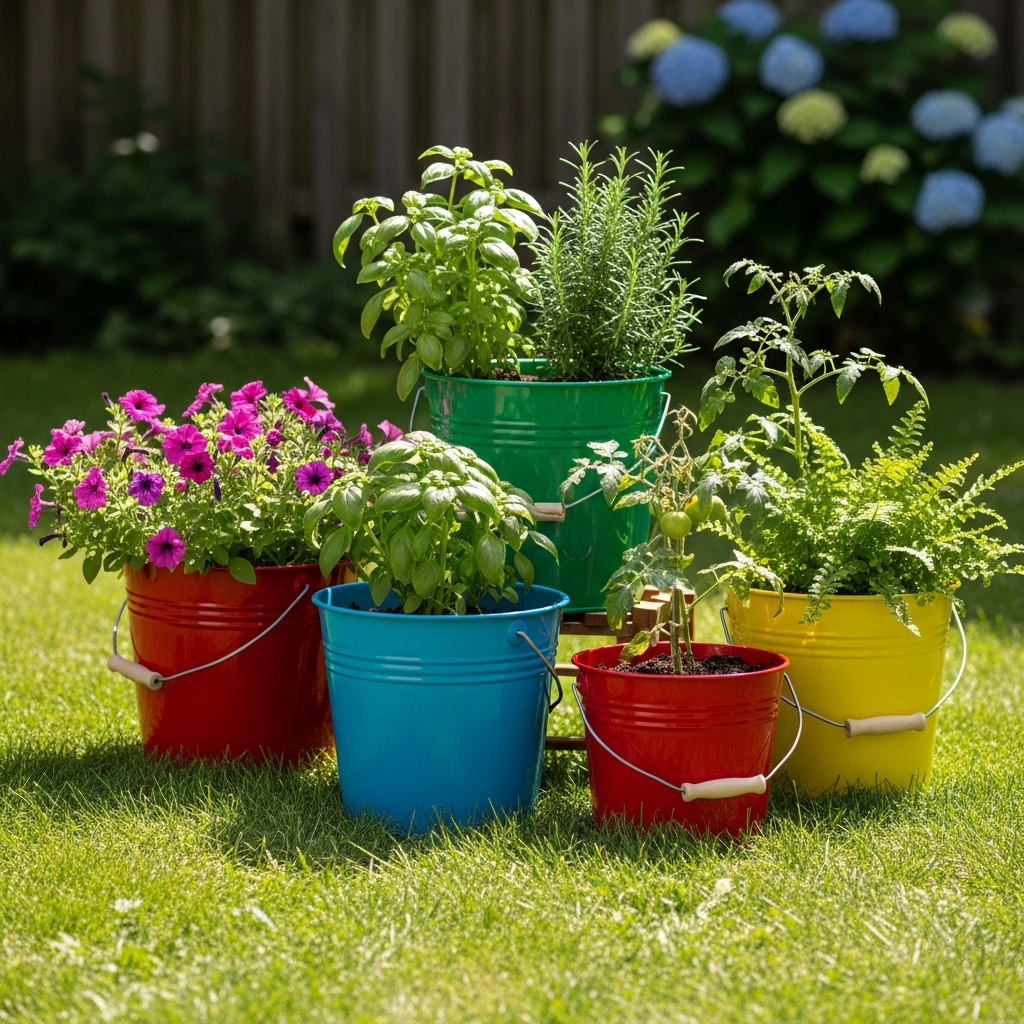
The placement of your buckets affects their growth significantly. Most vegetables and flowers need at least 6-8 hours of sunlight daily, so find a bright location. If you’re growing herbs or shade-tolerant plants, a partially shaded area may be suitable. Check the sunlight patterns in your garden to ensure your plants receive the right amount of light.
5. Select Suitable Plants
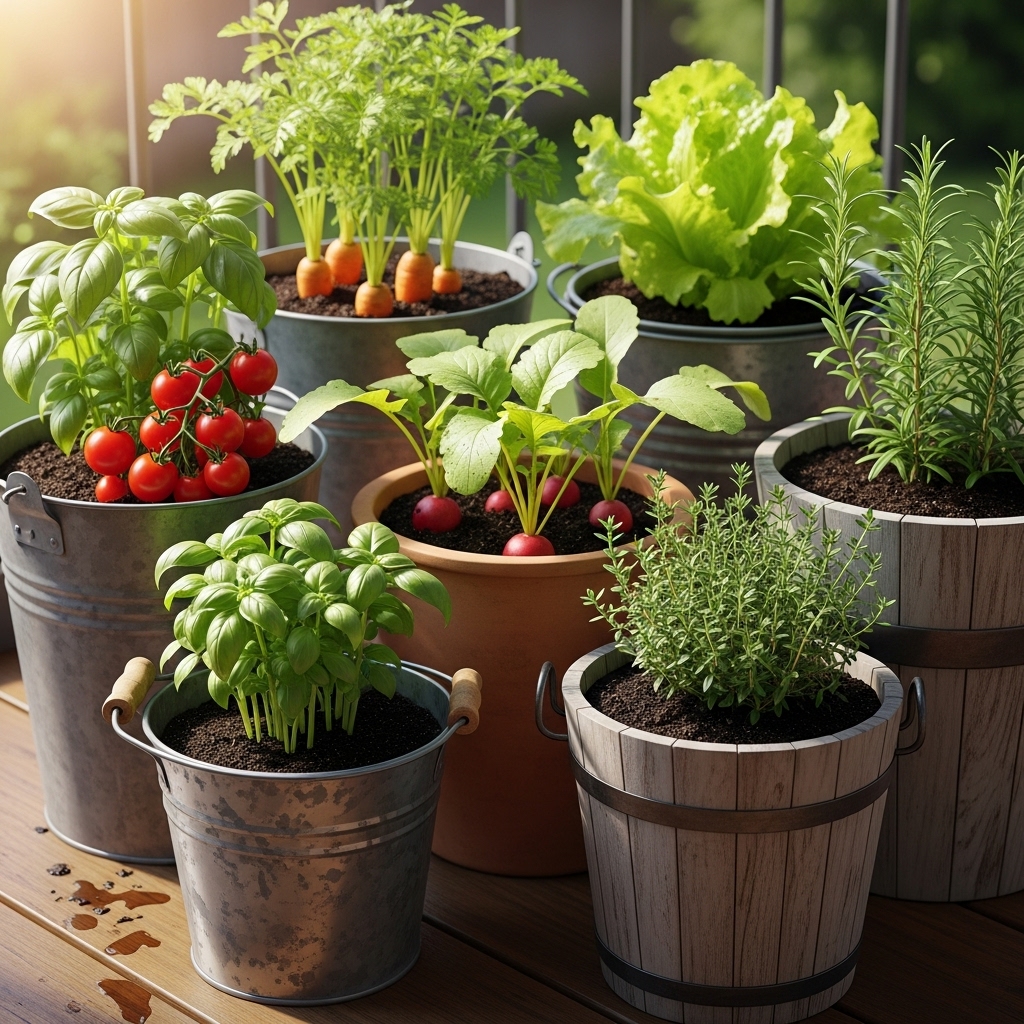
Not all plants thrive in buckets, so choose wisely. Ideal candidates include herbs like basil and parsley, as well as compact vegetables like cherry tomatoes and peppers. Leafy greens such as lettuce and spinach also do well. Research the growth requirements and space needs of each plant to ensure they can flourish in their bucket environment.
6. Water Regularly
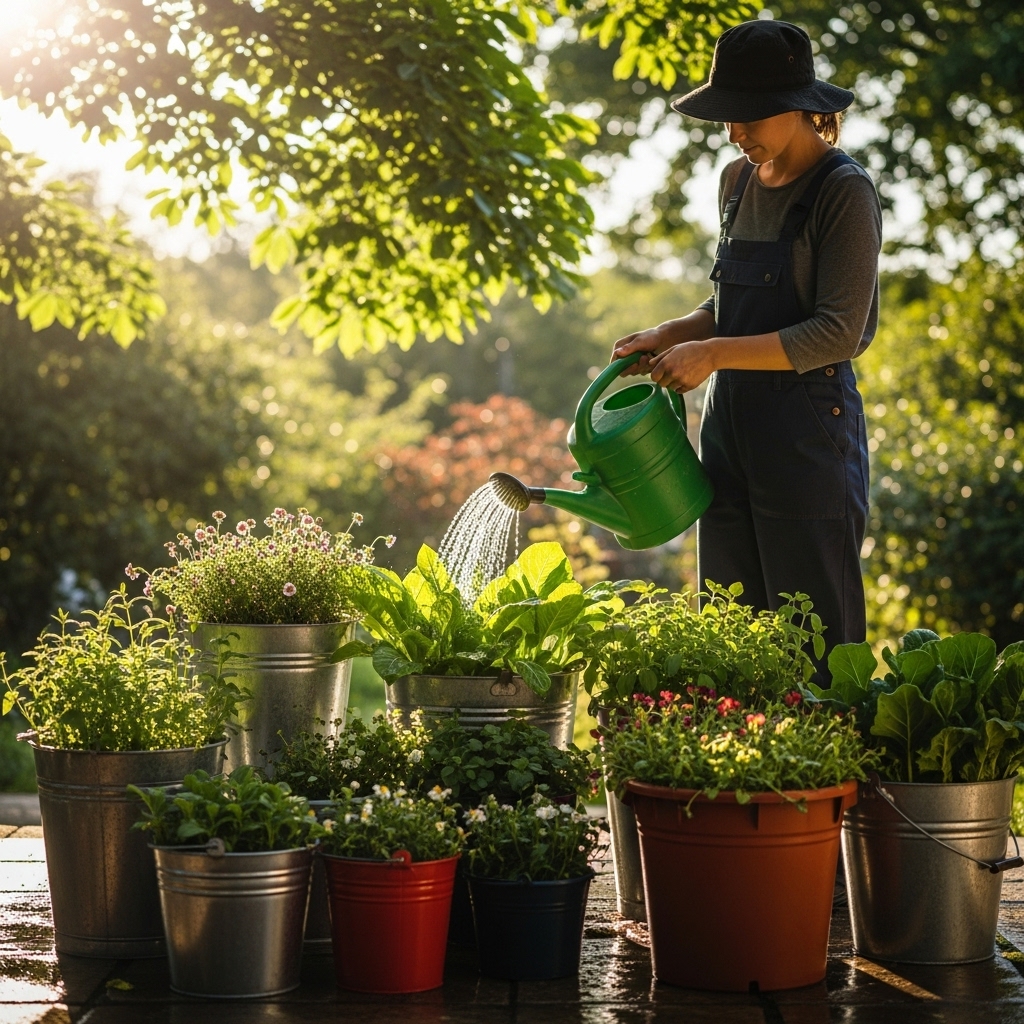
Watering is crucial in bucket gardening due to the limited soil volume. Check the moisture level regularly, especially during hot weather. Generally, you should water your plants when the top inch of soil feels dry. Water deeply but less frequently to encourage deep root growth, ensuring your plants stay hydrated without becoming waterlogged.
7. Fertilize Wisely
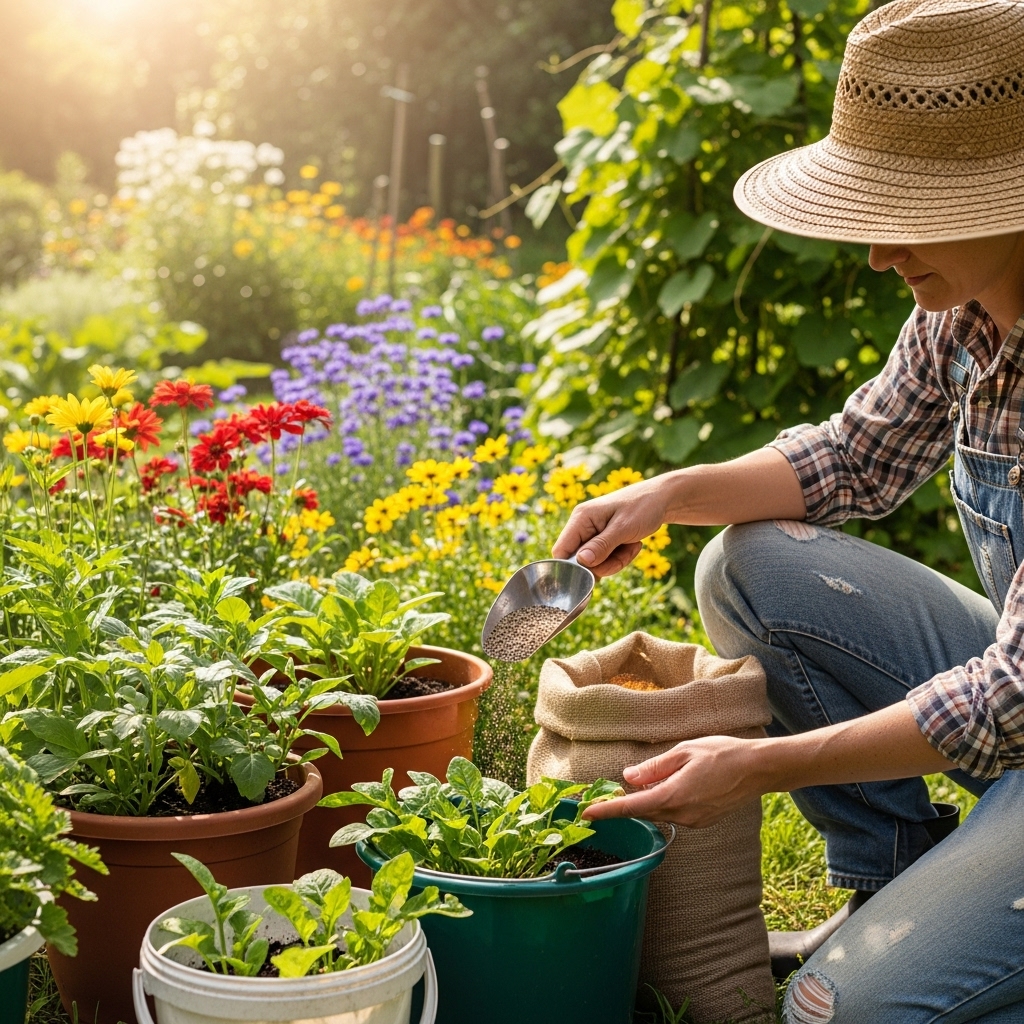
Fertilizing your bucket plants can enhance growth and yield. Use a balanced, water-soluble fertilizer every 4-6 weeks during the growing season. Organic options like fish emulsion or compost tea are excellent choices. Always follow the manufacturer’s instructions to avoid over-fertilization, which can harm your plants.
8. Use Companion Planting
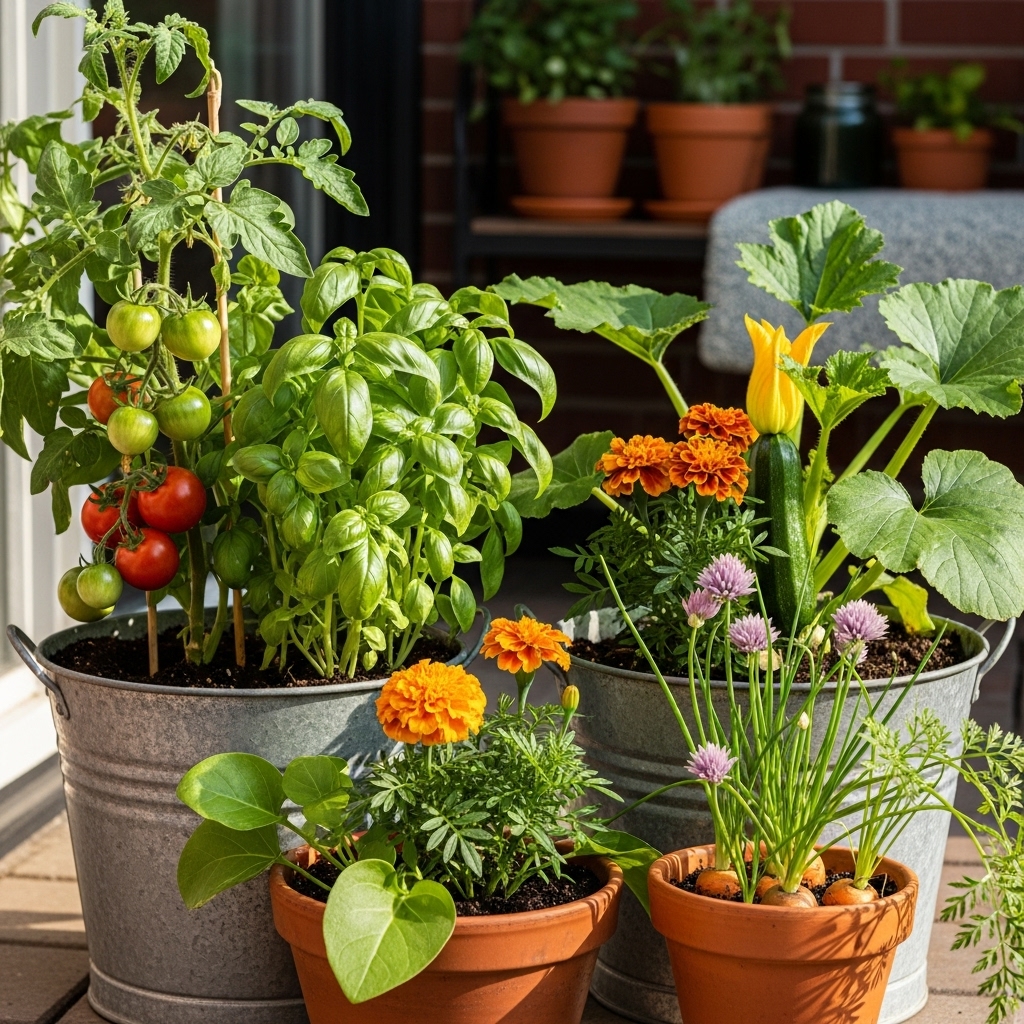
Companion planting can enhance your bucket garden’s productivity and health. Certain plants, like tomatoes and basil, thrive when grown together, as they can deter pests and improve flavor. Research beneficial plant pairings to maximize space and ensure your plants are working together for a healthier garden.
9. Monitor for Pests
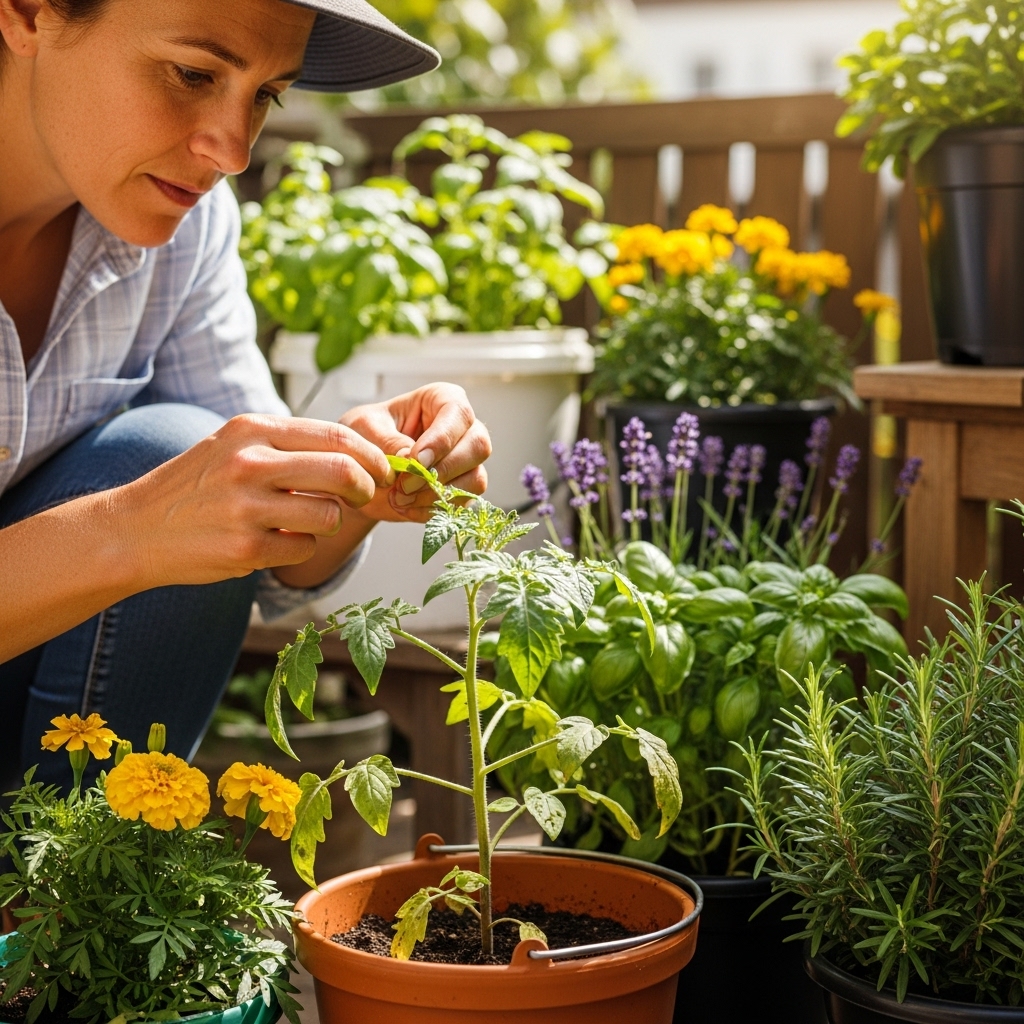
Keeping an eye out for pests is essential in bucket gardening. Regularly inspect your plants for signs of infestation, such as chewed leaves or sticky residue. Use organic pest control methods like neem oil or insecticidal soap to manage any outbreaks. Early detection and action can save your plants from significant damage.
10. Prune and Deadhead Regularly
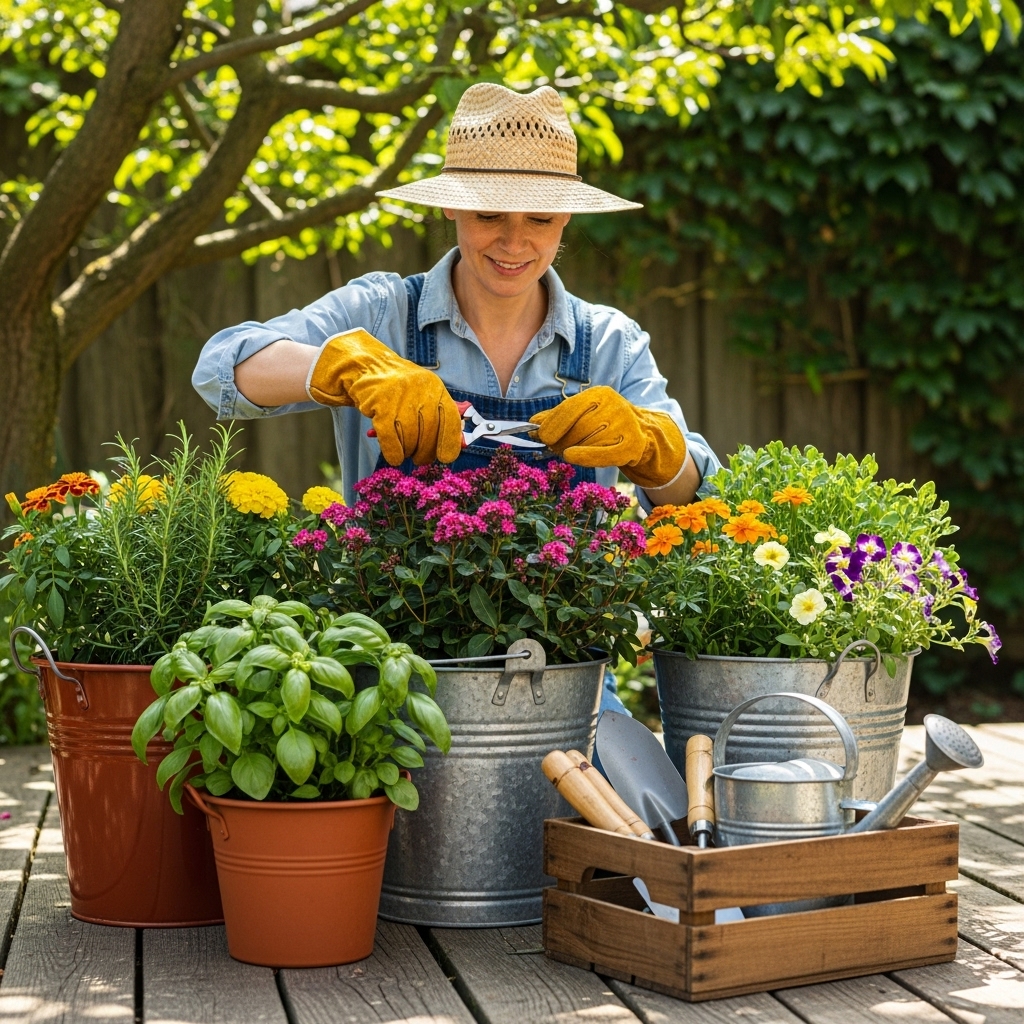
Regular pruning and deadheading promote healthier growth and more blooms. Remove any dead or yellowing leaves to improve air circulation and reduce disease risk. For flowering plants, deadheading spent flowers encourages new blooms. This maintenance keeps your bucket garden looking tidy and vibrant throughout the growing season.
11. Protect from Extreme Weather
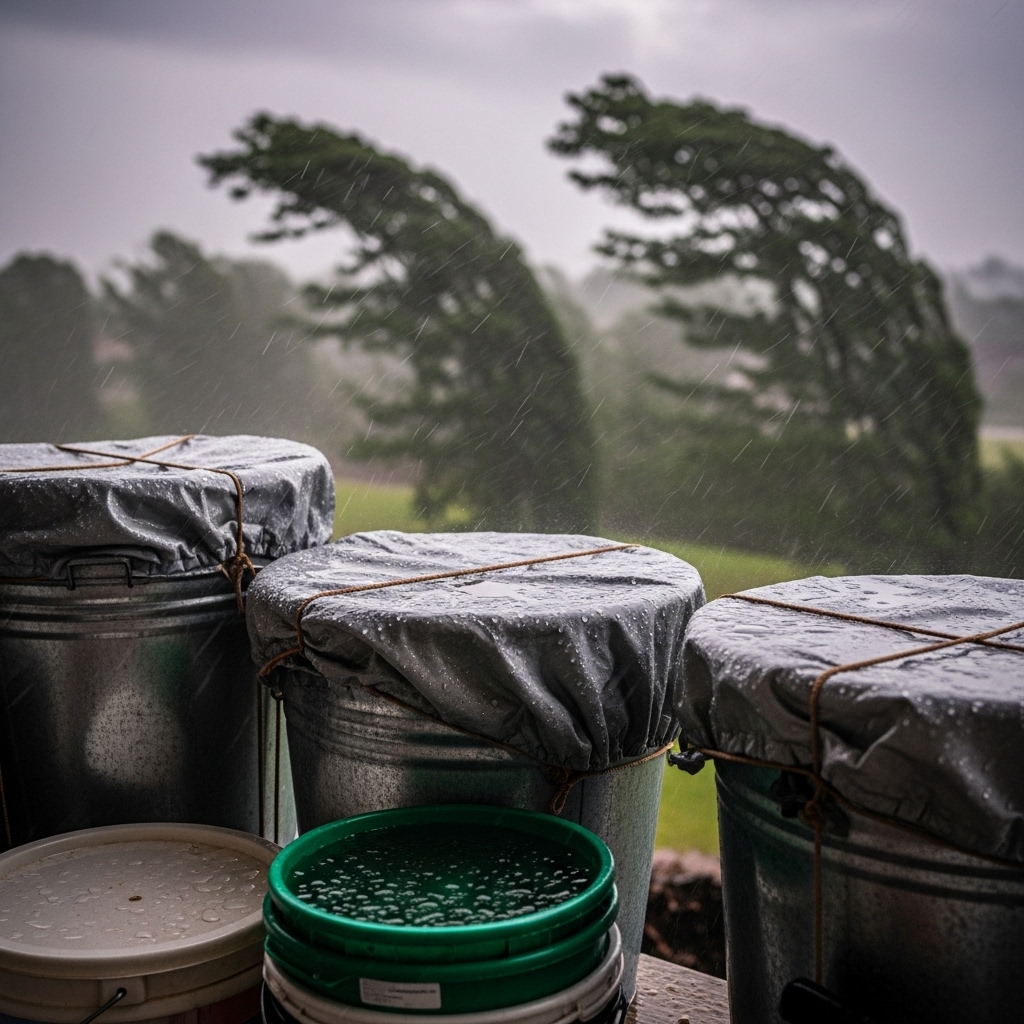
Extreme weather can pose a threat to your bucket garden. During hot spells, consider providing shade with cloth or moving buckets to cooler areas. In heavy rain or windy conditions, secure your buckets to prevent tipping or waterlogging. Being proactive with weather protection can safeguard your plants and ensure a successful harvest.
12. Rotate Crops Annually
Crop rotation is essential for maintaining soil health and preventing disease buildup. Each year, change the plants you grow in each bucket to different families. For example, follow tomatoes with leafy greens. This practice balances soil nutrients and reduces the risk of pests and diseases associated with specific plant families.
13. Add Mulch for Moisture Retention
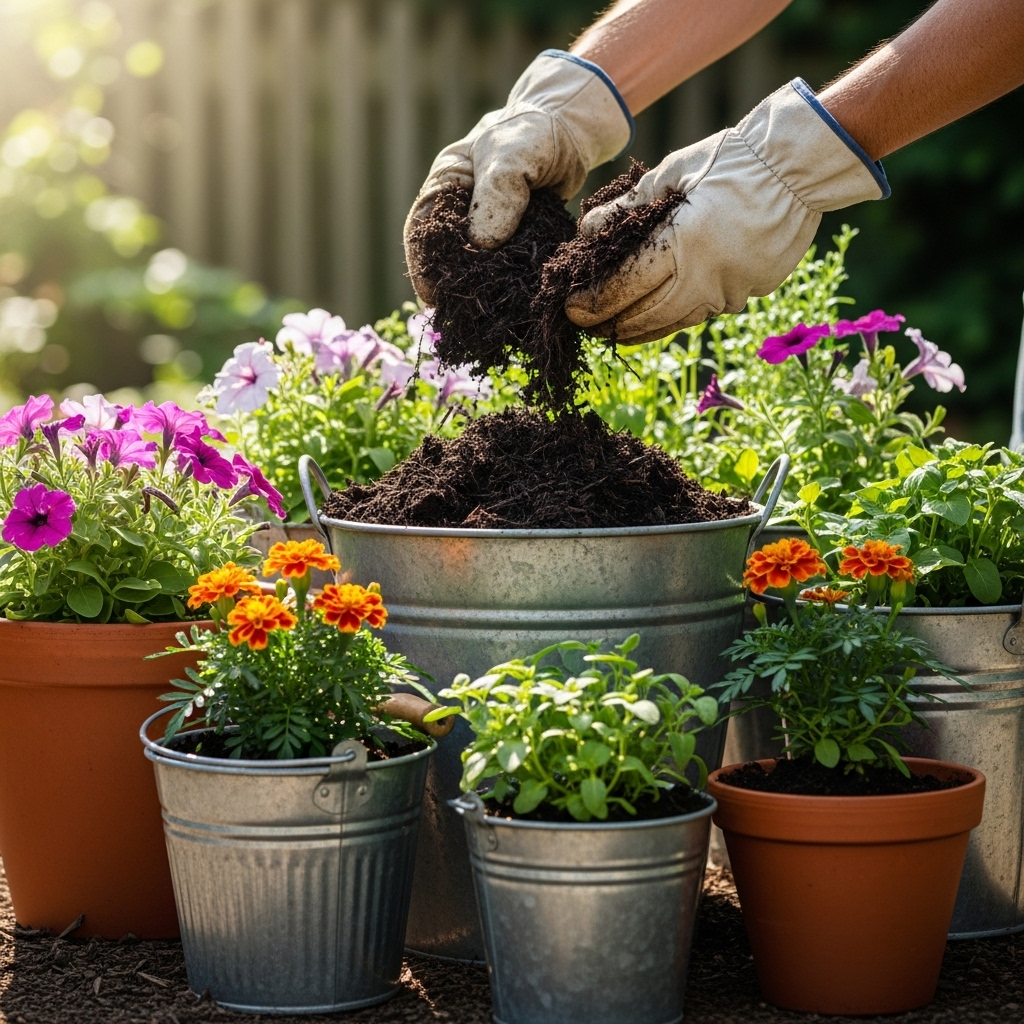
Applying a layer of mulch on top of your potting soil helps retain moisture and suppress weeds. Organic mulches like straw, wood chips, or grass clippings are excellent choices. This not only keeps the soil temperature stable but also gradually enriches the soil as it breaks down, benefiting your plants in the long run.
14. Keep a Garden Journal
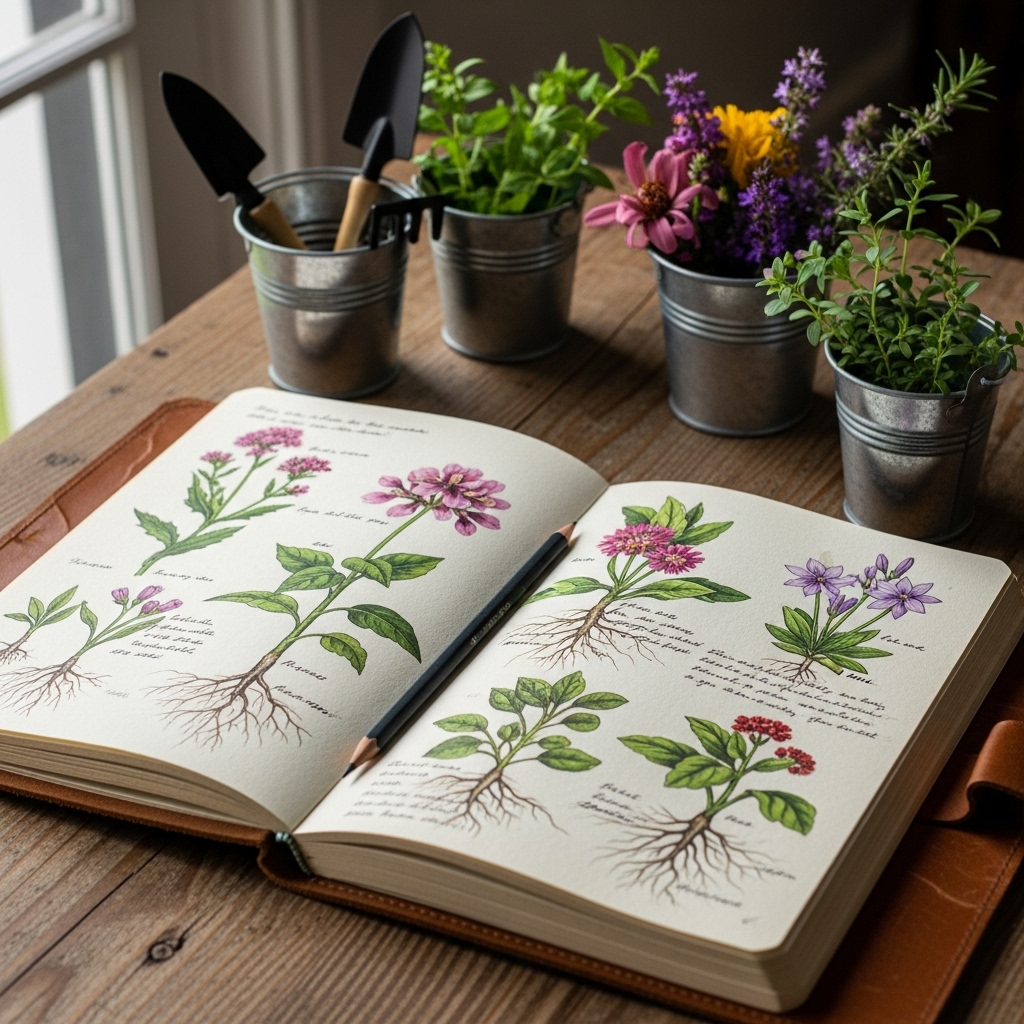
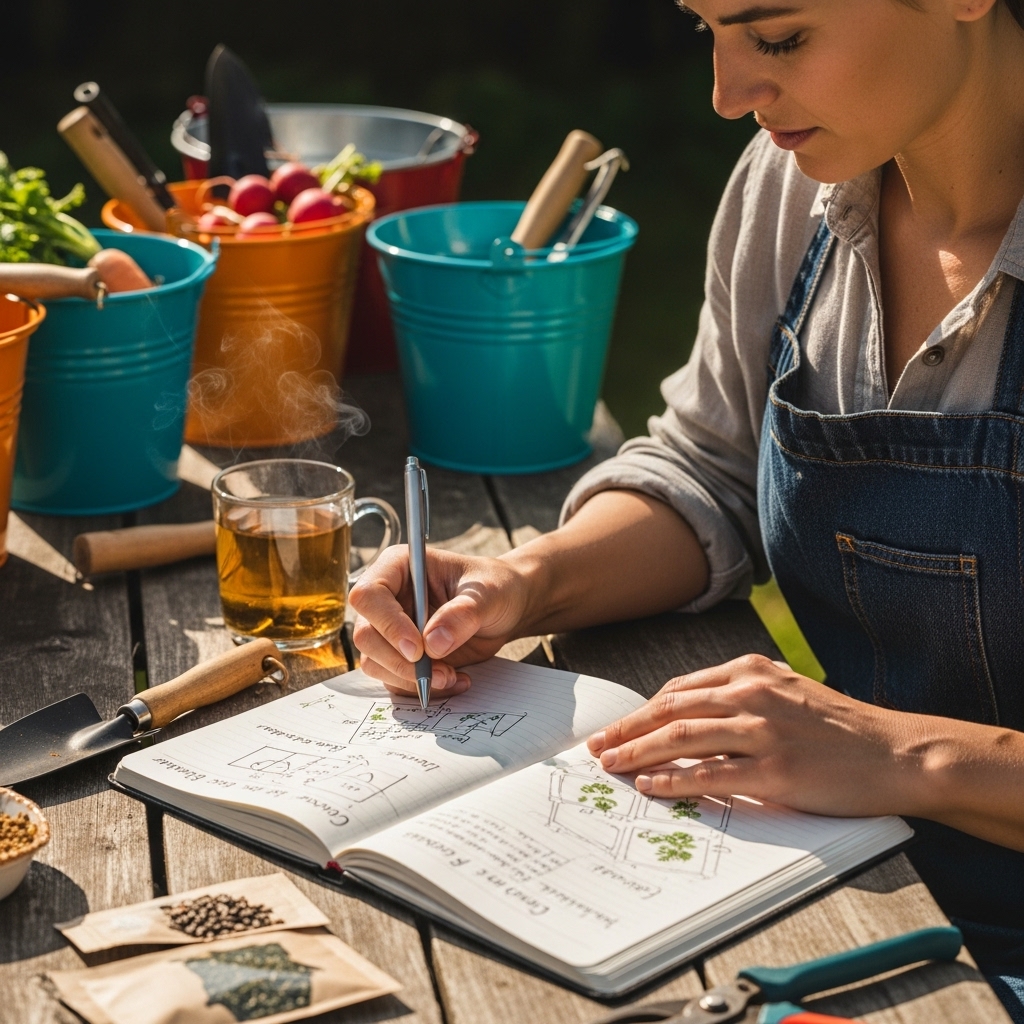
Keeping a garden journal can help you track your gardening journey. Document what you planted, when you watered, and any pest issues you encountered. This information will be invaluable for future gardening seasons, allowing you to learn from your experiences and improve your techniques over time. Read Interesting article: How Fast Does Wisteria Grow? (15 Ways to Improve Growth Rate)
15. Enjoy the Process
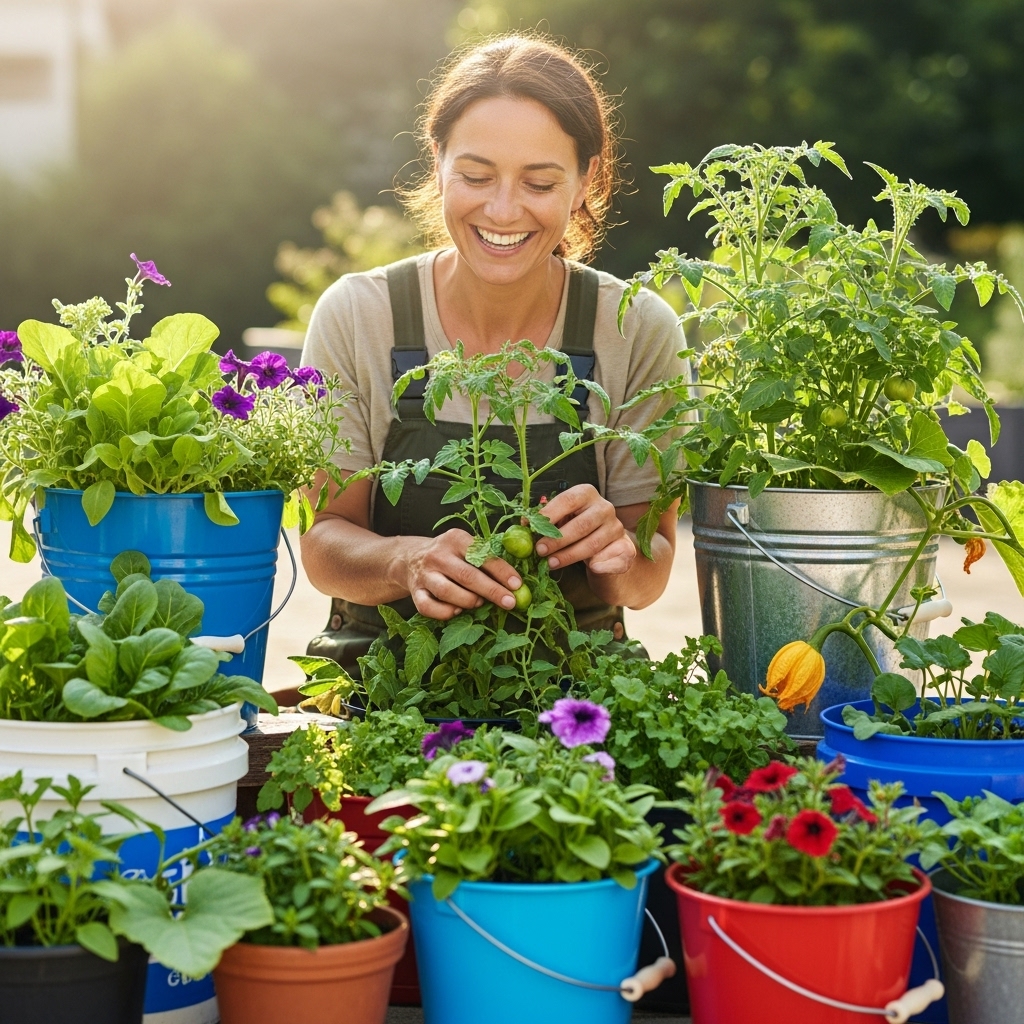
Finally, remember to enjoy the gardening process! Gardening can be therapeutic and rewarding, offering you a chance to connect with nature. Celebrate your successes and learn from your challenges. The joy of seeing your hard work pay off with beautiful plants and fresh produce is what makes bucket gardening so fulfilling.