
A 4-in-1 apple tree offers multiple apple varieties from a single tree, maximizing space and harvest time.
Growing a 4-in-1 apple tree combines several apple varieties into one tree, making it an appealing option for gardeners with limited space. While it offers unique benefits like diverse harvests, it also presents specific challenges that need careful consideration.
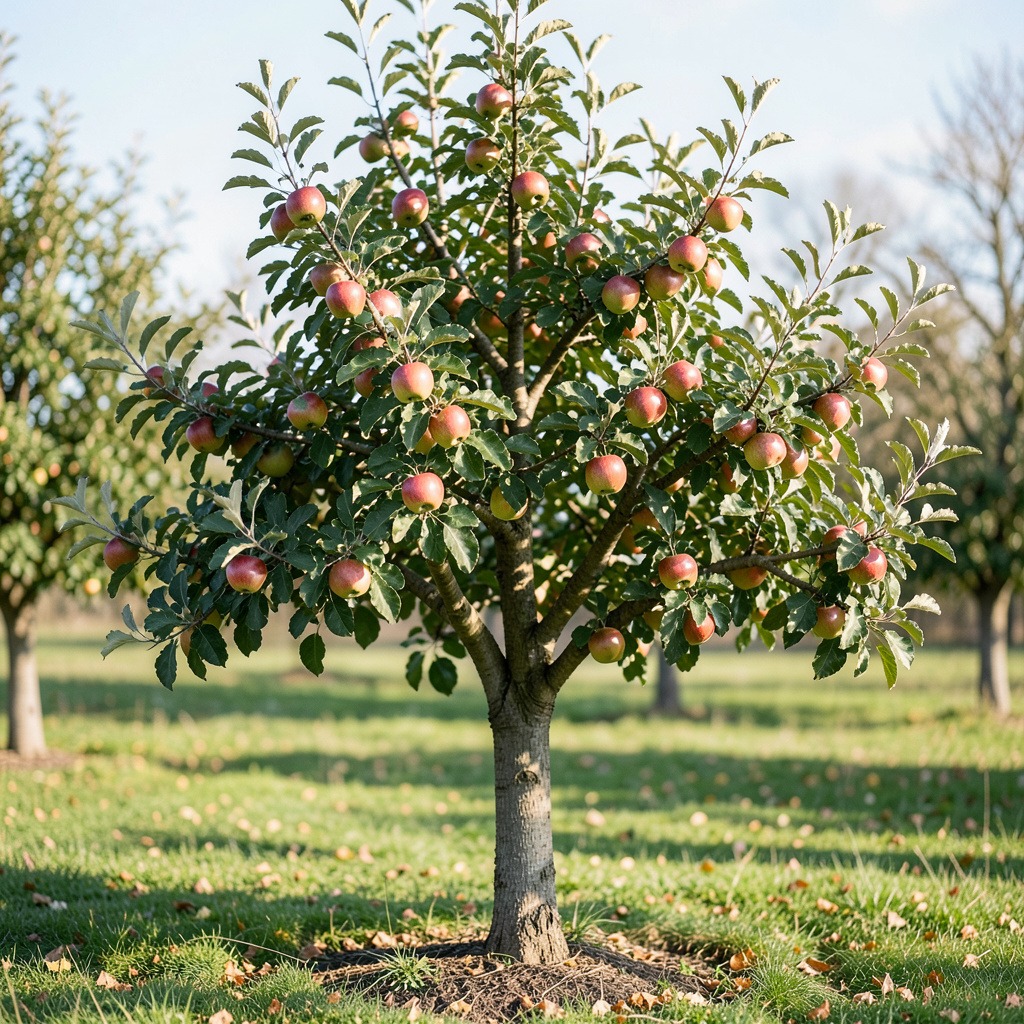
Understanding the 4-in-1 Apple Tree
A 4-in-1 apple tree is a unique horticultural creation that allows gardeners to grow multiple apple varieties on a single tree. This is achieved through the process of grafting, which merges different apple cultivars onto one rootstock.
Definition and Purpose of Grafting
Grafting is a technique where a scion (a twig or shoot from a desired apple variety) is attached to a compatible rootstock. This method enables the growth of various apple types on one tree. The purpose of grafting in a 4-in-1 apple tree setup includes:
- Space Efficiency: Ideal for small gardens or limited spaces.
- Diverse Harvests: Multiple varieties can extend the harvest season.
- Cross-Pollination: Enhances fruit set and quality by ensuring pollination between different apple types.
Benefits of a 4-in-1 Apple Tree
The advantages of cultivating a 4-in-1 apple tree are substantial:
- Variety of Flavors: Grow apples with different tastes and uses, from fresh eating to cooking.
- Extended Harvest Season: Different varieties can ripen at various times, providing apples over several months.
- Reduced Maintenance: One tree requires less care than multiple individual trees, simplifying pest management and pruning.
Common Varieties Found in 4-in-1 Trees
Some popular apple varieties often included in 4-in-1 trees are:
- Fuji: Known for its sweetness and crisp texture.
- Granny Smith: A tart apple ideal for baking.
- Honeycrisp: Celebrated for its juicy crunch.
- Gala: A versatile apple, great for eating fresh.
Example Scenario: Imagine a small garden where a homeowner desires both sweet and tart apples. By selecting a 4-in-1 apple tree with Fuji and Granny Smith, they can enjoy a variety of flavors without needing multiple trees.
Table of Contents
This setup not only maximizes space but also enhances the garden’s aesthetic and productivity.
Pros of Growing a 4-in-1 Apple Tree
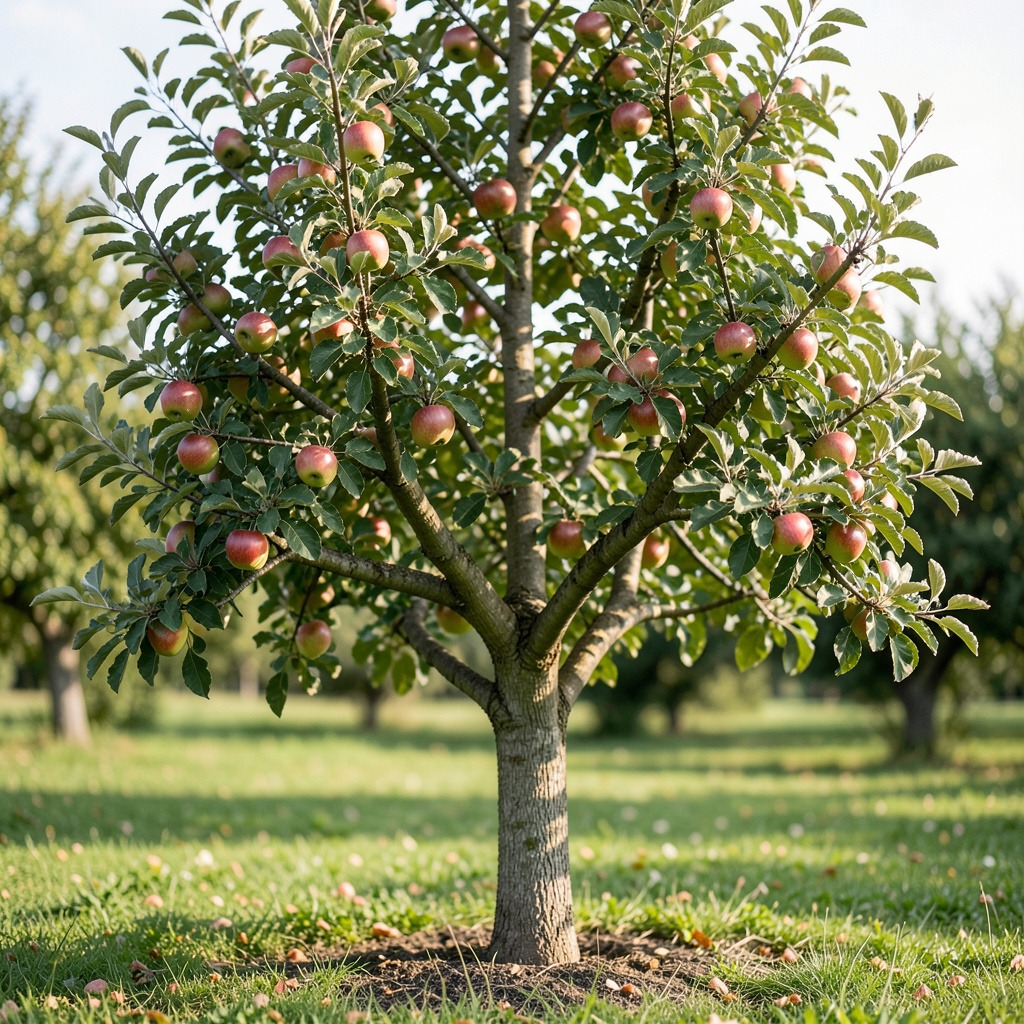
A 4-in-1 apple tree offers unique advantages that make it an appealing choice for gardeners. It maximizes space, enhances fruit diversity, and extends the harvest season, all while simplifying maintenance.
Space-Saving Benefits
One of the most compelling reasons to grow a 4-in-1 apple tree is its space efficiency. By incorporating four apple varieties into a single tree, gardeners can cultivate a mini orchard in limited areas. This is particularly beneficial for:
- Urban Gardens: Ideal for small yards or patios.
- Container Gardening: Can thrive in pots, making it adaptable to various settings.
- Maximized Growth: Allows for multiple varieties without requiring additional planting space.
Extended Harvest Period
Growing a 4-in-1 apple tree allows for staggered harvest times. Different apple varieties mature at varying rates, meaning you can enjoy fresh apples over an extended period. This can be particularly advantageous for:
- Continuous Fresh Produce: Savor apples from late summer through fall.
- Reduced Waste: Harvesting at different times decreases the likelihood of apples overripening simultaneously.
Variety in Flavor and Uses
A diverse selection of apple varieties on one tree provides an array of flavors and culinary uses. For example:
- Sweetness vs. Tartness: Combine varieties like Fuji and Granny Smith to cater to different tastes.
- Culinary Applications: Some apples are perfect for baking, while others are excellent for fresh eating.
Example Scenario
Consider a gardener who loves both sweet and tart flavors. By selecting a 4-in-1 apple tree with Fuji and Granny Smith varieties, they can enjoy contrasting flavors from the same tree. This not only enriches their culinary options but also enhances their gardening experience.
Conclusion
The 4-in-1 apple tree’s advantages make it a strategic choice for gardeners looking to maximize space, enjoy a prolonged harvest, and diversify their fruit flavors. By leveraging these benefits, gardeners can create a productive and enjoyable apple-growing experience.
Cons of Growing a 4-in-1 Apple Tree
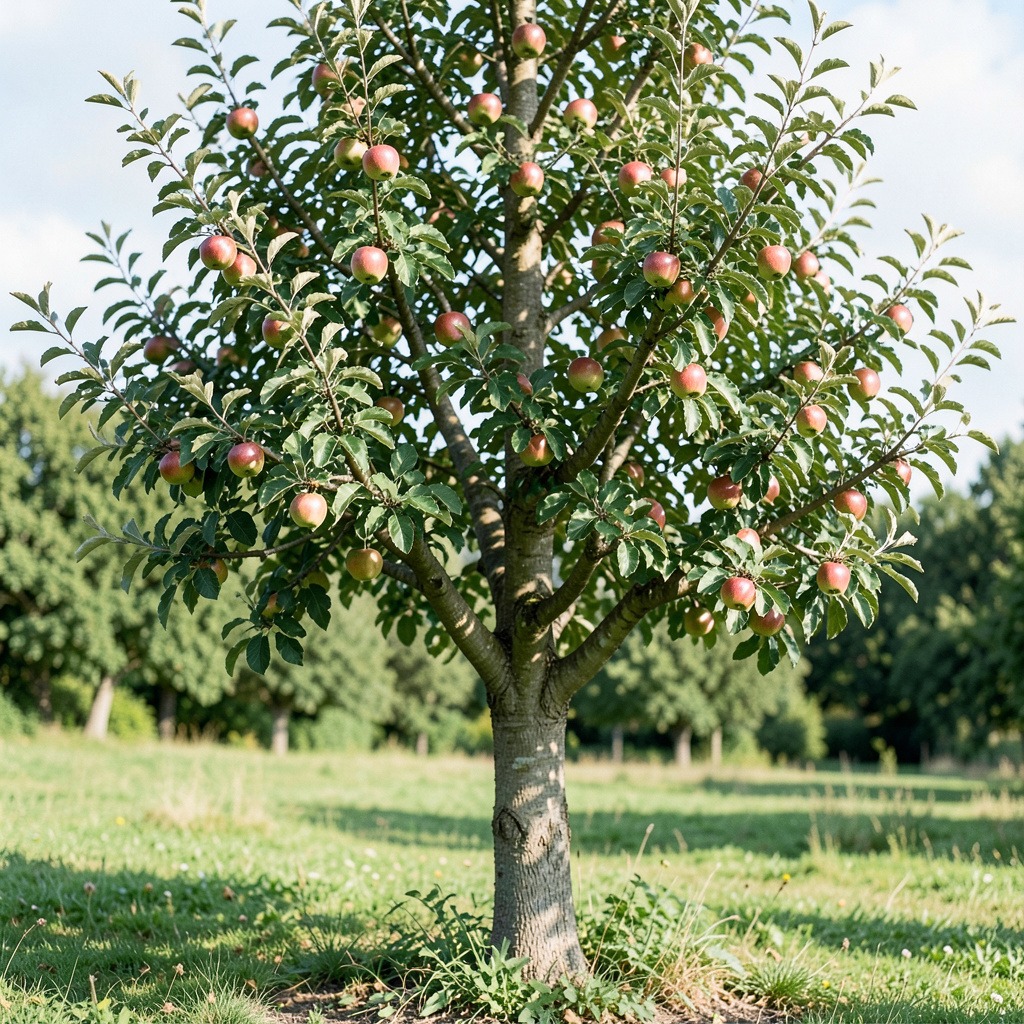
While a 4-in-1 apple tree offers numerous benefits, it also presents specific challenges. Gardeners must navigate issues like uneven growth rates, pollination complications, and increased maintenance demands.
Maintenance Challenges
Maintaining a 4-in-1 apple tree requires careful attention. Each of the four grafted varieties may have different growth habits and care requirements. This can complicate maintenance tasks such as pruning, watering, and fertilization.
- Uneven Growth Rates: Different varieties may grow at varying speeds. Some branches can outpace others, leading to an imbalanced tree. Regular pruning is essential to manage this discrepancy.
- Increased Pruning Needs: To maintain shape and health, gardeners may need to prune more frequently. This can be time-consuming, especially for those with limited gardening experience.
- Variable Disease Resistance: Each variety may have unique susceptibilities to pests and diseases. Monitoring for signs of trouble across multiple varieties adds to the gardener’s workload.
Pollination Considerations
Pollination is critical for fruit production in a 4-in-1 apple tree. While cross-pollination can enhance fruit set, it also introduces potential complications.
- Self-Pollination vs. Cross-Pollination: Some varieties may be self-pollinating, while others require pollen from different cultivars. Gardeners must ensure compatible varieties are grafted to optimize fruit yield.
- Timing Issues: Flowering times may vary among the grafted varieties. If one variety blooms too early or late, it can hinder effective pollination, resulting in poor fruit set.
Managing Growth Rates of Varieties
Balancing the growth rates of different apple varieties is crucial for a healthy 4-in-1 apple tree. Here are strategies to consider:
- Regular Monitoring: Track the growth patterns of each variety. This helps identify which branches need more attention and when to prune.
- Selective Pruning: Focus on pruning the faster-growing branches to maintain an even tree shape. This encourages consistent growth across all varieties.
- Fertilization Adjustments: Tailor fertilization based on the needs of each variety. Some may benefit from more nutrients, while others may require less.
By addressing these challenges proactively, gardeners can enjoy the benefits of a 4-in-1 apple tree while minimizing potential drawbacks.
Optimal Growing Conditions for 4-in-1 Apple Trees
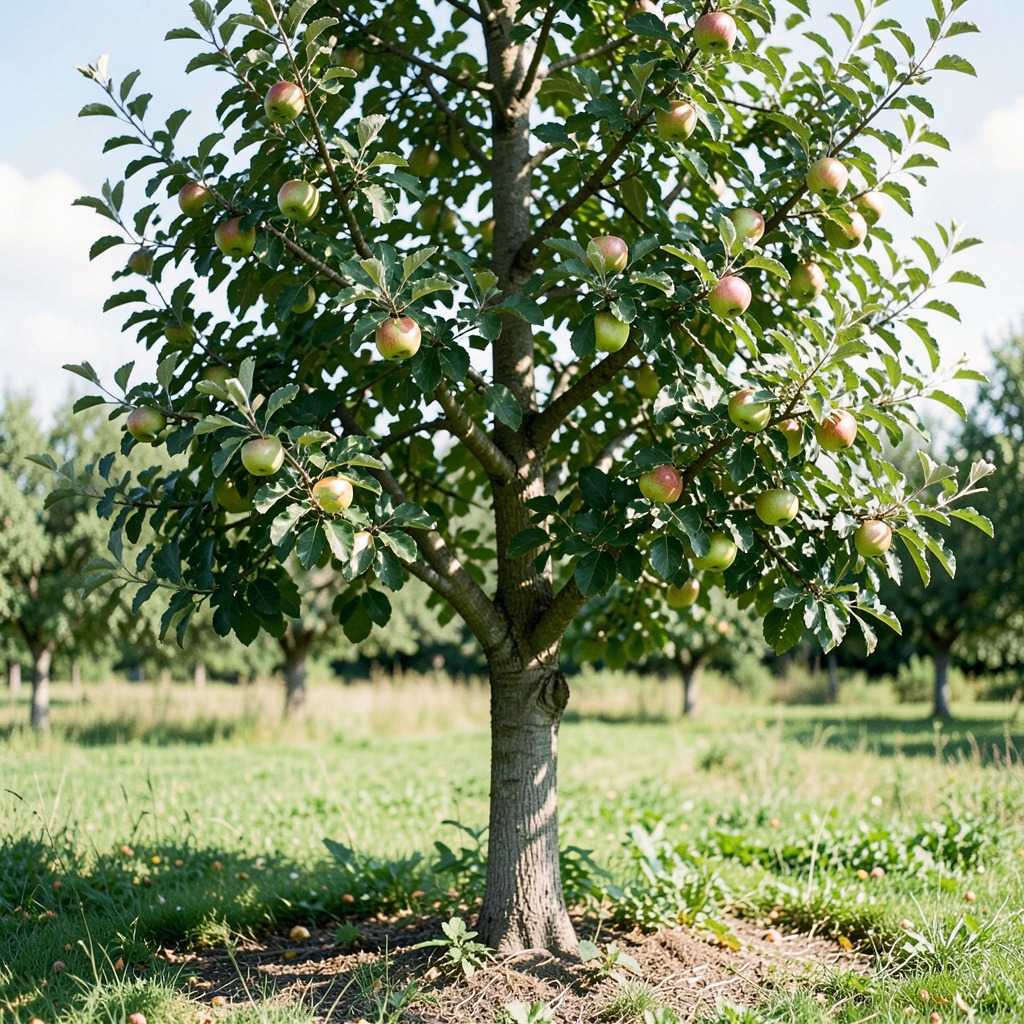
To ensure the success of your 4-in-1 apple tree, it is essential to provide optimal growing conditions. Proper soil, sunlight, and watering practices play a crucial role in the health and productivity of these multi-variety trees.
Ideal Soil and Sunlight Requirements
4-in-1 apple trees thrive in well-drained, loamy soil with a pH between 6.0 and 7.0. Here are some key points to consider:
- Soil Preparation: Amend the soil with organic matter, such as compost, to enhance fertility and drainage.
- Sunlight Exposure: Position your tree in a location that receives full sunlight for at least 6 to 8 hours daily. Adequate sunlight promotes fruit development and improves overall tree health.
Watering and Fertilization Techniques
Proper watering and fertilization are critical for the growth of a 4-in-1 apple tree. Follow these guidelines:
- Watering: Water deeply and infrequently. Aim for about 1 inch of water per week. Adjust based on rainfall and soil moisture levels.
- Fertilization Schedule: Use a balanced fertilizer in early spring. Consider a slow-release formula to provide nutrients gradually. Tailor the amount based on the specific needs of each apple variety.
Pruning and Maintenance Tips
Regular maintenance will help your 4-in-1 apple tree flourish. Implement the following practices:
- Pruning: Conduct annual pruning during dormancy. Focus on removing dead or crossing branches and selectively thinning to maintain airflow.
- Pest Management: Monitor for common pests such as aphids and apple maggots. Use organic methods when possible to control infestations.
Personalized Care Schedule Template
Creating a personalized care schedule based on your USDA zone can enhance growth. Below is a template to help you structure your care:
| USDA Zone | Planting Time | Watering Frequency | Fertilization Timing |
|---|---|---|---|
| 3 | Late Spring | Weekly | Early Spring |
| 4 | Early Spring | Bi-weekly | Late Winter |
| 5 | Late Winter | Weekly | Early Spring |
| 6 | Early Spring | Weekly | Early Spring |
| 7 | Fall | Weekly | Early Spring |
By adhering to these guidelines, you can create an optimal environment for your 4-in-1 apple tree, maximizing its potential for healthy growth and abundant fruit production.
Comparing 4-in-1 Apple Trees to Traditional Apple Trees
When considering apple trees for your garden, the choice between a 4-in-1 apple tree and a traditional single-variety tree is significant. Each type offers unique benefits and challenges that can influence your gardening experience.
Space Efficiency
4-in-1 apple trees excel in space efficiency. These trees combine multiple apple varieties onto a single rootstock through grafting. As a result, they occupy less space compared to planting several individual trees.
| Feature | 4-in-1 Apple Trees | Traditional Apple Trees |
|---|---|---|
| Space Requirement | Compact, suitable for small gardens | Requires more space |
| Tree Height | Generally shorter | Can grow tall |
| Planting Density | Multiple varieties in one spot | One variety per planting location |
Maintenance Needs
Maintaining a 4-in-1 apple tree can be less labor-intensive than caring for multiple traditional trees. However, it requires specific attention to grafting points and the care of different varieties.
- 4-in-1 Apple Trees:
- Less pruning needed overall.
- Monitor the health of multiple varieties.
- Requires knowledge of the needs of each type.
- Traditional Apple Trees:
- Typically require regular pruning and thinning.
- Focus on one variety simplifies care but demands more time.
Crop Yield and Quality
Both tree types can produce high-quality fruit, but their yields can differ based on conditions and care.
| Aspect | 4-in-1 Apple Trees | Traditional Apple Trees |
|---|---|---|
| Time to First Fruit | 2-3 years | 5-7 years |
| Average Yield | Up to 30 pounds per tree | Varies widely by variety |
| Fruit Variety | Multiple varieties enhance pollination | Single variety limits diversity |
4-in-1 apple trees often mature faster, allowing for earlier harvests. However, the fruit quality may vary between the different varieties on the same tree. In contrast, traditional trees generally produce fruit with consistent flavor and quality.
Decision Scenarios
When deciding between a 4-in-1 apple tree and a traditional apple tree, consider the following:
- Space Limitations: If your garden is small, opt for a 4-in-1 tree.
- Maintenance Preferences: Choose a 4-in-1 tree for lower maintenance if you’re short on time.
- Desire for Variety: If you want diverse flavors, a 4-in-1 tree offers multiple apple types in one location.
Understanding these comparisons will help you make an informed decision based on your gardening goals and conditions.
FAQs About 4-in-1 Apple Trees
4-in-1 apple trees are a fascinating option for home gardeners seeking variety and convenience. Below are common questions regarding their care, planting specifics, and the myths surrounding them.
What are the benefits of a 4-in-1 apple tree?
A 4-in-1 apple tree combines multiple apple varieties on a single rootstock through grafting. This design offers several advantages:
- Space Efficiency: Ideal for small gardens, they require less room than separate trees.
- Diverse Harvest: Grow different apple types with varying flavors, ripening times, and uses (eating, baking, etc.).
- Enhanced Pollination: Multiple varieties improve cross-pollination, leading to better fruit set and yield.
How do I care for a 4-in-1 apple tree?
Caring for a 4-in-1 apple tree involves several key practices:
- Pruning: Regularly prune to maintain shape and encourage healthy growth. Focus on removing dead or overcrowded branches.
- Watering: Ensure consistent moisture, particularly during fruit development. Avoid overwatering, which can lead to root rot.
- Fertilization: Use a balanced fertilizer in early spring to support growth and fruit production.
Are there any common myths about 4-in-1 apple trees?
Misunderstandings about 4-in-1 apple trees often arise. Here are some prevalent myths:
- Myth: 4-in-1 trees produce inferior fruit.
Fact: With proper care, the fruit quality can be comparable to single-variety trees.
- Myth: They are too difficult to maintain.
Fact: While they require attention, their compact nature simplifies care compared to multiple trees.
- Myth: Grafting weakens the tree.
Fact: Proper grafting techniques enhance resilience and promote healthy growth.
What are the pollination needs of a 4-in-1 apple tree?
Pollination is crucial for fruit production. Here’s what to know:
- Variety Compatibility: Ensure that the included varieties are compatible for cross-pollination.
- Pollinator Presence: Encourage pollinators like bees by planting nearby flowers. This boosts pollination rates.
How does a 4-in-1 apple tree compare to single-variety trees?
When comparing 4-in-1 apple trees to single-variety options, consider the following:
| Feature | 4-in-1 Apple Tree | Single-Variety Tree |
|---|---|---|
| Space Requirement | Compact, suitable for small gardens | Requires more space |
| Variety Selection | Multiple varieties on one tree | One variety only |
| Maintenance Needs | Moderate, but simpler overall | Varies by species |
| Pollination Efficiency | Higher due to multiple varieties | Dependent on variety |
Each option has its merits. Choose based on your gardening preferences and space limitations.
Frequently Asked Questions
These quick answers cover the most common questions about this topic, including key details, practical tips, and common concerns.
What trees should not be planted near apple trees?
Certain trees can compete for nutrients and space, negatively impacting apple trees. Avoid planting near:
- Walnut Trees: They produce juglone, a chemical harmful to apple trees.
- Cherry Trees: They can attract pests that may affect apples.
- Plum Trees: Similar issues with pests and disease can arise.
It’s best to create a buffer zone with non-competitive plants to ensure healthy growth.
Can you plant just one apple tree, or do you need two?
You can plant just one apple tree, but for optimal fruit production, it’s beneficial to have at least two. Many apple varieties require cross-pollination to set fruit effectively.
If you choose a self-pollinating variety, you may still get some fruit, but having another tree nearby can significantly enhance yield and fruit quality.
Are 4-in-1 apple trees self-pollinating?
Most 4-in-1 apple trees are not entirely self-pollinating. While some varieties included in the grafting may self-pollinate, others rely on cross-pollination from different apple varieties.
To maximize fruit production, ensure that the grafted varieties are compatible for cross-pollination. This can lead to a healthier yield.
How do I care for my 4-in-1 apple tree?
Caring for a 4-in-1 apple tree involves regular maintenance:
- Pruning: Conduct annual pruning to remove dead or overcrowded branches. This helps maintain shape and encourages healthy growth.
- Watering: Water deeply but infrequently, aiming for about 1 inch per week. Adjust based on rainfall and soil moisture.
- Fertilization: Use a balanced fertilizer in early spring to support growth. Tailor the amount to the needs of the different apple varieties.
What are the best apple varieties for a 4-in-1 tree?
The best apple varieties for a 4-in-1 tree often include:
- Fuji: Sweet and crisp, great for eating fresh.
- Granny Smith: Tart and excellent for baking.
- Honeycrisp: Juicy and crunchy, popular for fresh eating.
- Gala: Versatile and sweet, suitable for various uses.
Selecting a mix of sweet and tart varieties can enhance your harvest and culinary options.
How do I know if my 4-in-1 apple tree is healthy?
A healthy 4-in-1 apple tree exhibits the following signs:
- Vibrant Foliage: Leaves should be green and free from spots or discoloration.
- Balanced Growth: All grafted varieties should grow at a similar rate, with no one variety dominating.
- Fruit Production: A healthy tree should produce fruit annually, with good size and flavor.
Regular monitoring and care will help maintain its health and productivity.
What are the pros and cons of multi-variety fruit trees?
Multi-variety fruit trees, like the 4-in-1 apple tree, have distinct pros and cons:
Pros:
- Space-saving, perfect for small gardens.
- Diverse flavors and extended harvest periods.
- Enhanced pollination can lead to better fruit quality.
Cons:
- Uneven growth rates can complicate maintenance.
- Requires careful management of different variety needs.
- Potential for variable disease resistance among grafted varieties.
Evaluating these factors can help you decide if a multi-variety tree suits your gardening goals.