
Creating a backyard butterfly garden involves careful planning to attract and sustain these beautiful creatures. To successfully establish this eco-friendly habitat, consider these four essential factors that will ensure your garden is a thriving sanctuary for butterflies.
Understand the Importance of Native Plants
Native plants are the backbone of a successful butterfly garden. They provide essential food sources and habitats. By choosing the right native plants, you can attract a variety of butterfly species while supporting local ecosystems.
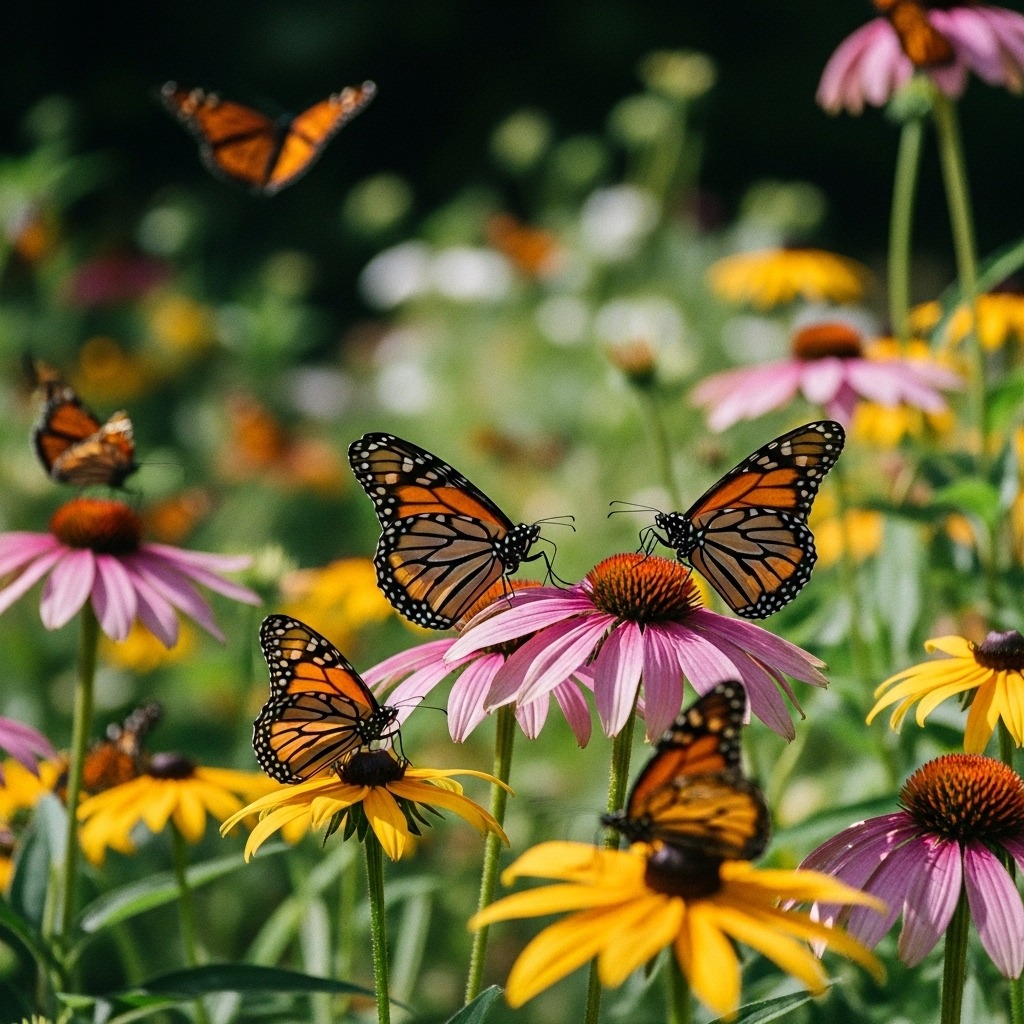
Benefits of Native Plants
Native plants offer several advantages for your butterfly garden:
- Adaptation: They thrive in local soil and climate, requiring less maintenance.
- Food Source: They serve as host plants for caterpillars and nectar sources for adult butterflies.
- Biodiversity Support: They contribute to a balanced ecosystem, attracting other beneficial insects and wildlife.
Selecting the Right Native Species
When selecting native plants, consider the butterfly species you want to attract. Different butterflies have specific host plant preferences. Here are a few tips:
- Research Local Species: Identify common butterflies in your area.
- Choose Diverse Plants: Include a mix of host and nectar plants for year-round attraction.
- Seasonal Blooms: Opt for plants that bloom at different times to provide ongoing food sources.
Examples of Effective Native Plants
Here’s a handy table comparing some effective native plants, their benefits, bloom times, and the butterfly species they attract:
| Plant Name | Benefits | Bloom Time | Attracts Butterfly Species |
|---|---|---|---|
| Milkweed | Host plant for caterpillars | Summer | Monarch, Swallowtail |
| Coneflower | Nectar source for adult butterflies | Summer to Fall | Painted Lady, Tiger Swallowtail |
| Black-eyed Susan | Attracts various butterflies | Summer | Fritillary, Skipper |
| Butterfly Weed | Host plant for Monarch caterpillars | Summer | Monarch |
| Ironweed | Nectar for late-season butterflies | Late Summer | Various |
For an easy start, consider using a Butterfly Garden Kit to get the right plants for your garden setup. Check Price on Amazon.
Choose the Right Host Plants for Caterpillars
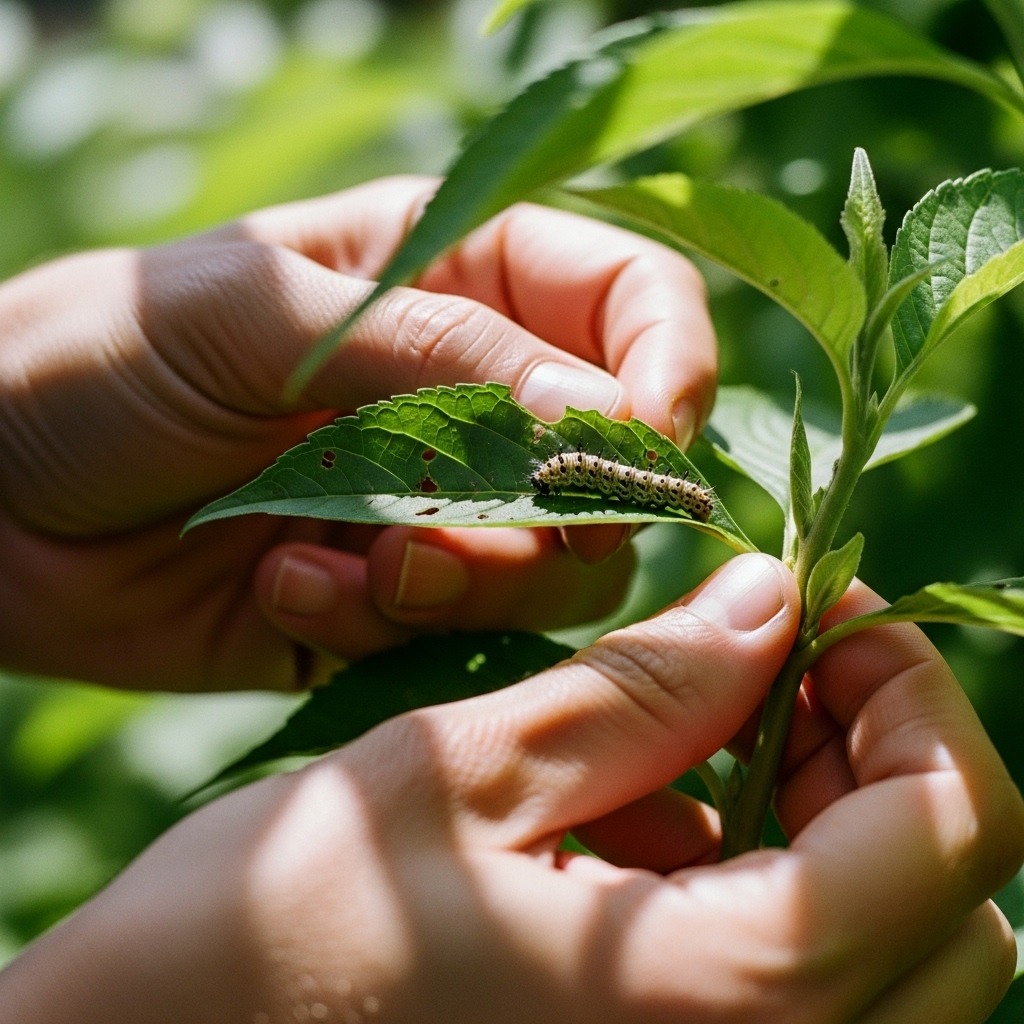
Choosing the right host plants is crucial for attracting butterflies to your garden. These plants are where butterflies lay their eggs and where caterpillars munch away to grow. Let’s dive into the essentials!
Table of Contents
What are Host Plants?
Host plants are specific plants that cater to the needs of butterfly caterpillars. Each butterfly species has its favorites, and these plants provide the necessary nutrition for their larvae. By planting the right host plants, you create a nurturing environment for butterflies to thrive.
Popular Host Plants for Common Butterflies
Here’s a quick list of popular host plants and their corresponding butterfly species:
| Host Plant | Butterfly Species | Seasonal Preference |
|---|---|---|
| Milkweed | Monarch | Summer |
| Parsley | Swallowtail | Spring to Summer |
| Fennel | Black Swallowtail | Spring to Summer |
| Violets | Fritillary | Spring |
| Dill | Black Swallowtail | Summer |
Rotational Planting for Seasonal Diversity
To keep your butterfly garden buzzing all year, consider rotating your plants. Here’s how:
- Spring: Plant violets and dill. They attract early butterflies.
- Summer: Add milkweed and parsley for mid-season activity.
- Fall: Include late bloomers like ironweed to draw in butterflies before winter.
This rotation ensures that there’s always something for hungry caterpillars to feast on. Plus, it helps maintain garden health and biodiversity.
For an easy start, consider using a Butterfly Garden Kit to get the right plants for your garden setup. Check Price on Amazon.
Create Shelter and Water Sources for Butterflies
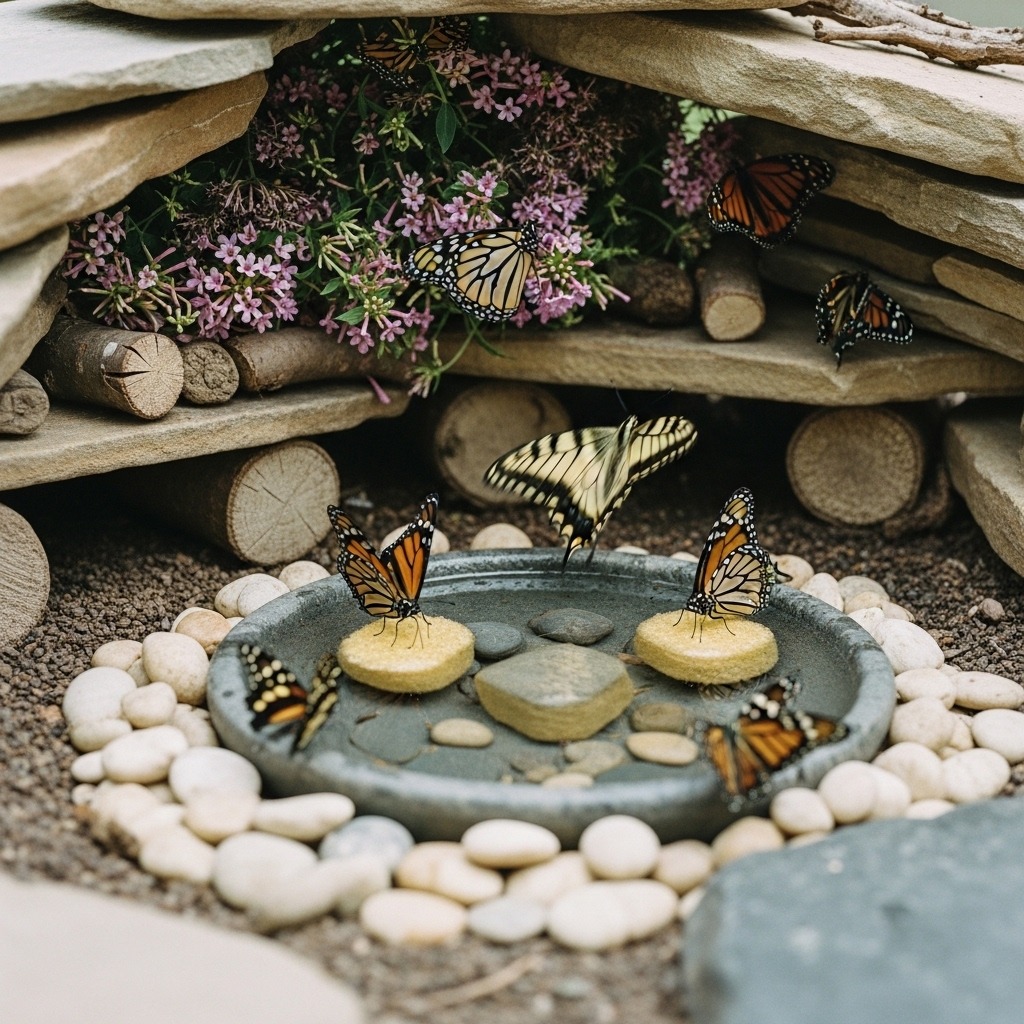
Butterflies need more than just flowers to thrive. They require shelter and water sources to feel safe and hydrated. Let’s explore how to provide these essential elements in your butterfly garden.
Types of Shelter for Butterflies
Shelter protects butterflies from harsh weather and predators. Here are some effective ways to create shelter:
- Plants: Use dense shrubs and tall grasses to offer cover. Butterfly-friendly plants like milkweed and asters not only attract butterflies but also provide hiding spots.
- Butterfly Houses: Consider adding butterfly houses. These small structures give butterflies a cozy place to rest and hide from wind and rain.
- Natural Features: Leave some areas of your garden wild. Piles of leaves or logs can create habitats for butterflies and their larvae.
How to Provide Water Sources
Butterflies need water, but they prefer shallow sources. Here are some simple ways to create water sources:
- Shallow Dishes: Fill shallow dishes with fresh water. You can add some pebbles for butterflies to land on while they drink.
- Mud Puddles: Create small mud puddles in your garden. Butterflies love to sip on the minerals found in wet soil.
- Misting: A gentle misting of water on hot days can attract butterflies. They enjoy the cool droplets, especially during peak sun hours.
Best Practices for Maintaining Shelter
Maintaining shelter is key to a thriving butterfly garden. Follow these best practices:
- Regular Checks: Inspect your butterfly houses and plants regularly. Ensure they are clean and free from pests.
- Seasonal Updates: Replace damaged or dead plants. Keep your garden vibrant and inviting year-round.
- Avoid Chemicals: Use organic gardening methods. Chemicals can harm butterflies and other beneficial insects.
By incorporating these elements, you’ll create a butterfly-friendly oasis in your backyard. Happy gardening!
Avoid Common Butterfly Garden Mistakes
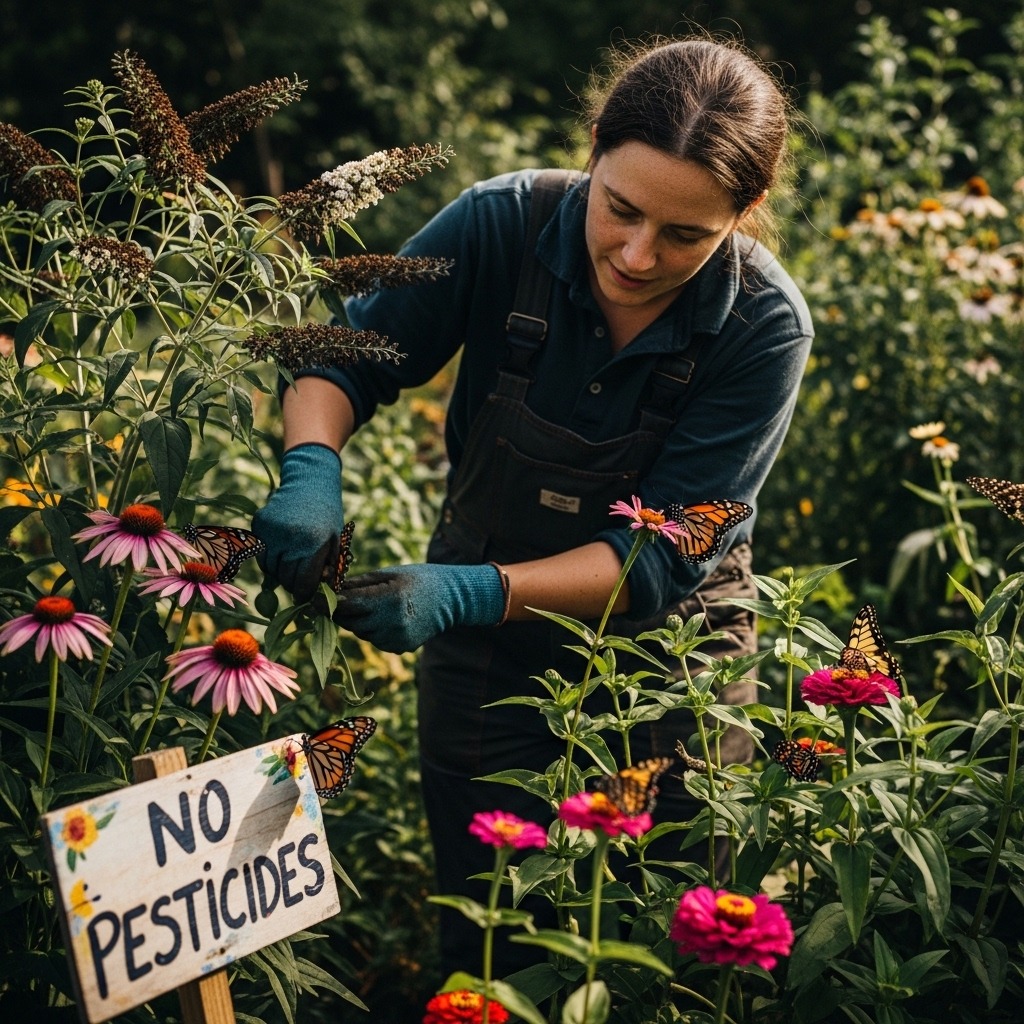
Creating a butterfly garden is exciting, but it can be tricky. Many gardeners make mistakes that can deter butterflies from visiting. Let’s tackle some common pitfalls and how to avoid them.
Overlooking Native Plant Importance
One of the biggest mistakes is not using native plants. Native plants are crucial because they provide the right food for local butterflies. Each butterfly species has specific host plants for their larvae. If you choose the wrong plants, you might end up with a beautiful garden that butterflies ignore.
Actionable Tips:
- Research Local Species: Find out which butterflies are common in your area.
- Choose the Right Plants: Select native host plants that cater to the butterflies you want to attract. For instance, if you want to attract monarchs, plant milkweed.
Planting Non-Nectar Plants
Another common error is planting flowers that don’t produce nectar. Butterflies need nectar for energy. Without it, they won’t stick around.
Actionable Tips:
- Diverse Plant Selection: Include a variety of nectar-rich flowers like coneflowers, asters, and zinnias.
- Color Variety: Opt for different colors to attract various butterfly species. Bright colors like pink, yellow, and purple are usually a hit!
Ignoring Seasonal Changes
Many gardeners forget that butterflies have seasonal preferences. Different species emerge at different times, and their needs can change throughout the year.
Actionable Tips:
- Plan for All Seasons: Create a garden plan that includes plants that bloom at different times. This ensures a continuous food supply.
- Monitor Butterfly Activity: Pay attention to when certain butterflies appear in your garden, and adjust your planting schedule accordingly.
By avoiding these common mistakes, you can create a thriving butterfly garden that attracts and nurtures these beautiful creatures all year round!
Final Considerations and Best Practices
Creating a backyard butterfly garden is a rewarding endeavor. To keep your garden thriving, consider these best practices for long-term maintenance and care.
Year-Round Maintenance Tips
Maintaining your butterfly garden isn’t a one-and-done task. Here are some year-round care tips:
- Regularly Deadhead Flowers: This encourages more blooms and prolongs the flowering season.
- Monitor Plant Health: Look for signs of pests or diseases. Healthy plants attract butterflies!
- Seasonal Planting: Rotate and introduce new plants each season to keep the garden vibrant and appealing to different butterfly species.
Community Involvement in Butterfly Conservation
Engaging with your community can enhance your butterfly garden’s success. Here’s how:
- Join Local Gardening Clubs: Share tips and obtain native plants from local gardeners.
- Host Garden Tours: Invite neighbors to see your garden. This raises awareness and encourages more butterfly-friendly spaces in your area.
- Participate in Butterfly Counts: This helps track species and fosters community involvement in conservation efforts.
Evaluating Your Garden’s Success
Assessing your garden’s effectiveness is essential. Here are indicators to measure success:
- Butterfly Sightings: Keep a log of butterfly species you observe. A diverse array indicates a healthy environment.
- Plant Growth: Healthy, thriving plants are a sign that your garden is well-maintained. Check for growth patterns and blooming cycles.
- Biodiversity: Look for other pollinators like bees and hummingbirds. A diverse ecosystem supports butterflies and indicates a balanced garden.
By following these practices, you can ensure that your butterfly garden remains a sanctuary for these beautiful creatures while contributing to the local ecosystem.
Frequently Asked Questions
These quick answers cover the most common questions about this topic, including key details, practical tips, and common concerns.
What to include in a butterfly garden?
A butterfly garden should have a mix of native plants that provide nectar, host plants for caterpillars, shelter, and water sources. Include nectar-rich flowers like coneflowers and black-eyed Susans, and host plants such as milkweed and parsley for caterpillars. Adding shrubs and grasses offers shelter, while shallow dishes or mud puddles supply water.
What are common butterfly garden mistakes?
Common mistakes include planting non-native or nectar-poor plants, ignoring the importance of native host plants, and not providing shelter or water. Overlooking seasonal plantings can also reduce butterfly visits. Avoid using pesticides and chemicals that harm butterflies and beneficial insects.
What is a butterfly’s biggest enemy?
Predators such as birds, spiders, and wasps pose the biggest threats. Additionally, habitat loss, pesticide use, and invasive species threaten butterfly populations. Providing shelter and avoiding chemical pesticides helps protect butterflies from these dangers.
What are the negatives of the butterfly bush?
Although attractive to butterflies, butterfly bushes (Buddleja) can become invasive in some regions, outcompeting native plants. They may also attract too many butterflies to small spaces, leading to overcrowding. Some varieties produce fragrant flowers that can cause allergies in sensitive individuals.
How can I maintain my butterfly garden?
Regularly deadhead flowers to promote blooming, monitor plant health, and replace damaged plants. Keep water sources clean and accessible, and prune or thin plants as needed. Avoid chemicals and pesticides, and plan seasonal plantings to ensure continuous food and shelter.
What plants attract butterflies?
Butterflies are attracted to a variety of nectar-rich flowers and host plants. Examples include milkweed, coneflowers, asters, and dill. Choosing a diverse selection that blooms at different times encourages butterfly visits throughout the season.
What are the best flowers for butterflies?
Flowers like coneflowers, lantanas, zinnias, and butterfly bushes are favorites. They produce abundant nectar and are available in many colors, attracting a wide range of butterfly species. Planting in clusters enhances their appeal.
How do I protect my butterfly garden from pests?
Use organic methods such as introducing beneficial insects, manually removing pests, and avoiding pesticides. Maintaining healthy, native plants also makes your garden less susceptible to pest problems. Creating a balanced ecosystem naturally deters harmful pests.