
The tundra is home to several resilient plant species that have adapted to survive in harsh conditions, with key examples including the Arctic Willow, Tundra Rose, Lichen, and Arctic Poppy. These plants play vital roles in their ecosystem despite the extreme climate and soil limitations.
Understanding the Tundra Ecosystem
Definition of Tundra
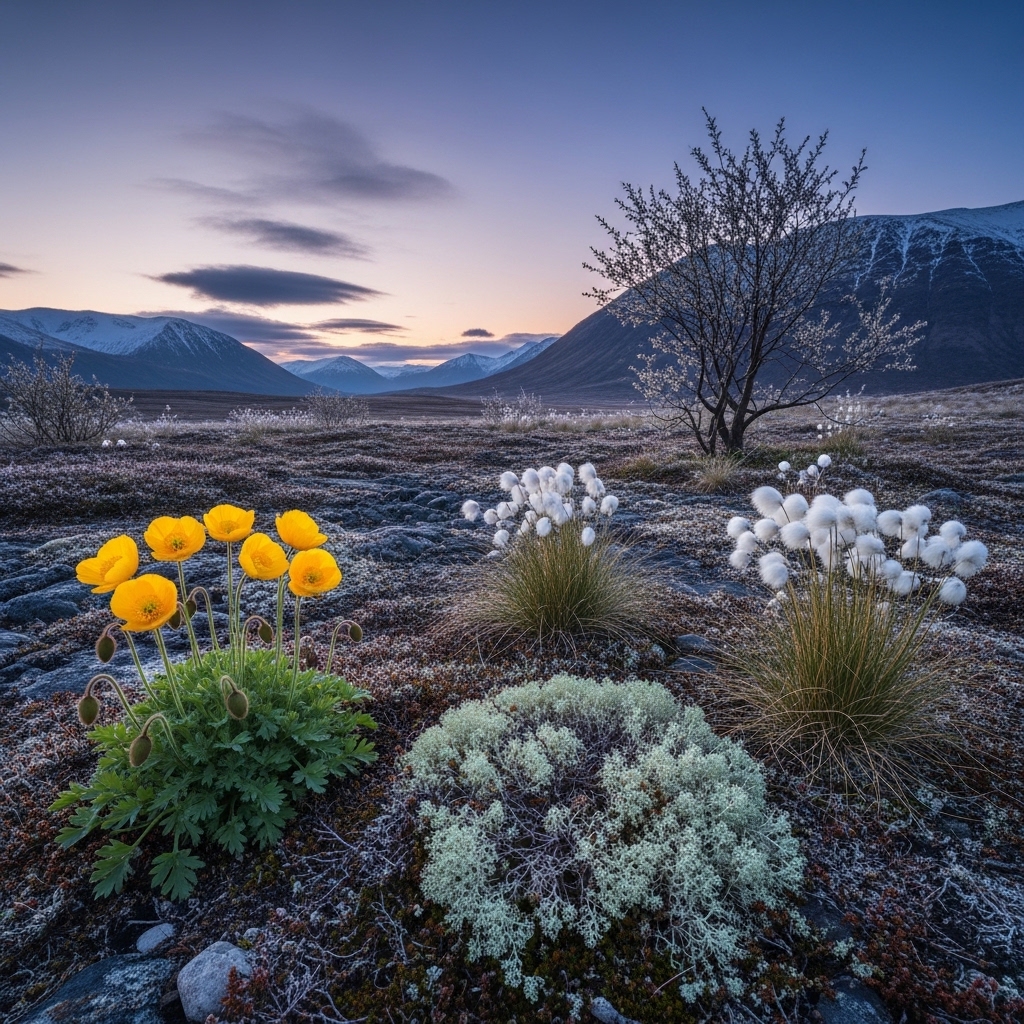
The tundra is a unique biome characterized by its cold temperatures, low precipitation, and short growing seasons. I’ve always been fascinated by how life can thrive in such seemingly inhospitable conditions. Essentially, tundras are found in polar regions and high mountains, where the climate is too harsh for most trees to grow. The name “tundra” comes from the Finnish word “tunturia,” which means “treeless plain.” This provides a vivid image of the landscape, dotted with small plants rather than towering trees.
Climate and Geography
When I think of the tundra, I picture vast, open spaces where the wind whistles through the air and the ground is often frozen. The climate is classified as cold desert-like, with temperatures averaging below freezing for most of the year. In fact, summer temperatures can barely reach above 50°F (10°C) in many areas. I remember reading about how the growing season lasts only about 6 to 10 weeks, creating a race for these plants to flower and reproduce before the freeze sets in again.
The geographical reach of tundras is impressive. They mostly span the Arctic regions of North America, Europe, and Asia, and they can also be found at high altitudes in mountains worldwide. This means that while tundra ecosystems are often thought of as remote, they actually exist across various landscapes, linking different regions of our planet. Read Interesting article: How to Plant Wheat in Minecraft (Quick Guide)
Soil Composition and Permafrost
One of the defining features of the tundra is its soil, which is largely composed of permafrost—a layer of permanently frozen ground. I’ve always found it intriguing how this thick layer affects plant life. The top layer may thaw during the brief summer, allowing for some vegetation growth, but below that, the ground remains frozen and impedes root growth. The soil is often nutrient-poor, resulting in limited plant diversity. However, this harsh condition has led to remarkable adaptations in the plants that do manage to grow here.
I learned that the shallow soil can lead to unique ecosystems. The permafrost layer prevents water from draining away, creating soggy conditions in the summer months. This can be quite a challenge for the plants, but many have developed strategies to thrive despite the waterlogged soil. The interaction between the soil composition and the climate creates a delicate balance that supports the few species that call the tundra home.
Importance of Plants in the Tundra
Role in the Ecosystem
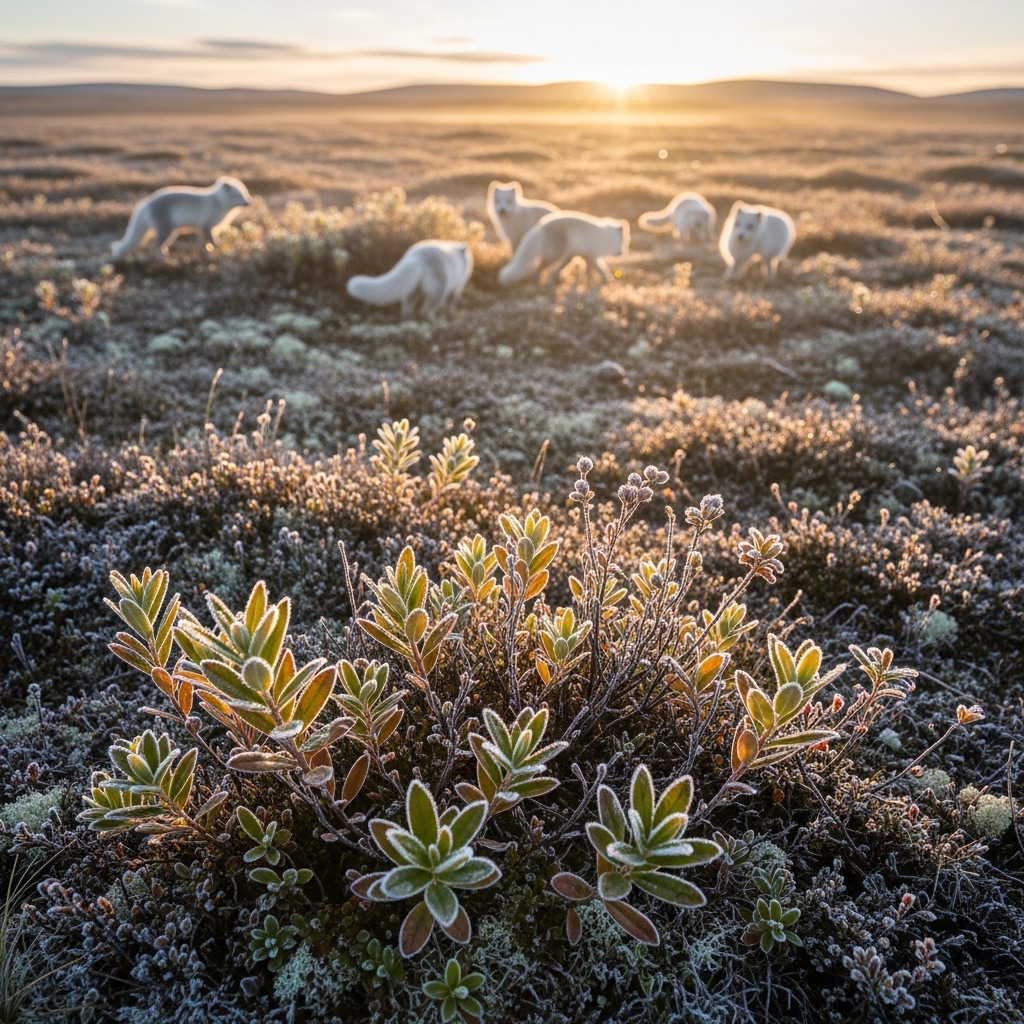
Plants in the tundra play a crucial role in the ecosystem. They are the primary producers, converting sunlight into energy through photosynthesis. I’ve always found it remarkable that even in such unforgiving climates, these plants manage to create oxygen and provide food for various organisms. The tundra supports a range of wildlife, from caribou to migratory birds, and the plants form the foundation of this intricate food web. Without them, the entire ecosystem would collapse.
Adaptations to Harsh Conditions
The survival strategies of tundra plants are fascinating. I often think about how these plants have evolved to endure extreme cold, short growing seasons, and strong winds. For instance, many have shallow root systems that allow them to absorb moisture quickly during the brief thaw. Others grow low to the ground to resist harsh winds and to retain heat. Some even have hairy leaves that help trap warmth and reduce water loss. These adaptations are not just interesting; they are essential for survival in such a challenging environment.
Another adaptation I’ve noticed is that many tundra plants are perennial, meaning they live for several years, which helps them conserve energy and resources. Since they don’t need to invest in new seeds every year, they can channel their energy into surviving the long winters and seizing the fleeting summer opportunity to grow and reproduce. This strategic approach to life in the tundra is a testament to the resilience of nature. Read Interesting article: ¿Qué es la planta de khat? Usos, efectos y datos.
4 Key Plants Found in the Tundra
1. Arctic Willow (Salix arctica)
Description and Characteristics
The Arctic Willow is a fascinating plant that embodies the toughness of tundra flora. I’ve seen it described as a low-growing shrub, typically reaching only about 6 inches tall. Its flexible branches can bend with the wind, and its small, fuzzy leaves help it retain warmth and moisture. The plant’s ability to produce catkins, which are clusters of flowers, is also noteworthy. It blooms beautifully in the summer, creating a striking contrast against the stark tundra landscape.
Habitat and Distribution
Arctic Willows can be found across the tundras of North America and Eurasia. I remember reading about how they thrive in areas with well-drained soil and abundant sunlight, often growing in clusters. They are primarily found along riverbanks, in meadows, and near coastal areas, where the environment is slightly more hospitable compared to the harsher interior tundra regions.
Ecological Importance
The ecological significance of Arctic Willow cannot be overstated. It provides essential food and shelter for various wildlife, including birds and insects. I’ve learned that the plant’s roots help stabilize the soil, preventing erosion and maintaining the integrity of the tundra ecosystem. Additionally, Arctic Willows are often among the first plants to bloom in the spring, offering a crucial food source for pollinators emerging after the long winter.
2. Tundra Rose (Dryas integrifolia)
Description and Characteristics
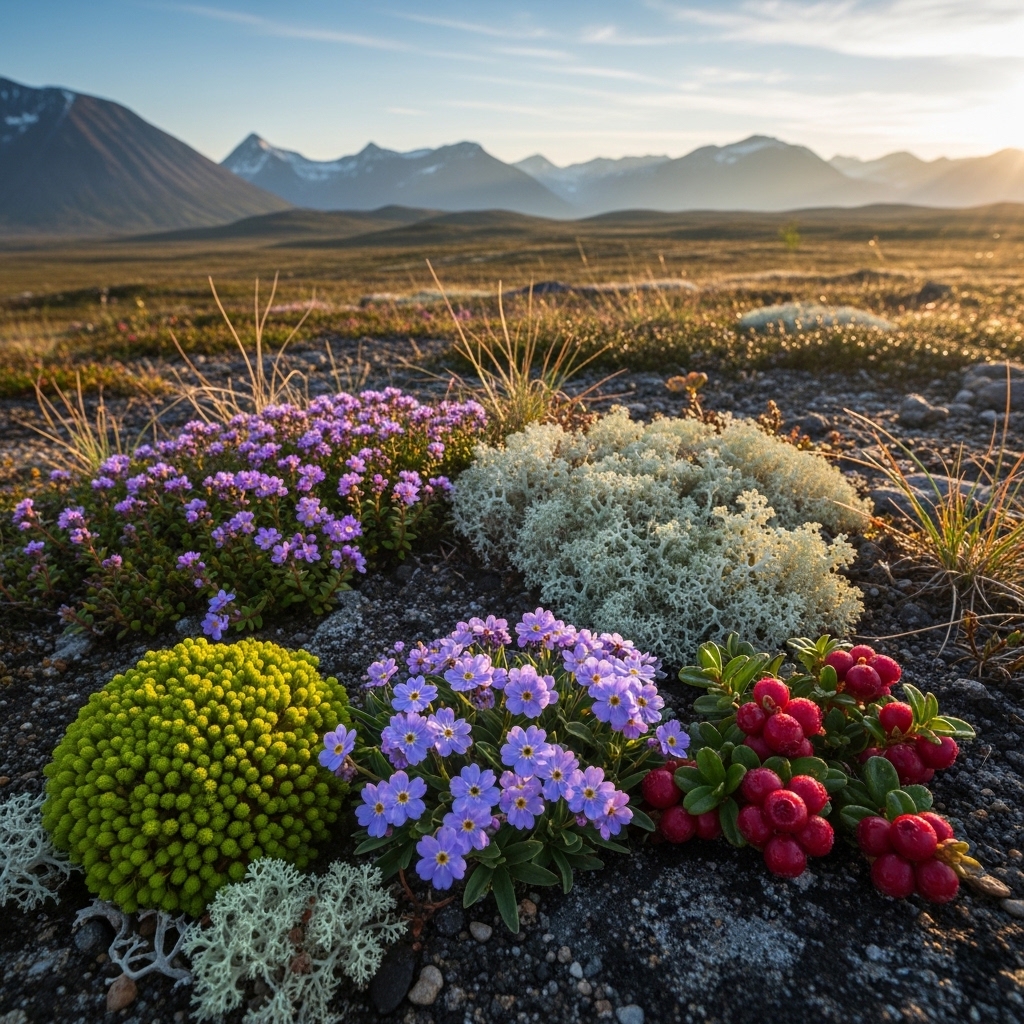
The Tundra Rose is another remarkable plant that has captured my attention. It’s a perennial herb that produces beautiful yellow flowers, often appearing in dense mats across the tundra. I find its resilience inspiring, as it can survive in some of the harshest conditions. Its leaves are thick and leathery, which helps minimize water loss—an essential adaptation for such a dry environment.
Habitat and Distribution
This plant can be found in the Arctic regions and mountainous areas of North America, Europe, and Asia. I remember learning that Tundra Roses often grow in rocky soils, gaining a foothold where few other plants can thrive. Their widespread presence in polar regions highlights their adaptability and hardiness.
Ecological Importance
Tundra Roses play a significant role in the tundra ecosystem. They provide food for herbivores like caribou and are important for soil stabilization due to their extensive root systems. I’ve seen how their blooming flowers attract various pollinators, contributing to the overall health of the ecosystem. Their ability to thrive in barren landscapes makes them a vital component of the tundra flora.
3. Lichen (Various Species)
Description and Characteristics
Lichens are perhaps one of the most fascinating organisms I’ve encountered in the tundra. These unique symbiotic relationships between fungi and algae or cyanobacteria are incredibly resilient. I’ve always been amazed by their ability to grow on bare rocks, tree bark, and soil, often creating a colorful tapestry across the tundra landscape. Their structures vary widely, from crusty to leafy forms, showcasing their adaptability.
Habitat and Distribution
You can find lichens in just about every corner of the tundra, from the Arctic to alpine regions. I remember learning that they thrive in extreme conditions, where few other organisms can survive. Their ability to tolerate desiccation and freeze-thaw cycles allows them to flourish in this challenging environment.
Ecological Importance
Lichens are crucial to the tundra ecosystem. They provide a food source for various animals, including caribou, who depend on them during winter when other food is scarce. Lichens also contribute to soil formation by breaking down rocks. I’ve seen firsthand how these remarkable organisms can help create a more hospitable environment for other plants to grow, playing an essential role in the ecological balance of the tundra.
4. Arctic Poppy (Papaver radicatum)
Description and Characteristics
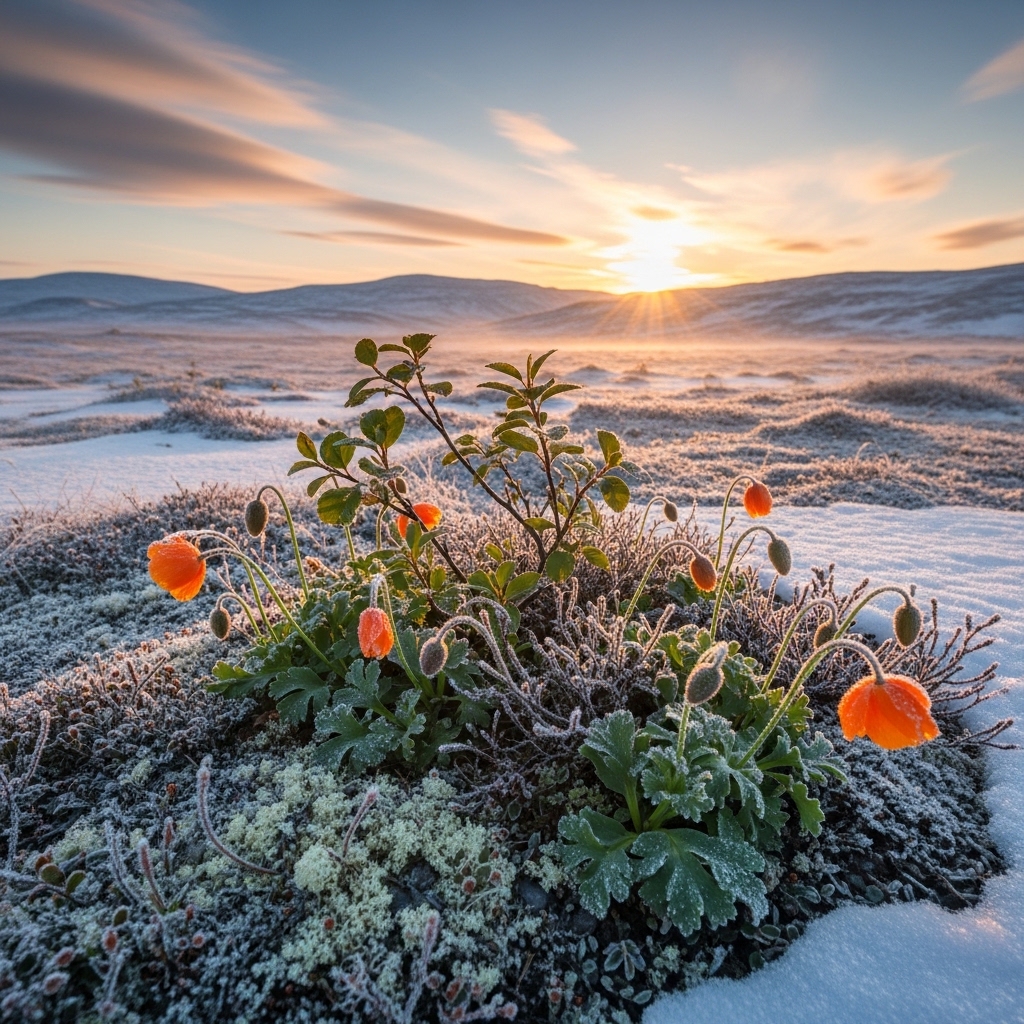
The Arctic Poppy is a stunning plant that captures the beauty of the tundra. I’ve always been struck by its bright yellow flowers, which seem to defy the cold surroundings. This perennial herb typically grows only about 6 to 12 inches tall, and its leaves are deeply lobed, helping it retain moisture and withstand the elements. The blooms are short-lived, which is a strategy to ensure reproduction in the limited growing season.
Habitat and Distribution
Arctic Poppies thrive in the northern tundra regions, particularly in well-drained soils or rocky slopes. I remember seeing them grow in patches, often in areas exposed to sunlight. Their distribution spans regions of Alaska, Greenland, and northern Canada, showcasing their adaptability to the harsh tundra climates.
Ecological Importance
The ecological importance of Arctic Poppies lies in their role as a food source for various pollinators in the short summer period. I’ve read that they can also help anchor soil and prevent erosion, contributing to the stability of the tundra landscape. Their bright flowers not only provide nourishment but also add a splash of color to the otherwise muted tundra scenery, reminding us of nature’s resilience and beauty. Read Interesting article: Com que frequência regar a árvore do dinheiro para uma saúde ideal
How Tundra Plants Adapt to Extreme Conditions
Survival Strategies
When I think of the tundra, the incredible adaptation strategies of its plants always come to mind. These plants have developed several survival tactics that enable them to cope with the harsh conditions of the tundra. For example, many species have evolved to grow low to the ground. This isn’t just for show; staying close to the surface helps them shield against the fierce winds that sweep across the landscape. I remember seeing pictures of these tiny plants, their leaves practically hugging the ground, a testament to their resilience.
Another fascinating survival strategy is the ability to store water. Some tundra plants have thick leaves or stems that can hold moisture, allowing them to survive during the dry spells that follow the brief summer thaw. I’ve noticed that this adaptation is crucial since the moisture from melting ice can quickly evaporate or drain away. It’s like these plants have learned to hoard every drop of water they can get!
Additionally, many tundra plants exhibit a unique form of growth known as “clumping.” This is where plants grow close together, creating microclimates that can help retain warmth and humidity. I’ve seen this in the Arctic Poppy and other species, where their collective presence seems to create a little oasis in an otherwise barren landscape. This strategy not only helps them survive but also enhances their chances of reproduction by attracting pollinators.
Reproductive Strategies
Reproduction in the tundra is a race against time, and I find it intriguing how plants have adapted their reproductive strategies to ensure their survival. With such a short growing season, many tundra plants have developed the ability to flower and set seeds quickly. For instance, I’ve observed that some species, like the Arctic Poppy, produce flowers that bloom for just a few days. This short bloom period is a clever way to take advantage of the fleeting summer warmth.
Some plants also rely on a method known as vegetative reproduction, where they can produce new plants from their roots or stems without needing seeds. This is particularly useful in a challenging environment like the tundra, where conditions can be unpredictable. I remember learning about how clonal growth allows plants to spread efficiently, ensuring that even if some individuals don’t survive, their genetic material continues through their offspring.
Moreover, many tundra plants have developed seeds that can remain dormant for long periods. They wait for the right conditions to germinate, which is crucial in an ecosystem where the climate can change dramatically. I find it fascinating how these plants can essentially “hold off” until conditions are just right, allowing them to thrive when the time is right.
Impact of Climate Change on Tundra Flora
The effects of climate change on tundra ecosystems are something I think about often, especially as I’ve seen reports about rising temperatures and shifting weather patterns. The tundra is warming at a faster rate than many other ecosystems, which poses significant challenges to the delicate balance of plant life. I’ve read that as temperatures rise, permafrost is thawing, which can lead to changes in soil composition and moisture availability. This is particularly concerning since many tundra plants are adapted to specific conditions that are now changing.
One of the most noticeable impacts is the encroachment of non-native plant species. These invasive species can outcompete the native tundra plants, disrupting the established ecosystems. I remember a study I came across that highlighted how certain hardy non-native plants have begun to thrive in areas previously dominated by traditional tundra flora. This shift can lead to a decrease in biodiversity, which is vital for the overall health of the ecosystem.
Additionally, changes in precipitation patterns can affect the water availability for tundra plants. While some areas may experience increased rainfall, others might become drier, creating unpredictable challenges for plant survival. I find it alarming to think about how these changes can ripple through the food web, affecting not just the plants but also the animals that rely on them for food.
As I reflect on these changes, I realize how crucial it is to raise awareness about the importance of preserving tundra ecosystems. These resilient plants have adapted to thrive in extreme conditions, but they need our help to continue doing so as we confront the challenges of climate change. I believe that understanding their struggles and triumphs can inspire us to take action in protecting these remarkable ecosystems.
Frequently Asked Questions
What is the tundra biome?
The tundra is a unique biome characterized by cold temperatures, low precipitation, and short growing seasons, primarily found in polar regions and high mountains.
What are some key plant species found in the tundra?
Key plant species in the tundra include the Arctic Willow, Tundra Rose, Lichen, and Arctic Poppy, each adapted to survive harsh conditions.
How do tundra plants contribute to their ecosystem?
Tundra plants are primary producers that convert sunlight into energy, providing food and oxygen for various organisms and forming the foundation of the tundra’s food web.
What adaptations do tundra plants have to survive harsh conditions?
Tundra plants exhibit various adaptations, such as shallow root systems, low growth to resist winds, hairy leaves to trap warmth, and the ability to store water for survival during dry spells.
What is permafrost and how does it affect plant life in the tundra?
Permafrost is a layer of permanently frozen ground that prevents drainage and impedes root growth, resulting in nutrient-poor soil and limiting plant diversity.
Where can Arctic Willows typically be found?
Arctic Willows thrive in North America and Eurasia, often found along riverbanks, in meadows, and coastal areas where conditions are slightly more hospitable.
What role do lichens play in the tundra ecosystem?
Lichens provide food for animals like caribou, contribute to soil formation, and help create hospitable environments for other plants by breaking down rocks.
How do tundra plants reproduce given the short growing season?
Tundra plants adapt their reproductive strategies by quickly flowering and setting seeds, utilizing vegetative reproduction, and developing seeds that can remain dormant until conditions are favorable.
What impact does climate change have on tundra flora?
Climate change affects tundra flora by causing permafrost thaw, altering soil composition and moisture availability, and allowing non-native plant species to encroach, disrupting established ecosystems.
Why is it important to preserve tundra ecosystems?
Preserving tundra ecosystems is crucial as they are home to resilient plants adapted to extreme conditions, and their health is vital for maintaining biodiversity and the overall balance of the ecosystem.