
Palm trees, belonging to the Arecaceae family, are fascinating plants with over 2,600 species worldwide. They play significant ecological, economic, and cultural roles across various environments, from tropical beaches to deserts. This article presents 40 intriguing facts that showcase their unique characteristics and importance.
1. Palm Trees Are Not True Trees

Palm trees often capture our imagination with their tall, slender silhouettes, swaying gently in tropical breezes. However, they are not true trees in the traditional sense. Instead, palms belong to the monocot family, making them more closely related to grasses and lilies than to hardwood trees like oaks or pines. This unique classification sets them apart from typical trees that have branching trunks and woody growth.
- Growth Structure: Unlike traditional trees that grow from multiple points and form rings as they age, palm trees grow from a single point at the top, known as the apical meristem. This means that if the growing tip is damaged, the entire palm can perish. This distinct growing pattern results in their characteristic tall and slender appearance.
- Trunk Composition: The trunks of palm trees are not made of wood. Instead, they consist of fibrous, spongy tissue called parenchyma. This structure allows palms to be flexible and resilient, helping them withstand strong winds, making them ideal for coastal ecosystems.
- Lifespan and Adaptation: Many species of palms, such as the date palm, can live for over a century. Their unique adaptations allow them to thrive in diverse environments, from tropical rainforests to arid deserts. For instance, the resilient coconut palm can survive in saline coastal areas, showcasing its adaptability.
- Ecological Importance: Palm trees play a crucial role in ecosystems, providing habitat and food for various wildlife. The fruits of palm trees, like coconuts and dates, are not only vital for human consumption but also serve as essential food sources for animals. These ecological interactions highlight their importance in sustaining biodiversity.
- Cultural Significance: Throughout history, palms have held symbolic meanings across various cultures. They are often associated with peace, victory, and prosperity, making them significant in religious and cultural practices. For example, palm fronds are used in celebrations like Palm Sunday in Christianity.
2. There Are Over 2,600 Palm Species

The Arecaceae family is home to more than 2,600 distinct palm species, showcasing an incredible diversity that spans various climates and environments. This diversity allows palms to thrive in a multitude of habitats, from tropical rainforests to arid deserts. Each species has unique adaptations that help them survive in their specific surroundings.
- Adaptability: Some palms, like the date palm (Phoenix dactylifera), are known for their resilience in harsh, dry conditions. They can withstand extreme heat and have deep root systems that enable them to access water even in arid regions. This makes them vital for ecosystems in desert areas, providing shade and food for both wildlife and humans.
- Tropical Icons: Others, such as the coconut palm (Cocos nucifera), are synonymous with tropical landscapes. They not only produce coconuts, a significant food source, but also contribute to local economies through tourism and agriculture. The versatile coconut is used for food, oil, and even crafts, emphasizing the economic importance of various palm species.
- Ecological Roles: Palm trees play essential roles in their ecosystems. They provide habitats for numerous creatures, including birds and insects. The diversity of palm species ensures that they can support a wide range of wildlife, which is crucial for maintaining ecological balance.
- Cultural Importance: Different palm species have cultural significance around the world. For example, the Quindio wax palm (Ceroxylon quindiuense), which is the national tree of Colombia, is not only a stunning sight but also a symbol of the country’s natural heritage. Its tall stature and unique appearance make it a beloved part of Colombian culture.
- Global Distribution: Palm species are found across the globe, with significant concentrations in tropical and subtropical regions. From the lush forests of South America to the sandy beaches of the Pacific Islands, palms have adapted to thrive in numerous climates, demonstrating their robust nature.
The vast array of palm species within the Arecaceae family not only highlights their ecological and economic significance but also enriches the cultural tapestry of the regions they inhabit. For more detailed information on palm trees and their fascinating characteristics, you can explore the Britannica article on palm trees.
3. The Quindio Wax Palm Is the Tallest

The Quindio wax palm, known scientifically as Ceroxylon quindiuense, is the tallest palm tree in the world, reaching astonishing heights of up to 200 feet. This remarkable species can be found predominantly in the mountainous regions of Colombia, particularly in the Cocora Valley. Its tall, slender trunk and impressive stature make it a striking feature of the landscape, drawing attention from both nature enthusiasts and tourists alike.
- Height Record: The Quindio wax palm holds the title for the tallest palm, with some reports suggesting historical individuals may have reached even greater heights. This ability to soar above the surrounding flora showcases the unique growth patterns of palms within the Arecaceae family.
- Ecological Role: Besides its impressive height, the Quindio wax palm plays a vital role in its ecosystem. It provides habitat and food for various species, including birds and insects, enhancing biodiversity in its native region.
Interestingly, while palms like the Quindio wax palm are celebrated for their height, many other species within the Arecaceae family exhibit a wide range of sizes and forms. For instance, the coconut palm and date palm, both economically significant, thrive in different environments and are cultivated for their edible products.
- Cultural Significance: The Quindio wax palm is not just a natural wonder; it holds great cultural importance in Colombia. It is recognized as the national tree and symbolizes the rich biodiversity and natural heritage of the region.
- Conservation Status: Despite its beauty and significance, the Quindio wax palm faces threats from habitat loss and climate change. Conservation efforts aim to protect this iconic species and its ecosystem, ensuring that it continues to thrive for generations to come.
4. Palm Trees Can Live for Over 100 Years

Palm trees are some of the longest-living plants on Earth, with certain species, like the Date Palm, capable of thriving for more than a century. This remarkable longevity is not only fascinating but also significant for the ecosystems and cultures that depend on them.
- Date Palms are especially noteworthy. They can live for over 100 years and have been cultivated for thousands of years, providing vital resources such as dates, which are a staple food in many Middle Eastern diets. These sweet fruits are not just delicious; they’re also packed with nutrients, making them a crucial food source for generations.
- Another species known for its longevity is the Coconut Palm. While typical coconut palms may have shorter lifespans compared to date palms, they can still live for several decades, producing coconuts that are incredibly important in various cultures. Whether for food, oil, or crafting materials, coconuts are a significant part of many tropical ecosystems.
- The ability of palm trees to live so long contributes to their ecological roles. They provide shelter, food, and nesting sites for numerous wildlife species. Their fronds offer shade and habitat, while their fruits support various animals and insects. This interdependence highlights the importance of palm trees within their ecosystems.
- Additionally, palms like the Quindio Wax Palm have demonstrated resilience, surviving in changing climates and adapting to their environments over many years. Their longevity allows them to be crucial components of their habitats, enhancing biodiversity.
- The family Arecaceae, which includes both date palms and coconut palms, showcases over 2,600 species, many of which boast impressive lifespans. These long-lived plants contribute not just to their immediate surroundings but also to the cultural practices and economies of the regions in which they grow.
5. Coconuts Are Actually Seeds

Coconuts, often associated with tropical beaches and refreshing drinks, are more than just delicious fruits; they are technically seeds. Each coconut contains the potential to grow into a new palm tree when conditions are right. This remarkable ability is part of what makes the coconut palm, a member of the Arecaceae family, so significant in various ecosystems.
Here are some fascinating details about coconuts as seeds:
- Structure: Each coconut consists of a hard outer shell, known as the exocarp, a fibrous middle layer called the mesocarp, and the seed at its core. Inside the seed, you’ll find the coconut water and the white edible flesh, which provide nourishment for the developing plant.
- Germination: When a coconut falls from the tree and lands in a suitable environment—like sandy soil near water—it can sprout. The seed uses the moisture and nutrients in the soil to grow roots and eventually a new palm trunk.
- Species Variability: While many people think of coconuts in relation to the coconut palm (Cocos nucifera), it’s important to note that not all palms produce coconuts. The date palm (Phoenix dactylifera), for example, produces sweet, edible dates, showcasing the diversity among palm species and their economic importance.
- Ecosystem Role: Coconuts play a crucial role in their ecosystems. As seeds, they help propagate new trees, which provide shade, shelter, and food for various wildlife. These trees can stabilize coastal areas, preventing erosion and providing habitats for birds and other animals.
- Cultural Significance: Coconuts are deeply embedded in the cultures of many tropical regions. They are used in cuisine, crafts, and even traditional medicine, making them vital to local economies and cultural practices.
6. Palms Are Crucial to Ecosystems

Palm trees, members of the Arecaceae family, play a vital role in maintaining ecological balance. They provide essential habitats and food sources for a diverse range of wildlife. Many animal species rely on palms for survival, creating a rich tapestry of life around these remarkable trees.
- Habitat for Wildlife: Palm trees offer shelter and nesting sites for various birds, insects, and mammals. Species like the Quindio wax palm, known for its towering height, creates unique microhabitats that support different forms of life. These habitats are especially crucial in tropical regions, where biodiversity thrives.
- Food Sources: Palms produce fruits that are not only delicious but also nutritious. The coconut is a famous example, providing food and water for both humans and animals. Similarly, the date palm yields sweet, energy-rich dates that are a staple in many diets, especially in the Middle East. Various palm species contribute to the food web, supporting insects and larger wildlife.
- Ecosystem Stability: The presence of palm trees helps stabilize the ecosystems in which they grow. Their roots prevent soil erosion, especially in coastal areas, while their fronds provide shade that creates cooler microclimates. This shade is beneficial for other plants and animals, promoting biodiversity.
- Pollination: Many palm species rely on specific pollinators, such as insects and birds. The flowers of palm trees are often rich in nectar, attracting these creatures, which in turn help with the reproduction of both the palms and other plants in the ecosystem. This interdependence underscores the ecological significance of palms.
- Cultural Importance: The ecological benefits of palm trees extend into human culture. Local communities often depend on palms for economic and nutritional support, reinforcing the connection between human well-being and biodiversity. This relationship illustrates how preserving palm species can enhance both environmental health and human cultures.
7. Some Palms Thrive in Deserts
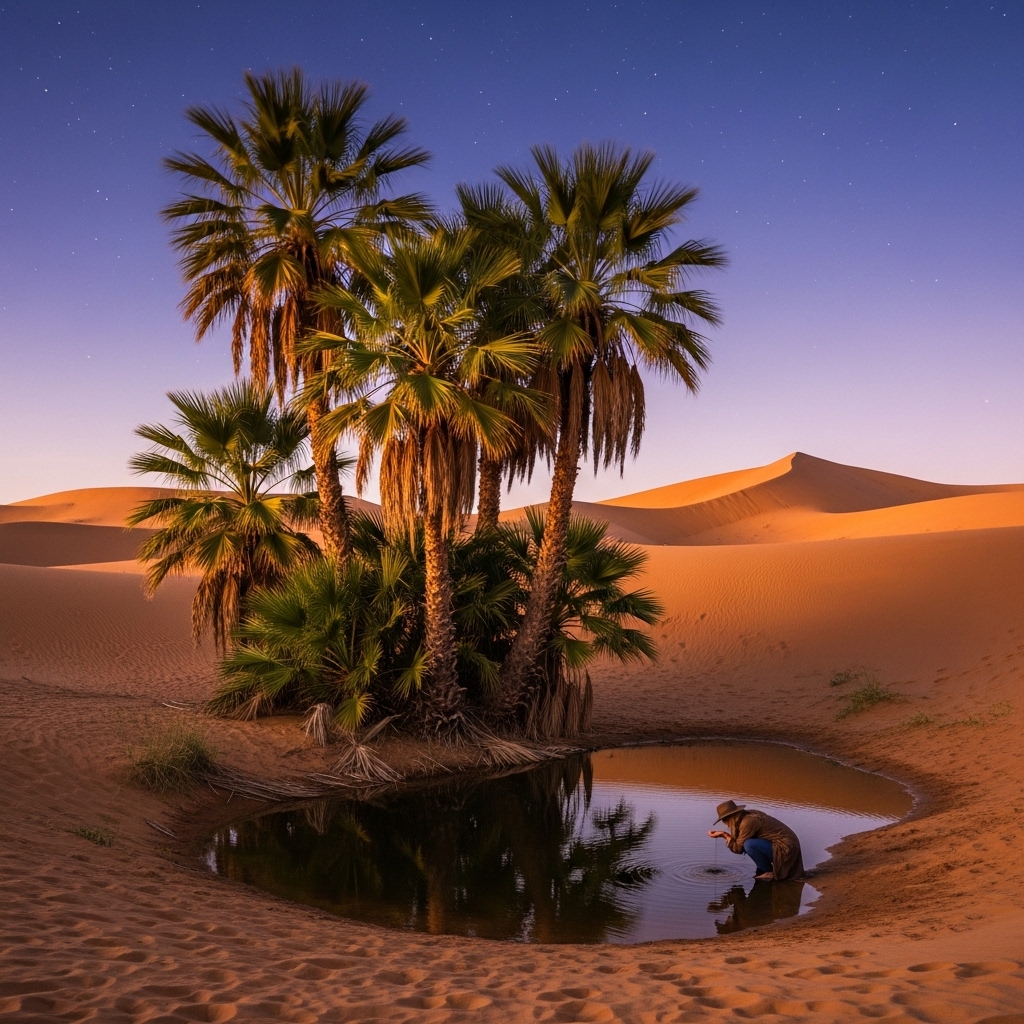
Many people envision palm trees as symbols of tropical paradise, but some species, like the Date Palm, are masters of survival in harsh desert environments. The scientific family Arecaceae, which includes over 2,600 species of palms, showcases incredible adaptability.
- Date Palms: The Date Palm (Phoenix dactylifera) is particularly remarkable. It thrives in extreme heat and drought conditions, making it a staple in arid regions. This palm can withstand temperatures exceeding 120°F (49°C) and requires minimal water, thanks to its deep root system that taps into underground sources.
- Adaptability: These palms are not just tough; they’re smart too. Their leaves, known as fronds, can close during the hottest parts of the day to reduce water loss. This adaptation allows Date Palms to flourish where other plants might fail, offering vital food resources like dates to both humans and wildlife.
- Ecosystem Role: Beyond their nutritional benefits, desert-dwelling palms play an essential role in their ecosystems. They provide shade, helping to create microhabitats that support various species. Birds, insects, and mammals rely on Date Palms for shelter and sustenance, illustrating the interconnectedness of life in these arid landscapes.
- Cultural Importance: Historically, the Date Palm has been cultivated for thousands of years, especially in the Middle East. Its fruit is not only a dietary staple but is also intertwined with cultural traditions and practices. The economic importance of Date Palms is significant, contributing to local economies and food security in desert regions.
In addition to Date Palms, other palm species, like the Windmill Palm (Trachycarpus fortunei), can tolerate cold temperatures and harsh conditions, further showcasing the diversity and resilience of the Arecaceae family.
8. Palm Oil Is a Major Global Commodity
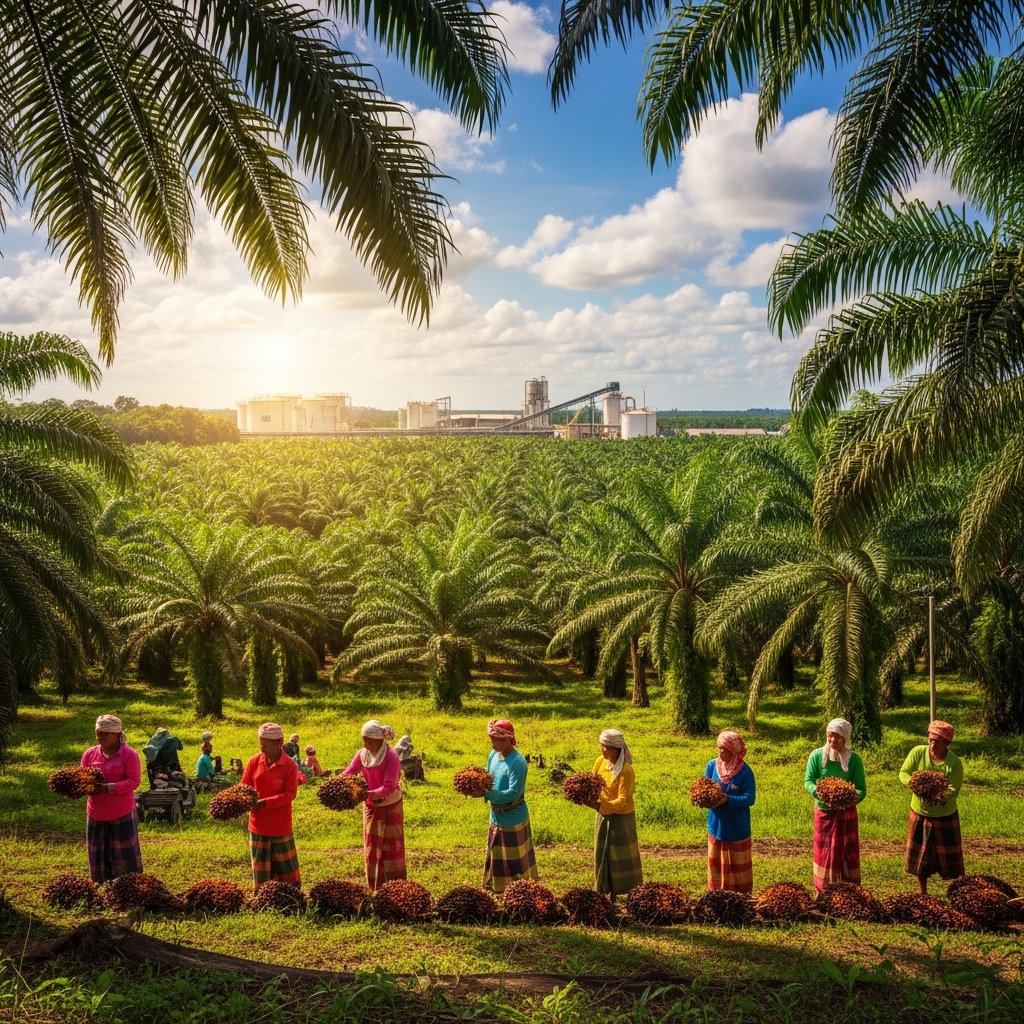
Palm oil is derived from the fruit of the oil palm (Elaeis guineensis), a member of the Arecaceae family. This versatile oil is one of the most widely consumed vegetable oils in the world, playing a crucial role in global economies. Its uses span across various industries, making it a significant commodity.
Uses of Palm Oil
- Food Products: Palm oil is commonly found in processed foods, baked goods, and snacks. It’s favored for its stability at high temperatures, making it ideal for frying.
- Cosmetics: Many personal care products, including soaps, shampoos, and lotions, utilize palm oil for its moisturizing properties.
- Biofuels: Palm oil is increasingly used as a renewable resource for biodiesel, contributing to sustainable energy solutions.
Economic Importance
The production of palm oil has a substantial economic impact, particularly in tropical regions where oil palms thrive. Countries like Indonesia and Malaysia are the largest producers, providing livelihoods for millions of people. The growth of this industry has also led to significant investments in agricultural practices and technology.
Environmental Considerations
While palm oil contributes to economic development, its production can affect ecosystems. Deforestation for palm oil plantations threatens wildlife habitats and biodiversity. This has led to ongoing discussions about sustainable practices in the cultivation of oil palms. Responsible sourcing and certification programs aim to ensure that palm oil production does not compromise ecological integrity.
9. Palm Trees Are Ancient Plants

Fossil records reveal that palm trees have been around for over 80 million years, making them one of the oldest plant families still thriving today. This remarkable longevity speaks to their resilience and adaptability, allowing them to survive through dramatic changes in the Earth’s climate and environment.
- Ancient Origins: The family Arecaceae, to which all palm species belong, has roots tracing back to prehistoric times. Palms have witnessed the rise and fall of dinosaurs, surviving mass extinctions that wiped out many other species. Their ability to endure harsh conditions has made them a crucial part of our planet’s history.
- Diverse Species: With over 2,600 species, palm trees showcase incredible diversity. From the towering Quindio wax palm, which can reach heights of up to 200 feet, to the smaller, ornamental varieties found in homes and gardens, each species has adapted uniquely to its environment.
- Ecosystem Role: These ancient plants play a vital role in their ecosystems. They provide food and shelter for various wildlife, including birds, insects, and mammals. For instance, the coconut and date palms are not just sources of food for humans but also support numerous species in their natural habitats.
- Cultural Significance: Throughout history, palm trees have held cultural importance in many societies. They symbolize peace and victory, often seen in religious ceremonies and cultural traditions. The date palm, one of the earliest cultivated palm species, has been a staple in the diets of many cultures for thousands of years, especially in the Middle East.
- Survival Strategies: Palm trees have evolved several unique characteristics to thrive in different climates. Some species, like the coconut palm, can tolerate saltwater and grow along coastal areas, while others can endure drought conditions in deserts, showcasing their remarkable adaptability.
10. The Coco de Mer Produces the Heaviest Seed
The Coco de Mer, a remarkable palm tree species from the Seychelles, is famous for producing the heaviest seed in the world. Weighing up to 55 pounds, this extraordinary seed is not just a sight to behold but also a fascinating aspect of palm tree information. The scientific name of this palm is Lodoicea maldivica, and it belongs to the Arecaceae family, which includes over 2,600 species of palms.
- The Coco de Mer seed can grow to a size of nearly 12 inches in diameter, making it one of the largest seeds in the plant kingdom. This impressive size has sparked intrigue among botanists and nature enthusiasts alike.
- Each Coco de Mer palm can produce only a small number of these massive seeds, typically around 1 to 2 seeds per flowering cycle. This rarity adds to their allure and significance in ecosystems.
- The seeds take about 6 to 7 years to mature after pollination, and once they fall, they can remain viable for many years, potentially sprouting into new palm trees if conditions are right.
The Coco de Mer palm also serves vital ecological roles. It provides habitat and food for various wildlife species in its native environment, which includes coastal forests and wetlands. The unique adaptations of this palm allow it to flourish in tropical climates, showcasing the diverse capabilities of the Arecaceae family.
Interestingly, the heavy seeds of the Coco de Mer have led to various cultural symbols and myths. In some cultures, the seeds are regarded as symbols of fertility and prosperity. Despite their weight, these seeds can float for long distances when they are released into water, which helps in their dispersal.
11. Palm Leaves Are Known as Fronds
Palm leaves, commonly referred to as fronds, play a pivotal role in the unique aesthetic and ecological functions of palm trees. These fronds can vary significantly across the numerous species in the Arecaceae family, showcasing two primary shapes: fan-shaped and feather-shaped.
- Fan-shaped Fronds: Found in species like the European fan palm, these fronds radiate outwards like a hand. This shape allows for maximum sunlight capture, which is essential for photosynthesis. The broad surface area also helps in shedding rain, reducing water accumulation on the leaves.
- Feather-shaped Fronds: Common in species such as the coconut palm, these fronds have elongated leaflets that resemble feathers. This structure enhances the palm’s ability to withstand strong winds, which is particularly important in coastal ecosystems where these palms often thrive.
The fronds of palm trees are more than just visually striking—they are integral to their survival. They provide shade and shelter for various organisms, contributing to the overall health of ecosystems where palms grow. For example, fronds can offer nesting sites for birds and serve as food sources for insects.
Additionally, fronds are vital for the economic importance of palms. Many palms, including the coconut and date palm, have fronds that are harvested for various uses. Coconut fronds are often woven into crafts, while date palm fronds can be used to create traditional structures.
Interestingly, the number of fronds a palm can produce varies by species and can influence its growth and productivity. For instance, a healthy coconut palm can produce up to 30 fronds at any given time, which are crucial for its growth cycle and fruit production.
The versatility of palm fronds reflects the adaptability of the Arecaceae family. This adaptability not only showcases the diversity of these plants but also highlights their importance in both natural ecosystems and human cultures around the globe. Their unique shapes and functions are a testament to the fascinating world of palm trees, linking them to their ecological and economic significance. For more insights into palm trees and their characteristics, consider checking out Britannica.
12. Palms Have Unique Root Systems
Palm trees, members of the Arecaceae family, have a distinctive approach to their root systems that sets them apart from many other tree species. Instead of developing deep roots, palms grow their roots from a specialized root initiation zone at the base of their trunks. This unique structure allows their roots to spread out horizontally, effectively anchoring the tree while also maximizing their ability to absorb water and nutrients from the surrounding soil.
- Shallow but Wide: The lateral spread of palm roots provides stability and helps them adapt to various soil conditions. This is especially important for palms like the coconut and date palm, which thrive in sandy and sometimes unstable coastal environments.
- Ecosystem Support: By spreading their roots wide, palms play a vital role in their ecosystems. They help prevent soil erosion by stabilizing the ground, especially in areas where water may wash away loose soil. Their root systems can also create habitats for other organisms, contributing to a biodiverse environment.
- Water Access: The fibrous nature of palm roots allows them to access water from a larger area. This adaptability is crucial for survival in arid regions, making palms like the date palm incredibly resilient in deserts where water is scarce.
13. The Date Palm Was First Cultivated in Mesopotamia

The date palm, scientifically known as Phoenix dactylifera, holds a significant place in agricultural history, particularly in ancient Mesopotamia. Evidence suggests that this palm species has been cultivated for over 5,000 years, making it one of the oldest domesticated fruit-bearing plants. The rich, sweet fruit of the date palm was a vital part of the diet for ancient civilizations, providing essential nutrients and energy.
- Cultural Importance: The date palm was not just a food source; it played a central role in the culture and economy of Mesopotamian societies. It was revered in art, literature, and even religious practices. The palm’s towering presence often symbolized prosperity and life.
- Nutritional Benefits: Dates are packed with vitamins and minerals, including potassium, magnesium, and vitamin B6. This nutritional profile contributed to the longevity and health of ancient populations who relied on this fruit.
- Economic Role: The date palm was crucial for trade in ancient Mesopotamia. Its fruits were not only consumed locally but also exported to neighboring regions. This trade helped support local economies and fostered connections between various cultures.
- Ecosystem Contributions: Besides its economic and dietary significance, the date palm plays a role in local ecosystems. Its fronds provide shelter for various wildlife, while the roots help stabilize sandy soils, preventing erosion in arid regions.
14. Some Palms Can Tolerate Saltwater
Certain palm species, like the coconut palm (Cocos nucifera), are uniquely adapted to thrive in coastal environments, where they face the challenge of saline conditions. This remarkable ability allows them to grow near beaches and shorelines, making them iconic symbols of tropical paradises.
- Salt Tolerance: The coconut palm can withstand high levels of salt in the soil and water, which helps them flourish in coastal areas. Their roots are specially designed to filter out salt, allowing them to absorb fresh water efficiently.
- Ecosystem Role: By growing in these salty zones, coconut palms play a vital role in coastal ecosystems. They provide shelter and food for various wildlife, including birds and insects, while their extensive root systems help stabilize sandy soils, reducing erosion.
- Economic Importance: Beyond their ecological contributions, coconut palms have significant economic value. They produce coconuts, which are used for food, oil, and various products, contributing to local economies in tropical regions.
15. Palms Are Important in Traditional Medicine
Palm trees, particularly those in the Arecaceae family, are not just beautiful; they also hold significant medicinal value in various cultures around the world. Many parts of palm trees are used for traditional remedies, highlighting their versatility and importance in health practices.
- Coconut (Cocos nucifera): Beyond being a tasty fruit, the coconut palm is revered for its medicinal properties. Coconut water is known for its hydrating qualities and is often used to replenish electrolytes. The oil extracted from coconuts is utilized in skincare, known for its moisturizing and anti-inflammatory benefits. Additionally, the meat of the coconut is rich in nutrients and is believed to support digestive health.
- Date Palm (Phoenix dactylifera): The date palm is not only valued for its sweet fruits but also for its health benefits. Dates are rich in fiber and antioxidants, making them a popular natural remedy for digestive issues. They are often used to boost energy levels and are believed to support heart health. In traditional medicine, consuming dates is thought to aid in labor for pregnant women, showcasing their cultural significance as well.
- Palm Leaves: The fronds of palm trees, such as those from the sago palm, are often used in traditional remedies. The sap extracted from various palm species is fermented to create palm wine, which is consumed for its potential health benefits. In some cultures, palm leaves are used in rituals and ceremonies, believed to bring blessings and health.
- Medicinal Uses Across Cultures: Indigenous communities in tropical regions have long relied on palm trees for their medicinal properties. From using the roots for teas to alleviate ailments to applying palm oil for skin conditions, these practices reflect a deep understanding of the ecosystems surrounding them. The knowledge passed down through generations emphasizes the significance of palm trees in local health traditions.
- Cultural Significance: In many cultures, palms symbolize not only beauty but also health and vitality. Their integral role in traditional medicine underscores the importance of conserving these species. The ecological and economic value of palms, like the coconut and date palms, continues to support both human health and the environment.
16. Palms Can Grow in Cold Climates
While palm trees often evoke images of warm, tropical beaches, many species have adapted to thrive in surprisingly chilly environments. The Windmill Palm, for instance, is a remarkable species known for its cold-hardiness. This palm can endure temperatures as low as 10°F (-12°C), making it a favorite for gardeners in temperate regions who want to add a tropical touch to their landscapes.
- Windmill Palm (Trachycarpus fortunei): This species is well-regarded for its resilience against frost. Its fan-shaped leaves give a distinctive look and allow it to survive in areas where other palms fail.
- Needle Palm (Rhapidophyllum hystrix): Another cold-tolerant species, the Needle Palm can withstand temperatures down to -10°F (-23°C). This makes it one of the hardiest palms, thriving even in regions with harsh winters.
These hardy palms play vital roles in their ecosystems. They provide shelter and food for various wildlife, contributing to local biodiversity. Furthermore, their ability to grow in cold climates expands the range of ecosystems where palms can flourish, allowing them to beautify gardens and parks far from their tropical origins.
Interestingly, the presence of palms like the Windmill and Needle Palm in cooler regions challenges the common perception that all palms require warm temperatures. This adaptability highlights the diversity within the Arecaceae family and showcases how different palm species have evolved unique traits to survive in varying climates.
In addition to their cold tolerance, these palms also maintain the economic significance often associated with their warmer relatives, such as the coconut and date palms. While they may not produce the same fruits, they still serve as ornamental plants, enhancing landscapes and contributing to local economies through gardening and landscaping industries.
17. The Tallest Palm Tree Recorded
The tallest recorded palm tree is the Quindio wax palm (Ceroxylon quindiuense), which can reach heights of up to 197 feet (60 meters). This impressive species is native to the Andean regions of Colombia, where it thrives in the cloud forests. Its towering stature makes it not only the tallest palm but also one of the tallest monocot plants in the world.
- Location: The Quindio wax palm primarily grows in the Cocora Valley and surrounding areas. These high-altitude environments provide the unique conditions that allow this palm to reach such extraordinary heights.
- Ecosystem Role: As part of the Arecaceae family, the Quindio wax palm plays a crucial role in its ecosystem. It provides habitat and food for various wildlife, including the endangered wax palm parakeet, which relies on its seeds for nourishment.
- Cultural Significance: This palm is also a symbol of Colombia’s natural heritage. It has become an icon, representing the country’s rich biodiversity and is featured on various national emblems. Locals celebrate its beauty through festivals and conservation efforts.
- Comparison with Other Palms: While the Quindio wax palm holds the title for height, other palms like the Caribbean royal palm and the black wanga palm also grow tall, reaching heights of around 164 feet (50 meters). Unlike the Quindio wax palm, these species are often associated with tropical beaches and warm climates, such as those that produce coconuts and dates.
- Conservation Status: Unfortunately, the Quindio wax palm is classified as “endangered” due to habitat loss and deforestation. Conservation efforts are underway to protect this remarkable species and its habitat, ensuring that future generations can admire its majestic height.
18. Palm Trees Can Be Used for Building Materials
Palm trees are not just stunning features in landscapes; they also serve practical purposes in construction and crafts across various cultures. The fibers and wood derived from different palm species, particularly those in the Arecaceae family, have been utilized for centuries.
- Coconut Palm: The coconut palm is especially versatile. Its wood is often used to make furniture, while its leaves provide thatch for roofing in tropical regions. The fibrous husk of the coconut can be transformed into ropes and mats, proving the plant’s multifunctionality.
- Date Palm: The date palm is another invaluable resource. Beyond its sweet fruits, the trunk can be cut and processed into beams and panels. These materials are lightweight yet durable, making them ideal for constructing homes in desert environments.
- Raffia Palm: This species produces long, strong fibers that are perfect for weaving. Artisans craft baskets, hats, and other items from raffia, showcasing the creative applications of palm fibers.
- Cultural Significance: In many tropical cultures, palm materials are integral to traditional construction methods. For example, communities in Southeast Asia often use palm fronds for roofing and wall coverings, blending functionality with cultural heritage.
- Sustainability: Using palm trees for building materials promotes sustainability. These trees grow quickly and can be harvested without causing significant harm to their ecosystems. This practice allows for a continuous supply of resources while supporting local economies.
19. Palm Trees Symbolize Peace and Victory
Throughout history, palm trees have held significant cultural meanings, often representing peace and victory. Many ancient civilizations recognized the importance of palms, especially those from the Arecaceae family. For example, the Greeks awarded palm branches to victorious athletes during the Olympic Games, symbolizing triumph and honor.
In Christianity, palm branches are used during Palm Sunday to commemorate Jesus’ entry into Jerusalem. This event highlights how palm trees are intertwined with spiritual narratives, reinforcing their status as symbols of peace and faith. The date palm, known for its sweet fruit, has also been a symbol of abundance and prosperity in many cultures.
Here are some notable cultural references to palms:
- Ancient Rome: Palm branches were awarded to gladiators and military victors, signifying honor and achievement.
- Middle Eastern Cultures: The coconut and date palms are vital, not only for their economic contributions but also as symbols of life and sustenance. Dates, in particular, have been celebrated as a staple food source since ancient times.
- Modern Symbolism: Today, palm trees continue to evoke feelings of tranquility and paradise, often found in art, literature, and tourism, representing a serene escape from daily life.
20. Some Palms Are Endangered Species
Many palm species are facing the threat of extinction, highlighting the urgent need for conservation efforts. The palm family, known as Arecaceae, includes over 2,600 species, but not all of them are thriving. Habitat loss, climate change, and overexploitation for products like palm oil are significant factors contributing to their decline.
- Critical species at risk: Palms such as the Tahina palm, which is native to Madagascar, are critically endangered. This unique species is famous for its spectacular flower that blooms only once in its lifetime, producing seeds that help perpetuate its lineage. However, with only a few individuals left in the wild, it is emblematic of the vulnerabilities faced by many palms.
- Economic implications: The decline of palm species can disrupt ecosystems that rely on these plants for food and habitat. For instance, date palms are not only vital for human consumption but also support various wildlife. Their loss would ripple through the food chain, affecting birds, insects, and other plant life that depend on them.
- Conservation measures: Organizations and governments are increasingly recognizing the importance of conserving palm species. Efforts include creating protected areas and promoting sustainable harvesting practices. By raising awareness and fostering appreciation for palm trees, communities can actively participate in their preservation.
- Cultural significance: Many palm species, like the coconut palm, are integral to local cultures and economies. Losing these trees would mean losing traditional practices and livelihoods linked to their cultivation and use.
21. The Oldest Palm Tree Is Named Methuselah
The incredible story of the oldest known palm tree, affectionately named Methuselah, showcases the remarkable longevity of these plants. This date palm (Phoenix dactylifera) sprouted from a seed that is an astonishing 2,000 years old! Discovered in an archaeological site in Israel, this ancient seed was germinated in 2005 by Dr. Elaine Solowey, a pioneer in desert agriculture. Methuselah stands as a living link to the past, reminding us of the resilience and adaptability of palm species.
- Significance of Date Palms: Date palms, a member of the Arecaceae family, are vital not just for their historical significance but also for their role in ecosystems. They provide food, shelter, and nesting sites for various wildlife. The cultivation of date palms has been a crucial part of agricultural practices in Middle Eastern cultures for thousands of years.
- Longevity and Survival: Methuselah’s ability to sprout after two millennia demonstrates the hardiness of palm seeds. Many species, including the coconut palm and other date palms, possess seeds that can remain viable for long periods under the right conditions. This trait is essential for the survival of palm trees, allowing them to thrive in diverse environments, from arid deserts to lush oases.
- Cultural Importance: The date palm is not only a source of food but also a symbol of life and prosperity in many cultures. Methuselah serves as a reminder of the deep-rooted traditions linked to palm cultivation, highlighting its economic importance in providing sustenance and materials for local communities.
22. Palms Are Cultural Icons
Palm trees, particularly those in the Arecaceae family, hold significant cultural value across various societies around the globe. Their striking appearance and versatility have made them symbols of peace, victory, and prosperity. Here are some fascinating ways palm trees are woven into the cultural fabric of different communities:
- Religious Significance: In many religions, palm branches are symbols of triumph and peace. For instance, Christians celebrate Palm Sunday, commemorating Jesus’ entry into Jerusalem with palm fronds. This event highlights the deep-rooted association of palms with sacred traditions and ceremonies.
- Art and Literature: Palm trees have inspired countless artists and writers. They are often depicted in paintings, poems, and literature as symbols of exotic beauty and tranquility. The iconic silhouette of a coconut palm against a sunset evokes images of paradise, making it a popular subject in various art forms.
- Culinary Traditions: The date palm is not just a source of delicious fruit; it also plays a crucial role in the diets and economies of many cultures, especially in the Middle East. Dates from the date palm are celebrated for their sweetness and are often used in traditional dishes and festive celebrations.
- Cultural Festivals: Many societies celebrate palm trees during local festivals. These festivals often showcase the importance of palm trees in providing food and materials, as well as their role in local economies. In some regions, elaborate dances and rituals involving palm fronds are performed, further emphasizing their cultural significance.
- Ecological Symbols: Palm trees represent resilience and adaptability within ecosystems. Many species, including the coconut palm, thrive in diverse climates, from tropical beaches to arid deserts. This adaptability has made them symbols of survival and prosperity in various cultures, reflecting a connection to the land and its resources.
- Traditional Medicine: Some cultures utilize palm trees in traditional medicine. Various parts of palm species, like the sap and leaves, are used for their medicinal properties, showcasing the deep relationship between palm trees and cultural practices in health and wellness.
23. Palms Can Grow Quickly
Some palm species are known for their rapid growth, making them among the fastest-growing plants in the world. These palms can reach maturity in as little as a few years, which is remarkable compared to many other tree species. Here are some key points about the quick growth of palm trees:
- Fast Growth Rates: Species like the Royal Palm and Coconut Palm can grow several feet each year under optimal conditions. This rapid growth makes them popular choices for landscaping and creating tropical aesthetics in gardens and parks.
- Ideal Conditions: For palms to thrive quickly, they require warm temperatures, ample sunlight, and well-draining soil. Regions with consistent rainfall and nutrient-rich soil, such as tropical and subtropical areas, foster their swift development.
- Ecosystem Contributions: Fast-growing palms play a crucial role in their ecosystems. They provide shade and shelter for various wildlife, helping to maintain biodiversity. Their quick establishment can also stabilize soil and prevent erosion, particularly in coastal areas where they often grow.
- Economic Importance: The rapid growth of palms like the Date Palm makes them economically significant. They can yield fruit and other products much faster than many hardwood trees, offering farmers quicker returns on their investments. This is particularly vital in regions relying on agriculture for sustenance.
- Diverse Species: Among the Arecaceae family, there are numerous species with varying growth rates. While some are slow-growing, others can flourish in a short time, creating opportunities for diverse landscaping options.
24. Palms Have a Single Growing Point
Unlike many traditional trees, palm trees have a unique structure that significantly impacts their growth and survival. Each palm has a single growing point, often referred to as the apical meristem, located at the top of the trunk. This means that if this critical growing point is damaged, the palm cannot regrow or repair itself. This characteristic sets palms apart from other tree species that can often sprout new branches from their trunk or roots.
- Implications of Damage: If the growing point is harmed by pests, disease, or environmental factors, the palm will not be able to continue its vertical growth. This can result in a stunted appearance or even the death of the palm. This vulnerability highlights the importance of careful maintenance and protection for palms, especially in urban environments.
- Ecosystem Role: The single growing point is vital for palm species like the coconut and date palm, which play crucial roles in their ecosystems. These palms provide food and shelter for various wildlife, making their health essential for the overall balance of the environment.
- Diversity of Species: Within the family Arecaceae, the significance of the growing point varies among species. Some palms adapt well to their surroundings despite this limitation, showcasing resilience and providing benefits like shade and fruit. The Quindio wax palm, for instance, is not only known for its towering height but also relies on its intact growing point to maintain its majestic stature.
25. Palm Trees Can Help Prevent Soil Erosion
Palm trees play a key role in preventing soil erosion, particularly in coastal and desert environments. Their deep and extensive root systems anchor the soil, stabilizing sandy areas that are often vulnerable to erosion. This is especially important in regions where heavy rains or winds can wash away topsoil, leading to loss of land and habitat.
- Stabilizing Sandy Soils: The roots of palm trees, particularly species like the coconut palm and date palm, spread horizontally and penetrate deep into the ground. This unique root structure helps to hold the soil in place, making it less susceptible to being swept away by water or blown away by wind.
- Coastal Protection: In coastal areas, palm trees act as natural barriers against storms and high waves. Their ability to absorb impact helps protect shorelines from erosion, preserving both the landscape and the ecosystems that thrive in these habitats.
- Ecosystem Benefits: By preventing soil erosion, palm trees contribute to healthier ecosystems. They provide crucial habitats for various wildlife, while also supporting plant diversity. The stability they offer allows other plants to take root, creating a more robust and biodiverse environment.
- Cultural and Economic Significance: In many cultures, palm trees are not only valued for their ecological benefits but also for their economic importance. Products like coconuts and dates are harvested from these trees, providing food and income to communities. This dual role enhances the value of palm trees beyond their aesthetic appeal.
26. The Pindo Palm Produces Edible Fruits
The Pindo palm, also known as Butia capitata, is a fascinating species within the Arecaceae family. This palm is well-known not just for its beautiful, arching fronds but also for its delicious and edible fruits. The fruits, which are small and yellow to orange in color, grow in clusters and have a sweet, tropical flavor that many people enjoy.
One of the most popular uses for the Pindo palm’s fruits is in making jellies and preserves. The jelly made from these fruits has a unique taste and can be used in various culinary applications, such as spreading on toast or as a delightful addition to desserts. The versatility of the Pindo palm goes beyond jellies; the fruits can also be used in smoothies, salads, and even as a topping for yogurt.
The Pindo palm’s ability to thrive in different ecosystems makes it a remarkable addition to gardens and landscapes. It can tolerate drought and poor soil conditions, making it a resilient choice for homeowners looking to add a touch of tropical beauty. Additionally, the Pindo palm contributes to local biodiversity, providing food and habitat for various wildlife species.
This palm is not just a source of tasty fruits; it also plays a role in the economic landscape of regions where it grows. The Pindo palm is planted in many areas for its ornamental value and fruit production, contributing to local economies. By cultivating these palms, communities can benefit from both the aesthetic appeal and the edible harvest they provide.
For those interested in expanding their culinary repertoire, incorporating Pindo palm fruits into meals can be both fun and rewarding. Whether enjoyed fresh or transformed into a delightful jelly, these fruits highlight the diverse benefits of palm trees and their significance within the Arecaceae family.
27. Palms Can Be Grown Indoors
Many palm species thrive indoors, making them popular choices for adding a touch of tropical charm to homes. These plants not only beautify living spaces but also improve air quality, contributing positively to indoor ecosystems.
- Common Indoor Species: Some of the most popular indoor palms include the Areca palm (Dypsis lutescens), Parlor palm (Chamaedorea elegans), and the Kentia palm (Howea forsteriana). These species are known for their manageable size and ability to adapt to lower light conditions, making them perfect for indoor environments.
- Care Requirements: Indoor palms generally require specific care to thrive. They prefer indirect light and should be watered when the top inch of soil feels dry. Overwatering can lead to root rot, so it’s essential to ensure good drainage. With the right care, these palms can flourish indoors for many years.
- Cultural Significance: Palms have held cultural importance throughout history. For instance, the date palm (Phoenix dactylifera) is not just a staple food source; it’s a symbol of hospitality in many Middle Eastern cultures. Growing a date palm indoors can bring a piece of this rich heritage into your home.
- Health Benefits: Beyond aesthetics, indoor palms can help filter toxins from the air, improving indoor air quality. This is particularly beneficial in urban environments where air pollution can be a concern. Studies have shown that certain palm species can remove harmful substances like formaldehyde from the air.
- Versatile Decoration: Palms can fit into various interior design styles, from modern to tropical-themed decor. Their unique fronds add texture and a sense of calm to living spaces. Whether in a corner of the living room or as a centerpiece, palms can enhance the ambiance of any room.
28. The Talipot Palm Has the Largest Leaves
The Talipot palm, scientifically known as Corypha umbraculifera, is a stunning member of the Arecaceae family. What truly sets this palm apart is its extraordinary leaves, which can grow up to an impressive 25 feet in length. This makes it one of the largest leaf-bearing plants in the world!
- Size and Structure: The massive fronds of the Talipot palm are not only visually striking but also serve essential roles in its ecosystem. Their large surface area allows for optimal photosynthesis, which helps sustain the plant and supports the surrounding wildlife by providing shade and habitat.
- Cultural Significance: In some cultures, the leaves of the Talipot palm have been traditionally used for thatching roofs, crafting mats, and even making fans. These practical uses highlight the economic importance of this palm species, which is often found in tropical regions where other resources may be scarce.
- Lifecycle: Interestingly, the Talipot palm has a unique growth pattern. It is a monocarpic plant, meaning it flowers only once throughout its life—typically after 30 to 80 years—before it dies. This spectacular flowering display can produce a huge cluster of tiny flowers, attracting various pollinators and contributing to the biodiversity of its ecosystem.
- Habitat: The Talipot palm thrives in tropical regions, where it plays a crucial role in maintaining the health of local ecosystems. Its towering presence provides shelter for various birds and insects, further enriching the biodiversity in the areas it inhabits.
29. Palms Have Unique Flower Structures
Palm trees, belonging to the family Arecaceae, showcase some fascinating characteristics when it comes to their flowers. These flowers are often small and clustered, adapted for effective pollination by wind or insects. This unique structure plays a crucial role in the reproductive success of various palm species.
- Pollination: Many palms, like the coconut palm, rely on wind for pollination. This means their flowers are designed to release pollen into the air, allowing it to travel to other flowers. On the other hand, some palms depend on insects for this process. The bright colors and sweet fragrances of their flowers attract pollinators, enhancing the chances of successful fertilization.
- Flower Clusters: The flowers of palm trees typically grow in clusters called inflorescences. These clusters can be quite large and contain numerous tiny flowers. For example, the date palm produces dense flower spikes that are essential for producing the sweet fruits we enjoy. The arrangement helps maximize pollination efficiency, ensuring that the flowers receive the necessary pollen to develop into fruit.
- Flowering Time: Different species of palms have varying flowering times. Some may bloom once a year, while others can flower multiple times throughout the growing season. This adaptability ensures that palm trees can thrive across diverse ecosystems, contributing to the overall health of their surroundings.
- Economic Importance: The flowers are not just beautiful; they also have economic significance. For instance, the coconut palm’s flowers are crucial for producing coconuts, which are a vital resource for food, oil, and various products. Similarly, the date palm’s flowers are responsible for the production of dates, a staple in many diets worldwide.
30. The African Oil Palm Is Key to the Economy
The African oil palm, scientifically known as Elaeis guineensis, is one of the most economically significant palm species in the world. This member of the Arecaceae family is crucial for producing palm oil, a versatile ingredient found in numerous consumer products, including food, cosmetics, and biofuels. The palm oil industry has grown tremendously, making it a key player in global markets.
- Production Powerhouse: The African oil palm is incredibly productive, yielding more oil per hectare than any other oil-producing crop. In fact, it can produce up to four times more oil than soybeans, making it a preferred choice for many manufacturers.
- Economic Impact: Palm oil contributes billions of dollars to the economies of countries like Indonesia and Malaysia, which are the leading producers. The industry supports millions of jobs, from farming to processing, affecting countless lives.
- Ecosystem Role: Beyond its economic importance, the African oil palm plays a vital role in its ecosystem. It provides habitats for various wildlife, including birds and insects, and its cultivation can help with soil stability in certain regions.
- Cultural Significance: In many tropical regions, palm oil is not just a commodity; it is a staple in local diets. The fruit of the African oil palm is used in traditional dishes, showcasing its cultural relevance alongside its economic value.
- Sustainability Concerns: While the African oil palm is incredibly productive, its cultivation has raised environmental concerns, particularly regarding deforestation and habitat destruction. Sustainable farming practices are being promoted to mitigate these effects and ensure ecological balance.
31. Palms Have Varied Fruit Types
While coconuts are the most recognized fruit of palm trees, many species within the Arecaceae family produce a wide range of unique and interesting fruits. These fruits not only add to the ecological diversity of palm trees but also play significant roles in human diets and economies.
- Coconuts: The coconut palm (Cocos nucifera) is famous for its versatile fruit. Coconuts provide water, milk, oil, and meat, making them a staple in tropical regions. Their hard shell protects the edible parts, allowing them to travel long distances across oceans, which has helped spread this species globally.
- Dates: The date palm (Phoenix dactylifera) is another significant fruit-bearing palm. Dates are sweet, nutritious fruits enjoyed in many cultures, particularly in the Middle East. They have been cultivated for thousands of years and are often referred to as nature’s energy bars due to their high sugar content.
- Acai Berries: Acai palms (Euterpe oleracea) produce small, dark purple fruits rich in antioxidants. These berries have gained popularity in health foods and smoothies, making them a key product in the markets. They thrive in the Amazon rainforest, playing an essential role in the ecosystem and local economy.
- Oil Palm Fruit: The oil palm (Elaeis guineensis) produces red fruits that are harvested for palm oil. This oil is a staple in cooking and food production globally. The fruit’s high oil content makes it economically vital, but it also raises environmental concerns regarding sustainability.
- Pindo Palm Fruits: The pindo palm (Butia capitata) yields sweet, edible fruits that resemble small peaches. These fruits can be eaten fresh or used to make jellies and desserts, showcasing palms’ culinary versatility.
32. Some Palms Are Used in Religious Ceremonies
Palm trees hold a special place in various religious traditions around the world. One of the most notable uses is during Palm Sunday, a Christian celebration that commemorates Jesus’ triumphant entry into Jerusalem. On this day, worshippers often carry palm fronds, symbolizing peace and victory. This custom highlights the cultural significance of palms, specifically the Arecaceae family, in religious practices.
The date palm (Phoenix dactylifera) is particularly important in many cultures, including Islamic traditions. During Ramadan, the dates harvested from these palms play a significant role in breaking fasts. The fruit is not only a staple food but also has spiritual importance, representing sustenance and community. This ability of palms to provide food links them to both the physical and spiritual nourishment of communities.
In addition to Christianity and Islam, palm leaves are used in various ceremonies across other religions and cultures. For example, in Hinduism, palms are sometimes woven into decorations for celebrations and rituals, symbolizing prosperity and protection. The versatility of palm species to adapt to different environments further enhances their significance in these practices.
Furthermore, palm trees are often featured in art and iconography, reinforcing their role in culture and religion. Their imagery can be found in sacred texts and religious artwork, representing themes of resurrection and eternal life.
33. Palms Play a Role in Climate Regulation
Palm trees, particularly those belonging to the Arecaceae family, play a significant role in climate regulation through their ability to sequester carbon. As they grow, palms absorb carbon dioxide from the atmosphere, helping to mitigate climate change. This process is essential because it reduces the greenhouse gases that contribute to global warming.
- Carbon Sequestration: Palms can store carbon in their biomass, which includes their trunks, leaves, and roots. The taller the palm, like the Quindio wax palm, the more carbon it can store, making these towering species crucial allies in the fight against climate change.
- Ecosystem Benefits: By providing shelter and food for various wildlife, palm trees enhance biodiversity. This biodiversity is vital for healthy ecosystems, which in turn contribute to climate stability. For example, the coconut palm not only supports local wildlife but also helps maintain the ecological balance in coastal regions.
- Soil Health: The root systems of palm trees help prevent soil erosion, especially in tropical areas where heavy rains can wash away topsoil. Healthy soil is crucial for carbon storage, as it retains organic matter that contributes to carbon sequestration.
- Diverse Species Contributions: Various palm species, including the date palm, are adapted to different climates and can thrive in both tropical and arid environments. Their ability to grow in diverse conditions means they can sequester carbon in a wide range of habitats, further enhancing their importance in climate regulation.
34. The Royal Palm Is an Iconic Landscape Feature
The Royal Palm, scientifically known as Roystonea regia, is a striking member of the Arecaceae family. This palm is often celebrated for its tall, slender trunk and feathery crown of fronds, making it a favorite in urban landscaping. Its elegant appearance not only enhances the aesthetic of parks and streets but also symbolizes tropical elegance in numerous regions worldwide.
- Height and Structure: Royal Palms can reach impressive heights, typically growing between 50 to 80 feet. Their smooth, gray trunks are easily recognizable, and they often stand as focal points in gardens and along boulevards.
- Cultural Significance: Beyond beauty, the Royal Palm holds cultural importance in many areas. It is frequently planted in public spaces, representing hospitality and warmth. In some cultures, this palm is associated with celebration and community gatherings.
- Ecological Role: As a part of various ecosystems, the Royal Palm contributes to local biodiversity. Its fronds provide shelter and food for birds and insects, creating a lively habitat in urban settings. Additionally, it helps improve air quality by absorbing carbon dioxide and releasing oxygen.
- Landscaping Uses: Landscape architects commonly choose Royal Palms for their majestic look and adaptability. They thrive in a range of soil types and can tolerate drought conditions once established, making them suitable for different climates, including those outside their native tropical regions.
- Relation to Other Species: While the Royal Palm is a standout, it is just one of many species within the Arecaceae family. Like the coconut and date palm, it plays a crucial role in its ecosystem, but its visual appeal makes it particularly popular in landscaping endeavors.
35. Palms Can Be Grafted for Propagation
Grafting is a fascinating horticultural technique used to propagate palm trees, allowing gardeners and enthusiasts to create new palm varieties efficiently. This method involves joining the tissue of one palm, known as the scion, with the root system of another, called the rootstock. This process is especially useful for cultivating popular species within the Arecaceae family, such as the coconut and date palm.
- Benefits of Grafting:
- Disease Resistance: By using rootstocks that are resistant to certain diseases, growers can enhance the overall health and longevity of palms.
- Improved Traits: Grafting allows for the combination of desirable traits from different palms, such as faster growth rates or enhanced fruit production. For instance, a grafted coconut palm might yield more coconuts compared to its ungrafted counterpart.
- Adaptability: Some palm species can be grafted to thrive in various climates, making it easier to cultivate them outside their native environments.
- Commonly Grafted Palms:
- Coconut Palm (Cocos nucifera): Often grafted to improve fruiting characteristics and adapt to diverse soil conditions.
- Date Palm (Phoenix dactylifera): Grafting is frequently used to produce high-quality date fruits and ensure better adaptation to arid ecosystems.
Grafting is not just a method for propagation; it plays a crucial role in the conservation of palm species. As many palms face threats from habitat loss and climate change, grafting can help preserve genetic diversity and support ecosystems that rely on these iconic trees. The ability to graft different species within the Arecaceae family also means that gardeners can experiment with unique combinations, creating palms that are not only functional but also aesthetically pleasing.
36. Some Palm Species Have Medicinal Properties
Certain palm species within the Arecaceae family have long been celebrated for their medicinal properties. From traditional remedies to modern herbal treatments, palms offer a variety of health benefits that have been utilized across cultures.
- Coconut Palm (Cocos nucifera): The coconut palm is not just a source of delicious coconut water and meat; its oil is also known for its health benefits. Coconut oil is often used in skin care for its moisturizing properties and is believed to have antimicrobial effects. Additionally, the water from young coconuts is a natural electrolyte, making it an excellent hydration source.
- Date Palm (Phoenix dactylifera): The fruit of the date palm, known for its sweetness, is packed with nutrients. Dates are rich in fiber, which can aid digestion and promote gut health. They are also a source of antioxidants, which help combat oxidative stress in the body. In some cultures, dates are used in traditional medicine to alleviate various ailments, including digestive issues and fatigue.
- Saw Palmetto (Serenoa repens): This palm species is well-known for its berries, which are often used in supplements for prostate health. Saw palmetto extract is believed to help reduce symptoms of benign prostatic hyperplasia (BPH) and support urinary health.
- Acai Palm (Euterpe oleracea): The berries of the acai palm are often touted for their health benefits, including high antioxidant content. Acai is commonly used in smoothies and health foods, promoting heart health and overall wellness.
- Palms as Natural Remedies: Various palm species are also used in folk medicine. For instance, the sap of certain palms can be fermented into palm wine, which is consumed in many cultures for its potential health benefits. The traditional use of palm leaves in rituals and for their perceived healing properties reflects the deep cultural significance of these plants.
37. The Lady Palm Is a Popular Indoor Plant
The Lady Palm, scientifically known as Rhapis excelsa, is a beloved member of the Arecaceae family and is particularly prized for its air-purifying qualities. This palm species thrives indoors, making it a top choice for home and office environments.
- Air Purification: Lady Palms are known to filter indoor air pollutants. They can remove toxins like formaldehyde and ammonia, contributing to a healthier living space.
- Low Light Tolerance: Unlike many palm species that prefer bright sunlight, the Lady Palm flourishes in low-light conditions. This adaptability makes it ideal for indoor gardening, where natural light might be limited.
- Humidity Benefits: These palms also help maintain humidity levels in indoor spaces, which can improve respiratory comfort. The humidity they provide is beneficial for skin health and overall well-being.
- Versatile Size: Lady Palms can range from small tabletop plants to larger specimens that can reach heights of up to 6 feet. This versatility allows them to fit into various room sizes and decorative themes.
- Easy Care: Caring for a Lady Palm is straightforward. They require minimal maintenance, needing only occasional watering and indirect sunlight. This ease of care makes them perfect for both novice and experienced indoor gardeners.
As part of the broader Arecaceae family, the Lady Palm shares ecological significance with other palms like the coconut and date palm. While these species are known for their economic importance in producing food and materials, the Lady Palm’s role is primarily aesthetic and ecological in indoor spaces. Its presence can enhance the atmosphere of a room and contribute positively to the ecosystem of a home.
38. Palms Are Used in Landscaping for Aesthetic Appeal
Palm trees are a favorite in landscaping due to their unique shapes, sizes, and the tropical flair they bring to outdoor spaces. Their striking appearance can instantly transform any garden or yard into a vibrant oasis. Here are some reasons why palms are popular choices in landscape design:
- Diverse Species: With over 2,600 species in the Arecaceae family, there’s a palm for every climate and aesthetic preference. From the tall Quindio wax palm, which can reach incredible heights, to smaller varieties like the pygmy date palm, each species offers different visual appeal.
- Visual Variety: Palm trees come in various forms, including fan-shaped and feather-shaped fronds. This diversity allows them to fit seamlessly into different landscaping themes, whether you’re aiming for a tropical paradise or a more minimalist design.
- Low Maintenance: Many palm species, such as the coconut palm and the date palm, require minimal care once established. Their resilience in various environments makes them ideal for homeowners looking for beauty without the hassle of extensive upkeep.
- Ecosystem Benefits: Palms contribute positively to local ecosystems. They provide shelter and food for wildlife, including birds and insects. Incorporating them into landscaping can help support local biodiversity while enhancing the beauty of your outdoor space.
- Cultural Significance: Palm trees hold symbolic meanings in many cultures, often representing peace, victory, and hospitality. Using palms in landscaping can evoke a sense of tranquility and warmth, making them perfect for gardens, parks, and public spaces.
- Economic Value: Beyond aesthetics, palm trees like the coconut and date palms have significant economic importance. They produce valuable products such as coconuts, dates, and palm oil, making them not only beautiful but also beneficial for local economies.
39. The Sago Palm Is Not a True Palm
Despite its common name, the sago palm is not actually a member of the Arecaceae family. Instead, it belongs to a group of plants known as cycads. Cycads are ancient plants that have existed for millions of years, predating even the dinosaurs. They often resemble palms, which can lead to confusion. Here are some key points about the sago palm:
- Not a True Palm: Unlike true palms, which are classified within the Arecaceae family, the sago palm is classified in the Cycadaceae family. This distinction is important for understanding the differences between these two types of plants.
- Appearance: The sago palm has a stout, trunk-like stem and a crown of large, feathery leaves. This resemblance to palms makes it a popular ornamental plant, often used in landscaping alongside species like the coconut and date palm.
- Growth and Lifespan: Sago palms grow slowly and can live for many years, making them a long-term addition to gardens and landscapes. They can reach heights of 3 to 10 feet, adding a tropical flavor to any environment.
- Ecological Role: While sago palms do not contribute to ecosystems in the same way that palms from the Arecaceae family do, they still play a role in their native habitats. They provide shelter and food for various species, albeit less so than coconut or date palms, which are vital to many ecosystems.
- Toxicity: One notable difference is that sago palms are toxic to humans and animals if ingested. Their seeds contain a toxin called cycasin, which can cause severe health issues. This makes them less favorable compared to the edible products of true palms, such as the sweet dates from date palms or the nutritious coconuts.
40. The Impact of Climate Change on Palm Trees
Climate change poses significant challenges to many palm species, which belong to the Arecaceae family. These plants thrive in specific environmental conditions, and changes in temperature and precipitation can directly impact their growth and survival. For example, palms such as the coconut and date palm are sensitive to shifts in climate, making them vulnerable to declining health and productivity.
- Temperature Sensitivity: Many palms have a narrow temperature range in which they can thrive. As global temperatures rise, species like the Quindio wax palm may find their habitats unsuitable, leading to decreased populations in their native regions.
- Altered Rainfall Patterns: Changes in rainfall can disrupt the delicate ecosystems where palms grow. Increased flooding or prolonged droughts can affect palm roots, making it harder for them to absorb necessary nutrients and water. This can significantly impact fruit production, especially for economically important palms like the coconut and date palm.
- Invasive Species: Climate change can also encourage the spread of invasive plants that compete with native palms for resources. This competition can threaten the survival of certain species, particularly in fragile ecosystems.
- Rising Sea Levels: Many palm species, particularly those near coastal regions, face threats from rising sea levels. Saltwater intrusion can damage freshwater habitats, making it difficult for palms to thrive in their natural environments. The coconut palm, for instance, is often found along coastlines and is at risk from these changes.
- Ecosystem Services: Palms play a crucial role in their ecosystems, providing habitat and food for various wildlife. Changes in climate that threaten palm populations can have cascading effects on the entire ecosystem. The loss of palm species can diminish biodiversity and disrupt the food chain, impacting other animals that rely on them.