
Bucket gardening is a fantastic way to grow your plants, especially if you’re working with limited space or poor soil conditions. However, the health of your soil is crucial to the success of your garden. Whether you’re a seasoned gardener or just starting out, improving your soil health can lead to vibrant plants and bountiful harvests. Here are six effective bucket gardening tips to enhance the quality of your soil. Read Interesting article: 8 Bucket Gardening Tips for Hot Weather Success
Table of Contents
1. Use Quality Potting Mix
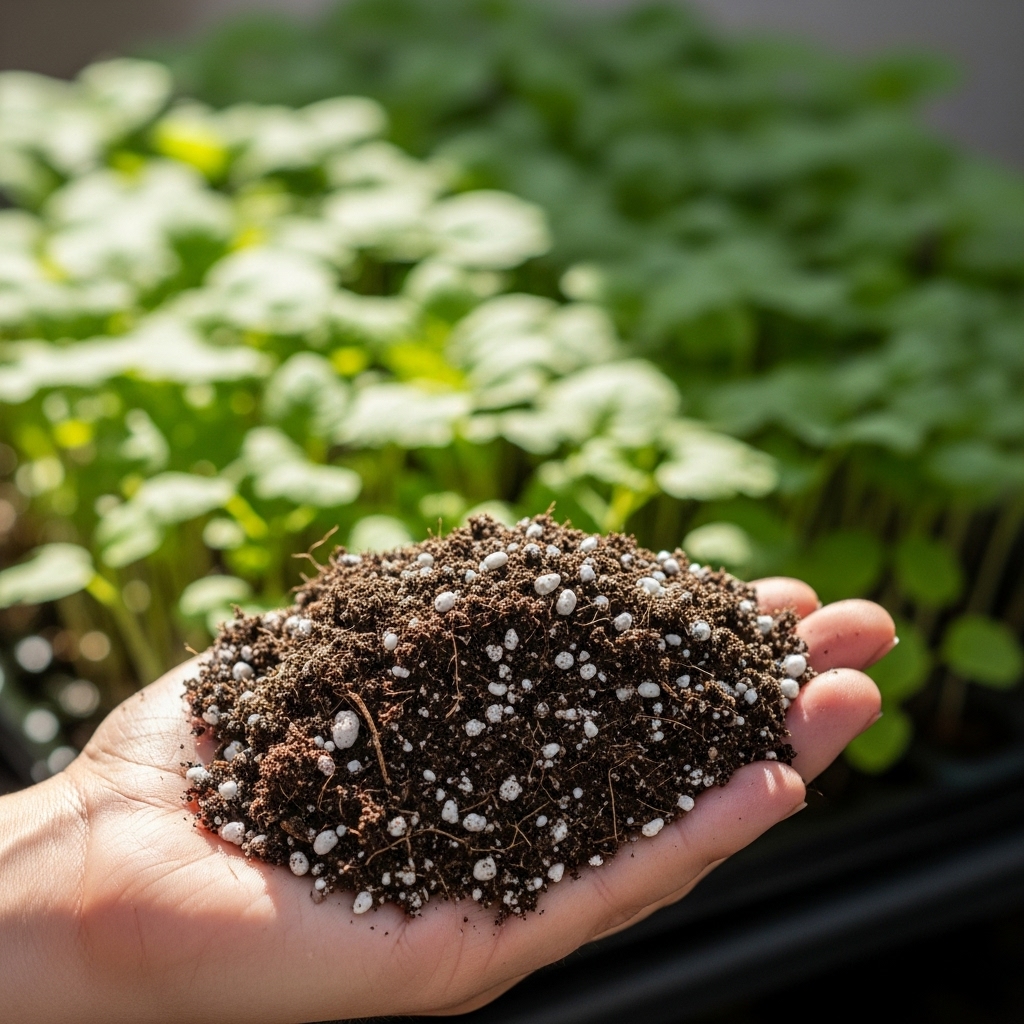
Starting with a high-quality potting mix is essential for any bucket garden. Look for organic blends that contain peat moss, compost, and perlite or vermiculite. These ingredients provide excellent drainage and retain moisture while offering nutrients to your plants. Avoid using garden soil, as it can compact in buckets and harbor pests. A good potting mix sets the foundation for healthy soil and thriving plants.
2. Incorporate Organic Matter
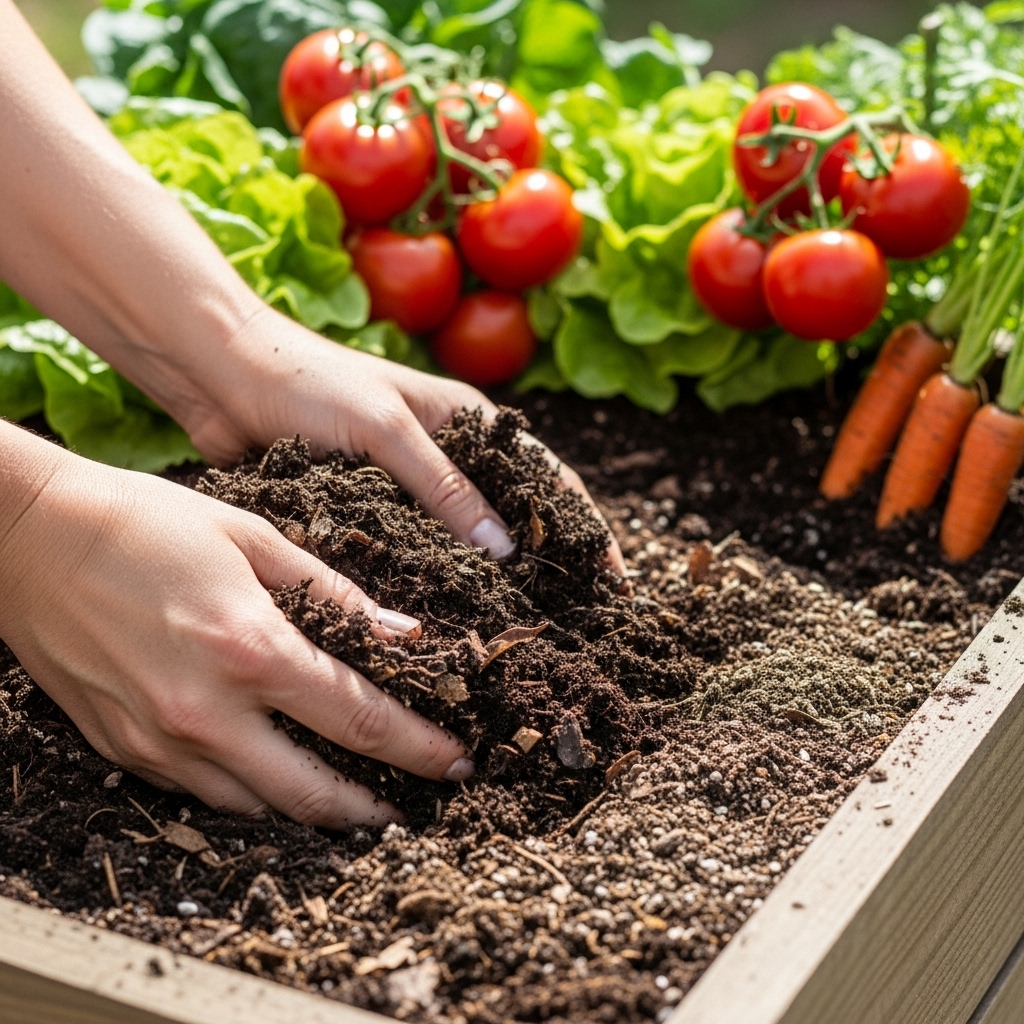
Adding organic matter like compost, worm castings, or well-rotted manure can significantly enhance soil health. These materials improve soil structure, aeration, and nutrient content, creating a rich environment for plant roots. Regularly amend your bucket soil with organic matter to promote microbial activity, which helps break down nutrients for your plants to absorb easily. This practice also improves moisture retention and reduces the need for frequent watering. Additionally, you can check out 9 Bucket Gardening Tips to Prevent Plant Diseases for more insights on maintaining healthy plants.
3. Practice Crop Rotation
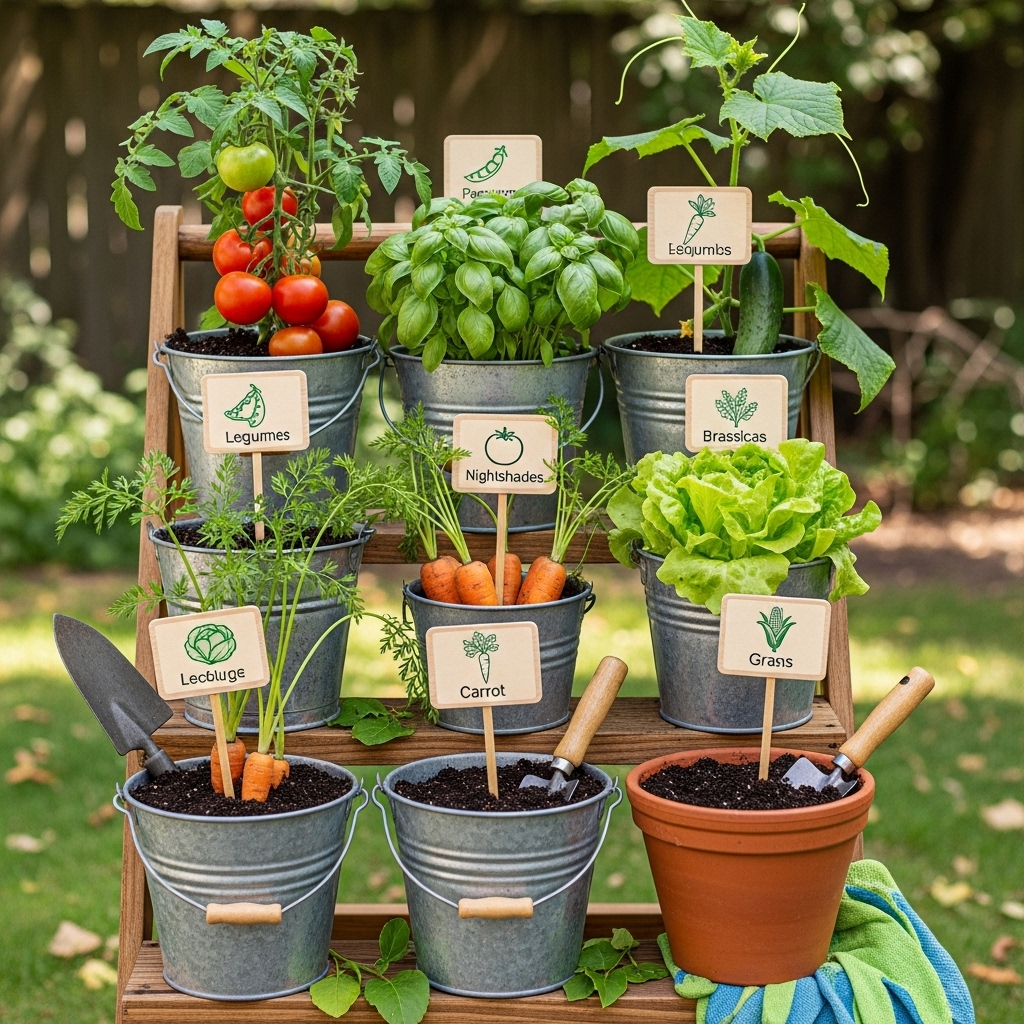
Crop rotation is a vital strategy to prevent soil depletion and reduce pest and disease buildup. By changing the types of plants you grow in each bucket each season, you allow specific nutrients to replenish in the soil. For instance, rotate heavy feeders like tomatoes with lighter crops such as lettuce or radishes. This practice not only maintains soil health but also maximizes your garden’s productivity throughout the year.
4. Mulch Your Buckets
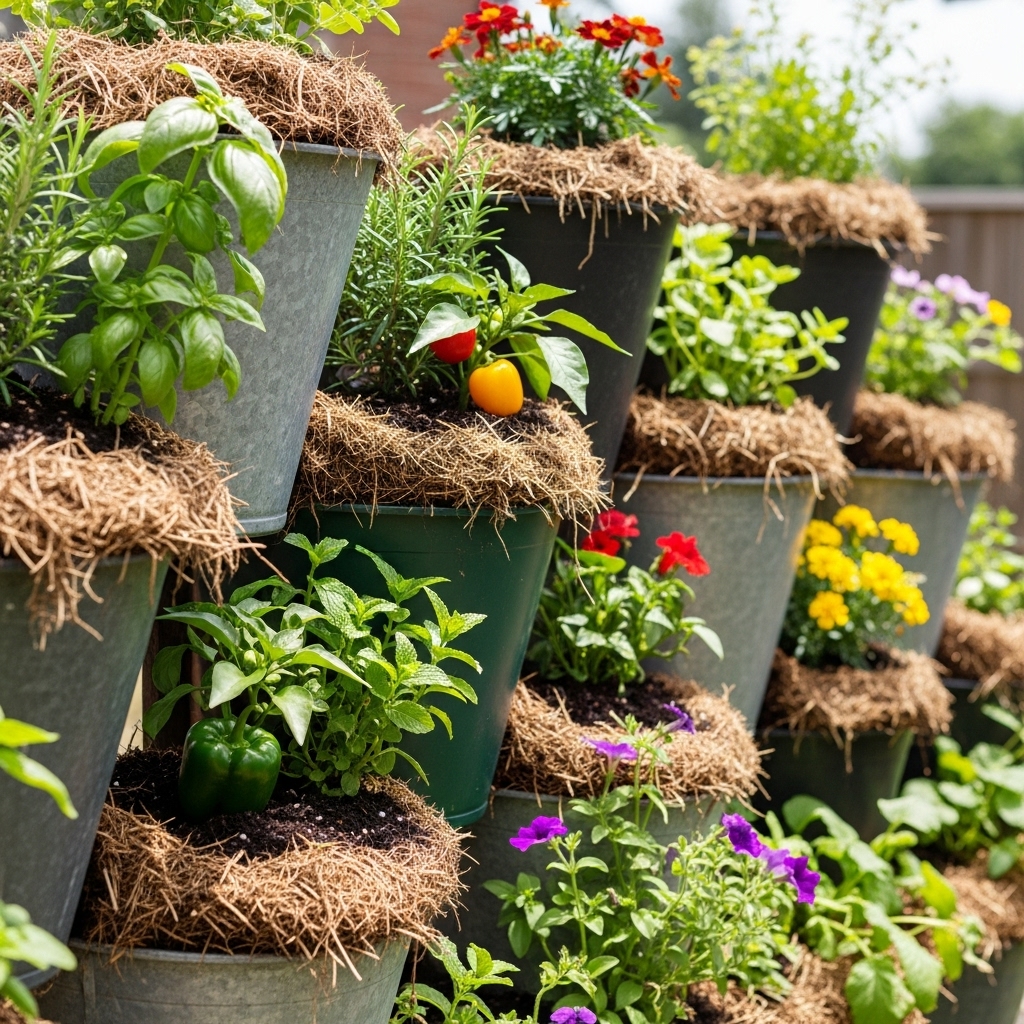
Applying a layer of mulch on top of your bucket soil can help retain moisture, suppress weeds, and regulate soil temperature. Organic mulches, such as straw, shredded leaves, or wood chips, break down over time, adding nutrients back into the soil. A thick layer of mulch (about 2-3 inches) not only benefits your plants but also improves the overall health of the soil ecosystem in your buckets.
5. Test Your Soil

Conducting a soil test is an essential step in understanding the nutrient levels and pH of your bucket soil. Many local extension services or garden centers offer testing kits. Knowing your soil’s composition allows you to make informed decisions about fertilization and amendments. Adjusting pH levels or adding specific nutrients can significantly improve plant health and yields, ensuring your gardening efforts are successful. To further enhance your results, consider implementing methods from 7 Bucket Gardening Tips for Strong Root Growth.
6. Use Cover Crops
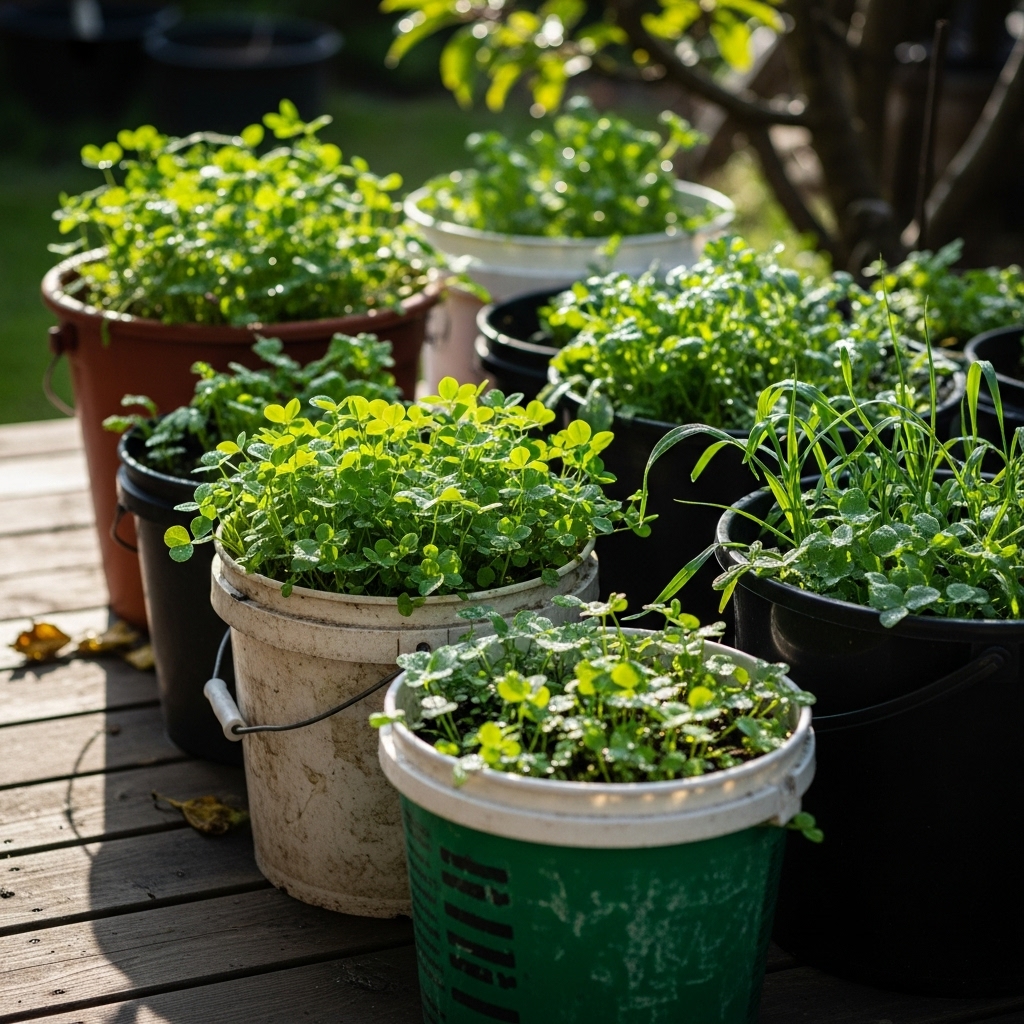
Planting cover crops in your buckets during off-seasons can enhance soil health and structure. Cover crops like clover or vetch help prevent erosion, suppress weeds, and add organic matter when tilled back into the soil. These crops also fix nitrogen, enriching the soil for future planting. Incorporating cover crops into your bucket gardening routine can lead to healthier soil and more productive gardens over time.