
Bucket gardening can be a rewarding way to grow your own plants, whether you’re short on space or simply prefer the flexibility of containers. However, like any gardening method, it comes with its own set of challenges. In this article, we’ll explore six common problems that bucket gardeners face and provide practical solutions to help you cultivate a thriving garden. Read Interesting article: 8 Benefits of Bucket Gardening for Small Apartments
Table of Contents
1. Poor Drainage
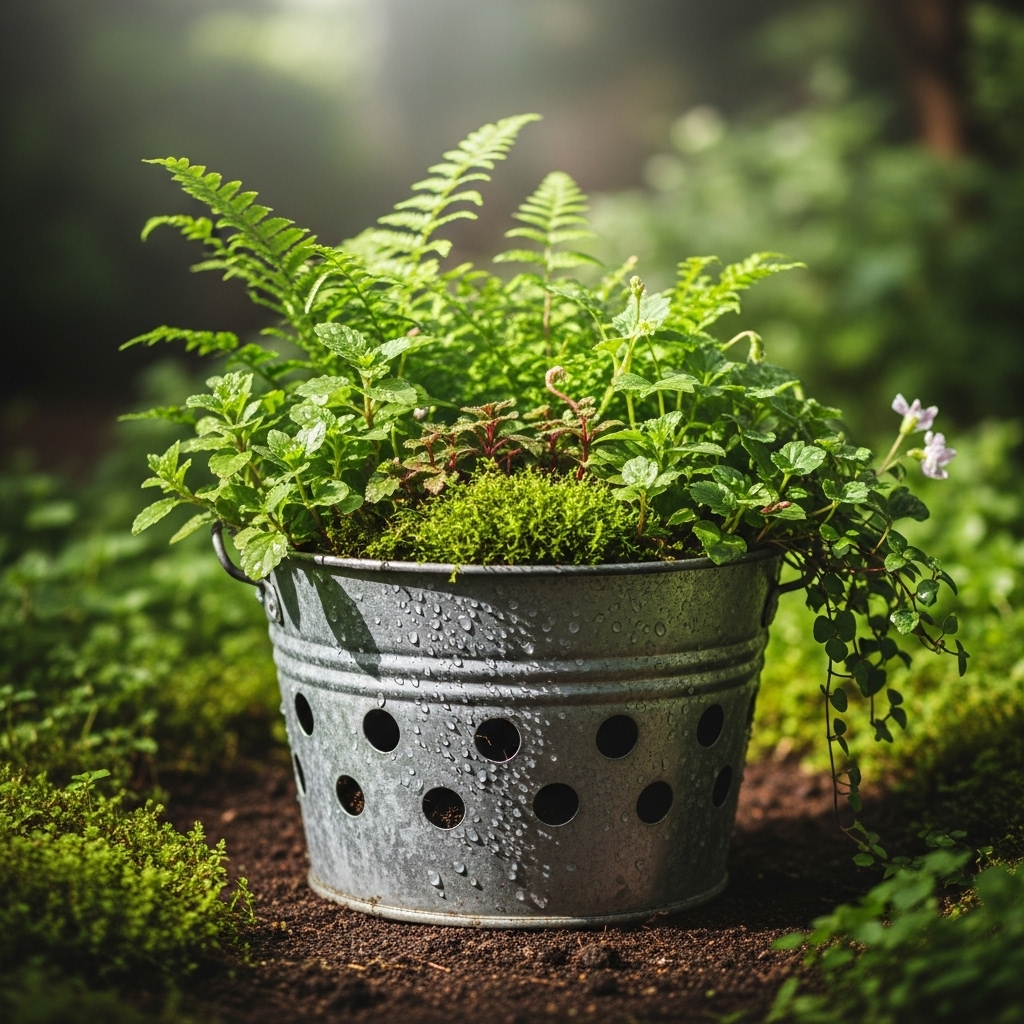
Poor drainage is a common issue in bucket gardening. If water accumulates at the bottom of your bucket, it can lead to root rot and other plant diseases. To combat this, ensure your containers have adequate drainage holes. You can also add a layer of gravel or small stones at the bottom to facilitate better water flow. Regularly check the moisture level of your soil to ensure your plants are not sitting in water.
2. Nutrient Deficiency
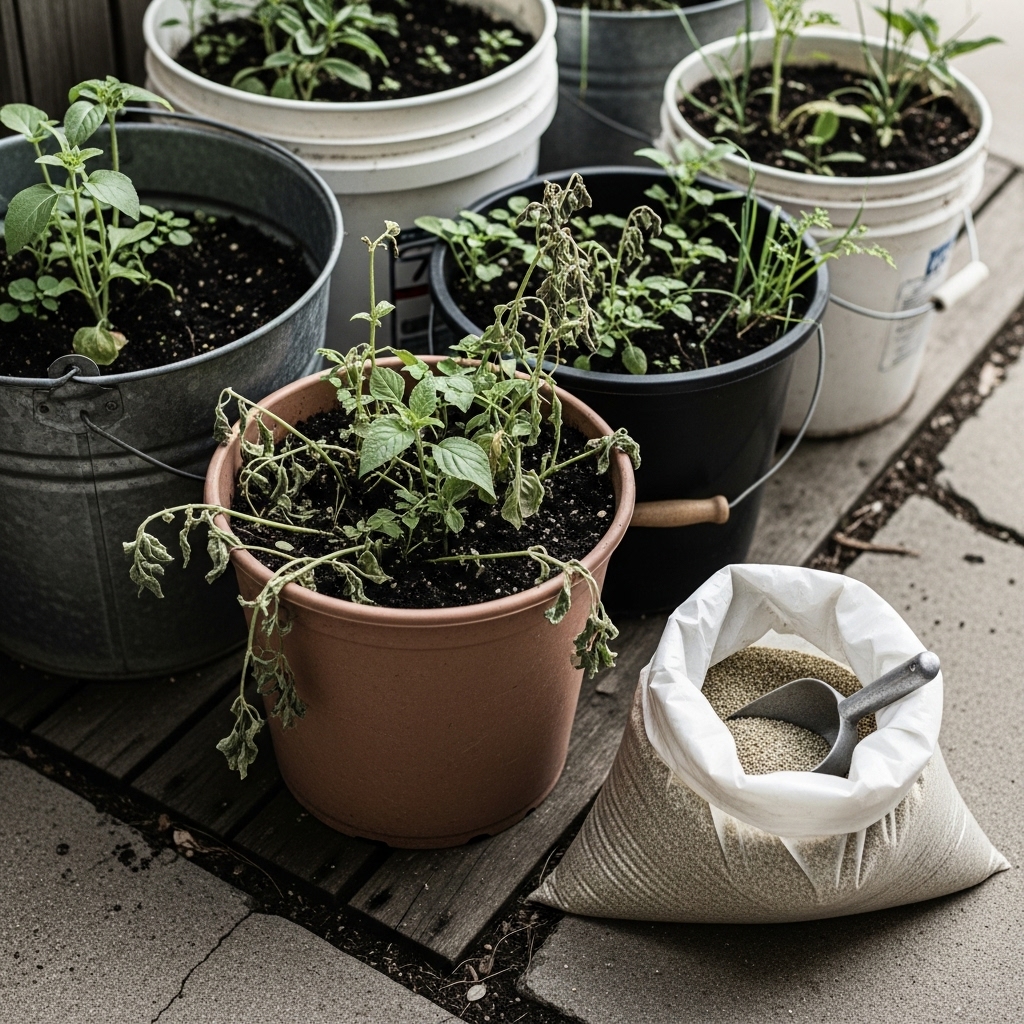
Nutrient deficiency can hinder the growth of your plants in bucket gardens, as the limited soil volume may not retain enough nutrients. To prevent this, use high-quality potting soil and consider adding slow-release fertilizers or organic compost to enrich the soil. Regularly monitor plant health and adjust your feeding schedule based on their specific needs to keep them thriving. You might also want to check out 9 Bucket Gardening Mistakes Beginners Should Avoid for more tips.
3. Pest Infestations
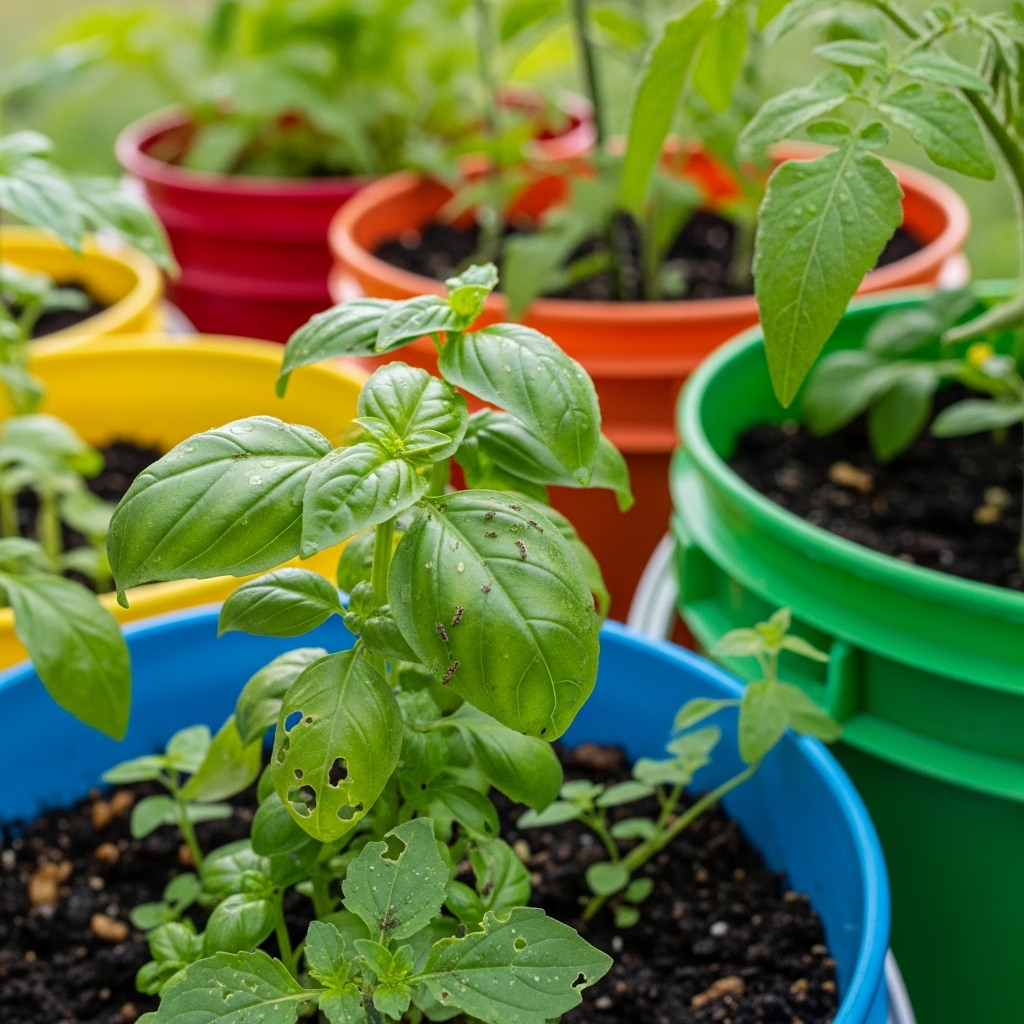
Pests can quickly become a nuisance in bucket gardens, often invading your plants and causing damage. To manage pests, regularly inspect your plants for signs of infestation, such as discolored leaves or visible bugs. Introduce natural predators like ladybugs, or use insecticidal soap as a safe treatment. Keeping your garden clean and removing any dead foliage can also deter pests.
4. Overwatering
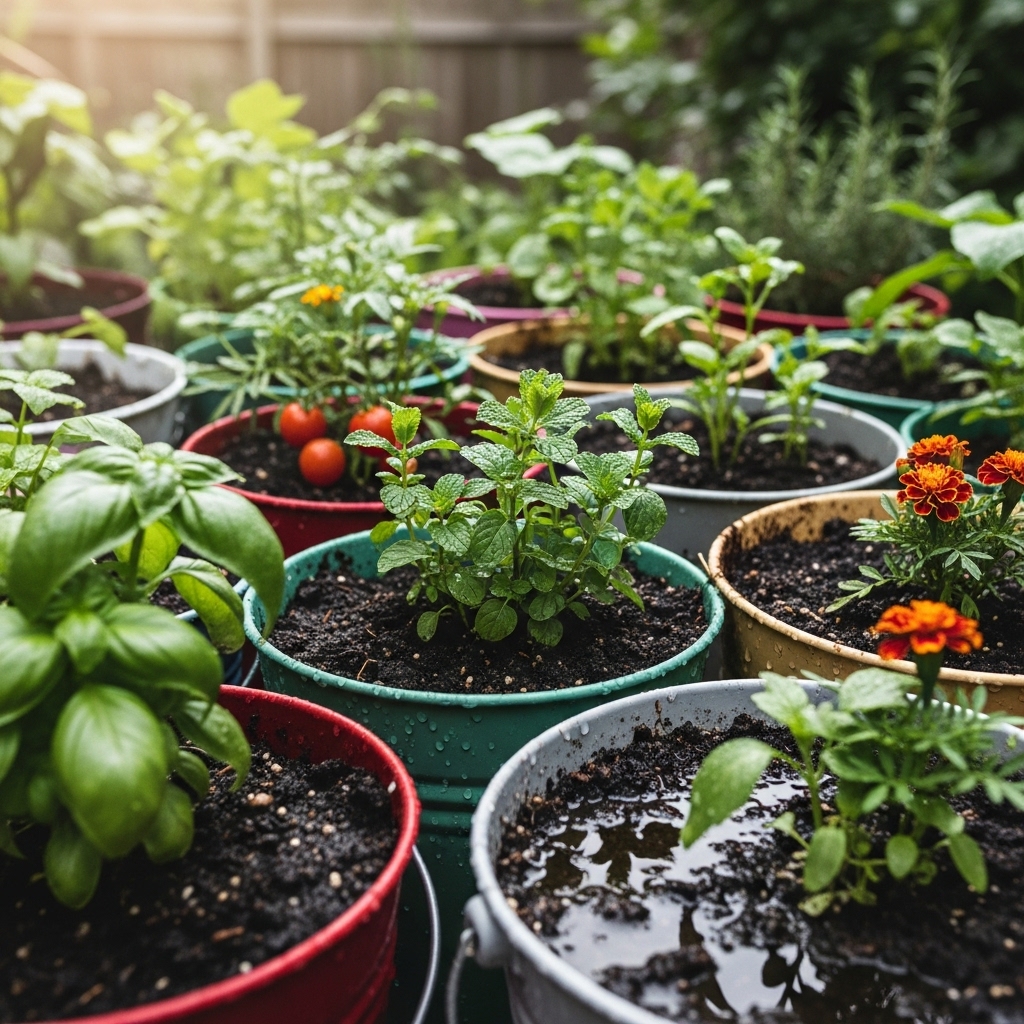
Overwatering is a frequent mistake made by beginner gardeners. In bucket gardening, it’s crucial to strike a balance between providing enough moisture and avoiding waterlogged conditions. Check the soil moisture regularly by inserting your finger about an inch deep; if it feels wet, hold off on watering. Consider using self-watering buckets that help regulate moisture levels automatically.
5. Limited Sunlight
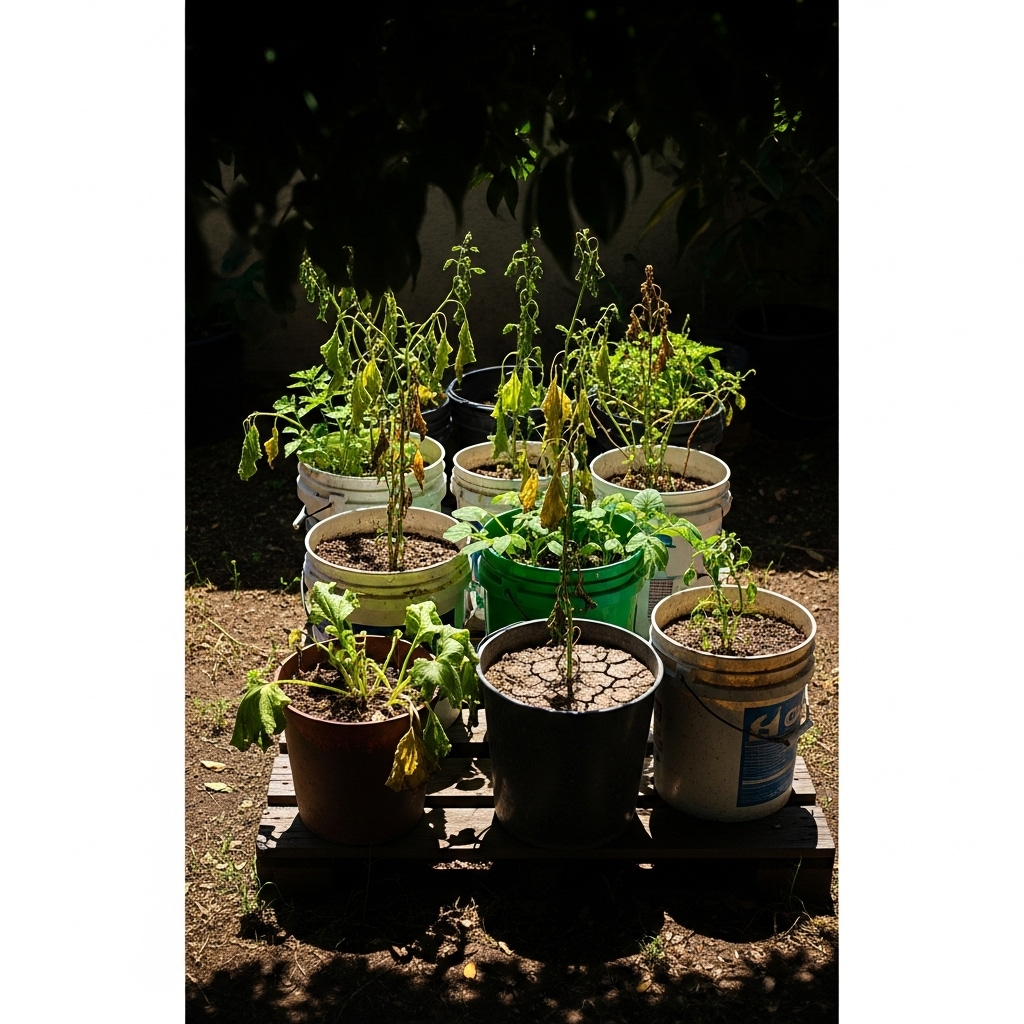
Insufficient sunlight can stunt the growth of your plants in bucket gardens. Most plants require at least 6-8 hours of direct sunlight daily to thrive. If your buckets are placed in shaded areas, consider relocating them to sunnier spots or using reflective materials to maximize light exposure. For plants that prefer partial shade, choose varieties that can withstand lower light conditions.
6. Temperature Fluctuations
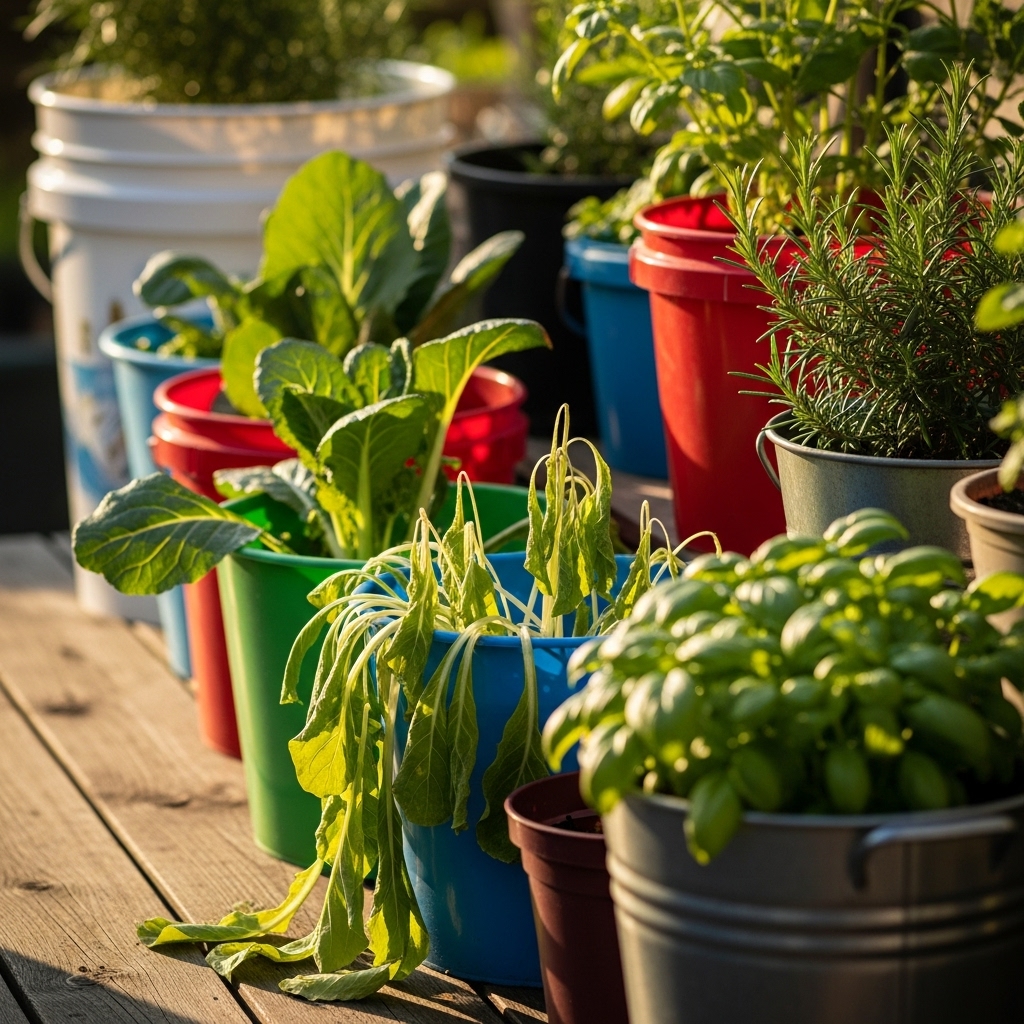
Temperature fluctuations can affect the health of your bucket garden, especially during extreme weather conditions. To protect your plants, consider placing your buckets in sheltered locations or using thermal blankets during cold spells. In hot weather, ensure adequate watering and consider using mulch to retain soil moisture. Monitoring weather forecasts can help you make timely adjustments to protect your garden. Additionally, you can Unlock the Secret to Growing Lush Lettuce in Containers in Just 7 Simple Steps! for more gardening insights.