
Monarch butterflies rely on specific environmental conditions for survival, including access to water. This guide will provide you with six actionable strategies to support monarchs in your garden, emphasizing the importance of water sources and habitat enhancement.
Understanding the Importance of Water for Monarchs
Water is essential for monarch butterflies. It supports their survival, reproduction, and migration. Let’s dive into why hydration is crucial for these beautiful creatures.
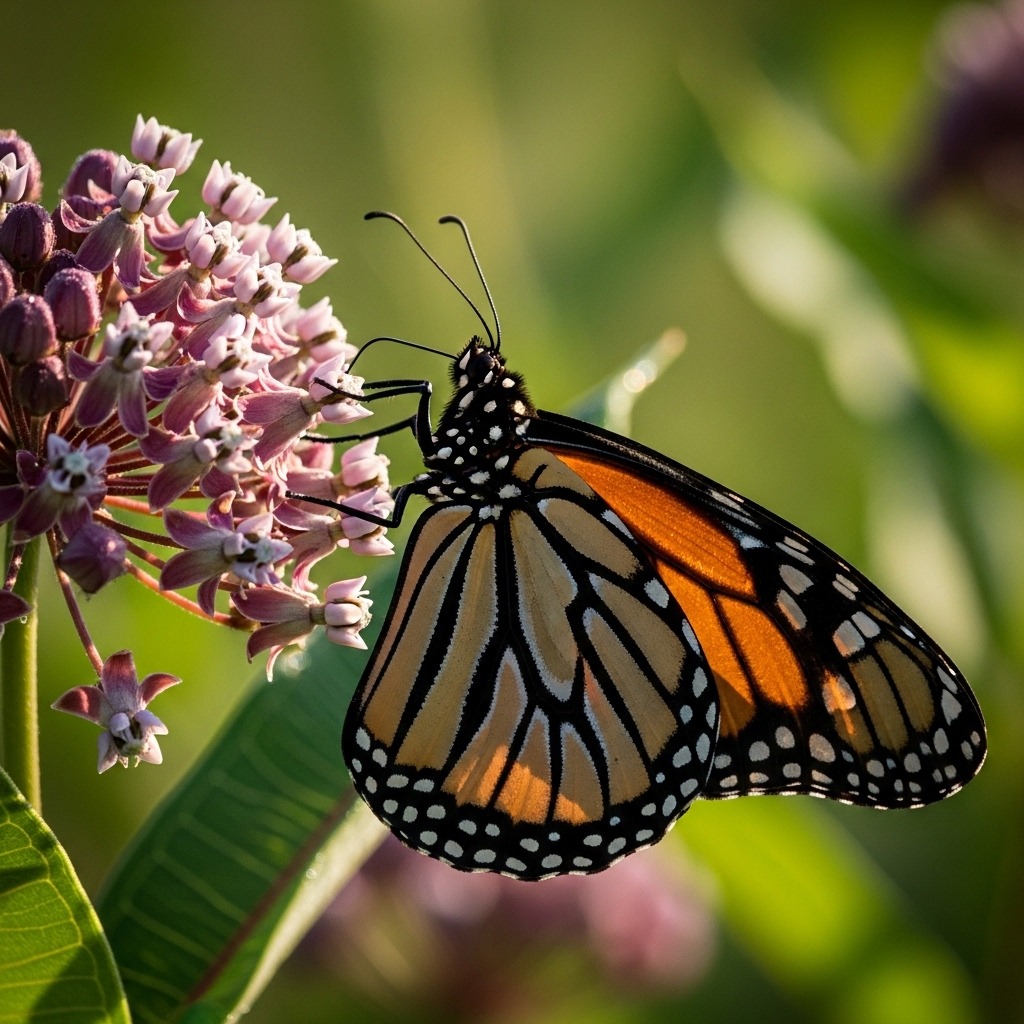
The Need for Hydration
Monarchs don’t just rely on nectar for energy. They also need water to stay hydrated. During hot days, they can lose moisture quickly. Access to fresh water helps them maintain their energy levels. This is especially important during migration when they’re traveling long distances.
- Hydration aids reproduction: Female monarchs require water for egg production. A well-hydrated female is more likely to lay healthy eggs.
- Water sources during migration: Monarchs often stop at wetland areas to drink. If these sources are scarce, it can impact their journey.
Water as a Habitat Component
Creating a welcoming environment for monarchs means including water sources in your garden. Here are some ways to do this:
- Add shallow dishes: Fill them with fresh water. Monarchs will appreciate easy access.
- Use a Butterfly Water Feeder: This specialized feeder helps provide water in a safe manner. Check Price on Amazon.
- Plant near water sources: Include plants that thrive near water to attract more butterflies.
Water plays a unique role in the life cycle of monarchs. By ensuring they have access to hydration, you can significantly boost their chances of survival and reproduction in your own backyard.
1. Creating Shallow Water Stations

Setting up shallow water stations in your garden is a simple way to help monarchs. These little spots provide safe drinking options for our fluttery friends.
Choosing the Right Container
When selecting a container for your water station, keep these tips in mind:
Table of Contents
- Shallow Dishes: Opt for shallow bowls or dishes. They should be no more than 2-3 inches deep.
- Natural Materials: Clay or ceramic works well. These materials blend nicely with the garden.
- Stable Base: Make sure the container is sturdy. It should not tip over easily.
Placement Tips for Effectiveness
Location is key for your water stations. Here are some effective placement strategies:
- Sunny Spots: Monarchs love the sun. Place your water station in a sunny area to attract them.
- Near Nectar Plants: Position your water dish close to flowering plants. This way, monarchs can easily refuel after hydrating.
- Avoid Pesticides: Ensure the area is free from chemicals. Pesticides can harm butterflies and deter them from visiting.
DIY Water Station Steps
Creating a water station is easy! Follow these steps:
1. Gather Materials: Get your shallow dish, stones, and fresh water.
2. Add Stones: Fill the dish with small stones or pebbles. This provides landing spots for monarchs and prevents them from drowning.
3. Fill with Water: Pour fresh water into the dish, covering the stones. Change the water regularly to keep it clean.
4. Monitor and Adjust: Observe the activity. If monarchs aren’t visiting, try moving the station to a different spot.
By providing these shallow water stations, you create a welcoming oasis for monarchs. It’s a small effort for big impact!
2. Selecting the Best Nectar-Rich Plants
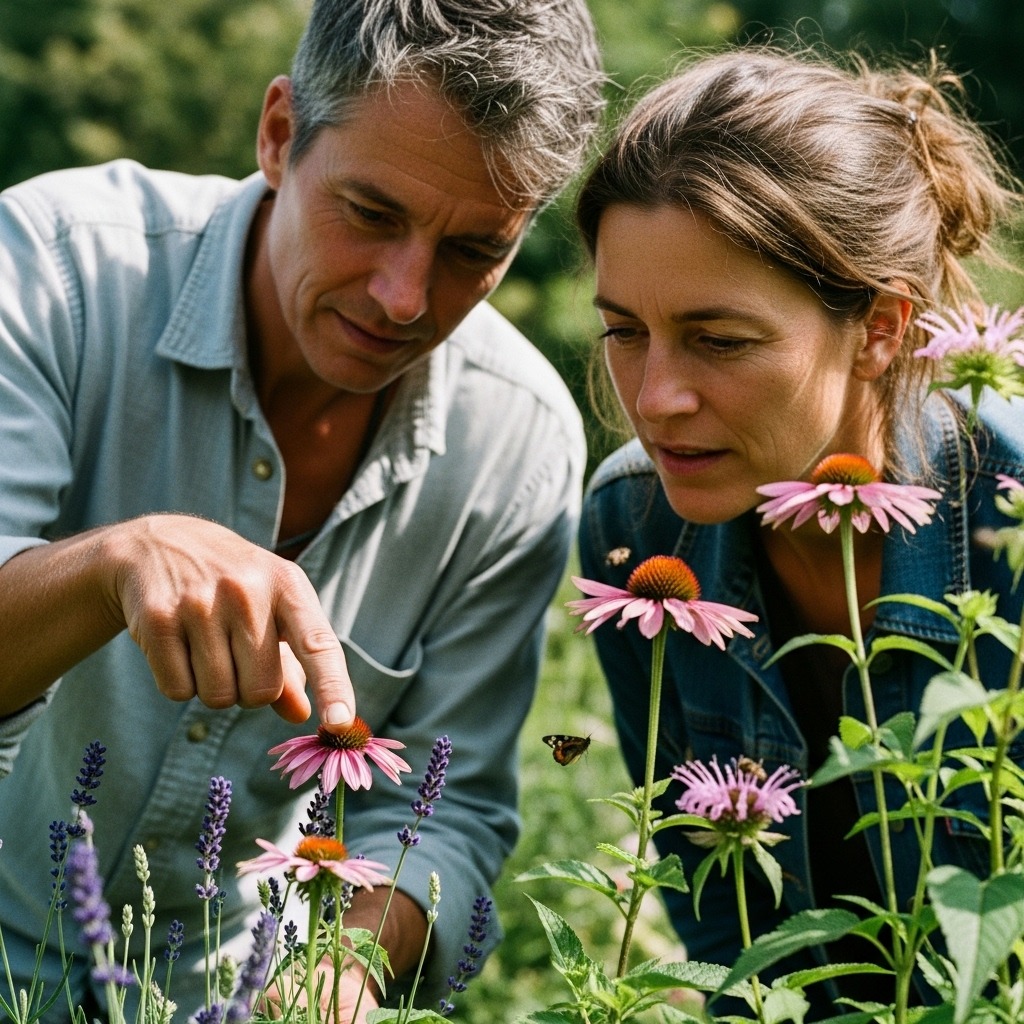
Choosing the right nectar-rich plants is essential for supporting monarch butterflies. These plants not only provide food but also create a healthy habitat for these beautiful creatures.
Top Native Nectar Plants
Here’s a list of some top nectar plants that attract monarchs. These native species bloom at different times throughout the growing season, ensuring a continuous food source.
- Milkweed (Asclepias spp.): The go-to plant for monarchs. It’s crucial for their larvae and provides nectar for adults.
- Butterfly Bush (Buddleja): Blooms from summer to fall, offering plenty of nectar.
- Coneflower (Echinacea): This hardy plant blooms in mid-summer and is a favorite among butterflies.
- Black-eyed Susan (Rudbeckia): Bright and cheerful, it blooms from early summer to fall.
- Purple Loosestrife (Lythrum salicaria): A late-blooming option that can help during fall migrations.
Seasonal Planting Guide
Planting for monarchs requires some timing. Here’s a simple guide to help you choose plants based on bloom times:
| Plant Name | Bloom Time | Monarch Benefit |
|---|---|---|
| Milkweed | Late Spring | Essential for larvae |
| Coneflower | Summer | Nectar source for adults |
| Black-eyed Susan | Summer to Fall | Continuous nectar supply |
| Butterfly Bush | Summer to Fall | Attracts monarchs in late summer |
| Asters | Fall | Important for migrating monarchs |
By incorporating a variety of these plants, you can create an inviting garden for monarchs.
Watering Techniques for Nectar Plants
Proper watering is crucial for healthy nectar plants. Here are some tips:
- Deep Watering: Water plants deeply but less frequently. This encourages deep root growth.
- Mulching: Use organic mulch to retain moisture and keep weeds down.
- Monitor: Regularly check the soil moisture. Adjust your watering schedule based on rainfall.
For an added touch, consider using a Butterfly Water Feeder to provide a safe and clean water source for visiting butterflies. It’s a simple addition that makes a big difference!
By selecting the right nectar plants and using effective watering techniques, you’ll support monarchs throughout their life cycle.
3. Incorporating Milkweed for Monarch Reproduction
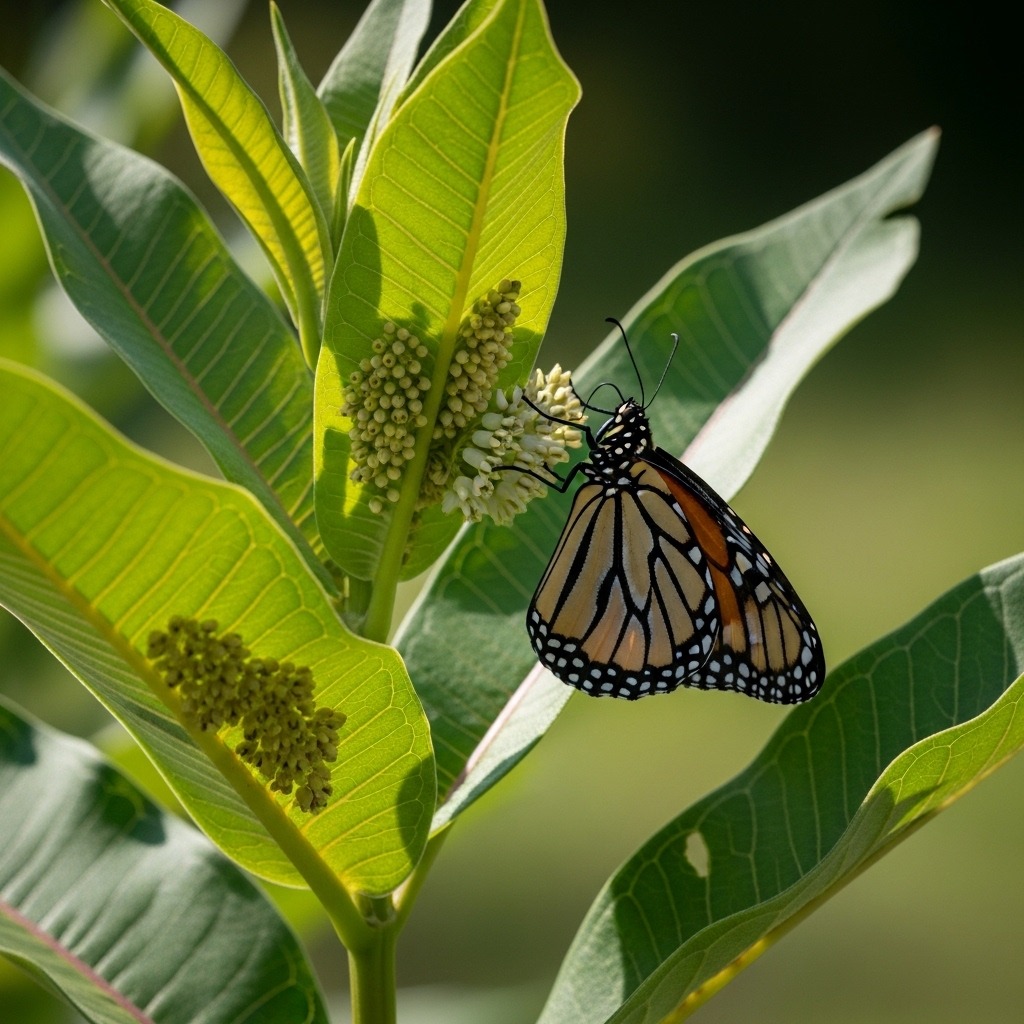
Milkweed is the lifeblood of monarch butterflies. Without it, they simply cannot thrive. Let’s dive into why it’s essential and how to incorporate it into your garden.
Benefits of Milkweed
Milkweed serves multiple roles in the life of a monarch:
- Host Plant: Monarchs lay their eggs exclusively on milkweed. The caterpillars feed on its leaves, making it crucial for their development.
- Nectar Source: Adult monarchs feast on milkweed flowers, drawing energy for their long migrations.
- Natural Protection: Milkweed contains toxins that deter predators, helping monarchs survive in the wild.
Choosing the Right Species for Your Area
Not all milkweed is created equal! Different regions have specific milkweed species that work best for local monarch populations. Here’s a quick guide:
| Region | Recommended Milkweed Species |
|---|---|
| Northeast | Common Milkweed (Asclepias Syriaca) |
| Southeast | Swamp Milkweed (Asclepias Incarnata) |
| West Coast | Showy Milkweed (Asclepias Speciosa) |
| Southern U.S. | Tropical Milkweed (Asclepias Curassavica) – use with caution! |
Tip: Always check local recommendations for milkweed varieties that thrive in your specific area. This helps ensure a successful planting!
Watering Techniques for Milkweed
Proper watering is key for healthy milkweed plants. Here are some best practices:
- Deep Watering: Water deeply but less often. This encourages strong, deep roots.
- Soil Check: Regularly monitor the soil. Adjust your watering based on rainfall.
- Use Mulch: Apply organic mulch to retain moisture and prevent weeds.
Integrating milkweed into your garden not only supports monarch reproduction but creates a vibrant and beautiful space.
4. Reducing Pesticide Use in Your Garden
Pesticides can be harmful to monarch butterflies. They not only kill pests but also pose serious risks to these beautiful creatures. Let’s explore the impact of pesticides and discover some eco-friendly gardening practices to protect our monarchs.
Understanding Pesticide Risks
Pesticides can disrupt the delicate balance of your garden. They may kill not just the intended pests but also beneficial insects, including monarchs. Here are some key points to consider:
- Direct Harm: Pesticides can poison butterflies and caterpillars, reducing their chances of survival.
- Food Source Decline: By killing off nectar plants, they limit the food sources monarchs rely on during migration and breeding.
- Ecosystem Imbalance: A pesticide-laden garden can lead to fewer pollinators overall, affecting plant health and biodiversity.
Eco-Friendly Alternatives
Switching to organic methods can help sustain a healthy garden for monarchs. Here are some effective alternatives to harmful chemicals:
- Neem Oil: This natural pesticide repels insects without harming butterflies.
- Diatomaceous Earth: A powdery substance that targets soft-bodied pests while being safe for monarchs.
- Companion Planting: Pairing plants that repel pests with those that attract butterflies can create a balanced ecosystem.
Checklist for Eco-Friendly Gardening
- Choose Native Plants: Native plants often resist pests better and provide food for monarchs.
- Regularly Monitor: Check plants for pests and address issues early.
- Encourage Predators: Attract birds and beneficial insects that will naturally control pest populations.
Making these simple changes can create a safe haven for monarchs and other pollinators in your garden. Remember, every little effort counts!
5. Engaging the Community in Monarch Conservation
Community involvement is key to supporting monarch butterflies. When people come together, they can create stronger habitats and raise awareness about the importance of these beautiful insects. Let’s dive into some effective ways to mobilize community efforts!
Starting Local Initiatives
Starting a local initiative is easier than you might think! Here are some steps to get your community involved:
- Host Workshops: Organize events to educate others about monarchs and the plants they need. Share tips on planting milkweed and nectar flowers.
- Create Monarch Gardens: Encourage neighbors to plant butterfly-friendly gardens. You can even set up a community garden dedicated to supporting monarchs.
- Share Resources: Distribute flyers or use social media to share information on local resources for planting and maintaining monarch habitats.
Example: Community Monarch Garden
In a small town, residents came together to create a butterfly garden in a local park. They planted native milkweed and nectar plants. The garden quickly became a haven for monarchs and a beautiful spot for community gatherings. This initiative not only helped monarchs but also strengthened community ties!
Collaborating with Schools and Organizations
Engaging schools and organizations can amplify your efforts. Here’s how to get started:
- Educational Programs: Partner with schools to develop programs that teach kids about monarchs and their life cycle. Projects can include butterfly monitoring or creating butterfly-friendly spaces.
- Involve Local Groups: Collaborate with local organizations like gardening clubs or environmental groups. They can help spread the word and provide additional resources.
- Citizen Science Projects: Encourage community members to participate in citizen science. Tracking monarch populations can provide valuable data while getting everyone involved.
Example: School Butterfly Project
A local school teamed up with a gardening club to create a butterfly garden on campus. Students planted flowers, learned about monarchs, and took part in tracking their visits. The project not only beautified the school but also instilled a sense of responsibility in the students for local wildlife.
Checklist for Community Engagement
- Identify Key Stakeholders: Find local groups or individuals passionate about conservation.
- Plan Events: Schedule regular meetings or events to keep the momentum going.
- Promote Success Stories: Share the impact of your efforts to inspire others.
By pooling resources and knowledge, communities can significantly enhance monarch conservation. Together, you can create safe havens for these incredible butterflies while fostering a love for nature in your neighborhood.
Frequently Asked Questions
These quick answers cover the most common questions about this topic, including key details, practical tips, and common concerns.
How to give a monarch butterfly water?
Monarchs need shallow, safe water sources. Use shallow dishes no more than 2-3 inches deep. Add small stones or pebbles to the dish to give monarchs a landing spot and prevent drowning. Fill with fresh water and place in sunny, sheltered areas near nectar plants. Change the water regularly to keep it clean and appealing to butterflies.
Will sugar water help a butterfly?
Sugar water is generally not recommended for butterflies. While it can provide quick energy, it can also cause harm if not prepared properly. Instead, focus on planting nectar-rich flowers and providing natural water sources. If you do use sugar water, dilute it heavily (about 1 part sugar to 10 parts water) and offer it in a shallow dish with stones for landing.
How to support monarchs?
Support monarchs by planting native milkweed and nectar plants in your garden. Reduce or eliminate pesticide use to protect their habitat. Create shallow water stations for hydration. Educate others about monarch conservation and participate in local citizen science projects. Engaging children and schools in planting and monitoring can amplify your impact.
What is the best mixture for monarchs?
The best mixture for providing water to monarchs is plain, fresh water in shallow dishes with small stones or pebbles. For nectar, plant a variety of native flowering plants like milkweed, coneflowers, and black-eyed Susans that bloom at different times. Avoid using sugar water or chemical-laden products, as these can harm butterflies.
What plants are best for attracting monarchs?
Native milkweed species are essential for attracting and supporting monarch reproduction. Other good nectar plants include butterfly bush, coneflowers, black-eyed Susans, and asters. These plants bloom at different times, providing continuous food sources during migration and breeding seasons.
How can schools get involved in monarch conservation?
Schools can create butterfly gardens with native milkweed and nectar plants. Incorporate lessons on monarch life cycles, pollinators, and habitat preservation. Organize student-led monitoring projects and participate in citizen science efforts. Engaging children fosters environmental awareness and helps build a community of conservation advocates.
What are the threats to monarch populations?
Major threats include habitat loss due to agriculture and urban development, pesticide use, climate change, and the decline of milkweed plants. These factors reduce breeding and migration habitats, leading to population declines. Protecting and restoring native habitats is critical for their survival.
How can I participate in citizen science for monarchs?
Join local or national monarch monitoring programs. Record sightings of monarchs, their migration timing, and breeding sites. Use apps or online platforms to share data. Your observations contribute to scientific research and help inform conservation strategies.
What should readers know about detailed information on climate change effects?
Climate change impacts monarchs by altering migration patterns, flowering times, and milkweed availability. Warmer temperatures can lead to habitat shifts and increased extreme weather events, which threaten monarch survival. Staying informed about these changes helps tailor conservation efforts to evolving conditions.
What should readers know about specific local plant species for habitat creation?
Planting region-specific native milkweed and nectar plants ensures better growth and support for local monarch populations. Consult local gardening resources or native plant guides to choose species adapted to your climate and soil conditions. This targeted approach enhances habitat resilience and effectiveness.