
Understanding the behaviors of monarch butterflies is crucial for their conservation and survival. This guide explores six essential behaviors that define their lives, including feeding, mating, and migration, providing insights into their fascinating world and the challenges they face.
Table of Contents
Understanding Nectaring: The Feeding Behavior of Monarchs
Nectaring is a vital behavior for monarch butterflies. This is how they fuel their incredible journeys and sustain their lives. Let’s dive into how they feed and why it matters.
What is Nectaring?
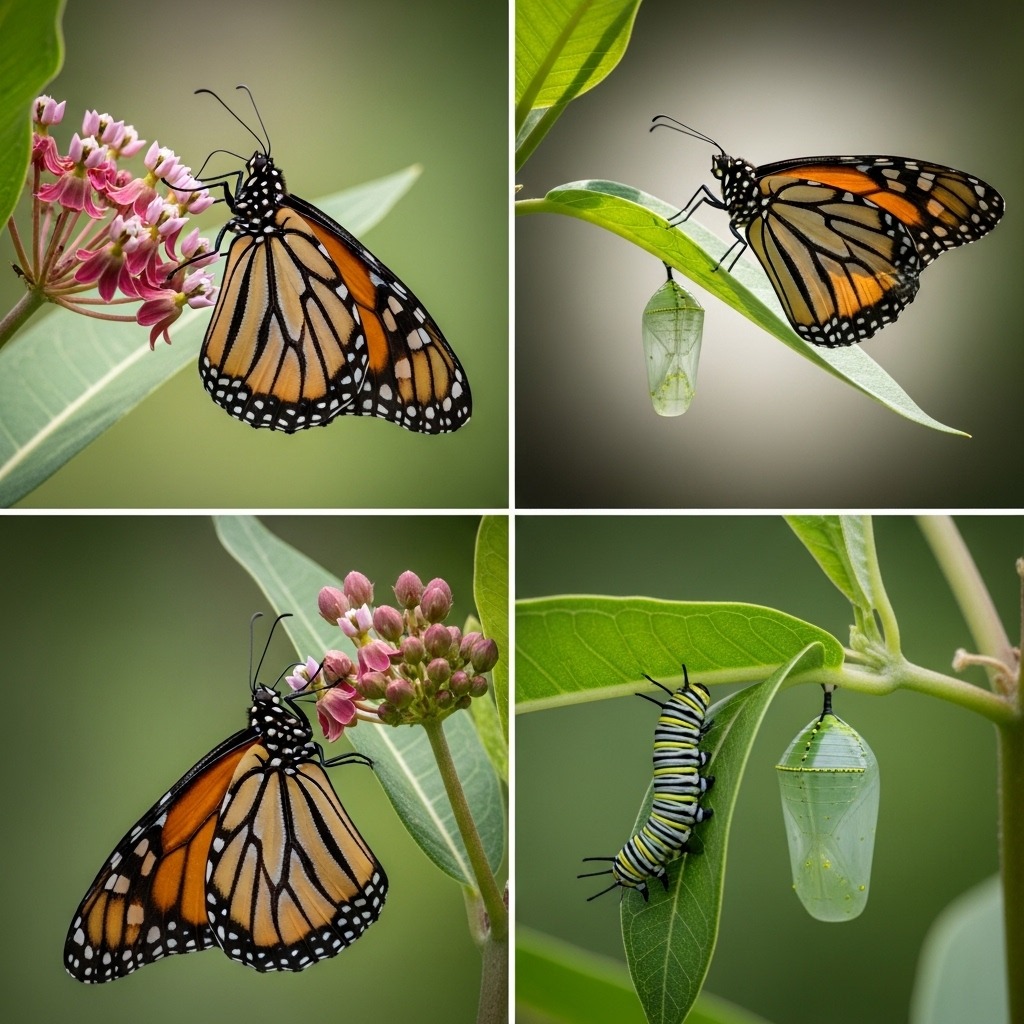
Nectaring is the act of feeding on nectar from flowers. Monarchs are particularly drawn to a variety of blooms. They use their long proboscis to reach deep into flowers and sip the sweet liquid. This nectar is packed with sugars, giving them the energy they need to fly and thrive.
Why is Nectaring Vital?
Nectaring isn’t just about food; it’s about survival. Here’s why it’s crucial:
- Energy Source: Nectar provides the calories they need for long migrations.
- Pollination: As they feed, monarchs help pollinate flowers, supporting plant reproduction.
- Reproductive Health: A diet rich in nectar supports the overall health of monarchs, impacting their ability to reproduce.
Examples of Preferred Nectar Sources
Monarchs are not picky eaters when it comes to nectar. Here are some of their favorites:
- Milkweed: Essential for reproduction, also provides nectar.
- Zinnias: Bright and attractive, these flowers are a nectar hotspot.
- Goldenrod: A fall favorite, perfect for refueling before migration.
The Role of Milkweed in Their Diet
While monarchs feed on various flowers for nectar, milkweed holds a special place in their lifecycle. Monarch caterpillars exclusively munch on milkweed leaves. This plant is crucial for their survival for several reasons:
- Chemical Defense: Milkweed contains toxins that caterpillars absorb, making them unpalatable to predators. This toxicity carries on to adult monarchs, helping them avoid being eaten.
- Reproductive Needs: Female monarchs lay their eggs on milkweed, ensuring that their young have the right food source when they hatch.
Impact of Nectar Availability on Monarch Populations
The availability of nectar sources can significantly affect monarch populations. If flowers bloom too early or too late due to climate changes, it can disrupt feeding patterns. This mismatch can lead to:
- Weakening Migratory Patterns: Monarchs may struggle to find enough food during long migrations.
- Reduced Reproduction Rates: Lack of energy can affect their ability to reproduce successfully.
By understanding these behaviors, we can take steps to support monarch conservation. Planting native nectar sources and preserving milkweed habitats are great ways to help these beautiful butterflies thrive.
The Significance of Basking for Monarchs

Basking is a crucial behavior for monarch butterflies. It helps them regulate their body temperature and prepare for flight. Let’s dive deeper into this fascinating behavior.
What is Basking?
Basking is when monarchs spread their wings to soak up the sun’s warmth. They often position themselves in sunny spots, especially on cool mornings. This helps raise their body temperature, which is vital for muscle function. Monarchs are ectothermic, meaning they can’t generate their own heat like mammals do.
How Basking Affects Survival
Basking plays a key role in the survival of monarchs. Here’s how:
- Temperature Regulation: Monarchs need their flight muscles to reach about 55 to 60 degrees Fahrenheit to take off. Without basking, they may struggle to fly, especially in cooler weather.
- Energy Conservation: By basking, monarchs conserve energy. They can warm up quickly and get ready for migration or foraging.
- Flight Readiness: Proper body temperature ensures they are agile and ready to escape predators or navigate during migration.
Locations Monarchs Prefer for Basking
Monarchs tend to favor specific locations for basking. Here are some popular spots:
- Open Fields: They often bask on flowers or leaves in sunny meadows.
- Tree Trunks: During migration, you might find them on the sunny side of tree trunks.
- Overwintering Sites: In Mexico, they cluster on tree branches to benefit from collective warmth.
Environmental Factors Influencing Basking
Basking habits can be affected by climate change. Here are some risks:
- Temperature Fluctuations: Unpredictable temperature changes can disrupt their basking routine.
- Habitat Loss: Loss of sunny basking spots due to urbanization or deforestation can impact their ability to regulate temperature.
By understanding basking, we can appreciate its importance in the life of monarch butterflies. Supporting their habitats ensures they have the sunny spots they need for this vital behavior.
Puddling: A Unique Behavior of Monarchs

Puddling is a fascinating behavior that monarch butterflies display to absorb essential nutrients. This unique action helps them thrive, especially during migration.
What is Puddling?
Puddling is when monarchs land on damp soil or mud to drink and gather nutrients. They often do this near puddles, wet sand, or moist ground. This behavior is crucial for their survival, as it allows them to collect salts and minerals that are hard to find elsewhere.
Nutrients Monarchs Obtain from Puddling
During puddling, monarchs primarily seek out:
- Salts: Essential for reproduction and overall health.
- Minerals: Help in muscle function and energy production.
- Amino acids: Important for growth and development.
These nutrients are vital, especially for females preparing to lay eggs.
Common Puddling Locations
Monarchs often choose specific spots for puddling. Here are some common locations:
- Near streams: Moist areas provide a rich source of nutrients.
- Sandy soil: Soft, damp soil is perfect for gathering minerals.
- Rain-soaked fields: After rainfall, butterflies flock to these areas.
Impact of Habitat Loss on Puddling Sites
Urban development can severely affect puddling locations. As natural habitats shrink, monarchs lose access to vital puddling sites. Without these areas, their ability to gather essential nutrients diminishes, impacting their health and survival.
For example, a study might show that in areas where urbanization has increased, monarch populations have declined. This highlights the importance of preserving natural landscapes for these butterflies.
By creating and maintaining gardens with moist areas, you can support monarchs in their critical puddling behavior. Consider adding features like small ponds or wet soil patches to attract these beautiful insects.
Mating Rituals: How Monarchs Reproduce
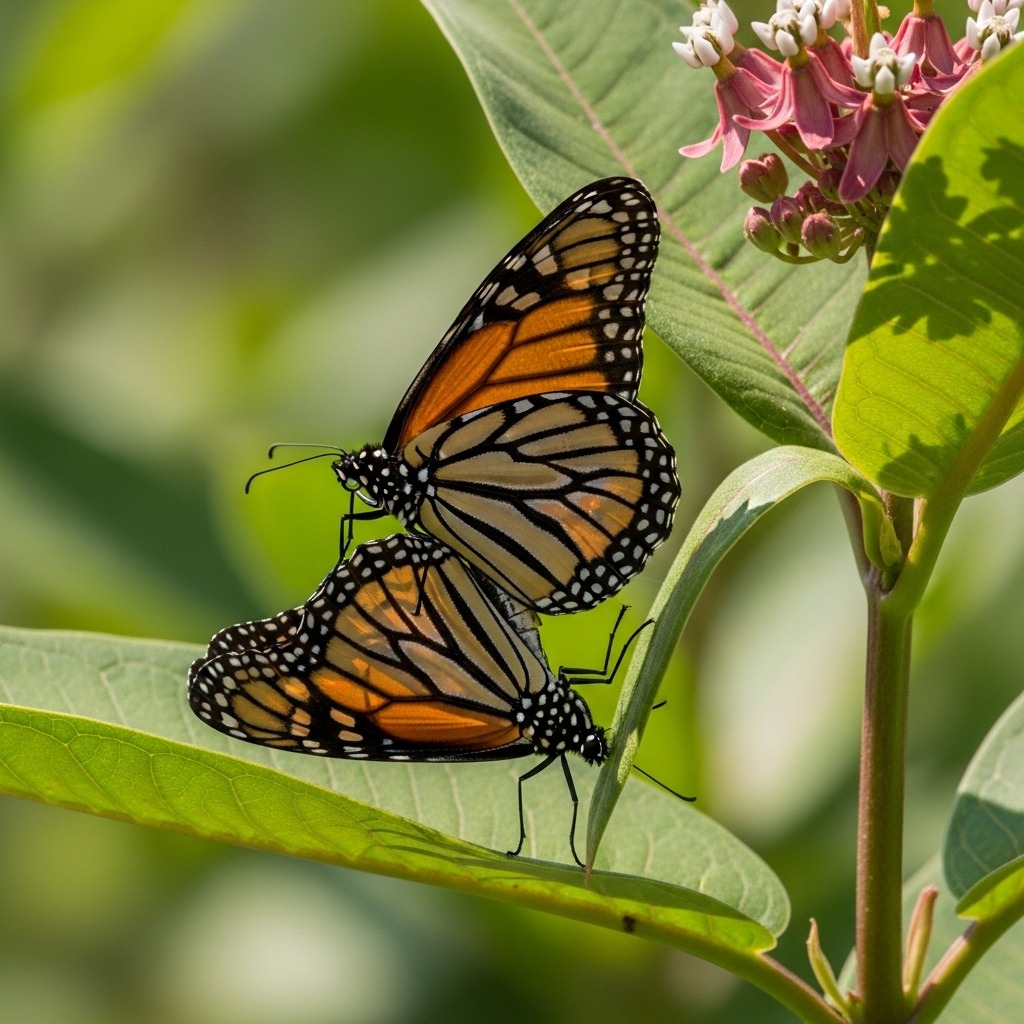
Monarch butterflies have some intriguing mating behaviors that play a vital role in their survival. Understanding these rituals can help us appreciate their delicate lifecycle and the challenges they face. Let’s dive into the fascinating world of monarch reproduction.
Courtship Displays of Male Monarchs
Male monarchs are quite the performers when it comes to attracting females. They engage in aerial displays, showcasing their agility and strength. These displays can include:
- Dancing flights: Males flutter and dive to impress potential mates.
- Chasing: They often chase each other, showing off their stamina.
These courtship behaviors are essential. They help males stand out and increase their chances of mating successfully.
Egg Laying and Milkweed Selection
After a male wins over a female, it’s time for her to lay eggs. Monarchs prefer to lay their eggs on milkweed plants. This is crucial because:
- Milkweed is the only food source for caterpillars: The young monarchs rely on it for survival.
- Females can lay hundreds of eggs: They often choose the healthiest milkweed to ensure their offspring thrive.
For instance, a female may lay her eggs on a robust milkweed patch, ensuring her caterpillars have plenty to munch on when they hatch.
The Role of Pheromones in Mating
Pheromones are nature’s way of facilitating communication among monarchs. Males release these chemical signals to attract females. Here’s how it works:
- Attraction: Pheromones draw females to males during mating season.
- Mating success: Stronger pheromone scents often lead to more mating opportunities.
Environmental stressors like pollution can affect pheromone production. This could impact mating success, making it harder for monarchs to reproduce.
Factors Affecting Mating Success
Several factors can influence how well monarchs mate:
- Habitat loss: Urbanization and agricultural expansion reduce available milkweed and breeding sites.
- Climate change: Fluctuating temperatures can disrupt the timing of their reproductive cycles.
- Pollution: Chemicals can interfere with pheromone signaling, making it harder for males and females to connect.
By understanding these factors, we can better support conservation efforts focused on protecting monarch habitats.
Migration: The Monarchs’ Incredible Journey
Monarch butterflies embark on one of the most remarkable migrations in the animal kingdom. Each year, they travel up to 3,000 miles from the U.S. and Canada to their wintering grounds in Mexico. But this journey is not without its challenges.
What Triggers Monarch Migration?
Several factors stimulate monarch migration. As days shorten and temperatures drop, monarchs feel the urge to move. They rely on:
- Environmental cues: Changes in sunlight and temperature signal it’s time to go.
- Internal clock: Monarchs use a circadian rhythm to help navigate their route.
This innate behavior ensures they reach warmer climates before winter hits.
Challenges During Migration
The journey is fraught with dangers. Monarchs face numerous hurdles along the way:
- Weather conditions: Storms and high winds can disrupt their flight.
- Habitat loss: Urban development and agriculture reduce food sources and resting spots.
- Predators: Birds and other animals prey on tired or weakened monarchs.
Despite these challenges, monarchs can fly 50 to 100 miles a day when conditions are right. This remarkable endurance is key to their survival.
Impact of Climate Change on Migration Routes
Climate change is reshaping the migration landscape for monarchs. Here’s how:
- Temperature fluctuations: Unpredictable weather can disrupt their timing, leading to mismatches with available food sources.
- Extreme weather events: Droughts and storms may destroy milkweed habitats, crucial for their lifecycle.
- Changing routes: As climates shift, monarchs may alter their traditional paths, leading to new challenges.
Studies show that over the past decades, migration distances have varied due to these environmental changes. Effective conservation strategies must address these risks to help monarchs thrive.
To support monarchs, consider creating butterfly-friendly gardens with milkweed and nectar plants. Every small step counts in helping these incredible butterflies continue their journey!
Conservation Strategies: Supporting Monarch Behaviors
Monarch butterflies face numerous challenges, but you can play a part in their conservation. Here are some practical actions to support their essential behaviors.
Creating Monarch-Friendly Habitats
Creating a welcoming environment is crucial for monarchs. Here’s how you can do it:
- Plant Milkweed: This is the only food source for monarch caterpillars. Choose native species for the best results.
- Add Nectar Plants: Include a variety of nectar-rich flowers that bloom at different times. This ensures a consistent food source for adult butterflies.
- Avoid Pesticides: Chemicals can harm monarchs at all life stages. Opt for natural pest control methods instead.
Participating in Conservation Programs
Joining forces with conservation groups can amplify your impact. Consider these steps:
- Volunteer Locally: Many organizations need hands for habitat restoration projects. Check out local conservation groups focused on monarchs.
- Donate to Conservation Efforts: Financial support helps fund research and habitat restoration. Look for reputable organizations like Monarch Watch or the Xerces Society.
- Engage in Citizen Science: Participate in projects that track monarch populations or migration patterns. Your observations can contribute to valuable data.
Educating Others About Monarchs
Spread the word! Education is vital for conservation. Here’s what you can do:
- Host Workshops: Share your knowledge about monarch behaviors and conservation strategies with your community.
- Create Informative Materials: Make flyers or social media posts that highlight the importance of monarchs and how to protect them.
- Involve Schools: Work with local schools to incorporate monarch conservation into their curriculum. Kids can learn about ecosystems while helping these butterflies.
By taking these steps, you contribute to the survival of monarch butterflies and support their fascinating behaviors, from migration to mating. Every action counts!
Frequently Asked Questions
These quick answers cover the most common questions about this topic, including key details, practical tips, and common concerns.
What are 5 interesting facts about monarch butterflies?
Monarch butterflies are known for their incredible migration, traveling up to 3,000 miles annually. They are also the only butterflies that feed on milkweed, which makes their caterpillars toxic to predators. Monarchs can live up to 9 months during migration seasons, and their bright orange wings serve as a warning of their toxicity. Additionally, they have a unique reproductive behavior where females lay eggs exclusively on milkweed plants.
What are the behaviors of a monarch butterfly?
Monarchs exhibit several key behaviors: nectaring on flowers for energy, basking in the sun to regulate body temperature, puddling for essential minerals, mating through courtship displays, and migrating to overwintering sites. These behaviors are vital for their survival, reproduction, and long-distance travel.
What behaviors allow the monarchs to survive?
Their migration helps avoid harsh winter conditions, while nectaring provides the energy needed for long flights. Basking warms their muscles for flight, and puddling supplies minerals critical for reproduction. These behaviors collectively enable monarchs to endure environmental challenges and sustain their populations.
How do monarch butterflies migrate?
Monarchs migrate in response to environmental cues like shorter days and cooler temperatures. They follow specific routes, often aided by the sun and Earth’s magnetic field, to reach their overwintering sites in Mexico and California. This migration can take several generations to complete, with each generation returning north to reproduce.
Why are these behaviors important for survival?
Behaviors like migration, nectaring, and puddling ensure monarchs have enough energy, nutrients, and suitable conditions to reproduce and avoid extreme weather. These adaptations are essential for their lifecycle and help maintain healthy populations.
When do monarchs migrate and mate?
Monarchs typically migrate in the fall, from August to October, to escape winter cold. Mating occurs during the breeding season in spring and summer, shortly after they arrive at breeding grounds. Females lay eggs on milkweed during this time, starting a new generation.
What are the main threats to monarch butterfly populations?
Habitat loss from urbanization and agriculture reduces milkweed availability. Pesticide use harms caterpillars and adults. Climate change disrupts migration timing and nectar sources. Additionally, disease and parasites can weaken populations, making conservation efforts crucial.
How do environmental changes affect monarch behavior?
Climate shifts can alter migration timing, reduce nectar and milkweed availability, and increase weather-related mortality. These changes can cause mismatches in their lifecycle stages, leading to decreased survival and reproduction rates. Supporting habitat preservation helps mitigate some impacts.