
Starting a bucket garden can be an exciting and rewarding venture, especially for those with limited space. Whether you’re looking to grow fresh herbs, vegetables, or flowers, having the right essentials makes a significant difference. Here are six crucial items you need to kickstart your bucket gardening journey. Read Interesting article: 10 Beautiful Flowers That Thrive in Full Sun
1. Suitable Buckets
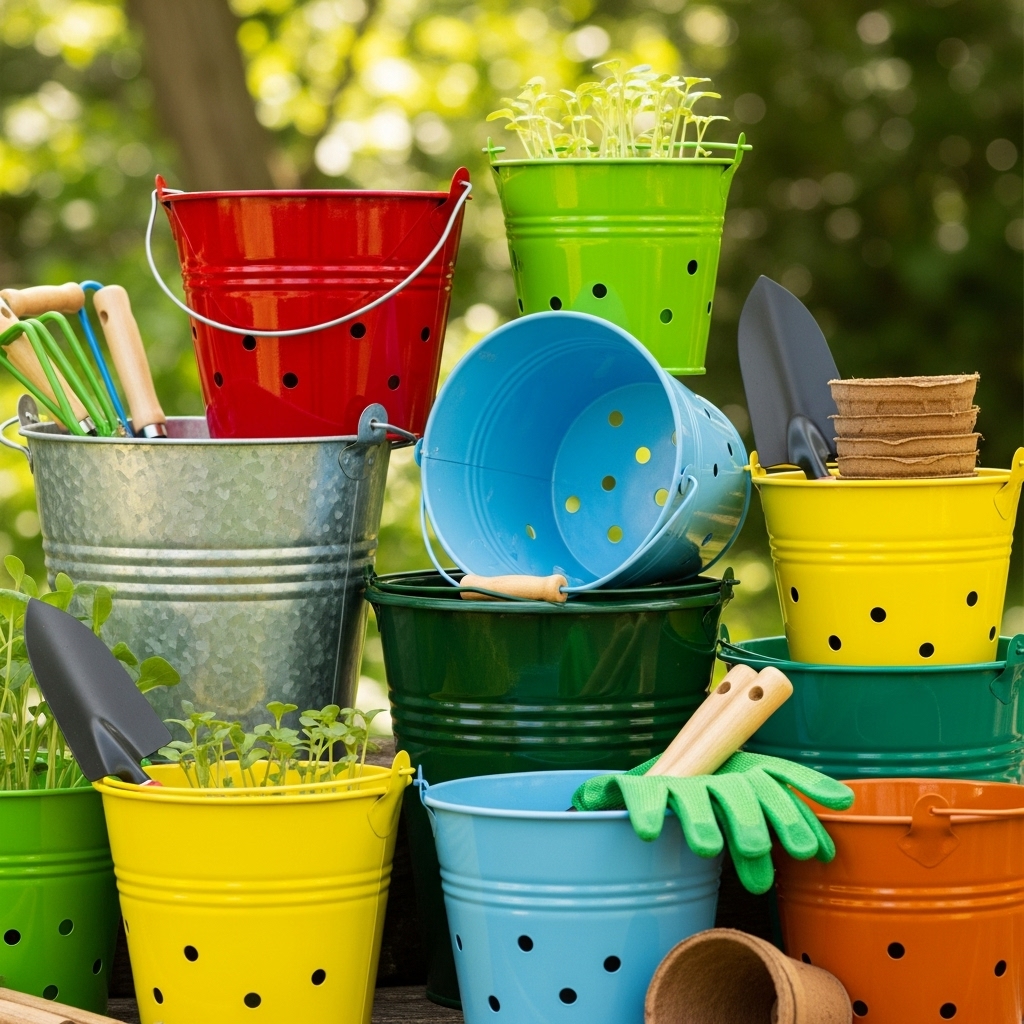
The first step in bucket gardening is selecting the right containers. Look for buckets that are at least 5 gallons in size and made of durable, food-safe materials like plastic. Be sure to check for drainage holes or create your own, as proper drainage is vital to prevent root rot. Colorful buckets can also add aesthetic appeal to your garden space, allowing you to express your style while growing your plants.
2. Quality Potting Soil
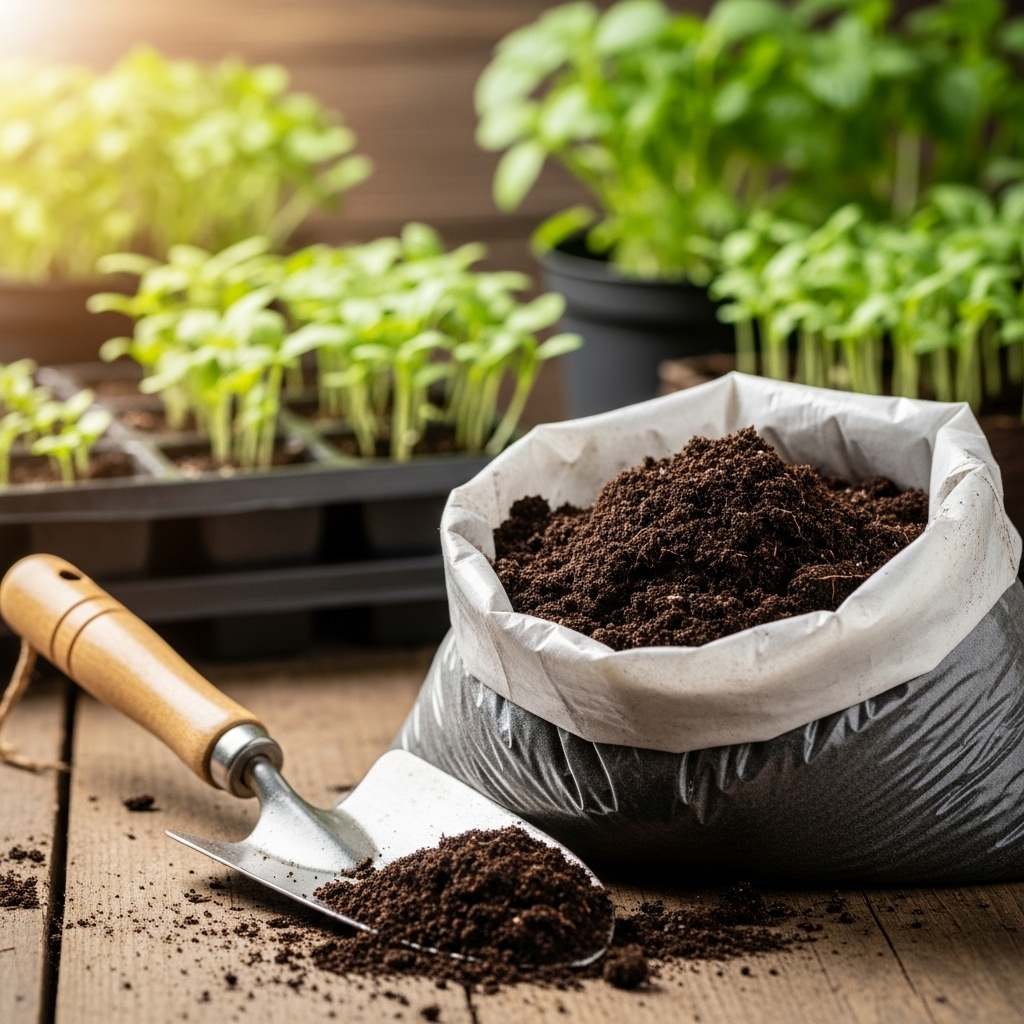
Investing in high-quality potting soil is essential for successful bucket gardening. Unlike garden soil, potting soil is specially formulated to provide the necessary nutrients, aeration, and moisture retention that potted plants need. Look for mixes that are lightweight and contain a blend of peat moss, compost, and perlite or vermiculite. This ensures your plants have the best chance to thrive in their new environment.
3. Seeds or Seedlings
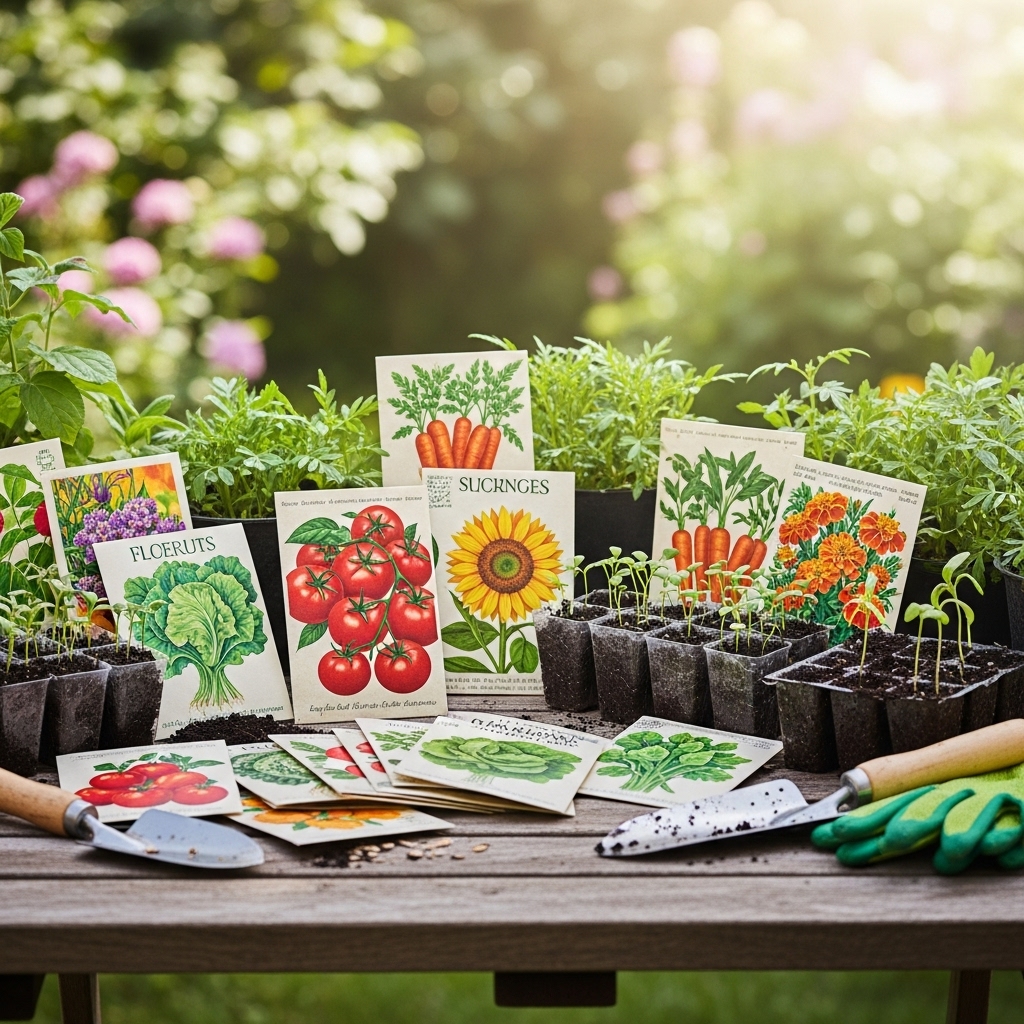
Choosing the right seeds or seedlings is crucial for your bucket garden’s success. Depending on your climate and the season, select plants that grow well in containers, such as herbs, cherry tomatoes, or peppers. If you’re a beginner, starting with seedlings can simplify the process, as they require less care than seeds. Be sure to consider the growth habits of your chosen plants to ensure they fit well within your buckets. Additionally, understanding the Flower of Life Meaning Christianity can provide insights into the symbolic significance of the plants you choose.
4. Watering Can or Hose
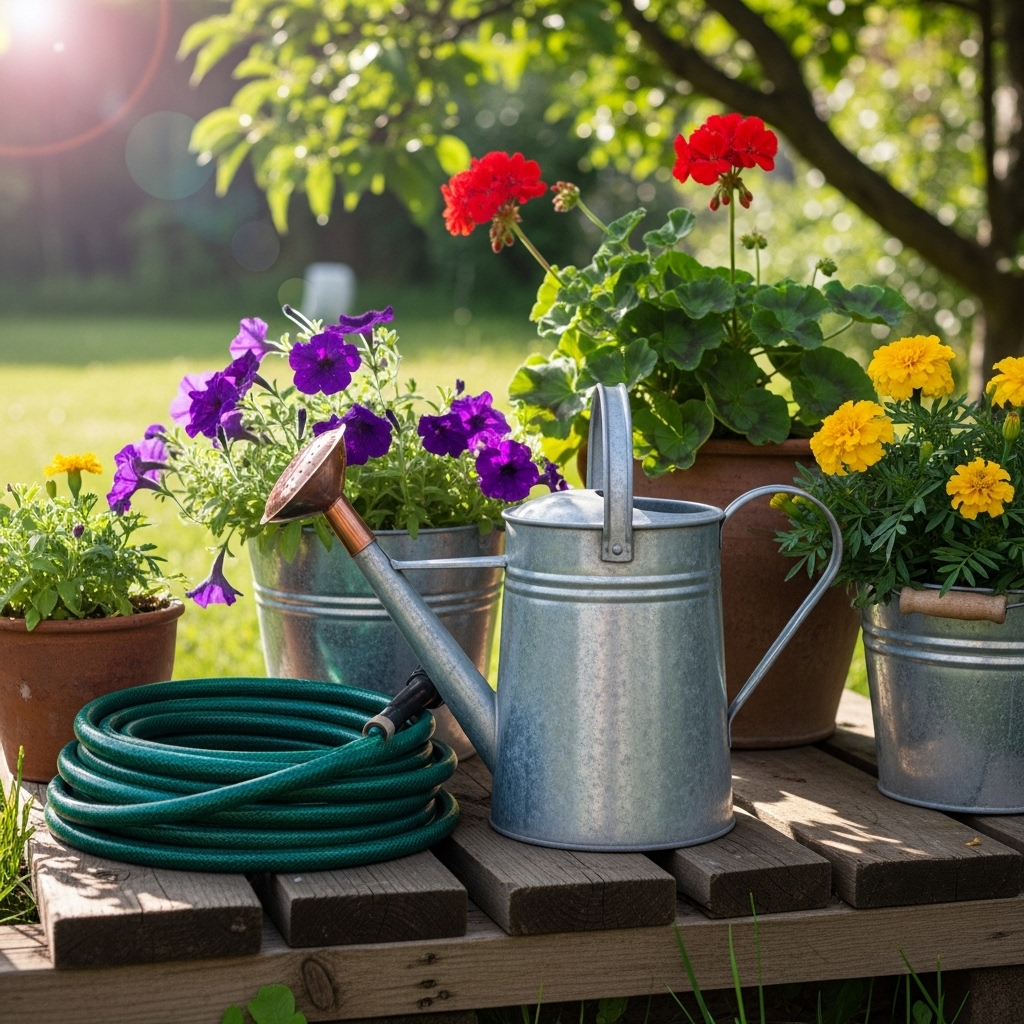
Proper watering is essential for healthy plants, making a reliable watering can or hose another must-have for your bucket garden. A watering can with a long spout allows you to reach all areas of your garden easily, and a hose with an adjustable nozzle can help manage different watering needs. Regularly checking the moisture level of your soil will help you maintain the right balance, ensuring your plants receive adequate hydration.
5. Fertilizer
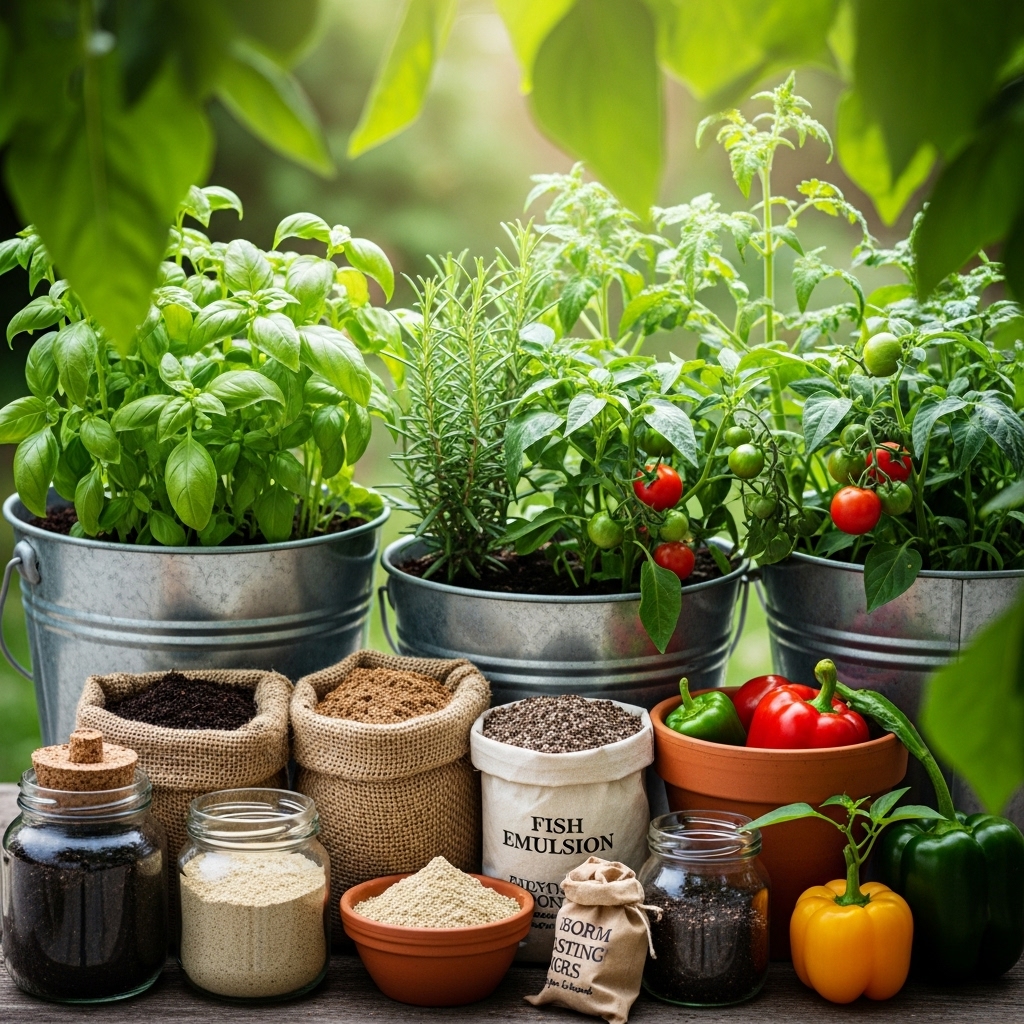
To keep your plants healthy and productive, incorporating fertilizer into your bucket gardening routine is essential. Look for organic options that provide balanced nutrients, promoting robust growth. Slow-release fertilizers work well for container gardening, as they gradually feed plants over time. Regularly checking the nutrient levels in your soil will help you determine when to fertilize, ensuring your plants receive the sustenance they need to flourish.
6. Sunlight & Shelter
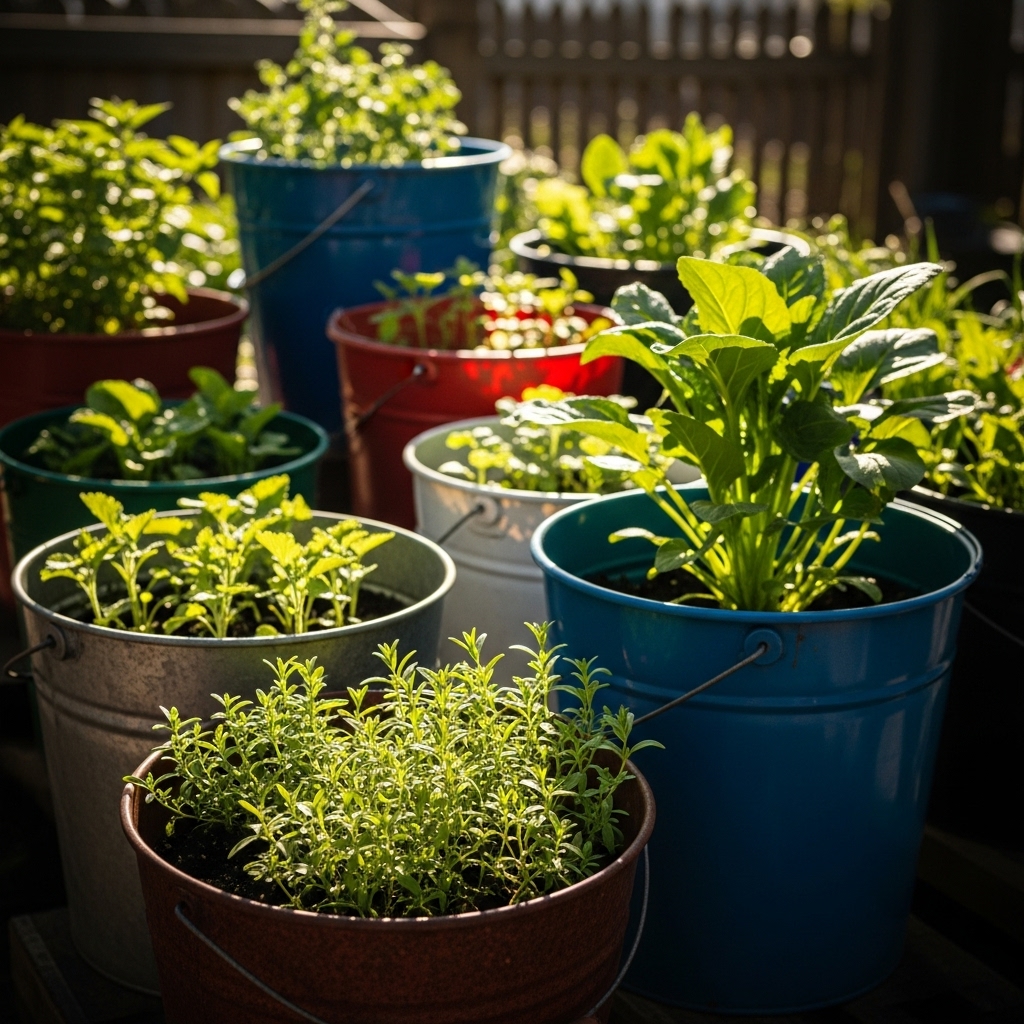
Understanding the light requirements of your chosen plants is critical for successful bucket gardening. Most vegetables and flowers thrive in full sun, needing at least 6-8 hours of direct sunlight daily. However, some plants prefer partial shade. Assess your chosen location and consider using portable buckets to move your plants to optimize their sunlight exposure while providing shelter from extreme weather conditions. If you’re curious about the relationship between fruit and sunlight, check out if Is Pineapple a Citrus Fruit for more information.