
Bucket gardening is an excellent way to cultivate plants, especially in small spaces or urban environments. One of the most crucial aspects of successful bucket gardening is ensuring strong root growth. Healthy roots lead to robust plants that can thrive in various conditions. Here are seven essential tips to help you promote strong root development in your bucket garden. Read Interesting article: 12 Bucket Gardening Tips for Busy Home Gardeners
Table of Contents
1. Choose the Right Container
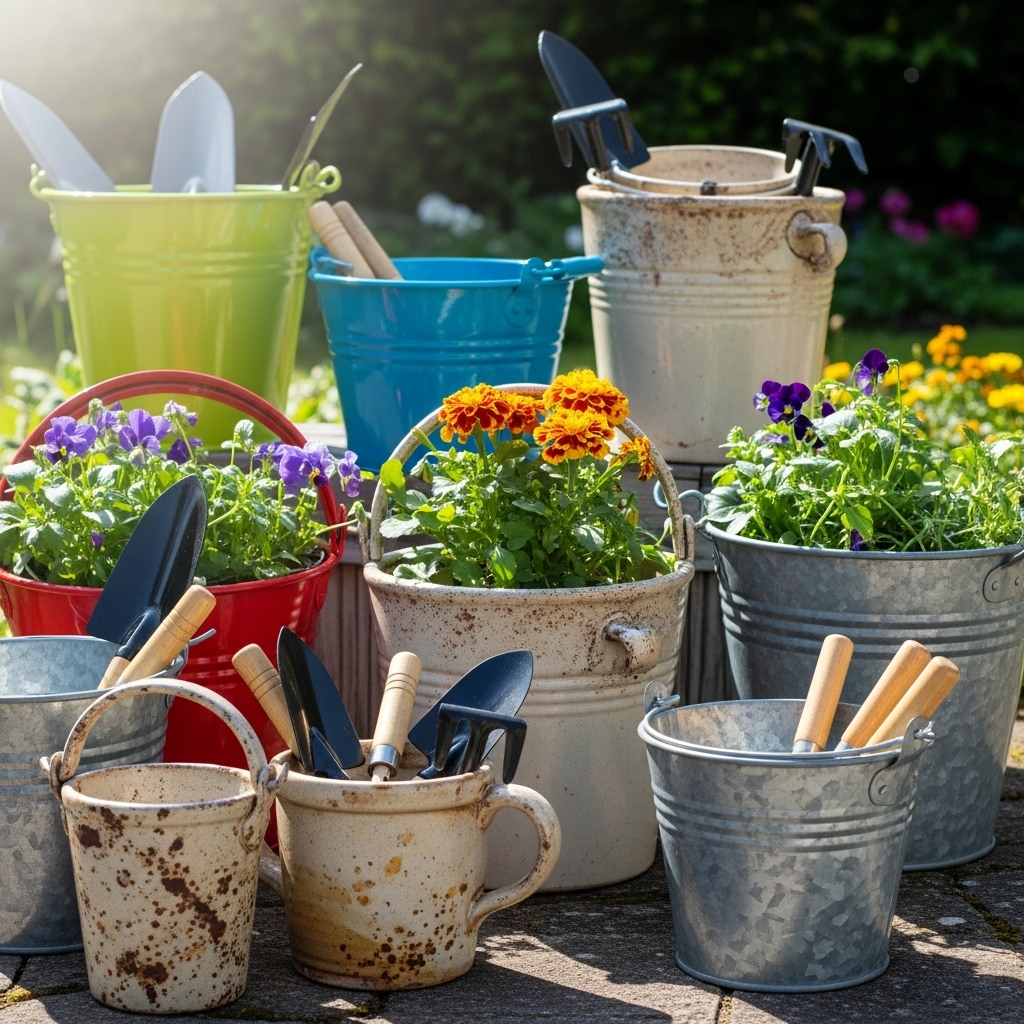
Selecting the appropriate container is fundamental for root growth. Buckets should have adequate drainage holes to prevent water retention, which can lead to root rot. Opt for containers made from materials that allow for some airflow, like fabric pots or breathable plastic. The size of the container matters too; larger buckets provide more space for roots to expand, which is essential for the overall health of your plants.
2. Use Quality Potting Soil
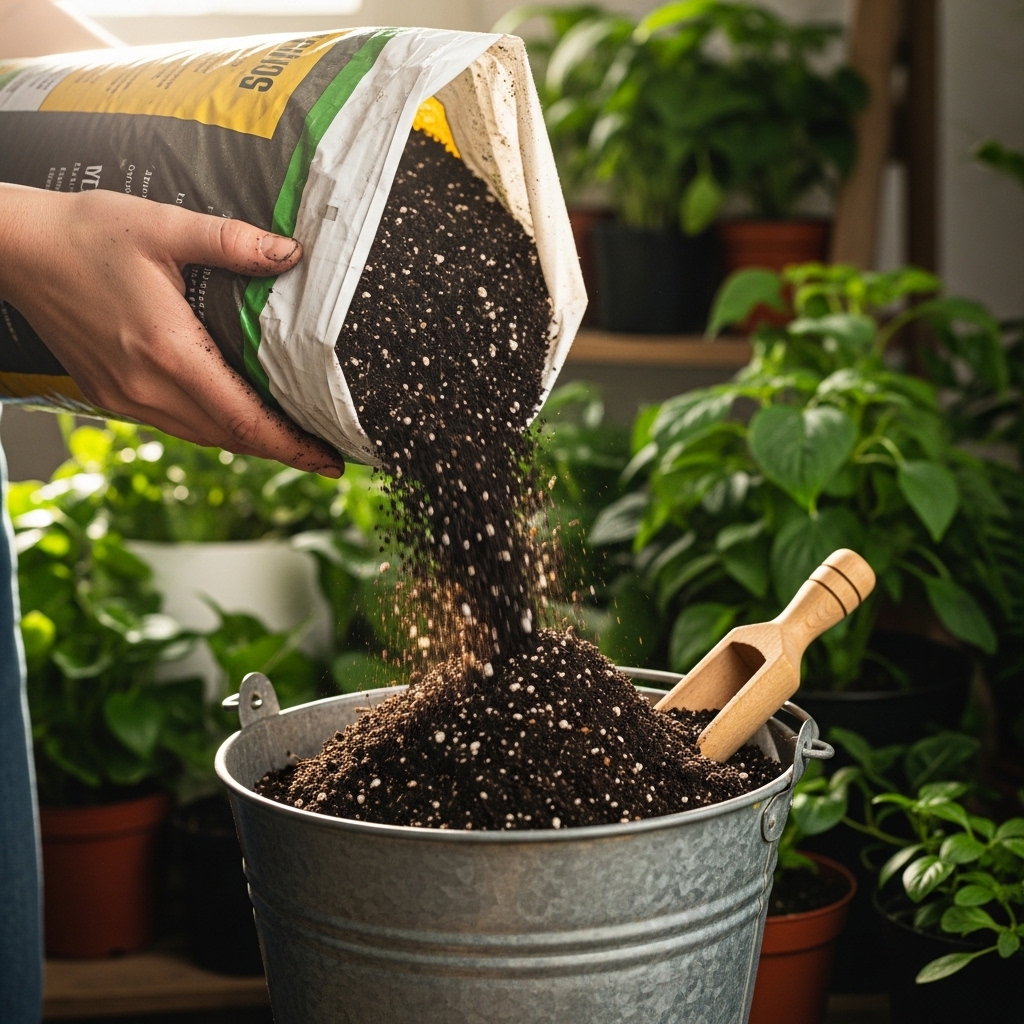
Investing in high-quality potting soil can significantly enhance root growth. Unlike regular garden soil, potting soil is designed to retain moisture while providing excellent drainage. Look for a mix that includes organic materials, such as compost or peat moss, which will nourish your plants and encourage healthy root systems. Avoid using garden soil directly, as it may compact and hinder root expansion. You may also want to check out Read Interesting article: 9 Bucket Gardening Tips for Healthy Plant Growth for more insights.
3. Ensure Proper Watering
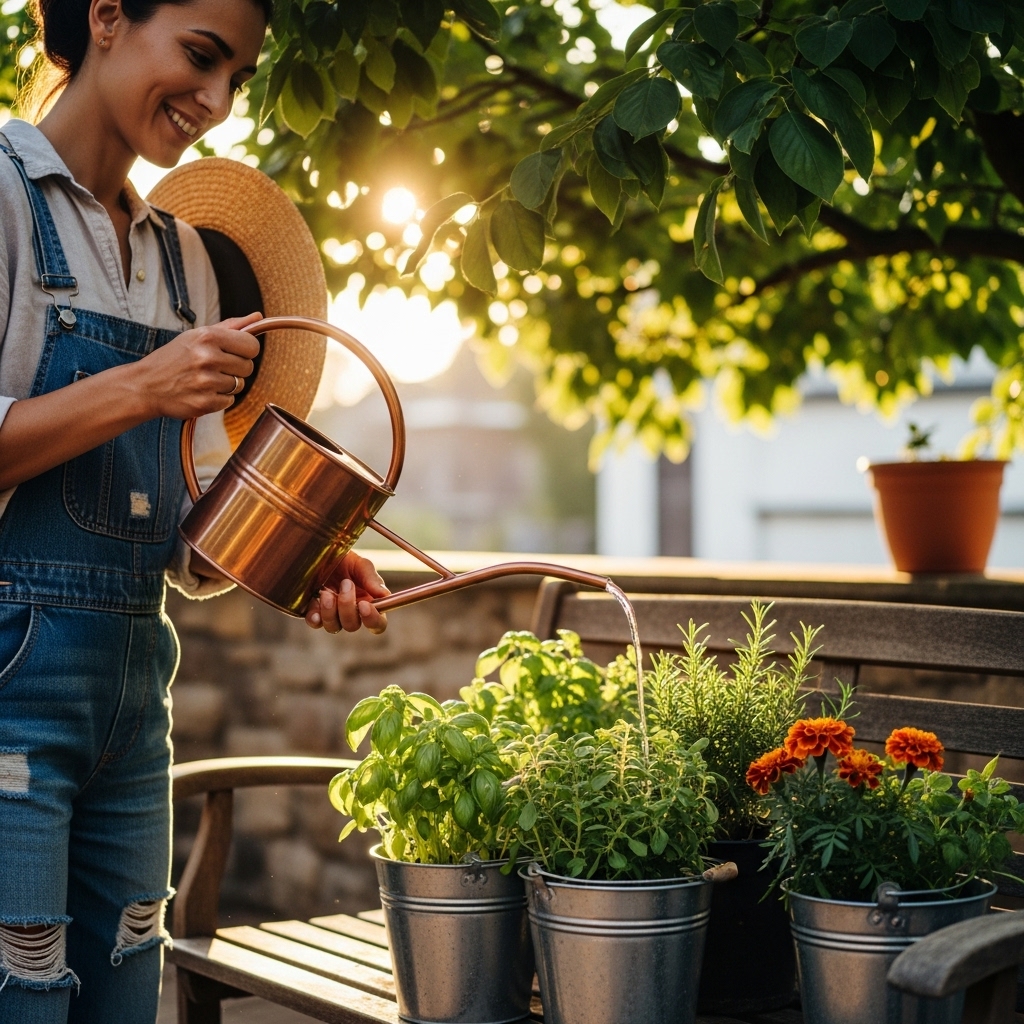
Watering is vital for root health in bucket gardening. Overwatering can drown roots, while underwatering can lead to stress and poor growth. Check the moisture level by sticking your finger into the soil; if it feels dry about an inch down, it’s time to water. Use a gentle watering method to avoid disturbing the roots, and consider using self-watering buckets to maintain consistent moisture levels.
4. Add Fertilizer Wisely
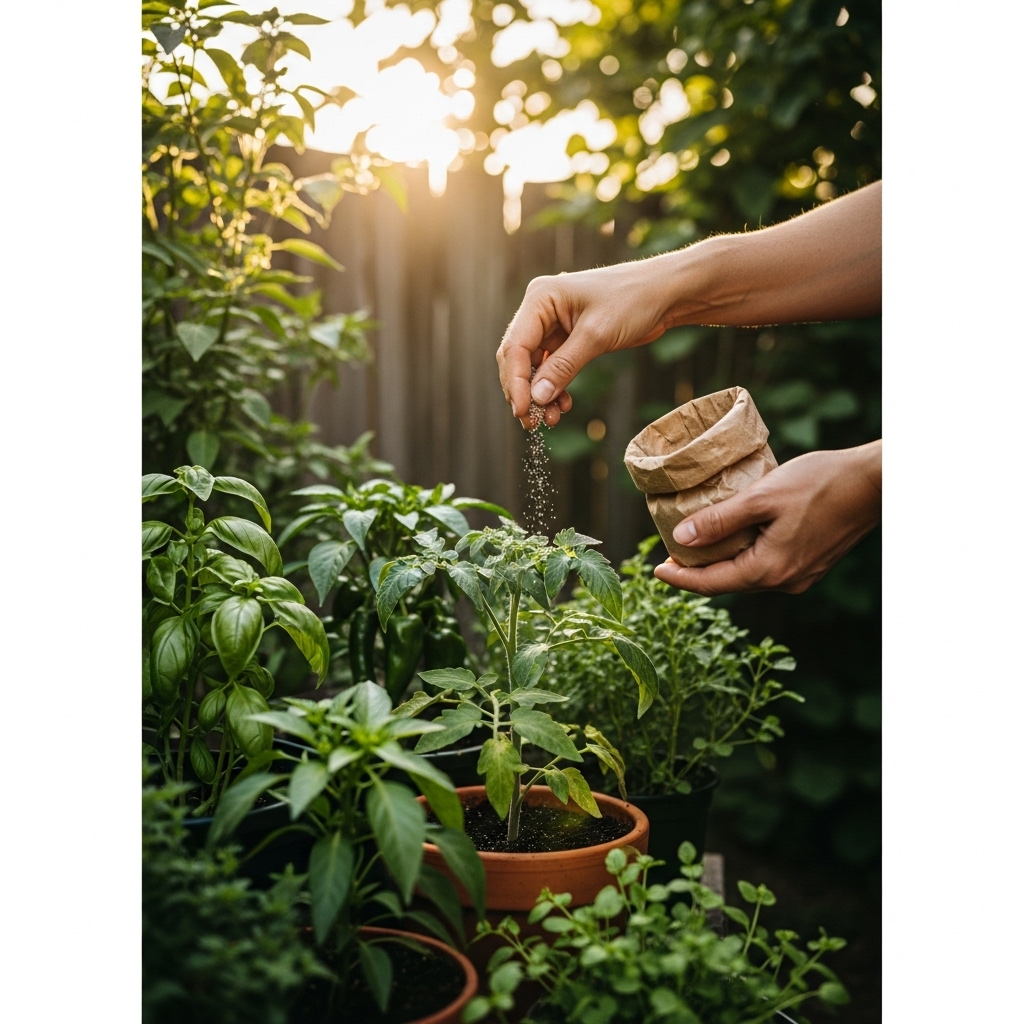
Fertilizing your plants correctly can boost root growth significantly. Use organic fertilizers that release nutrients slowly, allowing roots to absorb them over time. Apply fertilizer according to the specific needs of your plants, usually during the growing season. Be careful not to over-fertilize, as this can burn the roots and inhibit growth. Conduct a soil test if unsure about nutrient levels.
5. Incorporate Mulch
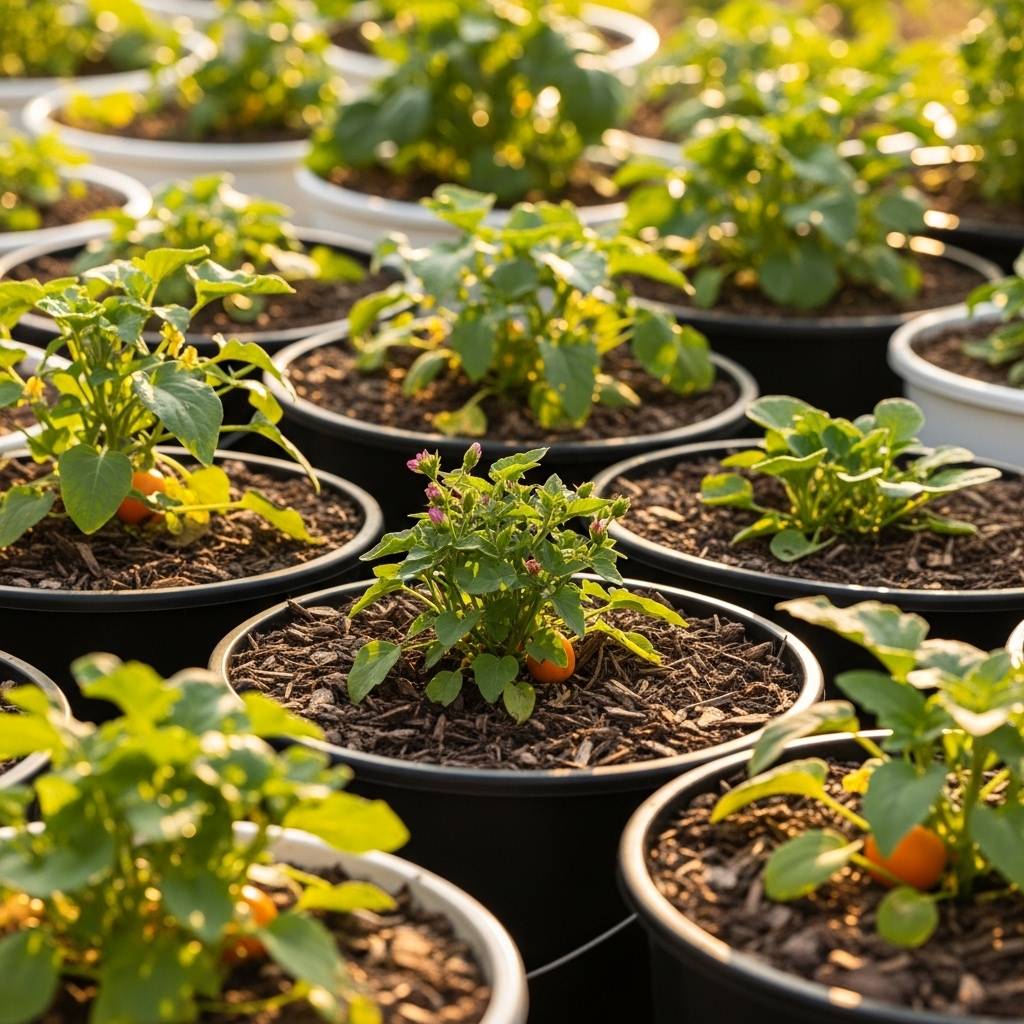
Mulching is an effective way to protect the roots of plants in buckets. A layer of organic mulch, such as straw or wood chips, helps retain moisture and regulate soil temperature. This practice not only prevents the soil from drying out quickly but also reduces weed competition, allowing your plants to focus their energy on developing strong roots. Refresh the mulch regularly to maintain its effectiveness.
6. Choose Companion Plants
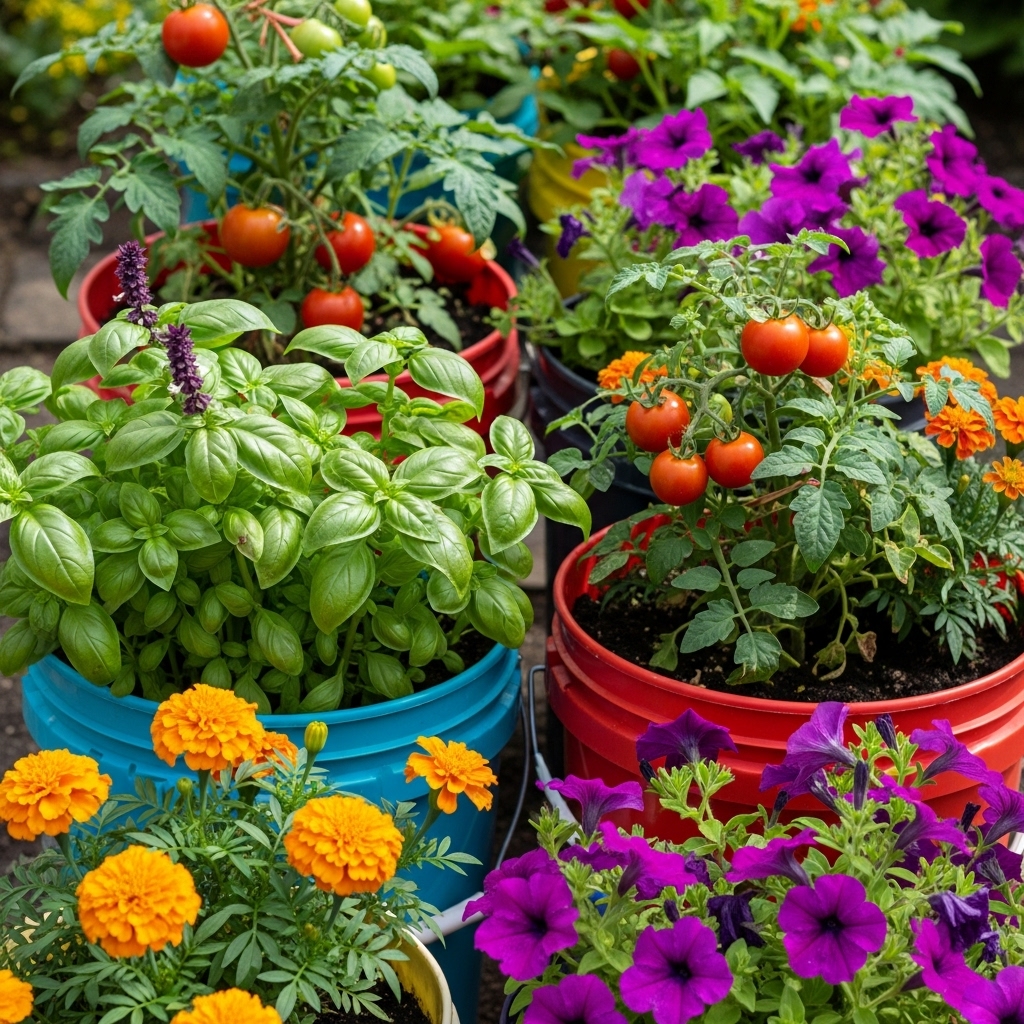
Companion planting can enhance root growth by fostering a beneficial ecosystem in your bucket garden. Some plants can help each other thrive by improving soil nutrients, providing shade, or deterring pests. For instance, planting herbs alongside vegetables can attract beneficial insects while minimizing competition for nutrients. Research compatible plant pairings to optimize your garden layout. Additionally, consider strategies from Read Interesting article: 11 Bucket Gardening Tips for Year Round Growing to further improve your gardening techniques.
7. Rotate Your Crops
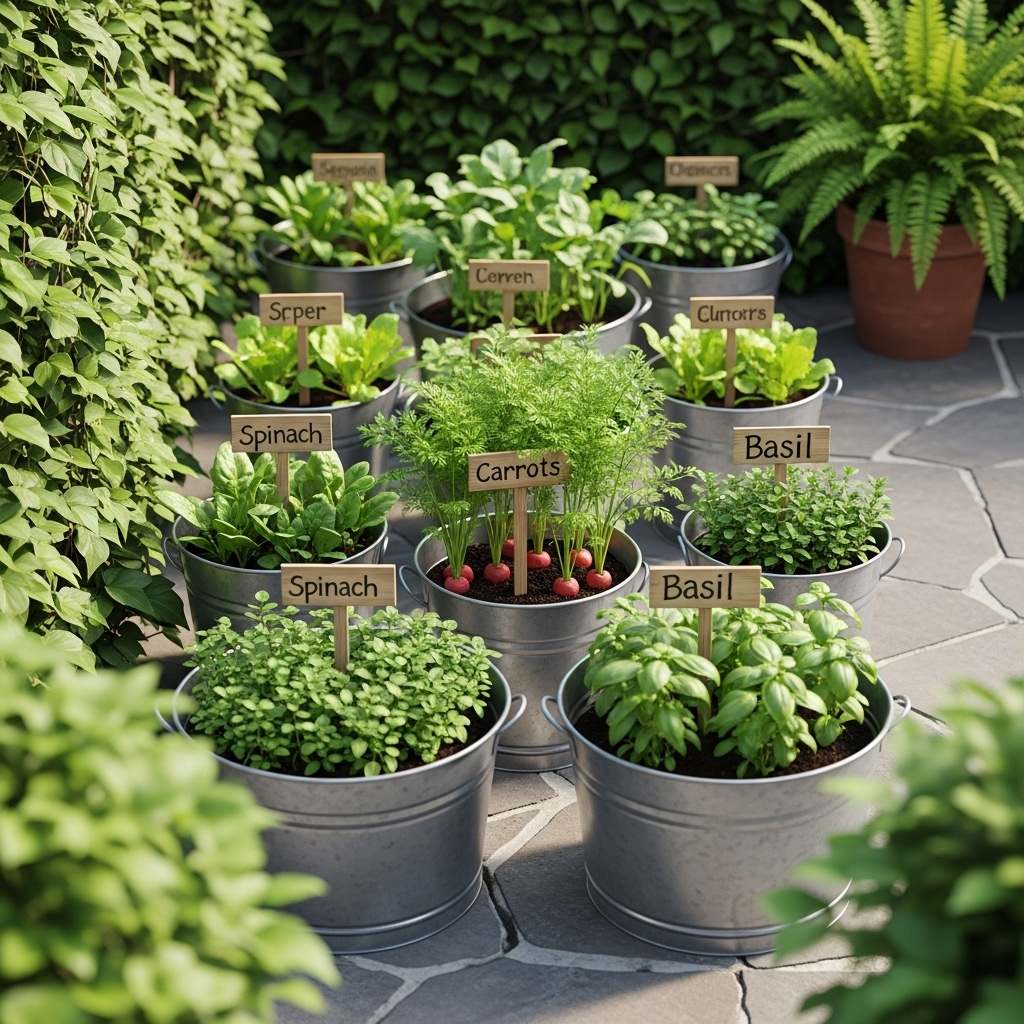
Crop rotation is an essential practice that can lead to improved root growth over time. By changing the types of plants grown in each bucket each season, you can prevent soil depletion and reduce the risk of disease. Different plants have varying nutrient requirements, and rotating them allows the soil to recover and maintain a balanced ecosystem, ultimately benefiting root development.