
When it comes to washing produce, many people unknowingly make crucial mistakes that can compromise their health and the freshness of their fruits and vegetables. Properly cleaning your produce is essential to remove pesticides, dirt, and harmful bacteria. However, it’s easy to overlook a few simple steps that can make a significant difference. Here are seven common mistakes everyone makes when washing produce and how to avoid them.
1. Skipping the Wash
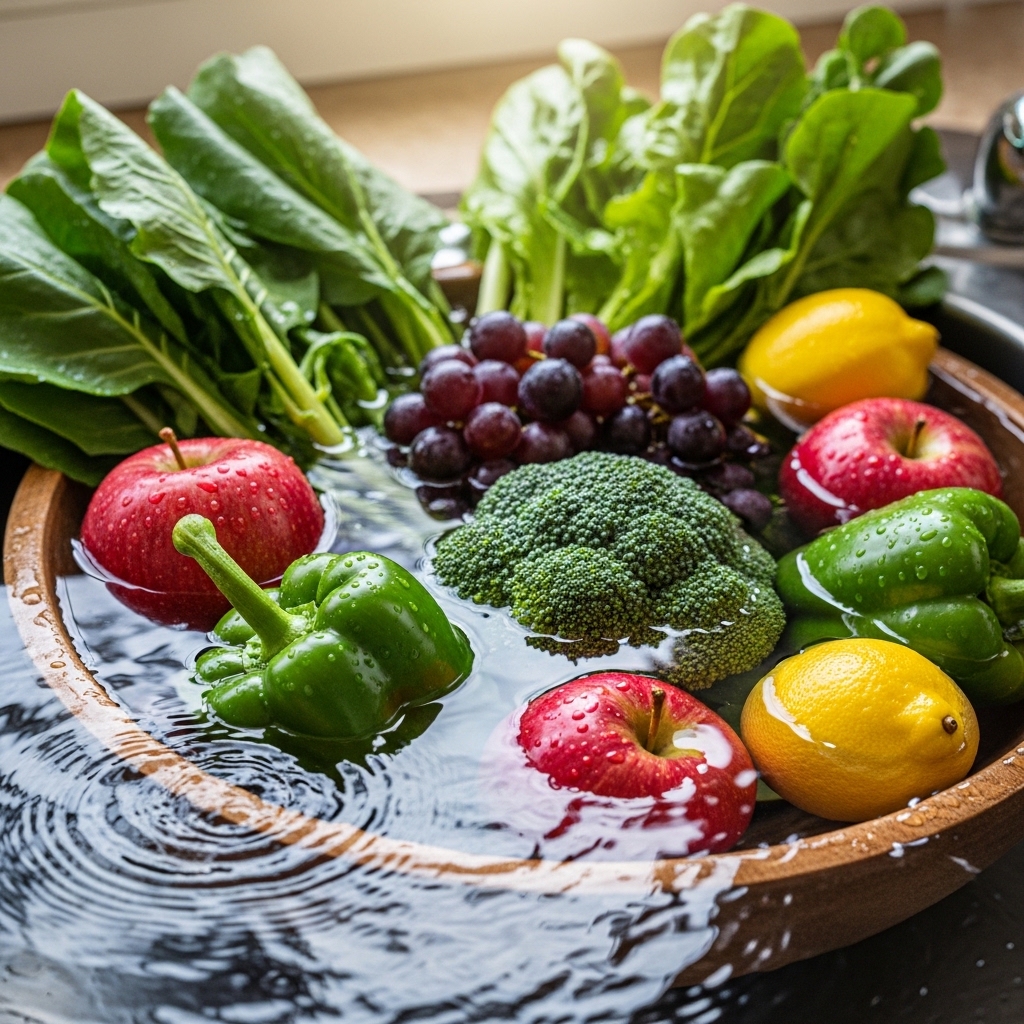
Many individuals assume that fruits and vegetables are clean enough to eat straight from the store. However, skipping the wash can expose you to pesticides, dirt, and bacteria. Even organic produce should be rinsed under running water to eliminate any contaminants. Make it a habit to wash all produce, even those with skins you don’t eat, as bacteria can transfer from the skin to the flesh when cutting.
2. Using Soap or Detergent
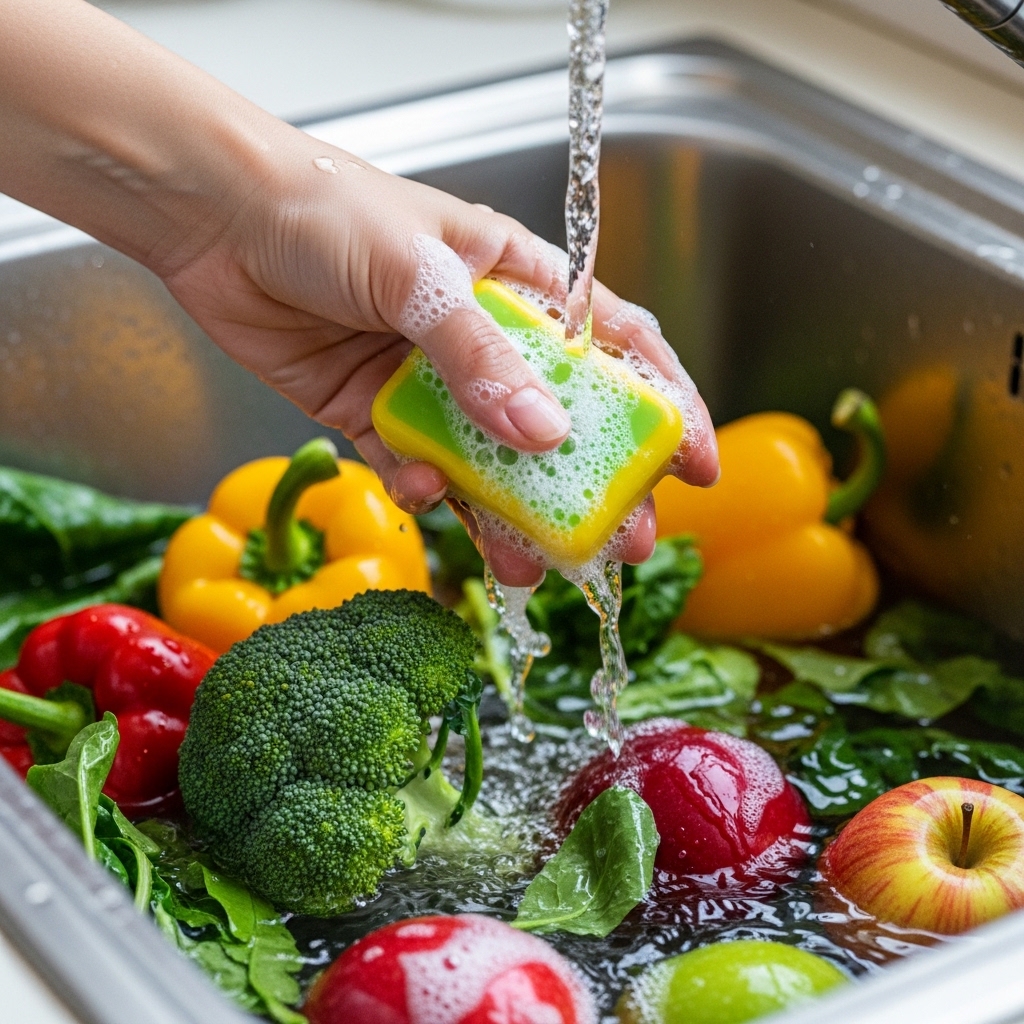
Using soap or detergent to wash your fruits and vegetables is a common mistake. These products can leave harmful residues that are unsafe for consumption. Instead, simply rinse produce under cool running water. If you’re concerned about bacteria, using a produce brush for firm fruits and vegetables can help. Stick to water for the safest and most effective cleaning method.
3. Not Using a Produce Brush
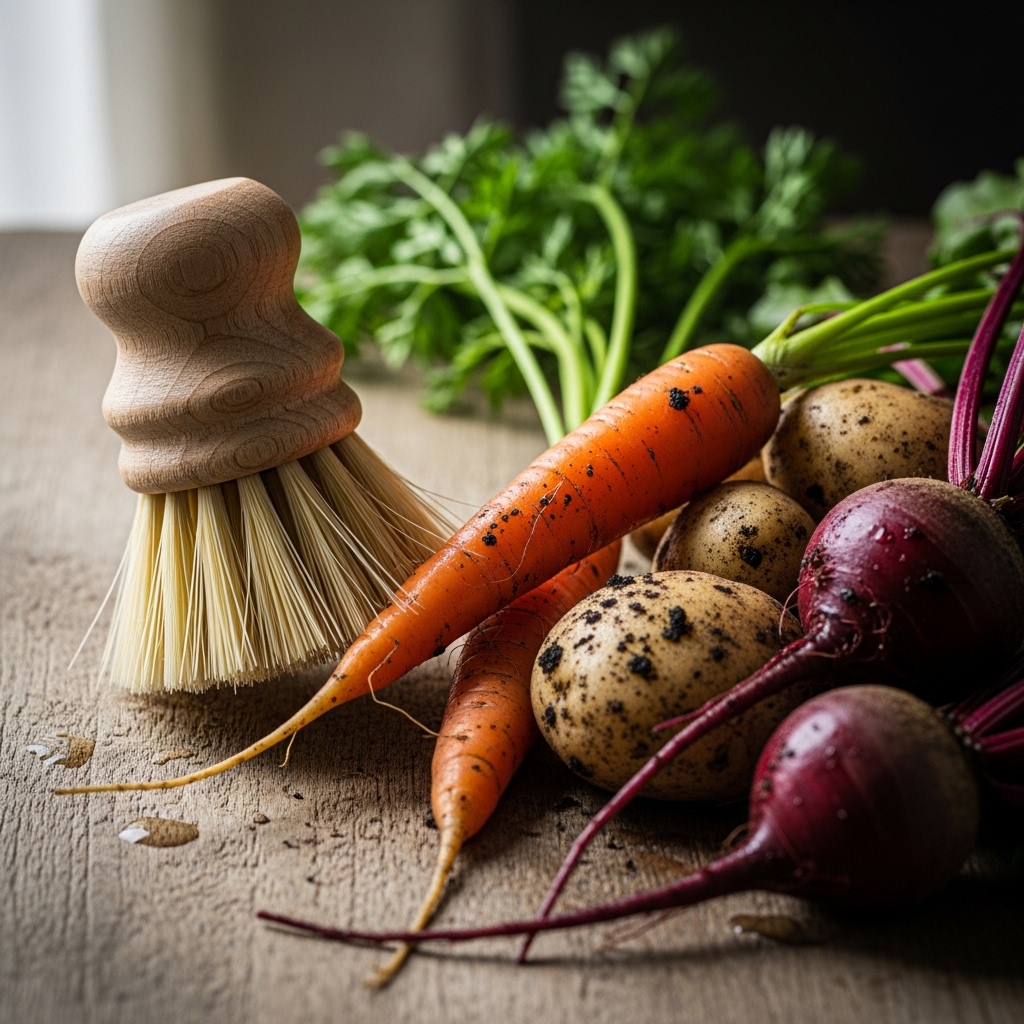
For items like potatoes, carrots, and cucumbers, neglecting to use a produce brush can lead to dirt remaining on the surface. A produce brush helps to scrub away dirt and bacteria effectively. Ensure you clean the brush regularly to avoid cross-contamination. This simple tool is vital for maintaining the cleanliness of your root vegetables and other firm produce.
4. Washing Before Storing
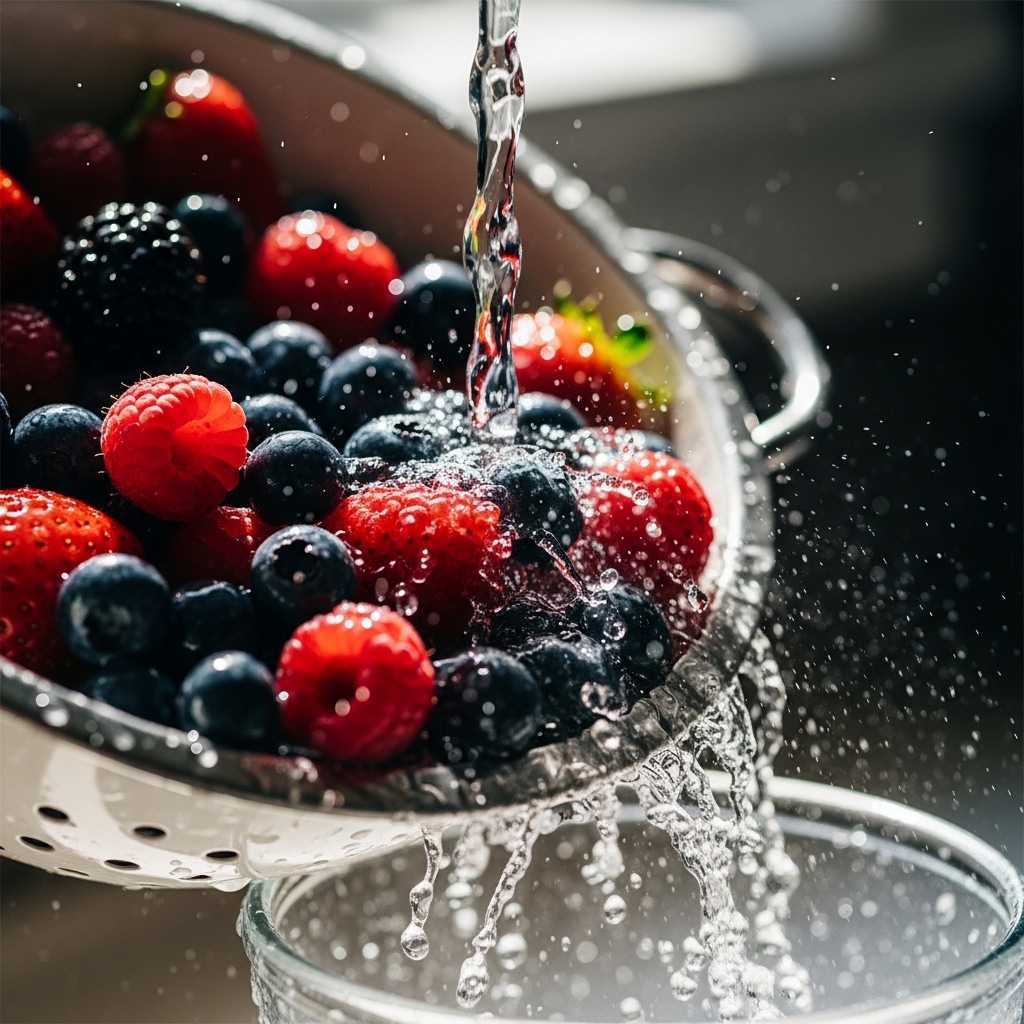
Washing produce before storing it can actually shorten its shelf life. Excess moisture can promote mold and spoilage, especially for delicate fruits like berries. Instead, wash produce just before you plan to eat or cook it. If you must wash beforehand, ensure it’s thoroughly dried before storing to extend freshness.
5. Overusing Vinegar or Baking Soda
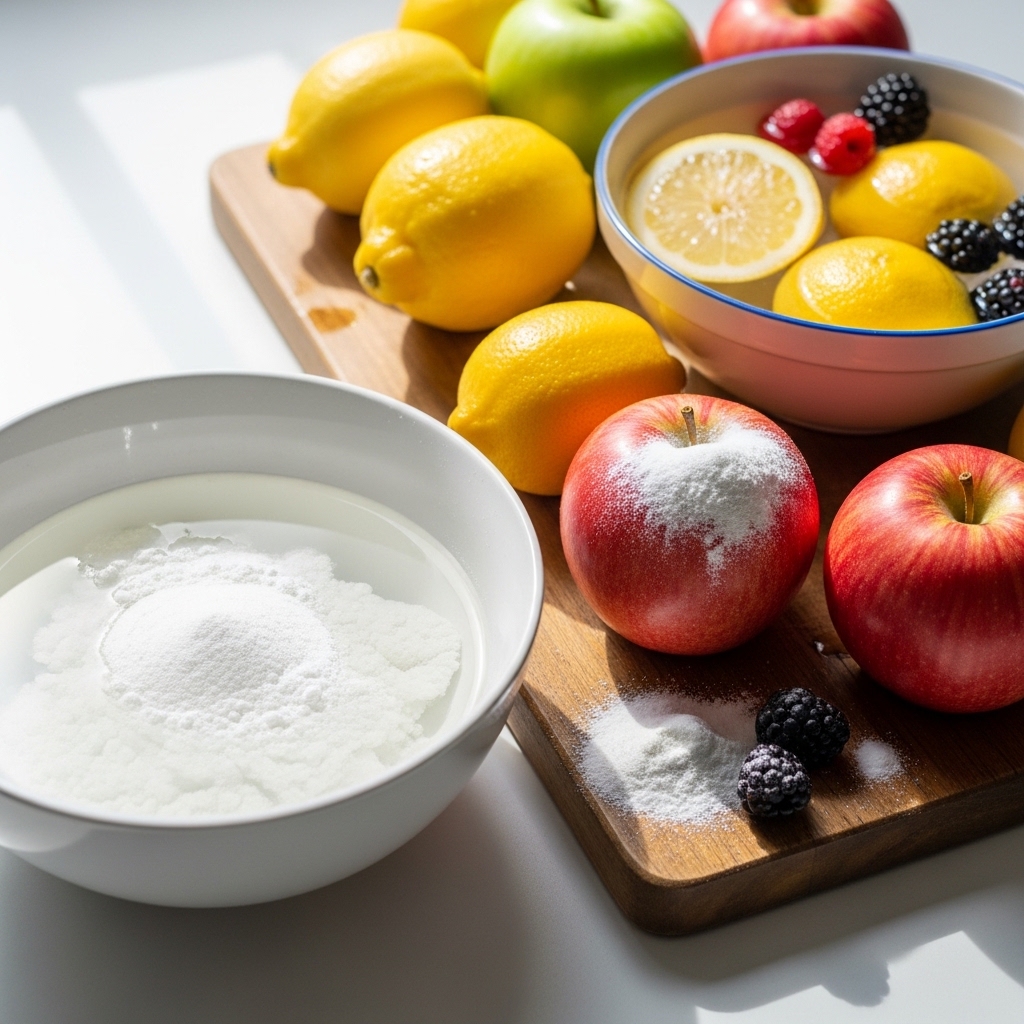
While vinegar and baking soda are popular natural cleaning agents, overusing them can alter the taste of your produce and may not be necessary. A simple rinse under water is usually sufficient to clean most fruits and vegetables. If you prefer to use vinegar for extra cleaning, dilute it properly and rinse thoroughly afterward to avoid any lingering flavors.
6. Ignoring Leafy Greens
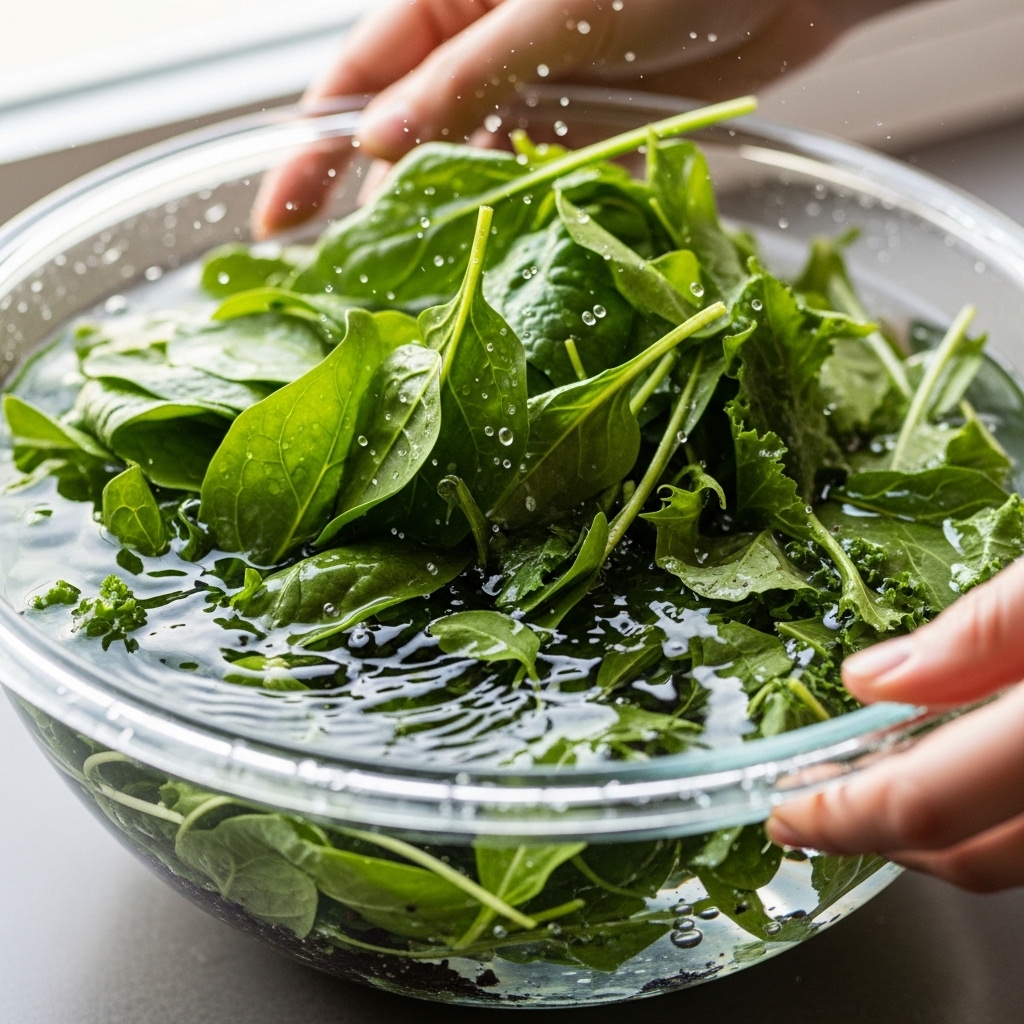
Leafy greens often trap dirt and pesticides in their folds, making them a prime candidate for thorough washing. Many people simply rinse them quickly or skip washing altogether. Instead, separate the leaves and soak them in a bowl of cold water, swishing gently before rinsing under running water. This method ensures that dirt is removed from all surfaces.
7. Not Drying Produce
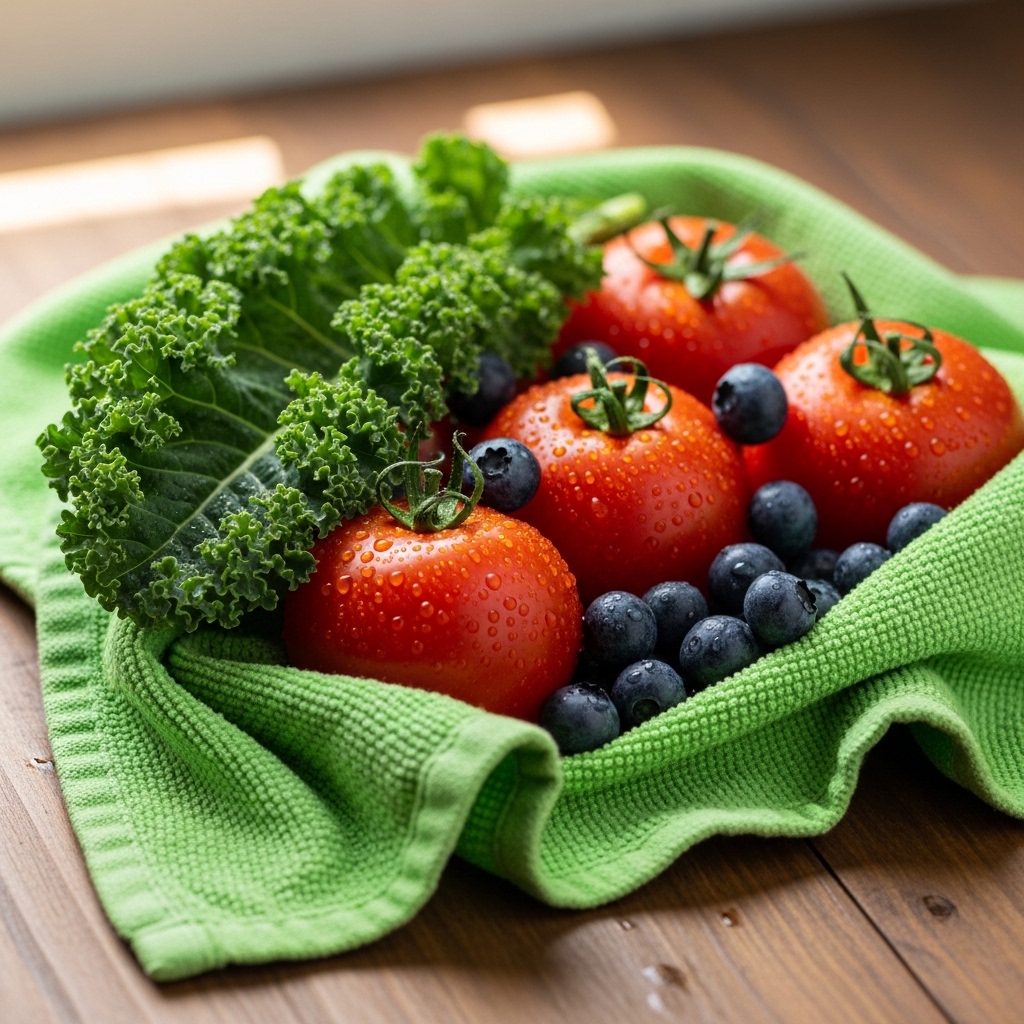
Failing to dry washed produce can lead to moisture retention, which encourages spoilage and mold growth. After washing, gently pat your fruits and vegetables dry with a clean kitchen towel or use a salad spinner for leafy greens. This step is crucial for maintaining freshness and keeping your produce ready for consumption.