
Washing fruits and vegetables properly is essential for maintaining their freshness and ensuring that any harmful bacteria or pesticides are removed before consumption. With the right techniques, you can enjoy your produce safely and enhance its flavor. Here are seven smart ways to wash your fruits and vegetables effectively.
1. Rinse Under Cold Water
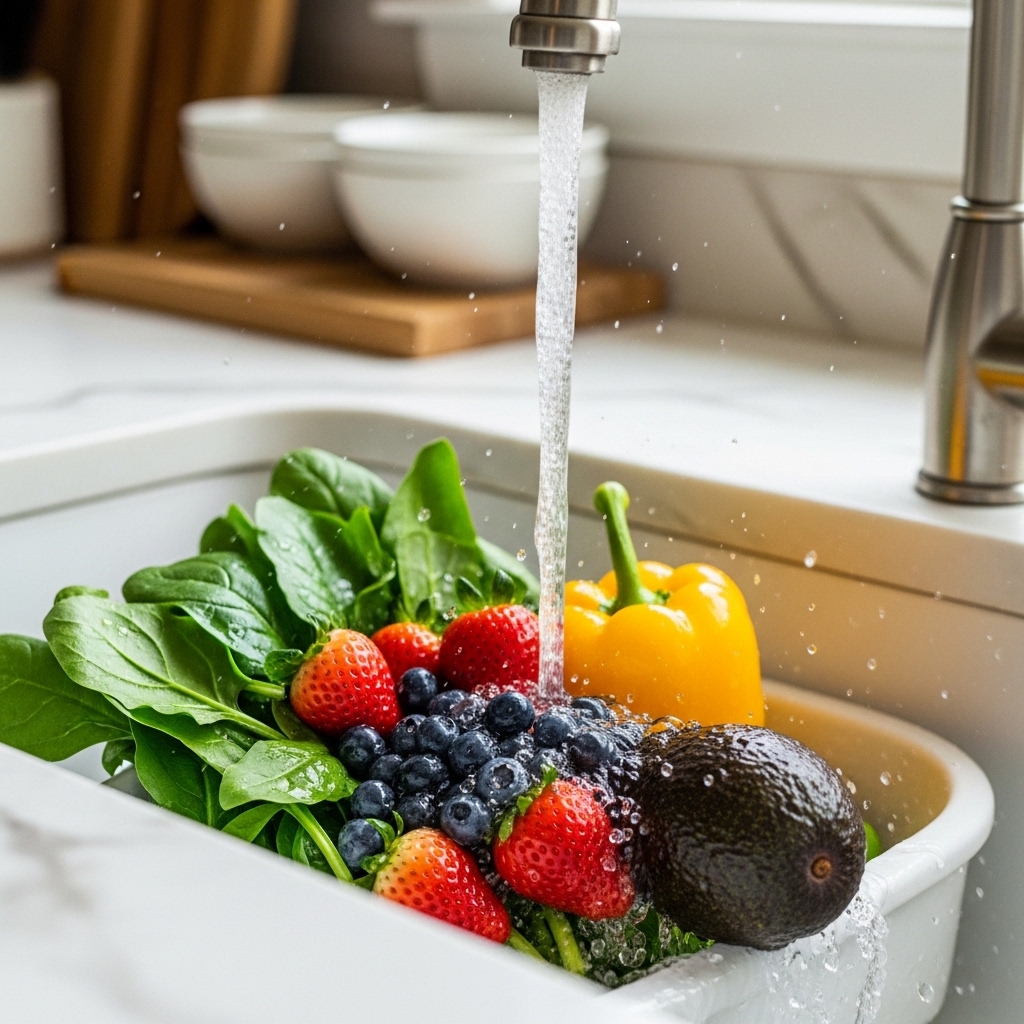
One of the simplest yet most effective methods to wash fruits and vegetables is to rinse them under cold running water. This technique helps remove dirt, bacteria, and pesticides. For leafy greens, ensure you separate the leaves to clean them thoroughly. While you may be tempted to use soap or bleach, these substances can leave harmful residues. Cold water is sufficient for most produce, ensuring they remain crisp and fresh.
2. Use a Vegetable Brush

For root vegetables like potatoes and carrots, using a vegetable brush is highly effective. The bristles can scrub away dirt and bacteria that cling to the skin. Make sure to wash the brush regularly to avoid cross-contamination. This method not only cleans the surface but also helps maintain the nutritional quality of the vegetables, making them safe and tasty for your meals.
3. Soak in Salt Water
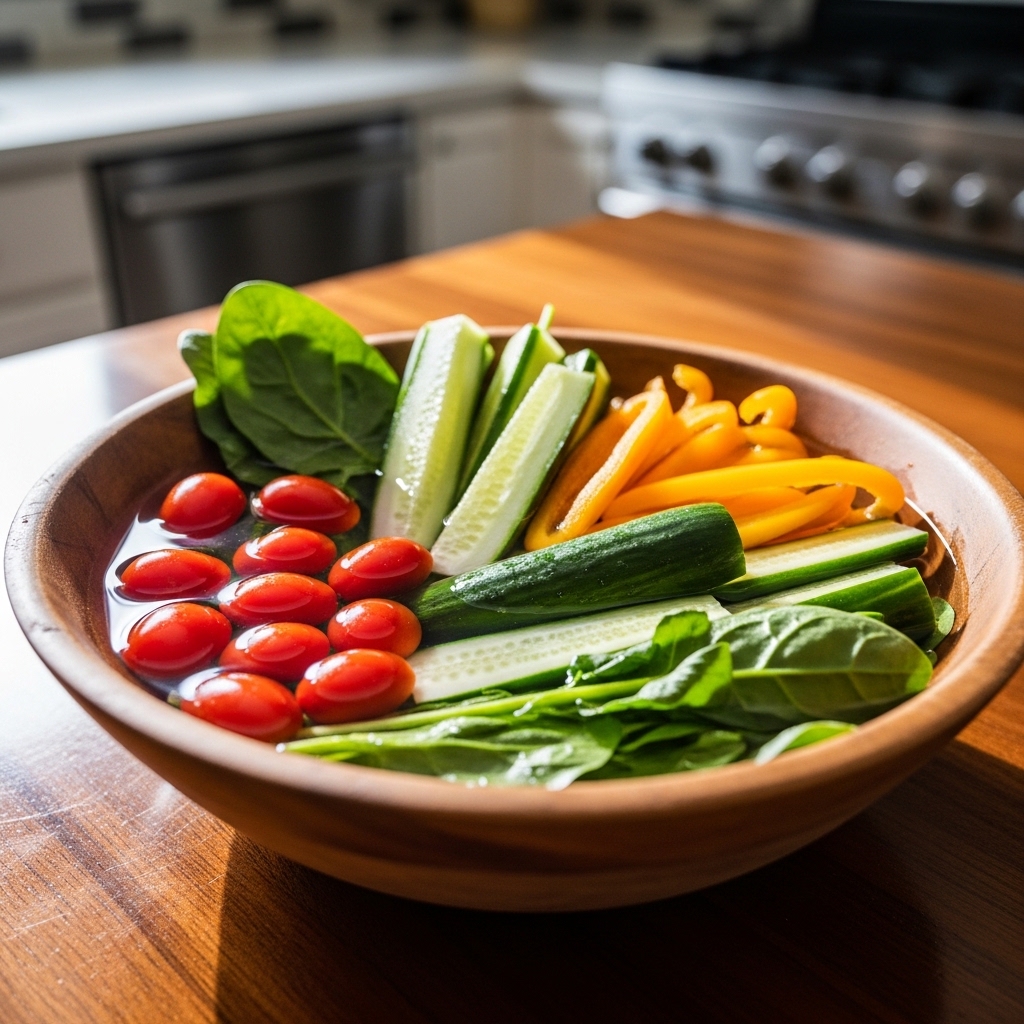
Soaking fruits and vegetables in a saltwater solution is a great way to remove residues and pests. To do this, dissolve a few tablespoons of salt in a bowl of water, and let your produce soak for about 15 minutes. Rinse thoroughly afterward under cold water. This method is particularly effective for leafy greens and berries, helping to dislodge any hidden insects or dirt.
4. Vinegar Solution
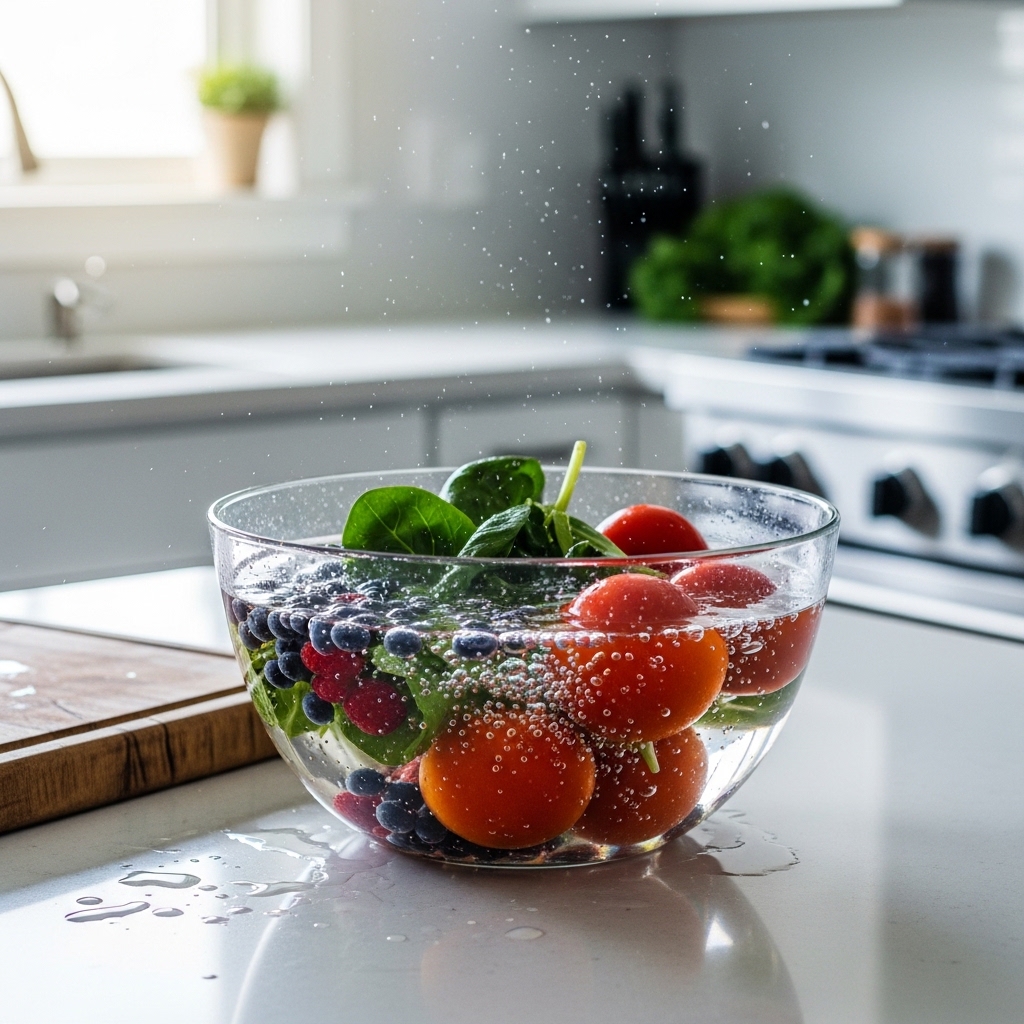
A vinegar solution is another excellent option for washing fruits and vegetables. Mix one part vinegar with three parts water, and soak your produce for 10-15 minutes. This natural disinfectant can effectively kill bacteria and remove pesticides. After soaking, rinse the fruits and vegetables under cold water to eliminate any vinegar taste, ensuring they are safe to eat.
5. Peel When Possible

Peeling fruits and vegetables can be an effective way to avoid pesticide exposure, especially if you cannot wash them thoroughly. While this method reduces the nutrient content slightly, it offers a safe alternative for those concerned about chemicals on the skin. Choose organic options whenever possible for the best of both worlds—safety and nutrition.
6. Dry with a Clean Cloth
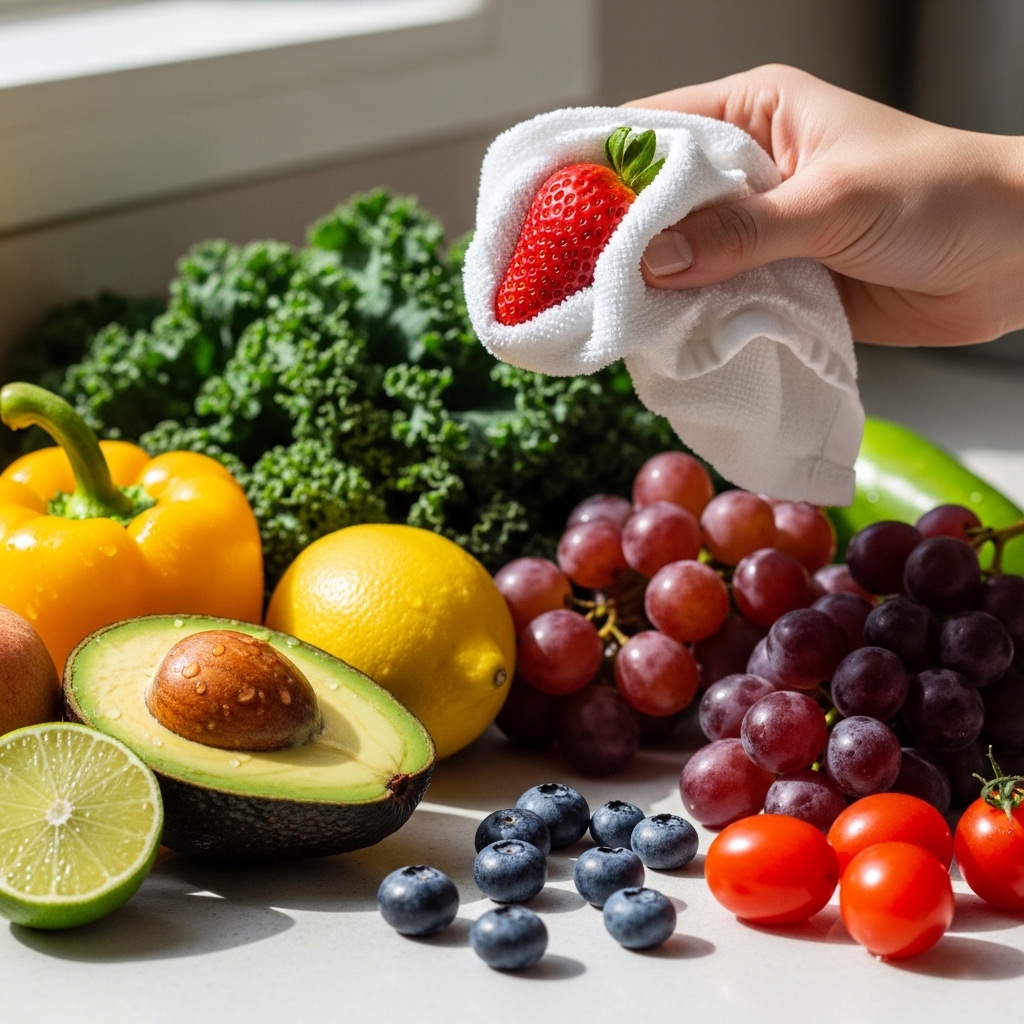
After washing, drying your fruits and vegetables with a clean cloth or paper towel can help remove any remaining bacteria or moisture. This step is particularly important for greens and berries, as excess water can lead to spoilage. A thorough drying process keeps your produce fresh longer and prevents mold growth, ensuring you enjoy them at their best.
7. Store Properly After Washing
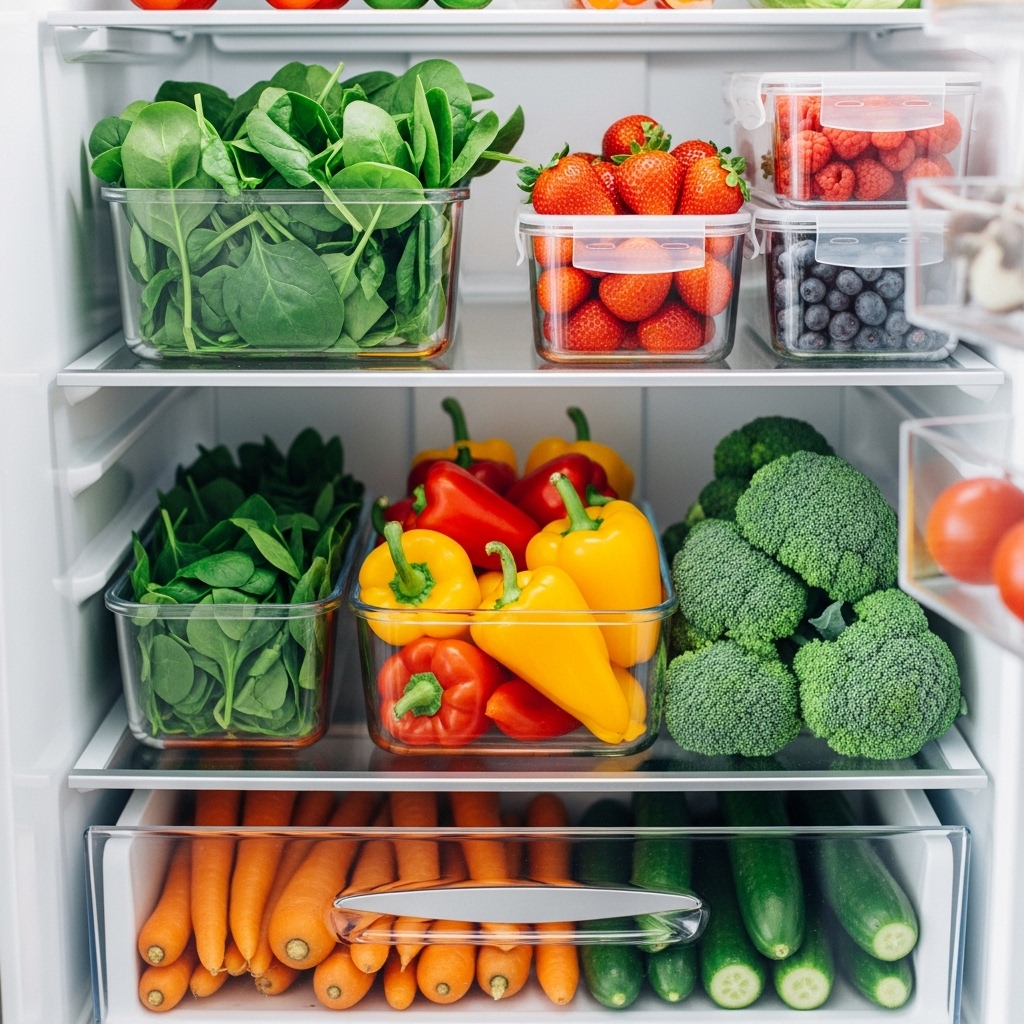
Proper storage after washing is vital to prolonging the freshness of your fruits and vegetables. Use breathable containers or bags to keep them crisp, and avoid overcrowding to allow for air circulation. Certain fruits and vegetables should be stored at specific temperatures, so make sure to check guidelines to keep your produce in top condition.