
Bucket gardening is an excellent way to grow plants quickly and efficiently, especially for those with limited space or poor soil conditions. By using buckets, you can create a controlled environment that encourages faster growth for your favorite herbs, vegetables, and flowers. Here are 8 practical tips to maximize your bucket gardening experience and boost your plant growth. Read Interesting article: 6 Bucket Gardening Tips to Improve Soil Health
Table of Contents
1. Choose the Right Buckets
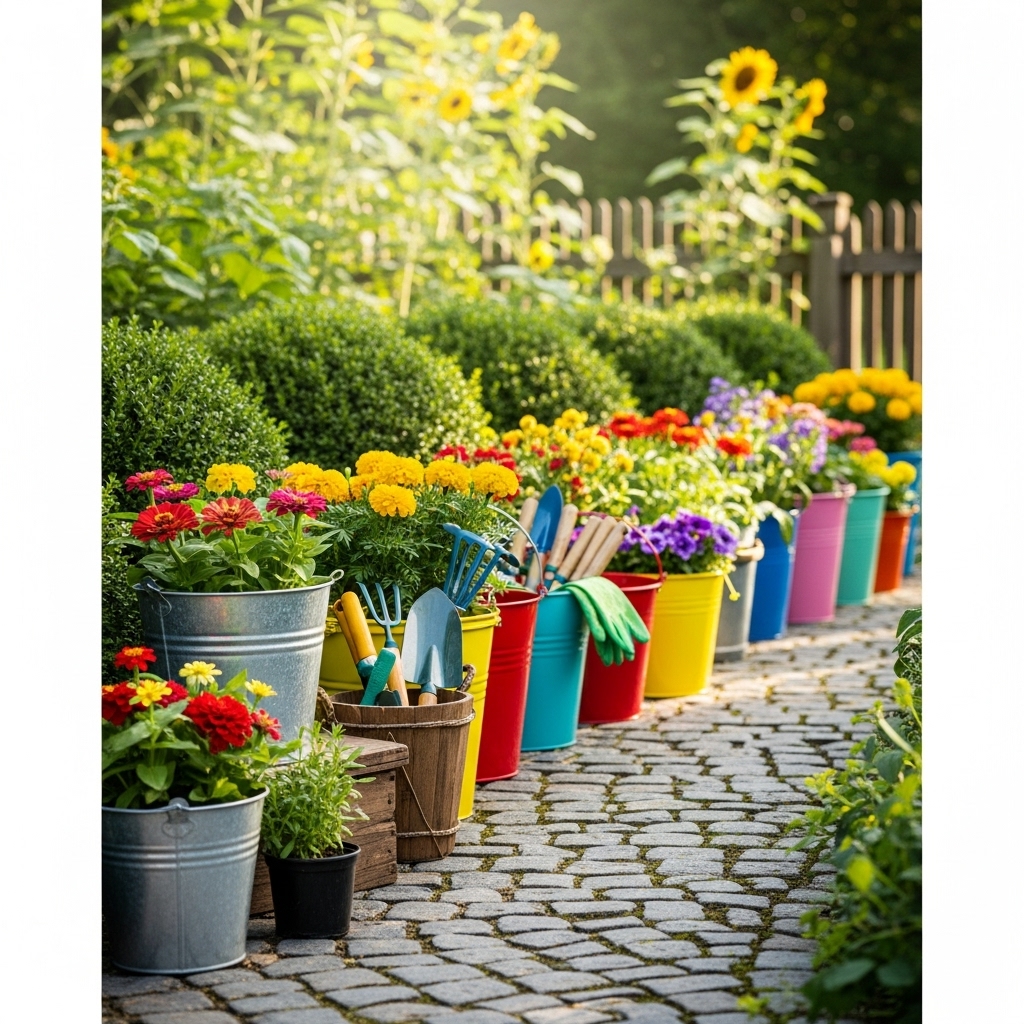
Selecting the right buckets is crucial for successful gardening. Opt for food-safe plastic containers or wooden barrels that won’t leach chemicals into the soil. Ensure the buckets are at least 5 gallons in size for most plants, allowing ample space for roots to grow. Drainage holes are essential to prevent waterlogging, so consider drilling additional holes if necessary. The right bucket can significantly influence plant health and growth rate.
2. Use Quality Potting Mix
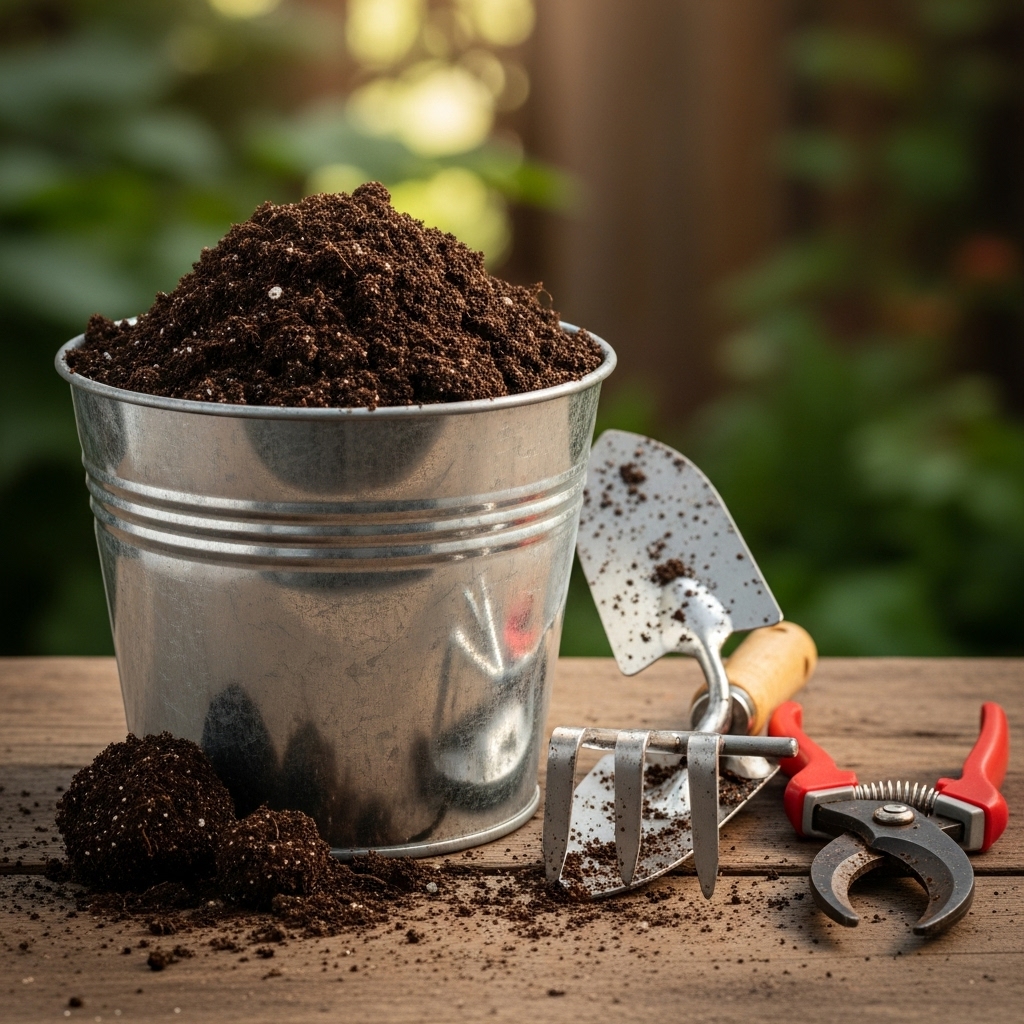
Investing in high-quality potting mix is one of the best ways to ensure faster plant growth. Look for a mix that retains moisture, allows for good drainage, and contains essential nutrients. Organic mixes often include compost, which can enhance soil fertility. Avoid using garden soil, as it can compact in buckets and hinder root development. A good potting mix will provide your plants with the nutrients they need to thrive. Read Interesting article: 8 Bucket Gardening Tips for Hot Weather Success
3. Ensure Proper Drainage

Proper drainage is vital in bucket gardening to prevent root rot and other moisture-related issues. Always ensure that your buckets have adequate drainage holes at the bottom. If you’re using larger containers, consider adding a layer of gravel or stones at the bottom before adding soil. This will help facilitate water flow and keep your plants healthy. Monitoring moisture levels is essential to achieve optimal growth.
4. Optimize Sunlight Exposure
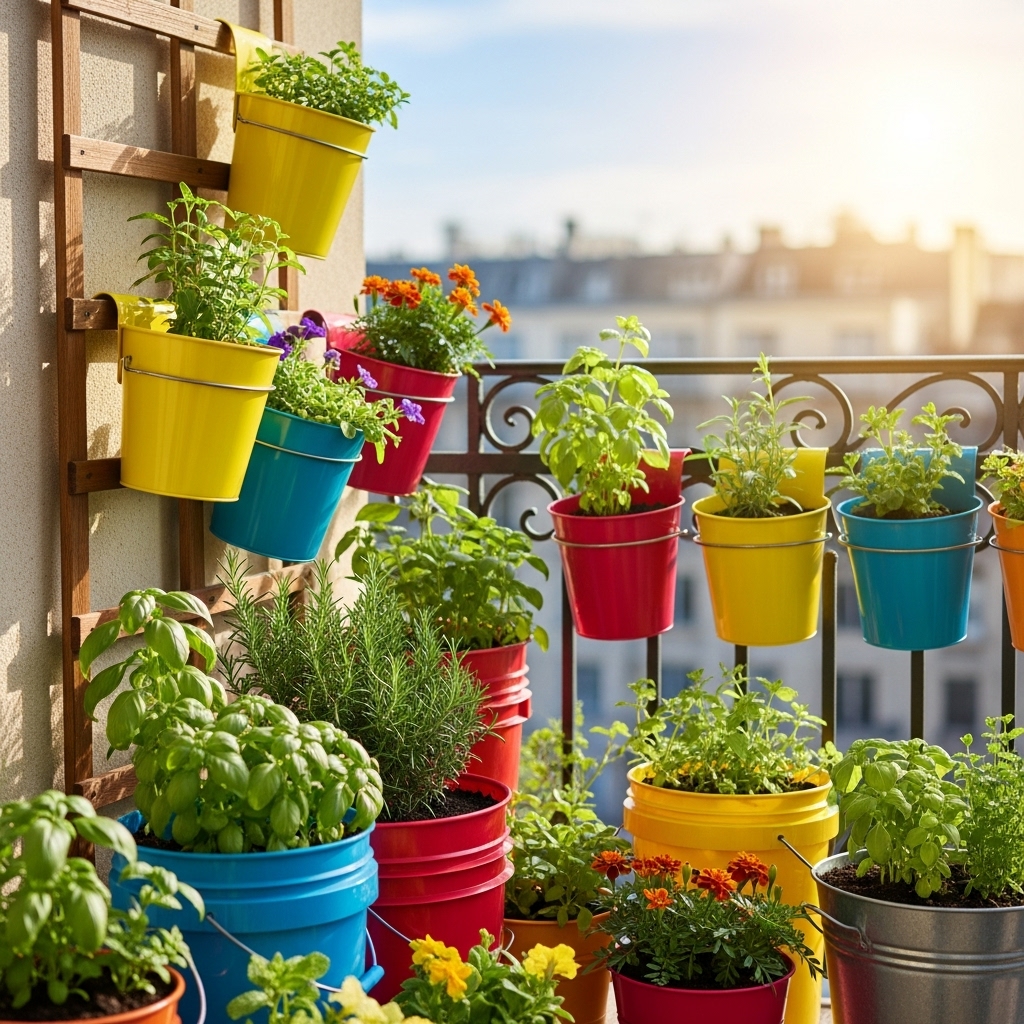
Most plants require full sunlight for at least 6-8 hours a day to grow rapidly. Position your buckets in a location that receives ample sunlight, such as a balcony, patio, or dedicated garden area. If natural sunlight is limited, consider using grow lights to supplement their light needs. Proper sunlight exposure not only accelerates growth but also enhances the flavor and quality of your crops.
5. Water Wisely
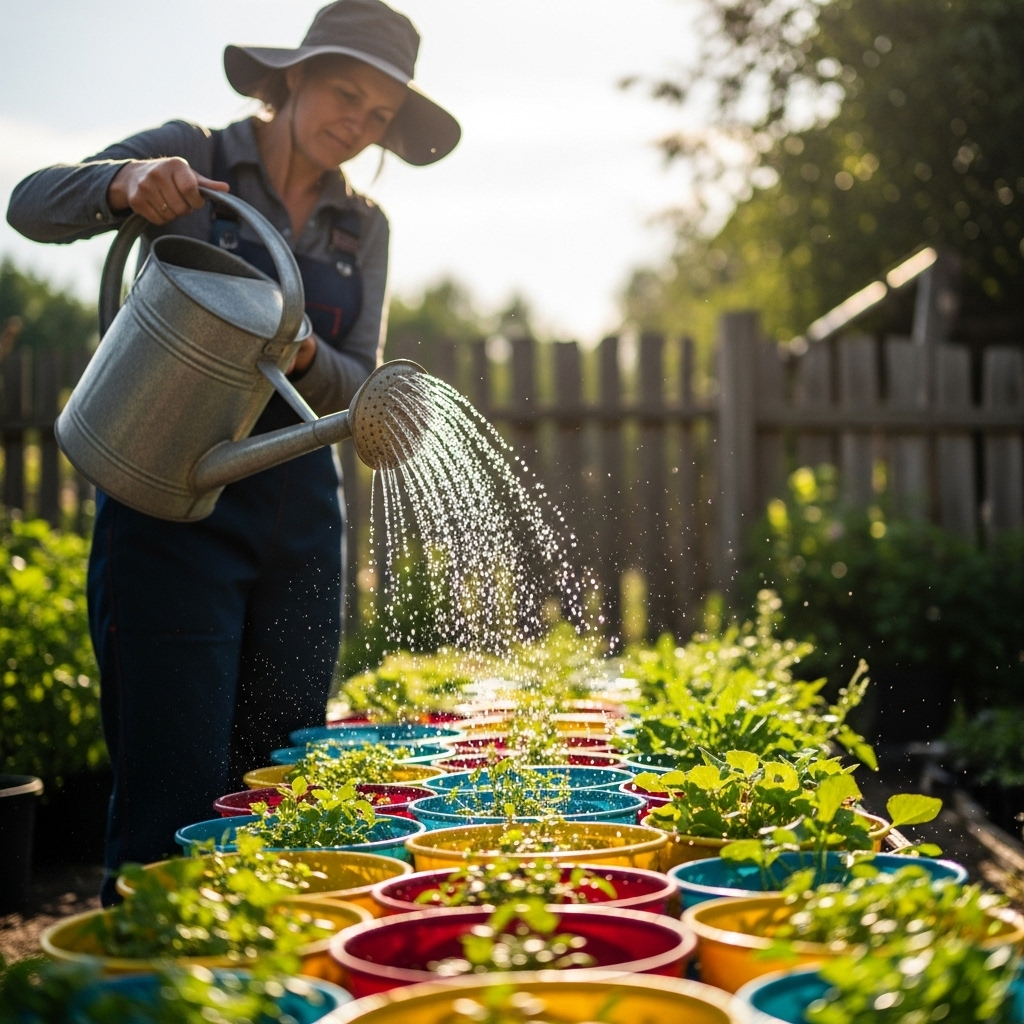
Watering is a critical aspect of bucket gardening that directly impacts plant growth. It’s essential to water deeply and less frequently rather than giving light, frequent waterings. This encourages deep root growth and helps plants become more drought-resistant. Always check the moisture level by sticking your finger into the soil; if it feels dry an inch down, it’s time to water. Adjust your watering schedule based on weather conditions to keep plants thriving.
6. Fertilize Regularly
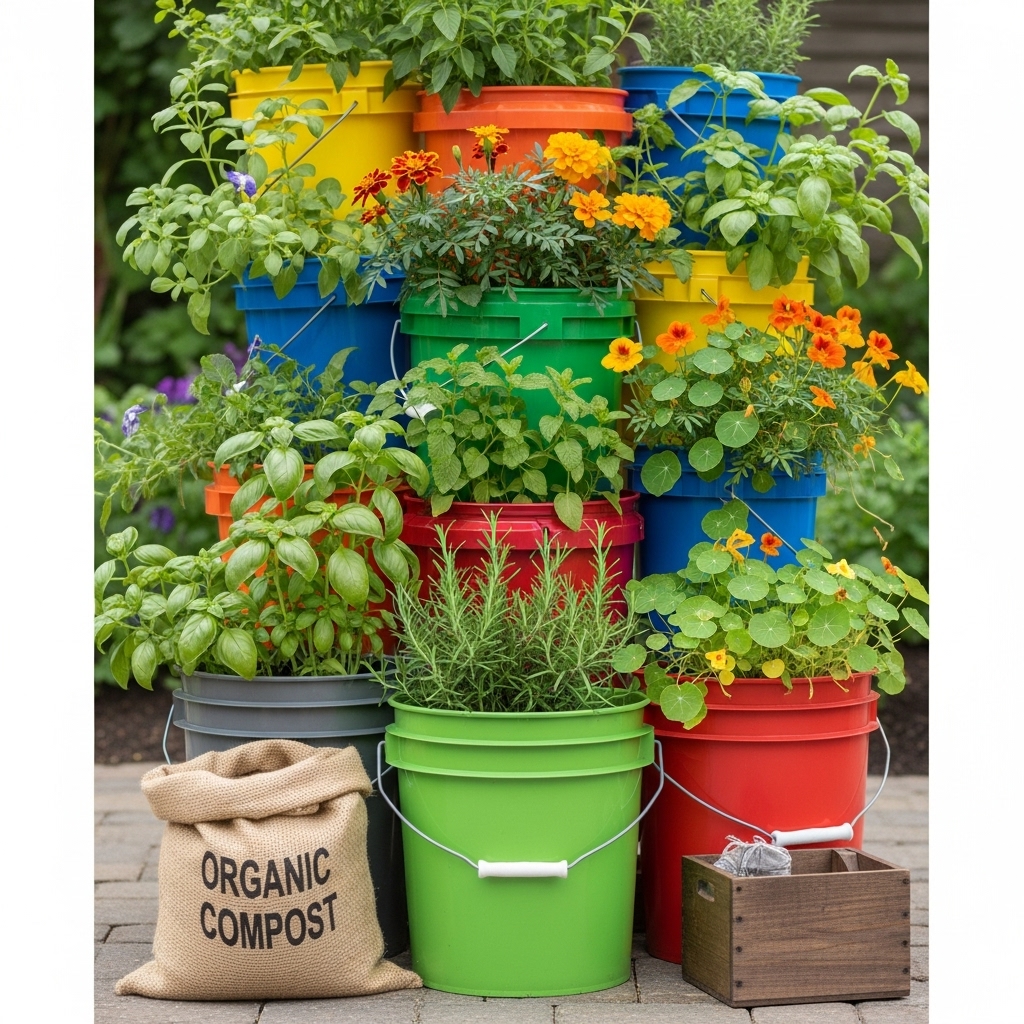
Regular fertilization is crucial for fast plant growth in bucket gardens. Since the soil in buckets can deplete nutrients quickly, using a balanced, water-soluble fertilizer every few weeks can help maintain soil fertility. Organic options like compost tea or fish emulsion are excellent choices for promoting healthy growth. Be cautious not to over-fertilize, as this can lead to nutrient burn and damage your plants.
7. Rotate Crops
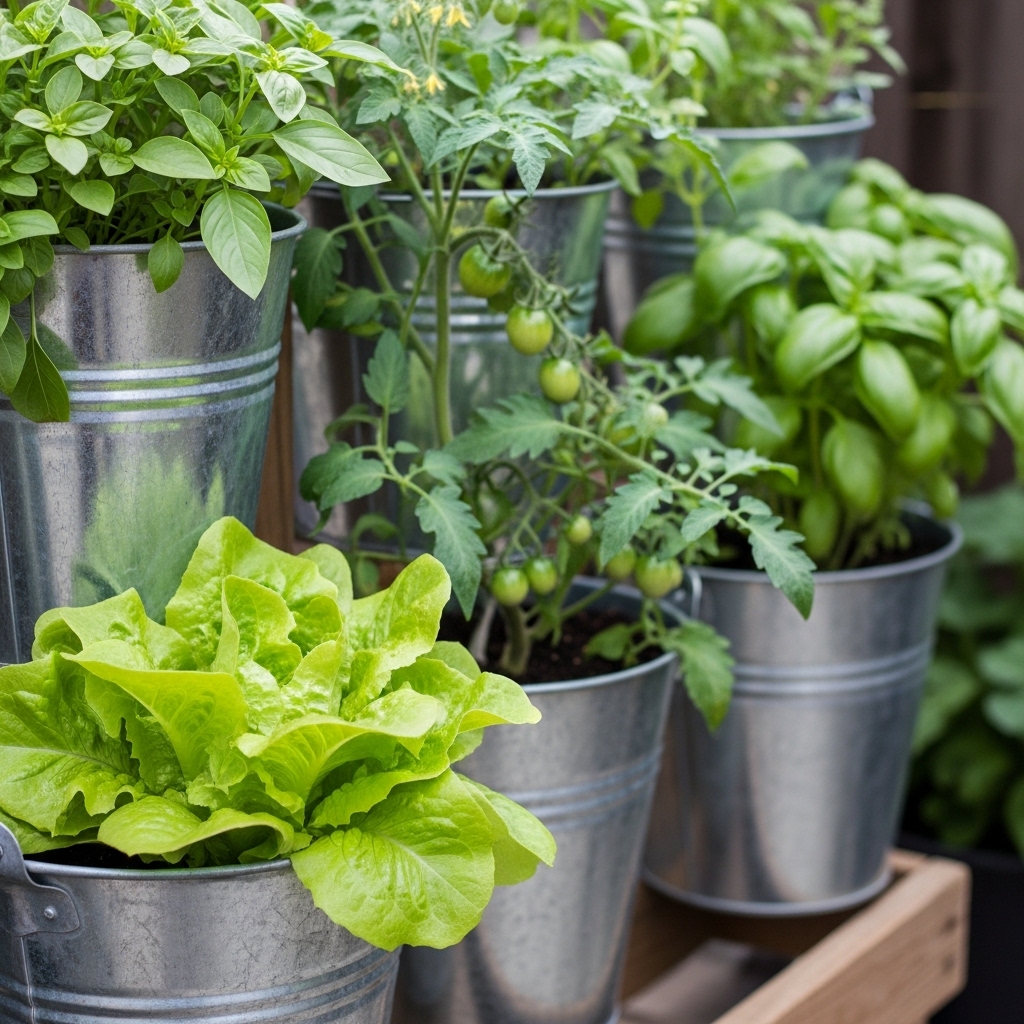
Crop rotation is an effective technique to prevent soil nutrient depletion and reduce pest issues. By changing the types of plants grown in each bucket each season, you can maintain soil health and ensure your crops receive varied nutrients. For example, follow nitrogen-fixing crops like beans with heavy feeders like tomatoes. This practice not only promotes faster growth but also increases your overall yield. Read Interesting article: 9 Bucket Gardening Tips to Prevent Plant Diseases
8. Monitor for Pests
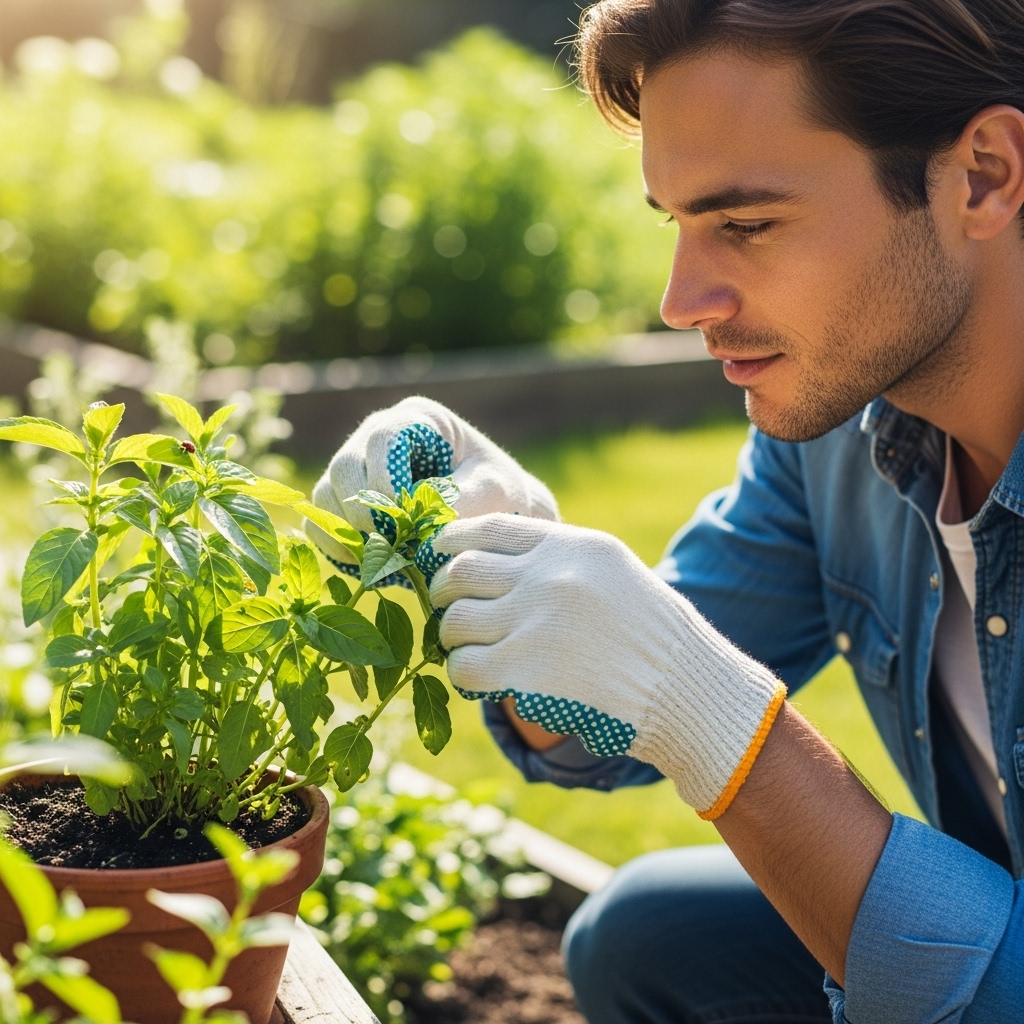
Keeping an eye out for pests is essential to protect your plants and ensure optimal growth. Regularly check the leaves and stems of your plants for any signs of infestation, such as discoloration or holes. Use organic pest control methods like neem oil or insecticidal soap to manage any issues effectively. By addressing pest problems promptly, you can maintain a healthy garden that promotes rapid plant growth.