
The Eastern Redbud tree is admired for its stunning spring blooms and low maintenance needs, but it also has drawbacks like a short lifespan and susceptibility to diseases, making it essential to weigh both sides before planting.
Table of Contents
The Eastern Redbud tree, known scientifically as Cercis canadensis, is a popular choice among homeowners for its beautiful blossoms and ecological benefits. However, understanding both its advantages and disadvantages is crucial for effective landscaping decisions.
Understanding the Eastern Redbud Tree
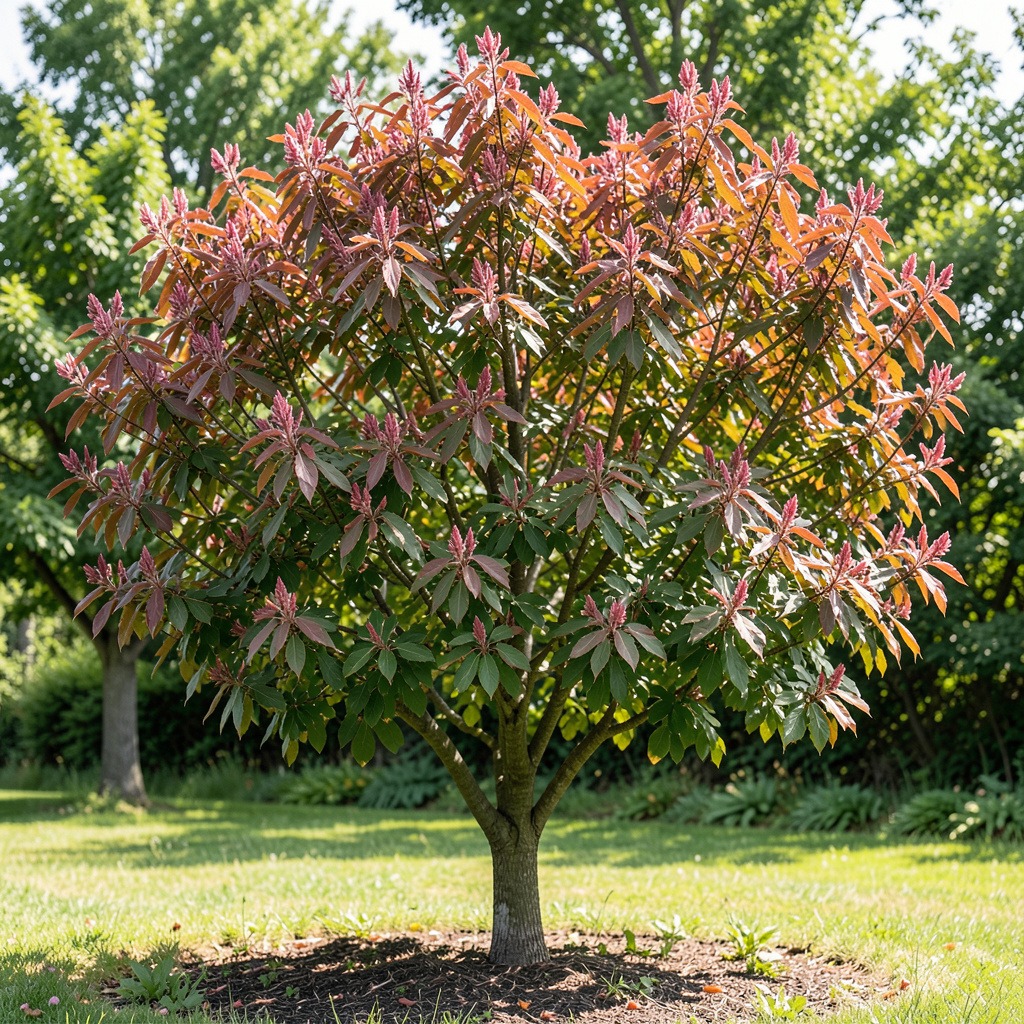
The Eastern Redbud tree, scientifically known as Cercis canadensis, is admired for its stunning spring blooms and ecological contributions. Understanding its characteristics, native range, and growth habits helps gardeners make informed landscaping decisions.
What is the Eastern Redbud?
The Eastern Redbud tree is a deciduous tree native to Eastern North America. It typically reaches heights of 20 to 30 feet and spreads about 25 feet wide. This tree is recognizable for its distinctive heart-shaped leaves and striking pink flowers that bloom in early spring.
Key Features of Eastern Redbud
- Native Range: Found from Texas and Florida to Iowa and Connecticut, the Eastern Redbud demonstrates adaptability across various conditions.
- Growth Characteristics: The tree thrives in full sun but can tolerate partial shade. It prefers well-drained soil, adapting to different soil types.
- Lifespan: With an average lifespan of 50 to 75 years, some trees may live up to 90 years under optimal conditions.
Decision Framework for Gardeners
When considering an Eastern Redbud for your landscape, assess the following:
- Space Requirements: Ensure you have enough room for its spread and height.
- Seasonal Interest: Evaluate how the tree’s flowers and fall foliage will contribute to your landscape throughout the year.
- Maintenance Needs: Consider the low maintenance requirements, but remain aware of potential disease susceptibility.
By understanding these aspects, you can better determine if the Eastern Redbud aligns with your landscaping goals.
1. Ornamental Beauty: A Stunning Spring Display
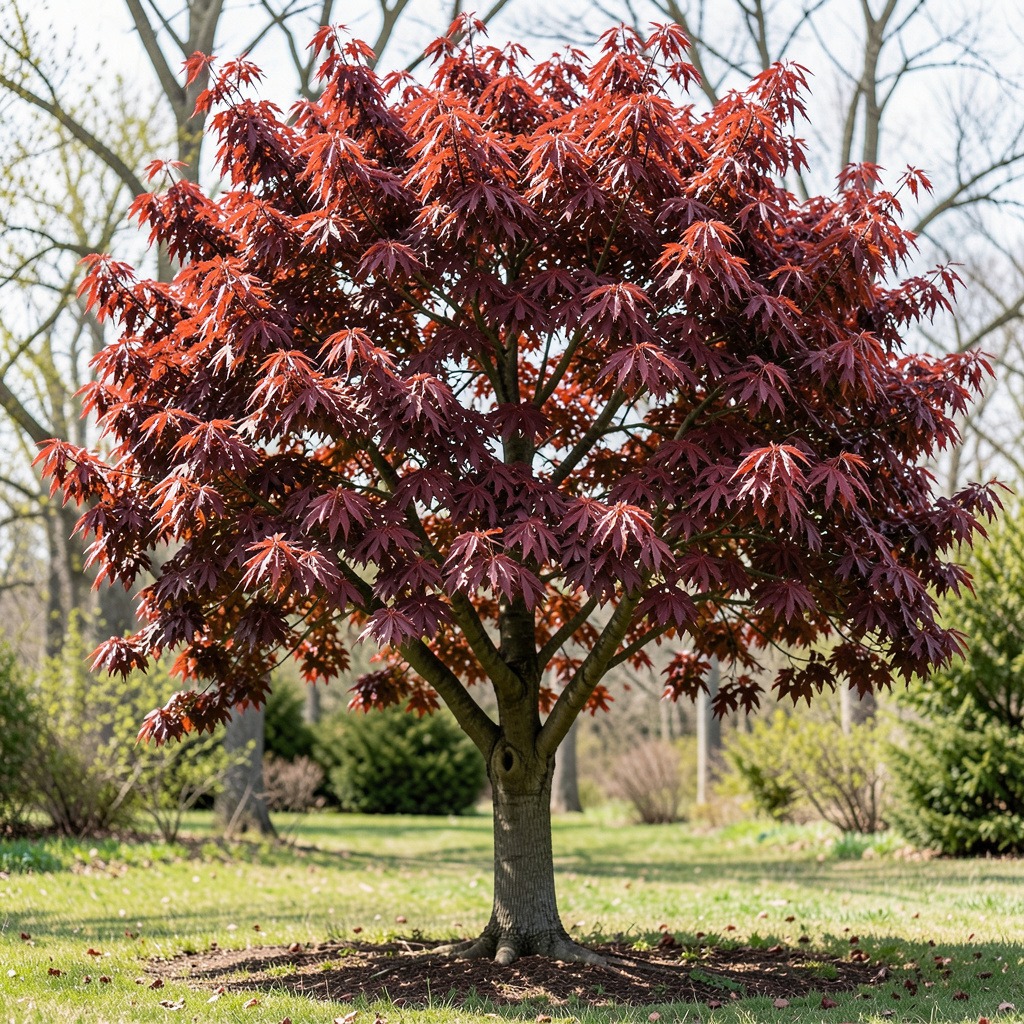
The Eastern Redbud tree is renowned for its breathtaking beauty, particularly in spring. Its vibrant blossoms transform landscapes, making it a popular choice for homeowners and gardeners alike.
Vibrant Blossoms in Spring
In early spring, the Eastern Redbud bursts into a spectacular display of pink or purple flowers. These blossoms are among the first to appear, often outshining other spring bloomers like dogwoods and magnolias. The flowers are small, pea-like, and densely packed along the branches, creating a stunning visual effect.
- Ecological Significance: These blooms attract essential pollinators, such as bees and hummingbirds, supporting local ecosystems.
- Personal Experience: Many gardeners report that their redbuds become a focal point in their yards, drawing admiration from neighbors and passersby. One homeowner shared that their tree, planted just a few years ago, has already become a highlight of their spring garden.
Seasonal Foliage Changes
The beauty of the Eastern Redbud does not end with its flowers. After blooming, the tree’s heart-shaped leaves emerge, adding lush greenery. In fall, these leaves turn a vibrant yellow, providing seasonal interest even after the blossoms fade.
- Year-Round Appeal: This seasonal foliage change enhances the tree’s visual impact throughout the year.
- Decision Framework: When selecting an Eastern Redbud, consider how its spring flowers and fall colors will fit into your landscape design. Aim to create a harmonious color palette that complements your existing plants.
Visual Impact in Landscaping
The Eastern Redbud’s unique shape and colorful blooms make it a versatile addition to various landscaping styles.
- Space Considerations: Ensure the tree has adequate space to spread its branches and showcase its natural form.
- Design Ideas: Pair Eastern Redbuds with contrasting plants, such as evergreens or flowering shrubs, to highlight their beauty.
The striking appearance of the Eastern Redbud tree provides not only aesthetic value but also a vital role in supporting wildlife. Its vibrant blooms and seasonal foliage changes make it an excellent choice for any landscape.
2. Wildlife Habitat: Supporting Local Ecosystems
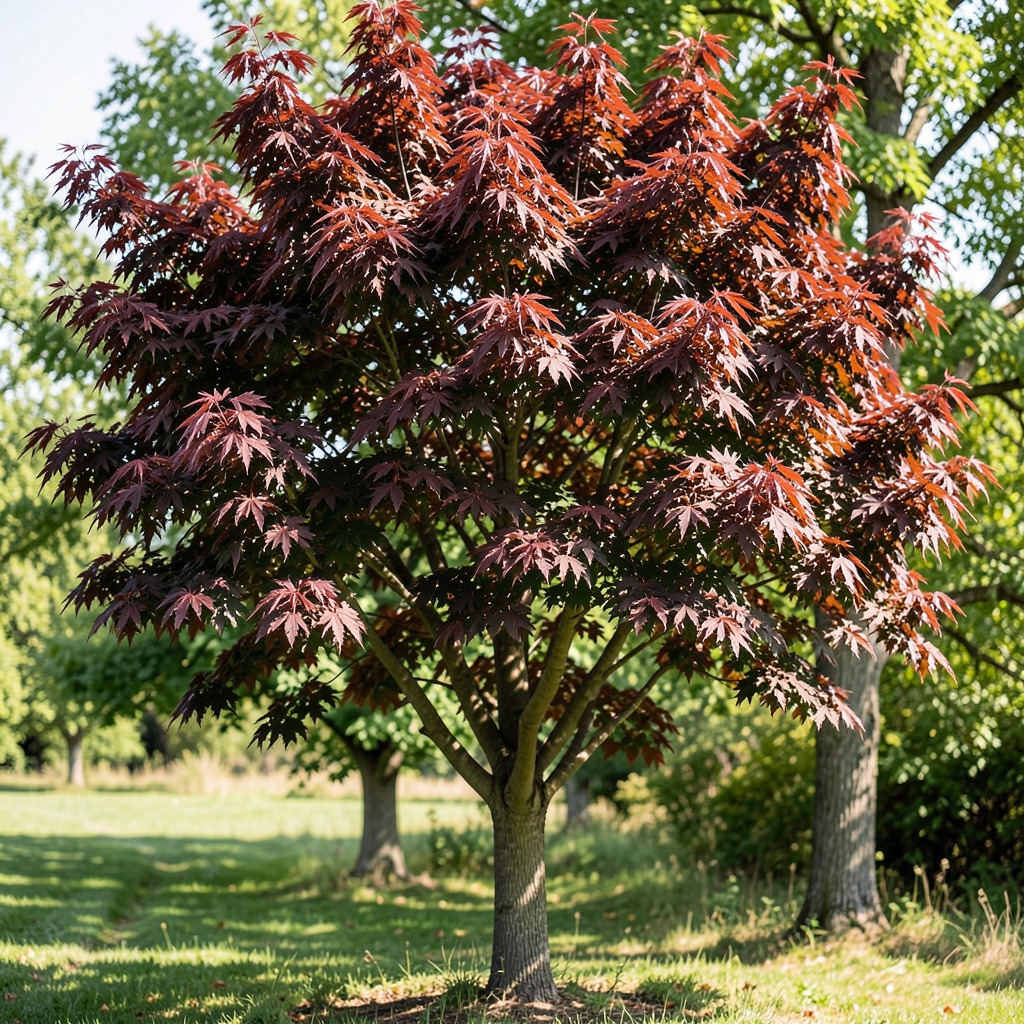
The Eastern Redbud tree (Cercis canadensis) is not just an ornamental addition to your landscape; it plays a critical role in supporting local wildlife. Its blossoms and foliage attract a variety of pollinators and provide shelter for small animals.
Attracting Pollinators
Eastern Redbud trees are a magnet for numerous pollinators, enhancing biodiversity in your garden. They primarily attract:
- Bees: Including honeybees, bumblebees, and mason bees.
- Hummingbirds: These birds are drawn to the tree’s vibrant flowers for nectar.
- Butterflies: Species like Henry’s Elfin butterflies thrive on the tree’s blossoms.
Research indicates that Eastern Redbuds can contribute significantly to local pollinator populations. A single tree can support dozens of pollinator species, promoting a healthy ecosystem.
Providing Shelter for Wildlife
In addition to attracting pollinators, Eastern Redbud trees provide essential habitat for various wildlife. They offer:
- Nesting Sites: Songbirds often nest in the tree’s branches, utilizing its cover for protection.
- Food Sources: The tree’s seeds and blossoms serve as nourishment for birds and small mammals.
- Shade and Protection: The dense foliage offers shelter from predators and harsh weather.
Incorporating an Eastern Redbud tree into your landscape can help sustain local wildlife populations. Gardeners often report increased bird activity and pollinator presence in areas with these trees.
Decision Framework for Gardeners
When considering adding an Eastern Redbud to your landscape, evaluate these factors:
- Space: Ensure you have enough space for the tree’s growth and its role as a wildlife habitat.
- Ecosystem Needs: Assess whether your garden supports the types of wildlife you wish to attract.
- Maintenance: Understand that while Eastern Redbuds are low maintenance, they do require some care to thrive.
By choosing an Eastern Redbud, you not only enhance your landscape’s beauty but also contribute positively to the local ecosystem.
3. Drought Tolerance: Resilience in Dry Conditions
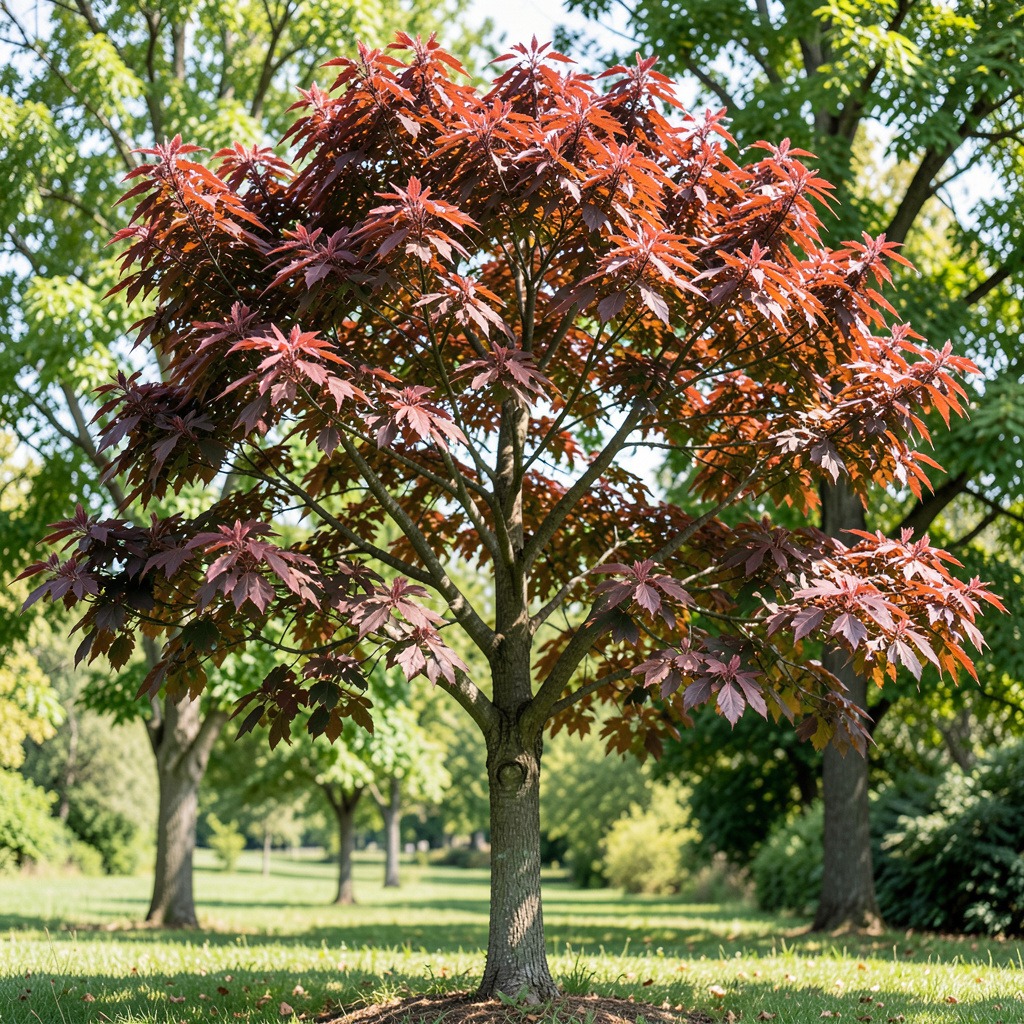
The Eastern Redbud tree is renowned for its ability to thrive in low-water conditions. This resilience makes it an excellent choice for gardeners seeking low-maintenance landscaping solutions.
Adaptability to Soil Types
Eastern Redbuds can flourish in various soil types, including clay, loam, and sandy soils. This adaptability enhances their drought tolerance. By selecting the right soil mix, you can further improve their ability to withstand dry conditions.
- Clay Soil: Ensure proper drainage to prevent root rot. Consider mixing in organic matter to improve soil structure.
- Sandy Soil: Maintain moisture levels by adding mulch. This helps retain water and reduces evaporation.
- Loamy Soil: This is ideal for Eastern Redbuds, providing a balance of drainage and moisture retention.
Watering Needs
While Eastern Redbuds are drought-tolerant once established, young trees require more attention. Proper watering during their initial years is crucial for long-term health.
- Establishment Phase: Water deeply once a week during dry spells for the first two years. This encourages deep root growth.
- Mature Trees: Once established, they need less frequent watering. However, during prolonged drought, a deep soak every two weeks is beneficial.
- Signs of Thirst: Look for drooping leaves, which indicate a need for water.
Practical Tips for Maximizing Drought Resistance
To enhance the drought resistance of your Eastern Redbud, consider the following strategies:
- Mulching: Apply a layer of organic mulch around the base. This conserves moisture and suppresses weeds.
- Pruning: Regularly prune to remove dead or damaged branches. This ensures better airflow and reduces stress on the tree.
- Location: Plant in a spot that receives at least four hours of sunlight daily. Full sun exposure boosts growth and flowering.
By implementing these care strategies, you can enjoy a thriving Eastern Redbud that withstands dry conditions while minimizing maintenance efforts.
4. Low Maintenance Requirements: Ease of Care
The Eastern Redbud tree is celebrated for its low maintenance requirements, making it a prime choice for homeowners seeking beauty without extensive effort. Its care is straightforward, allowing even novice gardeners to enjoy its vibrant presence.
Minimal Pruning Needs
Eastern Redbuds require minimal pruning to maintain their shape and health. Focus on these key tasks:
- Remove Dead or Damaged Branches: Conduct this in early spring before new growth begins.
- Shape the Tree: Light pruning can be done to encourage an open canopy and improve airflow.
- Timing: Prune during late winter or early spring to avoid disrupting blooming.
Pest Management
While relatively pest-resistant, keeping an eye on common issues is essential. Regular checks can prevent infestations:
- Monitor for Pests: Look for aphids, spider mites, and scale insects.
- Disease Awareness: Be vigilant for leaf spot or cankers, which may require treatment.
- Preventative Measures: Use organic insecticidal soap if pests become a problem.
Care and Maintenance Checklist
To ensure your Eastern Redbud thrives, follow this maintenance checklist:
| Task | Frequency |
|---|---|
| Watering | Weekly during dry spells |
| Pruning | Annually in late winter |
| Fertilizing | Every two years (if needed) |
| Pest and Disease Checks | Monthly |
| Mulching | Annually to conserve moisture |
By adhering to this checklist, you can keep your Eastern Redbud healthy with minimal effort. Its resilience and adaptability to various soil types further enhance its appeal, allowing it to flourish in diverse landscapes.
5. Short Lifespan: Understanding Longevity
The Eastern Redbud tree (Cercis canadensis) is cherished for its beauty but has a notably limited lifespan. Understanding its longevity is crucial for effective landscape planning.
Typical Lifespan Expectations
On average, Eastern Redbud trees live between 20 to 30 years. Some may reach up to 50 years with optimal care, but this is less common. Their shorter lifespan prompts careful consideration for homeowners.
- 20-30 years: Typical lifespan range.
- Up to 50 years: Possible with ideal conditions.
Planning for Future Growth
Given their limited lifespan, it is essential to plan for replacement trees. Consider the following when integrating Eastern Redbuds into your landscape:
- Replacement Timeline: Anticipate replacing the tree every 20 to 30 years, depending on health and growth conditions.
- Diversity: Planting a variety of species can enhance ecological resilience and aesthetic appeal.
- Site Assessment: Evaluate soil conditions and space to ensure the new tree will thrive.
Example Decision Framework:
1. Assess the current health and growth of your Eastern Redbud.
2. Determine your landscape goals (e.g., shade, aesthetics).
3. Schedule a replacement tree to ensure continuity in your landscape vision.
By planning thoughtfully, you can maintain the beauty and function of your landscape while accommodating the Eastern Redbud’s lifespan limitations.
6. Disease Susceptibility: Common Threats
Eastern Redbud trees (Cercis canadensis) face several diseases that can impact their health and longevity. Understanding these threats is crucial for effective management.
Common Diseases
1. Botryosphaeria Canker
- This fungal disease causes dieback in limbs. It enters through open wounds, making careful pruning essential.
2. Verticillium Wilt
- A soil-borne fungus that causes wilting and yellowing of leaves. It can be fatal if not addressed promptly.
3. Leaf Anthracnose
- This disease results in leaf spots and can lead to premature leaf drop. Good air circulation and timely removal of infected leaves can help mitigate its effects.
Prevention and Treatment
To maintain the health of your Eastern Redbud, consider these strategies:
- Regular Inspections: Check for signs of disease, such as wilting, discoloration, or unusual growth patterns. Early detection is key.
- Proper Pruning: Always use sterilized tools to prevent introducing pathogens. Prune during dry weather to minimize infection risk.
- Soil Health: Ensure well-draining soil and avoid overwatering to reduce the risk of root diseases.
- Consult an Arborist: If you suspect a disease, seek professional advice for accurate diagnosis and treatment.
Visual Guide for Identifying Diseases
| Disease | Symptoms | Action Required |
|---|---|---|
| Botryosphaeria Canker | Dead branches and cankers on bark | Prune affected limbs; consult an expert. |
| Verticillium Wilt | Leaf yellowing and wilting | Improve soil drainage; monitor health. |
| Leaf Anthracnose | Dark spots on leaves | Remove infected leaves; maintain air flow. |
By being proactive in disease management, you can enhance the vitality and longevity of your Eastern Redbud tree.
7. Messiness: Managing Fallen Petals and Pods
The Eastern Redbud tree, known for its stunning spring blooms, can create a bit of a mess during its growing season. Fallen petals and seed pods can accumulate, requiring regular maintenance to keep your landscape tidy.
Seasonal Cleanup Needs
During the blooming period, vibrant pink flowers drop to the ground, creating a colorful carpet that can be both beautiful and messy. In addition, the tree produces seed pods in late summer, which can also contribute to litter.
- Timing: Clean up fallen petals and pods regularly to prevent them from forming a thick layer, which can smother grass and other plants.
- Frequency: Aim for bi-weekly cleanups during peak blooming and pod-falling seasons. Adjust frequency based on your tree’s size and local weather conditions.
Best Practices for Maintenance
Implementing effective cleanup strategies can minimize your workload and enhance your landscape’s appearance.
- Mulching: Use mulch around the base of the tree to catch falling debris. This reduces the amount of cleanup required and improves soil health.
- Raking: Keep a lightweight rake handy for quick cleanups. This is particularly useful after windy days when petals may scatter widely.
- Composting: Consider composting fallen flowers and pods, as they can enrich your soil when decomposed.
Adopting these practices can streamline your maintenance efforts and help you enjoy the beauty of your Eastern Redbud tree without the hassle of excessive cleanup.
8. Root Behavior: Impact on Surroundings
The root system of the Eastern Redbud tree (Cercis canadensis) plays a crucial role in its growth and interaction with its environment. Understanding this behavior is essential for successful planting and maintenance.
Root Structure Overview
Eastern Redbuds exhibit a mix of taproots and lateral roots. This combination allows them to establish robust anchoring, making them relatively stable in various soil types. However, this complexity can cause challenges:
- Taproots: Deeply penetrate the soil, seeking moisture and nutrients. This can make the tree more drought-resistant but limits adaptability in compacted or poor soil.
- Lateral Roots: Spread wide near the surface, which can interfere with nearby structures, sidewalks, or other plants.
Planting Considerations
When planting Eastern Redbuds, consider the following guidelines to avoid issues related to root behavior:
1. Distance from Structures: Plant at least 10-15 feet away from foundations, driveways, and sidewalks to prevent root damage.
2. Soil Type: Choose well-draining soil to accommodate the tree’s needs. Avoid areas that retain excessive moisture to prevent root rot.
3. Space for Growth: Ensure enough space for lateral roots to expand without obstruction. This promotes healthy growth and minimizes potential conflicts with surrounding plants or structures.
By carefully selecting the planting location and understanding the root behavior of Eastern Redbud trees, you can enhance their longevity and reduce maintenance issues.
9. Final Considerations: Is the Eastern Redbud Right for You?
When considering the Eastern Redbud tree (Cercis canadensis) for your landscape, it’s essential to weigh both its advantages and disadvantages. This evaluation will help you determine if this tree aligns well with your gardening goals and environment.
Weighing the Pros and Cons
Pros of the Eastern Redbud Tree:
- Ornamental Beauty: The Eastern Redbud produces stunning pink flowers in early spring, making it a focal point in any garden.
- Wildlife Habitat: This tree supports local wildlife, attracting pollinators like bees and butterflies.
- Drought Tolerance: Once established, it can withstand periods of dry weather, reducing watering needs.
- Low Maintenance: It requires minimal care, making it suitable for busy homeowners.
Cons of the Eastern Redbud Tree:
- Short Lifespan: Typically, Eastern Redbuds live for only 20 to 30 years, which may be a concern for long-term landscaping plans.
- Disease Susceptibility: They can be prone to fungal infections and pests, necessitating regular monitoring.
- Messiness: The fallen flowers and seed pods can create debris that requires clean-up.
- Root Behavior: Its roots can be aggressive, potentially causing damage to nearby structures if planted too close.
Making an Informed Decision
To decide if the Eastern Redbud is right for you, consider the following checklist:
- Space: Do you have adequate space for the tree’s size and root spread?
- Aesthetics: Are you looking for a tree that offers seasonal beauty and enhances your landscape?
- Local Wildlife: Are you interested in attracting pollinators and supporting local ecosystems?
- Maintenance: Are you prepared to manage potential disease issues and clean up fallen debris?
- Longevity: Are you comfortable with a tree that may not last more than a few decades?
By reflecting on these factors, you can make a well-informed choice. For example, if you desire a vibrant spring display and can manage the upkeep, the Eastern Redbud might be a perfect fit. However, if you prioritize a long-lived, low-maintenance tree, consider alternatives that better suit your needs.
Frequently Asked Questions
These quick answers cover the most common questions about this topic, including key details, practical tips, and common concerns.
What are the downsides of having a redbud tree?
The Eastern Redbud tree has several drawbacks. Its typical lifespan ranges from 20 to 30 years, which is shorter than many other trees. This means you’ll need to plan for replacement sooner. Additionally, redbuds are susceptible to various diseases, such as Botryosphaeria canker and Verticillium wilt, which can affect their health and require regular monitoring.
Another downside is the messiness associated with fallen flowers and seed pods. During blooming season, petals can create a colorful but cluttered ground cover. Regular cleanup is necessary to maintain a tidy landscape.
Where is the best place to plant redbud trees?
Eastern Redbud trees thrive in well-drained soil and prefer full sun to partial shade. Choose a location that receives at least four hours of sunlight daily for optimal growth. Ensure there is enough space for the tree’s spread, ideally at least 10 to 15 feet away from structures to prevent root damage.
Avoid areas with poor drainage or compacted soil, as these conditions can lead to root rot. Planting in a spot protected from strong winds can also help the tree establish itself more effectively.
Is redbud a good front yard tree?
Yes, the Eastern Redbud is an excellent choice for a front yard tree. Its stunning spring blooms create a striking visual impact and can enhance your home’s curb appeal. The tree’s heart-shaped leaves provide lush greenery in the summer, and its fall foliage turns vibrant yellow, adding seasonal interest.
Additionally, redbuds support local wildlife by attracting pollinators like bees and butterflies, making your yard a more vibrant ecosystem. However, consider its shorter lifespan and potential messiness when deciding if it’s the right fit for your landscape.
Which is better, dogwood or redbud?
Choosing between a dogwood and an Eastern Redbud depends on your specific needs and preferences. Redbuds typically bloom earlier in spring and have a more dramatic flower display, while dogwoods offer a longer blooming period and distinct white or pink flowers.
In terms of maintenance, both trees require similar care, but dogwoods may be slightly more prone to diseases. Consider factors like space, desired aesthetics, and local wildlife support when making your decision. Both trees can add beauty and value to your landscape.
What are the pros and cons of growing an Eastern Redbud tree?
Pros of the Eastern Redbud include its breathtaking spring blooms, wildlife support, drought tolerance, and low maintenance requirements. These features make it a popular choice for gardeners looking to enhance their landscape with minimal effort.
On the downside, redbuds have a shorter lifespan, are susceptible to diseases, can create a mess with fallen petals and seed pods, and have aggressive roots that may damage nearby structures. Weighing these pros and cons will help you decide if this tree fits your landscaping goals.
How do I care for my Eastern Redbud tree?
Caring for your Eastern Redbud involves regular watering, especially during the first two years after planting. Water deeply once a week during dry spells to encourage deep root growth. After establishment, they require less frequent watering but should be soaked every two weeks during prolonged drought.
Pruning is also important; remove dead or damaged branches in late winter or early spring. Regularly check for pests like aphids and scale insects, and manage diseases by ensuring good air circulation and using sterilized tools for pruning.
What pests commonly affect Eastern Redbud trees?
Eastern Redbud trees can be affected by several pests, including aphids, spider mites, and scale insects. These pests can weaken the tree and affect its overall health if not managed promptly. Regular inspections are crucial to catch infestations early.
To manage pests, consider using organic insecticidal soap or introducing beneficial insects like ladybugs. Maintaining good air circulation around the tree can also help prevent pest problems.
What are the best soil conditions for Eastern Redbud trees?
Eastern Redbud trees prefer well-drained soil that can range from sandy to clay types. They thrive in loamy soil, which balances drainage and moisture retention. Avoid planting in areas with heavy clay or waterlogged conditions, as these can lead to root rot.
To improve soil quality, consider mixing organic matter into the planting area. This enhances drainage and provides essential nutrients for the tree’s growth. Regularly testing the soil can help ensure optimal conditions for your Eastern Redbud.