
Planting a pecan tree offers numerous benefits such as nut production and shade, but also presents challenges including maintenance demands and susceptibility to pests.
Table of Contents
Pecan trees are prized for their delicious nuts and long lifespan, making them a popular choice for backyard orchards. However, potential growers must weigh the benefits against the challenges of cultivation and maintenance to make informed decisions.
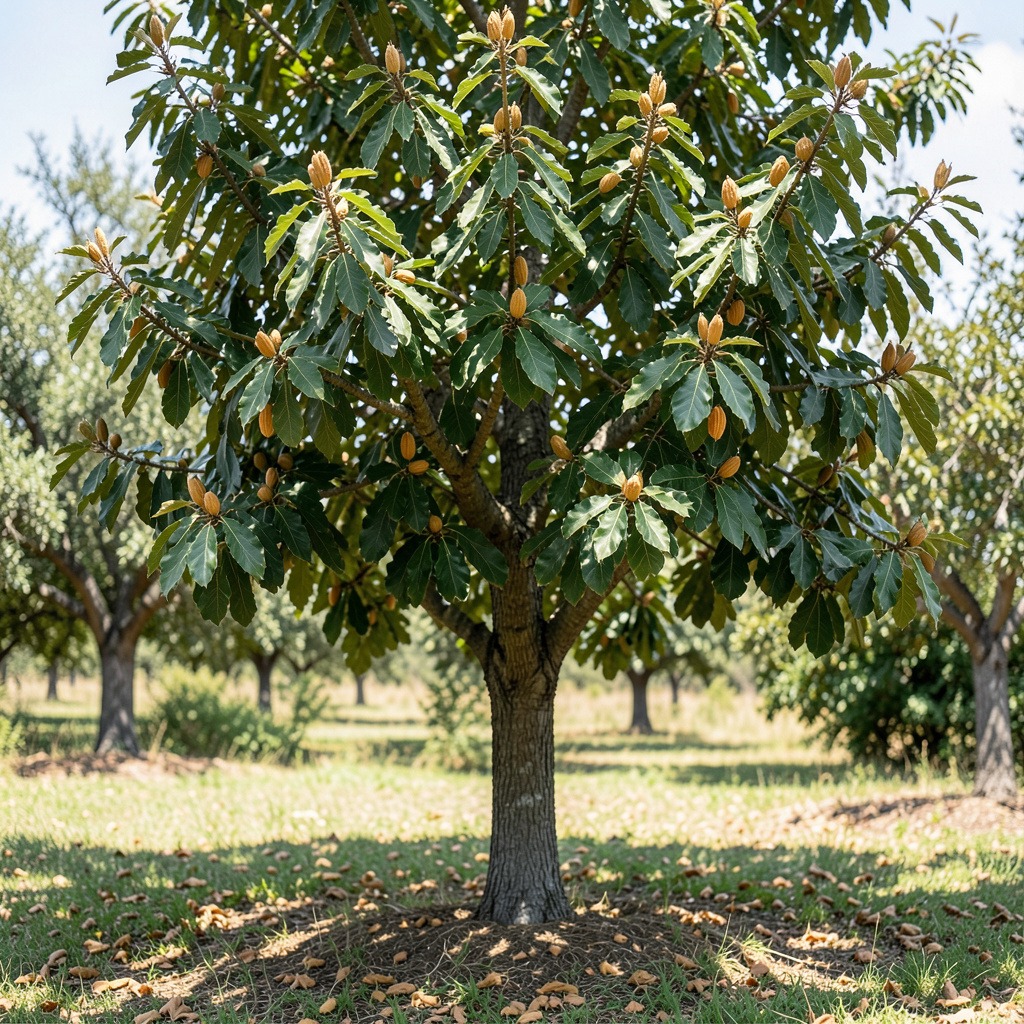
1. Pecan Trees Provide Delicious Nuts and Shade
Pecan trees offer two primary benefits: the production of nutritious nuts and the provision of ample shade. Both advantages enhance the value of these trees in residential settings.
Pecan Nuts Are Rich in Healthy Fats
Pecans are a powerhouse of nutrition. They are high in healthy monounsaturated fats, which are beneficial for heart health. These nuts also contain antioxidants, vitamins, and minerals, making them an excellent addition to a balanced diet.
- Culinary Versatility: Beyond traditional recipes like pecan pie, these nuts can be used in salads, snacks, and as toppings for various dishes. For example, toasted pecans can elevate a simple green salad or enhance the flavor of roasted vegetables.
Shade Benefits for Residential Areas
Mature pecan trees can grow tall and wide, providing significant shade. This natural canopy helps lower temperatures around homes, reducing cooling costs in summer.
- Energy Savings: Strategically planting pecan trees can lead to lower energy bills, as they provide shade to buildings and outdoor spaces. A well-placed tree can cool air temperatures by as much as 10 degrees Fahrenheit.
Long-Term Nut Production Capability
Pecan trees are known for their longevity and sustained nut production. Once established, they can produce nuts for over 100 years.
- Harvesting Timeline: While pecan trees take 10 to 12 years to begin producing nuts, their long-term yields make them worthwhile investments for homeowners. A well-maintained tree can yield 50 to 100 pounds of nuts annually, depending on the variety and growing conditions.
By considering these benefits, potential growers can appreciate the dual advantages of nut production and shade when planting pecan trees.
2. Pecan Trees Require Significant Maintenance
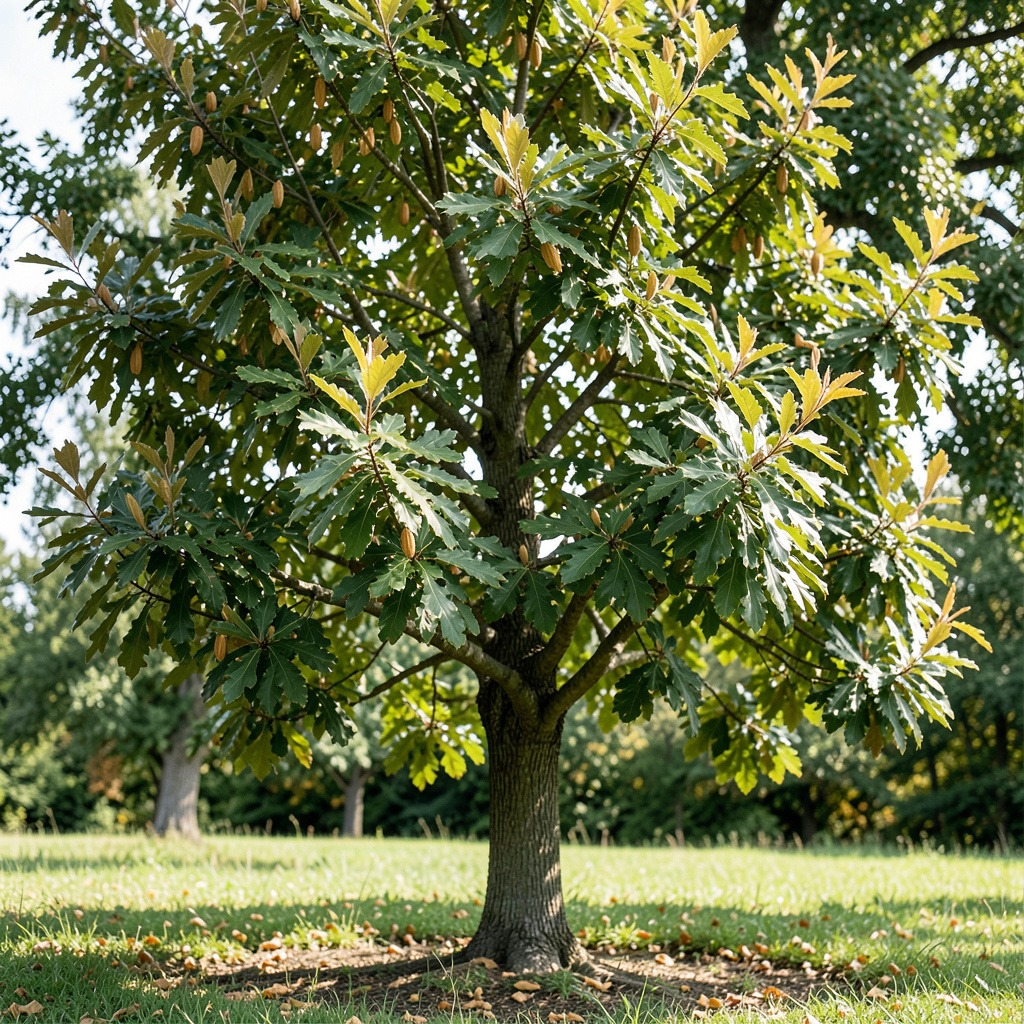
Pecan trees demand regular upkeep to thrive. Their maintenance needs encompass watering, pruning, and pest management, which are essential for healthy growth and nut production.
Regular Watering and Soil Management
Pecan trees require consistent moisture, particularly during the growing season. However, overwatering can lead to root rot, a significant risk for these trees.
- Optimal Watering Schedule: Water deeply once a week during dry spells.
- Soil Drainage: Ensure well-draining soil to prevent water accumulation around the roots.
- Moisture Monitoring: Use a moisture meter to check soil conditions before watering.
Importance of Pruning
Pruning is crucial for maintaining tree health and maximizing nut yield. Proper pruning helps manage canopy density and encourages airflow.
- Timing: Prune in late winter or early spring before new growth begins.
- Technique: Remove dead or crossing branches to prevent disease and promote even growth.
- Growth Management: Limit height through regular pruning, especially in residential areas.
Monitoring for Pests and Diseases
Pecan trees are susceptible to various pests and diseases, including aphids and fungal infections. Vigilant monitoring is essential.
- Pest Identification: Regularly check for signs of aphids, webworms, and other pests.
- Disease Prevention: Apply fungicides as needed, particularly during humid conditions.
- Integrated Pest Management: Use a combination of biological, cultural, and chemical methods to control pests effectively.
Annual Maintenance Checklist
- Watering: Ensure consistent moisture levels.
- Pruning: Schedule annual pruning in late winter.
- Pest Inspection: Conduct biweekly checks for pests and diseases.
- Soil Testing: Test soil quality every few years to maintain nutrient balance.
- Fertilization: Apply a balanced fertilizer in early spring to support growth.
By adhering to these maintenance requirements, you can ensure that your pecan tree remains healthy and productive throughout its long lifespan.
3. Pecan Trees Can Live for Over 300 Years
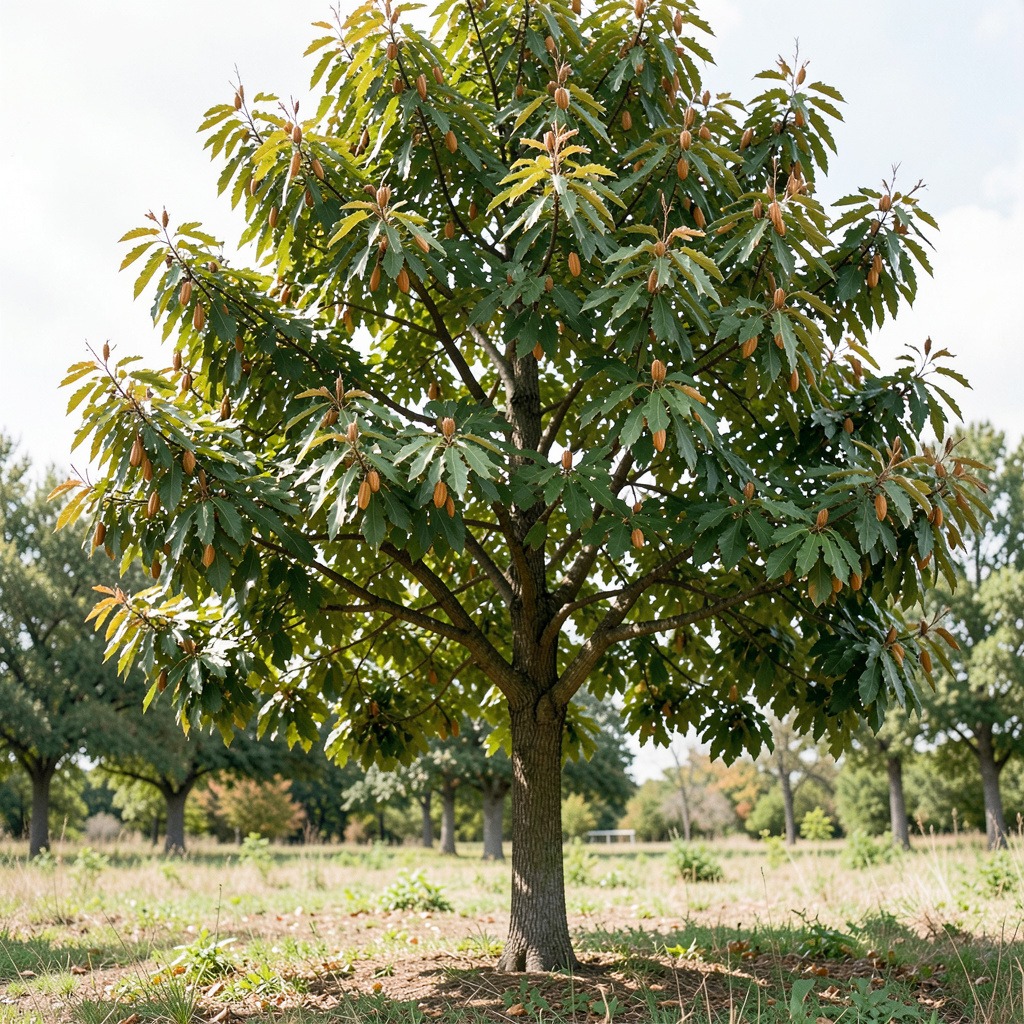
Pecan trees are notable for their remarkable longevity, making them a significant long-term investment for growers. Understanding their lifespan and productivity will help potential cultivators assess their suitability for planting pecan trees.
Comparison with Other Nut Trees
Pecan trees can live for over 300 years, vastly outlasting many other nut trees. Here’s a comparison of lifespans among common nut trees:
| Nut Tree | Average Lifespan |
|---|---|
| Pecan | 300+ years |
| Almond | 25-30 years |
| Walnut | 30-50 years |
| Hazelnut | 20 years |
This longevity not only enhances the sustainability of pecan cultivation but also allows for a more extended nut production period, which can benefit growers economically over time.
Economic Benefits Over Time
The long lifespan of pecan trees translates into significant economic benefits. Once established, they can produce nuts for over a century. Consider the following:
- Initial Investment: While the initial planting and care require time and resources, the long-term nut yield can justify this investment.
- Consistent Revenue: Mature pecan trees can produce 50 to 100 pounds of nuts annually, offering a reliable source of income for growers.
For example, an orchard with 50 mature pecan trees can yield over 2,500 pounds of nuts each year, providing substantial revenue when sold.
Impacts of Tree Age on Nut Production
The age of a pecan tree directly influences its nut production capacity:
- Young Trees (1-10 years): Limited or no nut production. Focus on proper care and maintenance.
- Mature Trees (10-50 years): Begin substantial nut production. Expect increasing yields as the tree ages.
- Old Trees (50+ years): Peak production occurs, but yield may stabilize or decline slightly as trees age.
When considering planting pecan trees, it’s crucial to weigh the long-term benefits of their longevity against the initial years of care without production. A careful assessment of your commitment and resources will guide your decision.
4. Pecan Trees Attract Pests and Diseases
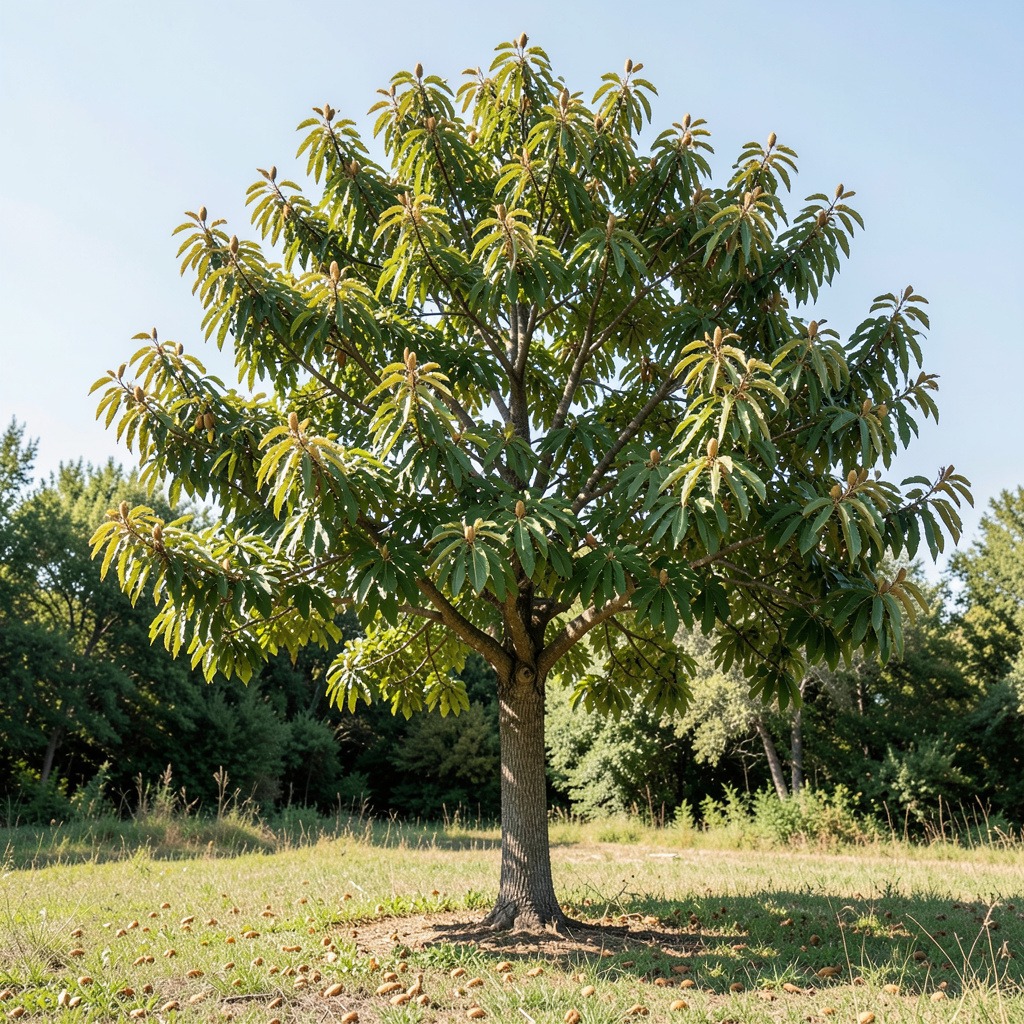
Pecan trees, while beneficial, are susceptible to various pests and diseases. Understanding these threats is critical for effective management and optimal nut production.
Common pests: aphids and nematodes
Pecan trees attract several pests that can harm their health and yield. Two common pests include:
- Aphids: These small insects feed on the tree’s sap, weakening it and potentially spreading diseases.
- Nematodes: These microscopic worms can invade the roots, leading to stunted growth and reduced nut quality.
Effective pest control is essential. Regular monitoring and early intervention can minimize damage. For instance, introducing beneficial insects, such as ladybugs, can help control aphid populations naturally.
Diseases: scab and powdery mildew
Pecan trees are prone to several diseases, significantly affecting their health and productivity. Key diseases include:
- Pecan scab: This fungal infection affects leaves and nuts, reducing crop yields. It thrives in humid conditions and can devastate entire orchards if left untreated.
- Powdery mildew: Another fungal issue, it manifests as a white powder on leaves, hindering photosynthesis and overall plant health.
Both diseases require vigilant management. Implementing a fungicide spray regimen can mitigate their impact, especially during peak seasons of humidity.
Effective pest management strategies
Managing pests and diseases in pecan trees involves a combination of preventive and reactive measures. Here are some effective strategies:
- Regular inspections: Check trees weekly for signs of pests or diseases.
- Cultural practices: Maintain proper tree spacing and sanitation to reduce humidity and improve airflow, which can deter fungal diseases.
- Soil health: Ensure healthy soil with adequate nutrients to bolster tree resilience against pests and diseases.
- Integrated Pest Management (IPM): Employ a combination of biological, cultural, and chemical controls tailored to specific threats.
For example, a grower in a humid climate might choose to focus on cultural practices and regular fungicide applications to combat scab, while also introducing beneficial insects to manage aphids.
By understanding these common pests and diseases, as well as implementing effective management strategies, pecan tree growers can ensure healthier trees and more productive harvests.
5. Pecan Trees Are Sensitive to Environmental Conditions
Pecan trees require specific climatic and soil conditions to thrive. Understanding these preferences is crucial for successful cultivation.
Optimal USDA Zones for Growth
Pecan trees flourish in USDA zones 5 to 9. These zones offer the warm temperatures and long growing seasons essential for nut production. Areas with consistent warmth and adequate rainfall are ideal for pecan growth.
Impact of Soil Type on Health
Pecan trees prefer well-draining, loamy soils rich in organic matter. Soil pH should range from 6.0 to 7.0 for optimal nutrient uptake. Heavy clay or sandy soils can hinder their growth and increase susceptibility to diseases.
Cold Sensitivity and Frost Risks
Pecan trees are particularly vulnerable to cold weather. They lack a natural dormancy period, making them sensitive to late frosts. In regions prone to snap freezes, pecan cultivation is risky.
Decision Framework for Planting Pecan Trees
1. Assess Your USDA Zone: Ensure you are in zones 5-9.
2. Evaluate Soil Quality: Test your soil for drainage and nutrient content.
3. Monitor Climate Risks: Check historical frost dates and temperature extremes in your area.
For example, a grower in Texas, within the optimal USDA zone, successfully cultivates pecans by ensuring well-drained soil and implementing frost protection measures. This proactive approach minimizes risks associated with cold sensitivity.
By adhering to these guidelines, potential pecan growers can make informed decisions regarding their planting environments.
6. Pecan Trees Contribute to Biodiversity
Planting pecan trees offers significant ecological benefits that enhance local biodiversity. These trees create habitats, support wildlife, and contribute to soil health.
Supporting Local Wildlife
Pecan trees provide food and shelter for a variety of wildlife. The nuts are a vital food source for birds, squirrels, and other small mammals. By attracting these species, pecan orchards foster a diverse ecosystem. For instance, a pecan grove in Georgia has been observed to attract over 30 different bird species, demonstrating the tree’s role as a biodiversity hotspot.
Enhancing Soil Health
The deep root systems of pecan trees improve soil structure and health. They prevent erosion and enhance nutrient cycling. As pecan trees mature, they contribute organic matter to the soil, which supports beneficial microorganisms. This process increases soil fertility and promotes a healthy ecosystem.
- Benefits of Soil Health from Pecan Trees:
- Reduces erosion
- Increases organic matter
- Promotes nutrient cycling
- Supports beneficial microorganisms
Role in Carbon Sequestration
Pecan trees play a crucial role in mitigating climate change. Through the process of photosynthesis, they absorb carbon dioxide, helping to reduce atmospheric CO2 levels. Mature pecan trees can sequester significant amounts of carbon over their long lifespan, which can exceed 300 years.
This ability to store carbon not only benefits the environment but also enhances the sustainability of pecan cultivation. As such, planting pecan trees contributes positively to global efforts to combat climate change while providing other ecological advantages.
Example of Successful Pecan Planting
A case study in Texas illustrates the ecological impact of pecan orchards. In a community project, local farmers planted pecan trees along riverbanks. This initiative not only improved the habitat for local wildlife but also significantly reduced soil erosion and enhanced water quality.
By understanding the ecological benefits of pecan trees, potential growers can make informed decisions about their environmental contributions alongside the economic benefits of pecan cultivation.
7. Pecan Trees Require Patience Before Nut Production
Pecan trees are a long-term investment. They take time to mature before yielding nuts. Understanding the timeline and influencing factors is essential for potential growers.
Typical Timeline for Nut Production
Pecan trees generally take between 5 to 10 years to begin producing nuts, depending on the variety and growing conditions. Here’s a breakdown:
- 5 Years: Some faster-growing varieties may start yielding nuts.
- 10 Years: Most varieties will begin producing at this point.
- 20+ Years: Trees reach peak production, providing significant harvests.
Factors Affecting Production Timelines
Several factors can influence how quickly pecan trees produce nuts:
- Variety: Different pecan varieties have varying maturation periods.
- Climate: Appropriate temperatures and conditions are crucial for growth.
- Soil Quality: Well-drained, nutrient-rich soil enhances growth rates.
- Watering Practices: Consistent moisture is vital, but overwatering can lead to root rot.
Long-Term Investment Considerations
Planting pecan trees requires patience and commitment. Here are key points to consider:
- Initial Care: Young trees need regular maintenance, including watering, mulching, and pest management.
- Long Lifespan: Pecan trees can live over 300 years, providing benefits for generations.
- Cost vs. Reward: Although initial years may yield little, mature trees can produce significant quantities of nuts, often exceeding 100 pounds per tree annually.
Decision Rule for Potential Growers
Before planting pecan trees, consider the following checklist:
- Assess local climate suitability.
- Choose the right pecan variety for your region.
- Evaluate soil conditions and drainage potential.
- Plan for long-term maintenance and pest control strategies.
By understanding these timelines and factors, potential pecan growers can make informed choices about their cultivation journey.
8. Pecan Trees Offer Versatile Culinary Uses
Pecans are not only celebrated for their nutritional benefits but also for their versatility in cooking. They enhance both sweet and savory dishes, making them a staple in various cuisines.
Incorporating Pecans in Desserts and Snacks
Pecans add richness and texture to desserts. Here are popular ways to use them:
- Pecan Pie: A classic dessert that highlights the nut’s buttery flavor.
- Pecan Pralines: Candied pecans that serve as a delightful treat or topping.
- Granola Bars: Adding pecans to homemade granola bars boosts protein and healthy fats.
- Pecan Crust: Use ground pecans as a gluten-free crust for cheesecakes or tarts.
Savory Dishes Featuring Pecans
Pecans can elevate savory meals as well. Consider these applications:
- Salads: Toasted pecans add crunch and depth to salads. They pair well with greens, fruits, and cheese.
- Stuffing: Incorporate pecans into stuffing for poultry or vegetables, adding texture and flavor.
- Pasta Dishes: Use chopped pecans in pasta recipes, enhancing the overall dish with a nutty taste.
- Roasted Vegetables: Toss roasted veggies with pecans for an added layer of flavor.
Nutritional Benefits in Meals
Including pecans in your meals offers several health advantages:
- Heart Health: Rich in monounsaturated fats, they can help lower bad cholesterol levels.
- Antioxidants: Pecans are packed with antioxidants, which protect against oxidative stress.
- Energy Source: The healthy fats and protein in pecans provide sustained energy.
Innovative Recipe Example
For a modern twist, try making Pecan-Crusted Chicken. Coat chicken breasts in crushed pecans mixed with spices, then bake until golden brown. This dish combines protein with the healthy fats of pecans, creating a nutritious meal option.
Decision Framework for Culinary Use
When deciding how to incorporate pecans into your cooking, consider the following:
- Flavor Pairings: Think about whether the dish is sweet or savory. Pecans work well in both.
- Texture Contribution: Consider how pecans will enhance the texture of your meal. Their crunch can add interest.
- Nutritional Goals: Assess how adding pecans aligns with your dietary objectives, such as increasing healthy fats or protein.
Pecans, with their culinary versatility, not only enhance meals but also contribute valuable nutrients, making them a worthwhile addition to any kitchen.
Frequently Asked Questions
These quick answers cover the most common questions about this topic, including key details, practical tips, and common concerns.
What are the best growing conditions for a pecan tree?
Pecan trees thrive in USDA zones 5 to 9, where they receive warm temperatures and long growing seasons. They prefer well-draining, loamy soils rich in organic matter, with a pH between 6.0 and 7.0. Adequate moisture is essential, especially during the growing season, but avoid overwatering to prevent root rot.
How long does it take for a pecan tree to bear nuts?
Pecan trees typically take between 5 to 10 years to start producing nuts, depending on the variety and growing conditions. Younger trees may not yield nuts until they reach around 10 years of age, while peak production often occurs after 20 years. Proper care and optimal environmental conditions can help expedite this timeline.
Can pecans cause allergies?
Yes, pecans can trigger allergic reactions in some individuals. People with tree nut allergies should avoid consuming pecans, as they may experience symptoms ranging from mild to severe. If you suspect an allergy, consult a healthcare professional for testing and guidance on dietary restrictions.
What are the common problems with pecan trees?
Pecan trees face several challenges, including pests like aphids and nematodes, as well as diseases such as pecan scab and powdery mildew. Regular monitoring and integrated pest management strategies are essential to minimize these issues. Additionally, environmental factors like late frosts can impact tree health and nut production.
How do pecans compare to other nuts?
Pecans are rich in healthy fats, particularly monounsaturated fats, which are beneficial for heart health. Compared to almonds and walnuts, pecans have a higher fat content but also provide similar nutritional benefits, including antioxidants and essential vitamins. Each nut has its unique flavor and culinary uses, making them suitable for different recipes.
What are alternatives to pecan trees for nut production?
If you’re considering alternatives to pecan trees, walnuts, almonds, and hazelnuts are excellent options. Each of these nut trees has its own growing requirements and flavor profiles. For example, walnuts thrive in similar climates but have different pest challenges, while almonds require specific pollination conditions. Assess your local climate and soil conditions to determine the best fit for your garden.
When is the best time to plant pecan trees?
The ideal time to plant pecan trees is in the spring, after the last frost has passed. This timing allows the trees to establish their root systems before the hot summer months. In warmer climates, fall planting can also be effective, but ensure the trees are well-watered and mulched to protect against winter temperatures.
How should pecans be stored for optimal freshness?
To maintain freshness, store pecans in an airtight container in a cool, dry place. For longer storage, consider refrigerating or freezing them. Properly stored, pecans can last several months at room temperature and up to a year or more in the freezer, preserving their flavor and nutritional value.