
Loblolly pine (Pinus taeda) is a fast-growing conifer native to the Southeastern United States, recognized for its ecological and economic significance. This guide explores eight essential aspects of loblolly pine, including its growth rate, uses, and identification features.
1. Overview of Loblolly Pine
Loblolly pine, scientifically known as Pinus taeda, is a prominent tree species found in the Southeastern United States. It’s treasured for its fast growth and economic value.
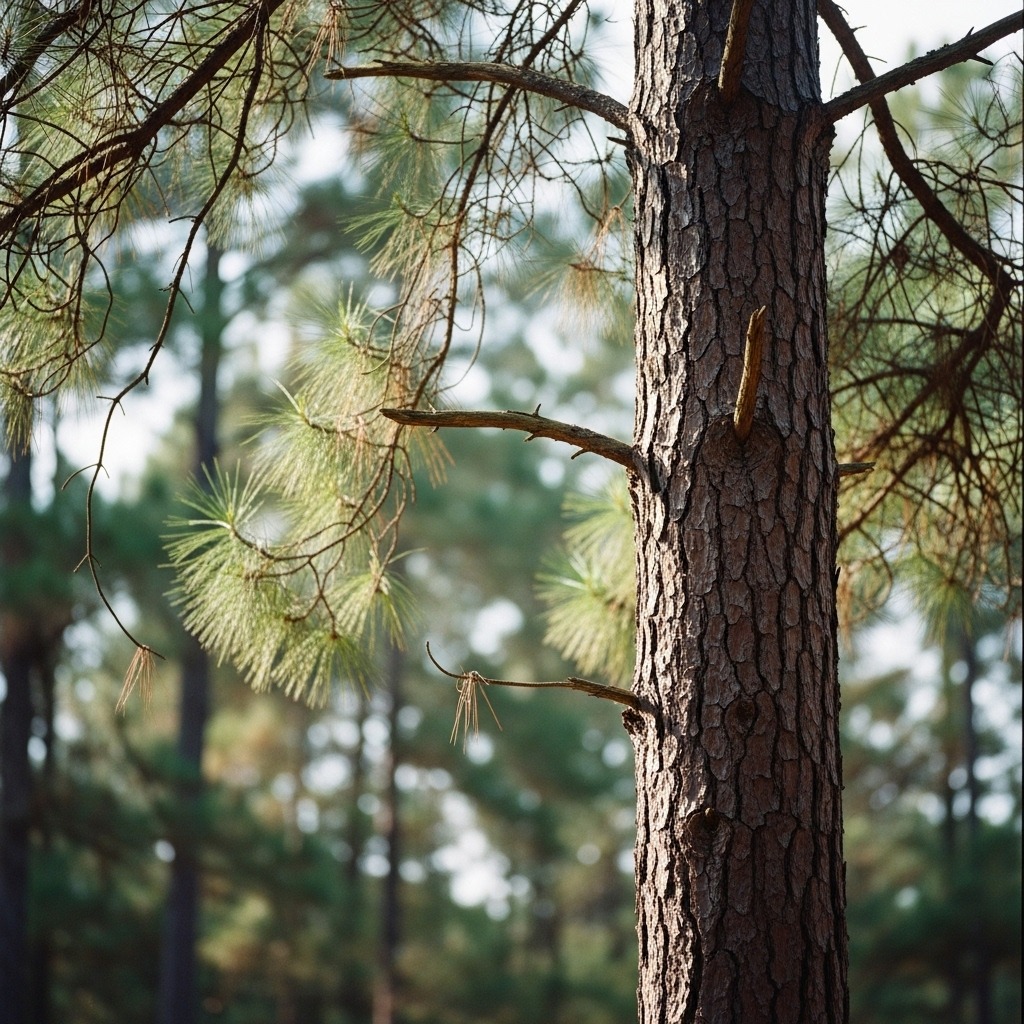
What are the Key Characteristics?
- Growth Rate: Loblolly pines are known for their rapid growth. They can grow up to 2 to 3 feet per year under ideal conditions.
- Height: These trees can reach heights of 60 to 100 feet.
- Needles: The needles are typically 6 to 10 inches long and are grouped in bundles of three.
- Cones: Their cones are relatively small, measuring about 3 to 6 inches long.
Where Do They Thrive?
Loblolly pines grow well in a variety of soils, particularly in wet, sandy, or clayey soils. They prefer full sun and can tolerate some drought.
Why are They Important?
Loblolly pine plays a crucial role in the ecosystem. It provides habitat for wildlife, stabilizes soil, and is a significant source of timber. In commercial forestry, loblolly pine is a top choice for timber production due to its straight trunk and high-quality wood.
Fun Fact
Did you know that loblolly pines are often used in reforestation projects? Their fast growth helps restore forests and improve local habitats quickly.
2. Growth Rate of Loblolly Pine
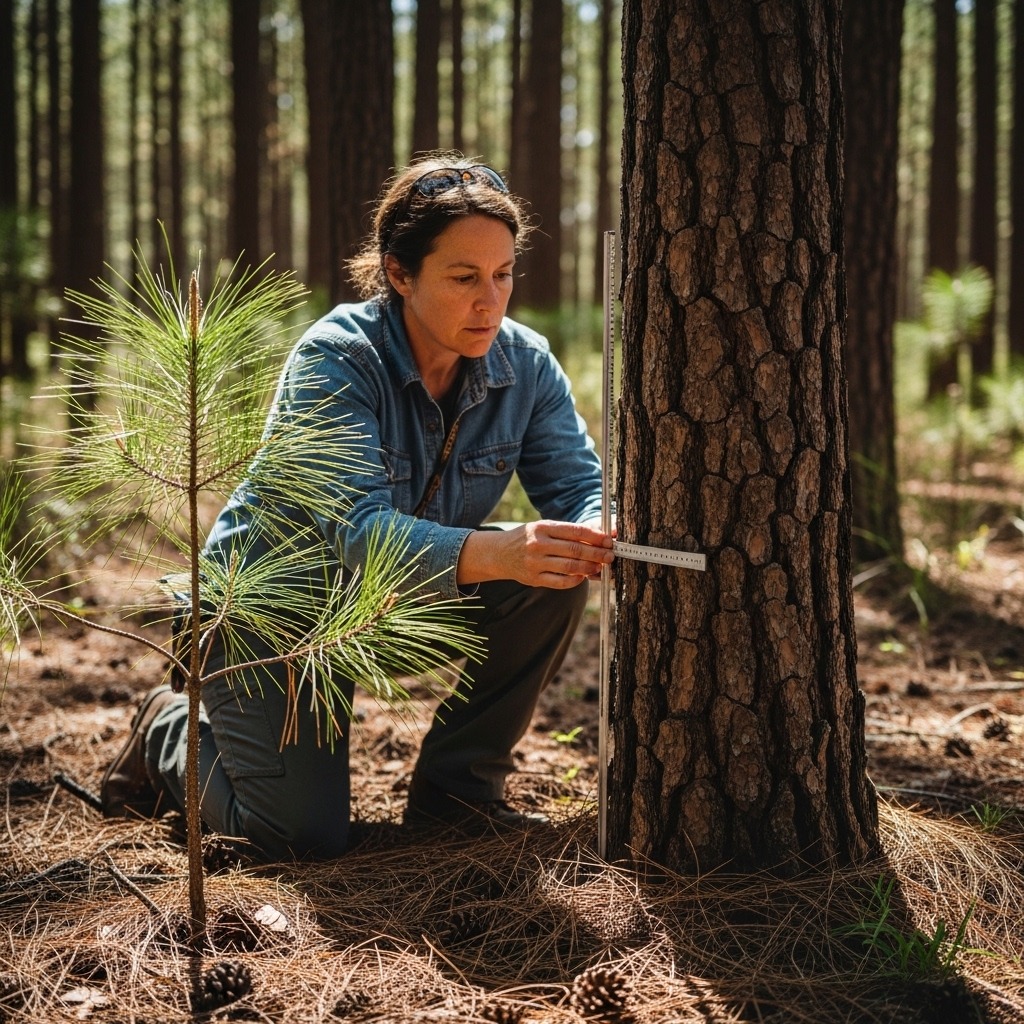
Loblolly pines are known for their impressive growth rate, making them a popular choice in forestry and landscaping. Their adaptability to various soil types and climates contributes significantly to their fast growth.
Average Annual Growth
On average, loblolly pines can grow between 2 to 3 feet per year. Under ideal conditions, some trees may even reach up to 5 feet annually. Here’s a quick breakdown:
Table of Contents
- Optimal Conditions: 5 feet per year
- Good Conditions: 3 feet per year
- Average Conditions: 2 feet per year
These growth rates can vary based on soil type, moisture levels, and competition from other plants.
Conditions for Optimal Growth
For loblolly pines to thrive, they need specific conditions:
- Soil: They prefer well-drained, sandy, or clayey soils.
- Sunlight: Full sun exposure is crucial for maximum growth.
- Moisture: While they can tolerate some drought, consistent moisture promotes faster growth.
- Competition: Too many competing plants can slow their growth. In fact, significant competition can reduce growth by as much as 50% in young stands.
Here’s how different soil types can affect their growth:
| Soil Type | Growth Rate |
|---|---|
| Sandy | Up to 5 feet/year |
| Clayey | 3-4 feet/year |
| Poorly Drained | 1-2 feet/year |
Selecting the right site for planting loblolly pines can make a big difference in their growth. For instance, if you’re planting in an area with dense competition from hardwoods, consider clearing some of that vegetation to boost growth potential.
By understanding these factors, you can maximize the growth of loblolly pines in your landscape or forestry project.
3. Identification Features of Loblolly Pine
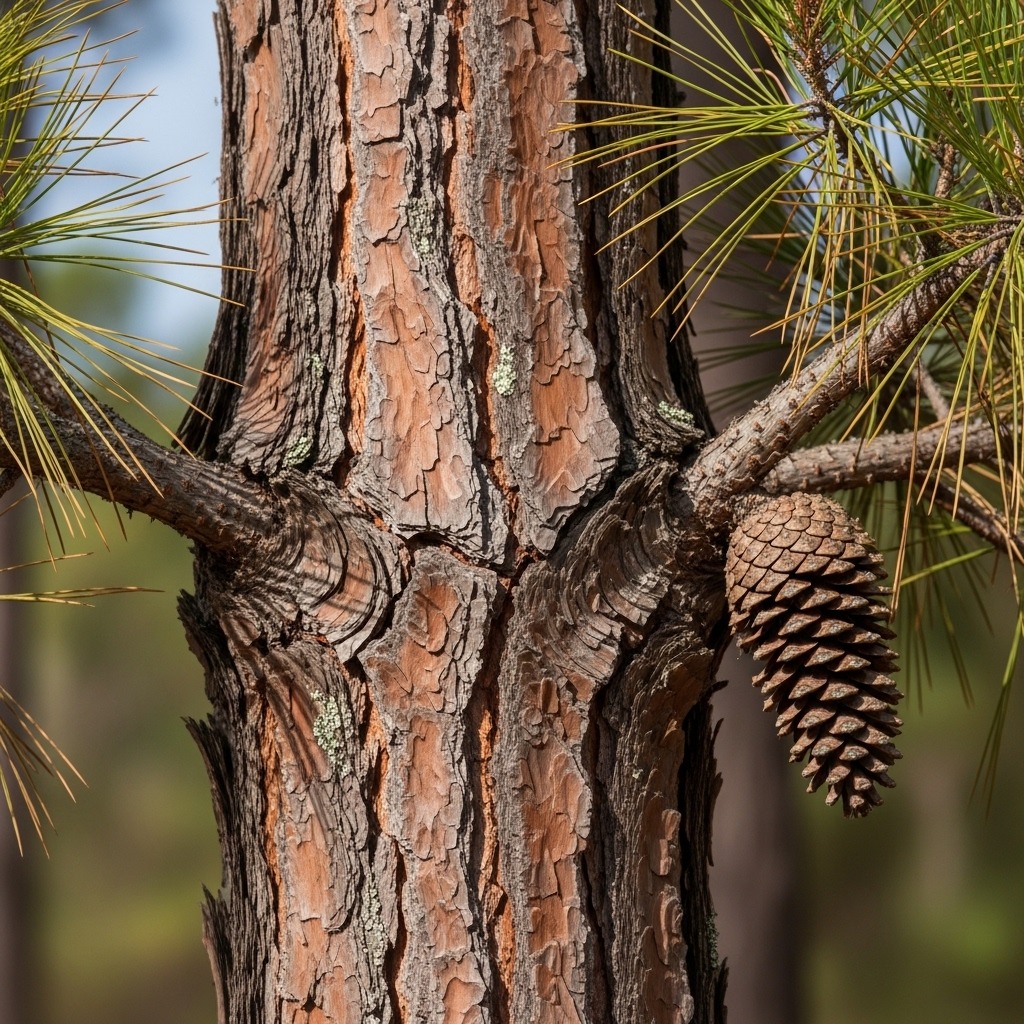
Identifying loblolly pine is easier when you know what to look for. This tree has distinct features, from its needles to its cones and bark. Let’s break it down.
Needles and Leaves
Loblolly pine needles are a key identifying feature. Here’s what to know:
- Growth Pattern: Needles grow in bundles of three.
- Length: They range from 5 to 10 inches (13 to 25 cm).
- Texture: Needles are stiff and thin with finely-toothed edges.
These characteristics make loblolly pine easy to spot among other pines.
Bark Texture and Color
The bark of the loblolly pine is another standout trait. Here’s what makes it unique:
- Color: It starts off reddish-brown and matures to a grayish hue.
- Texture: The bark is scaly and develops deep fissures as the tree ages.
- Fire Resistance: The thick bark offers excellent fire-resistant properties.
This rough texture can help you identify mature loblollies in the wild.
Cones and Seeds
Loblolly pine cones also provide helpful identification clues:
- Shape: Cones are conical and egg-shaped.
- Color: They have a rusty-brown color.
- Size: Cones grow between 3 to 6 inches (7.5 to 15 cm) long.
- Scales: The cones feature sharply spined scales that open wide in dry conditions.
When you see these cones, you’re likely looking at a loblolly pine tree.
Visual Aid
For a quick reference, here’s a comparison chart featuring loblolly pine alongside similar species:
| Feature | Loblolly Pine | Longleaf Pine |
|---|---|---|
| Needle Bundles | 3 | 3 (longer, typically 10-18″) |
| Cone Size | 3-6 inches | 6-10 inches |
| Bark Color | Reddish-brown to gray | Lighter, flaky |
| Growth Rate | Fast (up to 5 feet/year) | Slower (1-3 feet/year) |
This chart can help you differentiate loblolly pine from other pines easily.
4. Ecological Importance of Loblolly Pine
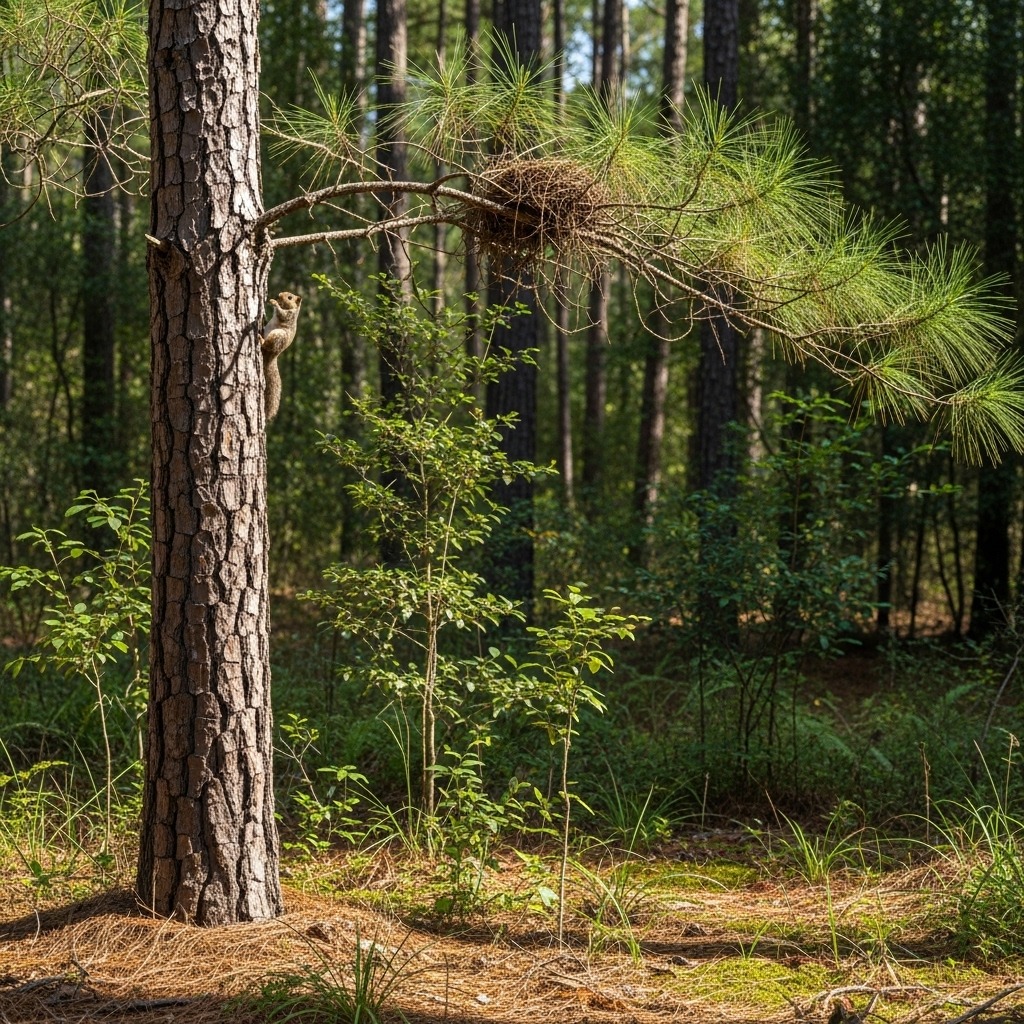
Loblolly pine plays a crucial role in its native ecosystems. It provides habitat and resources for a variety of wildlife. Let’s take a closer look at how this tree supports local environments.
Role in Local Ecosystems
Loblolly pines thrive in the Southeastern United States, forming dense forests. These trees create a unique habitat that supports many species. Here are some key roles they play:
- Habitat Provider: Loblolly pines offer shelter to various animals, including deer, quail, and squirrels.
- Food Source: The pine’s seeds are a food source for birds and small mammals.
- Soil Stabilization: Their roots help prevent soil erosion, especially in areas prone to heavy rainfall.
Benefits to Wildlife
The interaction between loblolly pines and local fauna is vital. These trees support a rich ecosystem. Here’s how:
- Game Species: Animals like wild turkeys and rabbits thrive in loblolly pine forests. They find food and safety among the trees.
- Biodiversity: Loblolly pines often grow with other species, enhancing biodiversity. This mixture supports a wider range of wildlife.
- Plant Community Support: The shade from loblolly pines allows for a diverse understory of plants, providing additional habitats for insects and smaller animals.
In summary, loblolly pines are not just trees; they are essential components of their ecosystems, supporting both wildlife and plant communities. Their presence enriches the environment, making them valuable in natural landscapes.
5. Commercial Uses of Loblolly Pine
Loblolly pine is a superstar in the timber industry. Its fast growth and versatility make it a favorite among builders and manufacturers. Let’s dive into the various ways this tree contributes to our economy and daily lives.
Timber and Lumber
Loblolly pine is a primary source of timber in the Southeastern United States. Here’s why it’s so valuable:
- Strong and Durable: Loblolly pine wood is strong, making it perfect for construction. It’s often used in framing homes, making furniture, and even in flooring.
- Cost-Effective: Because of its rapid growth rate, loblolly pine is a more affordable option compared to slower-growing species. This affordability drives its popularity in the market.
- Sustainable Choice: Many loblolly pine plantations are managed sustainably. This means they can be harvested while still maintaining healthy forests.
Pulpwood Applications
Loblolly pine isn’t just for lumber. It plays a big role in the pulpwood industry as well:
- Paper Production: The wood fibers of loblolly pine are ideal for making paper. Its high cellulose content makes it efficient for pulp production.
- Biomass Energy: As demand for renewable energy grows, loblolly pine is increasingly used for biomass. It can be converted into energy, providing a sustainable energy source.
- Versatile Uses: Beyond paper, loblolly pine pulp is used in making products like cardboard, particleboard, and even some types of textiles.
Economic Impact
The economic impact of loblolly pine is significant. Here are a few insights:
- Job Creation: The timber industry supports thousands of jobs in logging, manufacturing, and sales.
- Local Economies: Communities near loblolly pine plantations benefit from the economic activities generated by timber sales and processing.
- Market Trends: As construction and renewable energy markets grow, the demand for loblolly pine is likely to increase, further boosting its economic importance.
When considering loblolly pine for commercial use, it’s essential to evaluate factors like growth conditions, market demand, and sustainability practices. This evaluation can help ensure a successful investment and contribute positively to local economies.
6. Best Practices for Growing Loblolly Pine
Growing loblolly pine can be a rewarding experience. With the right care, these trees thrive and provide lasting benefits. Here are some essential guidelines for planting and managing loblolly pines.
Soil and Water Preferences
Loblolly pines love well-draining soil. They thrive in sandy or loamy soils, but can handle a range of conditions. Here’s what to consider:
- Soil pH: Aim for a pH between 5.0 and 6.5 for optimal growth.
- Moisture: These trees prefer moist conditions but can tolerate dry spells.
- Drainage: Ensure good drainage to prevent root rot.
Pest Management Strategies
Pests can be a headache for loblolly pine growers. Here’s how to keep your trees healthy:
- Regular Inspections: Check for signs of pests like pine beetles and moths. Early detection is key.
- Healthy Trees: Maintain strong, healthy trees to resist infestations. Proper watering and fertilization help.
- Silvicultural Practices: Thinning overcrowded stands can reduce competition and stress on trees, making them less susceptible to pests.
Checklist for Successful Planting and Maintenance
Here’s a handy checklist to guide you through the process:
- Select the Right Site: Choose a location with well-drained, fertile soil.
- Prepare Soil: Test pH and amend as necessary before planting.
- Planting Depth: Set seedlings at the same depth they were grown in the nursery.
- Watering: Water regularly during the first few years, especially in dry spells.
- Fertilization: Apply a balanced fertilizer if soil nutrients are low.
- Monitor Growth: Keep an eye on growth rates and adjust care as needed.
By following these best practices, you’ll set your loblolly pines up for success. Happy planting!
7. Common Pests Affecting Loblolly Pine
Loblolly pines are generally robust, but they can face challenges from pests. Understanding these pests and how to manage them is key to keeping your trees healthy.
Major Pests
Here are some of the main culprits that can threaten your loblolly pines:
- Southern Pine Beetle (Dendroctonus frontalis): This tiny beetle can cause significant damage. They attack the tree’s bark, disrupting nutrient flow. A severe infestation can lead to tree death.
- Nantucket Pine Tip Moth (Rhyacionia frustrana): Young loblolly pines are particularly vulnerable to this pest. The larvae feed on the new growth, leading to stunted growth and deformities.
- Pine Weevils: These pests target the young shoots, causing them to wilt and die back.
Prevention and Control Methods
Keeping pests at bay requires a combination of strategies. Here are some effective methods:
- Regular Monitoring: Check for signs of infestations early. Look for discoloration in needles or pitch tubes at the base of the tree.
- Maintain Tree Health: Healthy trees are less susceptible to pests. Ensure your loblolly pines are well-watered and properly fertilized.
- Use Insecticides: In severe cases, consider applying an insecticide. Make sure to follow application guidelines to protect beneficial insects.
- Cultural Practices: Remove any dead or dying trees nearby. This reduces breeding grounds for pests.
Example: In a recent case study, a loblolly pine plantation faced a southern pine beetle outbreak. The landowners implemented regular monitoring and timely insecticide applications. As a result, they managed to save a majority of their trees and continue thriving.
By staying vigilant and proactive, you can help your loblolly pines flourish despite pest pressures.
8. Landscape Uses for Loblolly Pine
Loblolly pines are a great addition to landscaping, especially in southern regions. Their rapid growth and adaptability make them a popular choice for various uses.
Aesthetic and Functional Benefits
Loblolly pines not only look good but also serve practical purposes. Here are some benefits:
- Fast Growth: They grow quickly, providing shade and privacy in no time. Perfect for creating a natural screen.
- Versatile Appearance: Their tall, straight trunks and lush green needles make them visually appealing. They can fit well in both urban and rural settings.
- Wildlife Habitat: These trees support various wildlife. Birds and small mammals often make homes in their branches.
A case study in North Carolina showed a community park that incorporated loblolly pines as a windbreak. The trees not only enhanced the park’s aesthetics but also reduced wind chill, making the area more comfortable for visitors.
Ideal Planting Locations
Choosing the right spot for your loblolly pines is crucial. Here’s where they thrive best:
- Sandy or Loamy Soils: They prefer well-drained soils, making sandy or loamy areas ideal.
- Full Sun: Loblolly pines love sunlight. Plant them in areas that receive at least six hours of direct sun each day.
- Moisture-Rich Environments: They do well in locations that retain moisture but don’t become waterlogged.
In a recent landscaping project, a homeowner planted loblolly pines around a pond. The trees not only thrived but also helped stabilize the soil and prevent erosion. This dual benefit makes them a smart choice for similar environments.
Frequently Asked Questions
These quick answers cover the most common questions about this topic, including key details, practical tips, and common concerns.
What is the growth rate of a loblolly pine?
Loblolly pines are among the fastest-growing pine species. Under ideal conditions, they can grow 2 to 3 feet per year, with some reaching up to 5 feet annually. Growth rates depend on soil quality, moisture, and competition. Proper site selection and management can maximize their growth potential.
What are the facts about loblolly pines?
Loblolly pine (Pinus taeda) is a tall, straight conifer native to the Southeastern U.S. It typically reaches 60-100 feet in height, with needles in bundles of three measuring 6-10 inches. Its cones are small, about 3-6 inches long, and its bark is reddish-brown and scaly. It thrives in sandy, moist soils and is vital for timber and ecological health.
What are the uses of loblolly pine?
Loblolly pine is a key timber species used in construction, furniture, and flooring due to its strength and straight trunk. It is also widely used in pulp and paper production because of its high cellulose content. Additionally, it supports biomass energy and other wood-based products, making it economically valuable.
What does a full grown loblolly pine look like?
A mature loblolly pine is a tall, straight tree with a conical shape. Its bark is thick, reddish-brown in young trees, turning gray with age. Needles are in bundles of three, 6-10 inches long, and the cones are egg-shaped, rusty-brown, and 3-6 inches long. Its overall appearance is that of a classic, towering pine with a dense canopy.
How do loblolly pines contribute to their ecosystem?
Loblolly pines provide habitat and food for many wildlife species, including birds, squirrels, and deer. Their seeds are a vital food source, and their dense forests offer shelter. They also help prevent soil erosion and improve soil quality, supporting biodiversity and ecological stability.
What are the common pests affecting loblolly pine?
Key pests include the southern pine beetle, which can cause widespread damage, and the Nantucket pine tip moth, which affects young growth. Pine weevils and other insects may also attack the tree, especially if it’s stressed or unhealthy. Regular monitoring and proper management help control these pests.
When is the best time to plant loblolly pine?
The optimal time to plant loblolly pine is during the early spring or fall when soil temperatures are moderate. Planting during these periods allows seedlings to establish roots before extreme weather conditions. Avoid planting during the hottest summer months or winter freezes.
What soil conditions are best for loblolly pine?
Loblolly pines prefer well-drained, sandy, or loamy soils with a pH between 5.0 and 6.5. They tolerate moist conditions but do not do well in waterlogged soils. Proper soil preparation and site selection are crucial for healthy growth and optimal development.