
Starting a bucket garden can be an exciting venture, especially for beginners looking to grow their own vegetables and flowers. However, there are common mistakes that many novice gardeners make that can hinder their success. By being aware of these pitfalls, you can ensure a thriving garden right from the start. Here are nine bucket gardening mistakes that beginners should avoid.
1. Ignoring Drainage
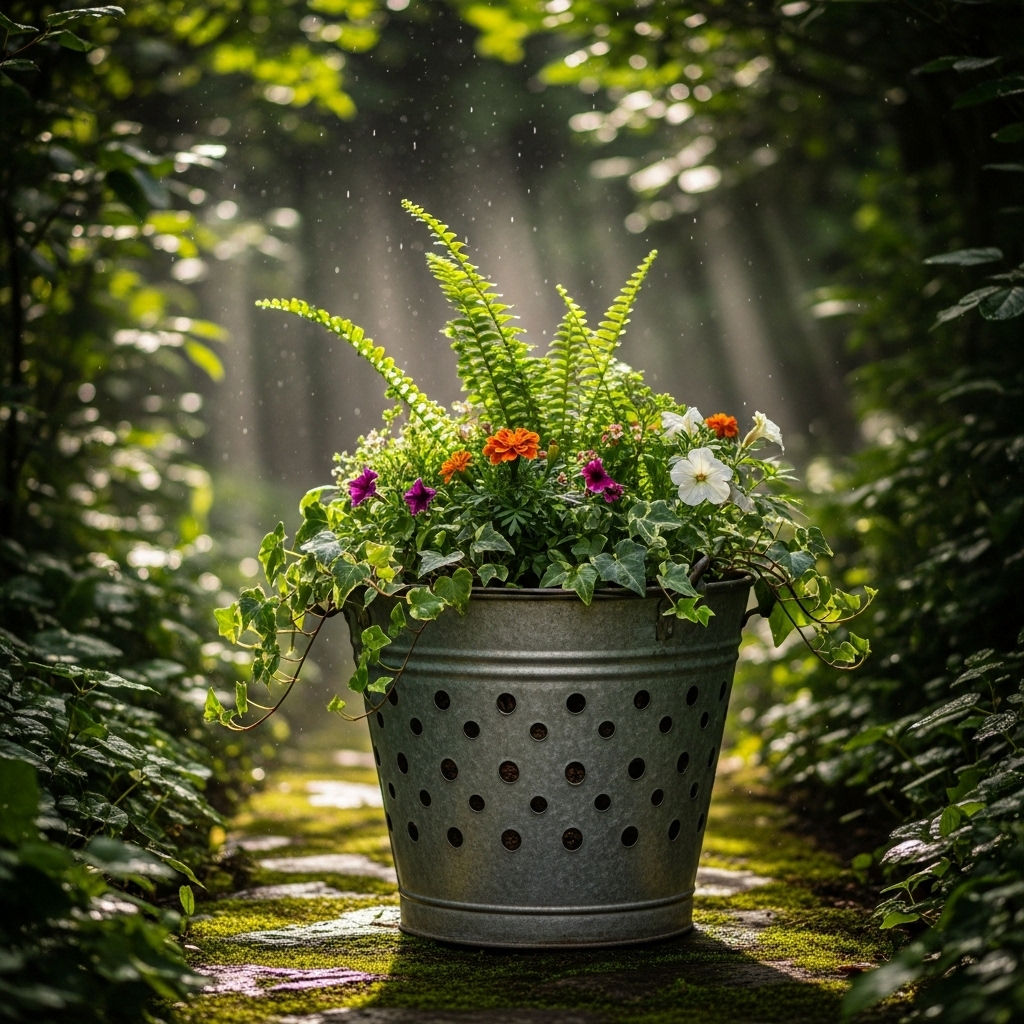
One of the most critical aspects of bucket gardening is ensuring proper drainage. Without adequate drainage holes, water can accumulate at the bottom, leading to root rot and plant death. Always drill several holes in the bottom of your buckets before planting. This simple step can make a significant difference in the health of your plants.
2. Using the Wrong Soil
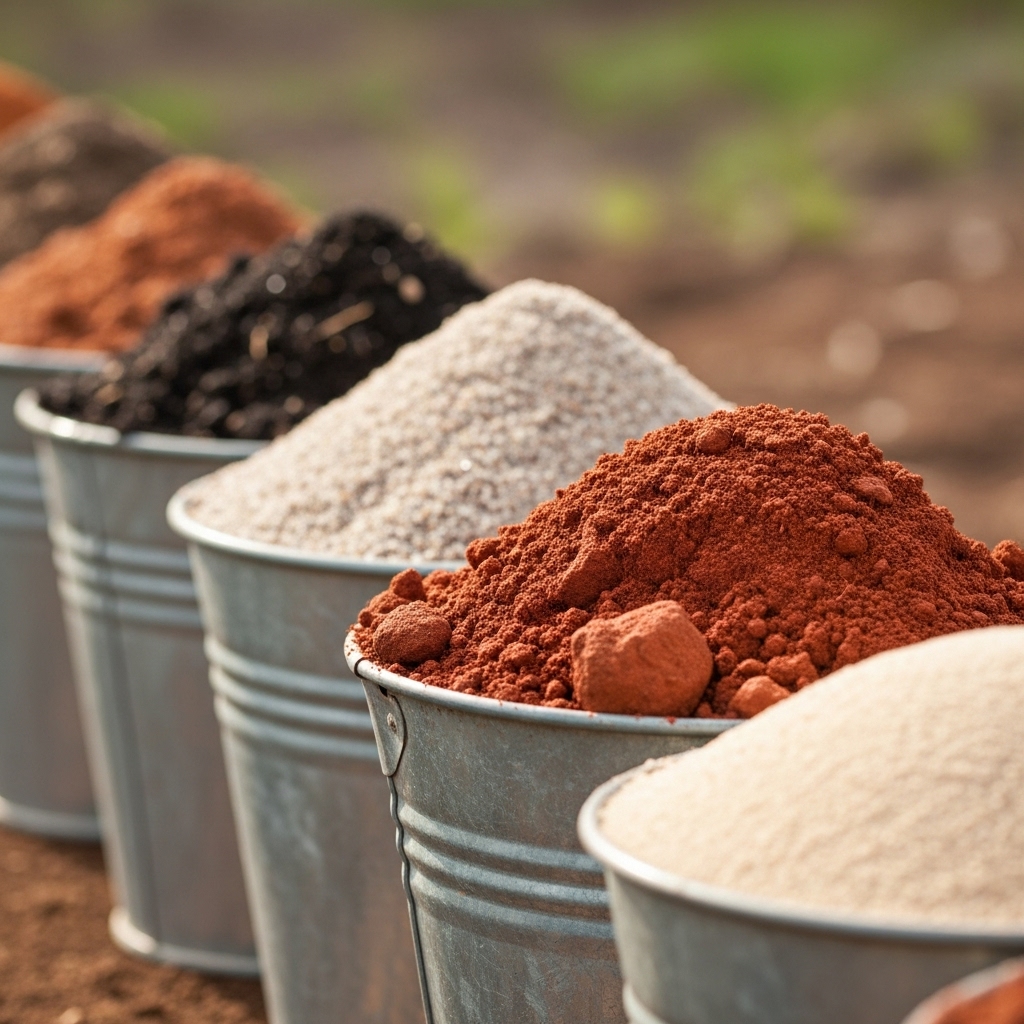
Selecting the right soil is essential for bucket gardening success. Many beginners make the mistake of using garden soil, which can be too heavy and compact for bucket use. Instead, opt for a lightweight potting mix that allows for proper aeration and drainage. This will provide your plants with the nutrients they need and help them thrive. Read Interesting article: Tea Tree Pruning Guide for Home Herb Gardens
3. Overwatering
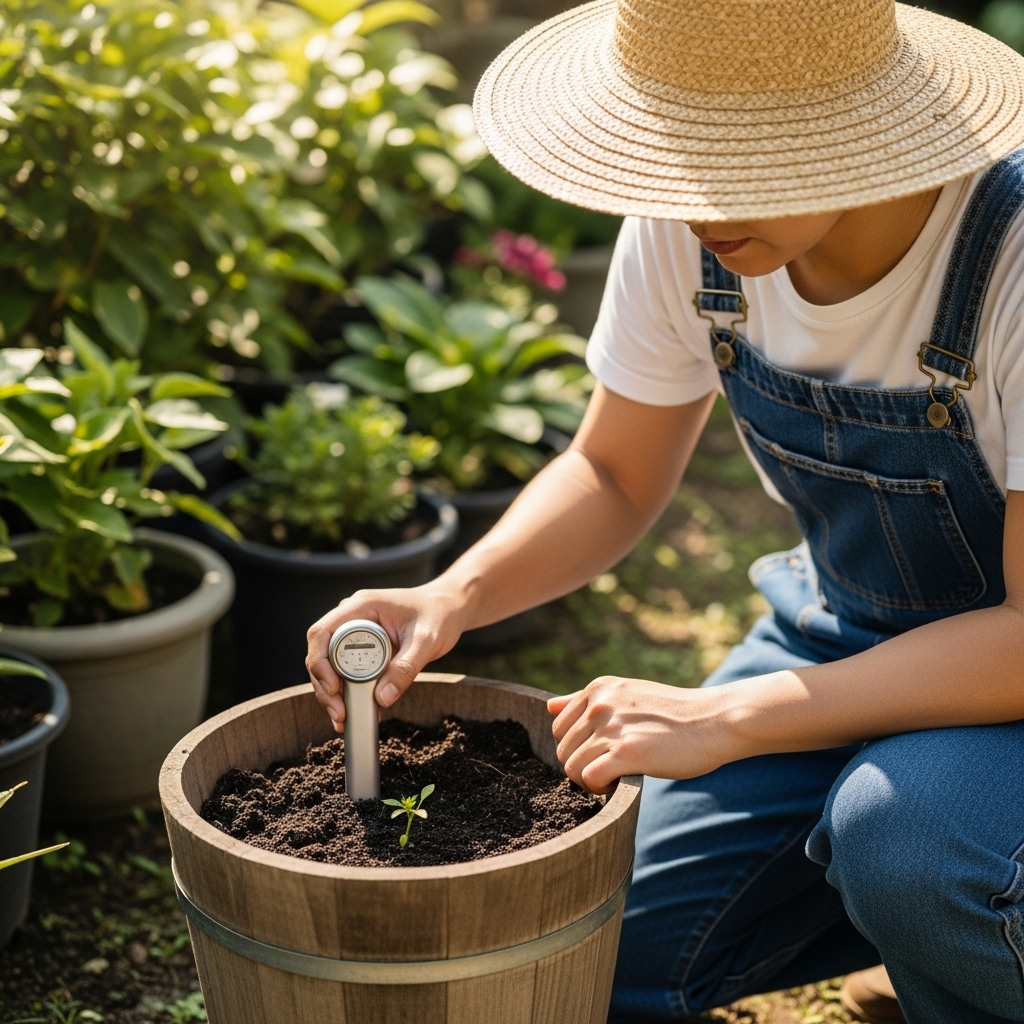
Overwatering is a common mistake among new gardeners. It’s easy to assume that more water equals healthier plants, but this can lead to soggy soil and root problems. To avoid overwatering, check the soil moisture regularly and water only when the top inch is dry. This practice will encourage strong root growth and keep your plants happy.
4. Planting Too Closely
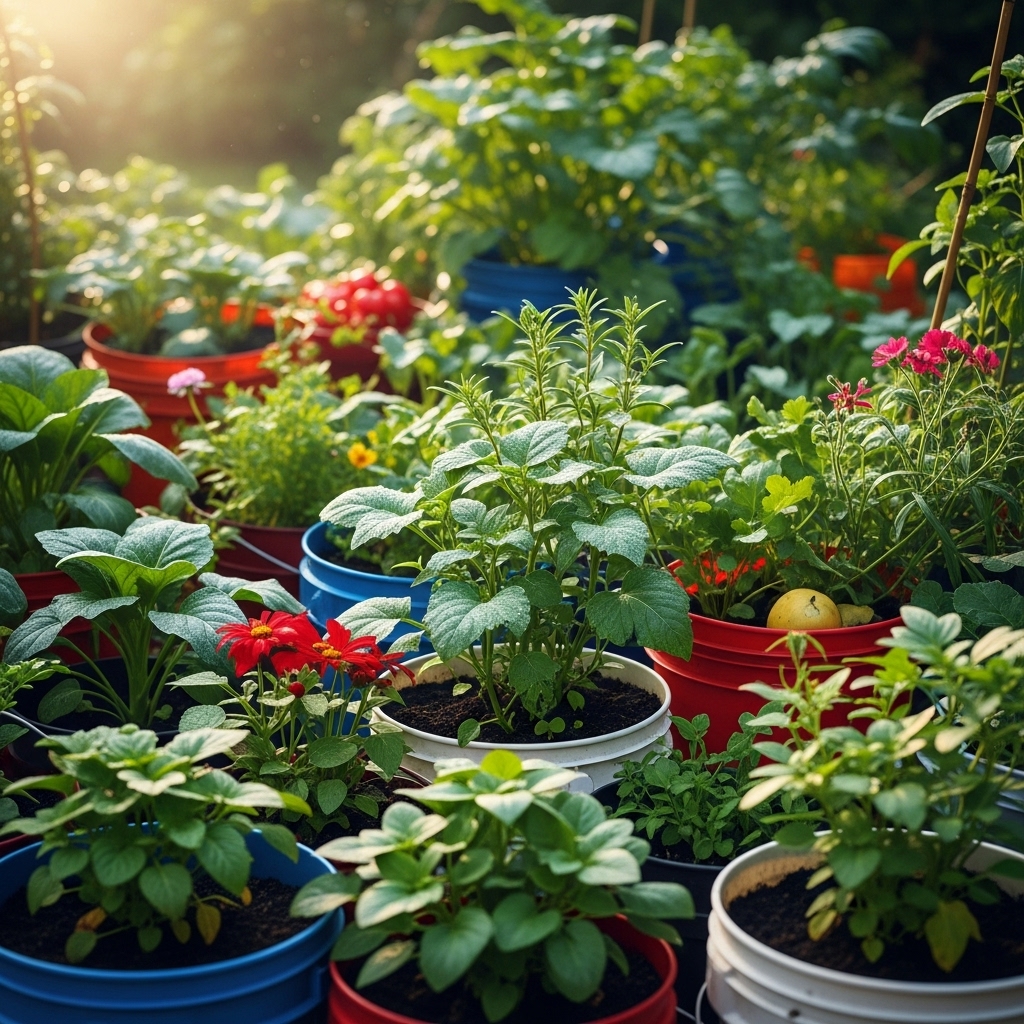
Beginners often underestimate how much space plants need to grow. Planting too closely together can lead to competition for nutrients, water, and sunlight, resulting in weak, stunted plants. Always refer to spacing guidelines for each type of plant you’re growing and ensure you leave enough room for them to flourish.
5. Choosing the Wrong Plants
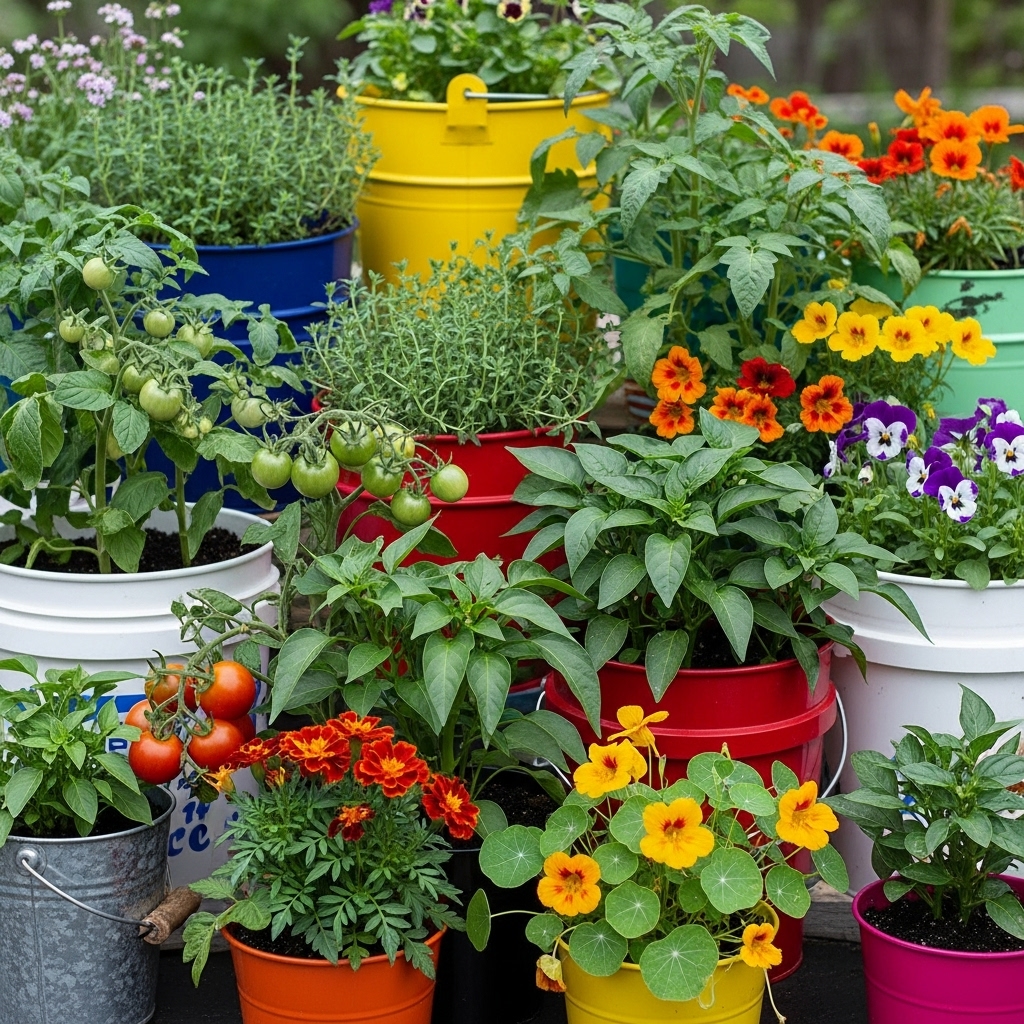
Not all plants are suitable for bucket gardening. Beginners may make the mistake of selecting large plants that require deep roots or extensive space. Instead, choose compact vegetables and herbs, such as cherry tomatoes, lettuce, and basil, that thrive in smaller environments. This will help maximize your garden’s productivity. Read Interesting article: Kumquat Tree Pruning Guide for New and Novice Growers
6. Neglecting Sunlight Requirements
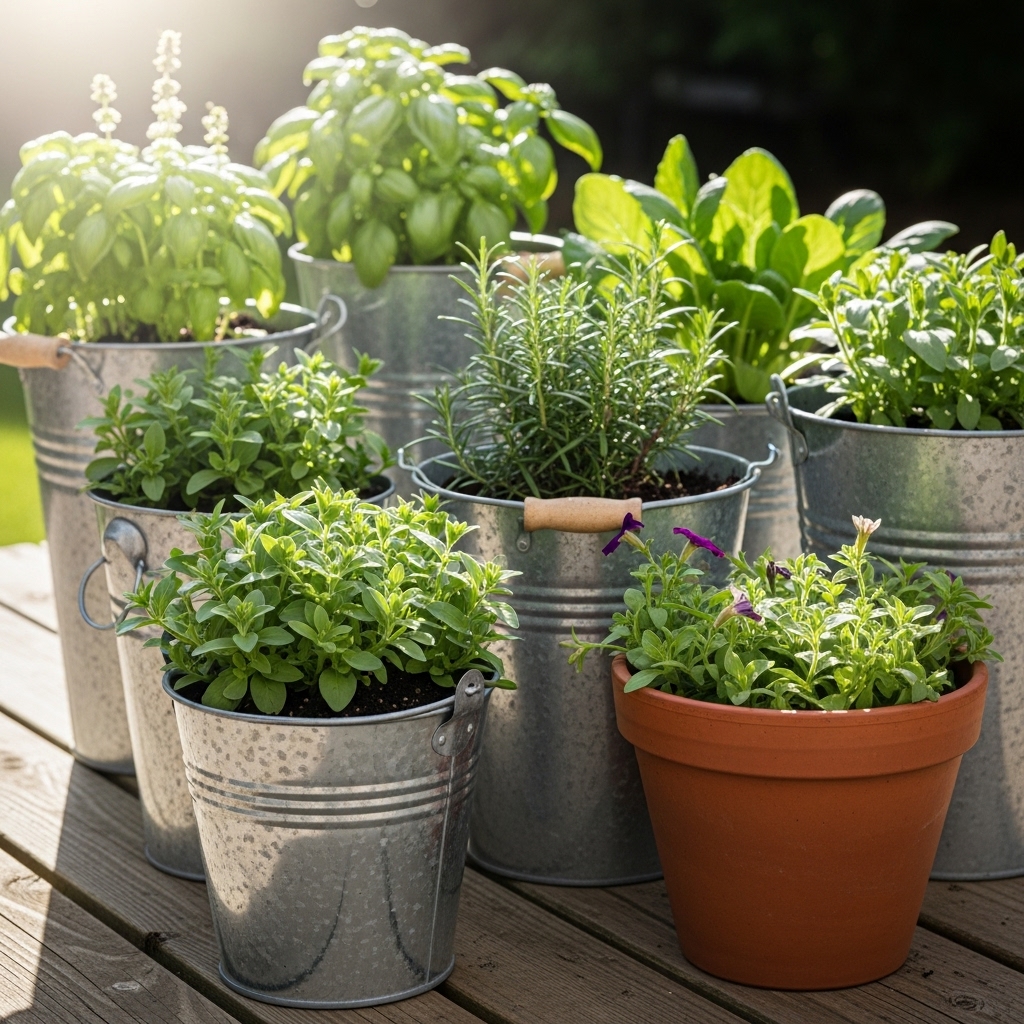
Sunlight is crucial for plant growth, yet many beginners overlook the specific light requirements of their chosen plants. Ensure your bucket garden is placed in a location that receives adequate sunlight, typically 6-8 hours a day for most vegetables. If you’re unsure about your plants’ needs, research them beforehand to provide optimal growing conditions.
7. Forgetting to Fertilize
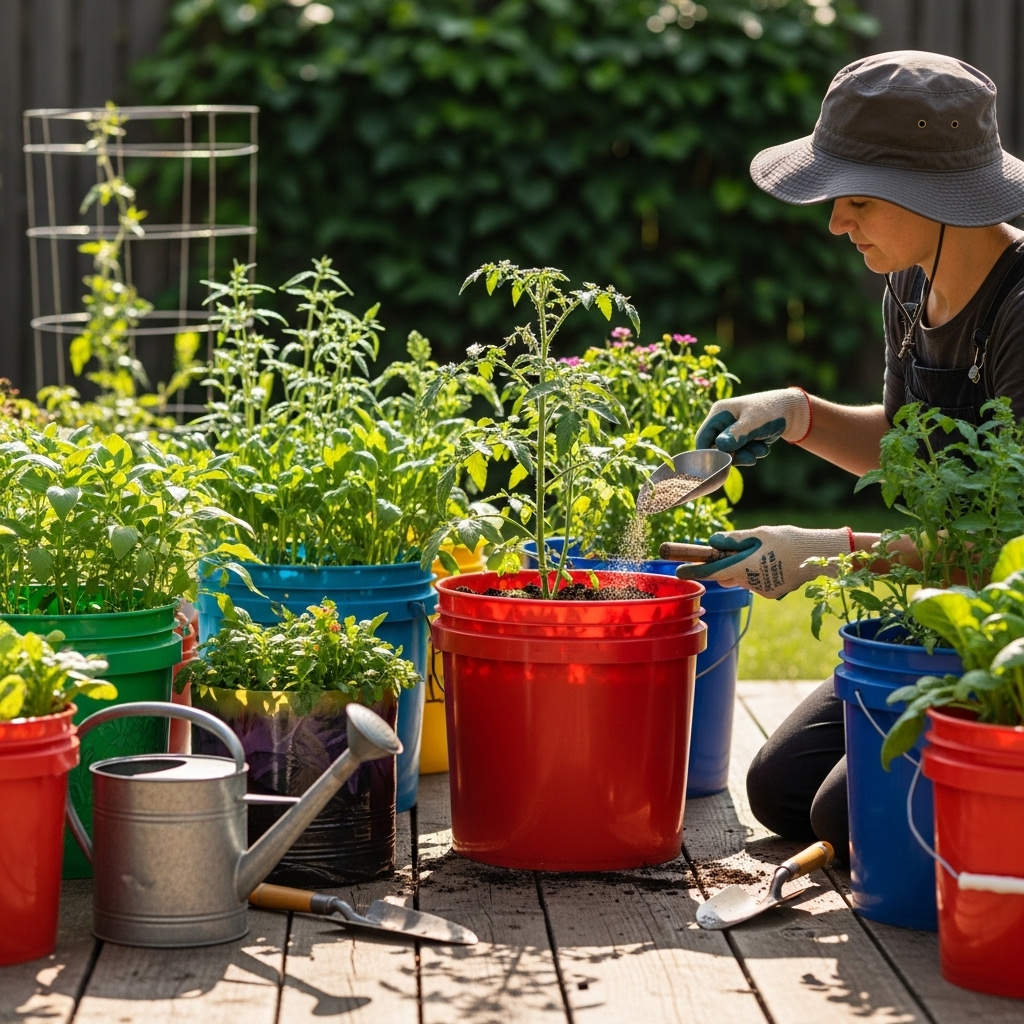
Soil in buckets can quickly become depleted of nutrients, making fertilization essential for healthy plant growth. Beginners often forget to add fertilizer or do so irregularly. Use a balanced, slow-release fertilizer or organic options to nourish your plants throughout the growing season. Regular feeding will lead to better yields and healthier plants.
8. Not Rotating Crops
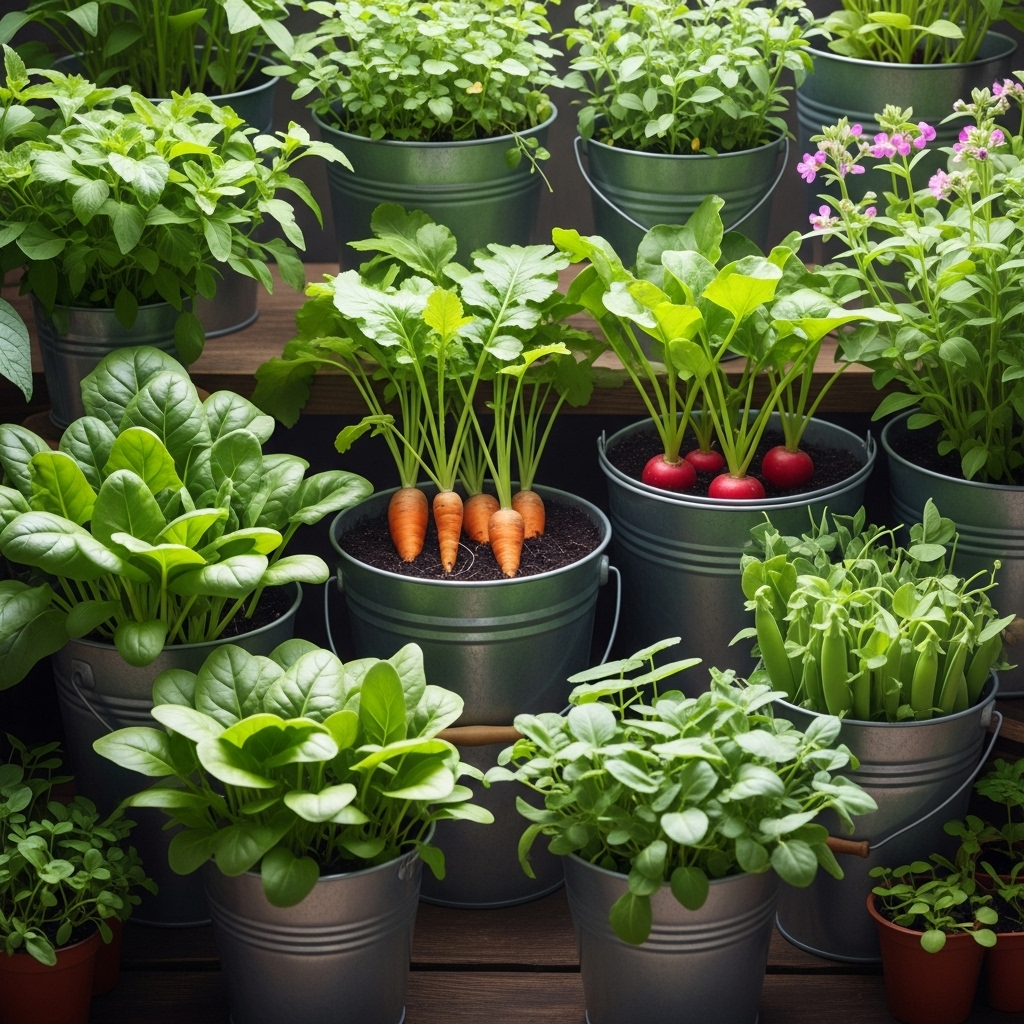
Crop rotation is a vital practice that many beginners overlook. Planting the same crops in the same buckets year after year can lead to soil nutrient depletion and increased pest issues. To maintain soil health, rotate your crops by changing the types of plants you grow in each bucket every season. This will promote biodiversity and reduce disease risks.
9. Skipping Pest Management
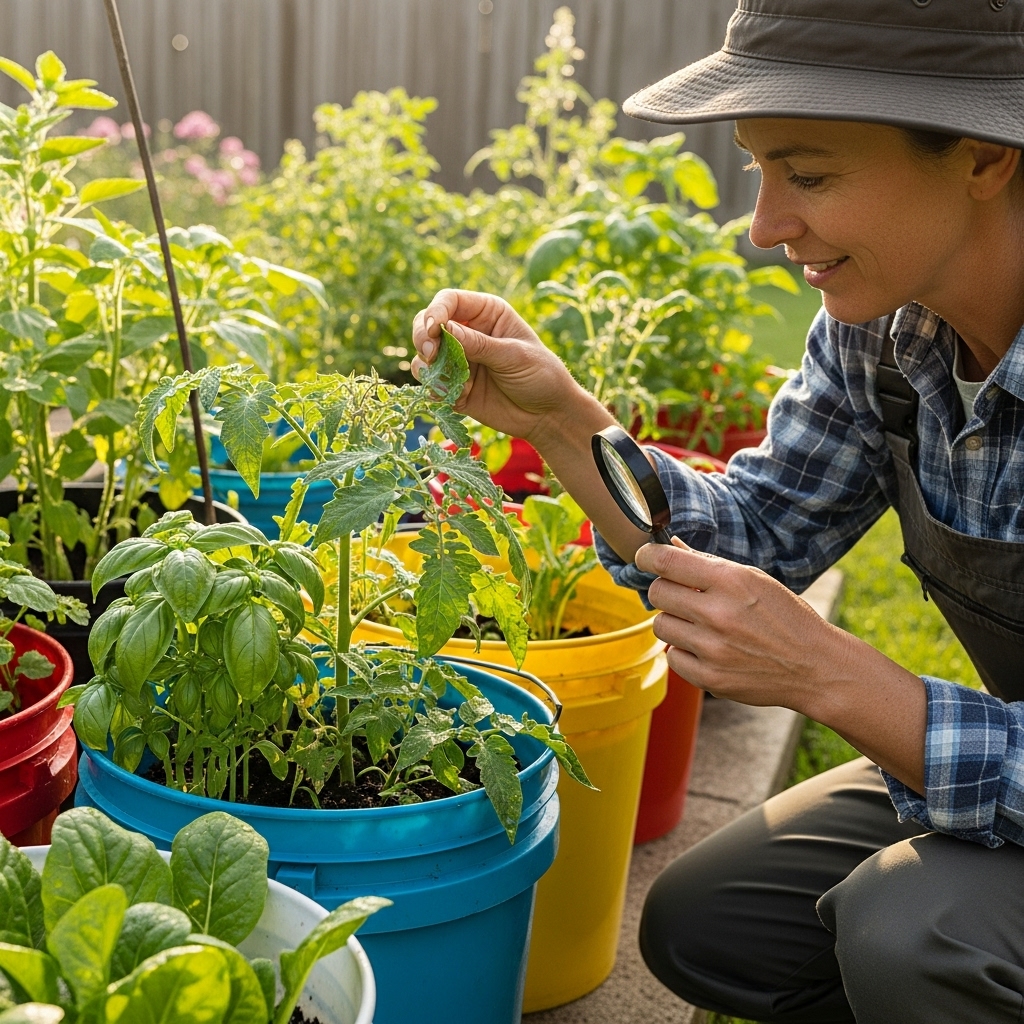
Pest management is critical in any garden, but new gardeners may neglect this aspect until it’s too late. Regularly inspect your plants for signs of pests and take action immediately. Use organic methods like neem oil or introduce beneficial insects to control infestations. Being proactive will help you maintain the health of your bucket garden. Read Interesting article: Key Lime Tree Pruning Steps for Fruitful Results