
Gardening in buckets is an innovative way to grow your own vegetables, especially if you’re short on space or soil quality. This method offers greater control over soil conditions and can lead to impressive yields. Whether you’re a seasoned gardener or a newbie, these bucket gardening secrets will help you maximize your vegetable production and enjoy a bountiful harvest. Read Interesting article: 10 Bucket Gardening Ideas for Balcony and Terrace
1. Choose the Right Buckets
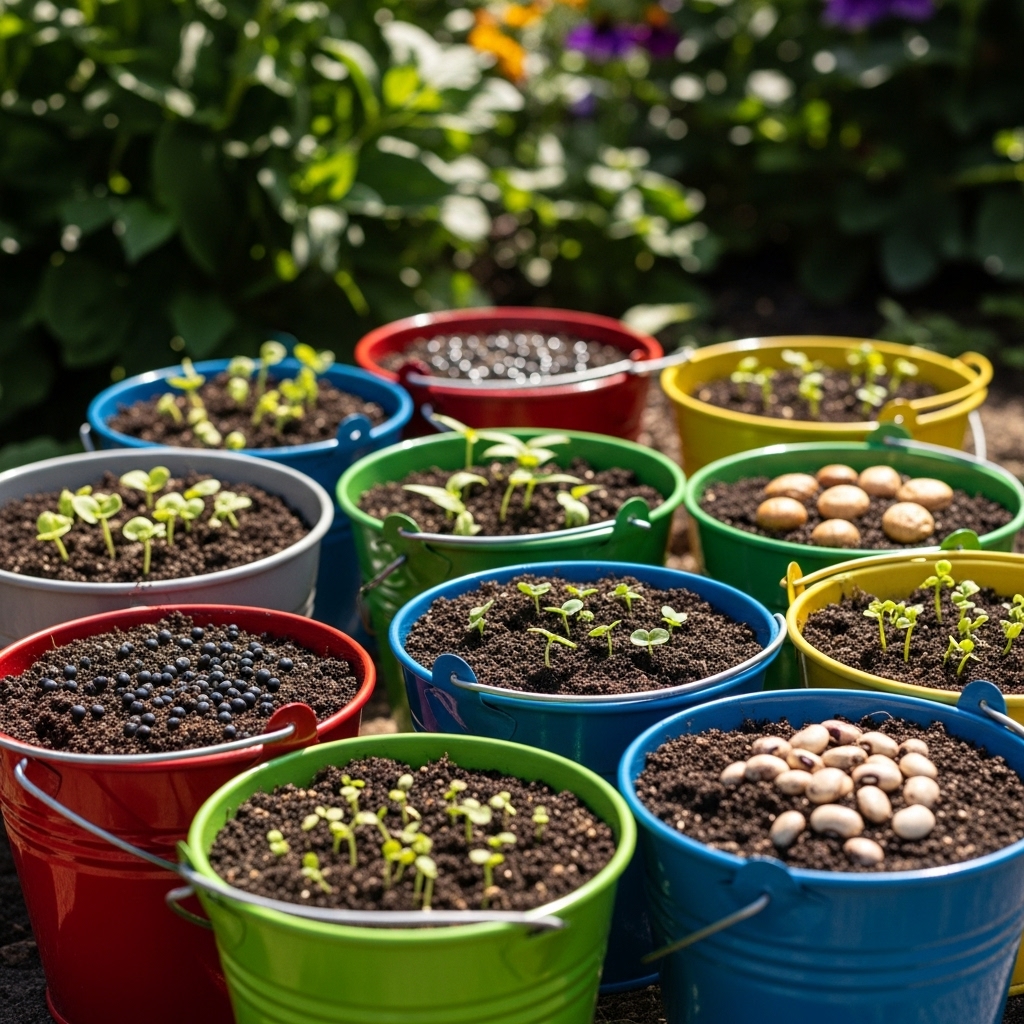
Selecting the right buckets is essential for successful gardening. Opt for food-safe plastic containers with drainage holes to prevent root rot. Sizes between 5 to 10 gallons are ideal for most vegetables. Consider using dark-colored buckets, as they can retain heat, promoting faster plant growth. Ensure you clean and disinfect any used buckets to eliminate pests and diseases before planting.
2. Use Quality Potting Mix
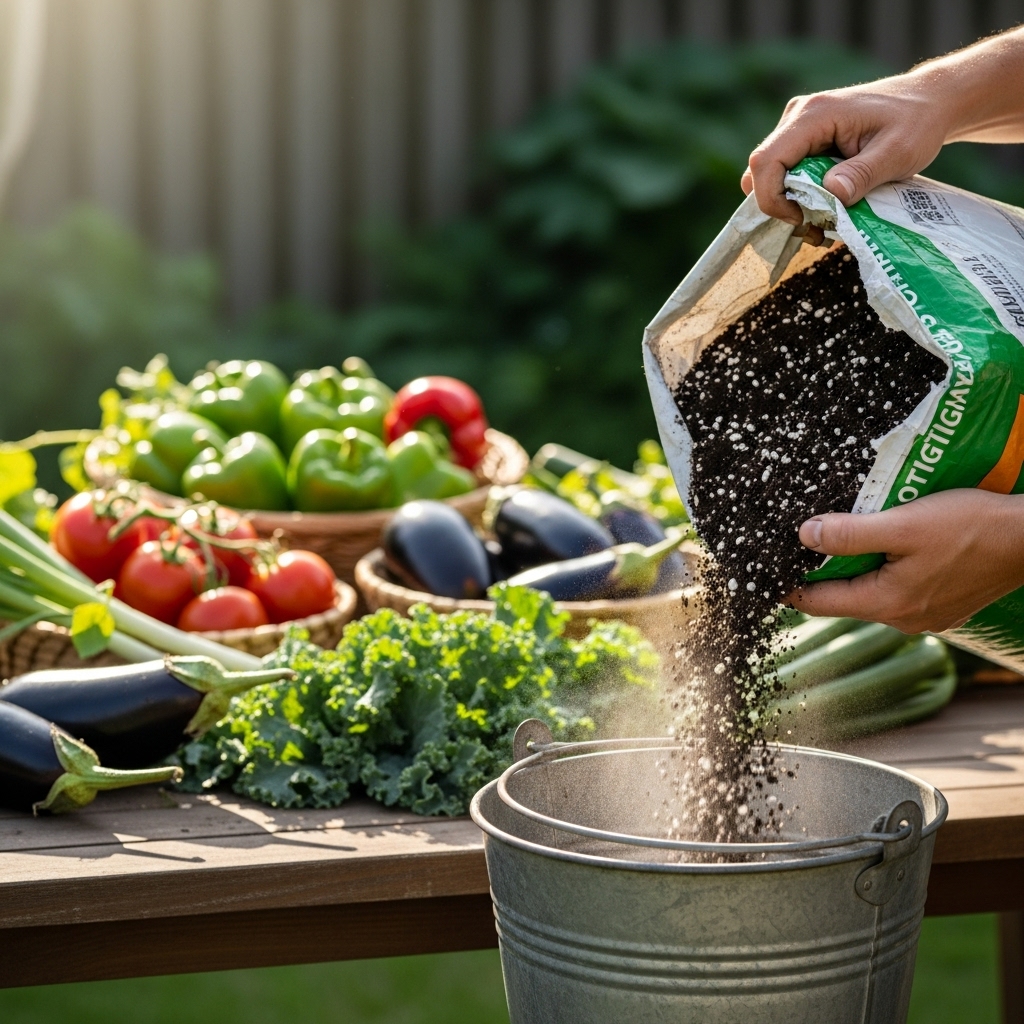
Investing in high-quality potting mix is crucial for healthy plant growth. Unlike garden soil, potting mix is specifically formulated for container gardening, providing better drainage and aeration. Look for mixes enriched with organic matter and nutrients. You can also create your own blend using compost, peat moss, and perlite to ensure your vegetables have all the nutrients they need to thrive. For more gardening tips, check out our article on Cherry Tree Growth Rate in Home Orchards and Parks.
3. Incorporate Companion Planting
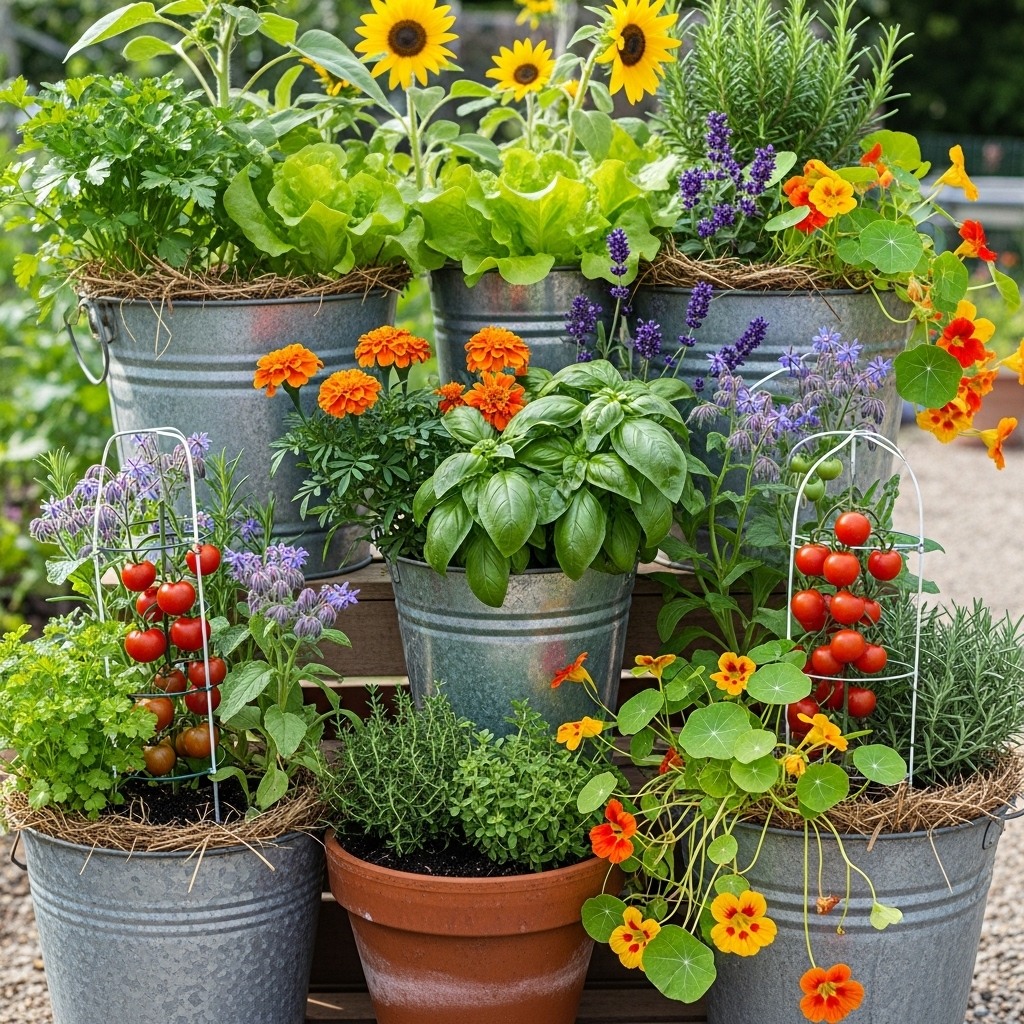
Companion planting involves growing different plants together for mutual benefits, such as pest control and improved growth. For instance, pairing tomatoes with basil can enhance flavor and repel pests. Research compatible plants and consider their growth habits when planning your bucket garden. This technique not only maximizes space but also boosts overall vegetable yields.
4. Optimize Watering Techniques
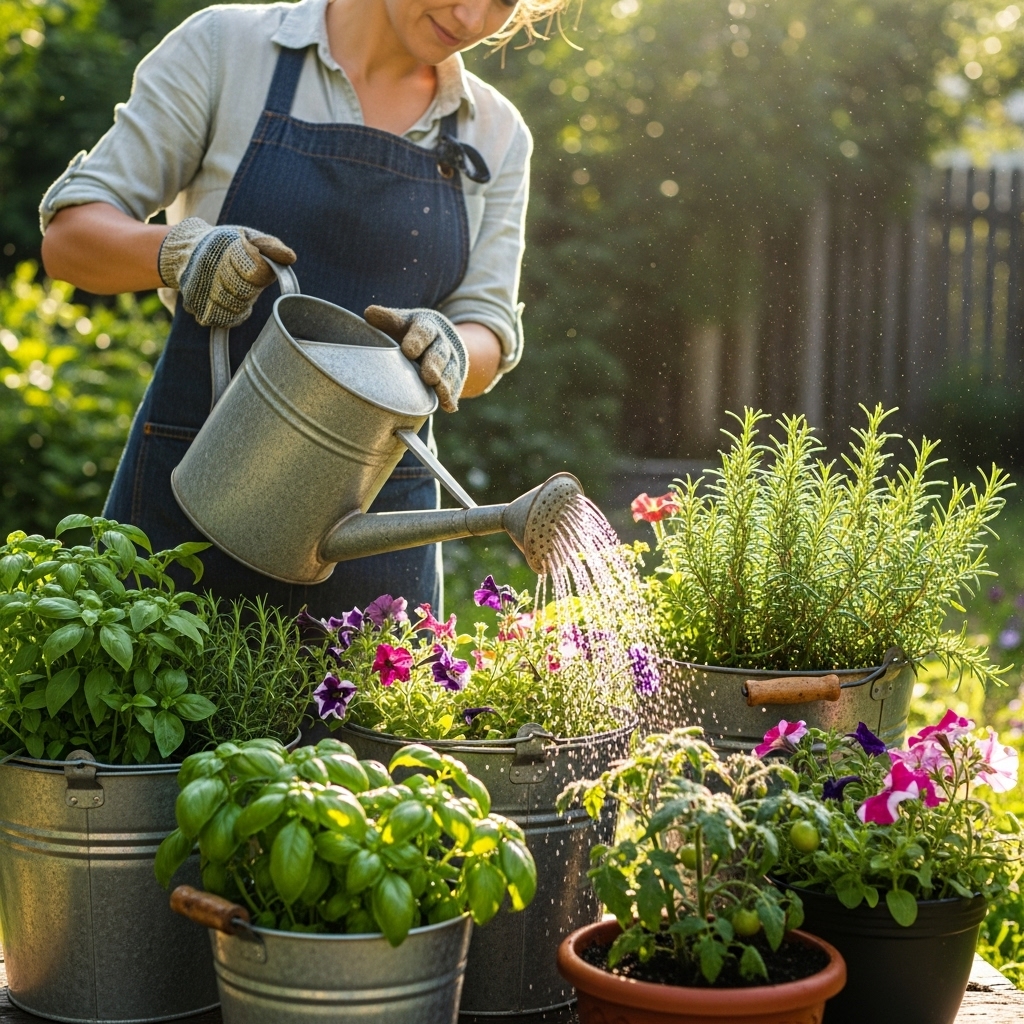
Proper watering is key to successful bucket gardening. Since pots can dry out quickly, check soil moisture regularly. A drip irrigation system can be a great investment, ensuring consistent watering. Alternatively, use self-watering buckets that provide a reservoir for plants to draw moisture as needed. Avoid overwatering, as it can lead to root rot, which is particularly harmful in a confined space.
5. Fertilize Regularly
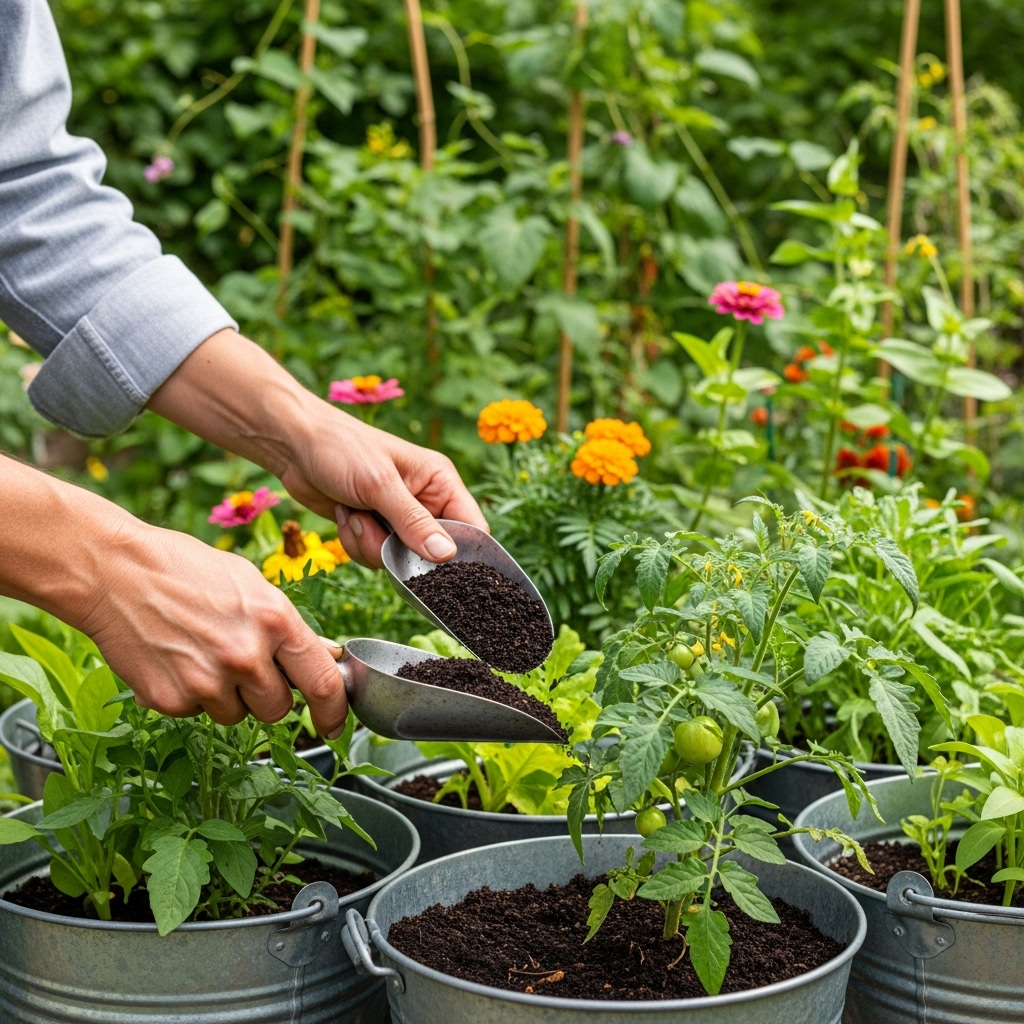
Container-grown vegetables deplete nutrients faster than those grown in the ground. Regular fertilization is vital to maintain healthy growth. Use organic fertilizers like compost, fish emulsion, or seaweed extract to feed your plants. Consider a slow-release fertilizer to provide a steady supply of nutrients over time. Follow the instructions carefully, as over-fertilizing can harm your plants.
6. Ensure Adequate Sunlight
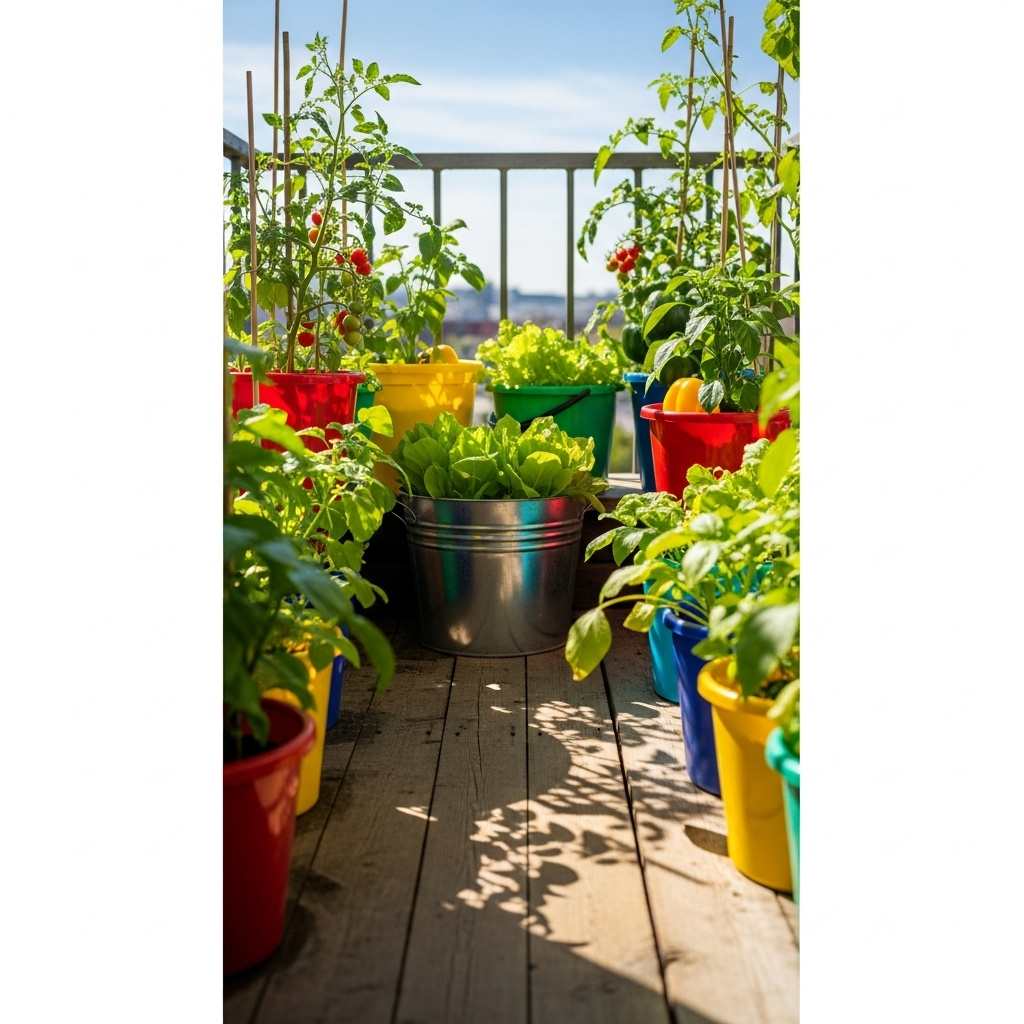
Most vegetables require at least 6-8 hours of direct sunlight daily for optimal growth. When placing your buckets, ensure they are positioned to receive adequate sunlight throughout the day. If you have limited sun exposure, consider using reflective materials to enhance light distribution. Some vegetables, like lettuce and spinach, can tolerate partial shade if you have a mixed garden.
7. Prune and Train Your Plants
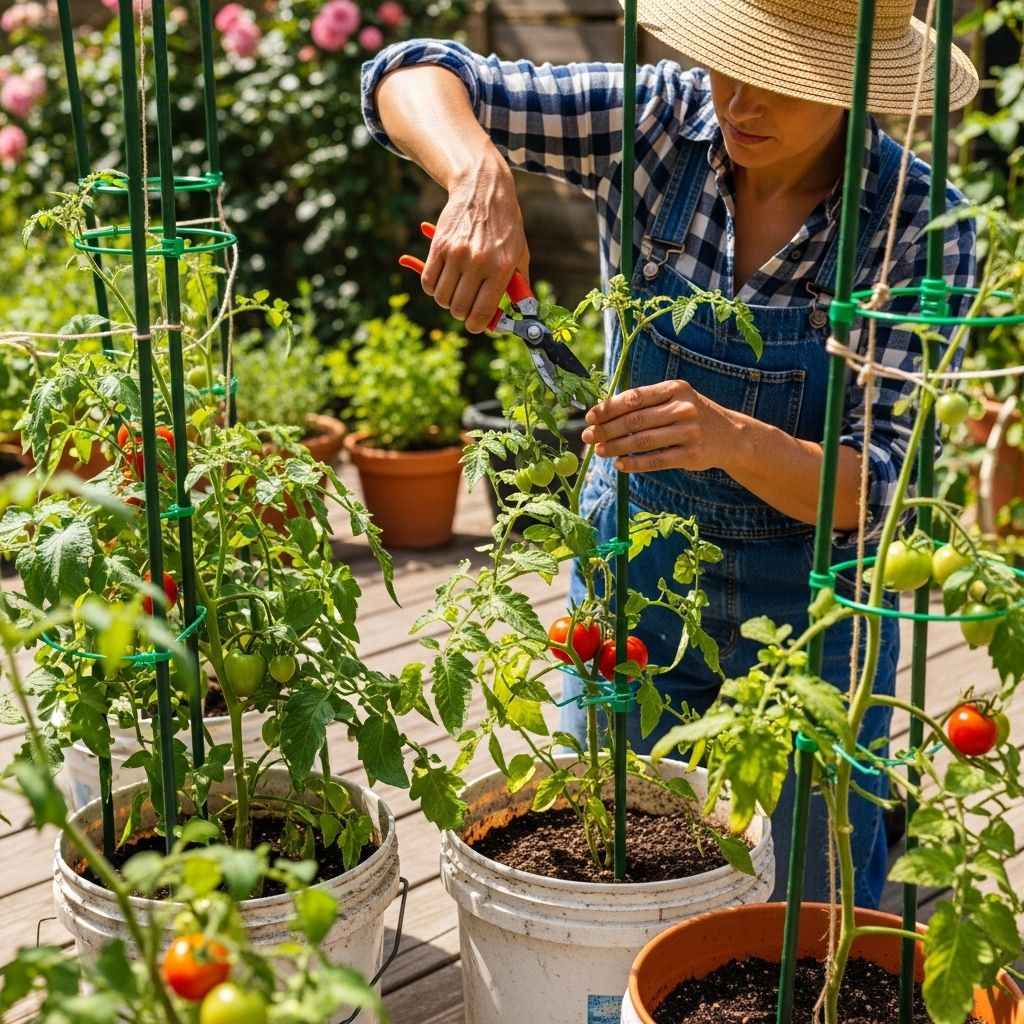
Maintaining plant health through pruning and training can significantly impact your vegetable yields. Regularly remove dead or yellowing leaves and pinch back tips to encourage bushier growth. For climbing plants like cucumbers or tomatoes, use stakes or trellises to save space and promote air circulation, reducing the risk of diseases and improving fruit production.
8. Monitor for Pests and Diseases
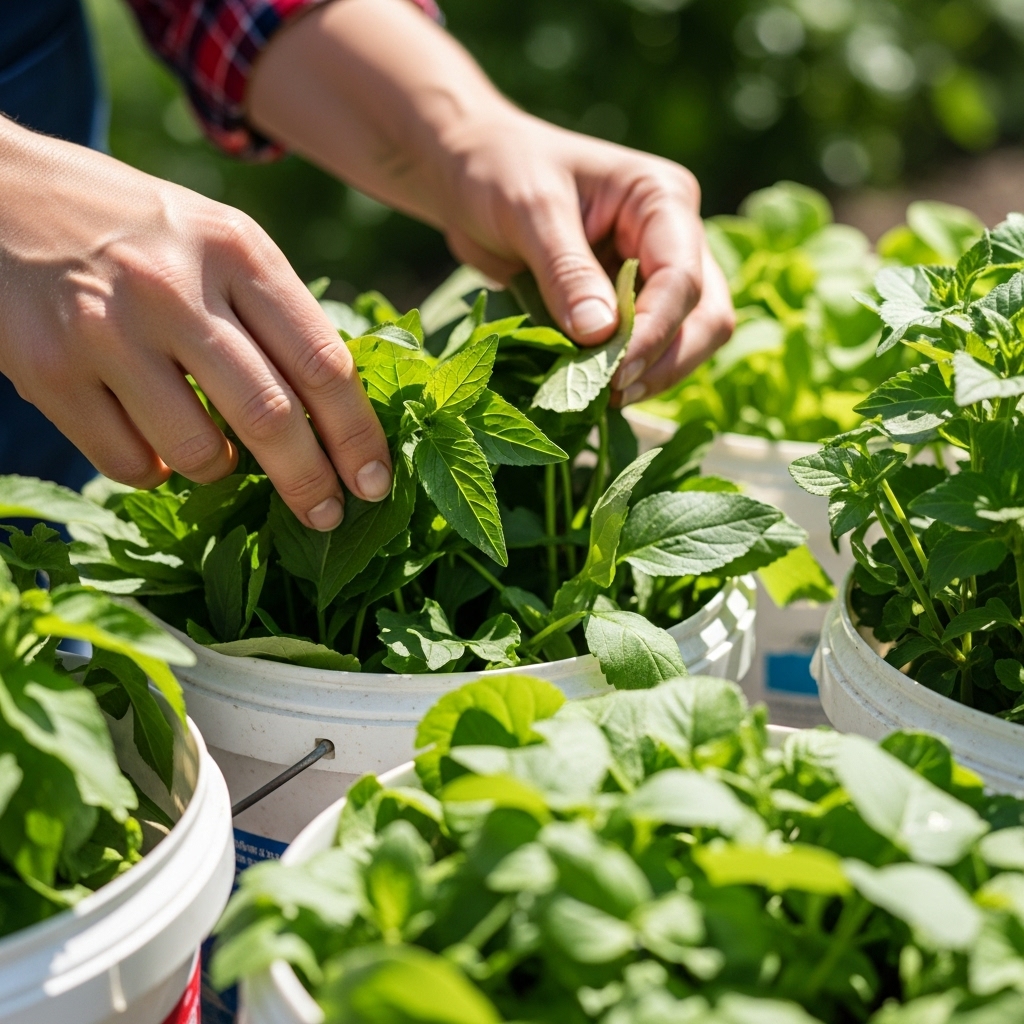
Keeping an eye on your plants for pests and diseases is essential to prevent damage and loss. Regular inspections can help catch issues early. Use organic pest control methods like neem oil or insecticidal soap to manage infestations without harmful chemicals. Additionally, maintaining good air flow and avoiding overcrowding can help prevent disease outbreaks.
9. Rotate Your Crops
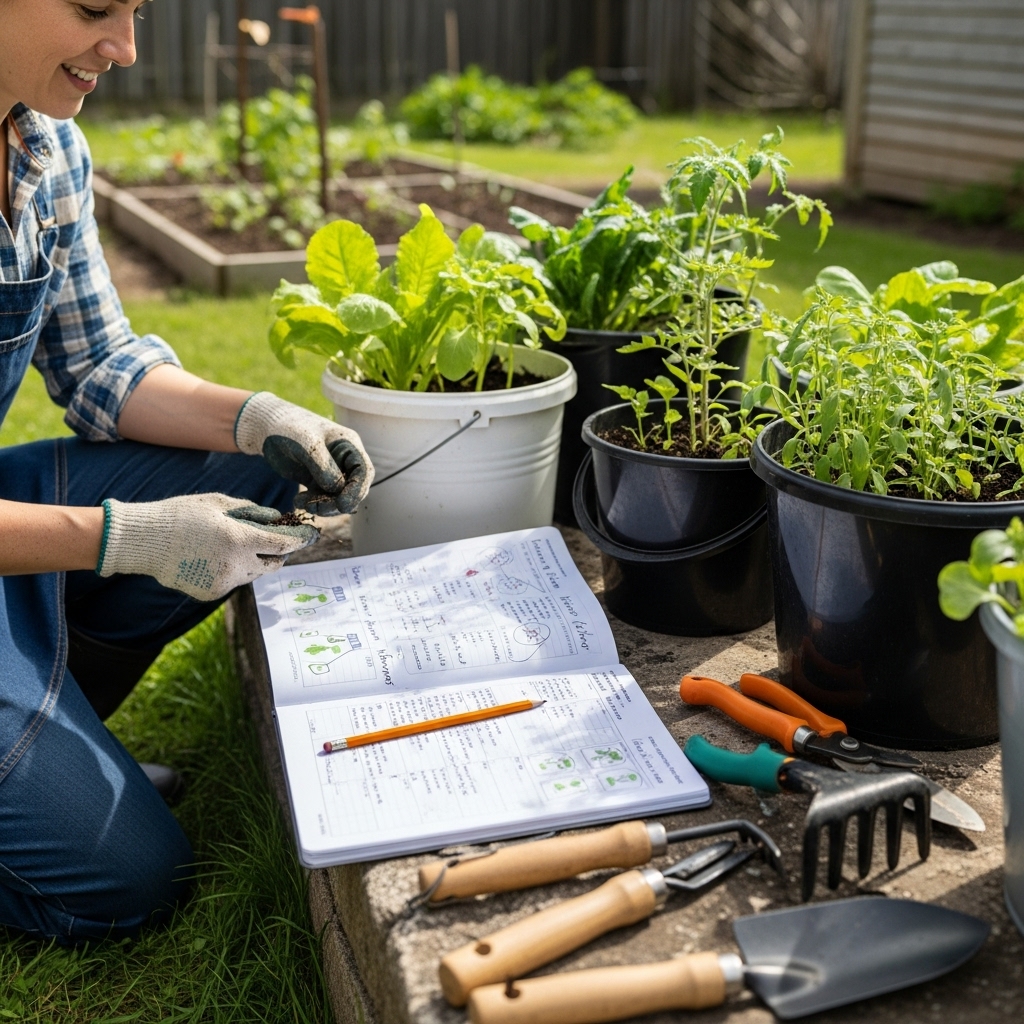
Crop rotation is a vital practice that helps maintain soil health by preventing nutrient depletion and reducing pest buildup. Plan your planting schedule to rotate different types of vegetables in each bucket each season. This not only promotes better yields but also keeps your garden thriving and reduces the risk of diseases associated with specific crops. To learn more about garden maintenance, you might find our article on Tree Grinding vs Stump Grinding: What’s the Difference and Which Do You Need useful.