
Bucket gardening is an ingenious way to cultivate plants, particularly if space is limited or soil conditions are poor. This method allows for greater control over soil quality and moisture levels, creating a perfect environment for healthy root development. Here are nine essential tips to ensure your bucket gardening experience leads to thriving plants with robust roots. Read Interesting article: 8 Bucket Gardening Tips for Faster Plant Growth
1. Choose the Right Bucket
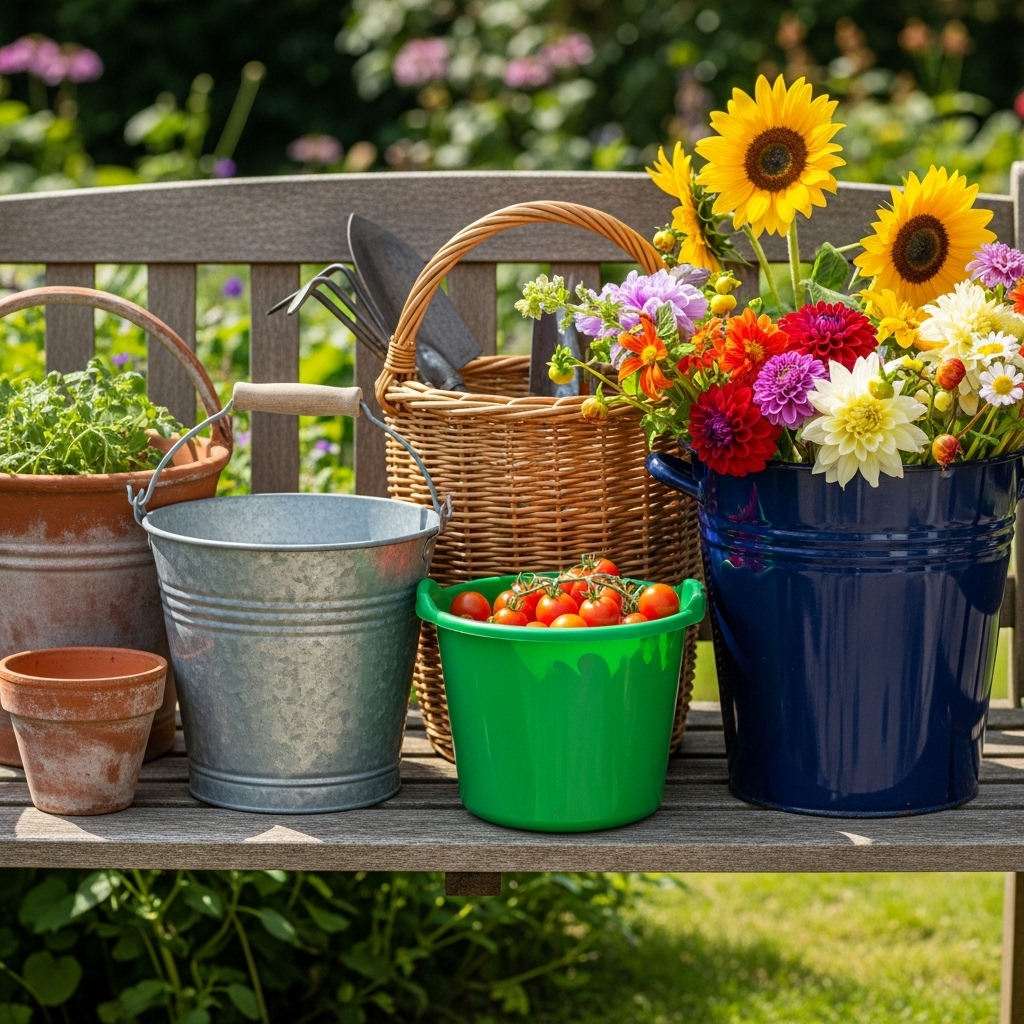
Selecting the right bucket is crucial for successful gardening. Ideally, you want a container that is at least 5 gallons in size, made from food-safe materials. Avoid buckets that previously contained harmful chemicals. Opt for those with drainage holes to prevent waterlogging, as healthy roots require well-drained soil for oxygen access.
2. Use Quality Soil Mix
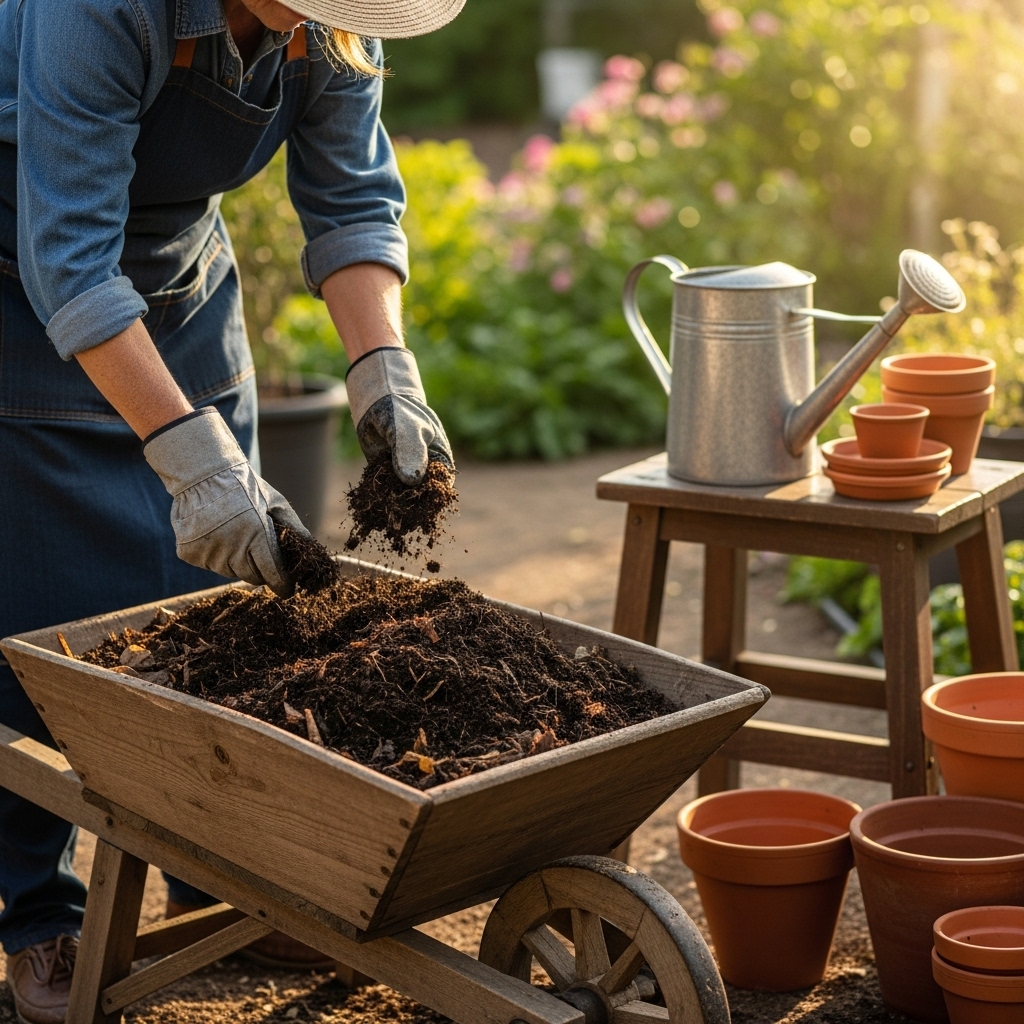
Your choice of soil mix can significantly impact root health. A blend of potting soil, compost, and perlite offers excellent drainage and nutrition. Compost enriches the soil with vital nutrients, while perlite aerates the mix, promoting healthy root growth. Always fill your bucket to the top to maximize growing space. For more tips on improving soil health, check out 6 Bucket Gardening Tips to Improve Soil Health.
3. Ensure Proper Drainage
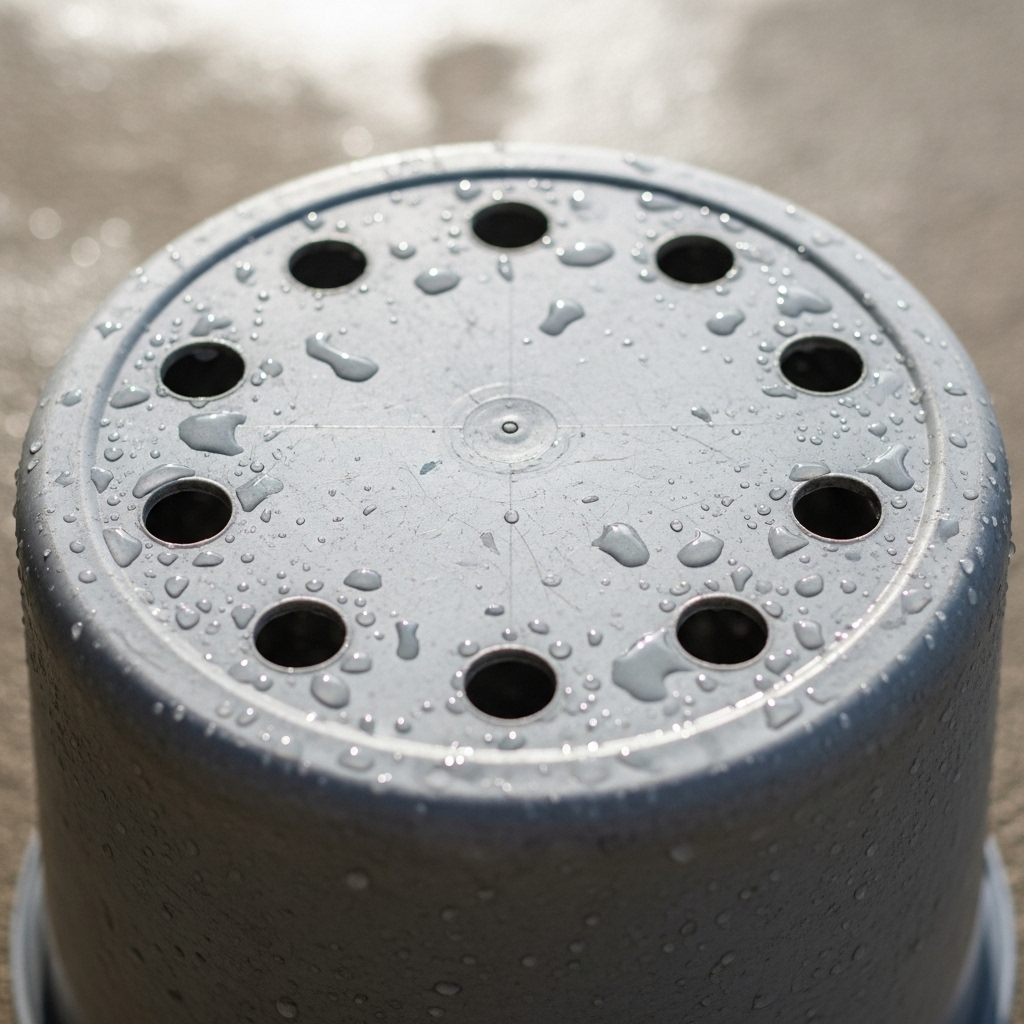
Good drainage is vital in bucket gardening. Without it, roots can rot due to excess moisture. Make sure your buckets have several holes at the bottom to allow water to escape. You can also add a layer of gravel or small stones at the base before adding soil to enhance drainage further.
4. Water Wisely
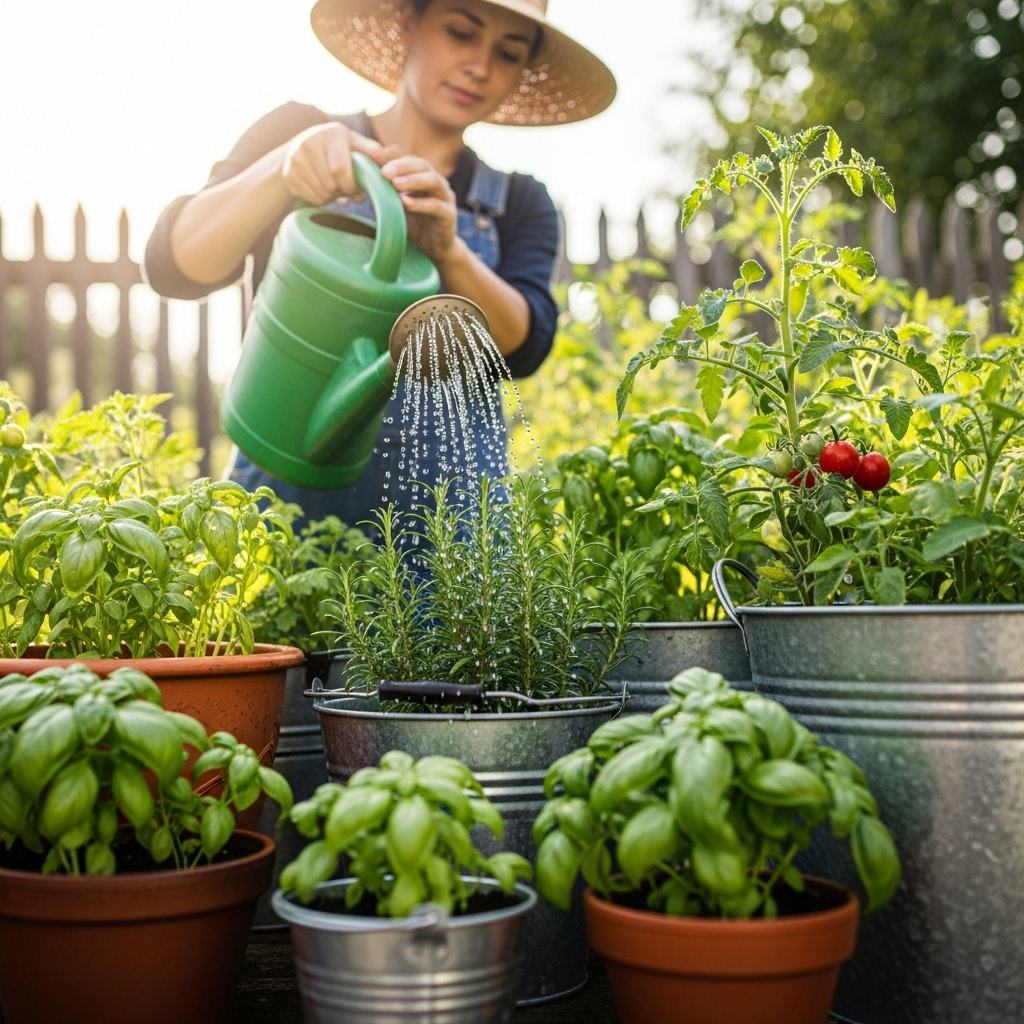
How you water your plants can influence root health. Water deeply and less frequently to encourage roots to grow deeper in search of moisture. Always check the soil’s moisture level before watering; it should be moist but not soggy. Consider using a drip irrigation system for efficiency.
5. Position for Sunlight
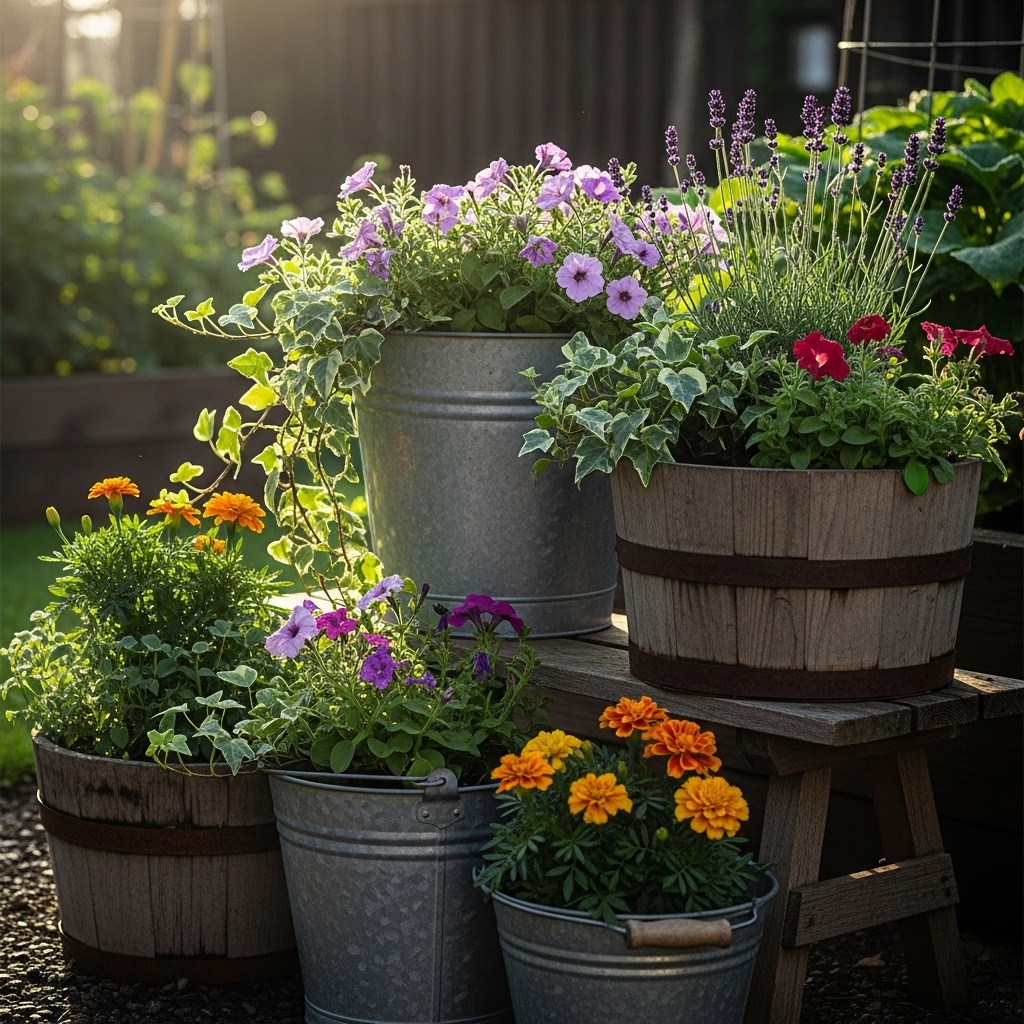
Most plants require full sun to thrive, so position your buckets in an area that receives at least 6-8 hours of sunlight daily. Consider the sun’s path throughout the day and adjust the placement of your buckets as needed. This ensures that roots get the energy they need to grow strong.
6. Fertilize Regularly
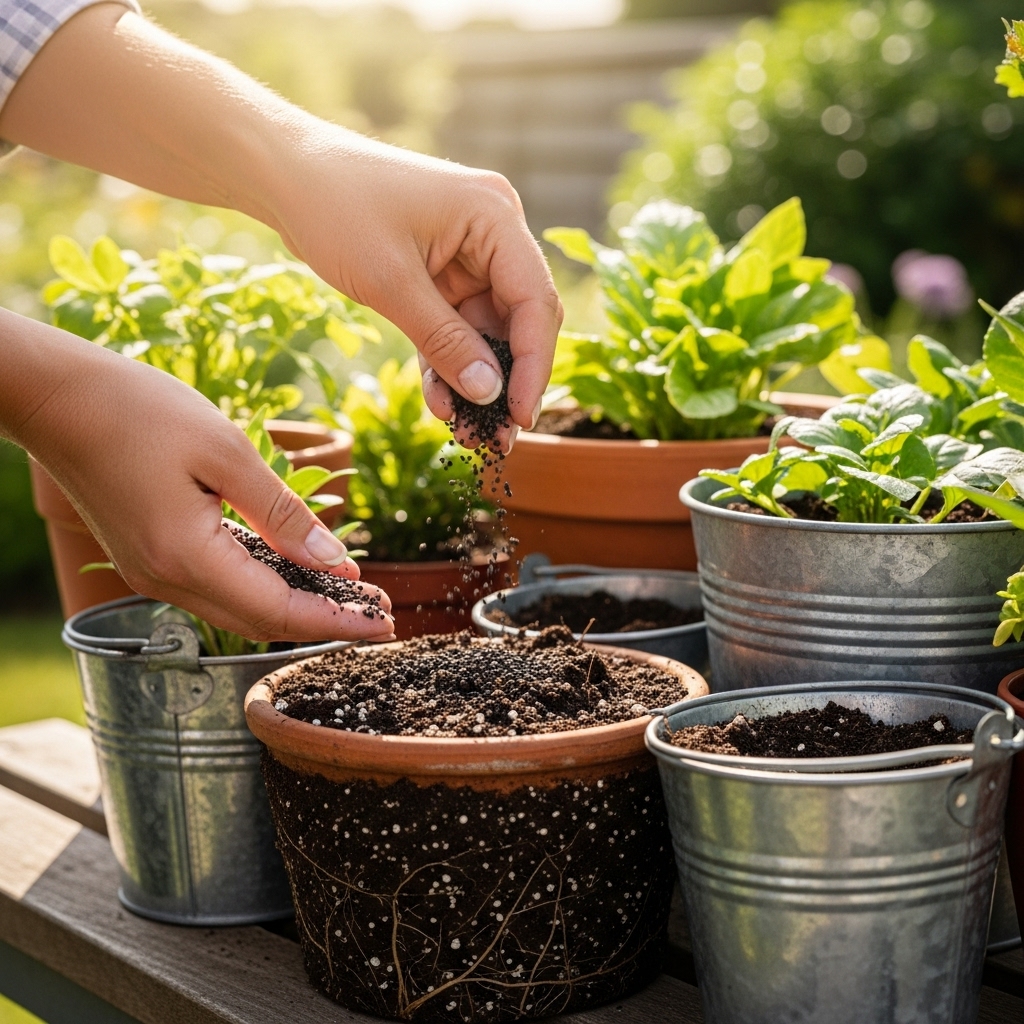
Regular fertilization is essential for maintaining nutrient levels in bucket gardens. Use organic fertilizers or slow-release pellets to provide a steady supply of nutrients. Follow the instructions on the product for application rates and frequency to avoid over-fertilizing, which can harm root health.
7. Rotate Crops
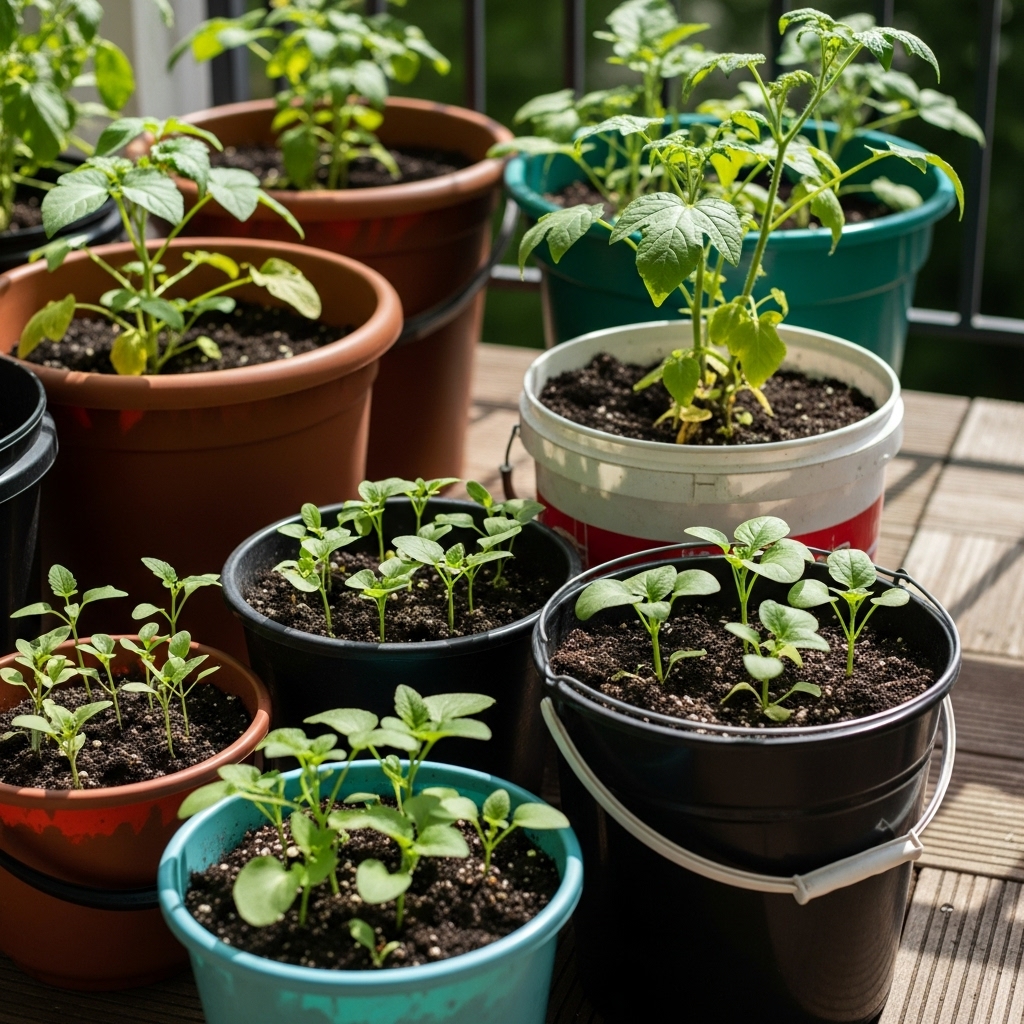
Rotating your crops each season can help prevent soil depletion and pest infestations. Different plants have varying nutrient requirements, so switching them out can enhance soil health and promote stronger root systems. Plan your garden layout carefully to facilitate easy rotation.
8. Monitor for Pests
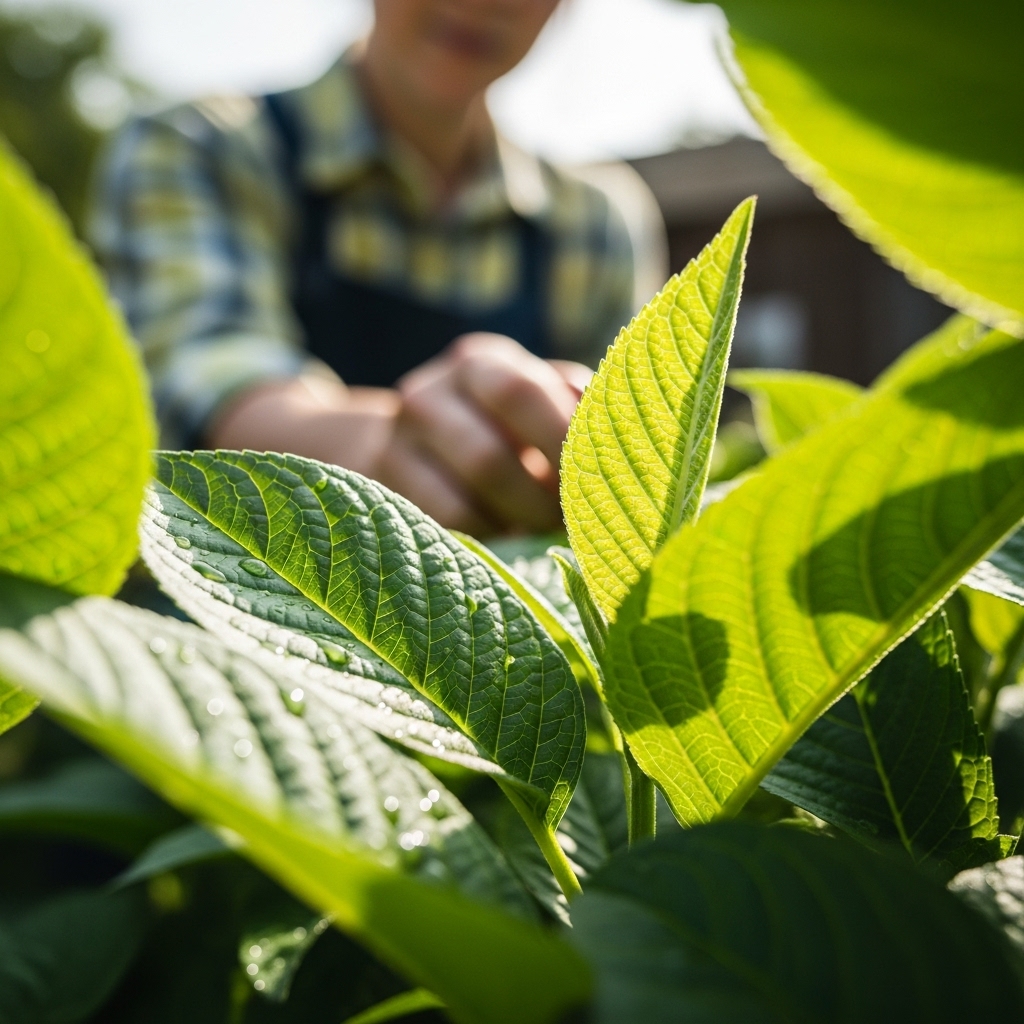
Pests can damage roots and overall plant health. Regularly inspect your buckets for signs of infestation, such as discolored leaves or visible bugs. Use organic pest control methods like neem oil or insecticidal soap to manage any issues before they escalate, ensuring the roots remain healthy and undisturbed.
9. Mulch for Moisture Retention
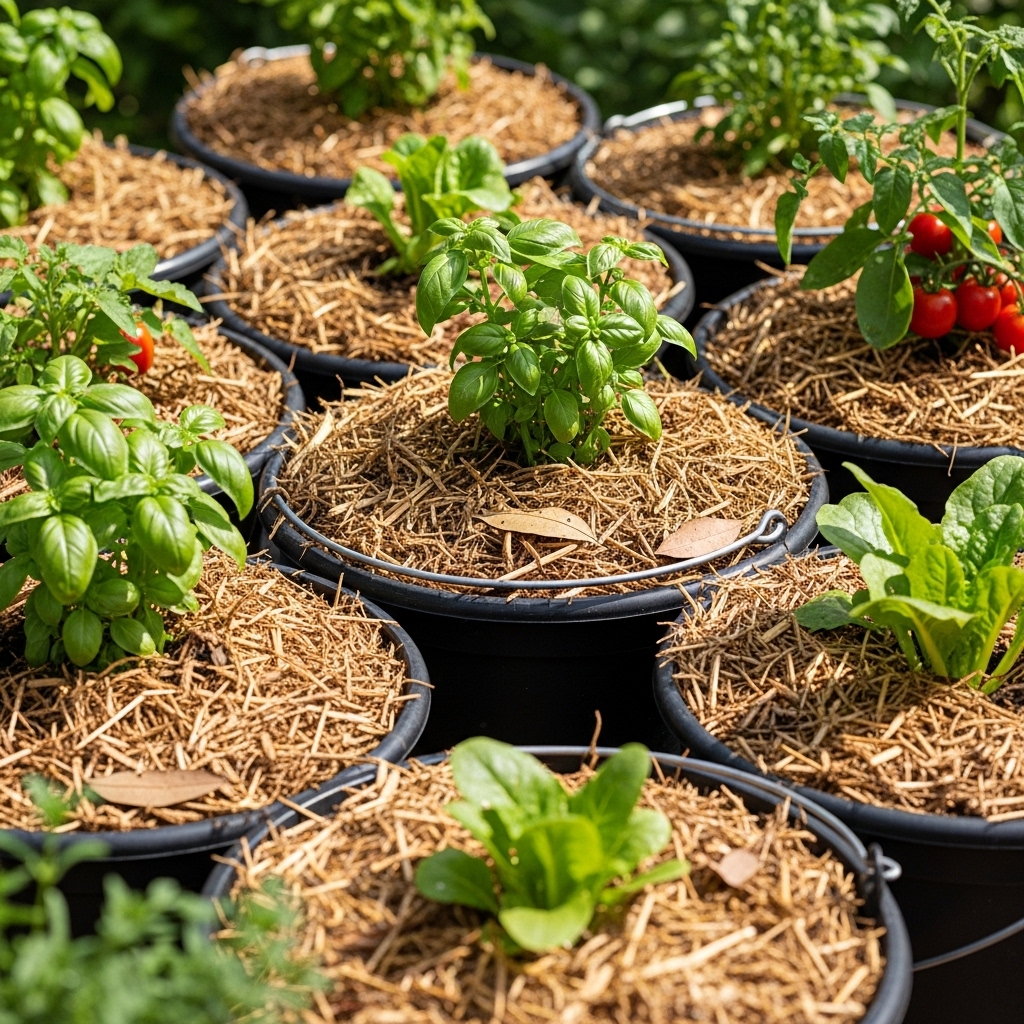
Applying a layer of mulch on top of the soil can help retain moisture and regulate soil temperature. Organic materials like straw, wood chips, or shredded leaves are great options. Mulch acts as a barrier, reducing evaporation and creating a more stable environment for root growth. Additionally, consider the strategies outlined in 8 Bucket Gardening Tips for Hot Weather Success to further support your plants during warmer months.