
Bucket gardening is a fantastic way to grow plants in limited spaces while ensuring proper drainage and soil management. Whether you’re a novice gardener or a seasoned green thumb, these nine tips will help you maximize plant growth and health in your bucket garden. Let’s dive into practical strategies that will have your plants thriving in no time! Read Interesting article: 15 Bucket Gardening Tips for Beginners at Home
Table of Contents
1. Choose the Right Buckets
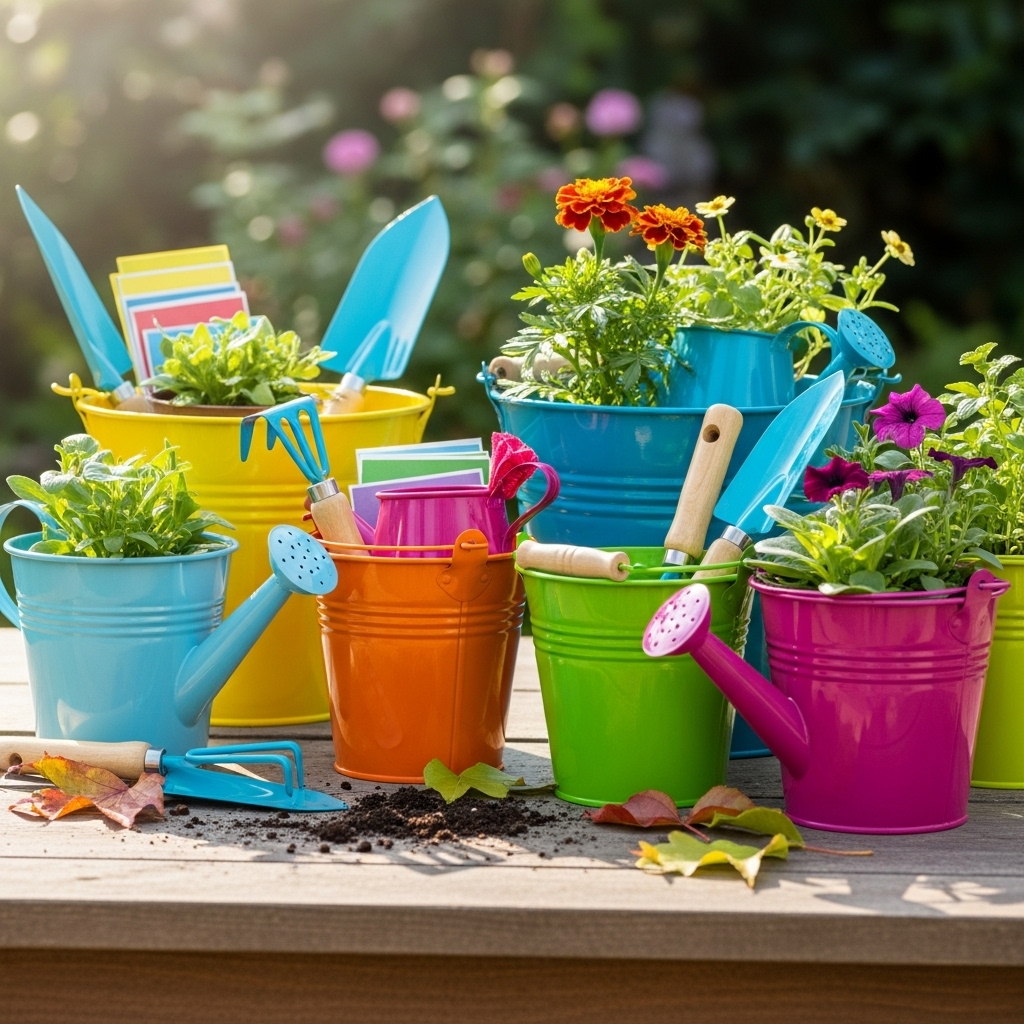
Selecting the appropriate buckets is crucial for successful bucket gardening. Look for food-grade plastic buckets or wooden containers that can hold soil and water effectively. Ensure that they are at least 5 gallons in size to provide ample space for root growth. Avoid containers that previously held toxic substances to keep your plants healthy and safe.
2. Ensure Proper Drainage
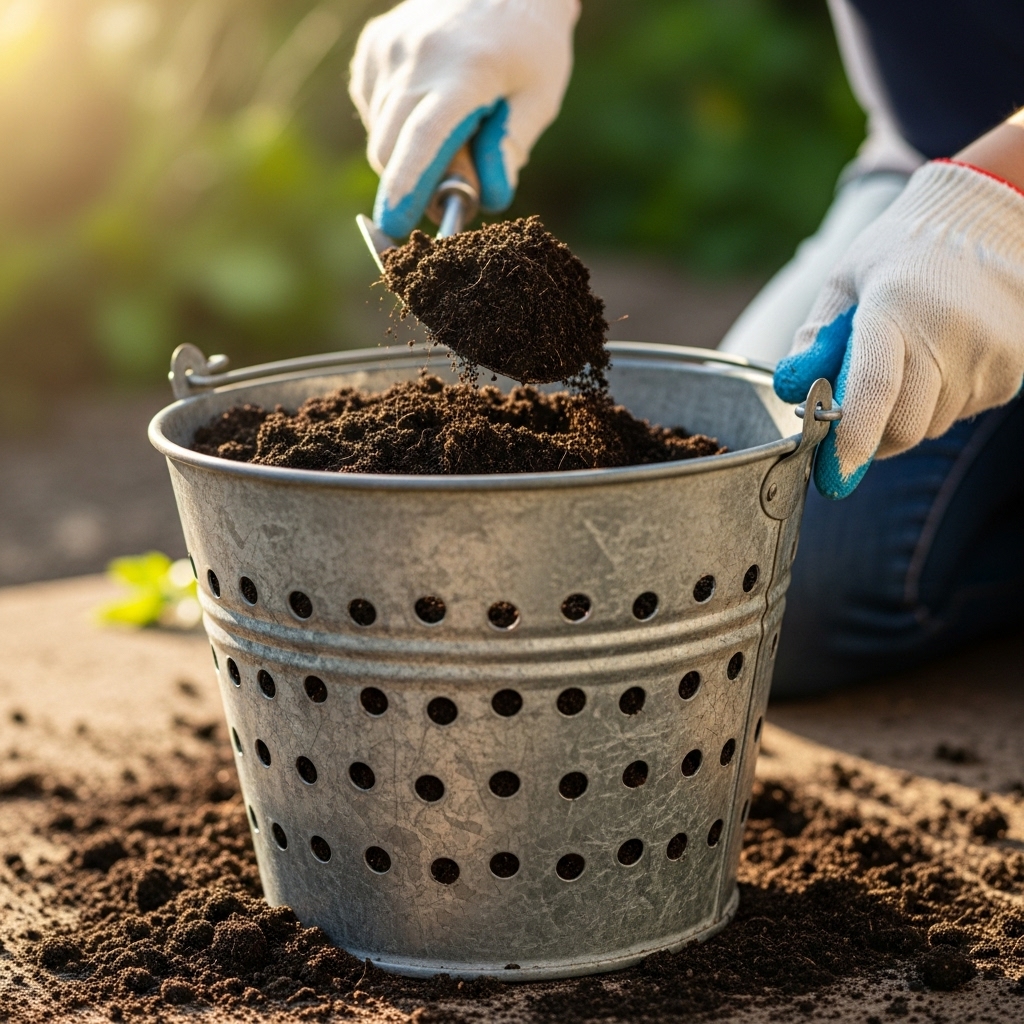
Good drainage is essential to prevent waterlogging, which can lead to root rot. Before planting, drill several holes in the bottom of your bucket to allow excess water to escape. Additionally, consider adding a layer of gravel or small stones at the bottom of the bucket to further enhance drainage and aeration for plant roots.
3. Use Quality Potting Mix
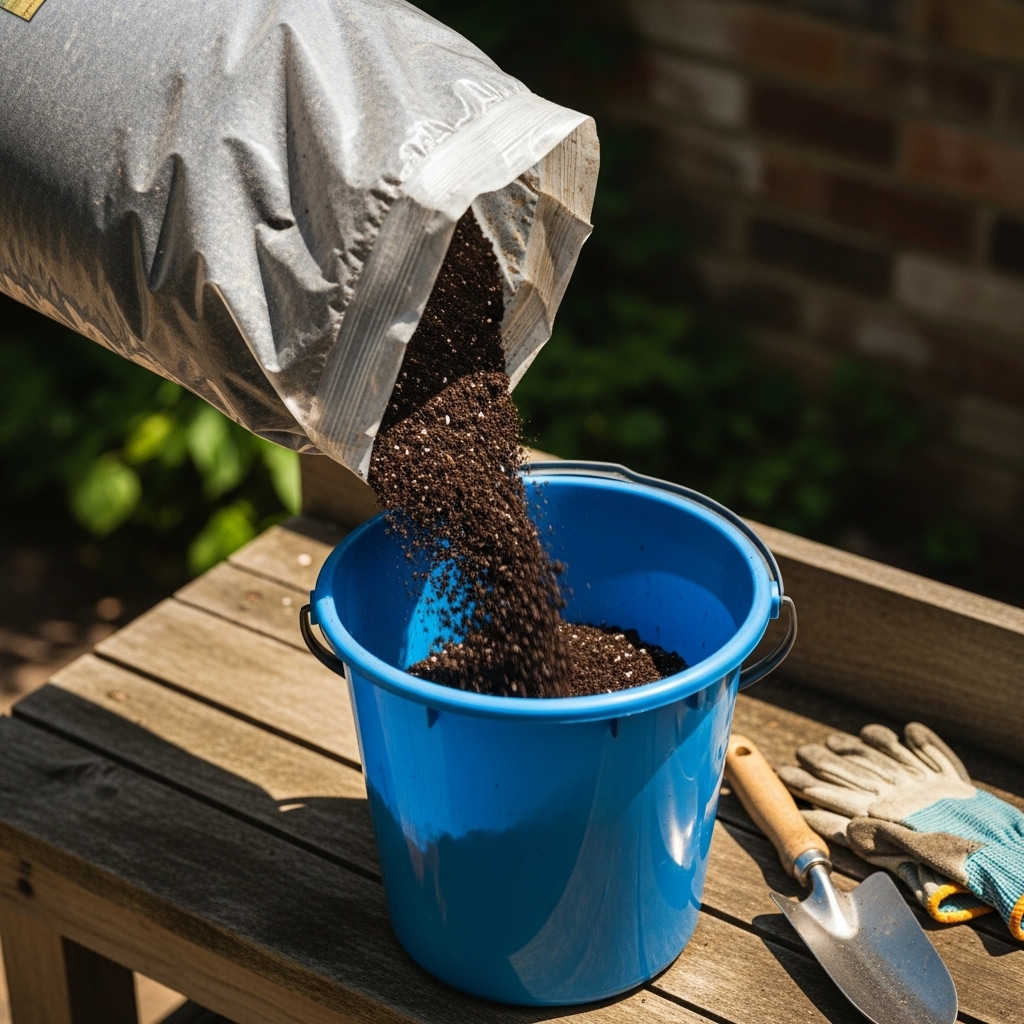
Investing in high-quality potting mix can significantly impact plant health. Look for a mix that is lightweight, well-draining, and enriched with organic matter. Avoid using garden soil, as it can compact in containers and hinder growth. A quality mix will provide the necessary nutrients and aeration for your plants to flourish.
4. Select the Right Plants
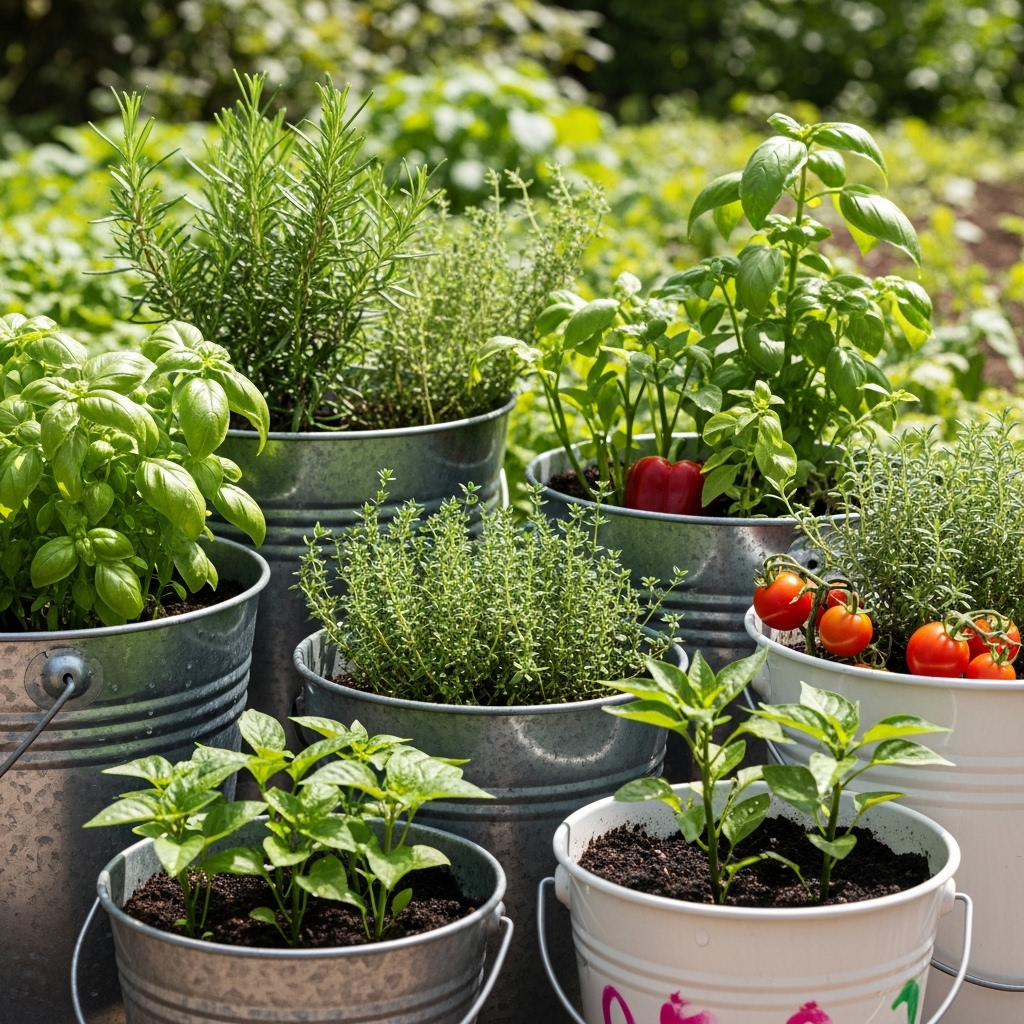
Not all plants thrive in buckets; therefore, it’s essential to choose suitable varieties. Opt for compact or dwarf varieties of vegetables, herbs, and flowers that are known to do well in containers. Some excellent choices include cherry tomatoes, peppers, basil, and marigolds, which will flourish in the limited space of a bucket. You can explore more about this in our article on 7 Reasons Bucket Gardening Is Perfect for Beginners.
5. Water Wisely
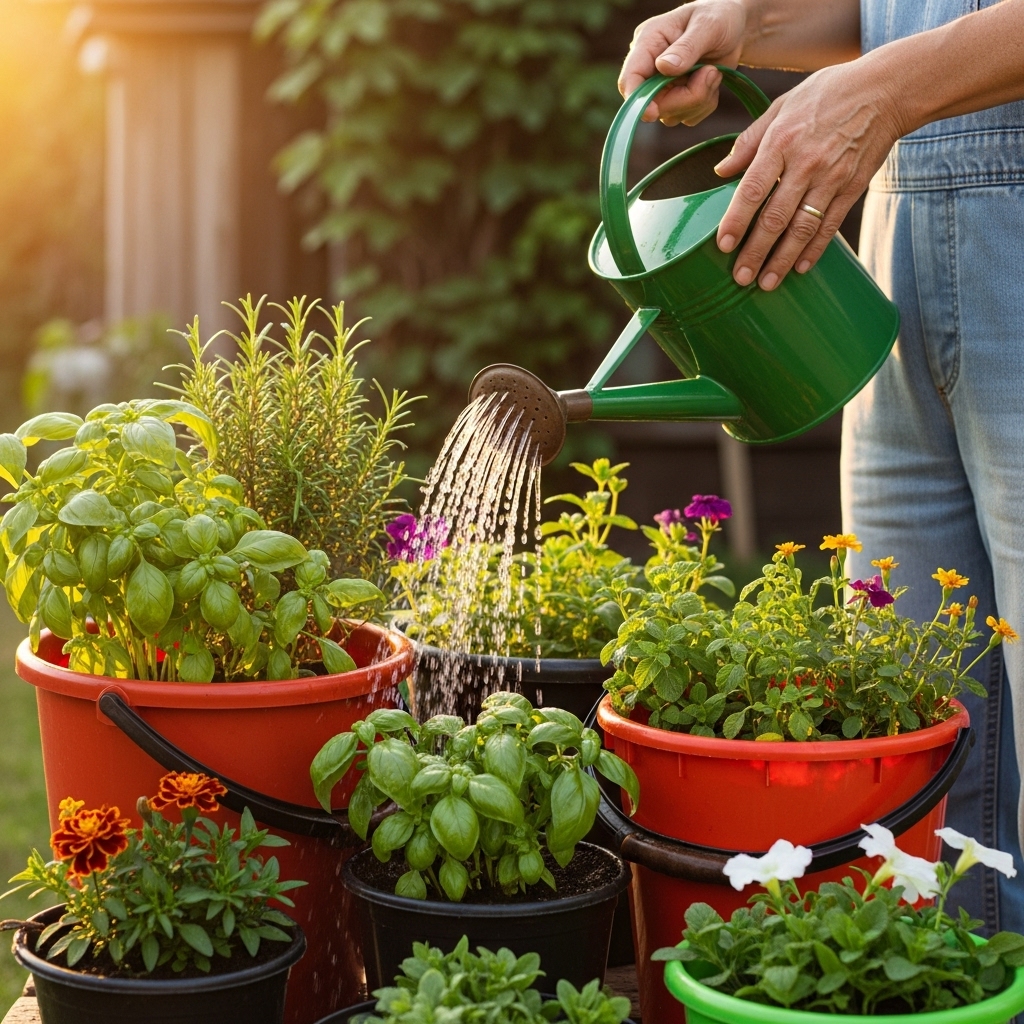
Watering is a vital aspect of bucket gardening, but it’s important to do it wisely. Check the soil moisture regularly; water when the top inch feels dry. Avoid overwatering as it can lead to root rot. Consider using self-watering buckets to ensure consistent moisture levels, especially during hot weather.
6. Fertilize Regularly
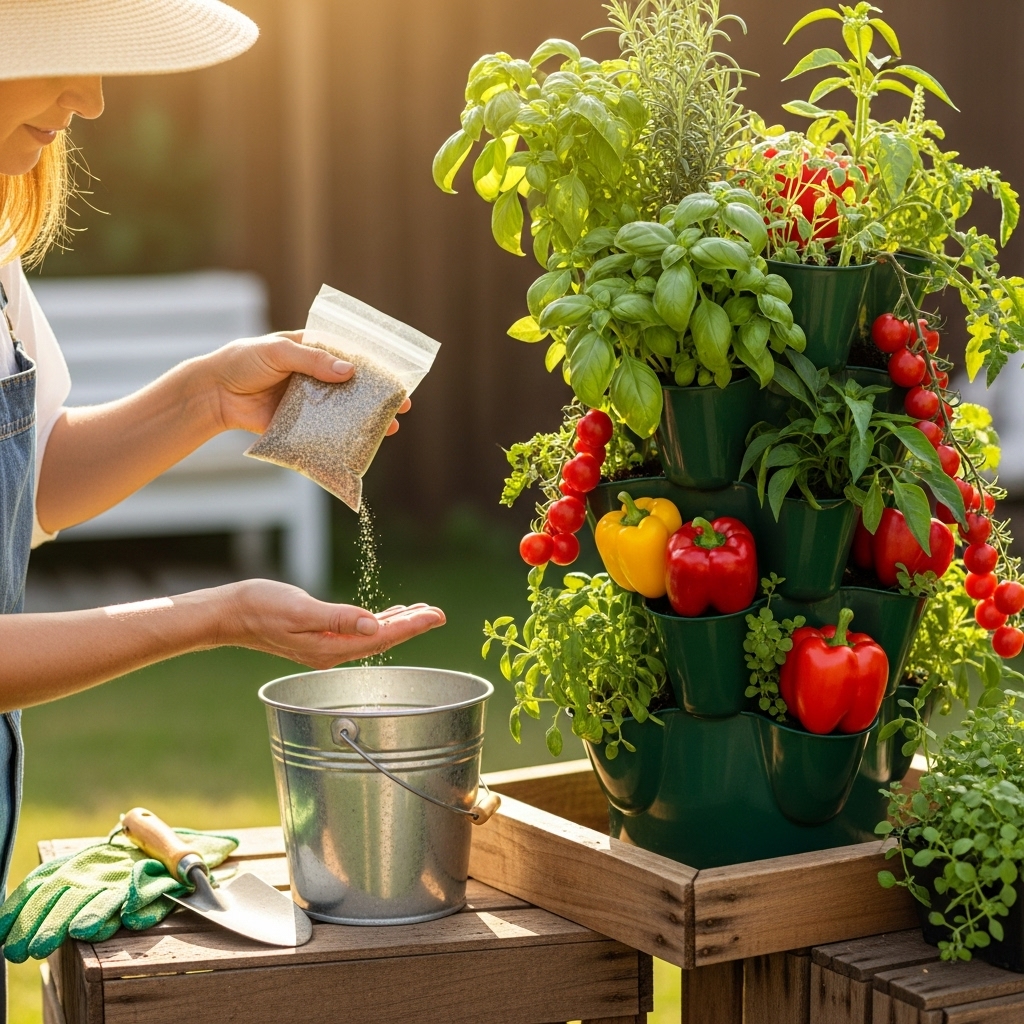
Plants in buckets rely on you for their nutrients, so regular fertilization is key. Use a balanced, water-soluble fertilizer every few weeks to replenish nutrients leached out by watering. Organic options like fish emulsion or compost tea can also provide a natural boost, promoting healthy growth and vibrant blooms.
7. Monitor for Pests
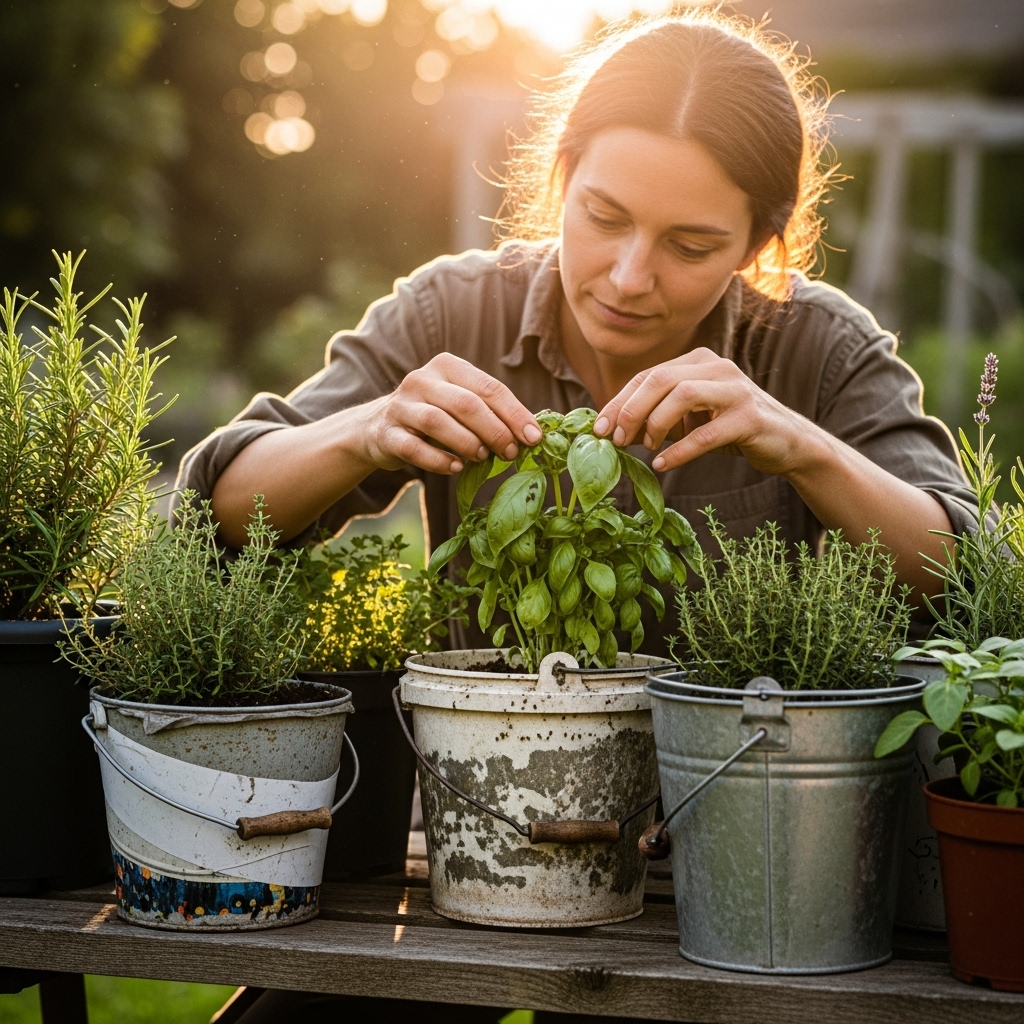
Bucket gardens can attract pests just like traditional gardens. Regularly inspect your plants for signs of infestation, such as holes in leaves or sticky residue. Employ natural pest control methods, such as introducing beneficial insects like ladybugs or using insecticidal soap to keep your plants protected without harmful chemicals.
8. Provide Adequate Sunlight
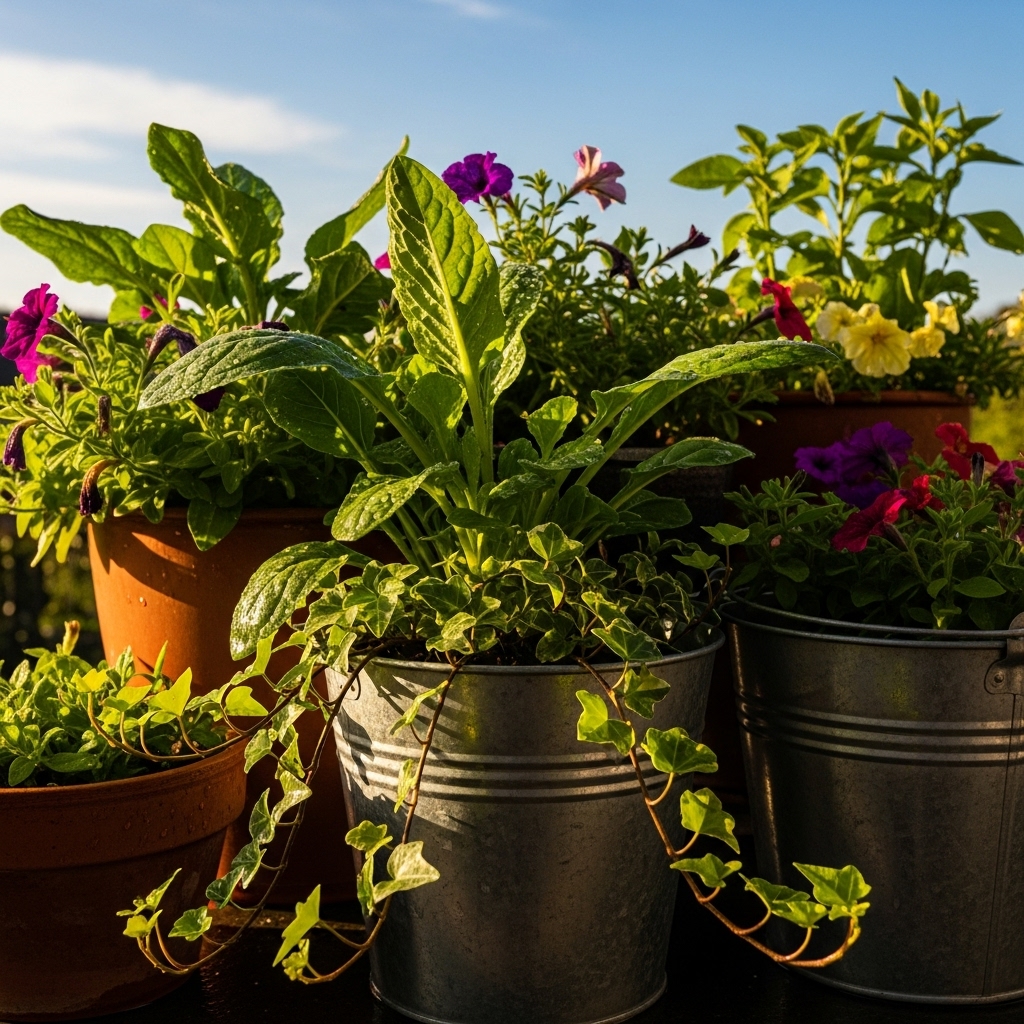
Most plants require at least 6-8 hours of sunlight daily for optimal growth. Position your buckets in a sunny spot where they can absorb enough light. If you have limited sunlight, consider using reflective surfaces or rotating your plants to ensure they receive equal exposure to the sun.
9. Rotate Your Crops
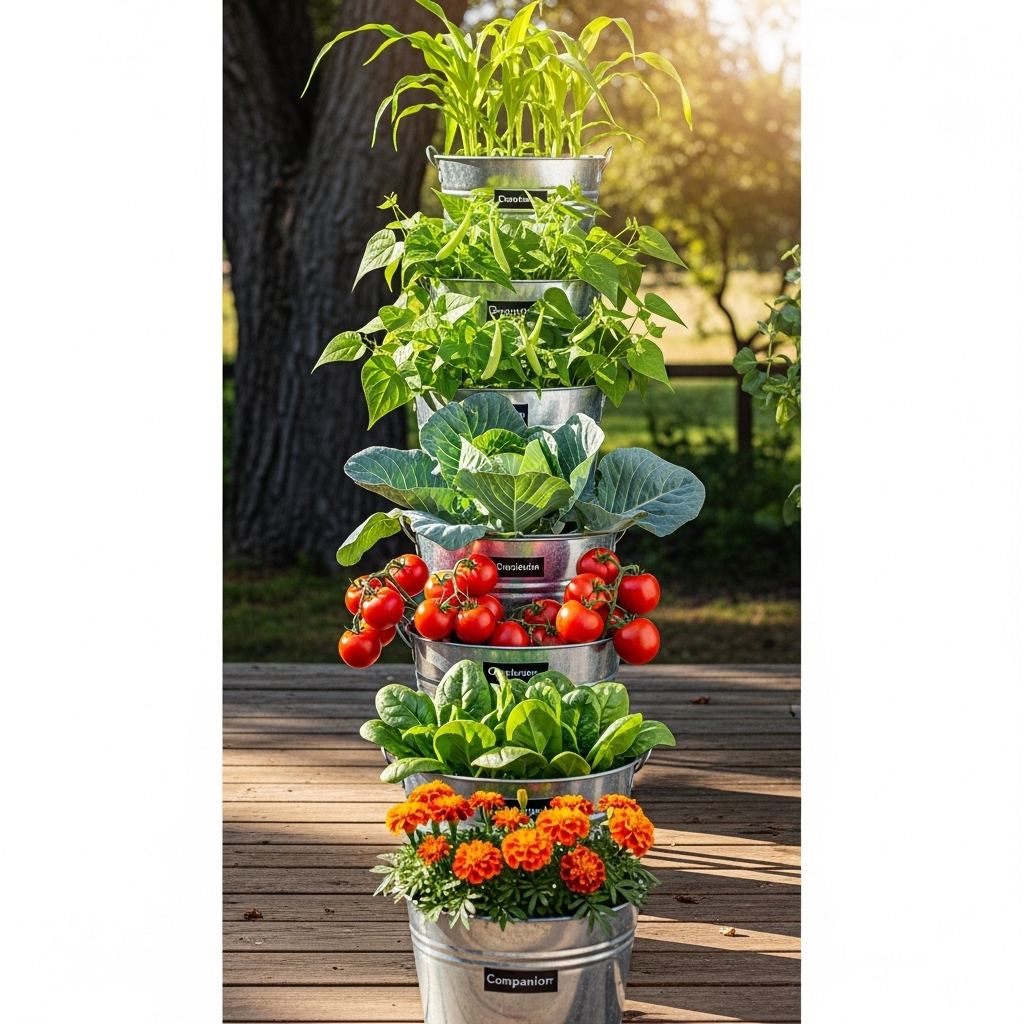
Crop rotation is essential for maintaining soil fertility and preventing disease. Each season, switch out the types of plants in your buckets. For example, follow heavy feeders like tomatoes with lighter feeders such as lettuce. This practice will keep your soil healthy and your plants thriving throughout the growing seasons. Additionally, you can find creative ideas for your bucket garden in our post about 10 Bucket Gardening Ideas for Balcony and Terrace.