
Redbud trees offer stunning spring blooms and low maintenance but have a shorter lifespan and susceptibility to diseases.
Table of Contents
Redbud trees are celebrated for their vibrant blooms and ecological benefits. However, they come with certain drawbacks that potential gardeners should consider. This article explores nine key pros and cons to help you make an informed decision about planting redbud trees.
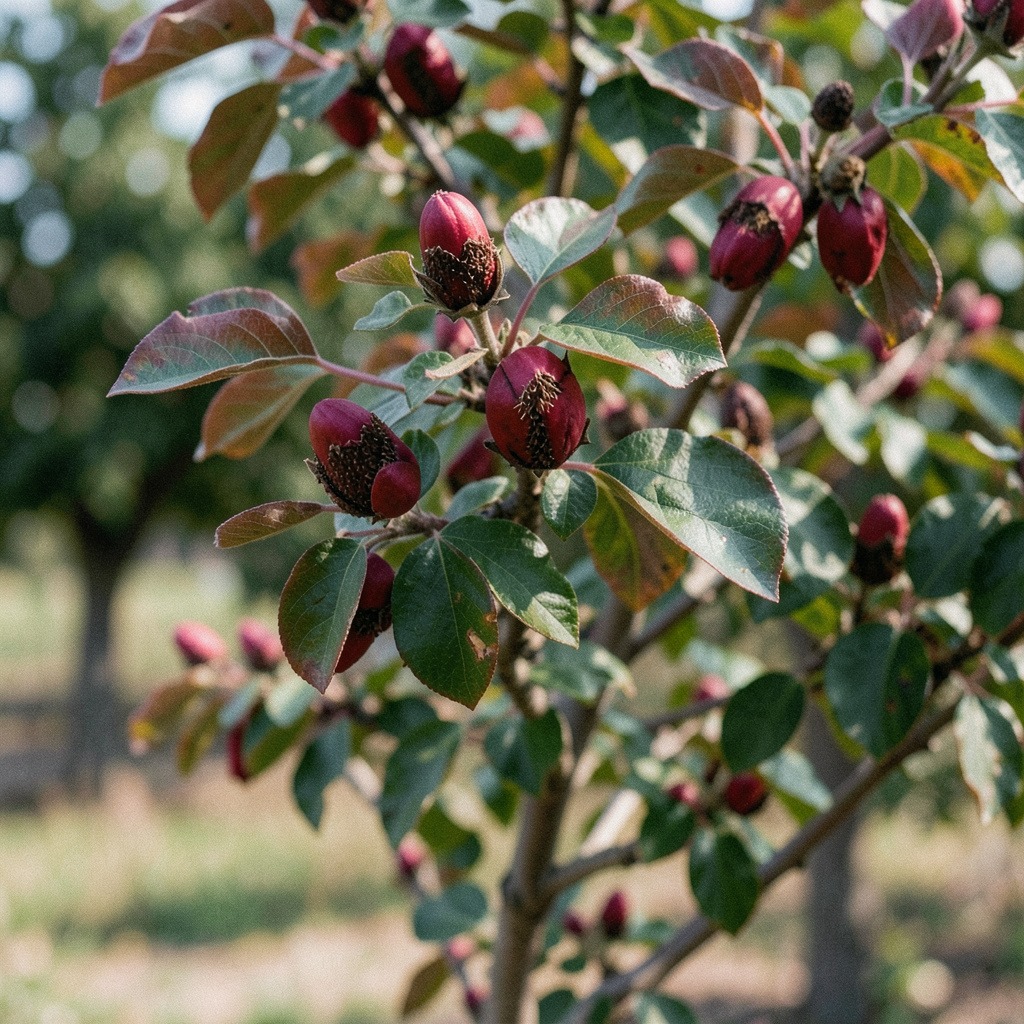
1. Redbud Trees Provide Stunning Spring Blooms
Redbud trees are renowned for their striking spring flowers, which not only enhance garden aesthetics but also attract a variety of pollinators. Their vibrant blooms serve as an early welcome to spring, making them a favorite among gardeners.
Redbud Flowers Attract Various Pollinators
The blossoms of redbud trees are particularly appealing to several species of pollinators. Bees, butterflies, and hummingbirds are often drawn to the flowers’ nectar-rich offerings. Specific pollinator species include:
- Honey Bees: Essential for pollination, honey bees contribute to the overall health of your garden.
- Carpenter Bees: These large bees play a crucial role in pollinating various plants.
- Butterflies: Their presence enhances the beauty of your garden while aiding in pollination.
By planting redbud trees, you create a habitat that supports these beneficial insects, fostering a healthier local ecosystem.
Aesthetic Appeal Enhances Garden Landscapes
The visual impact of redbud trees extends beyond their vibrant flowers. Their heart-shaped leaves provide a lush green backdrop throughout the growing season. As the seasons change, redbuds offer a dynamic landscape presence:
- Early Spring: The pink and purple flowers bloom, providing a stunning visual display.
- Summer: Heart-shaped leaves create a dense, green canopy.
- Fall: Leaves turn yellow and add warm hues to the landscape.
This seasonal transition not only beautifies your garden but also contributes to a more diverse and appealing environment.
Visual Impact Through Seasonal Changes
Redbud trees are not just a spring spectacle; they continue to add visual interest year-round. Their unique branching structure can create striking silhouettes against the sky, especially in winter. This characteristic, combined with their vibrant spring flowers, makes them an excellent choice for year-round appeal.
In summary, redbud trees provide a multifaceted aesthetic benefit while serving as a vital resource for local pollinators. Their contribution to garden beauty and ecological functionality makes them a wise choice for any landscape.
2. Redbud Trees Are Low-Maintenance
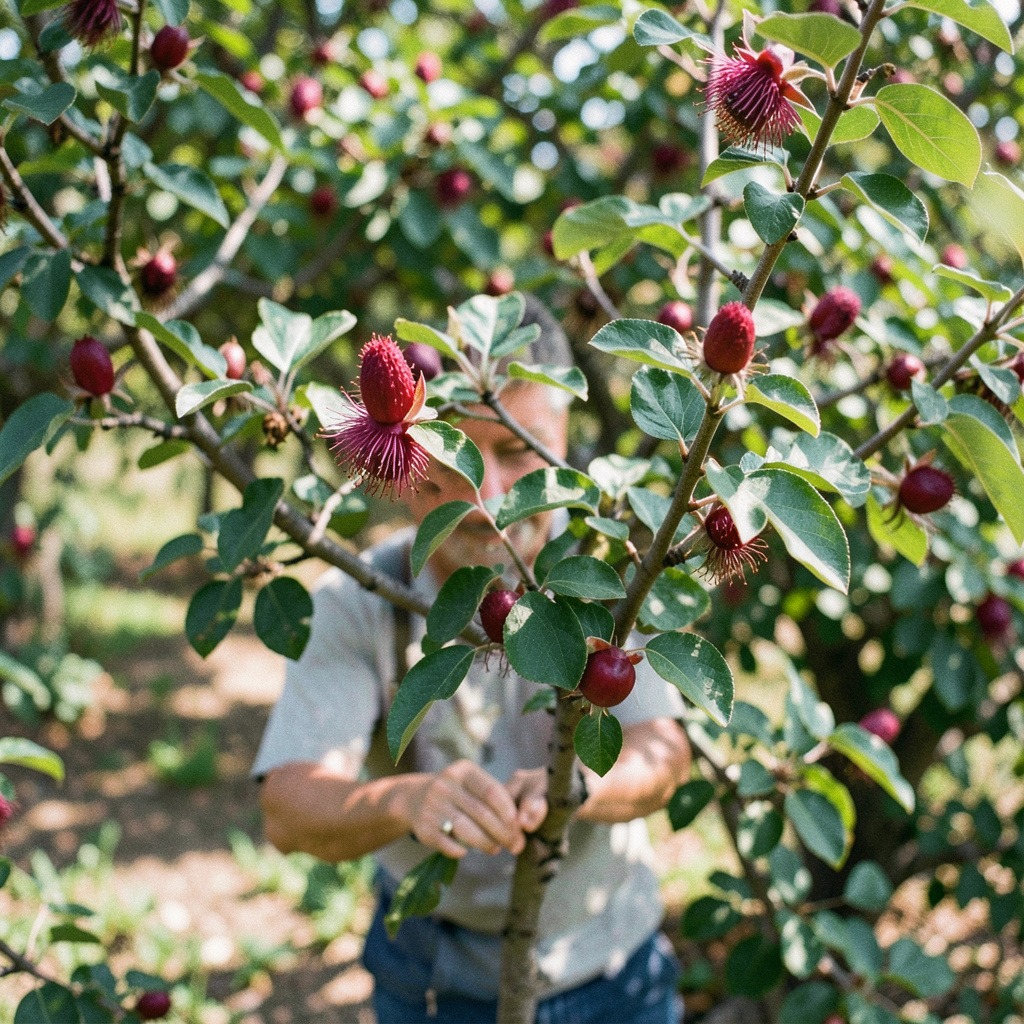
Redbud trees are prized for their minimal care requirements, making them an excellent choice for busy gardeners. Their adaptability and resilience allow them to thrive with little intervention.
Minimal Watering Needs Once Established
Once redbud trees are established, they require minimal watering. Their deep taproots allow them to access moisture from the soil, making them drought-tolerant. This characteristic is especially beneficial in regions with fluctuating rainfall.
Little Pruning Required for Upkeep
Redbuds do not demand extensive pruning. Regular maintenance is limited to removing dead or damaged branches. This low upkeep not only saves time but also encourages healthy growth.
Adaptability to Various Soil Conditions
Redbud trees thrive in a range of soil types, from loamy to sandy. They prefer well-draining soil but can tolerate clay conditions. This adaptability reduces the need for soil amendment, simplifying the planting process.
Care Checklist for Redbud Trees
- Watering: Water deeply during dry spells until established.
- Pruning: Prune only as needed to maintain shape and remove dead wood.
- Soil: Ensure good drainage; amend only if necessary.
- Fertilization: Fertilize sparingly, typically in early spring.
- Mulching: Apply a layer of mulch to retain moisture and suppress weeds.
By following this simple checklist, gardeners can ensure their redbud trees remain healthy and vibrant without significant effort.
3. Redbud Trees Support Local Ecosystems
Redbud trees play a vital role in enhancing local ecosystems. Their presence in gardens not only beautifies the landscape but also supports various forms of wildlife.
Providing Habitat for Birds and Insects
Redbud trees serve as a habitat for numerous birds and insects. Their flowers attract pollinators such as bees and butterflies, helping to maintain healthy populations. Birds utilize the tree for nesting, while insects feed on the leaves and flowers. This mutual relationship fosters a thriving ecosystem.
Enhancing Local Biodiversity
Incorporating redbud trees into your garden promotes biodiversity. They are native to North America, making them well-suited to local climates and soil conditions. This native status allows them to coexist with other indigenous plants and wildlife, contributing to a balanced ecosystem. Studies show that gardens with native trees, like redbuds, support a broader range of species compared to those with non-native plants.
Benefits of Redbud Trees for Biodiversity:
- Attracts native pollinators
- Provides food sources for various bird species
- Supports local insect populations, including beneficial ones
Contributing to Ecological Balance
Redbud trees contribute to ecological balance in multiple ways. They improve soil health by preventing erosion and enhancing nutrient cycles. Their leaf litter provides organic matter, enriching the soil. Additionally, their growth offers shade, which can benefit other plants in hotter climates.
Key Contributions:
- Erosion control
- Soil enrichment through leaf litter
- Shade provision for understory plants
Case studies demonstrate the effectiveness of redbud trees in supporting wildlife. For instance, a garden featuring a cluster of redbuds showed a significant increase in butterfly populations during the blooming season. This is a clear indication of their ecological importance.
Integrating redbud trees into landscaping not only beautifies your garden but also supports local wildlife and enhances biodiversity.
4. Redbud Trees Have a Short Lifespan
Redbud trees have a relatively short lifespan compared to many other landscape trees. Understanding this characteristic is essential for gardeners who wish to plan for future tree replacements.
Average Lifespan and Implications for Gardeners
Redbud trees typically live between 20 to 30 years. This lifespan is considerably shorter than many popular landscape trees, which can live for several decades longer. Here is a comparative lifespan table of common landscape trees:
| Tree Species | Average Lifespan |
|---|---|
| Redbud | 20-30 years |
| Oak | 60-100 years |
| Maple | 30-50 years |
| Dogwood | 30-50 years |
| Pine | 50-60 years |
Knowing the lifespan of redbuds helps gardeners make informed decisions about their landscaping. Early planning for replacements ensures a continuous aesthetic and functional presence in the garden.
Comparison with Other Common Landscape Trees
When contrasting redbuds with other common trees, their shorter lifespan becomes a critical factor. While redbuds offer stunning blooms and ecological benefits, their longevity is limited. In contrast, trees like oaks and maples not only provide shade and beauty but can also thrive for generations.
Gardeners should weigh the trade-offs between immediate visual appeal and long-term investment when selecting trees. If replacing trees every few decades is manageable, redbuds can be a vibrant addition.
Planning for Future Tree Replacements
To mitigate the short lifespan of redbud trees, gardeners should consider staggered planting. By planting new redbuds periodically, they can maintain a vibrant display while minimizing gaps in the landscape.
Here are some planning tips:
- Assess your landscape needs: Determine how many redbuds will provide the desired visual impact.
- Schedule replacements: Plan to plant a new tree every 10 years to ensure continuity.
- Explore diverse species: Consider integrating other longer-living species alongside redbuds for balance.
By incorporating these strategies, gardeners can enjoy the beauty of redbud trees while ensuring their landscapes remain lush and appealing over time.
5. Redbud Trees Are Susceptible to Diseases
Redbud trees, while beautiful, face several disease threats that can affect their health and appearance. Understanding these common diseases and how to manage them is essential for maintaining vibrant redbuds in your garden.
Common Diseases Like Verticillium Wilt
- Verticillium Wilt: This soil-borne fungus targets the vascular system of redbud trees. Infected trees show wilting leaves, yellowing, and branch dieback.
- Botryosphaeria Canker: This disease manifests through sunken lesions on branches. It can lead to dieback if not managed promptly.
- Leaf Anthracnose: Caused by a fungal pathogen, this disease leads to brown spots on leaves, which can cause early leaf drop.
Signs of Disease to Watch Out For
Monitor your redbud trees for these indicators:
- Wilting or yellowing leaves
- Sunken lesions on branches
- Early leaf drop
- Stunted growth
Early detection is crucial for effective management.
Prevention Strategies for Healthy Trees
Implement the following strategies to keep your redbuds healthy:
- Choose resistant varieties: Opt for cultivars known for their disease resistance.
- Maintain proper watering: Water deeply but infrequently to promote strong root systems.
- Prune regularly: Remove dead or diseased branches to improve air circulation.
- Apply mulch: Use organic mulch to retain moisture and suppress weeds.
- Fertilize appropriately: Use a balanced fertilizer to strengthen overall tree health.
By integrating these practices, you can significantly reduce the risk of disease and enhance the longevity of your redbud trees.
6. Redbud Trees Have Unique Growth Characteristics
Redbud trees offer distinctive growth traits that make them appealing for various landscapes. They adapt well to different conditions while providing aesthetic value and ecological benefits.
Height and spread suitable for small yards
Redbud trees typically reach a height of 20 to 30 feet, with a spread of 25 to 35 feet. This compact size makes them ideal for smaller gardens. Their layered branching structure provides visual interest without overwhelming the space.
Fast growth compared to other trees
Redbud trees exhibit a rapid growth rate, averaging around 2 to 3 feet per year. This swift development allows homeowners to enjoy their beauty sooner than many other tree species. For instance, compared to slower-growing trees like oaks, redbuds can fill a landscape more quickly, offering shade and color in less time.
Unique heart-shaped foliage
One of the most striking features of redbud trees is their heart-shaped leaves. These leaves emerge in a vibrant green and transition to shades of yellow and orange in the fall. This unique foliage adds seasonal interest, making redbuds a visually dynamic choice for landscaping. Additionally, the leaves serve as a habitat for various beneficial insects, enhancing the tree’s ecological impact.
Summary of Growth Characteristics
| Characteristic | Details |
|---|---|
| Height | 20 to 30 feet |
| Spread | 25 to 35 feet |
| Growth Rate | 2 to 3 feet per year |
| Leaf Shape | Heart-shaped |
| Seasonal Foliage Colors | Green, yellow, orange |
These growth characteristics position redbud trees as versatile options for landscaping, catering to both aesthetic preferences and ecosystem needs.
7. Redbud Trees Require Specific Planting Conditions
To ensure that redbud trees thrive, it is essential to understand their specific soil and sunlight requirements. These factors significantly influence their growth and overall health.
Optimal Soil Types and pH Levels
Redbud trees prefer well-drained soil. They adapt to various soil types but flourish in loamy conditions. Here are the ideal soil characteristics:
- Soil Type: Well-drained, loamy soil is best. Avoid heavy clay or consistently waterlogged areas.
- pH Level: A slightly acidic to neutral pH (around 6.0 to 7.0) promotes optimal growth.
Sunlight Requirements for Healthy Blooms
Redbuds thrive under specific sunlight conditions. They require a good amount of direct sunlight to produce their stunning spring flowers.
- Ideal Sunlight: At least six hours of direct sunlight daily.
- Shade Tolerance: While they can tolerate some shade, particularly in hotter climates, more sunlight enhances flowering.
Watering Needs During Establishment
Proper watering is crucial during the establishment phase of redbud trees. Inadequate moisture can impede growth and lead to various issues.
- Initial Watering: Water deeply once a week for the first growing season.
- Post-Establishment: Once established, redbuds are relatively drought-tolerant but benefit from occasional watering during dry spells.
Checklist for Preparing Planting Sites for Redbud Trees
- Soil Preparation: Test soil pH and improve drainage if necessary.
- Sun Exposure: Select a location with ample sunlight, considering afternoon shade in hotter regions.
- Watering Setup: Ensure accessibility for consistent watering during the establishment period.
Following these guidelines will enhance the chances of successful growth for redbud trees, allowing them to serve as a vibrant addition to any garden.
8. Redbud Trees Can Be Messy
Redbud trees, while beautiful, can create a mess in your garden. Their vibrant flowers and seed pods may require regular cleanup, which can be a consideration for potential planters.
Cleanup Required During Blooming Season
During spring, redbud trees burst into bloom. Their small, colorful flowers can fall to the ground, creating a blanket of petals. This can add a lovely aesthetic initially, but as flowers drop, maintenance becomes necessary.
- Frequency of Cleanup: Expect to clean up fallen flowers weekly during peak bloom.
- Time Investment: Allocate 30 minutes to an hour for cleanup, depending on the size of your tree and garden.
Managing Fallen Seeds and Pods
After flowering, redbud trees produce seed pods that can litter the ground. These pods can create a cluttered appearance in your garden.
- Seed Pod Characteristics: Redbud seed pods are typically long, flat, and can remain on the tree for several months.
- Cleanup Tips:
- Rake up fallen pods regularly to maintain a tidy garden.
- Consider composting the pods if they haven’t fully dried out.
Balancing Beauty with Maintenance
When considering planting redbud trees, weigh their stunning appearance against the upkeep they require.
- Aesthetic Appeal: Redbuds provide vibrant spring color and attractive heart-shaped leaves throughout the season.
- Maintenance Reality: Regular cleanup is essential to enjoy their beauty without compromising your garden’s neatness.
By planning for the messiness of redbud trees, you can enjoy their beauty while maintaining a well-kept garden. Opt for strategic planting locations to minimize cleanup efforts, such as near pathways where fallen debris can be easily noticed and managed.
9. Redbud Trees and Dogwoods: A Comparative Analysis
Redbud trees and dogwood trees are popular choices for landscaping. Both offer unique beauty and ecological benefits, but they also come with distinct characteristics and maintenance needs. Below, we compare these two tree types across several key areas.
Visual Differences in Flowers and Leaves
| Feature | Redbud Trees | Dogwood Trees |
|---|---|---|
| Flower Color | Pink, purple, white | White, pink, red |
| Leaf Shape | Heart-shaped | Oval to elliptical |
| Fall Color | Yellow to orange | Vivid red to purple |
Redbud flowers bloom in early spring, providing a striking display. Their heart-shaped leaves add charm throughout the growing season. Dogwoods, on the other hand, also produce beautiful blooms but have a wider variety of flower colors. Their leaves change to vibrant hues in the fall, making both trees visually appealing.
Growth Requirements and Maintenance
| Requirement | Redbud Trees | Dogwood Trees |
|---|---|---|
| Sunlight | Prefers partial shade | Thrives in full sun to partial shade |
| Soil Type | Well-drained, moist | Well-drained, slightly acidic |
| Watering | Moderate; drought-tolerant once established | Regular watering needed, especially in dry periods |
| Maintenance Level | Low maintenance | Moderate maintenance |
Redbud trees are generally low-maintenance. They adapt well to various soil types and require less frequent watering once established. Dogwoods, while still manageable, may need more attention in terms of watering and soil quality.
Ecological Benefits Comparison
| Benefit | Redbud Trees | Dogwood Trees |
|---|---|---|
| Attracts Pollinators | Yes, attracts bees and butterflies | Yes, attracts bees and birds |
| Wildlife Habitat | Provides shelter and food | Offers shelter and food sources |
| Environmental Impact | Supports local ecosystems | Enhances biodiversity and soil quality |
Both redbud and dogwood trees support local wildlife. Redbuds provide an early source of nectar for pollinators, while dogwoods offer food and shelter for various bird species. Planting either species can enhance your garden’s ecological value.
Example Scenario
When considering a landscape design, if you have a shaded area under taller trees, redbuds may thrive better due to their understory nature. In contrast, if you have a sunny, open space, dogwoods might be the more suitable option.
This side-by-side comparison highlights the unique attributes of redbud and dogwood trees, aiding you in making an informed decision for your garden.
Frequently Asked Questions
These quick answers cover the most common questions about this topic, including key details, practical tips, and common concerns.
Which is better, dogwood or redbud?
Choosing between dogwood and redbud trees depends on your specific landscape needs. Redbuds typically grow faster and are more drought-tolerant once established. They also have vibrant spring blooms that attract pollinators early in the season. On the other hand, dogwoods offer a wider range of flower colors and tend to have a longer lifespan.
If you have a shaded area, redbuds may thrive better due to their ability to adapt to partial shade. In contrast, dogwoods prefer full sun to partial shade and may require more consistent watering. Consider your garden’s conditions and desired aesthetics when making your choice.
What are the downsides of redbud trees?
Redbud trees have a few notable downsides. They typically have a shorter lifespan of about 20 to 30 years, which is less than many other landscape trees. This means you may need to plan for replacements sooner than with longer-lived species.
Additionally, redbuds can be susceptible to diseases like Verticillium wilt and Botryosphaeria canker. They also create some mess with fallen flowers and seed pods, requiring regular cleanup during and after blooming seasons.
Where is the best place to plant redbud trees?
Redbud trees thrive in well-drained soil and require at least six hours of direct sunlight daily. Ideal locations include areas with partial shade, especially in hotter climates, as this can help protect them from excessive heat.
Avoid low-lying areas where water may pool, as redbuds prefer well-drained sites. Planting them near pathways or garden edges can also enhance their visibility and make cleanup easier during blooming and seed pod seasons.
Do redbuds have invasive roots?
Redbud trees generally do not have invasive roots. Their root systems are typically non-aggressive, making them suitable for smaller gardens. However, they do have a deep taproot that helps them access moisture, which can be beneficial in drought conditions.
While they won’t disrupt nearby structures or foundations, it’s still wise to plant them at a reasonable distance from sidewalks and buildings to allow for their natural growth and spread.
What are the pros and cons of planting a red bud tree?
The pros of planting redbud trees include their stunning spring blooms, low maintenance requirements, and ability to attract pollinators, making them great for enhancing biodiversity. They also adapt well to various soil types and are drought-tolerant once established.
On the downside, redbuds have a shorter lifespan compared to many other trees and are susceptible to certain diseases. Additionally, they can create a mess with fallen flowers and seed pods, requiring regular maintenance to keep your garden tidy.
What are the best conditions for planting redbud trees?
Redbud trees prefer well-drained soil with a slightly acidic to neutral pH (around 6.0 to 7.0). They thrive in areas that receive at least six hours of direct sunlight daily but can tolerate partial shade, especially in hotter climates.
When planting, ensure the site has good drainage to prevent waterlogging. Water deeply during the establishment phase, but once established, redbuds are relatively drought-tolerant.
How long do redbud trees typically live?
Redbud trees typically have a lifespan of 20 to 30 years. This is shorter than many other popular landscape trees, which can live for several decades longer.
When planning your garden, consider this lifespan and plan for potential replacements to maintain the aesthetic and functional qualities of your landscape. Regular care and monitoring can help maximize the lifespan of your redbuds.
What pests are common to redbud trees?
Common pests that affect redbud trees include aphids, scale insects, and spider mites. These pests can weaken the tree by sucking sap and may lead to other issues if not managed.
Regular monitoring for signs of infestation, such as discolored leaves or webbing, is essential. If pests are detected, consider using insecticidal soap or neem oil as an eco-friendly treatment option to protect your redbuds.