
Growing tomatoes can be a rewarding experience, especially when you see your hard work result in a bountiful harvest. However, maximizing your yield requires some clever strategies. Whether you are a seasoned gardener or a beginner, these nine hacks will help you double your tomato harvest, ensuring that your plants thrive and produce an abundance of juicy tomatoes.
1. Choose the Right Varieties
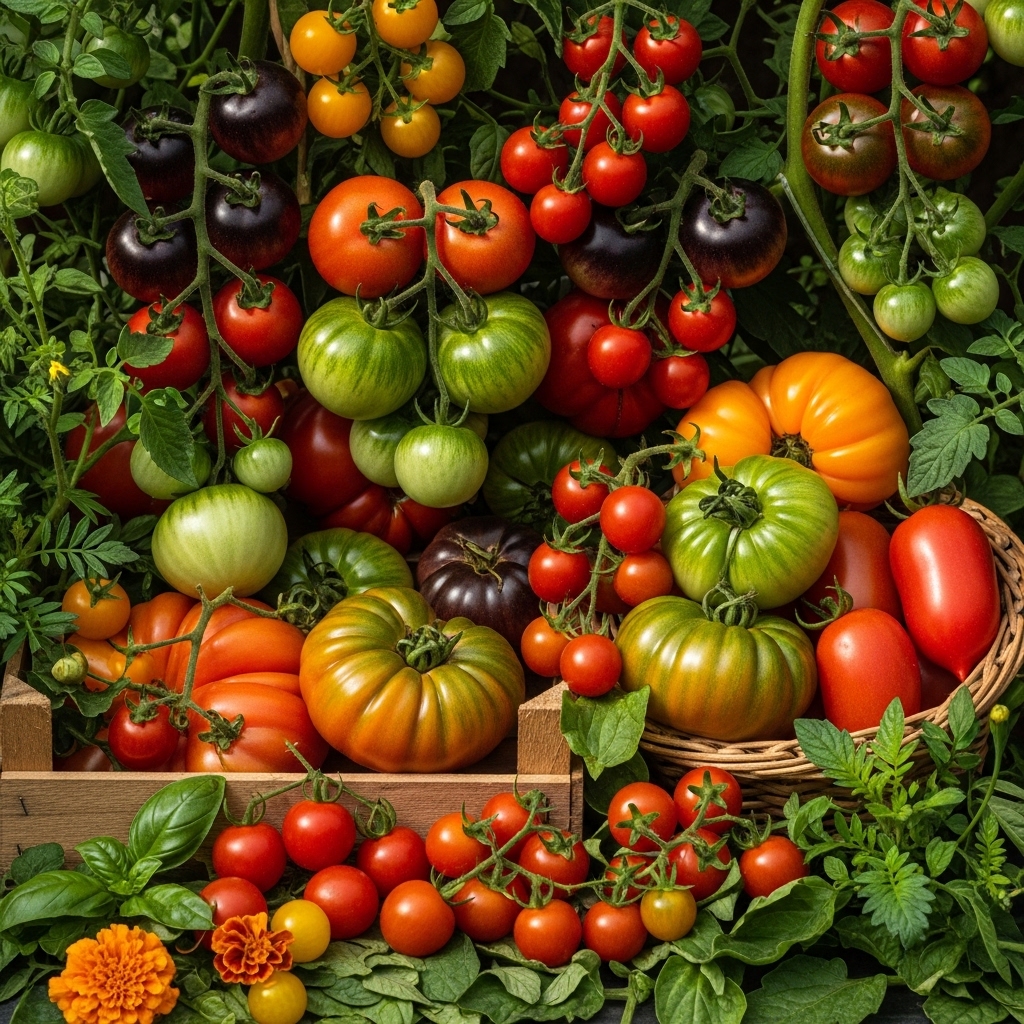
Selecting the right tomato varieties is crucial for maximizing your harvest. Some varieties are more productive than others, and choosing disease-resistant types can lead to healthier plants. Consider growing indeterminate varieties, which continue to grow and produce fruit throughout the season, unlike determinate types that stop growing after a certain point. This choice can significantly increase your overall yield.
2. Optimize Sunlight Exposure
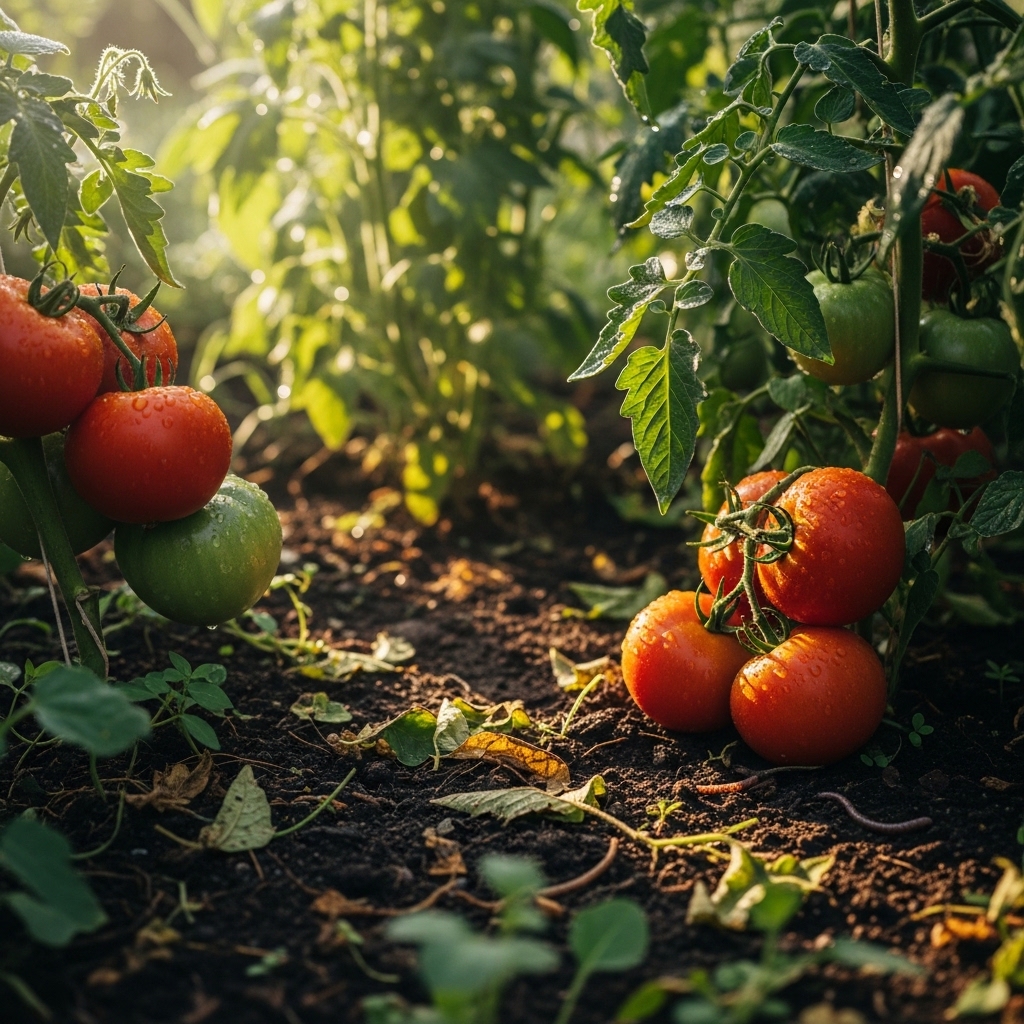
Tomatoes thrive in full sun, requiring at least six to eight hours of direct sunlight daily. To optimize sunlight exposure, plant your tomatoes in a location where they won’t be shaded by taller plants or structures. If you have limited space, consider using vertical gardening techniques to ensure your tomato plants receive ample light and can produce fruit more efficiently.
3. Use Quality Soil Amendments
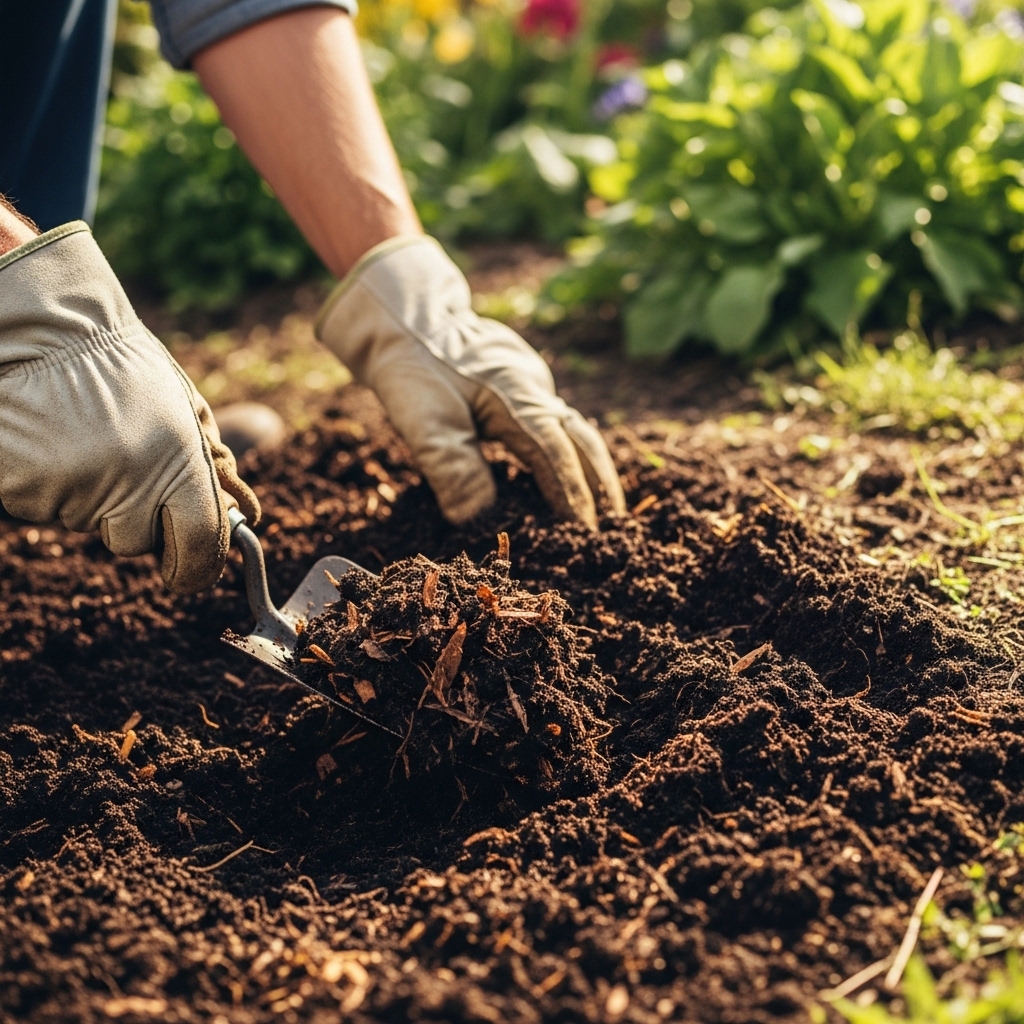
Healthy soil is the foundation for a successful tomato harvest. Enrich your soil with organic materials such as compost, aged manure, or worm castings. These amendments improve soil structure, fertility, and drainage, providing your tomatoes with the nutrients they need to thrive. Testing your soil pH and adjusting it to around 6.0 to 6.8 will further enhance growth and yield.
4. Implement Companion Planting
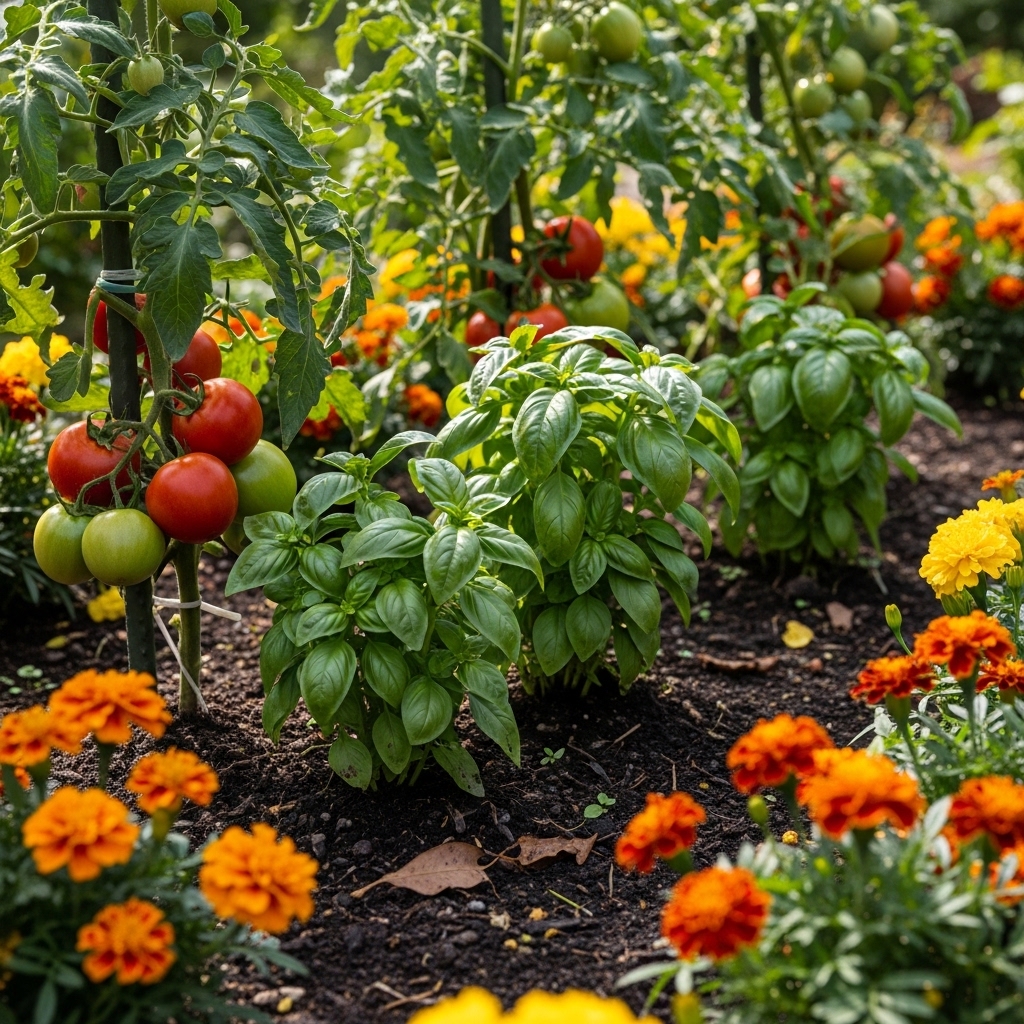
Companion planting can enhance the growth of your tomato plants and deter pests. Pair tomatoes with beneficial companions like basil, which can improve flavor and repel harmful insects. Marigolds are another excellent choice, as they attract pollinators and can help reduce nematode populations in the soil. This strategic planting can lead to healthier plants and increased harvests.
5. Practice Regular Pruning
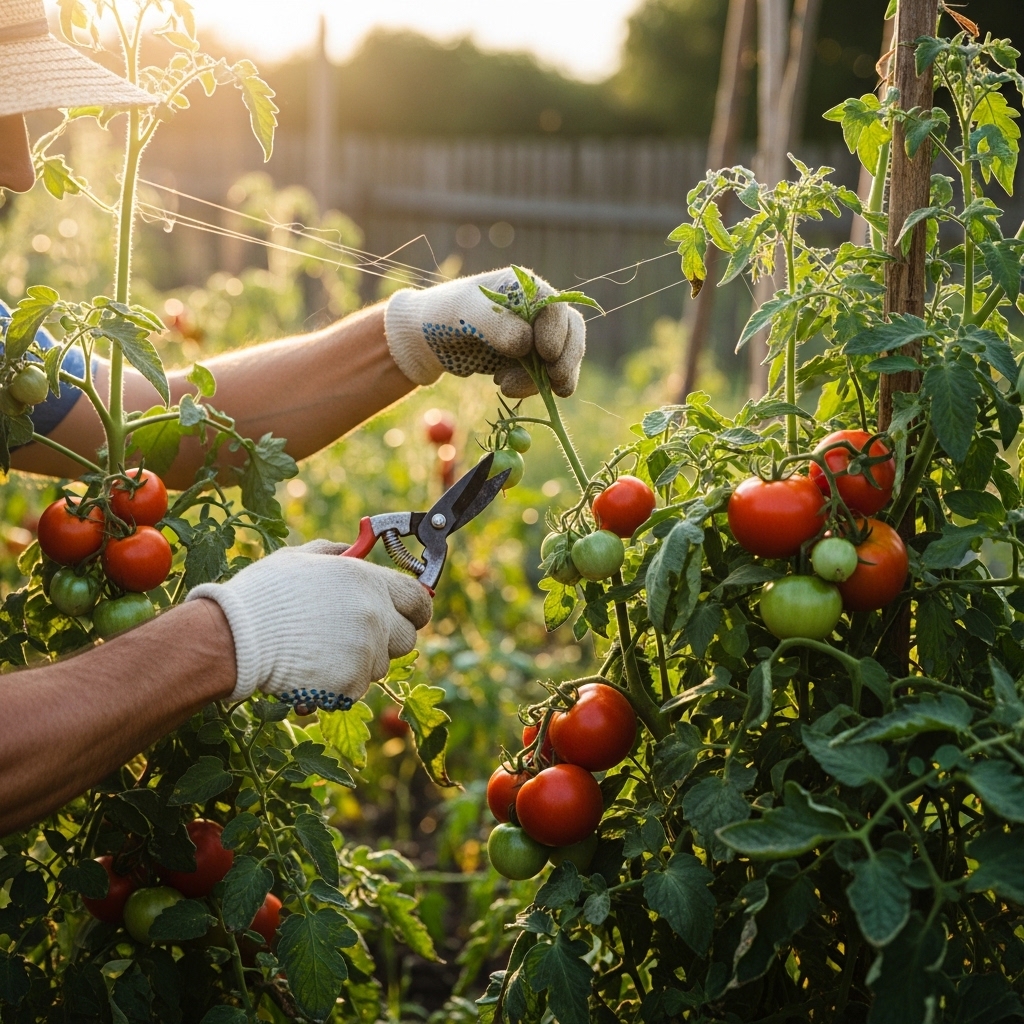
Regular pruning encourages better airflow and sunlight penetration, which are essential for healthy tomato growth. Remove suckers—small shoots that develop in the leaf axils—early in the season to focus the plant’s energy on producing fruit. This practice not only improves yield but also helps prevent diseases by reducing humidity around the leaves.
6. Water Wisely

Consistent watering is key to producing a bountiful tomato harvest. Aim to provide deep watering once or twice a week, rather than frequent shallow watering. This practice encourages deeper root growth and better drought resistance. Using a drip irrigation system can help maintain consistent moisture levels while minimizing water waste, ensuring your plants stay healthy and productive.
7. Fertilize at the Right Time
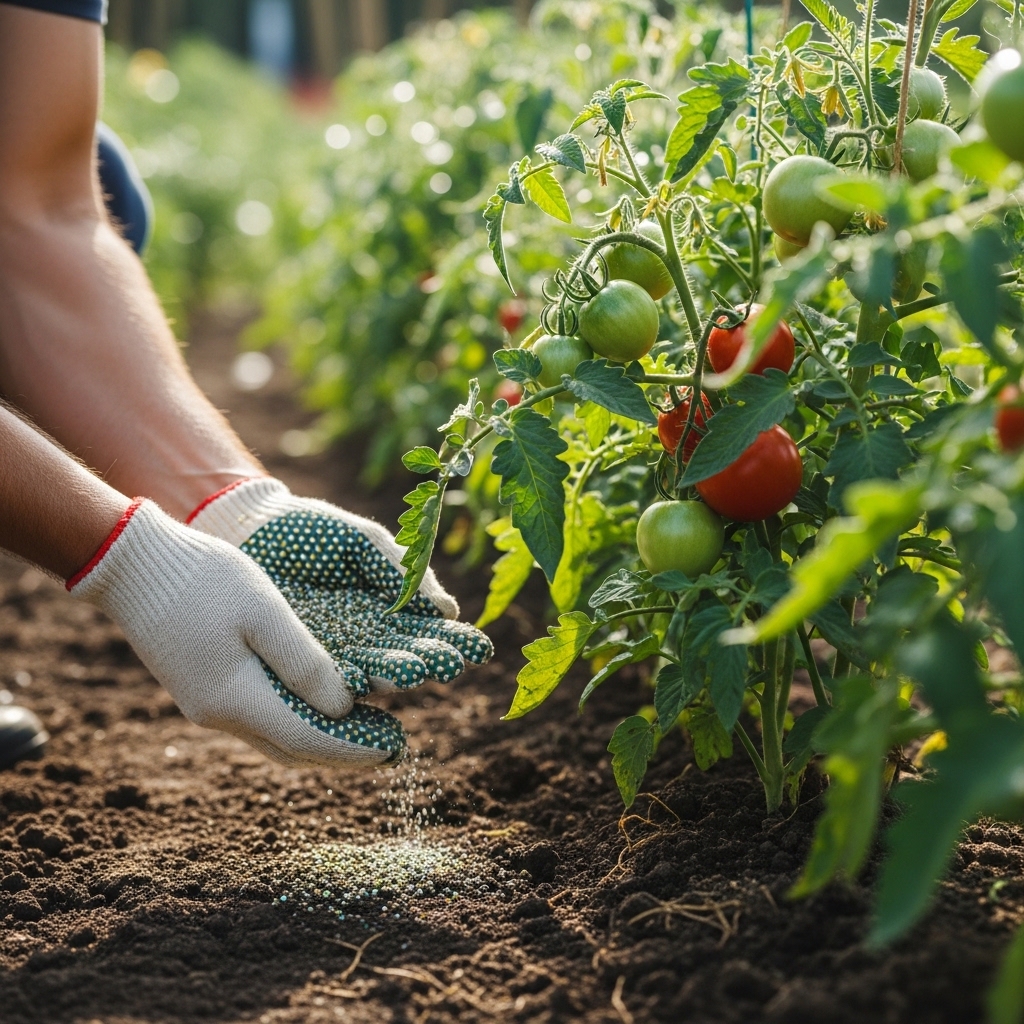
Feeding your tomato plants at the right growth stages can lead to an impressive harvest. Start with a balanced fertilizer when planting, then switch to a phosphorus-rich fertilizer once blossoms appear. This transition supports fruit development. Be sure to follow the manufacturer’s instructions to avoid over-fertilization, which can harm your plants and reduce yields.
8. Use Mulch to Retain Moisture
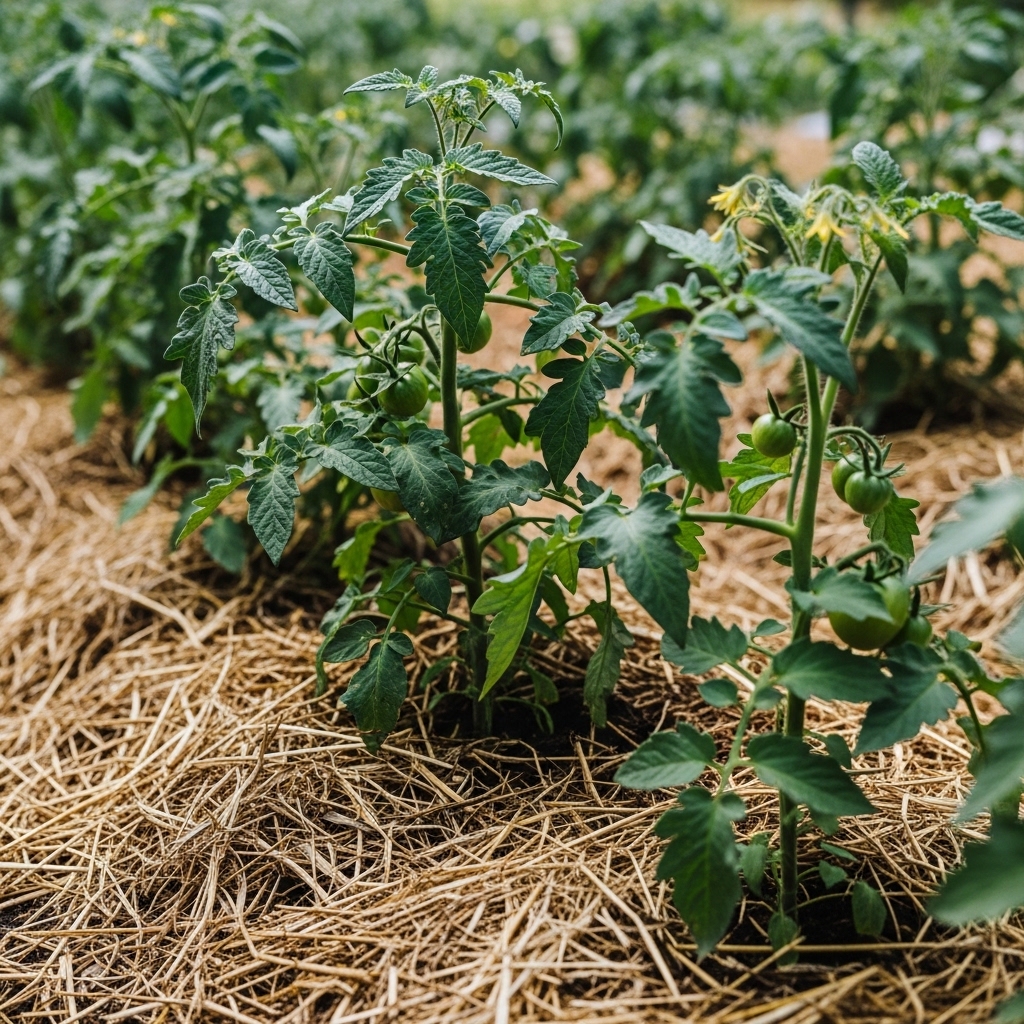
Applying mulch around your tomato plants helps retain soil moisture, suppress weeds, and regulate soil temperature. Organic mulches, such as straw, wood chips, or shredded leaves, break down over time, enriching the soil as they decompose. This practice not only helps your plants but also reduces the need for frequent watering during hot weather.
9. Monitor for Pests and Diseases

Regularly monitoring your tomato plants for pests and diseases is essential for maintaining a healthy garden. Look for signs of common pests like aphids, whiteflies, and spider mites, as well as diseases like blight and blossom end rot. Early detection and intervention can prevent damage and ensure that your plants remain productive, ultimately doubling your harvest.