
Abert’s Squirrel, scientifically known as Sciurus aberti, is a unique tree-dwelling rodent renowned for its distinctive ear tufts and specialized mating behaviors. Found primarily in ponderosa pine forests, these squirrels exhibit fascinating ecological roles and adaptations that make them a vital part of their environment.
Overview of Abert’s Squirrel
Abert’s Squirrel, or Sciurus aberti, is a fascinating tree-dwelling rodent. Known for its distinctive features and unique mating habits, it plays a crucial role in its ecosystem.
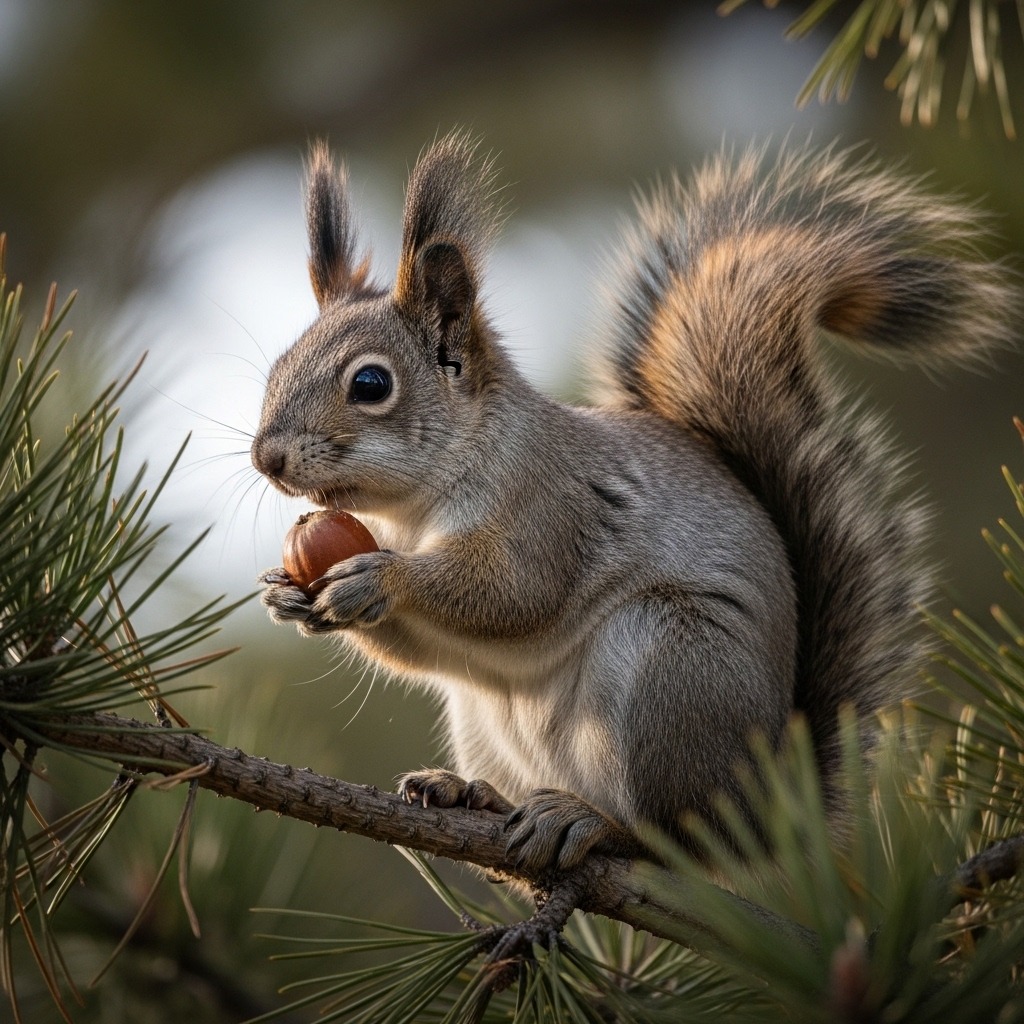
Scientific Classification and Nomenclature
- Common Name: Abert’s Squirrel
- Scientific Name: Sciurus aberti
- Family: Sciuridae (squirrel family)
- Order: Rodentia
This squirrel is a specialist, evolved to thrive in ponderosa pine forests. Its name honors the 19th-century naturalist John Abert, who contributed to the study of North American wildlife.
Distinctive Physical Features
Abert’s Squirrel boasts some unique characteristics, making it stand out in the squirrel family:
- Tassel Ears: The most notable feature is its tufted ears, which add to its charm.
- Tail: Their bushy tails can be nearly half their body length, helping with balance as they navigate treetops.
- Coloration: Typically, they have a gray or black tail and a white belly, which helps with camouflage in the forest canopy.
These traits not only contribute to their cute appearance but also enhance their agility in the trees.
Size and Color Variations
Abert’s Squirrels are generally larger than the common gray squirrels. Here’s a quick breakdown of their size and color:
- Weight: 1.5 to 2 pounds
- Length: 18 to 22 inches, including the tail
- Color Variations: While most have gray or black fur, some subspecies may exhibit slight variations based on their geographical location.
Their physical adaptations, such as size and coloration, help them thrive in their specific habitats. For example, their fur blends in with the bark of ponderosa pines, offering them protection from predators.
Table of Contents
These unique physical traits not only define Abert’s Squirrel but also highlight its specialized role in the ecosystem, especially in relation to ponderosa pines.
Habitat and Distribution of Abert’s Squirrel

Abert’s Squirrel thrives in specific habitats that provide the perfect conditions for their survival. These agile tree dwellers are closely tied to ponderosa pine forests, which offer both food and shelter.
Geographic Range and Subspecies
Abert’s Squirrel is mostly found in the Southwestern United States. Their range includes:
- Colorado Plateau
- Southern Rocky Mountains: Colorado, Utah, Arizona, and New Mexico.
- Northern Mexico: Extending into Chihuahua and Durango.
They are also spotted in Wyoming, where ponderosa pines are present. This squirrel’s habitat is quite specialized, meaning it relies heavily on these forests to survive.
Habitat Preferences and Requirements
Abert’s Squirrel prefers:
- Ponderosa Pine Forests: They almost exclusively use these trees for nesting and food.
- Closed Canopy Areas: Denser forests provide better foraging and protection from predators.
- Tree Characteristics: Ideal habitats have large-diameter ponderosa pines, especially those over 20 inches in diameter, which produce the best cones.
In these environments, they thrive at elevations between 5,500 and 8,500 feet, making them quite particular about where they live.
Ecological Role in Ponderosa Pine Ecosystems
Abert’s Squirrel plays a vital role in its ecosystem. Here’s how:
- Seed Dispersal: By eating cones, they help in the dispersal of ponderosa pine seeds, which can aid in forest regeneration.
- Habitat Indicator: The presence of Abert’s Squirrel often signals a healthy ponderosa pine forest. Their decline can indicate environmental issues.
Overall, their unique relationship with ponderosa pines highlights their importance in maintaining the health of these ecosystems.
Unique Mating Habits of Abert’s Squirrel
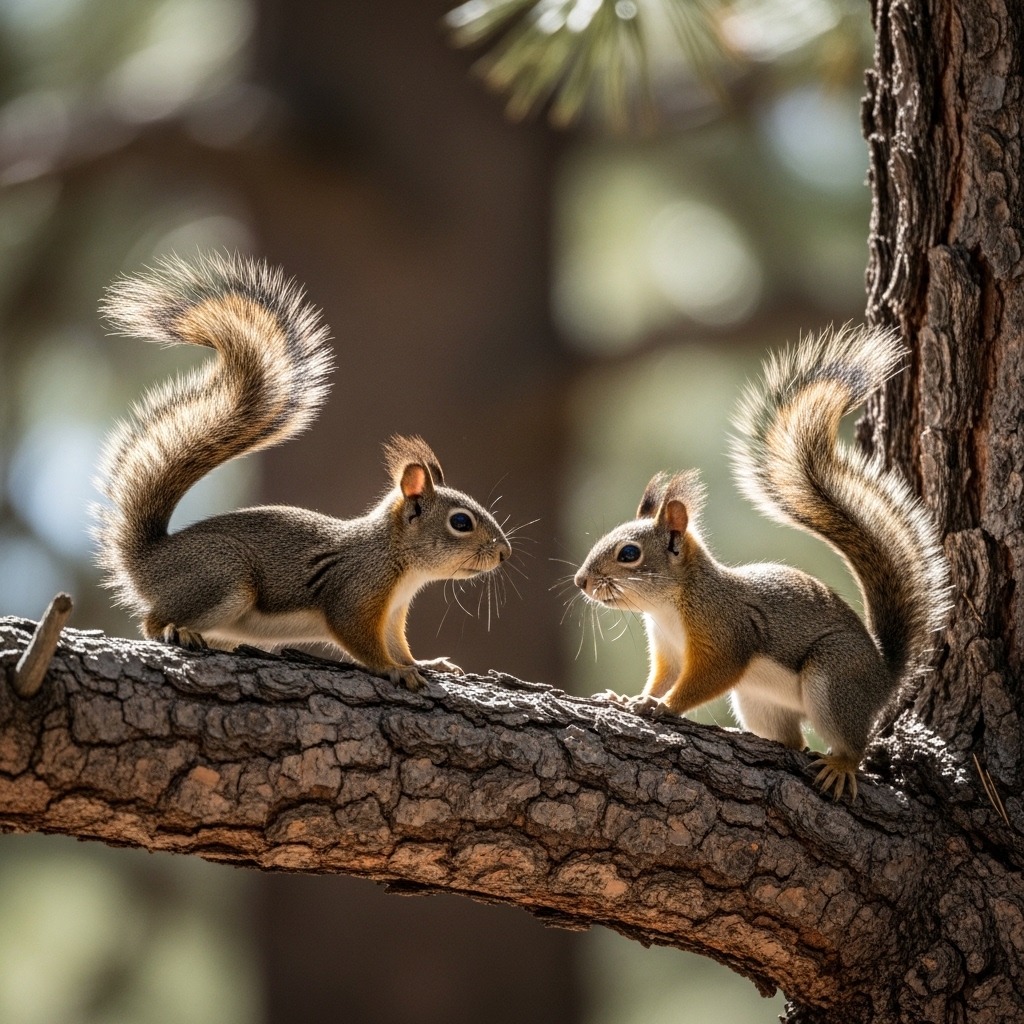
Abert’s Squirrel has some fascinating and unique mating habits. Their courtship rituals and social interactions change with the seasons, especially during the breeding season.
Mating Season and Behavioral Patterns
Abert’s Squirrel typically breeds in the summer. During this time, their social behaviors ramp up significantly. Here’s what happens:
- Increased Activity: Squirrels become more active and visible in their search for mates.
- Vocalizations: They use a variety of sounds—clucks, barks, and even screeches—to communicate. These calls help attract potential mates and signal their presence to rivals.
- Mating Chases: Males engage in what’s known as a “mating chase.” A dominant male often leads a group of followers as they pursue a female. This chase can last for hours, showcasing agility and endurance.
Courtship and Female Choice
Courtship among Abert’s Squirrels is quite dynamic. Here’s how it unfolds:
- Visual Displays: Males may perform acrobatic displays to impress females. This includes climbing and jumping between branches.
- Aggressive Communication: Males can display aggression towards each other to establish dominance and attract females. Often, the most dominant male wins the chance to mate.
- Female Choice: Females are selective. They often choose mates based on the males’ strength and ability to chase. This ensures they select a partner that can protect their offspring.
Comparison with Other Squirrel Species’ Mating Habits
When compared to other squirrel species, Abert’s Squirrel has distinct mating behaviors:
- Social Structure: Unlike many solitary species, Abert’s Squirrels increase their social interactions during mating season. For instance, gray squirrels often remain solitary outside of breeding.
- Mating Rituals: The prolonged mating chases are less common in other species. In many cases, courtship is more subtle.
- Nest Sharing: Abert’s Squirrels may share nests during the breeding season, which is unusual compared to the more solitary habits of other squirrels.
Understanding these unique mating habits helps highlight the adaptability and ecological role of Abert’s Squirrel in their habitat. Their behaviors are not just about reproduction; they play a vital role in maintaining their populations and ecosystems.
Conservation Status and Threats to Abert’s Squirrel
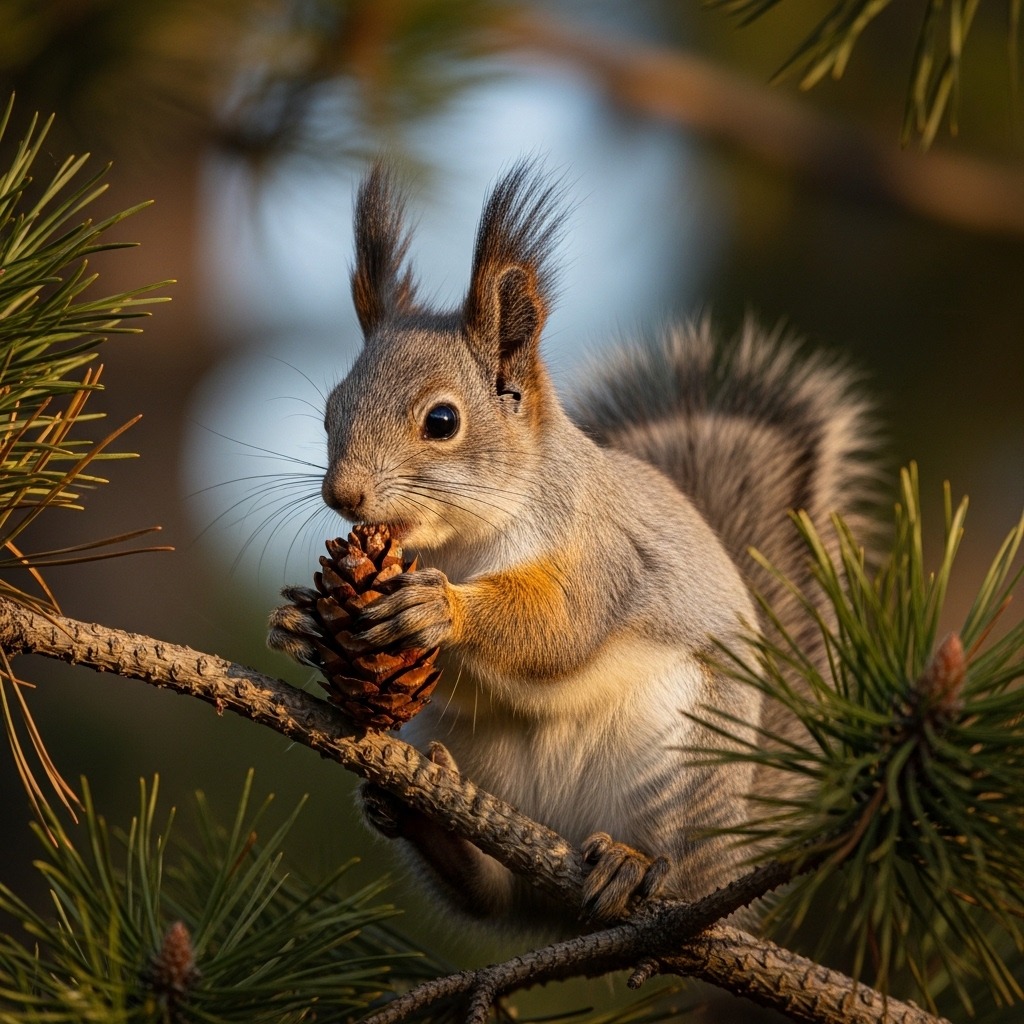
Abert’s Squirrel is a fascinating creature, but it’s facing some serious challenges. Understanding these threats is crucial to its survival.
Current Conservation Efforts
Conservationists are stepping up to protect Abert’s Squirrel and its habitat. Here are some key efforts:
- Habitat Restoration: Programs focus on restoring ponderosa pine forests, which are vital for Abert’s Squirrel.
- Legal Protection: Laws are in place to safeguard their habitats from logging and urban expansion.
- Education Initiatives: These programs help raise awareness about the importance of Abert’s Squirrel and its role in the ecosystem.
These combined efforts show a commitment to not just saving a species, but also maintaining the health of entire ecosystems.
Major Threats to Survival
Abert’s Squirrel faces several significant threats, including:
- Habitat Destruction: Logging and urban development disrupt their natural homes.
- Climate Change: Changing climates alter the distribution of ponderosa pines, affecting food availability.
- Population Declines: Fluctuating food sources and habitat loss lead to unstable populations.
These issues can have a cascading effect, impacting not just Abert’s Squirrel, but the entire ecosystem they inhabit.
Importance of Habitat Protection
Protecting the habitat of Abert’s Squirrel is essential. Here’s why:
- Ecosystem Health: Abert’s Squirrel plays a key role in maintaining the balance of its environment.
- Biodiversity: Healthy populations contribute to the overall biodiversity of the area.
- Resilience: By preserving their habitat, Abert’s Squirrels can adapt to changing conditions more effectively.
Conservation strategies should focus on preserving these critical habitats. This ensures Abert’s Squirrel continues to thrive in the wild.
Interesting Facts About Abert’s Squirrel
Abert’s Squirrel is not just another cute critter. This agile tree dweller has some fascinating traits and stories that make it truly unique. Let’s dive into what sets Abert’s Squirrel apart!
Cultural Significance in Folklore
In many Native American cultures, Abert’s Squirrel holds a special place. They are often seen as symbols of agility and resourcefulness. Some tribes tell stories of these squirrels teaching the importance of adaptability in life. Their playful nature reflects the joy of living in harmony with nature.
Fascinating Behavioral Traits
Did you know Abert’s Squirrels have some quirky habits? Here are a few interesting traits:
- Communication: They have a unique vocalization that sounds like a series of barks. This helps them warn others of potential dangers.
- Nesting: They build spherical nests high in the trees, made from twigs and leaves. These nests provide safety and warmth.
- Food Preferences: These squirrels have a particular fondness for the seeds of ponderosa pines. They can consume a staggering amount—up to 74.7% of a tree’s cone crop in a single year in some cases!
Contributions to Ecosystem Health
Abert’s Squirrel plays a vital role in its habitat. Here’s how:
- Seed Dispersal: By consuming pine cones, they help in the distribution of seeds. This process supports the growth of new trees.
- Habitat Creation: Their nesting and feeding habits can influence the growth patterns of ponderosa pines, promoting healthy forest ecosystems.
- Biodiversity: They are essential for maintaining the balance of their environment, contributing to the overall health of their ecosystem.
Abert’s Squirrel is more than just a charming resident of the ponderosa pine forests. Their unique traits and vital role in nature make them a fascinating subject of study and admiration!
Frequently Asked Questions
These quick answers cover the most common questions about this topic, including key details, practical tips, and common concerns.
What happened to Kaibab and Abert’s squirrels?
Kaibab squirrels are a subspecies of Abert’s squirrel that historically inhabited the Kaibab Plateau in Arizona. Due to habitat changes and population pressures, their numbers declined significantly. Abert’s squirrels, in general, remain more widespread, but some populations face threats from habitat loss. Conservation efforts are ongoing to protect these unique subspecies and their habitats.
What is the behavior of the Abert’s squirrel?
Abert’s squirrels are highly agile and social, especially during the breeding season. They spend most of their time in the canopy of ponderosa pines, foraging for seeds and building nests. They communicate through vocalizations and perform acrobatic displays during courtship. Outside of breeding, they tend to be more solitary, but during mating season, their interactions increase.
What are some interesting facts about Abert’s squirrels?
Abert’s squirrels have distinctive ear tufts that help with camouflage and communication. They are vital seed dispersers for ponderosa pines, aiding forest regeneration. They can consume up to 75% of a tree’s cone crop in a year. Their nests are spherical and built high in trees, providing safety from predators. Their behavior and ecological role make them key indicators of forest health.
Where are Abert’s squirrels found?
Abert’s squirrels are primarily found in the southwestern United States, including Colorado, Utah, Arizona, New Mexico, and parts of northern Mexico. They prefer dense ponderosa pine forests at elevations between 5,500 and 8,500 feet. Their range is closely tied to areas with large, mature ponderosa pines, which provide food and nesting sites.
When is the mating season for Abert’s squirrels?
The mating season for Abert’s squirrels usually occurs during the summer months, typically from late June to August. During this period, males engage in chasing and vocal displays to attract females. Courtship rituals include acrobatic movements and aggressive interactions to establish dominance and secure mates.
What threats do Abert’s squirrels face?
Major threats include habitat destruction from logging, urban development, and forest fires. Climate change is altering ponderosa pine distributions, impacting food availability. Predation by birds of prey and invasive species also pose risks. These threats can lead to population declines if not managed through conservation efforts.
How do Abert’s squirrels build their nests?
Abert’s squirrels construct spherical nests called dreys high in the branches of ponderosa pines. They use twigs, leaves, and bark to build these insulated structures, which provide safety from predators and harsh weather. Nests are often reused and maintained, especially during breeding seasons.
What is the significance of their ear tufts?
The ear tufts of Abert’s squirrels serve multiple purposes. They help with camouflage in the dense pine forests by breaking up the outline of the head. Additionally, they are used in social signaling and communication, especially during mating displays and territorial interactions. The tufts also help keep debris and snow out of their ears.