
The African tulip tree (Spathodea campanulata) offers aesthetic appeal but poses significant ecological risks in Queensland, including invasiveness and disruption to native ecosystems.
Table of Contents
The African tulip tree, renowned for its vibrant flowers, is both an attractive addition to gardens and a concerning invasive species in Queensland. This guide examines its pros and cons, helping homeowners make informed decisions about planting and management.
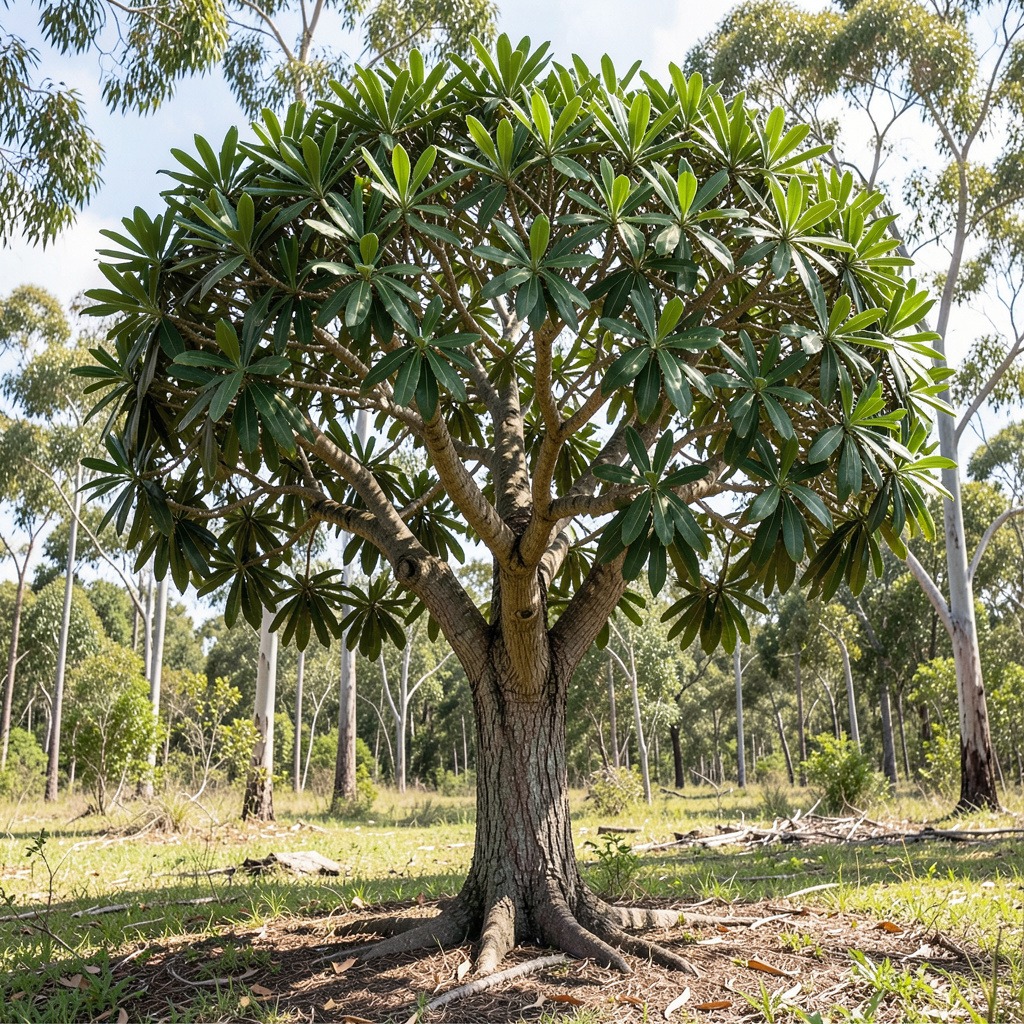
Overview of the African Tulip Tree
The African tulip tree, known scientifically as Spathodea campanulata, is an ornamental species with both appealing aesthetics and significant ecological concerns in Queensland. Understanding its characteristics and background is crucial for those considering its cultivation.
Scientific Classification and Characteristics
- Scientific Name: Spathodea campanulata
- Family: Bignoniaceae
- Growth Habit: Fast-growing, reaching heights of up to 20 meters
- Leaves: Glossy, dark green, with a compound structure
- Flowers: Large clusters of vibrant orange-red blooms, attracting pollinators
The African tulip tree is notable for its rapid growth and striking flowers. These features make it a favored choice for ornamental planting. However, its prolific seed production and ability to form dense canopies pose significant risks to local ecosystems. The tree’s dense foliage blocks sunlight, inhibiting the growth of understory plants, and its flowers are toxic to some native bee species.
Native Habitat and Introduction to Queensland
Originally native to tropical Africa, the African tulip tree thrives in warm climates. It was introduced to Queensland in the 19th century as an ornamental plant. However, its introduction has led to unintended ecological consequences.
In Queensland, the African tulip tree has become an invasive species. It readily invades riparian zones, farmland, and urban gardens, outcompeting native vegetation. The tree’s seeds are wind-dispersed, allowing for rapid and extensive spread. Homeowners considering planting this species should weigh its aesthetic advantages against the potential harm to local biodiversity.
Decision Considerations for Homeowners:
- Aesthetic Appeal: Does the vibrant flowering align with your landscaping goals?
- Ecological Impact: Are you prepared for the possible displacement of native plants?
- Management Efforts: Understand the commitment required for controlling its spread.
By carefully evaluating these factors, homeowners can make informed decisions regarding the African tulip tree’s role in their gardens.
Pros of the African Tulip Tree

The African tulip tree (Spathodea campanulata) has gained popularity in Queensland for its striking appearance and rapid growth. However, its ornamental benefits must be carefully balanced against its potential ecological impacts.
Aesthetic Appeal and Flowering
The African tulip tree is renowned for its vibrant orange-red flowers. These blooms appear in large clusters, creating a dramatic visual impact in gardens and landscapes. Homeowners often choose this species for its ability to attract birds and pollinators, enhancing the garden’s liveliness.
- Colorful Display: The bright flowers bloom in spring and summer, providing a stunning contrast to the greenery.
- Landscape Focal Point: Its tall stature and wide canopy make it an excellent centerpiece for larger properties.
Fast Growth and Shade Provision
One of the most appealing characteristics of the African tulip tree is its rapid growth rate. It can reach heights of up to 30 meters within a few years, making it an ideal choice for those seeking quick shade.
- Shade Provider: The broad canopy offers shelter from the sun, ideal for outdoor gatherings or creating shaded areas in gardens.
- Quick Establishment: This tree can fill in spaces in landscapes rapidly, reducing the time needed for a mature garden aesthetic.
Personal Anecdote: A local homeowner shared their experience of planting an African tulip tree. They noted that within three years, the tree had transformed their yard into a shaded oasis, attracting various bird species and becoming a favorite spot for family gatherings.
By recognizing the ornamental value of the African tulip tree alongside its fast growth, homeowners can appreciate its potential in enhancing their landscapes while remaining aware of its invasive nature.
Cons of the African Tulip Tree

The African tulip tree, while visually striking, poses significant drawbacks that impact both local ecosystems and management efforts in Queensland. Understanding these cons is essential for homeowners and land managers.
Invasive Nature and Ecological Impact
The African tulip tree (Spathodea campanulata) is categorized as an invasive species in Queensland. Its ability to grow rapidly and produce large quantities of wind-dispersed seeds allows it to outcompete native vegetation effectively. This aggressive growth leads to several ecological consequences:
- Displacement of Native Flora: The tree forms dense thickets that block sunlight, inhibiting the growth of understory plants. This results in reduced biodiversity and alters habitat conditions for local fauna.
- Negative Effects on Pollinators: The flowers of the African tulip tree are toxic to native bees, which can disrupt local pollination networks vital for many native plants.
- Impact on Waterways: By invading riparian zones, the tree compromises water quality and disrupts aquatic ecosystems.
For instance, areas heavily infested with African tulip trees have shown a marked decline in native plant species, impacting overall ecosystem health and resilience.
Management Challenges and Biosecurity Risks
Controlling the spread of the African tulip tree presents substantial challenges. Its propensity to sucker when disturbed complicates removal efforts. Homeowners and land managers face the following issues:
- Difficulty in Eradication: Once established, the African tulip tree can be extremely difficult to eliminate. It requires persistent effort and often multiple treatment methods, including herbicides and physical removal.
- Regulatory Framework: Queensland’s biosecurity regulations emphasize the importance of managing invasive species. Homeowners must be aware of local guidelines for reporting and controlling this species to prevent further spread.
- Community Involvement: Effective management often relies on community engagement. Local governments encourage residents to participate in removal efforts and provide resources for reporting infestations.
Potential decision rules for homeowners considering planting an African tulip tree include evaluating the proximity to native habitats and assessing long-term management commitments. Engaging with community programs can provide support and resources for responsible landscaping choices.
Control Methods for the African Tulip Tree
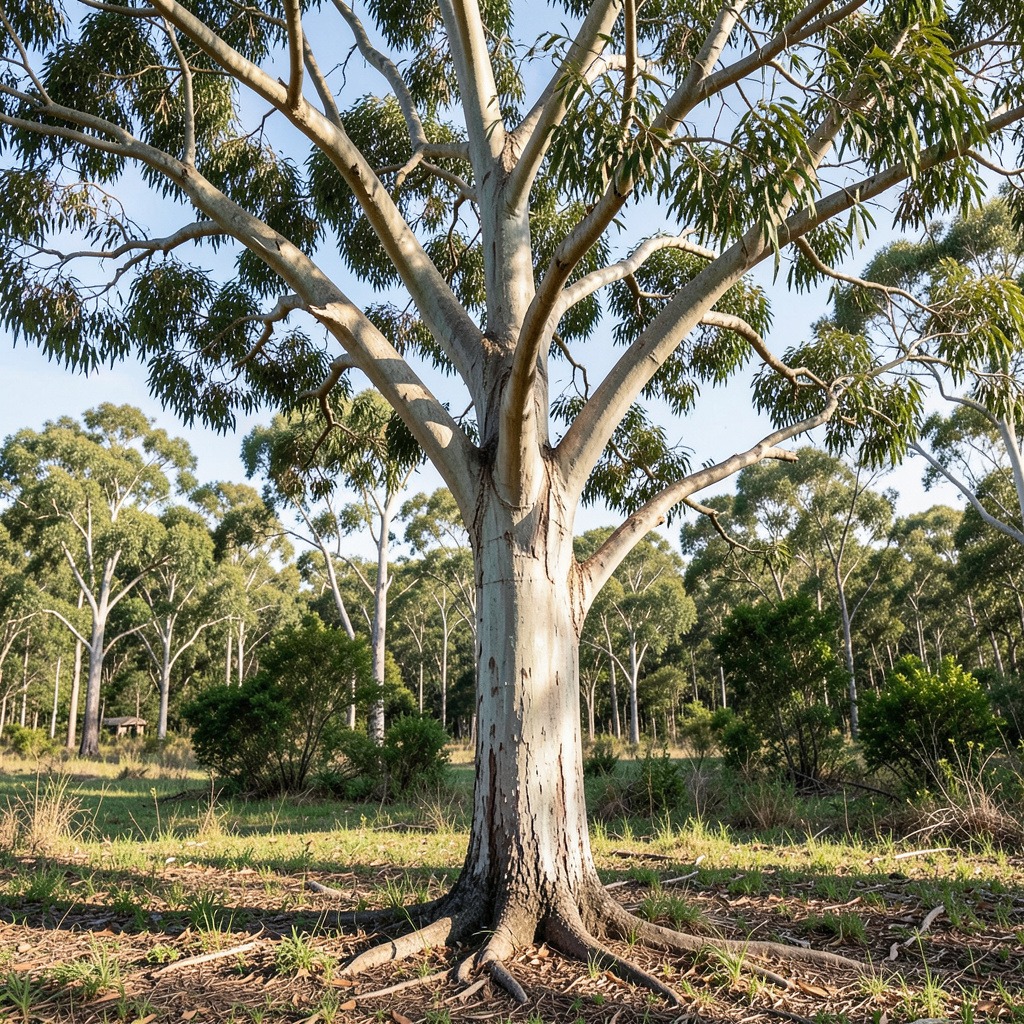
Managing the African tulip tree (Spathodea campanulata) effectively requires a combination of physical removal, herbicide application, and community involvement. Each method has its merits and challenges, which homeowners must consider.
Physical Removal Techniques
Physical removal is one of the most direct ways to control the African tulip tree. This method includes:
- Cutting: Use a chainsaw or handsaw to cut the tree at the base.
- Stump Removal: After cutting, remove the stump to prevent regrowth. This may involve digging out the stump or using a stump grinder.
- Follow-Up: Monitor the area for any new seedlings or regrowth and address them immediately.
Example: In community efforts, a local council organized a “tree pull” event where residents gathered to cut and remove African tulip trees in a designated area. This not only helped control the species but also fostered community spirit.
Herbicide Application and Best Practices
Herbicides can be effective when used correctly. Here are the recommended practices:
- Select the Right Herbicide: Choose a product specifically designed for woody weeds. Glyphosate-based herbicides are commonly used.
- Timing: Apply herbicide in the growing season when the tree is actively taking up nutrients. This increases absorption.
- Application Method: Use a paintbrush or spray to target freshly cut stumps or foliage. Avoid drift to surrounding vegetation.
Checklist for Herbicide Application:
- [ ] Verify local regulations for herbicide use.
- [ ] Select a suitable herbicide.
- [ ] Wear protective gear during application.
- [ ] Follow manufacturer instructions for dosage and timing.
Community Involvement in Management
Community initiatives play a crucial role in managing the African tulip tree. Local governments often provide resources and support for residents. Here are ways to engage:
- Join Local Programs: Participate in workshops or programs focused on invasive species management.
- Report Infestations: Use local government resources to report sightings of the African tulip tree. This helps track and manage infestations effectively.
- Collaborate with Neighbors: Form neighborhood groups to share resources and strategies for removal.
Local Government Resources Checklist:
- [ ] Check your local council’s website for guidelines on invasive species.
- [ ] Attend community meetings on environmental management.
- [ ] Access educational materials on identifying and controlling the African tulip tree.
By combining physical removal, proper herbicide application, and community efforts, residents can effectively manage the challenges posed by the African tulip tree in Queensland.
Native Alternatives to the African Tulip Tree
Choosing native plants can enhance local biodiversity while reducing the risks associated with invasive species like the African tulip tree. Below are suitable native alternatives that can thrive in Queensland.
Suitable Native Species for Queensland
Several native species can serve as effective substitutes for the African tulip tree. Here are some options:
- Black Bean (Castanospermum australe): This tree grows up to 15 meters tall and produces beautiful yellow flowers. It attracts local wildlife and supports pollinators.
- Wheel of Fire (Stenocarpus sinuatus): Known for its striking flowers and glossy leaves, this species provides aesthetic appeal and is resilient in various soil types.
- Flame Tree (Brachychiton acerifolius): This tree can reach heights of up to 30 meters and offers vibrant red flowers, making it a stunning addition to any landscape.
Choosing these native species fosters a thriving ecosystem, as they are adapted to local conditions and support native wildlife.
Benefits of Choosing Native Alternatives
1. Ecological Balance: Native plants maintain local ecosystems by providing food and habitat for native animals.
2. Lower Maintenance: Native species often require less water and fertilizer, making them easier to care for.
3. Pest Resistance: They are more resistant to local pests, reducing the need for chemical treatments.
4. Aesthetic Value: Native plants can enhance the beauty of your garden while blending with the local landscape.
When deciding on planting options, consider the ecological impacts alongside aesthetic preferences. Opting for native species not only beautifies your environment but also contributes to the health of Queensland’s ecosystems.
Conclusion: Weighing the Pros and Cons
When considering the African tulip tree (Spathodea campanulata) for planting in Queensland, it is essential to evaluate both its ornamental benefits and its potential ecological drawbacks. This tree, while striking, poses significant risks to local ecosystems.
Pros of the African Tulip Tree
- Aesthetic Appeal: The tree produces vibrant orange-red flowers, adding a stunning visual element to gardens.
- Fast Growth: It establishes quickly, providing shade and beauty in a short time.
- Hardiness: Thrives in various soil types and conditions, making it a resilient choice for gardeners.
Cons of the African Tulip Tree
- Invasive Nature: The African tulip tree is known for outcompeting native vegetation, forming dense thickets that threaten local biodiversity.
- Biosecurity Risks: Its rapid seed dispersal and ability to sucker make it challenging to control once established, raising concerns for Queensland’s native ecosystems.
- Management Challenges: Controlling its spread can require significant effort and resources, including herbicides and manual removal.
Decision-Making Framework
When deciding to plant the African tulip tree, consider the following steps:
1. Evaluate Your Space: Assess your garden’s size and the presence of native plants.
2. Consider Long-Term Impact: Reflect on how the tree might affect local wildlife and plant species.
3. Research Alternatives: Explore native species that provide similar aesthetic benefits without the invasiveness.
In summary, weigh the immediate beauty of the African tulip tree against its long-term ecological consequences. Native alternatives often provide similar visual appeal while supporting local ecosystems.
Frequently Asked Questions
These quick answers cover the most common questions about this topic, including key details, practical tips, and common concerns.
What are the problems associated with the African tulip tree?
The African tulip tree is known for its invasive nature, which leads to the displacement of native flora. It produces large quantities of seeds that are easily dispersed by wind, allowing it to quickly dominate areas and outcompete native plants. This aggressive growth can reduce biodiversity and disrupt local ecosystems, affecting wildlife that relies on native vegetation for habitat and food.
Additionally, the tree’s dense canopy blocks sunlight from reaching understory plants, further inhibiting their growth. Its flowers are also toxic to some native bee species, which can disrupt local pollination networks essential for many native plants.
What are the downsides of having a tulip tree?
While the African tulip tree offers aesthetic appeal, its downsides include its invasive characteristics and management challenges. Once established, it can be very difficult to control, requiring significant effort for removal. The tree’s ability to sucker when disturbed complicates eradication efforts, making it a long-term commitment for property owners.
Moreover, its presence can lead to ecological imbalances, as it competes with and displaces native species. This not only affects biodiversity but can also alter the habitat conditions for local fauna.
How big do African tulip trees get?
African tulip trees can grow impressively large, reaching heights of up to 30 meters (approximately 98 feet) in optimal conditions. Their wide canopy can spread significantly, providing ample shade. This rapid growth makes them appealing for quick landscaping solutions but also contributes to their invasive potential as they can dominate and outcompete surrounding vegetation.
What is the root system like in an African tulip tree?
The African tulip tree has a robust and extensive root system that can spread widely. This adaptability allows it to thrive in various soil types but also makes it challenging to remove. The roots can compete for nutrients and water with nearby plants, further exacerbating its invasive nature. Homeowners should be cautious about planting this tree near other vegetation, as its roots can disrupt the growth of native species.
Why is the African tulip tree considered invasive in Queensland?
The African tulip tree is considered invasive in Queensland due to its rapid growth and prolific seed production. It can quickly establish itself in various environments, including urban gardens and natural habitats, outcompeting local flora for resources. This aggressive behavior leads to a decline in biodiversity, as it forms dense thickets that block sunlight and inhibit the growth of native plants.
Local authorities recognize its invasive potential and have implemented biosecurity measures to manage its spread. Homeowners are encouraged to monitor their properties for this species and report any infestations.
Can the African tulip tree be removed safely?
Yes, the African tulip tree can be removed safely, but it requires careful planning and execution. Physical removal involves cutting the tree at the base and removing the stump to prevent regrowth. However, due to its tendency to sucker, follow-up monitoring is essential to address any new seedlings or shoots.
Herbicide application can also be effective, especially when combined with physical removal. It is crucial to use appropriate herbicides and apply them during the growing season for the best results. Always follow local regulations regarding herbicide use.
What are non-invasive alternatives to the African tulip tree?
Several native alternatives can provide similar aesthetic benefits without the ecological risks associated with the African tulip tree. Suitable options include:
- Black Bean (Castanospermum australe): This tree produces beautiful yellow flowers and supports local wildlife.
- Wheel of Fire (Stenocarpus sinuatus): Known for its striking appearance and resilience, it thrives in various conditions.
- Flame Tree (Brachychiton acerifolius): This native tree offers vibrant red flowers and can grow as tall as the African tulip tree.
Choosing these native species can enhance local biodiversity while providing visual appeal to your landscape.
What are the signs of an African tulip tree infestation?
Signs of an African tulip tree infestation include the presence of large, vibrant orange-red flowers and rapid growth of saplings in your garden or nearby areas. The tree often forms dense thickets, making it easy to identify in the landscape.
Additionally, if you notice a decline in native plants or changes in local wildlife activity, it may indicate that the African tulip tree is outcompeting native species. Regular monitoring of your property can help catch infestations early and prevent further spread.