
Alder trees, particularly Alnus glutinosa, offer numerous benefits like nitrogen fixation and wildlife habitat but also face challenges such as disease susceptibility and specific growth conditions.
Table of Contents
Alder trees are native to the UK and known for their ecological contributions. While they provide numerous benefits, such as improving soil quality and supporting wildlife, they also come with challenges that potential planters should be aware of. This guide explores these aspects in detail.
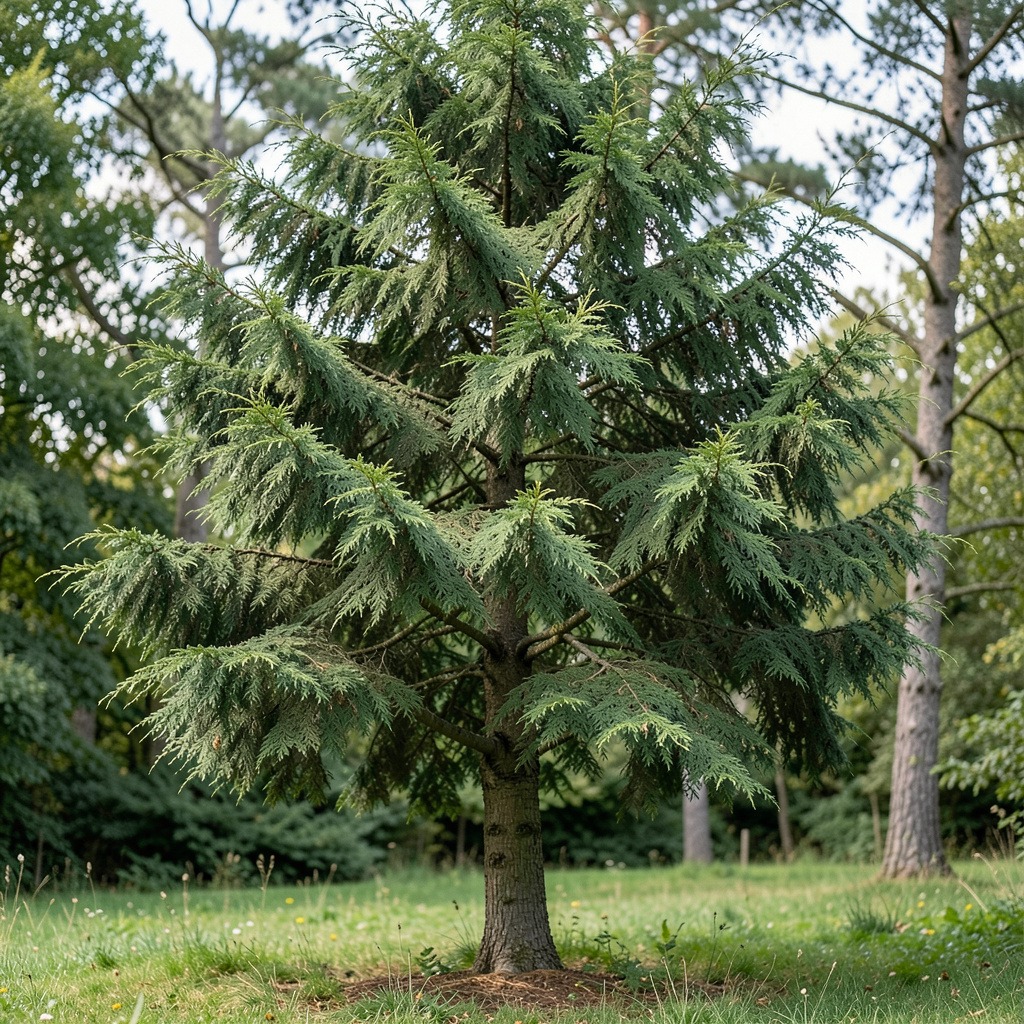
Understanding Alder Trees in the UK
Alder trees, scientifically known as Alnus glutinosa, are prominent in the UK landscape. They thrive in moist environments and play a vital role in local ecosystems.
What is an Alder Tree?
Alder trees are deciduous, meaning they shed their leaves annually. They typically feature dark grey, fissured bark and smooth, greenish branches. The leaves are nearly circular with a waved margin, and they emerge in spring. Alder trees can reach impressive heights, often growing over 20 meters, depending on their environment.
Where do Alder Trees Naturally Occur?
Alder trees are commonly found in riparian zones—areas adjacent to rivers and lakes. They prefer wet soils and are often seen thriving in marshy areas and along stream banks.
Key Characteristics of Alder Trees:
- Height: Can grow over 20 meters (65 feet).
- Bark: Dark grey and fissured.
- Leaves: Circular with a wavy edge.
- Roots: Deep-rooted, helping to prevent soil erosion.
Ecological Role of Alder Trees
Alder trees provide numerous ecological benefits, including:
- Nitrogen Fixation: They enrich the soil by fixing nitrogen, which benefits surrounding plants.
- Habitat: Their roots create habitats for various aquatic species, including fish and invertebrates.
- Soil Maintenance: By stabilizing riverbanks, they prevent erosion and promote biodiversity.
Historical Significance of Alder Trees in the UK
Historically, alder wood was valued for its durability and resistance to water, making it a preferred choice for boat building and other water-related constructions. Moreover, ancient cultures used the tree’s bark for medicinal purposes. Today, awareness of its ecological importance has led to a renewed interest in planting alder trees in conservation efforts.
When considering planting an alder tree, assess your garden conditions. Alder thrives in wet, well-drained soils and can enhance biodiversity while preventing soil erosion.
Benefits of Planting Alder Trees
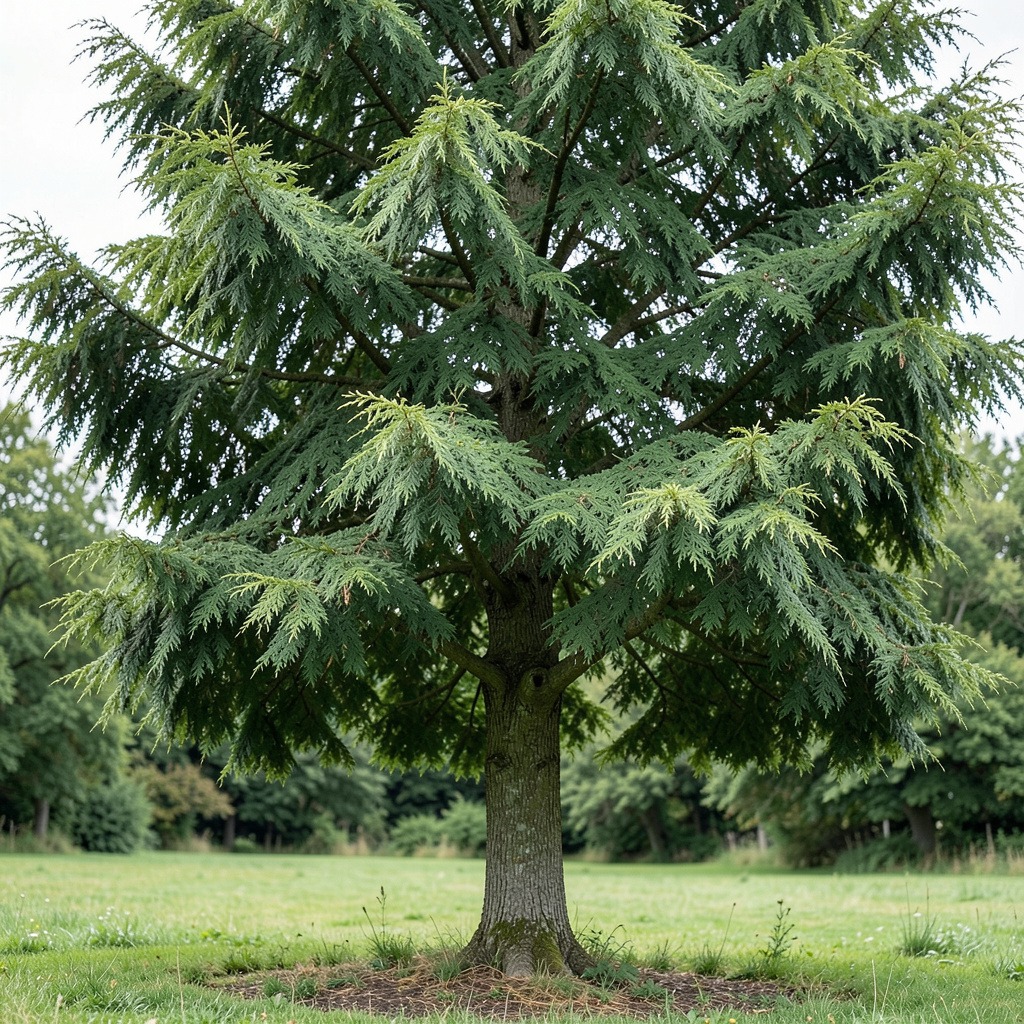
Alder trees offer significant ecological and practical advantages, making them a valuable addition to UK landscapes. Their ability to improve soil quality and provide habitat for wildlife enhances both environmental health and biodiversity.
Ecological Advantages
Alder trees play a crucial role in enhancing local ecosystems.
- Nitrogen Fixation: Alder trees form a symbiotic relationship with a nitrogen-fixing bacterium called Frankia alni. This bacterium resides in nodules on the tree’s roots, converting atmospheric nitrogen into a form usable by plants. As a result, alder trees improve soil fertility, benefiting surrounding vegetation.
- Wildlife Habitat: Alders support a diverse range of wildlife. Over 140 plant-eating insects are associated with alder trees, providing nourishment for birds and other predators. Additionally, their dense foliage offers shelter and breeding sites for various species, contributing to habitat diversity.
Alder Trees and Soil Fertility
Planting alder trees can significantly enhance soil health in several ways:
- Erosion Control: Their extensive root systems stabilize soil and prevent erosion, especially along riverbanks and in wetland areas.
- Nutrient Cycling: As pioneer species, alders prepare the soil for later successional plants. Their leaf litter enriches the soil with organic matter, which aids in nutrient cycling.
- Decision Framework for Planting: When considering alder trees, evaluate the following factors:
- Soil Type: Ensure you have moist, well-drained soils for optimal growth.
- Location: Choose areas prone to erosion or with poor soil fertility, as alders can improve these conditions.
- Biodiversity Goals: Identify if your objective includes enhancing wildlife habitat, as alder trees attract various species.
By understanding these advantages, gardeners and land managers can make informed decisions on incorporating alder trees into their landscapes.
Challenges and Considerations When Growing Alder Trees
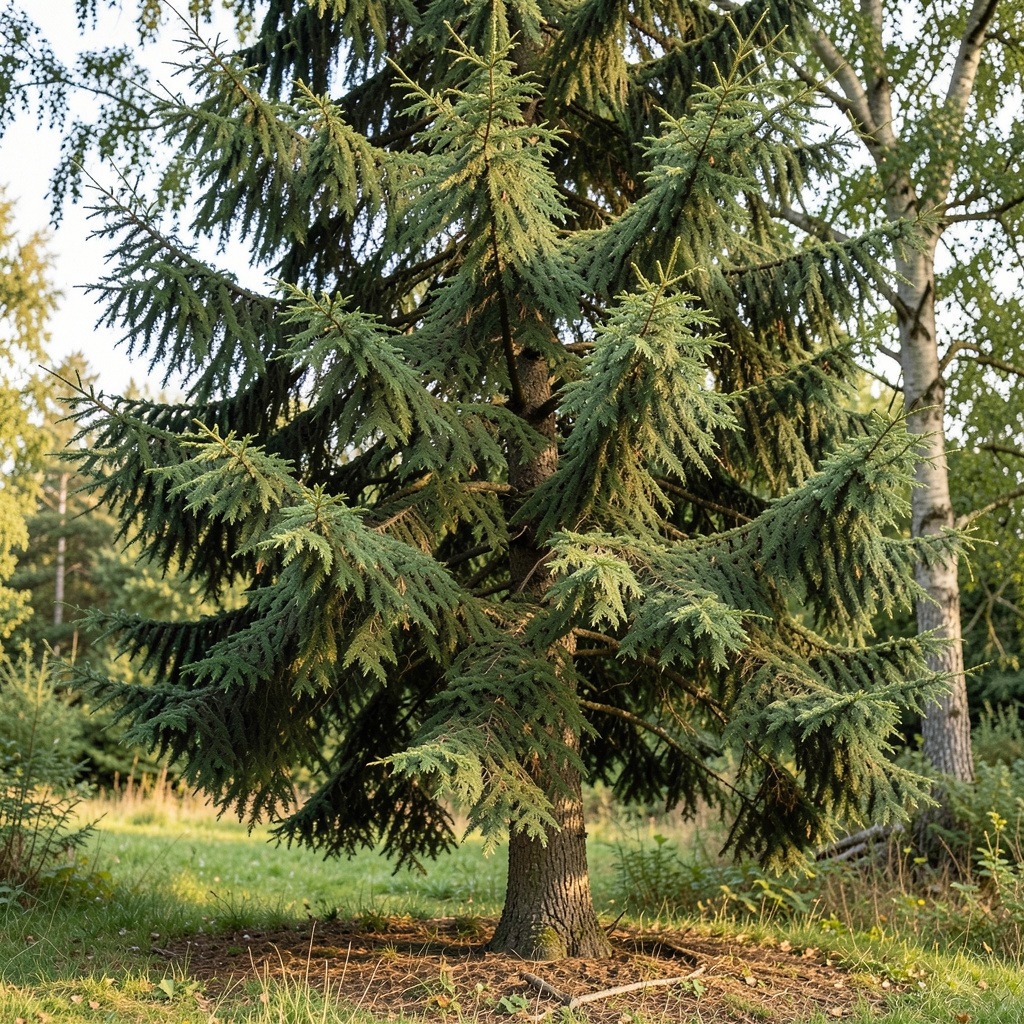
While alder trees offer numerous benefits, they also present specific challenges that gardeners should consider. Understanding these issues can help in making informed decisions about planting and maintaining these trees.
Common Pests and Diseases
Alder trees are susceptible to a few pests and diseases that can impact their health and growth. Key concerns include:
- Alder Leaf Beetle: This pest feeds on leaves, causing discoloration and reduced photosynthesis.
- Phytophthora Root Rot: A soil-borne pathogen that thrives in waterlogged conditions, it can severely damage root systems.
- Alder Borer: The larvae of this beetle can weaken trees by tunneling into the wood.
Management Techniques: Effective pest management includes:
- Regular monitoring for signs of infestation.
- Prompt removal of affected leaves or branches.
- Application of organic pesticides if necessary.
Optimal Growth Conditions
Alder trees thrive in specific environmental conditions. Understanding these can enhance their growth and longevity.
- Soil Type: Alder prefers moist, well-drained soils. Poor drainage can lead to root rot.
- Sunlight: They flourish in full sun to partial shade.
- Moisture: Regular watering is essential, especially in dry periods.
Checklist for Successful Growth:
- Test soil drainage and amend if needed.
- Ensure adequate sunlight exposure.
- Maintain consistent moisture levels.
Example Scenario: In a garden with heavy clay soil, consider amending the soil with organic matter to improve drainage before planting. This will help prevent root rot and promote healthier growth.
By addressing these challenges and optimizing growth conditions, gardeners can successfully cultivate alder trees, reaping their ecological and aesthetic benefits.
Uses of Alder Wood and Its Properties
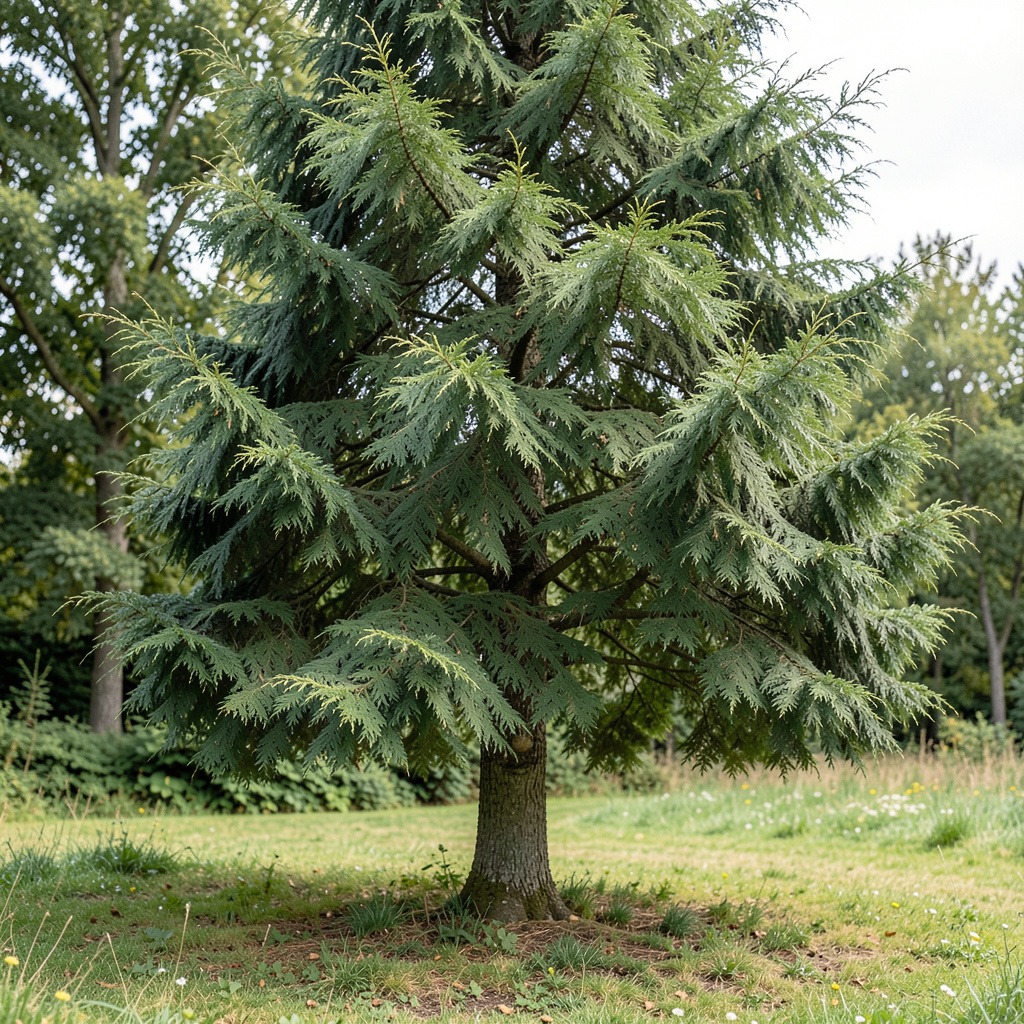
Alder wood is versatile and widely used in various applications due to its unique properties. From furniture-making to firewood, its characteristics make it suitable for many purposes.
Alder Wood in Furniture and Crafting
Alder wood is popular in furniture making. Its light color and fine grain allow for a smooth finish. Here are some key advantages:
- Affordability: Alder is generally less expensive than other hardwoods.
- Staining Ease: It takes stain well, mimicking more expensive woods like cherry or walnut.
- Malleability: The wood is easy to work with, making it ideal for detailed craftsmanship.
Examples of furniture made from alder include tables, chairs, and cabinets. Its warm tones and durability make it a preferred choice for both modern and traditional designs.
Is Alder a Good Firewood?
Alder wood is also regarded as good firewood, especially in the UK. Here’s what to consider:
- Burn Characteristics: Alder ignites quickly and burns with a pleasant aroma.
- Heat Output: It produces moderate heat, suitable for shorter fires.
- Availability: Alder is often easier to source than denser hardwoods.
However, it does not burn as long as hardwoods like oak or hickory. This makes it a practical choice for casual fires, but not necessarily for long, sustained heat.
Comparison of Alder Wood Properties
When comparing alder wood to other native woods, several factors stand out:
| Property | Alder | Oak | Pine |
|---|---|---|---|
| Cost | Affordable | Higher | Economical |
| Grain | Fine, straight | Coarse | Varied |
| Staining Ability | Excellent | Good | Limited |
| Durability | Moderate | High | Low |
Alder’s combination of affordability and ease of use makes it a strong contender in both furniture and firewood markets. Its properties provide a reliable option for various applications, whether for crafting or heating needs.
In summary, when choosing wood for furniture or fires, consider alder for its cost-effectiveness and adaptability.
Comparing Alder Trees with Other Native UK Trees
When considering the planting of alder trees, it’s essential to compare their characteristics and ecological contributions with other native UK trees. This comparison can help you make informed decisions based on your specific garden conditions and ecological goals.
Alder vs. Oak: A Comparative Analysis
| Feature | Alder (Alnus glutinosa) | Oak (Quercus robur) |
|---|---|---|
| Growth Conditions | Prefers moisture-rich areas, tolerates wet soil | Thrives in well-drained, fertile soil |
| Height | Typically 20-30 meters | Can exceed 30 meters |
| Ecological Benefits | Nitrogen-fixing, improves soil fertility | Provides habitat for various wildlife, supports diverse ecosystems |
| Wood Properties | Softwood, easy to work with, moderate durability | Hardwood, very durable, excellent for construction |
| Costs | Generally more affordable | Higher initial cost |
Alder trees excel in nitrogen fixation, enhancing soil quality. In contrast, oaks offer robust habitats for numerous species but require specific soil conditions.
Alder vs. Willow: Similarities and Differences
| Feature | Alder (Alnus glutinosa) | Willow (Salix spp.) |
|---|---|---|
| Growth Conditions | Prefers wet, lowland areas | Thrives near water bodies, tolerates flooding |
| Height | 20-30 meters | Varies widely, many species are smaller |
| Root System | Deep-rooted, stabilizes soil | Shallow, spreads rapidly |
| Ecological Benefits | Supports aquatic life, prevents erosion | Provides shade and habitat for wildlife |
| Wood Properties | Softwood, used for furniture and crafts | Soft, flexible wood used in basketry |
Both alder and willow prefer wet conditions but differ in their root structure and wood uses. Alders stabilize soil, while willows quickly spread, making them ideal for rapid coverage.
Decision Framework for Planting Alder Trees
When selecting alder trees for your garden, consider the following criteria:
- Soil Type: Ensure your soil can accommodate moisture.
- Space: Plan for their height and spread; they can reach significant sizes.
- Ecological Goals: Choose alder for nitrogen enrichment and soil stabilization.
- Maintenance: Assess your willingness to manage potential pests like the alder sawfly.
By comparing alder trees with other native species and understanding their unique benefits and challenges, you can make informed choices that align with your planting objectives.
Final Thoughts on Alder Trees in the UK
Alder trees offer a unique blend of benefits and challenges for UK gardeners. Understanding these factors is essential for making informed planting decisions.
Key Benefits of Alder Trees
- Ecological Advantages: Alder trees enrich soil through nitrogen fixation, improving overall soil health.
- Versatile Uses: Their wood is valued for its workability and aesthetic appeal, suitable for furniture and cabinetry.
- Adaptability: Alder thrives in moist soils, making it ideal for wetlands and riverbanks.
Challenges of Planting Alder Trees
- Size Considerations: Alder trees can grow over 30 meters tall, requiring ample space.
- Pest Management: Potential issues with pests like the alder sawfly may arise, necessitating monitoring and treatment.
- Maintenance Needs: While generally resilient, alders need regular care to maintain health, especially in urban settings.
Decision Framework for Planting Alder Trees
When considering alder trees for your garden, use the following checklist:
- Soil Type: Ensure your soil retains moisture; alders prefer damp conditions.
- Available Space: Plan for the tree’s height and spread; consider nearby structures and plants.
- Ecological Goals: Determine if your planting aims include soil improvement and habitat creation.
- Maintenance Commitment: Assess your readiness to manage potential pests and growth issues.
Informed choices about planting alder trees can lead to thriving gardens that benefit both the environment and your landscape.
Frequently Asked Questions
These quick answers cover the most common questions about this topic, including key details, practical tips, and common concerns.
What are the best conditions for growing alder trees?
Alder trees thrive in moist, well-drained soils. They prefer areas that are often wet, such as riverbanks and marshy regions. Full sun to partial shade is ideal for their growth. Ensure that the soil has good drainage to prevent root rot, which can occur in overly saturated conditions.
How does alder wood compare to other types of wood?
Alder wood is known for its fine grain and light color, making it an excellent choice for furniture and cabinetry. It is generally more affordable than hardwoods like oak and cherry. Alder takes stain well, mimicking the appearance of more expensive woods. In contrast, oak is more durable and suitable for heavy-use furniture but comes at a higher price point.
Can alder trees improve soil quality?
Yes, alder trees significantly enhance soil quality through nitrogen fixation. The roots of alder trees host beneficial bacteria that convert atmospheric nitrogen into a form that plants can use. This process enriches the soil, benefiting not only the alder but also surrounding vegetation, making it a great choice for improving soil fertility in gardens.
What wildlife benefits from alder trees?
Alder trees provide essential habitats for various wildlife. Their dense foliage offers shelter for birds and small mammals, while the tree’s roots create habitats for aquatic species. Over 140 plant-eating insects depend on alders, which in turn support birds and other predators, contributing to a rich biodiversity.
Is alder a good choice for firewood?
Alder is considered good firewood, especially for casual use. It ignites quickly and burns with a pleasant aroma. While it produces moderate heat, it does not burn as long as denser hardwoods like oak. This makes it suitable for short fires, such as those in fire pits or for cooking, but less ideal for long-lasting heat.
What are the signs of disease in alder trees?
Common signs of disease in alder trees include yellowing leaves, wilting, and premature leaf drop. Look for dark, water-soaked areas on the bark, which can indicate infections like Phytophthora root rot. Additionally, if you notice increased insect activity, such as alder leaf beetles, it may signal underlying health issues.
How long do alder trees typically live?
Alder trees can live for around 60 to 100 years, depending on their growing conditions and care. In optimal environments, some individuals may exceed this lifespan. Proper maintenance, including pest management and appropriate watering, can help extend their longevity.
What should readers know about specific care tips for different growth conditions?
For optimal growth, alder trees need consistent moisture and well-drained soil. In drier conditions, regular watering is crucial, especially during the first few years after planting. If planted in clay soil, consider amending it with organic matter to enhance drainage. Monitoring for pests and diseases is also important, particularly in urban settings where stress factors can increase.