
To successfully care for Alocasia Amazonica indoors, ensure it receives bright, indirect sunlight, maintains high humidity, and is planted in well-draining soil. Water it regularly, but avoid overwatering. Fertilize every few weeks during the growing season for optimal health.
Table of Contents
Understanding Alocasia Amazonica
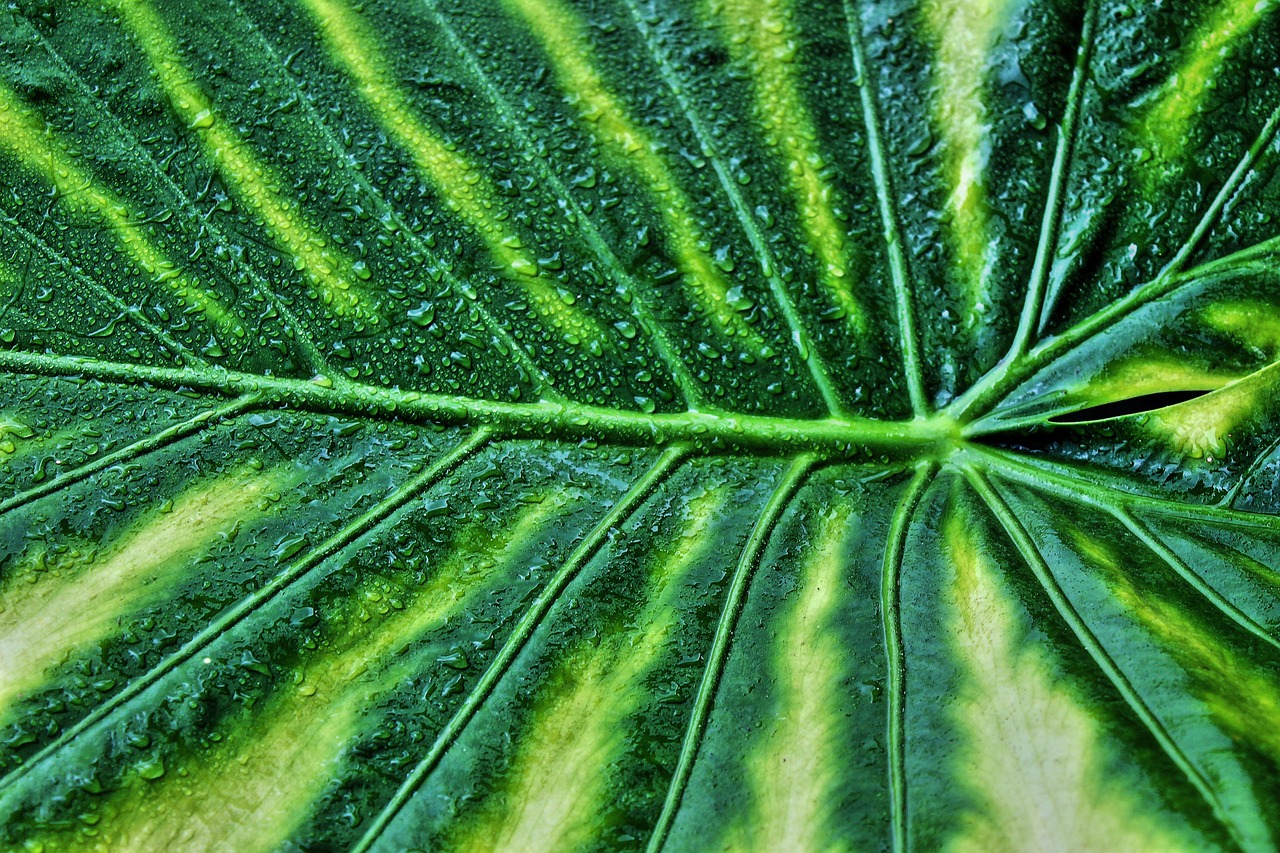
Alocasia Amazonica, commonly known as African Mask Plant or Elephant Ear, is a stunning tropical perennial. It features large, arrow-shaped leaves that are glossy and strikingly patterned. This plant is native to the rainforests of Southeast Asia and has gained popularity among indoor plant enthusiasts due to its dramatic foliage.
The Alocasia Amazonica is not just a pretty face; it also serves as a great air purifier, making it a wonderful addition to any indoor space. However, this plant can be a bit finicky when it comes to care. Understanding its specific needs is essential for keeping it healthy and thriving indoors.
Before diving into care tips, it is important to recognize the characteristics that make Alocasia Amazonica unique:
| Characteristic | Details |
|---|---|
| Light Requirements | Bright, indirect sunlight |
| Humidity | High humidity levels (60% or higher) |
| Watering | Water when top inch of soil is dry |
| Soil Type | Well-draining potting mix |
| Fertilization | Every 4-6 weeks during growing season |
Light Requirements
Alocasia Amazonica thrives in bright, indirect sunlight. Direct sunlight can scorch its leaves, while too little light may cause the plant to become leggy and lose its vibrant color. A spot near a window with filtered light is ideal.
Humidity and Temperature Needs
This tropical plant prefers high humidity levels. A humidity level of around 60% or more is ideal for its growth. You can maintain humidity by misting the leaves regularly, using a humidifier, or placing a tray of water near the plant.
The ideal temperature range for Alocasia Amazonica is between 65°F to 80°F (18°C to 27°C). Avoid exposing the plant to cold drafts or sudden temperature changes, as this can stress the plant and lead to leaf drop.
Watering Practices
Watering is a crucial aspect of Alocasia Amazonica care. It is essential to allow the top inch of soil to dry out before watering again. Overwatering can lead to root rot, which is one of the most common issues with this plant.
When you do water, ensure that excess water drains out of the bottom of the pot to prevent waterlogging. During the growing season, typically spring and summer, you may need to water more frequently compared to fall and winter months.
Soil and Fertilization
Choosing the right soil mix is vital for the health of your Alocasia Amazonica. A well-draining potting mix that retains some moisture while allowing excess water to escape is ideal. You can create your own mix by combining standard potting soil with perlite or orchid bark.
Fertilizing every four to six weeks during the growing season will encourage healthy growth. Use a balanced liquid fertilizer diluted to half strength. Avoid fertilizing during the winter months when the plant is not actively growing.
Pest and Disease Management
Alocasia Amazonica, like many houseplants, can be susceptible to pests and diseases. Regularly inspecting your plant for signs of trouble is essential. Early detection can make a significant difference in managing infestations or infections.
Common Pests
Some of the most common pests that may affect Alocasia Amazonica include:
- Spider Mites: These tiny pests thrive in dry conditions. They create fine webs on the leaves and can cause yellowing.
- Mealybugs: Mealybugs appear as white cotton-like masses on the plant. They suck sap from the leaves, leading to stunted growth.
- Aphids: These small, green insects can cluster on new growth. They also feed on the sap, causing leaves to curl and yellow.
- Scale: Scale insects look like small brown or white bumps on stems and leaves. They can weaken the plant significantly.
Managing Pests
To effectively manage pests on your Alocasia Amazonica, consider the following methods:
- Regular Inspection: Check your plant weekly for any signs of pests.
- Natural Remedies: Use insecticidal soap or neem oil to treat infestations. These solutions are effective and less harmful than chemical pesticides.
- Isolation: If you notice an infestation, isolate the affected plant to prevent spreading to other plants.
- Cleaning: Wipe down leaves with a damp cloth to remove dust and deter pests.
Diseases to Watch For
Aside from pests, Alocasia Amazonica can also suffer from certain diseases, primarily due to improper care.
Root Rot
Root rot is a prevalent issue caused by overwatering or poorly draining soil. Signs of root rot include wilting leaves, yellowing, and mushy roots. To prevent this, always ensure proper drainage and allow the soil to dry between waterings.
Leaf Spot
Leaf spot can occur due to excess moisture or poor air circulation. This disease appears as dark spots on the leaves and can lead to leaf drop. To manage leaf spot:
- Avoid overhead watering.
- Improve ventilation around the plant.
- Remove affected leaves promptly to prevent spreading.
Repotting Alocasia Amazonica
Repotting is an essential part of maintaining a healthy Alocasia Amazonica. This process allows you to refresh the soil and provide more space for growth. Generally, repotting is necessary every 1-2 years or when the plant becomes root-bound.
When to Repot
Look for these signs indicating that it’s time to repot your plant:
- The roots are growing out of the drainage holes.
- The plant is top-heavy and tips over easily.
- The growth appears stunted or slowed down despite proper care.
How to Repot
Follow these steps to successfully repot your Alocasia Amazonica:
- Select a New Pot: Choose a pot that is 1-2 inches larger in diameter than the current one.
- Add Fresh Soil: Use a well-draining potting mix suitable for Alocasia.
- Remove the Plant: Gently take the plant out of its old pot, being careful not to damage the roots.
- Inspect Roots: Check for any dead or rotten roots and trim them off with clean scissors.
- Place in New Pot: Position the plant in the center of the new pot and fill around it with fresh soil. Water thoroughly after repotting.
Seasonal Care Adjustments
Caring for Alocasia Amazonica requires adjusting care routines with the changing seasons. Different times of the year bring different challenges and needs for the plant.
Spring and Summer Care
During the growing season, your Alocasia will thrive with more light and humidity. Here are some care tips:
- Increase watering frequency as the plant actively grows.
- Fertilize every four weeks with a balanced fertilizer.
- Mist the leaves more often to maintain humidity.
Fall and Winter Care
<pAs temperatures drop, your Alocasia will enter a dormant phase. Adjust your care routines accordingly:
- Reduce watering frequency as growth slows down.
- Avoid fertilizing during this period.
- Keep the plant away from cold drafts and heating vents to maintain stable temperatures.
Propagation Techniques
Propagation is an excellent way to expand your collection of Alocasia Amazonica or share it with friends. There are several methods to propagate this plant, with the most common being division and offsets. Understanding these techniques will help you successfully multiply your plant.
3>Division Method
The division method involves separating the plant into multiple sections, each with its own roots. This is typically done during the growing season, preferably in spring or early summer. Offsets are smaller plants that grow from the base of the main plant. These can also be separated and planted in their pots. While Alocasia Amazonica is a beautiful and rewarding plant to care for, it can encounter various issues. Being aware of these common problems and their solutions will help you keep your plant healthy. Yellowing leaves can indicate several issues, including overwatering, underwatering, or insufficient light. Here are some tips to address yellowing leaves: Curling leaves can be a sign of either low humidity or pest infestation. To resolve this issue: If your Alocasia Amazonica starts dropping leaves, it could be due to sudden changes in temperature or stress from overwatering. Here’s how to address it: T he right container can significantly affect your Alocasia Amazonica’s health. Here are some factors to consider when selecting a pot: A container with drainage holes is essential for preventing waterlogging and root rot. Always choose pots that allow excess water to escape easily. Select a pot that is slightly larger than the current one when repotting. A pot that is too large can retain excess moisture, leading to root issues. A good rule of thumb is to choose a pot that is 1-2 inches larger in diameter. The material of the pot can also impact moisture retention. Here are some common materials: The Alocasia Amazonica not only thrives with proper care, but it also adds beauty to any indoor space. Here are some placement tips to enhance its aesthetics: Choose a location where the plant can receive bright, indirect sunlight while complementing your home decor. Consider placing it near windows with sheer curtains to filter light. Create an indoor jungle by grouping Alocasia Amazonica with other houseplants that have similar care requirements. This can create a visually appealing display while maintaining humidity levels around all plants. Select decorative pots that match your interior design style. You can use ceramic, terracotta, or even woven baskets to elevate the visual appeal of your plant arrangement. Whi le proper light, humidity, and watering are crucial for maintaining a healthy Alocasia Amazonica, there are additional care considerations that can enhance its growth and longevity. Being aware of these factors will help you provide the best environment for your plant. As seasons change, so do the needs of your Alocasia Amazonica. Being mindful of these adjustments can help your plant thrive throughout the year. The environment in which your Alocasia Amazonica is placed can influence its health. Here are some factors to consider: If you decide to create an indoor garden featuring your Alocasia Amazonica, selecting compatible companion plants can enhance the aesthetic and health of your space. Here are some plants that thrive under similar conditions: Caring for an Alocasia Amazonica can be a rewarding experience for any plant lover. This stunning tropical plant, with its unique leaf shape and vibrant patterns, adds beauty and life to indoor spaces. By understanding its specific needs for light, humidity, watering, and soil type, you can create an optimal environment that encourages healthy growth. Remember that each plant is unique. Monitor your Alocasia closely and adjust care routines based on how it responds to its environment. Regular maintenance, including checking for pests and diseases, repotting when necessary, and ensuring proper humidity levels will contribute significantly to its longevity. Lastly, don’t hesitate to experiment with different placements and companion plants to create a lush indoor oasis. With the right care and attention, your Alocasia Amazonica will not only survive but thrive, becoming a cherished part of your home for years to come.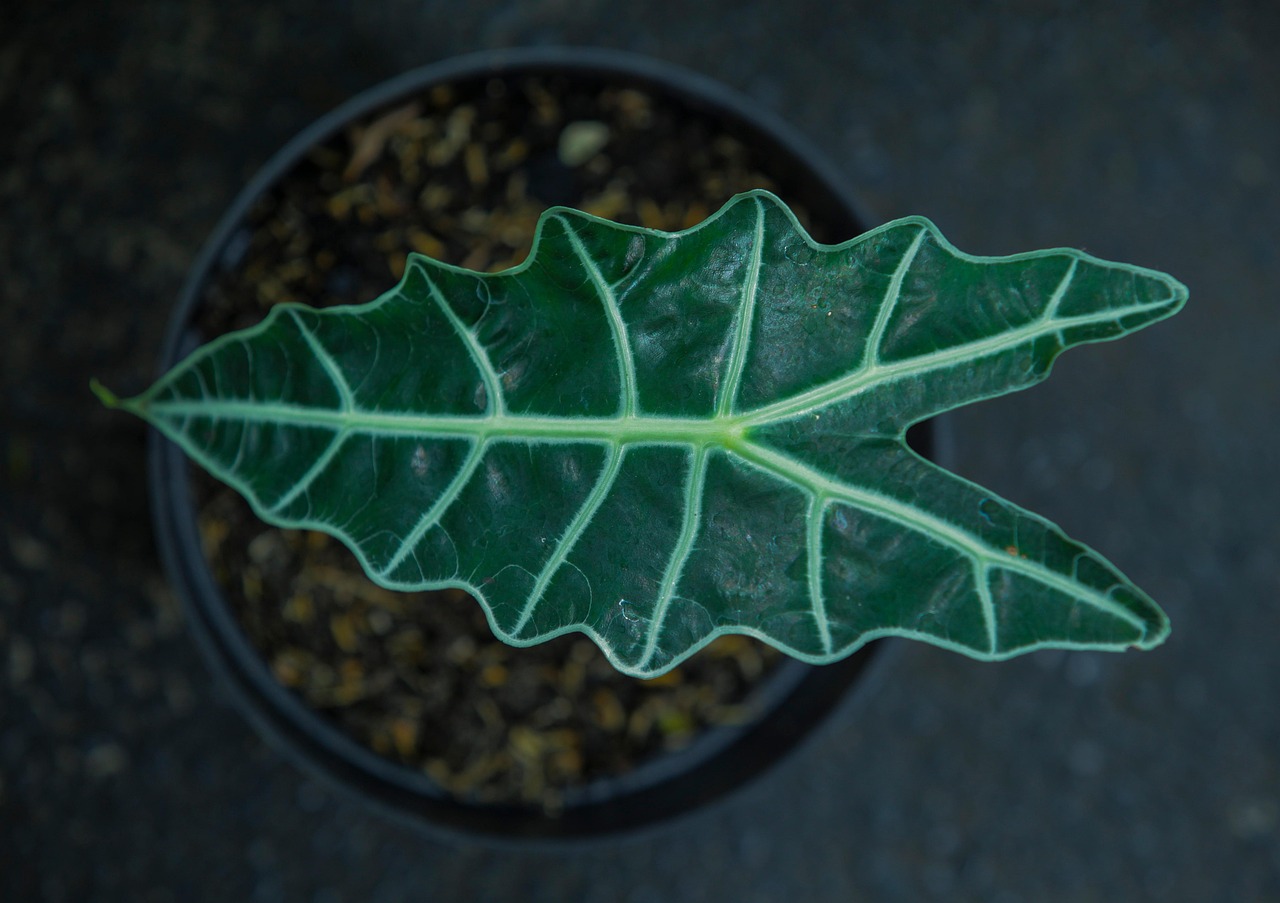
Steps for Division
Offsets Method
Steps for Offsets
Common Issues and Solutions
Leaf Yellowing
Leaf Curling
Dropping Leaves
Choosing the Right Container
Drainage
Size
Material
Aesthetic Placement Tips
Selecting the Right Spot
Group Plantings
Using Decorative Pots
Additional Care Considerations
Seasonal Adjustments
Environmental Factors
Choosing Companion Plants
Final Thoughts