
Alocasia Batik is a stunning tropical plant known for its unique leaf patterns and vibrant colors. To care for this exotic beauty, provide bright, indirect light, maintain humidity, and ensure well-draining soil. Regular watering and occasional fertilization will keep it healthy and thriving.
Understanding Alocasia Batik
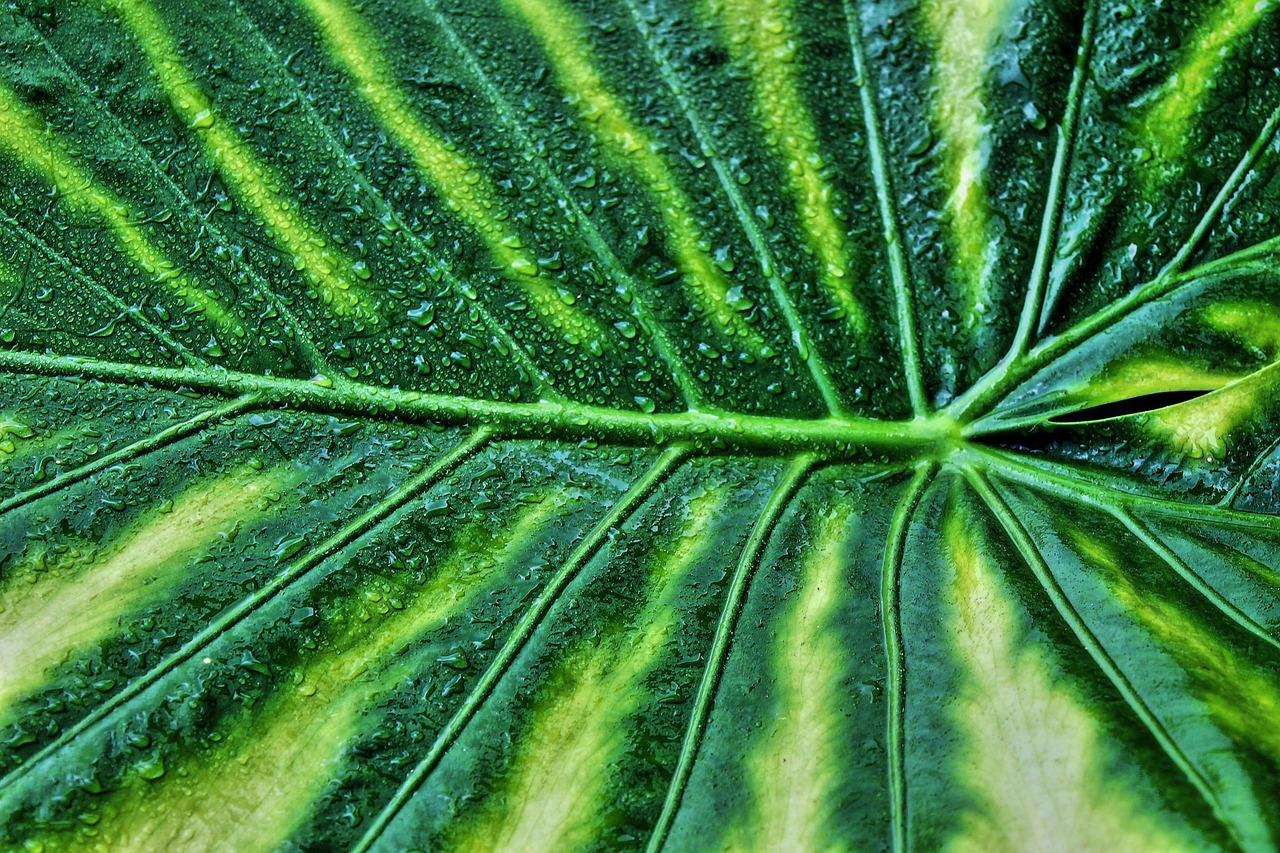
The Alocasia Batik, part of the Araceae family, is celebrated for its striking foliage. Its leaves feature intricate patterns and a rich green color, making it a popular choice among indoor gardeners. Originating from Southeast Asia, this plant thrives in warm, humid environments, replicating its natural habitat when cared for indoors.
Growing Alocasia Batik can be rewarding. However, it requires specific conditions to flourish. The right balance of moisture, light, and temperature is crucial for its success. Understanding these needs will help you cultivate a beautiful plant that adds a touch of the exotic to your home.
Key Characteristics
Before diving into care tips, it’s essential to understand some key characteristics of the Alocasia Batik:
| Characteristic | Details |
|---|---|
| Common Name | Alocasia Batik |
| Light Requirements | Bright, indirect light |
| Humidity Level | High humidity preferred |
| Soil Type | Well-draining potting mix |
| Watering Frequency | Moderate; allow soil to dry slightly between watering |
Optimal Growing Conditions
To ensure your Alocasia Batik thrives, it is essential to create optimal growing conditions. Here are some factors to consider:
Light Requirements
Alocasia Batik prefers bright, indirect sunlight. Too much direct sunlight can scorch its leaves, while too little light can hinder its growth. A spot near a window with filtered light is ideal for this plant.
Humidity and Temperature
This tropical plant enjoys high humidity levels. Aim for humidity above 50% for the best results. You can achieve this by misting the leaves regularly or placing a humidifier nearby. The ideal temperature range for Alocasia Batik is between 65°F to 80°F (18°C to 27°C). Avoid sudden temperature drops and cold drafts.
Table of Contents
Soil and Potting
Using well-draining soil is vital for the health of your Alocasia Batik. A mix designed for tropical plants or a combination of potting soil, perlite, and orchid bark works well. Make sure the pot has drainage holes to prevent water from pooling at the bottom.
Watering Practices
Watering should be done with care. Allow the top inch of soil to dry out before rewatering. Overwatering can lead to root rot, while underwatering can cause the leaves to droop. Monitor your plant regularly to adjust your watering schedule based on its needs.
Fertilization and Nutrient Needs
Providing the right nutrients to your Alocasia Batik is essential for its growth and overall health. Fertilization should be done during the growing season, which typically spans from spring to early fall. Here are some key points to consider:
Types of Fertilizers
When choosing a fertilizer for your Alocasia Batik, consider the following options:
- Balanced Liquid Fertilizer: A balanced liquid fertilizer with an N-P-K ratio of 20-20-20 can provide the essential nutrients your plant needs.
- Slow-Release Granular Fertilizer: Using a slow-release granular fertilizer can provide nutrients over an extended period, reducing the frequency of application.
- Organic Options: Organic fertilizers, such as fish emulsion or seaweed extract, can also be beneficial and are often less harsh on plants.
Application Frequency
During the growing season, fertilize your Alocasia Batik every 4 to 6 weeks. In the fall and winter months, reduce or halt fertilization since the plant’s growth slows down significantly during this time. Always follow the manufacturer’s instructions for dilution and application rates to avoid over-fertilizing, which can harm the plant.
Pest and Disease Management
Like any houseplant, Alocasia Batik can be susceptible to pests and diseases. Regular monitoring can help catch issues early. Here are some common pests and diseases to watch for:
Common Pests
- Spider Mites: These tiny pests thrive in low humidity and can cause webbing on leaves. Increase humidity and rinse the leaves to manage them.
- Aphids: Often found on new growth, aphids can weaken your plant. Use insecticidal soap or neem oil to treat infestations.
- Mealybugs: These pests appear as white cottony masses. Remove them with a cotton swab dipped in alcohol or apply insecticidal soap.
Disease Prevention
The most common disease affecting Alocasia Batik is root rot, often caused by overwatering or poor drainage. To prevent root rot, ensure proper soil drainage and allow the top layer of soil to dry out between waterings. Additionally, keep an eye out for signs of leaf spots or yellowing, which may indicate fungal infections. If you notice these symptoms, consider treating with a fungicide and improving airflow around the plant.
Repotting Your Alocasia Batik
Repotting is an important aspect of caring for your Alocasia Batik. This process allows for fresh soil and more space for root growth. Here are some guidelines to follow:
When to Repot
It is generally recommended to repot your Alocasia Batik every 1 to 2 years or when you notice that the roots are growing out of the drainage holes. Signs that it’s time to repot include stunted growth or yellowing leaves.
Steps for Repotting
- Select a New Pot: Choose a pot that is 1-2 inches larger in diameter than the current one, ensuring it has adequate drainage holes.
- Prepare Fresh Soil: Use a well-draining potting mix suitable for tropical plants.
- Remove the Plant: Gently take your Alocasia Batik out of its current pot. Be careful not to damage the roots.
- Inspect the Roots: Trim any dead or rotting roots before placing the plant in the new pot.
- Add Soil: Place the plant in its new pot and fill with fresh soil, ensuring it is secure but not packed too tightly.
- Water Thoroughly: After repotting, water your plant thoroughly to help settle the soil.
By following these steps, you can ensure that your Alocasia Batik continues to thrive in a healthy environment, promoting lush growth and vibrant foliage.
Propagation Methods for Alocasia Batik
Propagating your Alocasia Batik can be an exciting way to expand your plant collection or share with friends. There are a few effective methods for propagating this stunning plant, primarily using offsets or division. Below are detailed methods for successful propagation.
3>Offsets
Offsets are small plants that naturally grow from the base of the parent plant. This method is often the simplest way to propagate Alocasia Batik. If your Alocasia Batik has grown large and bushy, division can be an effective method of propagation. This technique involves separating the plant into smaller sections, each with its roots. Caring for an Alocasia Batik can present challenges. Being aware of common problems will help you address them quickly. If you notice yellowing leaves, several factors could be at play: Browning leaf tips can occur due to several reasons: If your Alocasia Batik’s leaves are wilting, it may indicate a few issues: Your Alocasia Batik will require adjustments in care as seasons change. Here’s how to adapt your care routine: During these growing months, your plant will be more active. Focus on: <pAs temperatures drop and days shorten, your Alocasia Batik will enter a resting phase. Adjust your care by: Monitoring these seasonal changes will help ensure your Alocasia Batik remains healthy and vibrant throughout the year. B eyond the basic care guidelines, there are several additional tips that can help enhance the growth and beauty of your Alocasia Batik. Understanding these nuances can lead to a more rewarding experience as you nurture this exotic plant. The location of your Alocasia Batik can significantly impact its growth. Here are some considerations: Maintaining the leaves of your Alocasia Batik is essential for its overall health. Here are some tips: A s with many houseplants, misconceptions about Alocasia Batik exist. Understanding these myths can help you care for your plant more effectively: Caring for an Alocasia Batik can be a fulfilling endeavor for plant enthusiasts. By understanding its specific needs regarding light, humidity, watering, and nutrition, you can create an environment that fosters growth and vibrancy. Remember to monitor your plant regularly for signs of stress or pests, and make adjustments as necessary throughout the seasons. With proper care, your Alocasia Batik will not only thrive but also become a stunning centerpiece in your home. Embrace the journey of nurturing this exotic plant, and enjoy the unique beauty it brings to your space. Whether you are expanding your collection or sharing with friends, the knowledge you gain will contribute to your success as a plant parent. Ultimately, the key to success lies in patience and observation. Each plant has its own personality and requirements. By taking the time to learn and adapt your care routine, you will cultivate a thriving Alocasia Batik that continues to bring joy for years to come.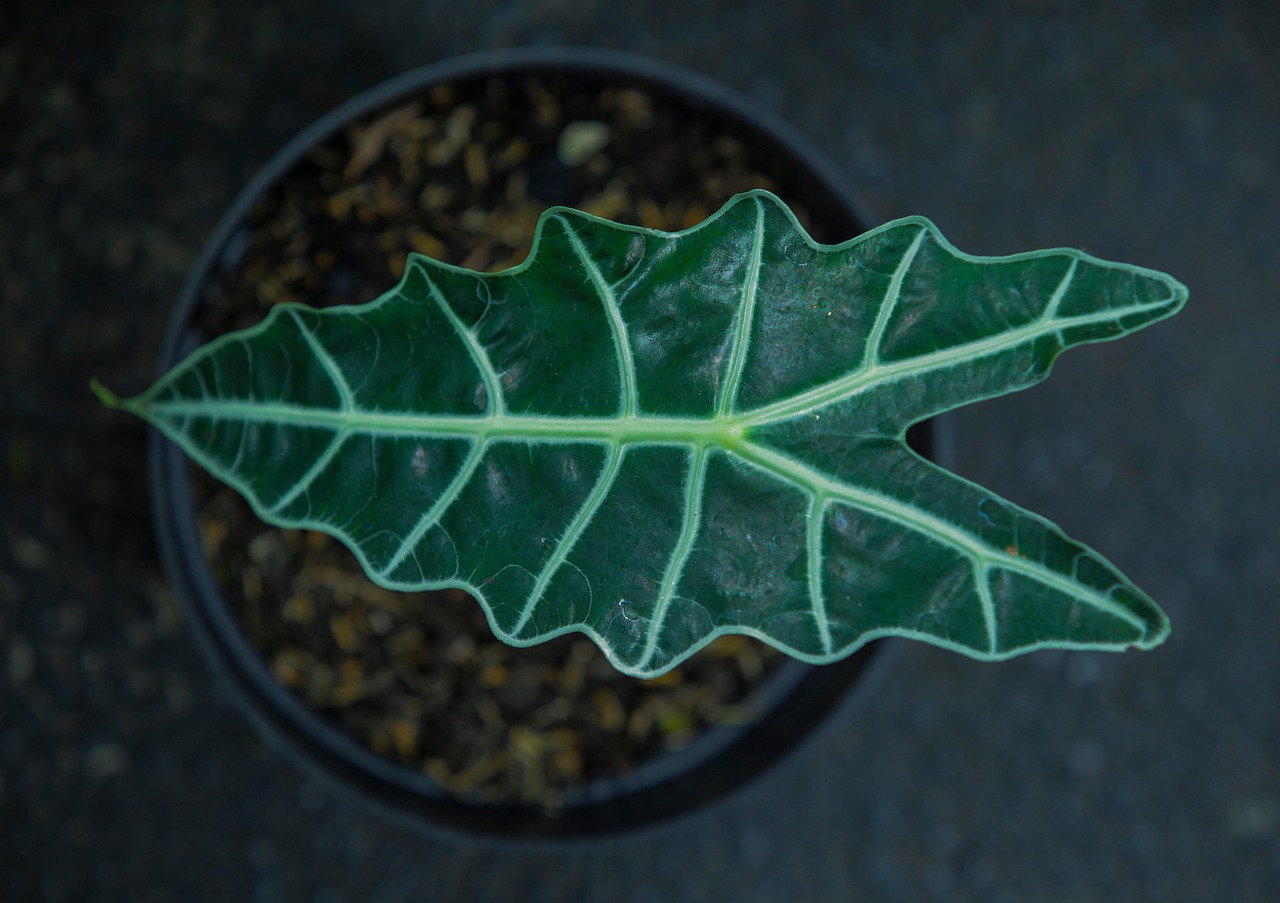
Steps for Propagating Offsets
Division
Steps for Division
Common Problems and Solutions
Yellowing Leaves
Browning Leaf Tips
Wilting Leaves
Seasonal Care Adjustments
Spring and Summer Care
Fall and Winter Care
Additional Tips for Successful Care
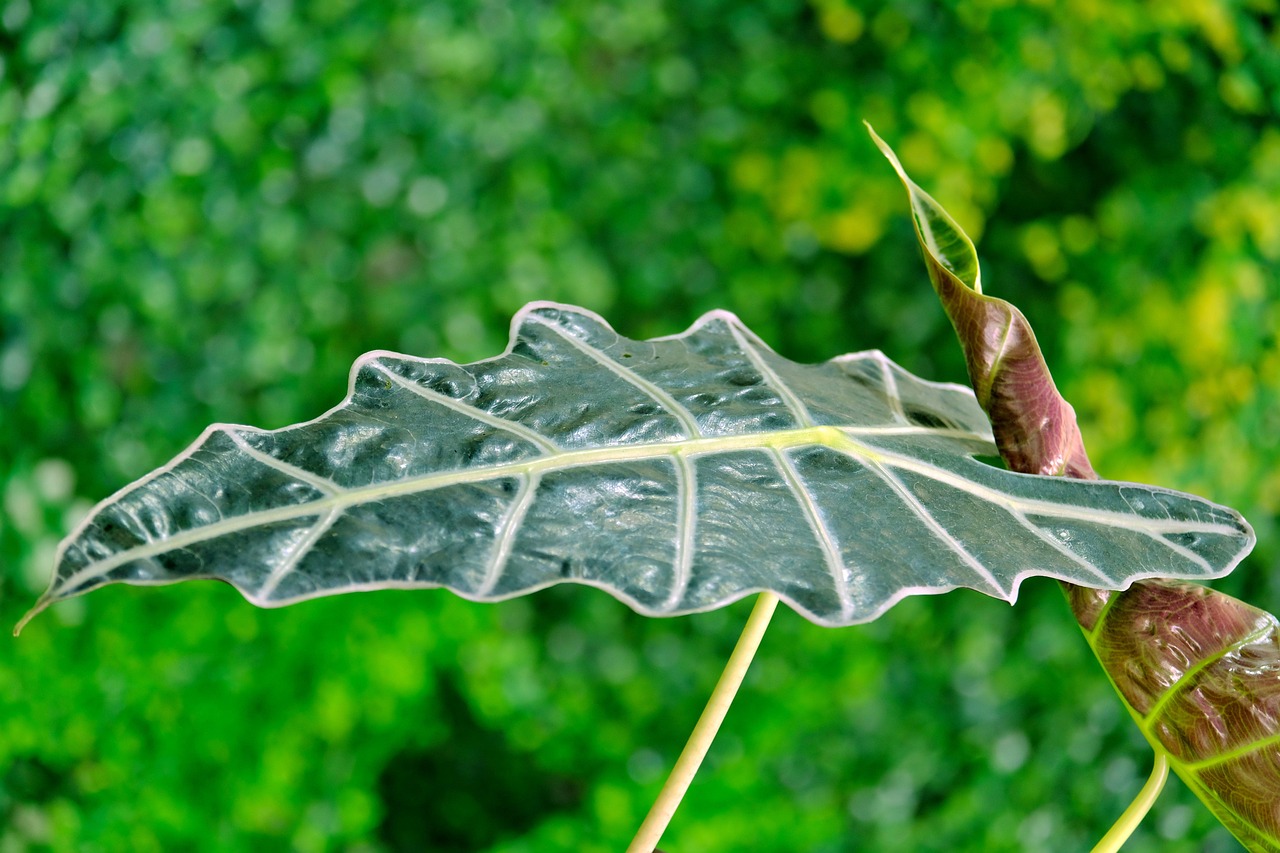
Choosing the Right Location
Leaf Care and Maintenance
Common Myths About Alocasia Batik
Final Thoughts