
Alocasia Bisma is a rare tropical plant known for its striking foliage and unique growth habits. It thrives in humid environments and requires specific care to flourish. This guide explores its various types, care requirements, and tips for successful cultivation.
Introduction to Alocasia Bisma
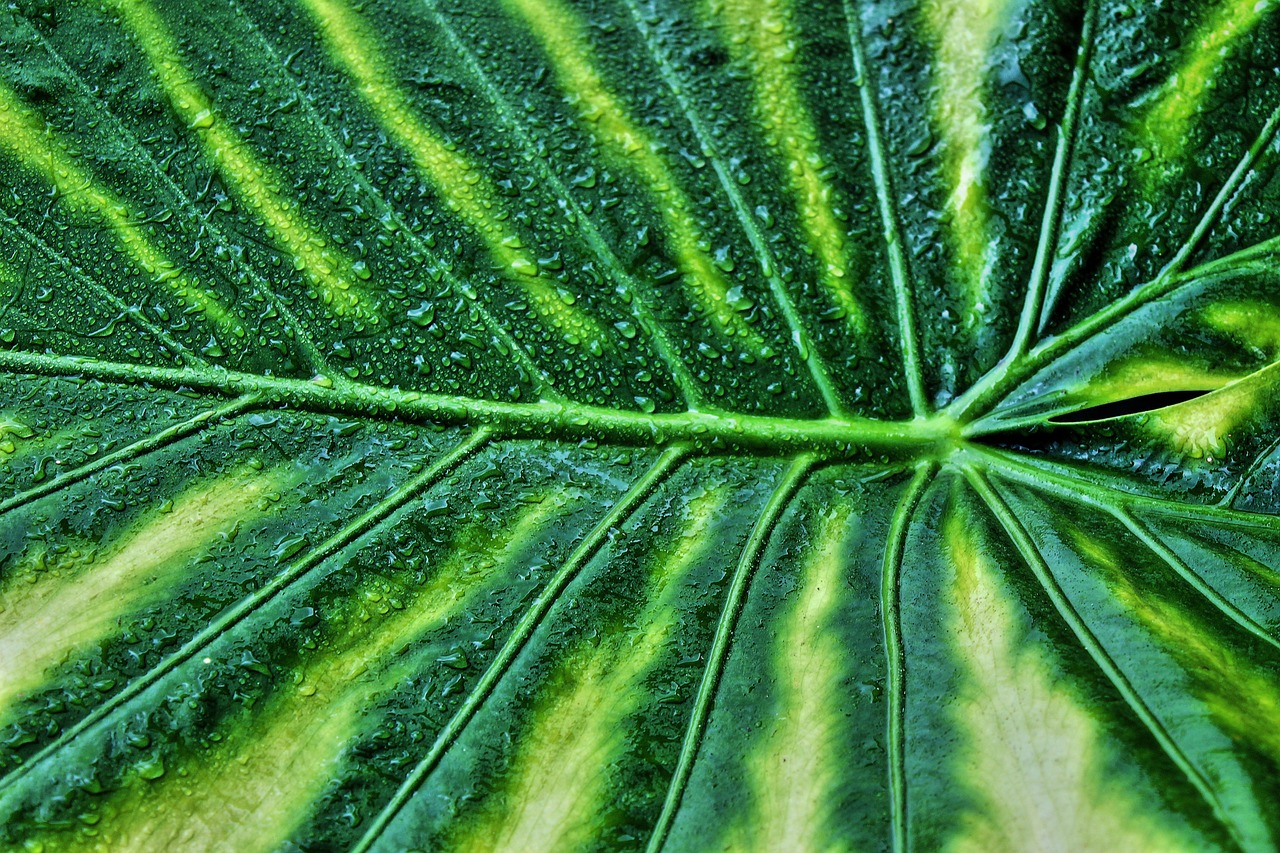
The Alocasia genus includes several species, but Alocasia Bisma stands out due to its rarity and distinctive characteristics. Originating from Southeast Asia, this plant is a favorite among collectors and plant enthusiasts. Its large, arrow-shaped leaves can create a dramatic presence in any indoor garden or landscape.
One of the most appealing aspects of the Alocasia Bisma is its ability to adapt to different conditions, making it suitable for both novice and experienced gardeners. However, it does have specific needs regarding light, water, and humidity that must be met to ensure optimal health and growth.
Due to its rarity, acquiring an Alocasia Bisma can be a challenge. Many local nurseries may not carry this species, and online availability can vary significantly. Understanding the different varieties available can enhance your chances of finding the perfect plant for your collection.
Varieties of Alocasia Bisma
Alocasia Bisma comes in a few notable varieties, each with unique features. While they share similar care requirements, their appearances can differ significantly. Here are some of the most recognized varieties:
- Alocasia Bisma ‘Green Velvet’: This variety features deep green leaves with a velvety texture, providing a lush appearance.
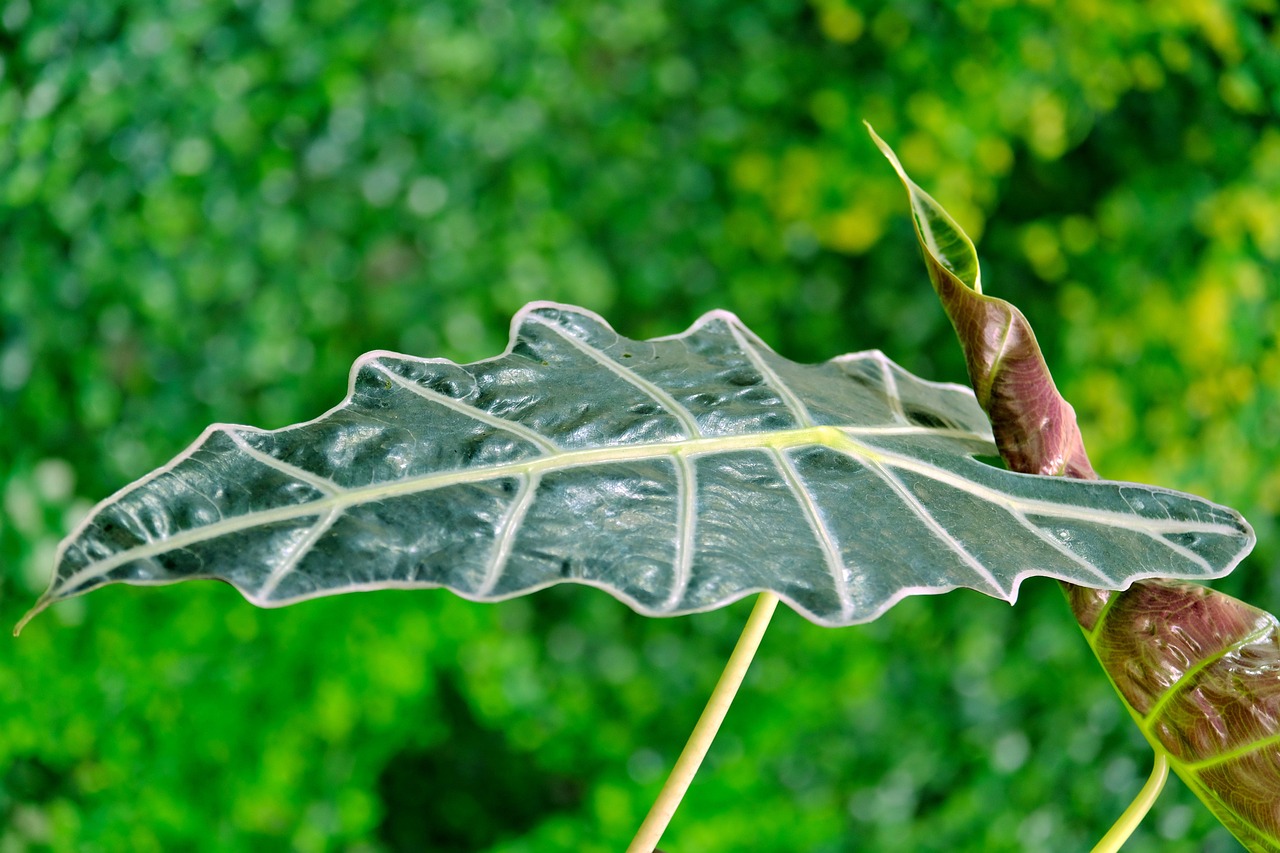
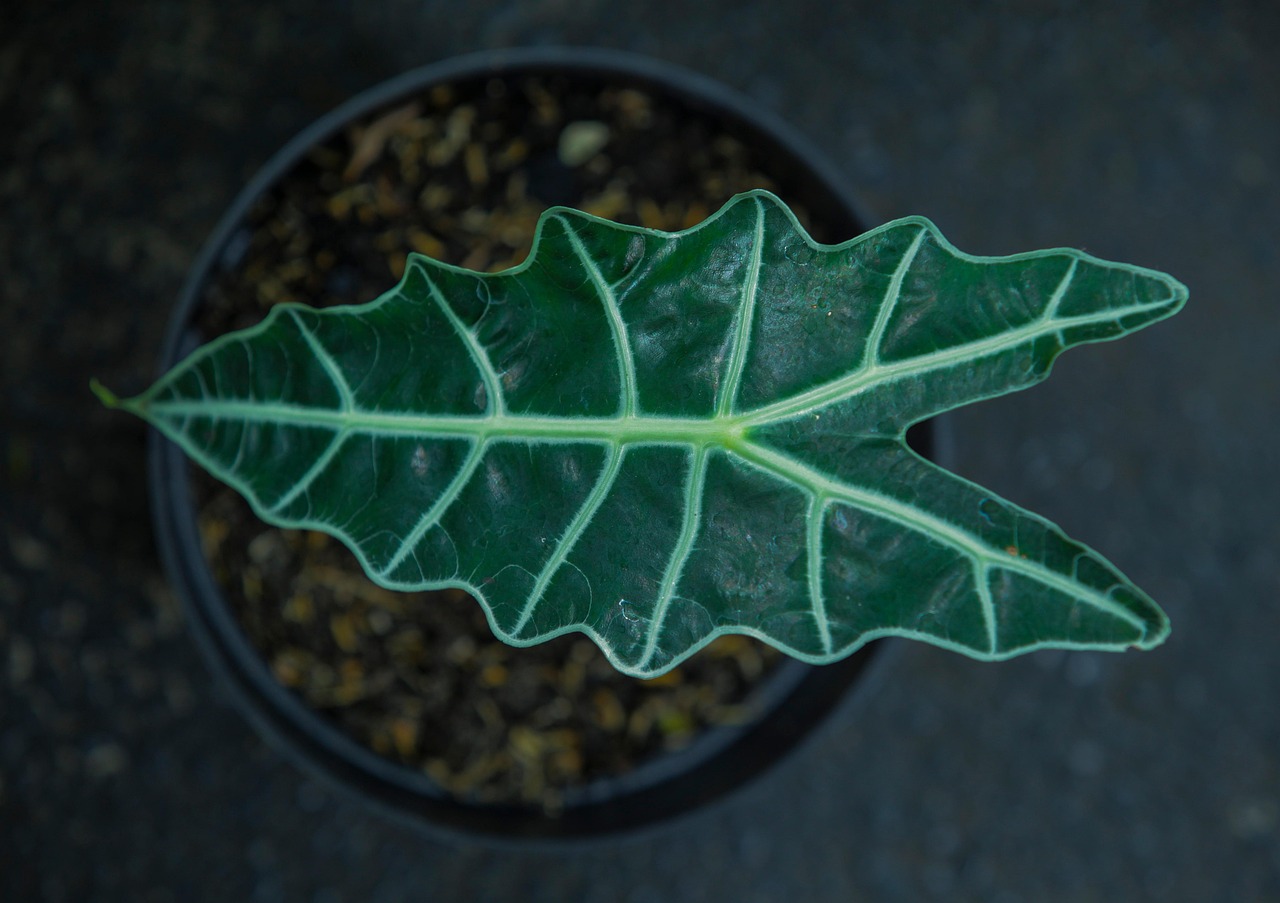
- Alocasia Bisma ‘Silver Dragon’: Known for its striking silver veins on dark green leaves, this variety adds a unique aesthetic appeal.
- Alocasia Bisma ‘Dark Star’: With almost black foliage and prominent leaf veins, this variety is sought after for its dramatic look.
Basic Care Requirements
Caring for Alocasia Bisma can be straightforward when you understand its basic needs. Here are the essential factors to consider when growing this beautiful plant:
| Care Factor | Requirements |
|---|---|
| Light | Bright, indirect sunlight is ideal. Avoid direct sunlight to prevent leaf burn. |
| Water | Keep the soil consistently moist but not soggy. Water when the top inch of soil feels dry. |
| Humidity | High humidity (60% or more) is essential. Consider using a humidifier or pebble tray. |
| Temperature | Ideal temperatures range from 65°F to 80°F (18°C to 27°C). |
| Soil | Use well-draining potting mix rich in organic matter. |
Understanding these care requirements is crucial for maintaining the health of your Alocasia Bisma. With proper attention to its environment, this plant can thrive and become a stunning focal point in your home or garden.
Table of Contents
As you delve deeper into caring for Alocasia Bisma, consider the unique traits of each variety. This knowledge will enrich your experience and help you select the best plant for your collection.
Propagation of Alocasia Bisma
Propagation is a great way to expand your collection of Alocasia Bisma or share it with friends. This process allows you to create new plants from an existing one. There are a couple of effective methods for propagating Alocasia Bisma: division and offsets.
Division Method
The division method involves separating the plant into smaller sections, each with its own root system. This is best done during the spring or early summer when the plant is actively growing. Here are the steps to follow:
- Preparation: Gather tools such as a sharp, clean knife, potting soil, and pots.
- Remove the Plant: Carefully take the Alocasia Bisma out of its pot. Gently shake off excess soil to expose the roots.
- Divide the Roots: Look for natural divisions in the root ball. Using your knife, separate the sections ensuring each has roots and a leaf.
- Re-pot: Place each divided section into its pot filled with fresh potting mix. Water lightly to settle the soil.
- Care: Keep the new plants in a warm, humid environment until they establish roots.
Offsets Method
Offsets, or pups, are small plants that grow at the base of the main plant. They can be removed and potted up separately. Follow these steps to propagate using offsets:
- Identify Offsets: Look for small plants emerging from the base of the Alocasia Bisma.
- Sever the Offset: Use a clean knife to cut the offset from the parent plant, ensuring it has some roots.
- Potting: Plant the offset in a small pot with well-draining soil, similar to what is used for the parent plant.
- Watering: Water the newly potted offset lightly and place it in a warm location with indirect light.
Pest and Disease Management
Like many houseplants, Alocasia Bisma can be susceptible to various pests and diseases. Being proactive about prevention and management can help ensure your plant remains healthy.
Common Pests
The most common pests affecting Alocasia Bisma include:
- Spider Mites: These tiny pests can cause yellowing leaves and webbing on the plant. Increase humidity to deter them and treat with insecticidal soap if needed.
- Aphids: These small insects suck sap from leaves, leading to deformation. Regularly check for their presence and use neem oil for treatment.
- Mealybugs: These pests appear as white cottony masses on stems and leaves. Remove them with a cotton swab dipped in alcohol or apply an insecticidal solution.
Disease Prevention
Diseases can also affect Alocasia Bisma, often due to environmental stress or improper care. Here are some common diseases:
- Root Rot: Caused by overwatering or poorly draining soil. Ensure proper drainage and allow soil to dry out slightly between waterings.
- Leaf Spot: This fungal disease appears as dark spots on leaves. Improve air circulation and avoid overhead watering to prevent it.
If you notice any signs of pests or diseases, act quickly to minimize damage. Regularly inspecting your plant can help catch issues early.
Fertilizing Alocasia Bisma
Fertilization is essential for promoting healthy growth in Alocasia Bisma. Using the right type of fertilizer at the appropriate times can encourage vibrant foliage and overall plant vitality.
Types of Fertilizers
Consider using these types of fertilizers for your Alocasia Bisma:
- Balanced Liquid Fertilizer: A diluted balanced liquid fertilizer can be applied every month during the growing season (spring and summer).
- Slow-Release Fertilizer: This can be mixed into the soil at the beginning of the growing season for continuous feeding.
Application Tips
When applying fertilizers, keep these tips in mind:
- Always dilute liquid fertilizers according to package instructions to avoid burning the roots.
- Avoid fertilizing during the fall and winter months when the plant is dormant.
- Monitor your plant’s response to fertilization, adjusting frequency based on growth patterns.
Caring for your Alocasia Bisma through proper propagation, pest management, and fertilization will enhance its beauty and lifespan, making it a rewarding addition to your plant collection.
2>Common Issues with Alocasia Bisma
Even with the best care, Alocasia Bisma can experience various issues that may affect its health and appearance. Recognizing these problems early is essential for effective management. Below are some common issues and their potential solutions. One of the most frequent concerns for Alocasia Bisma owners is leaf yellowing. This can occur due to several reasons: Brown tips on the leaves of Alocasia Bisma are another common issue. This can be attributed to: Wilting leaves can be a sign of stress, typically due to improper watering practices: The choice of pot can significantly affect the health of your Alocasia Bisma. Here are some factors to consider when selecting a pot: The pot size should correspond with the plant’s growth stage. A pot that is too small can restrict root growth, while a pot that is too large can retain excess moisture. Here are some guidelines: The material of the pot also plays a role in drainage and moisture retention: No matter what material you choose, ensure that the pot has sufficient drainage holes. Proper drainage prevents water from accumulating at the bottom, reducing the risk of root rot. Caring for Alocasia Bisma requires adjustments based on seasonal changes. Understanding how to modify care throughout the year is crucial for maintaining a healthy plant. During the growing season, your Alocasia Bisma will require more attention: The cooler months require different care considerations: By being aware of these seasonal adjustments, you can ensure your Alocasia Bisma remains healthy and vibrant throughout the year. As with many rare plants, several myths surround Alocasia Bisma. Understanding these misconceptions can help you care for your plant more effectively. While it is true that many Alocasia species contain calcium oxalate crystals, which can be harmful if ingested, Alocasia Bisma is not particularly toxic. However, it is still essential to keep it out of reach of pets and small children. If ingested in large quantities, it can cause irritation. Some believe that Alocasia plants, including Bisma, are challenging to grow. In reality, they can thrive with the right conditions and care. Understanding their specific needs regarding humidity, light, and watering is crucial for success. Another common misconception is that Alocasia Bisma can only be grown outdoors. While this plant does enjoy tropical conditions typically found outdoors, it can flourish indoors as well. Providing adequate light and humidity indoors allows it to thrive year-round.
>Alocasia Bisma is not just admired for its beauty; it also serves various functional purposes:
>If you’re eager to learn more about caring for Alocasia Bisma or other rare plants, consider exploring the following resources: Engaging with these resources can deepen your understanding and enhance your skills as a plant owner. Caring for Alocasia Bisma can be a rewarding experience. With its unique foliage and fascinating growth habits, it adds beauty and character to any space. By understanding its specific needs—such as light, humidity, and watering—you can create an environment where this rare plant thrives. From propagation techniques to seasonal care adjustments, taking the time to learn about Alocasia Bisma will enhance your overall enjoyment of this stunning tropical plant. Whether you’re a seasoned collector or a novice gardener, the journey of nurturing Alocasia Bisma will undoubtedly enrich your love for plants and nature. Remember that each plant is unique, and observing its growth patterns will guide you in providing the best care possible. Enjoy the process of growing Alocasia Bisma and all the beauty it brings to your home!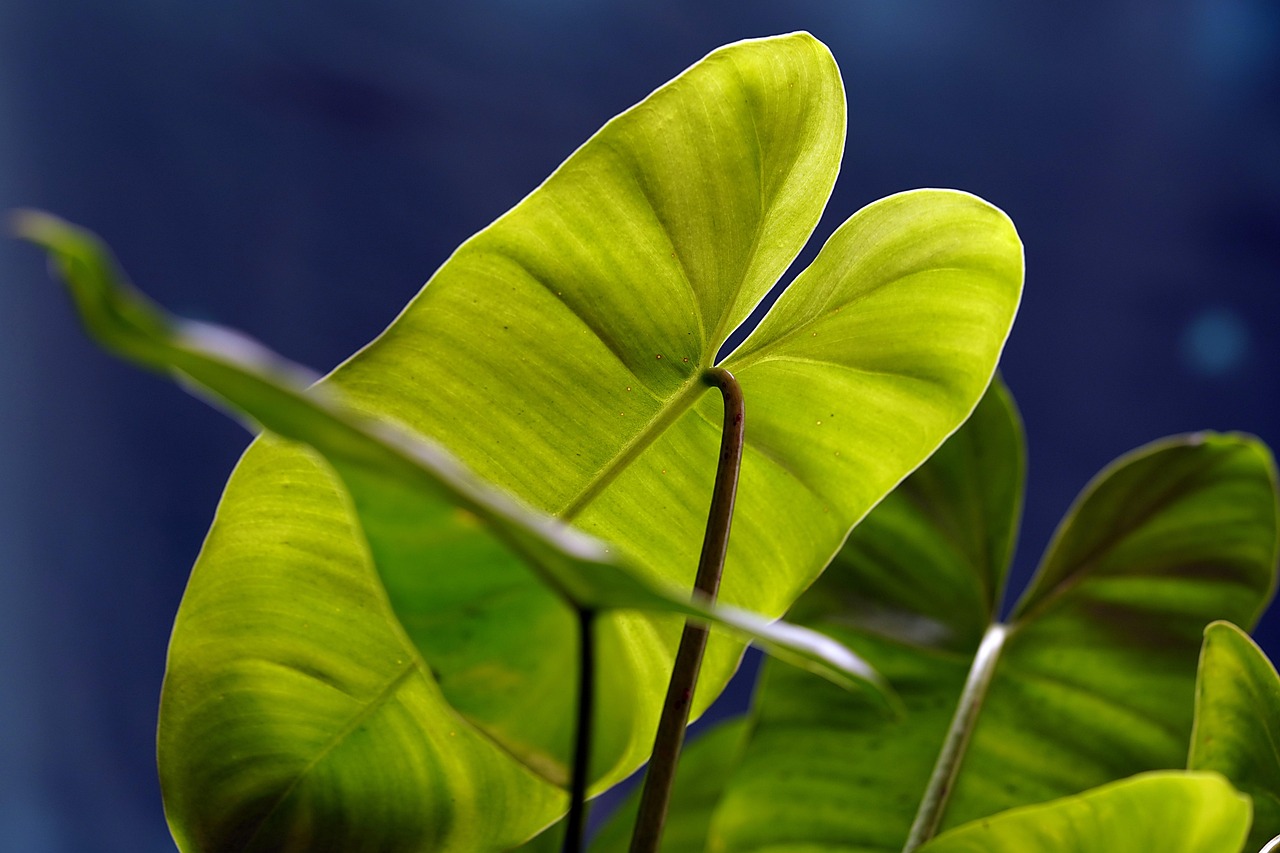
Leaf Yellowing
Brown Leaf Tips
Wilting Leaves
Choosing the Right Pot for Alocasia Bisma
Size
Material
Drainage Holes
Seasonal Care Adjustments
Spring and Summer Care
Fall and Winter Care
Common Myths about Alocasia Bisma
Myth 1: Alocasia Bisma is Poisonous
Myth 2: Alocasia Plants are Difficult to Care For
Myth 3: Alocasia Bisma Grows Only Outdoors
Popular Uses for Alocasia Bisma
Further Resources for Plant Enthusiasts
Final Thoughts