
The American linden tree has numerous benefits, including providing shade and attracting pollinators, but also has drawbacks such as maintenance challenges and pest attraction.
Table of Contents
The American linden tree, also known as Tilia americana, is a popular choice for landscaping due to its beauty and ecological benefits. However, understanding the pros and cons is essential for making an informed decision about planting one in your yard.
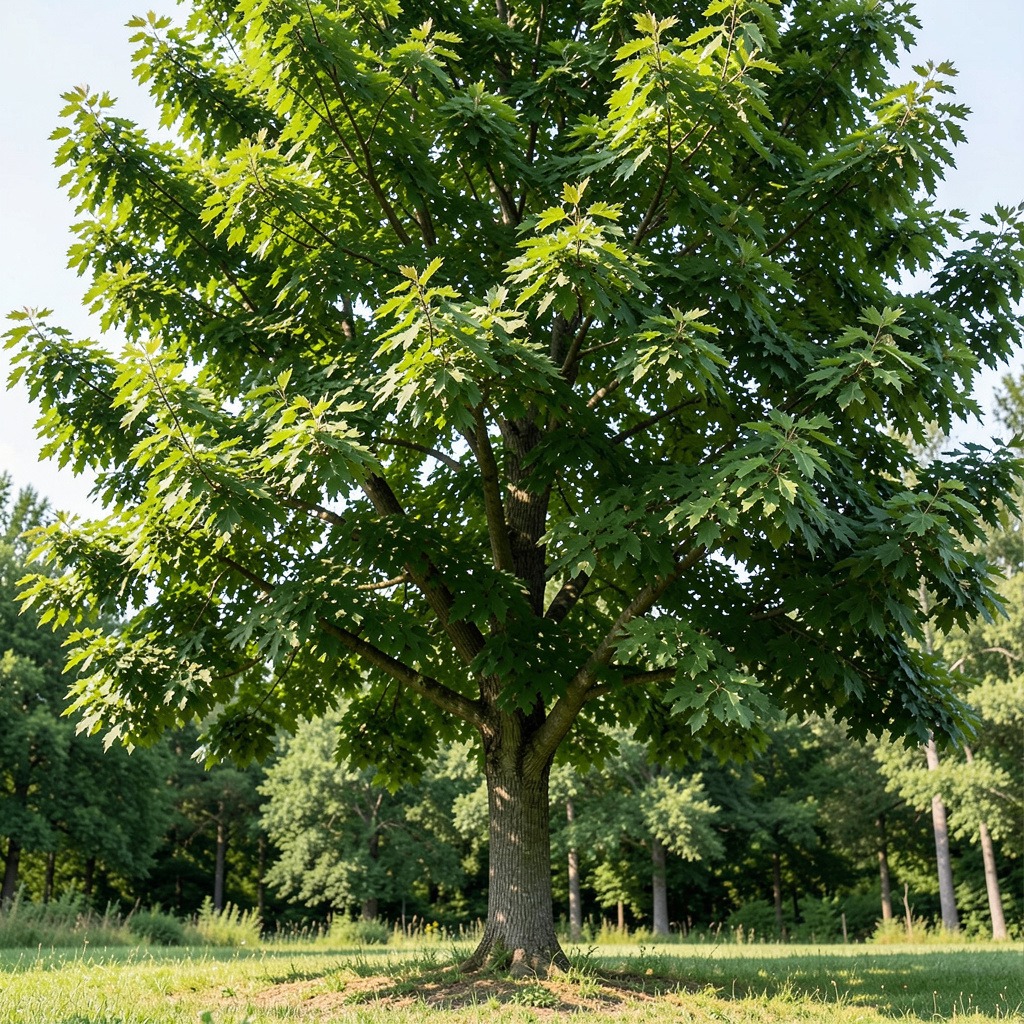
Overview of the American Linden Tree
The American linden tree, or Tilia americana, is a notable native tree species in North America, prized for its shade and ecological benefits. Understanding its characteristics helps in evaluating its fit for your landscape.
Scientific Classification
- Kingdom: Plantae
- Clade: Angiosperms
- Clade: Eudicots
- Order: Malvales
- Family: Tiliaceae
- Genus: Tilia
- Species: T. americana
General Characteristics
The American linden tree is recognized for its:
- Height: Typically reaches 60 to 80 feet.
- Canopy Spread: Can extend 30 to 50 feet wide.
- Leaves: Heart-shaped, dark green, turning golden-yellow in fall.
- Flowers: Small, yellowish-white blooms in summer, highly fragrant.
Benefits of Planting
1. Shade Provider: The dense canopy offers significant cooling, reducing energy costs in the summer.
2. Wildlife Habitat: Attracts pollinators like bees, enhancing local biodiversity.
3. Aesthetic Appeal: Provides year-round beauty with its foliage and flowers.
Decision Framework for Selection
When considering an American linden for your yard, evaluate the following factors:
- Space Availability: Ensure ample room for its mature size.
- Maintenance Commitment: Be prepared for leaf and flower drop, especially in the fall.
- Environmental Conditions: Assess soil quality and climate compatibility.
Real-Life Scenario
Many homeowners have successfully integrated American linden trees into their landscapes. For example, a property owner in a suburban area reported a noticeable drop in summer temperatures around their home after planting a linden. Additionally, they observed an increase in local bee populations, as the tree attracted them during its blooming season. This highlights the dual benefits of aesthetic value and ecological contribution when selecting this tree for landscaping.
1. Aesthetic Appeal of the American Linden Tree

The American linden tree is renowned for its striking visual attributes. Its shape, leaf color, and seasonal changes contribute significantly to its appeal in landscaping.
Seasonal Beauty
American linden trees offer a captivating display throughout the year.
- Spring: Fresh, heart-shaped leaves emerge, creating a lush green canopy.
- Summer: The tree becomes a focal point with its dense foliage, providing ample shade.
- Fall: Leaves transition to a vibrant golden yellow, offering a stunning contrast against the blue sky.
- Winter: The bare branches reveal a graceful silhouette, adding structure to the landscape.
These seasonal changes not only enhance the beauty of any garden but also provide visual interest year-round.
Landscape Integration
The American linden tree integrates well into various landscapes due to its impressive size and shape.
- Symmetrical Form: Its balanced, rounded crown adds aesthetic harmony to gardens and parks.
- Height and Spread: Mature trees typically reach heights of 60 to 80 feet, creating a majestic presence. This size makes them suitable for larger spaces and provides significant shade.
Comparison with Other Popular Landscaping Trees
Here is a comparison of the aesthetic appeal of the American linden tree with some other popular landscaping trees:
| Tree Type | Shape | Leaf Color (Summer) | Fall Color | Notable Features |
|---|---|---|---|---|
| American Linden | Symmetrical | Glossy Green | Golden Yellow | Fragrant flowers, attracts pollinators |
| Red Maple | Rounded | Deep Green | Bright Red | Vibrant fall color |
| Oak | Broadly Spreading | Dark Green | Brown | Strong structure, longevity |
| Dogwood | Layered | Dark Green | Red/Pink | Beautiful spring flowers |
The American linden stands out with its unique combination of fragrance and ecological benefits, particularly in attracting pollinators.
Decision Framework for Choosing the Right Tree
When selecting the American linden tree for your landscape, consider the following:
1. Space Availability: Ensure you have enough room for its mature size.
2. Climate Compatibility: Assess if your local climate supports healthy growth.
3. Aesthetic Goals: Determine if you prefer a tree that offers seasonal beauty and attracts wildlife.
These factors will guide you in integrating the American linden tree into your landscape effectively.
2. Shade Provision and Cooling Effect

The American linden tree is renowned for its ability to provide dense shade, making it an excellent choice for enhancing outdoor comfort and energy efficiency. Its broad canopy not only cools the air around it but also contributes to a more pleasant urban environment.
Benefits for Energy Efficiency
Strategically planted linden trees can significantly reduce energy costs. By providing shade, they lower the temperature around buildings. This natural cooling effect can decrease reliance on air conditioning, leading to substantial energy savings. Studies indicate that well-placed trees can lower indoor temperatures by up to 10°F, translating to a reduction in cooling costs by 15-50% during peak summer months.
- Tree Placement: Position linden trees on the west and south sides of your home for optimal sunlight blockage.
- Energy Savings: Calculate potential savings to justify your investment in a linden tree. For example, if cooling costs are $200 monthly, a 20% reduction equals $40 savings each month.
Creating Comfortable Outdoor Spaces
The shade provided by the American linden tree creates inviting outdoor spaces. Under its expansive canopy, people can enjoy cooler temperatures, making it ideal for relaxation or family gatherings.
- Comfortable Areas: Consider using this tree to create shaded seating areas or playgrounds in your yard.
- Wildlife Habitat: The linden’s flowers attract pollinators, enhancing the ecosystem and creating a lively environment.
In urban settings, where heat is often exacerbated by concrete and asphalt, the American linden tree plays a vital role in improving local microclimates, making neighborhoods more enjoyable and sustainable.
3. Attracting Pollinators and Supporting Biodiversity

The American linden tree significantly contributes to local ecosystems by attracting a variety of pollinators, especially bees. Its nectar-rich flowers not only support these essential insects but also enhance overall biodiversity.
Importance for Bees
American linden trees bloom in late spring, producing clusters of fragrant flowers. These blossoms are a major source of nectar for honeybees and other pollinators. Local beekeepers often praise linden trees for the high-quality honey they produce, known for its delicate flavor and medicinal properties.
- Honey Production: Linden honey is sought after for its unique taste and potential health benefits.
- Bee Habitat: The tree provides a conducive environment for bees, ensuring their populations thrive.
Enhancing Local Flora and Fauna
Beyond attracting bees, the American linden tree supports a variety of wildlife. Its flowers are also appealing to butterflies and other beneficial insects, creating a vibrant ecosystem.
- Biodiversity Boost: The presence of linden trees can increase the diversity of pollinator species in your area.
- Ecosystem Health: By supporting pollinators, linden trees play a crucial role in sustaining local flora, contributing to healthier gardens and landscapes.
Insights from Local Beekeepers
From the experiences of local beekeepers, planting linden trees has shown to positively impact pollinator health. Beekeepers report increased hive activity and honey production during linden blooming periods, highlighting the tree’s value in a pollinator-friendly garden.
Decision Framework for Planting
When considering whether to plant an American linden tree, evaluate the following factors:
- Space: Ensure you have adequate room for the tree’s mature size (60-80 feet tall and wide).
- Sun Exposure: The tree thrives in full sun, which is essential for optimal blooming.
- Maintenance: Prepare for some leaf cleanup in the fall, but enjoy the low-maintenance care once established.
By incorporating an American linden tree into your landscape, you not only enhance the aesthetic appeal but also contribute positively to local ecosystems.
4. Air Purification and Environmental Benefits
American linden trees significantly enhance air quality and provide various environmental benefits. Their robust structure and unique characteristics contribute to ecological health in urban landscapes.
Reducing Urban Heat
Linden trees play a crucial role in mitigating urban heat. Their expansive canopies provide significant shade, which cools surrounding areas. This shading effect can lower local temperatures, reducing the need for air conditioning and conserving energy.
- Shade Coverage: A mature American linden can provide shade for several hundred square feet.
- Temperature Control: Studies show that trees like the linden can reduce surface temperatures by up to 10°F in residential areas.
Supporting Soil Health
Linden trees not only purify air but also contribute to soil health. Their deep root systems improve soil structure and prevent erosion. The fallen leaves decompose, enriching the soil with organic matter.
- Erosion Prevention: The roots stabilize the soil, particularly in urban areas susceptible to runoff.
- Organic Matter Contribution: The decomposing leaves enhance soil fertility, promoting healthier ecosystems.
Air Quality Improvement Comparison
When comparing air quality improvement, American linden trees excel alongside other common urban trees. For example:
| Tree Type | Air Quality Benefits | Notes |
|---|---|---|
| American Linden | Filters pollutants like CO2 and NOx | Attracts pollinators; long lifespan |
| Oak | Provides significant shade; moderate pollutant absorption | Slower growth; requires more space |
| Maple | Good shade; moderate air quality benefits | Smaller canopy; less effective in pollution absorption |
Linden trees are particularly effective at filtering pollutants such as sulfur dioxide and nitrogen oxides, making them invaluable in urban settings where air quality is often compromised.
Real-Life Scenario
Consider a neighborhood that plants American linden trees along its main street. Over five years, residents report a noticeable drop in summer temperatures and an increase in bees and butterflies. The trees not only create a pleasant environment but also improve air quality, benefiting the community’s health and well-being.
Checklist for Prospective Linden Tree Owners
Before planting an American linden tree, consider the following:
- Space Availability: Ensure there is enough room for the tree’s mature size.
- Soil Type: Verify the soil can support deep root growth.
- Sunlight: Ensure the location receives full sun for optimal growth.
By understanding these benefits and considerations, prospective owners can make informed decisions about incorporating American linden trees into their landscapes.
5. Medicinal and Culinary Uses of Linden Trees
The American linden tree offers more than just aesthetic value; its flowers and leaves have a rich history in traditional medicine and culinary practices. These versatile components provide various health benefits and flavor enhancements in the kitchen.
Herbal Remedies
Linden flowers are renowned for their calming properties. They are often used to brew tea, which is believed to help alleviate anxiety, promote relaxation, and improve sleep quality. The flowers contain compounds with anti-inflammatory and antioxidant properties, making them a valuable addition to natural health practices.
Benefits of Linden Tea:
- Calming Effects: Helps reduce stress and anxiety.
- Sleep Aid: Promotes better sleep patterns.
- Anti-inflammatory: Supports overall health.
How to Make Linden Tea:
1. Gather fresh or dried linden flowers.
2. Boil water and pour it over the flowers in a teapot or cup.
3. Steep for 5-10 minutes, depending on desired strength.
4. Strain and enjoy, optionally adding honey for sweetness.
Culinary Applications
Linden flowers have culinary uses that enhance both sweet and savory dishes. Their delicate floral flavor can be added to various recipes, making them a unique ingredient.
Culinary Uses:
- Infusions: Use linden flowers to create flavored syrups or dressings.
- Baking: Incorporate dried linden flowers into baked goods like muffins or cakes.
- Salads: Add young linden leaves for a mild, pleasant taste.
Recipe Idea: Linden-Infused Syrup
1. Combine equal parts sugar and water in a saucepan.
2. Bring to a boil, then reduce heat and add linden flowers.
3. Simmer for 10-15 minutes.
4. Strain and store in a bottle. Use as a sweetener for drinks or desserts.
Incorporating linden trees into your landscape not only enhances your garden but also provides medicinal and culinary benefits that can enrich your lifestyle.
6. Potential Drawbacks of the American Linden Tree
While the American linden tree offers numerous benefits, it also comes with some drawbacks that potential owners should consider. Understanding these limitations will help you determine whether this tree is suitable for your specific landscape.
Space Requirements
American linden trees can grow quite large, often reaching heights of 60 to 80 feet with canopies that spread wide. This size can pose challenges in smaller yards or urban settings.
- Impact on Structures: The expansive growth can interfere with buildings, fences, or power lines.
- Overcrowding: In limited spaces, the tree might compete with other plants for sunlight and nutrients.
Maintenance Needs
Though generally low-maintenance, American lindens require some care to thrive.
- Pruning: Regular pruning is essential to maintain its shape and remove dead branches.
- Leaf Cleanup: In the fall, homeowners must contend with leaf drop, which can create additional yard work.
Pest and Disease Risks
American linden trees attract various pests that can complicate their care.
- Aphids: These can become numerous, leading to sticky residue known as honeydew, which can attract other insects and lead to sooty mold.
- Potential Diseases: While generally resilient, they can be susceptible to certain fungal infections if not properly maintained.
Checklist for Assessing Suitability
Consider the following factors to determine if an American linden tree is a good fit for your yard:
- Space Availability: Do you have enough room for a large tree without encroaching on structures?
- Maintenance Willingness: Are you prepared to regularly prune and clean up fallen leaves?
- Pest Management: Do you have a plan to deal with potential pest issues like aphids?
By evaluating these aspects, you can make an informed decision about whether the American linden tree aligns with your landscaping goals.
7. Maintenance Requirements for Linden Trees
Caring for an American linden tree involves understanding its specific needs. Proper maintenance enhances its growth and longevity while minimizing potential drawbacks.
Watering and Soil Needs
American linden trees thrive in well-drained soil and require consistent moisture, especially during their establishment phase. Here are key watering guidelines:
- Initial Watering: Water deeply once a week for the first two years.
- Established Trees: After establishment, linden trees typically need watering during prolonged dry spells.
- Drought Considerations: In drought conditions, supplement watering to prevent stress, which can lead to pest vulnerability.
Pruning Techniques
Regular pruning is essential for maintaining the shape and health of linden trees. Follow these steps for effective pruning:
- Timing: Prune in late winter or early spring before new growth begins.
- Technique: Remove dead or crossing branches to improve air circulation.
- Shape Maintenance: Lightly shape the tree to encourage a strong central leader and balanced canopy.
Seasonal Care Checklist
To ensure your American linden tree flourishes, consider this seasonal care checklist:
- Spring: Inspect for pests, prune as necessary, and apply a slow-release fertilizer.
- Summer: Monitor for water needs, especially during hot weather.
- Fall: Rake fallen leaves regularly and prepare for winter by checking for signs of disease.
By following these maintenance steps, you can enjoy the many benefits of the American linden tree while minimizing its potential drawbacks.
8. Pest and Disease Risks for Linden Trees
Linden trees are generally robust but can face challenges from pests and diseases. Understanding these risks is crucial for maintaining a healthy tree and a vibrant landscape.
Common Pests
American linden trees attract several pests that can impact their health and aesthetics. The most common pests include:
- Aphids: Small, sap-sucking insects that can cause leaf yellowing and a sticky residue known as honeydew.
- Japanese Beetles: These pests feed on the leaves, leading to significant defoliation if not managed.
- Spider Mites: Tiny arachnids that can cause leaf discoloration and webbing.
- Leaf Miners: Larvae that tunnel through leaves, creating unsightly patterns.
To manage these pests effectively, consider organic methods such as:
- Insecticidal Soap: This can target soft-bodied insects like aphids without harming beneficial insects.
- Neem Oil: A natural pesticide that disrupts the life cycle of pests.
- Encouraging Natural Predators: Ladybugs and lacewings can help control aphid populations.
Disease Management
Linden trees can also be susceptible to various diseases, which can affect their growth and longevity. Common diseases include:
- Powdery Mildew: A fungal disease that appears as a white, powdery coating on leaves. It’s often more cosmetic but can stress the tree.
- Verticillium Wilt: A soil-borne fungus that affects the vascular system, leading to wilting and leaf drop.
- Anthracnose: A fungal infection that causes dark spots on leaves, leading to premature leaf drop.
To manage these diseases:
- Regular Inspections: Check for early signs of disease, especially in the spring and early summer when new growth occurs.
- Proper Watering Practices: Avoid overhead watering to reduce humidity around the leaves, which encourages fungal growth.
- Pruning: Remove affected branches to improve air circulation and reduce the spread of disease.
Organic Pest Management Checklist
1. Inspect Regularly: Monitor your linden tree for signs of pests or diseases, especially during growing seasons.
2. Implement Preventative Measures: Use organic pesticides and encourage beneficial insects.
3. Maintain Good Air Circulation: Prune branches to enhance airflow and reduce humidity.
4. Water Wisely: Water at the base of the tree to prevent fungal diseases.
By following these management strategies, you can protect your American linden tree from common pests and diseases while ensuring it remains a valuable addition to your landscape.
9. Messiness of Linden Trees: Flowers and Fruits
The American linden tree, while beautiful and beneficial, can create some mess with its fallen flowers and fruits. Understanding how to manage this aspect can help you enjoy its advantages without the hassle.
Seasonal Cleanup
During blooming season, the linden tree produces an abundance of fragrant flowers. These flowers can create a significant mess when they fall. Here are some tips to manage this cleanup:
- Regular Raking: Schedule raking sessions, especially in late spring and early summer, to keep your yard tidy.
- Mulching: Use a mulching mower to shred fallen flowers. This can return nutrients to the soil while minimizing waste.
- Strategic Planting: Consider planting the linden tree away from high-traffic areas or near other plants that can benefit from the natural mulch.
Mulching Options
Mulching around the base of the linden tree can also reduce the mess by capturing fallen debris. Here are effective options:
- Wood Chips: Spread a layer of wood chips to catch flowers and prevent them from being blown around.
- Bark Mulch: This not only captures fallen materials but enhances the aesthetic of your landscape.
- Compost: Use a compost layer to decompose fallen organic matter, enriching the soil around the tree.
Implementing these strategies will help you balance the linden tree’s benefits with its messiness. The tree’s beauty and ecological contributions can still shine through with a little proactive care.
10. Invasive Roots and Structural Concerns
The American linden tree, while an attractive addition to many landscapes, poses potential challenges due to its invasive root system. Understanding these concerns is essential for homeowners considering this tree for their properties.
Understanding Root Systems
Linden tree roots are known for their aggressive growth. They can extend far beyond the canopy, often reaching 30 feet or more from the trunk. This extensive spread can lead to several issues:
- Damage to Foundations: Roots can disturb soil and affect foundations of nearby structures.
- Interference with Sidewalks and Driveways: Uplifting of pavement is a common concern, leading to costly repairs.
- Encroachment on Other Plants: Their extensive root systems can outcompete nearby vegetation for nutrients and water.
Preventive Measures
To mitigate the risks associated with linden tree roots, consider the following strategies:
- Planting Location: Choose a location away from buildings, sidewalks, and other structures. A distance of at least 20-30 feet is recommended to minimize root interference.
- Root Barriers: Installing root barriers can help direct root growth downward rather than outward, protecting nearby structures.
- Regular Inspections: Keep an eye on your linden tree’s growth and root expansion. Early detection of root-related issues can facilitate quick action.
By carefully selecting planting locations and employing preventive measures, you can enjoy the benefits of an American linden tree while minimizing potential structural concerns.
11. Comparing American Linden Trees to Other Shade Trees
When considering the American linden tree, it’s essential to compare its features with other popular shade trees. This analysis will help you make an informed decision about what best fits your landscape.
Key Comparisons with Other Shade Trees
| Feature | American Linden Tree | Maple Tree | Oak Tree |
|---|---|---|---|
| Height | 60-80 feet | 40-100 feet | 60-100 feet |
| Canopy Spread | 30-50 feet | 30-50 feet | 40-80 feet |
| Shade Quality | Dense, cool shade | Moderate shade | Dense shade |
| Pest Resistance | Moderate; attracts aphids | Generally resistant | Rarely affected |
| Maintenance Needs | Low; pruning needed | Moderate; seasonal care | Low; minimal intervention |
| Environmental Impact | Attracts pollinators | Supports diverse wildlife | Long lifespan, habitat provider |
| Aesthetic Appeal | Heart-shaped leaves, fragrant | Vibrant fall colors | Sturdy, majestic presence |
Pros and Cons Overview
- American Linden Tree:
- Pros: Excellent shade, attracts pollinators, low maintenance once established.
- Cons: Can attract aphids, needs space to grow.
- Maple Tree:
- Pros: Stunning fall foliage, adaptable to various soil types.
- Cons: Moderate maintenance, can suffer from diseases like leaf spot.
- Oak Tree:
- Pros: Long-lived, provides sturdy shade, supports diverse wildlife.
- Cons: Slow to mature, can be large for smaller yards.
Decision Framework for Yard Conditions
When choosing a shade tree, consider the following factors:
1. Space Availability:
- Ensure your yard can accommodate the mature size of the tree.
2. Maintenance Willingness:
- Evaluate how much time you’re willing to spend on care.
3. Desired Aesthetic:
- Think about the visual appeal and seasonal changes you want.
4. Environmental Benefits:
- Consider your goal of supporting local wildlife and improving air quality.
Real-Life Scenario
Imagine you have a spacious yard and want to create a cool retreat during summer. The American linden tree is a fantastic choice due to its dense canopy and fragrant flowers, which attract bees. However, if you have a smaller space, a maple tree might serve better for its manageable size and vibrant colors in autumn.
This comparison ensures you select the right shade tree for your landscape, taking into account both aesthetic and environmental benefits.
12. Regional Considerations for Planting Linden Trees
The American linden tree thrives in specific climates and soil types. Understanding these factors can help you determine if it is suitable for your landscape.
Ideal Climates for American Linden Trees
American linden trees prefer temperate climates with moderate rainfall. They are hardy in USDA zones 3 to 8, making them adaptable to a range of conditions. Here are key climate considerations:
- Temperature: They withstand cold winters and hot summers.
- Rainfall: Moderate rainfall is ideal; too much can lead to root issues.
- Sunlight: These trees thrive in full sun to partial shade.
Soil Requirements for American Linden Trees
The soil type significantly affects the growth and health of American linden trees. Here’s what to look for:
- Well-drained Soil: They prefer moist but well-drained soil, rich in organic matter.
- Soil pH: A slightly acidic to neutral pH is optimal.
- Soil Texture: They can adapt to various textures, including loamy and clay soils.
Decision Framework for Planting
To decide whether to plant an American linden tree, consider the following checklist:
- Space Availability: Ensure you have ample room for the tree’s mature size (up to 80 feet tall and wide).
- Soil Quality: Test soil drainage and pH levels before planting.
- Climate Compatibility: Confirm your region falls within the suitable USDA zones.
Real-Life Scenario
Consider a homeowner in a suburban area with rich, loamy soil and plenty of sunlight. This location is ideal for planting an American linden tree. The homeowner enjoys the shade and the tree’s ability to attract pollinators, enhancing their garden ecosystem.
13. When to Plant American Linden Trees
Planting American linden trees at the right time is crucial for their growth and establishment. The ideal planting seasons ensure optimal conditions that support healthy development.
Best Planting Seasons
1. Spring (March to May)
- Soil temperatures are warming.
- Adequate rainfall supports root development.
- The tree can establish itself before the heat of summer.
2. Fall (September to November)
- Cooler temperatures reduce stress on the tree.
- Soil remains warm enough for root growth.
- The tree can focus on establishing its roots before winter dormancy.
Considerations for Timing
- Climate Zone: Ensure your planting aligns with your local climate. USDA zones 3 to 9 are suitable for linden trees.
- Soil Conditions: Check for moisture retention. Avoid planting in overly saturated or frozen ground.
- Space Preparation: Clear the area of weeds and debris prior to planting. This prevents competition for resources.
Decision Checklist for Planting Time
- Is the soil thawed and workable?
- Is there adequate moisture in the ground?
- Have I accounted for future growth space?
By following these guidelines, you can maximize the chances of your American linden tree thriving in your landscape.
14. How to Successfully Plant a Linden Tree
Planting an American linden tree requires careful consideration of various factors to ensure successful growth. Follow these step-by-step instructions to establish a healthy linden tree in your landscape.
Step-by-Step Planting Instructions
1. Choose the Right Location
- Select a site with full sun to partial shade.
- Ensure there is adequate space for growth. Linden trees can reach heights of 60 to 80 feet with a wide canopy.
2. Prepare the Soil
- Test the soil pH; linden trees prefer slightly acidic to neutral soil (pH 6.0 to 7.5).
- Amend the soil with organic matter to improve drainage and nutrient content.
3. Dig the Hole
- Dig a hole that is twice as wide as the root ball and the same depth.
- Loosen the soil at the bottom and sides of the hole to encourage root penetration.
4. Plant the Tree
- Remove the tree from its container gently, handling it by the root ball.
- Place the tree in the center of the hole, ensuring that the top of the root ball is level with or slightly above the surrounding soil.
5. Backfill the Hole
- Fill the hole with the original soil, gently tamping it down to eliminate air pockets.
- Water the tree thoroughly after backfilling to settle the soil.
6. Mulch Around the Base
- Apply a 2-3 inch layer of mulch around the base of the tree, keeping it away from the trunk.
- This helps retain moisture and suppress weeds.
7. Watering and Maintenance
- Water deeply once a week for the first year. Adjust frequency based on rainfall.
- Monitor for pests such as aphids and manage them promptly.
Decision Framework for Planting
Use the following checklist to assess your suitability for planting an American linden tree:
- Space Availability: Do you have enough space for a tree that can grow large?
- Soil Conditions: Is your soil well-draining and suitable for linden trees?
- Maintenance Commitment: Are you prepared for regular pruning and leaf cleanup, especially in the fall?
By following these guidelines, you can ensure that your American linden tree thrives and enhances your landscape.
Common Problems with American Linden Trees
While the American linden tree offers numerous benefits, it is not without its challenges. Prospective owners should be aware of common problems that may arise. Understanding these issues can help you make an informed decision about planting this tree in your landscape.
Pest Attractiveness
American linden trees can attract various pests, particularly aphids. These pests produce a sticky substance known as honeydew, which can create a mess on surfaces below the tree. To manage this issue:
- Regular Monitoring: Check for signs of aphids, especially during the growing season.
- Natural Predators: Encourage beneficial insects like ladybugs, which feed on aphids.
- Pruning: Maintain tree health through proper pruning to minimize stress, which can attract pests.
Leaf and Flower Drop
Linden trees are known for their abundant leaf and flower drop, particularly in the fall. This can lead to significant yard cleanup. Here are some strategies to cope with this issue:
- Timing Your Cleanup: Schedule regular raking and sweeping to manage fallen debris efficiently.
- Mulching: Consider using fallen leaves as mulch around other plants to reduce waste.
Disease Susceptibility
American linden trees can face certain diseases. Common issues include fungal infections, such as leaf spot or powdery mildew. To mitigate risks:
- Proper Spacing: Ensure adequate air circulation by spacing trees appropriately.
- Water Management: Avoid overwatering to prevent root rot and other moisture-related diseases.
- Fungicide Application: In severe cases, a targeted fungicide may be necessary.
Real-Life Scenario
Consider a homeowner in a suburban setting who planted a linden tree. Initially, they enjoyed its shade and beauty. However, as the tree matured, they faced challenges with aphid infestations and a heavy leaf drop in fall. By implementing regular monitoring and cleanup routines, they maintained the tree’s health and minimized mess.
Decision Framework for Potential Owners
When considering an American linden tree, use this checklist to evaluate potential challenges:
- Space for Growth: Can you accommodate a large canopy?
- Pest Management Plans: Are you prepared to address potential pest issues?
- Disease Prevention Strategies: Do you have a plan for maintaining tree health?
By being proactive about these common problems, you can enjoy the many benefits of the American linden tree while minimizing potential drawbacks.
16. User Testimonials on American Linden Trees
User experiences with the American linden tree reveal a mix of admiration and caution. Many appreciate its aesthetic appeal and environmental benefits, while others highlight challenges related to maintenance and pests.
Positive Experiences
- Aesthetic Appeal: Many users find the heart-shaped leaves and fragrant flowers visually striking. One homeowner in a suburban area noted, “The shade provided by my linden tree transformed my backyard into a cool oasis.”
- Wildlife Support: Gardeners often express satisfaction with the tree’s role in attracting pollinators. A user commented, “My linden tree buzzes with bees every spring. It feels great knowing I’m helping local wildlife.”
- Long-term Investment: Several testimonials emphasize the tree’s longevity. A long-time owner stated, “I planted my linden tree 15 years ago, and it has only gotten better with age. It’s a great investment for future shade.”
Challenges Faced
- Pest Management: Some users report issues with aphids. One homeowner shared, “I love my linden tree, but I had to deal with aphid infestations last summer. Regular monitoring helped, though.”
- Leaf Cleanup: The shedding of leaves in the fall can be considerable. A user remarked, “While I adore the tree, the leaf drop in autumn means extra work for me. I plan to invest in a good rake!”
- Space Requirements: Many users cautioned against planting in small yards. A gardening enthusiast mentioned, “I initially underestimated its size. It dominates my small garden, so I wish I had planted it in a park instead.”
Decision Framework for Potential Owners
When considering an American linden tree, potential owners can use this checklist to evaluate their readiness:
- Space for Growth: Do you have adequate room for a large canopy?
- Pest Management Plans: Are you prepared to handle potential aphid issues?
- Maintenance Commitment: Can you commit to seasonal leaf cleanup?
By gathering insights from real-life experiences, prospective linden tree owners can make informed decisions about adding this striking tree to their landscape.
17. Linden Trees in Urban Landscaping
Linden trees play a vital role in urban landscaping, providing numerous benefits for city planners and residents alike. Their unique attributes enhance city environments, making them a popular choice for urban planting projects.
Environmental Benefits of Linden Trees
Linden trees contribute significantly to urban ecosystems. They offer several environmental advantages:
- Air Quality Improvement: Linden trees absorb pollutants and produce oxygen, enhancing air quality in densely populated areas.
- Soil Erosion Prevention: Their deep root systems stabilize soil, reducing erosion in urban landscapes.
- Biodiversity Support: These trees attract various pollinators, including bees and butterflies, which are crucial for maintaining ecological balance.
Successful Urban Projects Featuring Linden Trees
Several cities have successfully integrated linden trees into their landscapes. For instance:
- Chicago, Illinois: The city has planted rows of linden trees along major thoroughfares, providing shade and improving air quality. These trees have become a defining feature of the city’s urban canopy.
- Munich, Germany: In urban parks, linden trees serve as focal points, offering both aesthetic beauty and environmental benefits. Their fragrant flowers enhance the park experience, attracting visitors and wildlife alike.
Decision Framework for Urban Planting
When considering linden trees for urban landscaping, potential project planners should evaluate the following:
- Space Availability: Ensure there is adequate room for the tree’s expansive canopy, ideally away from buildings and other structures.
- Maintenance Considerations: Be prepared for seasonal leaf cleanup and potential pest management strategies, such as dealing with aphids.
- Community Impact: Assess how the tree will benefit local wildlife and enhance the community’s aesthetic appeal.
By incorporating linden trees into urban planning, cities can create greener, healthier environments that support both residents and wildlife.
Alternative Trees to Consider for Shade
When considering alternatives to the American linden tree, several species offer similar benefits in terms of shade, aesthetics, and environmental impact. Below are some trees worth evaluating as potential substitutes.
Comparison of Shade Trees
| Tree Species | Pros | Cons |
|---|---|---|
| Red Maple | Fast-growing; brilliant fall color; wildlife-friendly | Sensitive to drought; requires acidic soil |
| Sugar Maple | Excellent shade; vibrant foliage; long-lived | Slow growth; susceptible to pests and diseases |
| Northern Red Oak | Strong, durable; supports wildlife; great fall color | Requires space; slower to establish |
| Tulip Tree | Unique flowers; rapid growth; attracts pollinators | Needs moist, well-drained soil; tall stature |
| River Birch | Attractive bark; good for wet areas; supports wildlife | Prone to pests; short lifespan |
Decision Factors for Choosing Alternative Trees
1. Space Requirements: Ensure the tree’s mature size fits your landscape. For example, the Northern Red Oak can grow quite large, making it suitable for spacious areas.
2. Maintenance Needs: Consider how much upkeep you are willing to commit. Sugar Maples, while stunning, require more care in terms of soil and pest management.
3. Environmental Benefits: Evaluate how each tree supports local wildlife and contributes to air quality. Trees like the Tulip Tree and River Birch are particularly effective in attracting pollinators.
User Scenarios for Tree Selection
- Urban Garden: If space is limited and you prefer a low-maintenance option, a Red Maple may suit your needs. It provides shade without overwhelming small spaces.
- Large Yard: If you have ample room, consider a Northern Red Oak for its majestic stature and wildlife support.
- Wet Areas: For areas with poor drainage, the River Birch offers a good solution while adding visual interest with its peeling bark.
This comparison can guide you in selecting a tree that aligns with your landscape goals while considering the pros and cons of the American linden tree.
19. Final Thoughts on American Linden Trees
The American linden tree (Tilia americana) offers a blend of benefits and drawbacks for homeowners considering it for their landscapes. Understanding these factors can help you make an informed decision.
Key Benefits
- Shade Provision: The American linden tree provides ample shade, making it ideal for cooling outdoor spaces during hot months. Its dense canopy can significantly lower surrounding temperatures.
- Wildlife Attraction: The fragrant flowers of the linden attract bees and other pollinators, supporting local ecosystems. This can be particularly beneficial for gardens focused on biodiversity.
- Aesthetic Appeal: With its heart-shaped leaves and impressive stature, the American linden enhances the visual appeal of any landscape.
- Long Lifespan: This tree is known for its longevity, making it a worthwhile investment for future generations.
Considerations and Drawbacks
- Size: Mature American linden trees can reach heights of 60 to 80 feet with equally wide canopies. This substantial size may overwhelm smaller yards.
- Maintenance Needs: While low-maintenance once established, regular pruning and raking are essential to maintain the tree’s health and appearance.
- Pest Issues: American lindens can attract aphids, which produce honeydew, creating a sticky mess. Monitoring for pests is crucial to prevent infestations.
Decision-Making Framework
When evaluating whether to plant an American linden tree, consider the following factors:
- Space Availability: Ensure your yard can accommodate the tree’s size without crowding other plants or structures.
- Maintenance Commitment: Assess your willingness to perform regular upkeep, such as pruning and raking.
- Ecological Impact: If supporting local wildlife is a priority, the linden is an excellent choice due to its pollinator-friendly flowers.
- Personal Preferences: Consider your aesthetic desires and how the tree fits into your overall landscape vision.
By weighing these benefits and drawbacks alongside your specific yard conditions, you can make a more informed choice about whether the American linden tree is right for your landscape.
20. Frequently Asked Questions About American Linden Trees
The American linden tree, also known as Tilia americana, has both advantages and drawbacks. Understanding these can help you determine if it’s the right choice for your landscape. Below are common questions and their concise answers.
What are the main benefits of the American linden tree?
- Shade: Provides excellent cooling shade, making it ideal for larger yards.
- Wildlife Support: Attracts pollinators like bees and butterflies with its fragrant flowers.
- Beauty: Features heart-shaped leaves and a pleasing canopy, enhancing aesthetic appeal.
- Air Quality: Contributes to cleaner air by absorbing pollutants and releasing oxygen.
- Longevity: A long-lived tree, offering lasting value and benefits to your landscape.
What are the drawbacks of the American linden tree?
- Size: Can grow 60 to 80 feet tall and wide, which may overwhelm smaller gardens.
- Pest Attraction: Can attract aphids, leading to a sticky residue known as honeydew.
- Leaf Drop: Requires regular maintenance, including raking fallen leaves, particularly in the fall.
- Limited Space: Not suitable for compact areas due to its expansive growth.
How much maintenance does an American linden tree need?
- Pruning: Minimal pruning is required, mainly for shaping and removing dead branches.
- Watering: Once established, it is relatively low-maintenance and drought-resistant.
- Leaf Cleanup: Regular raking is necessary, especially during autumn.
Is the American linden tree suitable for small gardens?
No, the American linden tree is not recommended for small gardens. Its large size can overshadow nearby plants and structures. Consider smaller tree varieties for confined spaces.
Real-Life Scenario: Successful Linden Tree Planting
A homeowner in a suburban area planted an American linden tree in their large backyard. They enjoyed its shade during summer months and noticed an increase in local bee activity, contributing to a thriving garden ecosystem. However, they also committed to regular maintenance, ensuring the tree did not become too overbearing as it grew.
Quick Checklist for Prospective Linden Tree Owners
- Space Availability: Do you have sufficient area for its mature size?
- Maintenance Willingness: Are you ready to manage leaf drop and occasional pruning?
- Wildlife Preference: Is supporting local pollinators important to you?
- Aesthetic Fit: Does the tree align with your landscape vision?
This checklist can help guide your decision-making process regarding the American linden tree.
21. Conclusion: Is the American Linden Tree Right for You?
The American linden tree offers both significant benefits and drawbacks. Evaluating your specific situation can help you determine if this tree aligns with your landscaping goals.
Key Benefits to Consider
- Shade: Provides ample cooling shade, which can lower energy costs during hot months.
- Wildlife Support: Attracts bees and other pollinators with its fragrant flowers, enhancing local ecosystems.
- Aesthetic Appeal: Features heart-shaped leaves and a pleasing shape, adding beauty to your landscape.
- Longevity: This tree is a long-lived species, making it a worthwhile investment for future generations.
Potential Drawbacks to Weigh
- Size: Grows large, reaching heights of 60 to 80 feet, requiring adequate space.
- Maintenance: Involves regular leaf cleanup and occasional pruning to maintain shape.
- Pest Attraction: Can attract aphids and other pests, necessitating monitoring and management.
Decision Framework for Planting
When considering whether to plant an American linden tree, use the following framework:
- Space Availability: Do you have enough room for its mature size?
- Maintenance Willingness: Are you prepared to manage leaf drop and pest control?
- Wildlife Preference: Do you value supporting local wildlife?
- Aesthetic Fit: Does the tree match your design vision for your yard?
This structured approach will help you assess the suitability of the American linden tree for your landscape. By weighing its advantages against the potential challenges, you can make an informed decision that aligns with your yard’s needs.
Frequently Asked Questions
These quick answers cover the most common questions about this topic, including key details, practical tips, and common concerns.
Is a linden tree a good yard tree?
Yes, the American linden tree is an excellent choice for larger yards. It provides ample shade, making outdoor spaces more comfortable during hot weather. Additionally, its fragrant flowers attract pollinators like bees, enhancing local biodiversity. However, it requires enough space to accommodate its mature height and canopy spread.
What are the downsides of having a linden tree?
One of the main downsides of the American linden tree is its size; it can grow 60 to 80 feet tall and wide, which may be overwhelming for smaller yards. Additionally, linden trees can attract pests like aphids, leading to a sticky residue on surfaces beneath the tree. Regular leaf cleanup in the fall is also necessary due to significant leaf and flower drop.
What is the average lifespan of an American linden tree?
The American linden tree has an average lifespan of 50 to 150 years, depending on its growing conditions and care. With proper maintenance, including regular pruning and monitoring for pests, these trees can thrive for generations, providing lasting benefits to your landscape.
Are linden trees messy?
Yes, linden trees can be considered messy due to their abundant leaf and flower drop. In spring and summer, their fragrant flowers fall, creating a sticky surface beneath the tree. In the fall, the leaves also drop in large quantities, necessitating regular raking and cleanup to maintain a tidy yard.
When is the best time to plant a linden tree?
The best time to plant an American linden tree is in early spring (March to May) or early fall (September to November). Planting during these seasons allows the tree to establish its roots before the heat of summer or the cold of winter. Ensure the soil is workable and has good drainage for optimal growth.
How to maintain an American linden tree?
Maintaining an American linden tree involves regular watering, especially during dry spells, and occasional pruning to remove dead or crossing branches. It’s also important to monitor for pests like aphids and to clean up fallen leaves and flowers in the fall. Mulching around the base can help retain moisture and reduce weeds.
What are alternatives to linden trees for shade?
If you’re looking for alternatives to the American linden tree for shade, consider trees like the Red Maple, Sugar Maple, or Northern Red Oak. Each offers unique benefits, such as vibrant fall colors or strong wildlife support. Evaluate your space and maintenance preferences when selecting a suitable shade tree.