
Maple trees are popular for their stunning fall colors, shade provision, and wildlife support.
Planting maple trees can greatly enhance your landscape with their vibrant colors and shade. However, understanding the pros and cons is essential for making an informed decision about integrating these beautiful trees into your yard.
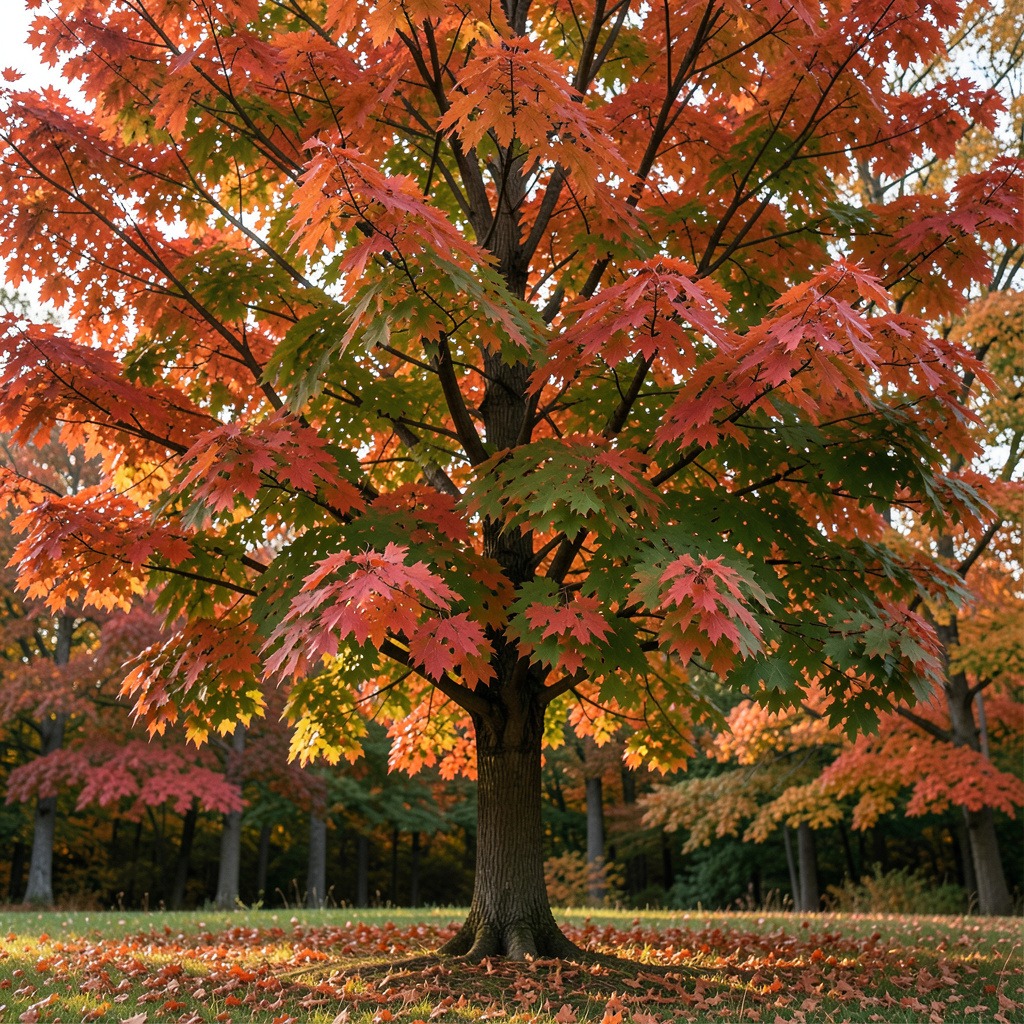
Understanding Maple Trees: Types and Characteristics
Maple trees are celebrated for their stunning foliage and adaptability. Various species offer unique benefits and challenges for residential landscaping. Knowing the characteristics of each type can help you choose the right maple for your yard.
Key Maple Varieties for Landscaping
1. Sugar Maple (Acer saccharum)
- Characteristics: Known for its brilliant fall color, the sugar maple also produces high-quality sap used for maple syrup. It grows well in USDA zones 3-8 and thrives in well-drained, acidic soils.
- Care Requirements: Requires regular watering during dry spells. Prune in late winter to maintain shape.
2. Red Maple (Acer rubrum)
- Characteristics: This fast-growing tree features vibrant red foliage in autumn. It adapts well to various soil types and conditions, making it a popular choice for many homeowners.
- Care Requirements: Moderate watering needs. Avoid over-fertilization, as it can lead to weak growth.
3. Brandywine Maple (Acer rubrum ‘Brandywine’)
- Characteristics: A cultivated variety of the red maple, it showcases exceptional fall color and a more compact form, making it suitable for smaller yards or urban settings.
- Care Requirements: Similar to red maples, but benefits from more frequent pruning to maintain shape.
Characteristics of Maple Trees
Maple trees share several common traits, making them appealing for landscaping:
Table of Contents
- Aesthetic Appeal: They provide year-round beauty, with spring blooms, lush summer foliage, vibrant fall colors, and interesting bark textures in winter.
- Shade Provider: Mature maples offer substantial shade, helping reduce energy costs in warmer months.
- Ecological Benefits: Maples attract wildlife, providing food and habitat for birds and other creatures. They also contribute to air quality by capturing carbon dioxide.
When selecting a maple tree, consider your yard’s size, soil type, and climate. For instance, a sugar maple may be ideal for larger properties, whereas a Brandywine maple fits well in tighter spaces.
Pros of Planting Maple Trees
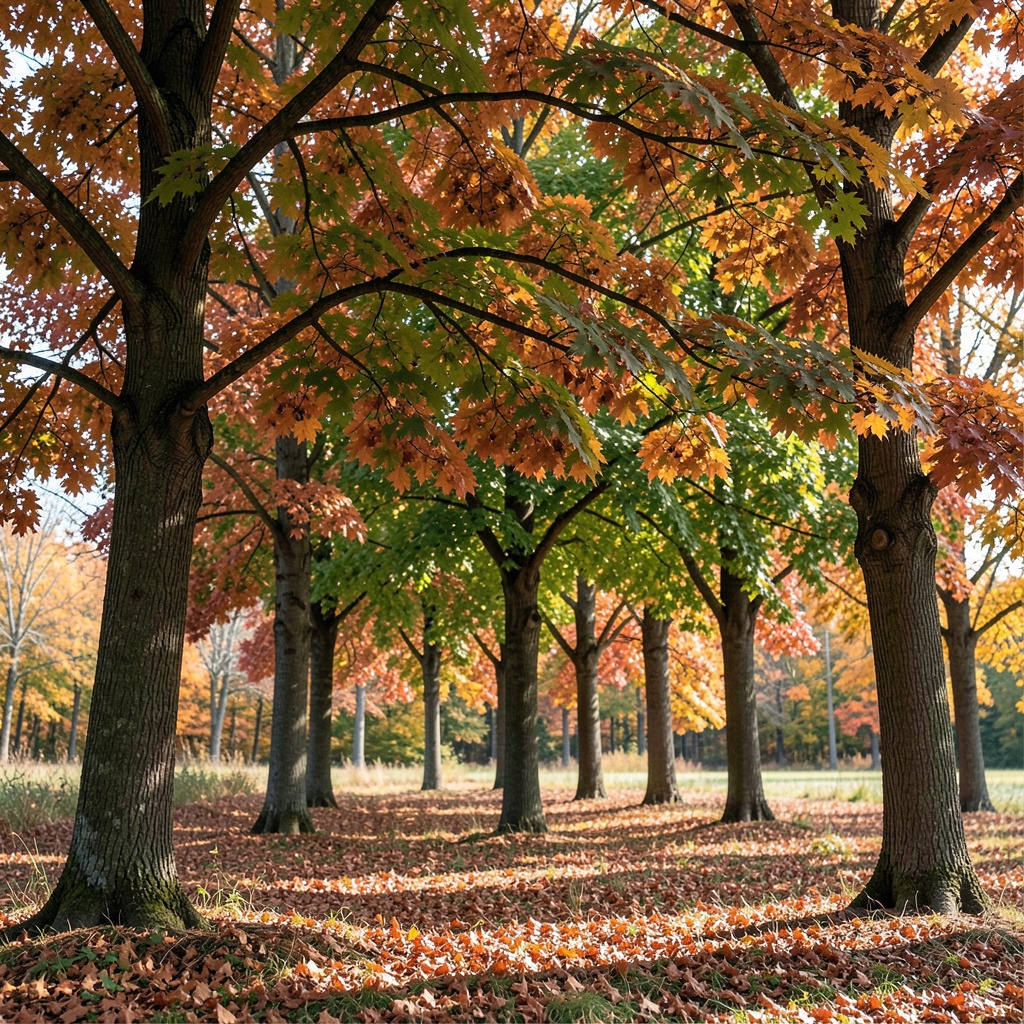
Planting maple trees offers numerous advantages for homeowners. These trees enhance landscapes with their beauty, provide valuable shade, and contribute positively to the environment.
Aesthetic Value: Stunning Fall Colors
Maple trees are celebrated for their vibrant fall foliage. The leaves transform into brilliant shades of red, orange, and yellow, creating a stunning visual display. This seasonal transformation attracts homeowners who seek to enhance their landscapes.
- Variety Showcase: Different maple varieties, such as the Sugar Maple and Red Maple, provide unique color palettes. For instance, the Red Maple is known for its consistent and vibrant autumn colors.
- Year-Round Interest: Beyond fall, maples offer spring blooms and lush summer foliage, ensuring aesthetic appeal throughout the year.
Shade Provision and Wildlife Habitat
Mature maple trees are excellent shade providers. Their broad canopies create cool, shaded areas that can reduce energy costs during warm months.
- Shade Benefits: A mature maple can lower temperatures around your home, potentially decreasing air conditioning costs.
- Wildlife Support: Maples attract diverse wildlife. Birds and insects find food and shelter in their branches, contributing to local biodiversity.
Economic Benefits: Maple Syrup Production
Maple trees, particularly Sugar Maples, are economically beneficial. These trees are not only beautiful but also serve a practical purpose.
- Maple Syrup: Homeowners can tap Sugar Maples for syrup production, providing a sweet treat and an engaging family activity.
- Timber Value: Maple wood is highly sought after for its quality and durability, adding to its economic appeal.
User Experiences
Many homeowners report satisfaction when planting maple trees. For example, one homeowner noted that their Red Maple not only provided shade but also attracted birds, enhancing their garden’s ecosystem. Others have enjoyed the annual ritual of tapping their Sugar Maples for syrup, turning it into a family tradition.
By carefully selecting the right variety and considering their specific needs, homeowners can truly benefit from planting maple trees.
Cons of Planting Maple Trees
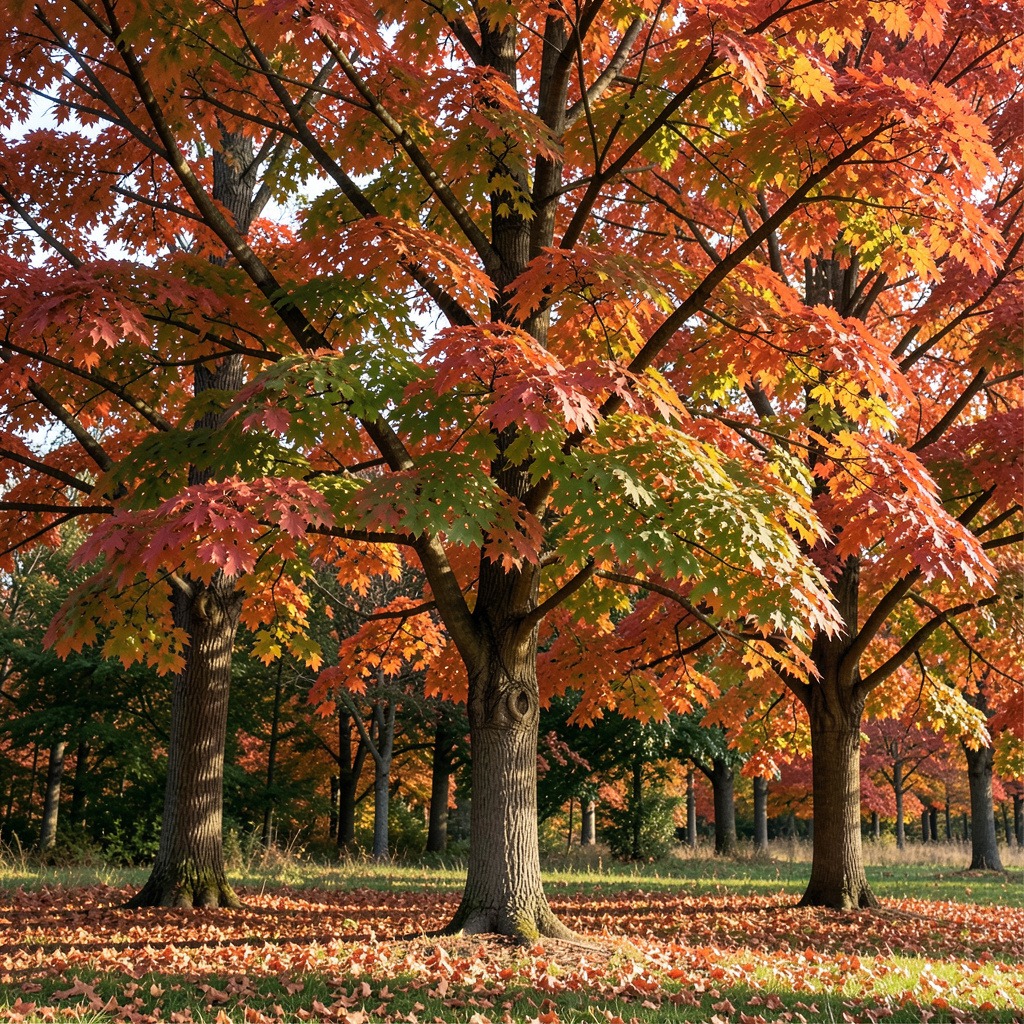
While maple trees offer numerous benefits, they also present certain challenges. Understanding these drawbacks can help homeowners make informed decisions about their landscaping choices.
Root Problems: Shallow Root Systems
Maple trees often have shallow root systems, which can lead to several issues:
- Surface Roots: These roots can create hazards, causing tripping or damaging nearby structures.
- Inadequate Stability: Shallow roots make trees more susceptible to wind damage, especially in storms.
To mitigate these issues, consider planting maples in open areas where their roots have space to grow. Regular mulching can also help promote deeper root development.
Susceptibility to Diseases and Pests
Maple trees are vulnerable to various diseases and pests, including:
- Verticillium Wilt: This fungal disease can cause rapid decline and is often fatal.
- Aphids and Scale Insects: These pests can sap the tree’s vitality and lead to leaf discoloration.
Implementing preventive measures is essential. Regularly inspect your trees for signs of distress. Use organic treatments, such as neem oil, to combat pest infestations. Maintaining good air circulation through proper spacing can also help reduce disease risk.
Maintenance Challenges: Seasonal Care
Maintenance for maple trees can be demanding, particularly during specific seasons:
- Leaf Drop: In fall, maple trees shed large quantities of leaves, requiring frequent raking.
- Pruning Needs: While maples are generally low maintenance, they still need pruning to remove dead or damaged branches.
To simplify care, create a seasonal maintenance schedule. Regular pruning in late winter or early spring can enhance the tree’s shape and health. Additionally, consider investing in a leaf blower to make leaf cleanup more efficient.
By recognizing these cons and implementing proactive strategies, homeowners can enjoy the beauty of maple trees while minimizing potential drawbacks.
When and How to Plant Maple Trees
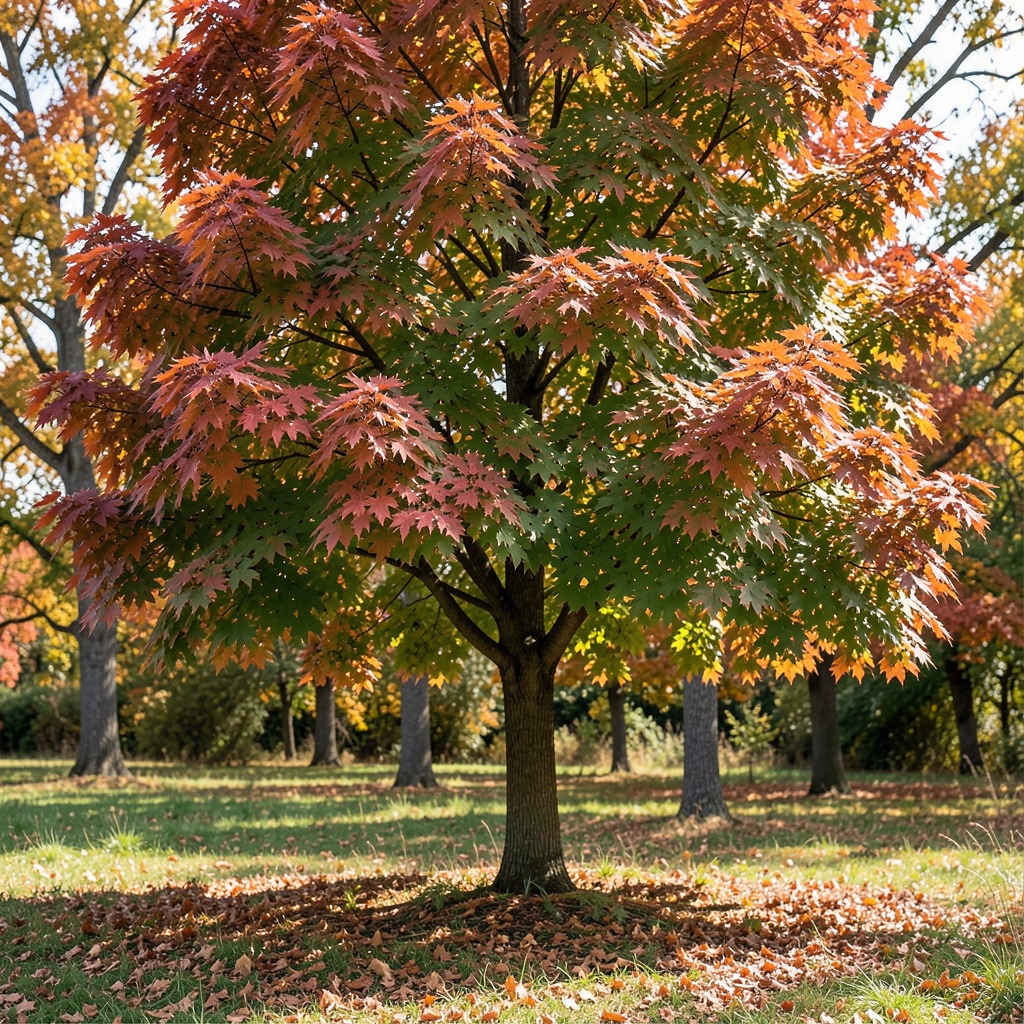
Planting maple trees requires careful timing and methodical steps to ensure successful growth. These trees thrive when given the right conditions and care.
Best Time to Plant Maple Trees
The ideal time to plant maple trees is during the fall or early spring.
- Fall Planting: Allows roots to establish before winter. The cooler temperatures and increased moisture help in root development.
- Early Spring Planting: Ensures that the tree can take advantage of the full growing season. Aim to plant after the frost has passed but before the leaves fully emerge.
Steps to Plant a Maple Tree Successfully
Follow these steps for effective planting:
1. Select the Right Location: Choose a spot with full sun to partial shade. Ensure ample space for the tree’s mature size.
2. Prepare the Soil:
- Test the soil pH. Maple trees prefer slightly acidic to neutral pH levels (around 6.0 to 7.0).
- Amend the soil with organic matter, such as compost, to improve drainage and fertility.
3. Dig the Hole:
- Make the hole twice as wide as the root ball and the same depth. This allows roots to spread easily.
4. Watering:
- Soak the roots in water for a few hours before planting.
- After planting, water thoroughly to remove air pockets and promote root contact with the soil.
5. Ongoing Care:
- Water the tree regularly, especially during dry spells, for the first two years.
- Mulch around the base to retain moisture and suppress weeds.
Planting Checklist
- Soil Preparation: Test pH, amend with compost.
- Location: Sunlight and space.
- Digging: Hole size and depth.
- Watering: Pre-soak roots, initial watering.
- Mulching: Apply around the base.
By following these guidelines, you can enhance the chances of successful establishment for your maple trees, making them a valuable addition to your landscape.
Comparing Maple Trees with Other Yard Trees
Homeowners often face the decision of which tree to plant in their yards. Maple trees and oak trees are two popular choices, each offering distinct benefits and challenges. This section evaluates their differences to help you make an informed decision.
Maple Trees vs. Oak Trees: Pros and Cons
| Feature | Maple Trees | Oak Trees |
|---|---|---|
| Growth Rate | Faster growth (2-3 feet/year) | Slower growth (1-2 feet/year) |
| Aesthetic Appeal | Brilliant fall foliage; diverse colors | Majestic size; strong, stately appearance |
| Root System | Generally less invasive | More aggressive roots; potential damage to pavement |
| Maintenance | Low maintenance once established | Moderate maintenance; regular pruning required |
| Environmental Impact | Good for wildlife; aids in carbon capture | Provides habitat; strong wind resistance |
| Sap Production | Can produce syrup (e.g., Sugar Maple) | No sap production |
Which Tree is Better for Your Yard?
When choosing between maple and oak, consider your specific needs:
- Space: Maple trees often fit better in smaller yards due to their less invasive root systems.
- Shade: If quick shade is a priority, maple trees grow faster, providing relief from the sun sooner.
- Aesthetic Preference: Choose maple for vibrant fall color; opt for oak for a classic, enduring look.
Care Instructions for Each Tree Variety
Understanding care requirements for each type of tree is crucial. Here’s a quick guide:
- Maple Trees:
- Water regularly during the first two years.
- Mulch to retain moisture and suppress weeds.
- Minimal pruning needed after establishment.
- Oak Trees:
- Require more vigilant pruning to maintain shape.
- Deep watering is essential, especially in dry spells.
- Fertilization may be necessary in poor soil conditions.
By analyzing these factors, you can better determine which tree will thrive in your yard and meet your landscape goals.
Frequently Asked Questions
These quick answers cover the most common questions about this topic, including key details, practical tips, and common concerns.
What are the disadvantages of maple trees?
Maple trees can have several disadvantages. They often possess shallow root systems, which may lead to surface roots that can create tripping hazards and potentially damage nearby structures. Additionally, their roots can be less stable, making them susceptible to wind damage during storms.
Moreover, maple trees are prone to various diseases and pests, such as Verticillium wilt and aphids. These issues can affect the health and appearance of the tree, necessitating regular monitoring and maintenance.
Is a maple tree a good yard tree?
Maple trees are generally considered excellent yard trees due to their aesthetic appeal, rapid growth, and ability to provide shade. They offer stunning fall colors and can enhance the beauty of any landscape. Their broad canopies also help lower temperatures around your home, potentially reducing cooling costs in the summer.
However, it’s essential to consider your yard’s size and soil conditions. Some varieties, like the Sugar Maple, may require more space than others. Ensure you choose the right type of maple for your specific landscaping needs.
How big will a maple tree be in 5 years?
The growth rate of a maple tree varies by species. On average, many maple trees can grow between 2 to 3 feet per year under optimal conditions. In five years, a young maple tree could reach a height of 10 to 15 feet, depending on the variety and care provided.
For instance, a Red Maple is known for its fast growth, while a Sugar Maple may take a bit longer to reach its full height. Regular watering and proper care can significantly influence growth rates.
Which tree is better for my yard, an oak or a maple?
Choosing between an oak and a maple tree depends on your specific needs and yard conditions. Maple trees typically grow faster, providing shade more quickly. They also offer vibrant fall colors, making them visually appealing.
On the other hand, oak trees are known for their sturdiness and longevity, but they grow slower and may require more maintenance. Oak trees have more invasive root systems, which can damage sidewalks or foundations. Consider your landscape goals, space availability, and aesthetic preferences when making your decision.
What diseases should I watch out for with maple trees?
Maple trees are susceptible to several diseases, including Verticillium wilt, which can cause rapid decline and is often fatal. Other common issues include leaf spot diseases and cankers that can weaken the tree over time.
Pests such as aphids and scale insects can also affect maple trees by sucking sap and causing leaf discoloration. Regular inspections and prompt treatment can help manage these problems and keep your trees healthy.
Can I grow a maple tree in a small yard?
Yes, you can grow a maple tree in a small yard, but choosing the right variety is crucial. Dwarf or smaller cultivars, such as the Brandywine Maple, are ideal for limited spaces. These varieties maintain a compact size while still providing beautiful foliage and shade.
Ensure you provide adequate care, including proper watering and pruning, to help your small maple thrive without overwhelming your yard.
What are the best maple tree varieties for landscaping?
Some of the best maple tree varieties for landscaping include the Sugar Maple, known for its vibrant fall colors and syrup production; the Red Maple, which grows quickly and adapts well to various soil types; and the Brandywine Maple, perfect for smaller spaces with its compact form.
These varieties not only enhance the aesthetic appeal of your landscape but also provide ecological benefits, such as wildlife support and shade. Choose a variety that suits your yard size and soil conditions for the best results.
Are there alternatives to maple trees for shade?
Yes, there are several alternatives to maple trees for shade. Oak trees are a popular choice, offering strong canopies and longevity. Other options include the Tulip Poplar, which grows quickly and provides ample shade, and the Sweetgum tree, known for its unique star-shaped leaves.
When selecting a shade tree, consider factors such as growth rate, root system, and aesthetic preferences to find the best fit for your yard.