
The Anacahuita tree (Cordia boissieri) offers ornamental beauty and wildlife benefits but has drawbacks like messy fruit and cold sensitivity.
Table of Contents
The Anacahuita tree, also known as Cordia boissieri or Texas Olive, is a unique addition to landscapes, valued for its beauty and ecological benefits. However, like any plant, it comes with its own set of advantages and disadvantages to consider.
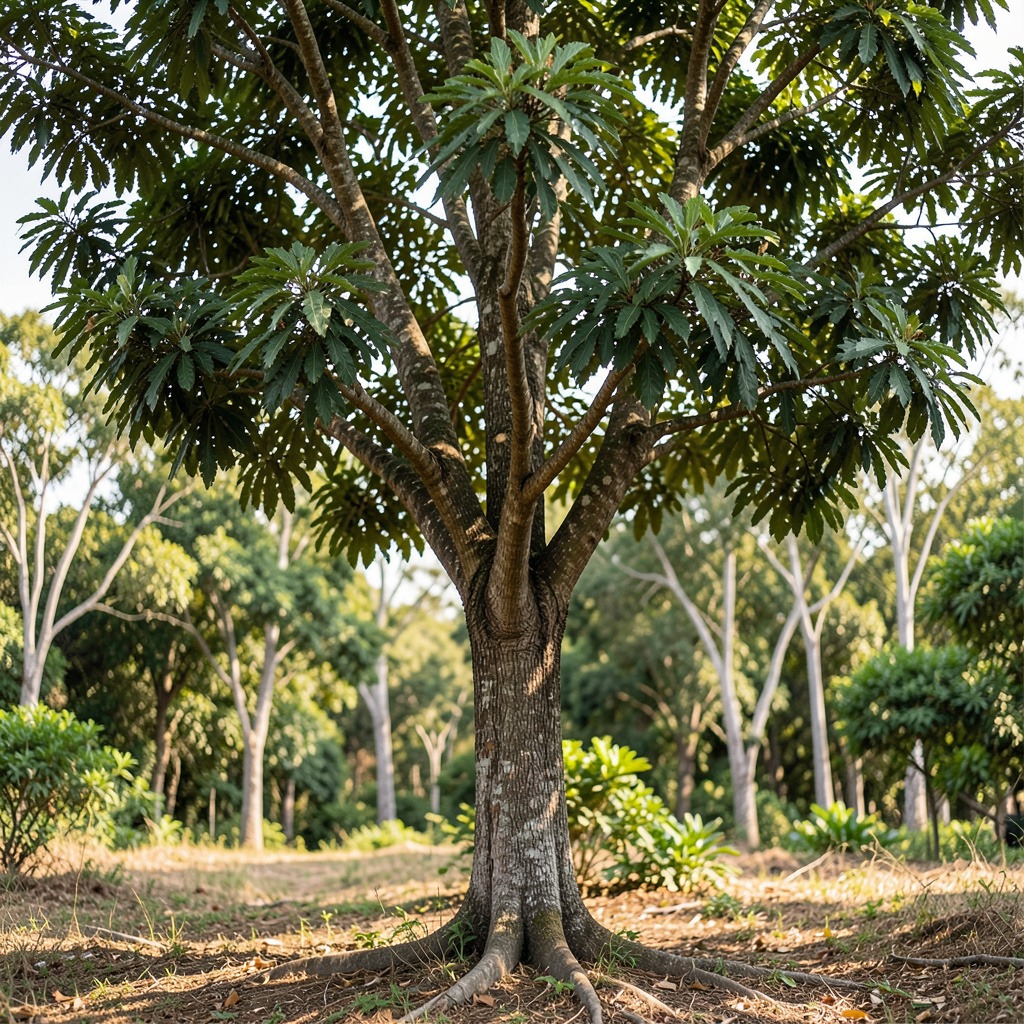
Understanding the Anacahuita Tree
The Anacahuita tree, scientifically known as Cordia boissieri, is a remarkable species appreciated for its ornamental qualities and ecological benefits. Below is a detailed overview of its characteristics, classification, and more.
Overview of Anacahuita
Anacahuita is a small tree or large shrub native to southern Texas and northern Mexico. It thrives in arid conditions, making it an ideal choice for xeriscaping and drought-resistant gardens.
Common Names and Classification
- Scientific Name: Cordia boissieri
- Common Names: Anacahuita, Texas Olive, Mexican Olive, White Cordia
- Family: Boraginaceae
This classification helps distinguish Anacahuita from similar species, such as the true olive tree (Olea europaea), which is not related despite the similar name.
Physical Characteristics
The Anacahuita tree exhibits several notable features:
- Height: Grows between 15 to 30 feet.
- Leaves: Dark green, glossy, and elliptical, providing a lush appearance.
- Flowers: Produces clusters of white flowers that attract pollinators.
- Fruit: Small, olive-like fruit, which can be messy when it falls.
Comparison with Similar Trees
When compared to other drought-tolerant trees, Anacahuita stands out due to its unique floral display and adaptability. For instance:
- Desert Willow (Chilopsis linearis): Offers similar drought resistance but has more elongated flowers and a different growth habit.
- Texas Red Oak (Quercus buckleyi): While also drought-tolerant, it lacks the ornamental flowers of the Anacahuita.
The Anacahuita’s aesthetic appeal, combined with its ecological benefits, positions it as a valuable asset in landscape design.
Care and Maintenance of the Anacahuita Tree
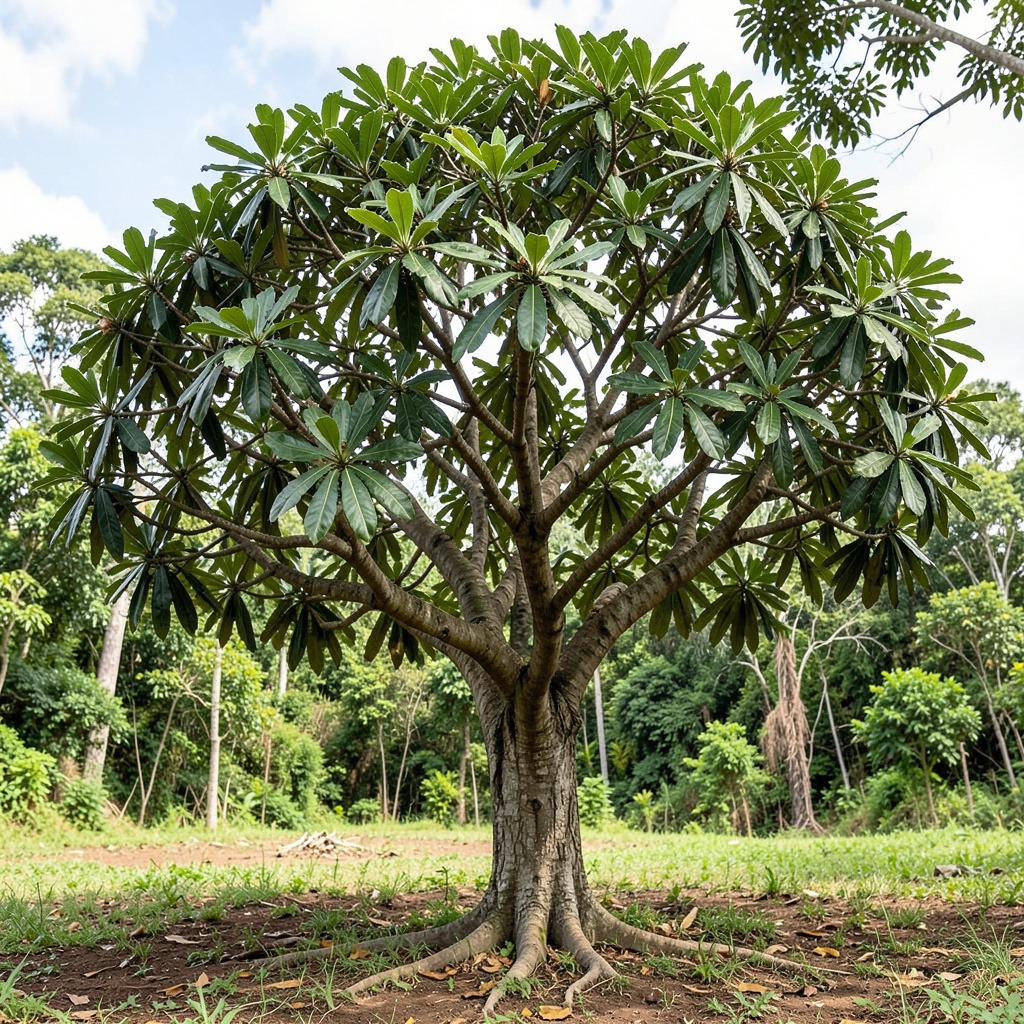
To successfully cultivate the Anacahuita tree (Cordia boissieri), gardeners must understand its specific care requirements. This includes watering, soil conditions, and pruning techniques tailored to its growth habits.
Watering and Soil Needs
- Initial Watering: During its early growth phase, Anacahuita requires regular watering to establish a strong root system. Water deeply but infrequently to encourage deep rooting.
- Mature Trees: Once established, the tree is highly drought-tolerant. It can withstand long periods without additional watering, but occasional irrigation during dry spells helps maintain health and vigor.
- Soil Conditions: Anacahuita thrives in well-draining soils. It prefers sandy or loamy substrates with good drainage. Heavy clay soils can lead to root rot, so avoid planting in such conditions.
Pruning Techniques
- Timing: Prune Anacahuita after flowering to maintain its shape without disrupting new growth. This timing encourages the next blooming cycle.
- Methods: Light pruning is usually sufficient. Focus on removing dead or damaged branches. For a more structured look, shape the tree gently but avoid excessive cutting.
- Visual Guide: Consider using diagrams to visualize ideal pruning techniques, showcasing how to remove branches without harming the tree.
Ideal Sun Exposure
- Sunlight Requirements: Anacahuita prefers full sun but can tolerate part shade. Optimal growth occurs in locations that receive at least six hours of direct sunlight daily.
- Heat Tolerance: This tree thrives in hot conditions and can handle reflected heat, making it suitable for planting near walls or buildings for added protection in cooler months.
Checklist for Caring for Anacahuita
- Water regularly when young; reduce frequency as it matures.
- Ensure soil is well-draining; amend heavy soils if necessary.
- Prune lightly after flowering; shape as needed without over-pruning.
- Position in full sun for best growth and flowering.
These care practices will ensure the Anacahuita tree remains healthy and vibrant in your landscape.
Ecological Benefits of the Anacahuita Tree
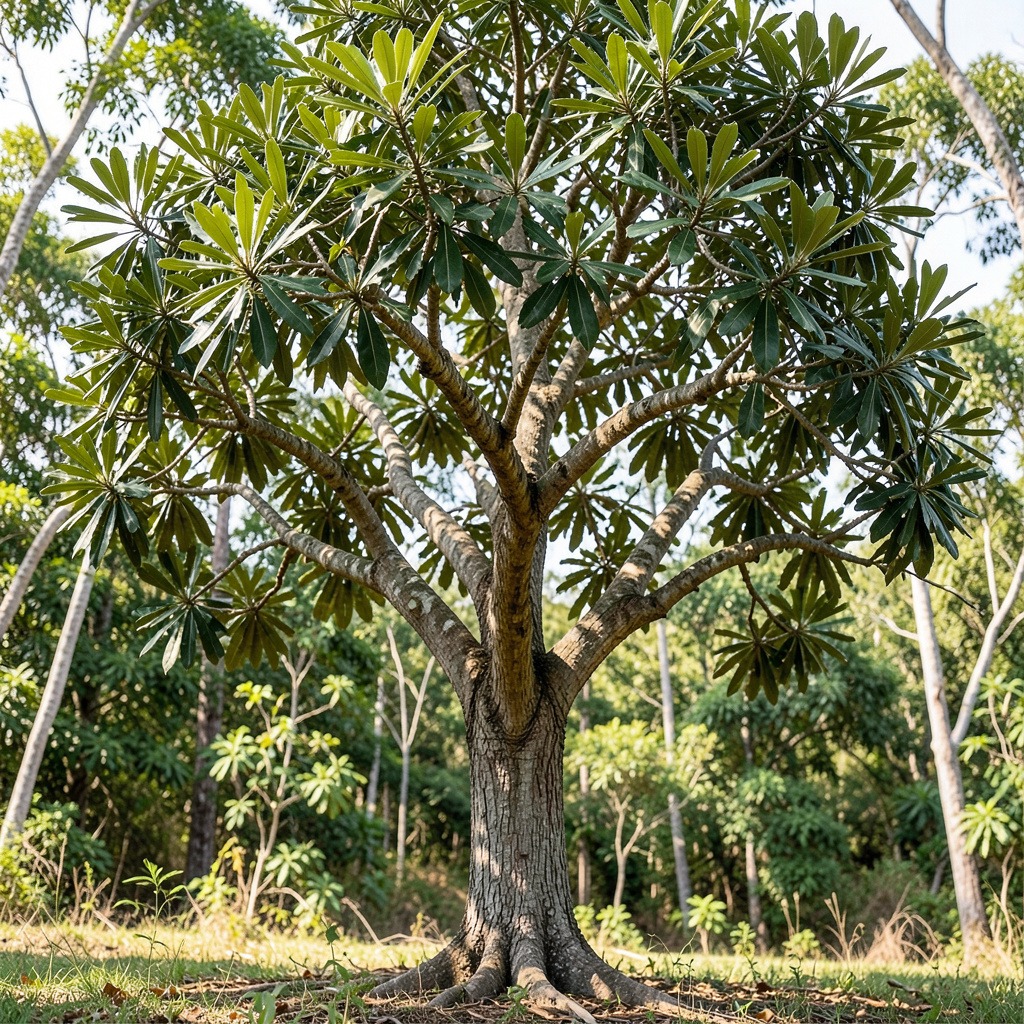
The Anacahuita tree (Cordia boissieri) offers significant ecological benefits, particularly in its role as a wildlife attractor and its contribution to local ecosystems. Its unique characteristics make it a valuable addition to gardens focused on biodiversity.
Attracting Pollinators
The Anacahuita tree is an excellent source of nectar for various pollinators. Its showy white flowers bloom throughout the growing season, drawing in:
- Bees: Essential for pollination, they thrive on the tree’s nectar.
- Butterflies: They are attracted to the flowers, contributing to pollination efforts.
- Hummingbirds: These birds are frequent visitors, seeking out the tree’s nectar-rich blooms.
Incorporating Anacahuita in your garden can enhance pollinator activity, boosting the overall health of your local ecosystem.
Providing Food for Wildlife
The Anacahuita tree supports various wildlife by providing food and shelter:
- Fruit: Its olive-like fruit is a food source for birds, rodents, and small mammals.
- Foliage: The dense canopy offers protection and nesting sites for different species.
For example, gardens planted with Anacahuita report increased sightings of local wildlife, demonstrating its role as a habitat enhancer.
Role in Local Ecology
The Anacahuita tree contributes to the ecological balance by:
- Supporting Biodiversity: As a native species, it integrates well into local ecosystems, fostering a habitat for native insects and animals.
- Erosion Control: Its deep root system helps stabilize soil, preventing erosion in arid environments.
Consider a case where a community garden utilized Anacahuita to create a wildlife-friendly space. The result was a noticeable increase in local bird populations and pollinator activity, highlighting the tree’s ecological value.
When planning your garden, consider the Anacahuita for its ecological benefits and its potential to create a vibrant environment for wildlife.
Aesthetic Appeal of the Anacahuita Tree
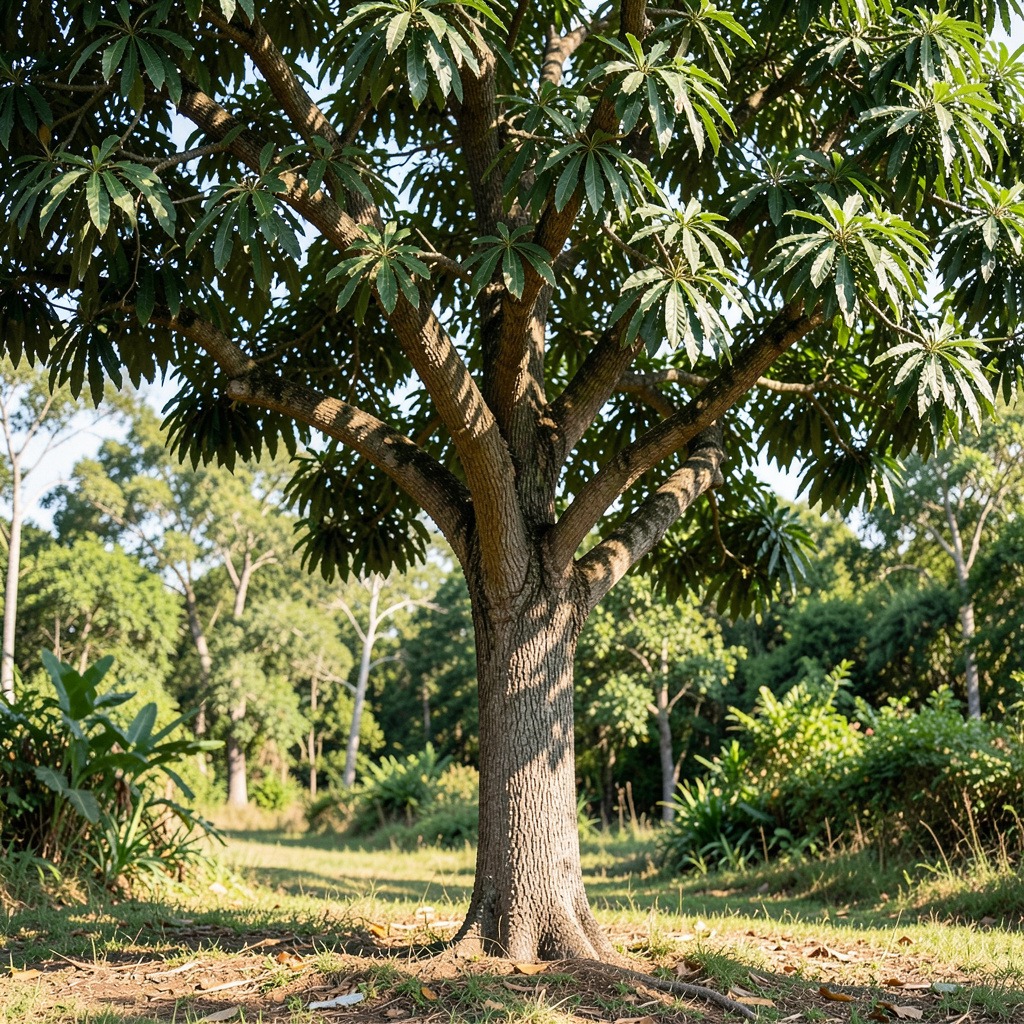
The Anacahuita tree, or Cordia boissieri, boasts considerable ornamental value. Its unique features and adaptability make it an excellent choice for various landscaping projects.
Flowering Characteristics
Anacahuita trees produce striking white flowers that bloom in clusters. These blossoms typically appear in the spring and summer, attracting pollinators such as bees and butterflies. The flowers have a delicate fragrance, enhancing the sensory appeal of any garden. Their seasonal display can add vibrant life to landscapes, particularly when planted in groups.
Size and Shape
This tree typically reaches heights of 15 to 25 feet with a canopy spread of about 15 feet. The Anacahuita has a rounded crown, which provides a symmetrical shape that is visually appealing. As the tree matures, its gnarled trunk adds character and uniqueness. This makes it a standout specimen tree in residential or public gardens.
Design Ideas for Landscaping
Incorporating Anacahuita into your landscape can elevate its aesthetic. Here are some creative ideas:
- Specimen Planting: Use Anacahuita as a focal point in garden beds. Its unique shape and flowers draw the eye.
- Xeriscaping: Pair Anacahuita with drought-resistant plants to create a low-water garden. Its hardiness complements other xeriscape species.
- Wildlife Gardens: Design your garden to attract birds and pollinators by grouping Anacahuita with native plants. This promotes biodiversity while enhancing beauty.
- Pathway Borders: Plant Anacahuita along pathways or driveways for a natural, inviting feel. Their size makes them suitable for framing entrances.
When considering its placement, evaluate the tree’s growth habits and surrounding plants. Ensure that the Anacahuita has enough space to thrive without overcrowding neighboring flora.
Potential Drawbacks of the Anacahuita Tree
While the Anacahuita tree offers many benefits, it also presents certain challenges that gardeners should consider. Understanding these drawbacks can help in making an informed decision about incorporating this tree into your landscape.
Messy Fruit and Cleanup Concerns
One of the main drawbacks of the Anacahuita tree is its fruit. The small, round fruits can create a mess underneath the tree as they drop. This litter can stain surfaces and attract insects, making maintenance a concern.
- Placement Strategy: To minimize mess, consider planting the Anacahuita away from high-traffic areas like sidewalks, driveways, and patios.
- Regular Maintenance: Implement a routine cleanup schedule during fruit drop seasons to maintain a tidy appearance.
Toxicity Risks
Anacahuita fruits are not considered toxic to humans; however, some caution is warranted regarding pets. Although rare, ingestion of large quantities may lead to gastrointestinal upset in animals.
- Pet Safety: If you have pets, monitor their behavior around the tree. Educate yourself on the signs of distress or discomfort from potential ingestion.
Cold Hardiness and Frost Damage
The Anacahuita tree is not highly cold-tolerant. It thrives in USDA Hardiness Zones 9 and 10 but may suffer damage in temperatures below 26°F.
- Protection Measures: In cooler climates, consider planting the tree in a sheltered location. Using mulch can help insulate roots during cold spells.
- Growth Adaptation: If you live in an area prone to frost, plan to cover the tree during unexpected cold snaps to mitigate potential damage.
By recognizing these potential drawbacks and implementing effective strategies, you can enjoy the aesthetic and ecological benefits of the Anacahuita while minimizing maintenance and risks.
Comparing the Anacahuita Tree with Similar Plants
The Anacahuita tree, or Cordia boissieri, is a popular choice for landscaping in arid regions. Comparing it with similar drought-tolerant trees can help you make an informed decision for your garden.
Similar Drought-Tolerant Trees
1. Desert Willow (Chilopsis linearis)
- Aesthetics: Produces attractive, trumpet-shaped flowers in various colors.
- Care: Requires full sun and well-drained soil; minimal watering once established.
- Ecological Benefits: Attracts hummingbirds and butterflies.
2. Texas Sage (Leucophyllum frutescens)
- Aesthetics: Known for its silver foliage and purple flowers.
- Care: Thrives in poor soils; drought-tolerant with low maintenance.
- Ecological Benefits: Provides habitat for local wildlife, including beneficial insects.
3. Crepe Myrtle (Lagerstroemia indica)
- Aesthetics: Offers vibrant blooms during summer; available in various sizes.
- Care: Prefers full sun and regular pruning for optimal shape; moderate watering.
- Ecological Benefits: Attracts pollinators, enhancing biodiversity.
Pros and Cons of Alternatives
| Tree Type | Pros | Cons |
|---|---|---|
| Anacahuita | Low maintenance, drought-tolerant, attracts wildlife | Messy fruit, limited cold tolerance |
| Desert Willow | Beautiful flowers, attracts pollinators | May need occasional pruning |
| Texas Sage | Low water needs, visually appealing | Can be invasive in some regions |
| Crepe Myrtle | Long flowering season, diverse sizes | Requires more water and maintenance |
Unique Features of Anacahuita
- Drought Tolerance: Anacahuita thrives in extreme conditions, making it ideal for xeriscaping.
- Aesthetic Appeal: Its white flowers and olive-like fruit provide visual interest throughout the year.
- Wildlife Support: Offers food and shelter for birds and beneficial insects, enhancing garden biodiversity.
Decision-Making Framework
When choosing between Anacahuita and its alternatives, consider the following:
- Climate Adaptability: If your area experiences frost, Anacahuita may be less suitable compared to other options like Texas Sage.
- Maintenance Level: Determine how much care you are willing to invest. Anacahuita requires less than Crepe Myrtle.
- Aesthetic Preferences: Consider the visual impact you desire. Anacahuita has a unique look, but other trees may offer more vibrant flowers.
By weighing these factors, you can select the best tree for your landscape needs while enjoying the benefits each option provides.
Conclusion: Making the Right Choice for Your Landscape
Evaluating whether the Anacahuita tree is suitable for your landscape involves examining its pros and cons. Understanding its characteristics will guide you in making an informed decision.
Pros of the Anacahuita Tree
- Drought Tolerance: Thrives in low-water conditions, making it ideal for xeriscaping.
- Aesthetic Appeal: Offers unique white flowers and a distinct silhouette, enhancing visual interest.
- Ecological Benefits: Attracts beneficial insects and supports local wildlife.
Cons of the Anacahuita Tree
- Limited Cold Tolerance: May not withstand frost, making it unsuitable for colder climates.
- Maintenance Needs: Requires periodic pruning to maintain shape and health.
- Fruit Production: While not messy, the fruit is not particularly attractive and may not appeal to all gardeners.
Checklist for Choosing Anacahuita
Before deciding, consider the following factors:
- Climate: Determine if your area supports Anacahuita’s growth conditions.
- Maintenance Level: Assess your willingness to care for the tree.
- Aesthetic Goals: Reflect on whether its look aligns with your landscaping vision.
By weighing these elements, you can confidently decide if the Anacahuita tree fits your garden’s needs.
Frequently Asked Questions
These quick answers cover the most common questions about this topic, including key details, practical tips, and common concerns.
How to care for Anacahuita?
Caring for Anacahuita involves ensuring it has well-draining soil and adequate sunlight. Water the tree deeply but infrequently to encourage deep root growth. Once established, it is drought-tolerant and requires minimal watering. Regularly check for pests and prune lightly after flowering to maintain its shape.
When does Anacahuita bloom?
Anacahuita typically blooms in late spring to summer. Its clusters of white flowers attract pollinators like bees and butterflies during this period. The flowering season can last several months, providing visual interest in your landscape.
What are the common problems with Anacahuita?
Common issues with Anacahuita include messy fruit that can fall and create litter beneath the tree. Additionally, it is sensitive to frost and may suffer damage in temperatures below 26°F. Regular maintenance and strategic placement can help mitigate these problems.
How does Anacahuita compare to other ornamental trees?
Anacahuita stands out for its drought tolerance and unique white flowers. Compared to the Desert Willow, which has trumpet-shaped flowers, Anacahuita offers a different aesthetic. While both attract pollinators, Anacahuita’s olive-like fruit can create cleanup concerns, unlike the Desert Willow.
What are alternatives to Anacahuita for drought-tolerant landscaping?
Alternatives to Anacahuita include the Desert Willow, Texas Sage, and Crepe Myrtle. These trees also thrive in arid conditions and attract wildlife. For example, Texas Sage offers beautiful purple flowers and is known for its low water needs, making it a great companion in drought-tolerant gardens.
How to plant Texas Olive?
When planting Texas Olive (Anacahuita), choose a sunny location with well-draining soil. Dig a hole twice as wide as the root ball and amend the soil if necessary. Place the tree in the hole, ensuring the top of the root ball is level with the soil surface. Water thoroughly after planting to help settle the soil.
What wildlife does Anacahuita attract?
Anacahuita attracts various wildlife, including bees, butterflies, and birds. The nectar-rich flowers draw in pollinators, while the small, olive-like fruit serves as food for birds and small mammals. Planting Anacahuita in your garden can enhance local biodiversity and create a vibrant ecosystem.