
The primary difference between animal cells and plant cells lies in their structure and function. While both are eukaryotic cells, plant cells have unique features like a cell wall, chloroplasts, and larger vacuoles that distinguish them from animal cells.
Understanding Cells: The Basics
What is a Cell?
A cell is the basic unit of life, often referred to as the building block of all living organisms. It’s fascinating to think about how everything around us, from the tiniest bacteria to the largest whales, is composed of cells. I remember the first time I learned about cells in school; it felt like discovering a hidden world where life begins. Cells come in various shapes and sizes, but they all share some common characteristics, including a cell membrane, cytoplasm, and genetic material.
The Importance of Cells in Living Organisms
Cells play crucial roles in the functioning of all living things. They are responsible for carrying out essential processes such as metabolism, energy conversion, and reproduction. Each cell has a unique function depending on the organism and its needs. I’ve often marveled at how our bodies are made up of trillions of cells, each working harmoniously to keep us alive and healthy. Understanding cells helps us grasp the complexities of life itself, and it’s a journey that leads us deeper into biology and medicine.
Types of Cells: Animal and Plant
Definition of Animal Cells
Animal cells are eukaryotic cells that form the tissues of animals. Unlike plant cells, they lack a rigid cell wall and have a more flexible structure. I’ve always found it interesting that animal cells come in various shapes and sizes, which are often influenced by their function. For example, muscle cells are long and thin, allowing them to contract and help us move, while nerve cells are long and branched, enabling communication throughout the body. This diversity is what makes animal cells so unique and adaptable.
Definition of Plant Cells
On the flip side, plant cells are also eukaryotic but come with their own set of distinctive features. They have a rigid cell wall made of cellulose that provides structural support and protection. I remember looking at plant cells under a microscope and being amazed by their regular, box-like shape. This rigidity is crucial for plants, as it helps them maintain their structure and withstand various environmental pressures. Additionally, plant cells contain chloroplasts, the organelles responsible for photosynthesis, allowing plants to convert sunlight into energy. For more details, check out Plant Cell vs Animal Cell: Main Differences Explained.
Key Differences Between Animal Cells and Plant Cells
Cell Structure and Shape
One of the first noticeable differences is in the shape of the two cell types. Animal cells tend to have irregular shapes, which can vary depending on their function and location. I’ve seen muscle cells look elongated, while epithelial cells are more cuboidal. In contrast, plant cells generally have a more uniform, rectangular shape due to their rigid cell walls. This structural difference plays a significant role in how the two types of cells interact with their environment and perform their functions.
Cell Wall: Presence in Plant Cells vs. Absence in Animal Cells
The presence of a cell wall is a defining characteristic of plant cells. This wall provides extra protection and helps maintain the shape of the cell. I find it fascinating how this feature allows plants to stand tall and resist various stresses, like wind or heavy rain. In animal cells, however, the absence of a cell wall means they can be more flexible and mobile, which is vital for their functions like movement and communication.
Chloroplasts: Photosynthesis in Plant Cells
Chloroplasts are another feature unique to plant cells. These organelles contain chlorophyll, which is essential for photosynthesis. I remember learning how plants use sunlight to convert carbon dioxide and water into glucose and oxygen. It’s incredible to think that through this process, plants are not only sustaining themselves but also providing oxygen for us to breathe. Animal cells, unfortunately, do not have chloroplasts, which is why we rely on consuming plants or other animals for our energy needs.
Vacuoles: Size and Function in Plant vs. Animal Cells
Vacuoles are storage organelles found in both plant and animal cells, but their size and function differ significantly. In plant cells, vacuoles are large and central, often taking up most of the cell’s volume. They store nutrients, waste products, and help maintain turgor pressure, which is essential for keeping plants upright. I’ve noticed that when plants don’t get enough water, their vacuoles shrink, causing the plant to wilt. In contrast, animal cells have smaller vacuoles that serve various functions, but they don’t play as significant a role in structural support.
Centrioles in Animal Cells: Role in Cell Division
Centrioles are cylindrical structures found in animal cells that are crucial for cell division. They help organize the microtubules that pull chromosomes apart during mitosis. I remember being fascinated by how such tiny structures could orchestrate such a vital process. Plant cells, on the other hand, lack centrioles but manage to divide successfully through other mechanisms. This difference highlights the diversity in how life adapts and evolves.
Energy Storage: Glycogen in Animal Cells vs. Starch in Plant Cells
When it comes to energy storage, animal cells and plant cells have distinct strategies. Animal cells store energy in the form of glycogen, which can be quickly mobilized when energy is needed. I often think about how our bodies draw on this stored energy during physical activities. Meanwhile, plants store energy as starch, which can be broken down into glucose when required. This difference in storage methods reflects their unique lifestyles and energy needs.
Functionality of Animal and Plant Cells
Metabolism Differences
When diving into the functionality of animal and plant cells, one major aspect that stands out is their metabolism. Animal cells primarily rely on a process called cellular respiration to convert nutrients into energy. I remember learning that this process takes place in the mitochondria, which I like to think of as the powerhouses of the cell. The food we eat – be it carbohydrates, fats, or proteins – gets broken down into glucose and then converted into ATP (adenosine triphosphate), the energy currency of our cells. This is why we need to consume food regularly; our cells depend on that energy to function properly.
On the other hand, plant cells have a unique metabolism due to their ability to perform photosynthesis. This process allows them to convert light energy from the sun into chemical energy stored in glucose. I find it inspiring that plants can take in carbon dioxide and water and, with the help of sunlight, produce their own food and oxygen! This highlights the interconnectedness of life, as the oxygen produced by plants is essential for animal respiration. The contrast between these two metabolic pathways illustrates how each cell type has evolved to thrive in its respective environment.
Reproduction: Mitosis and Meiosis in Animal and Plant Cells
Reproduction is another area where animal and plant cells show fascinating differences. Both types of cells undergo mitosis for growth and repair, ensuring that new cells are identical to the original. I remember being amazed at how this process allows organisms to grow and heal wounds. In animal cells, mitosis occurs relatively quickly, which is essential for recovery and regeneration.
However, when it comes to producing gametes, animal cells use a different method called meiosis. This is a specialized form of cell division that reduces the chromosome number by half, creating sperm and egg cells. I’ve often thought about how this process contributes to genetic diversity, which is crucial for evolution. In plants, meiosis also occurs, but it usually takes place in structures called sporangia. This leads to the formation of spores, which can develop into new plants. The way each type of cell handles reproduction showcases the intricate processes that sustain life.
Cellular Respiration: Variations Between the Two
Cellular respiration is a critical process in both animal and plant cells, but the pathways can differ significantly. In animal cells, as I mentioned before, the primary method is aerobic respiration, which requires oxygen. This process is efficient and produces a large amount of ATP, which is why animals need a constant supply of oxygen. On the flip side, plant cells can also perform aerobic respiration, but they have the added capability of anaerobic respiration, particularly in low-oxygen conditions. I find it intriguing how plants can adapt to various environments, utilizing different strategies for energy production.
Additionally, during the night when photosynthesis isn’t happening, plants still respire to meet their energy needs. It’s like they have a plan B! I’ve noticed that this ability allows them to survive in diverse habitats. Understanding these variations in cellular respiration not only sheds light on the survival strategies of different organisms but also emphasizes the incredible adaptability of life on Earth.
Visual Comparison: Diagrams and Images
Animal Cell Diagram
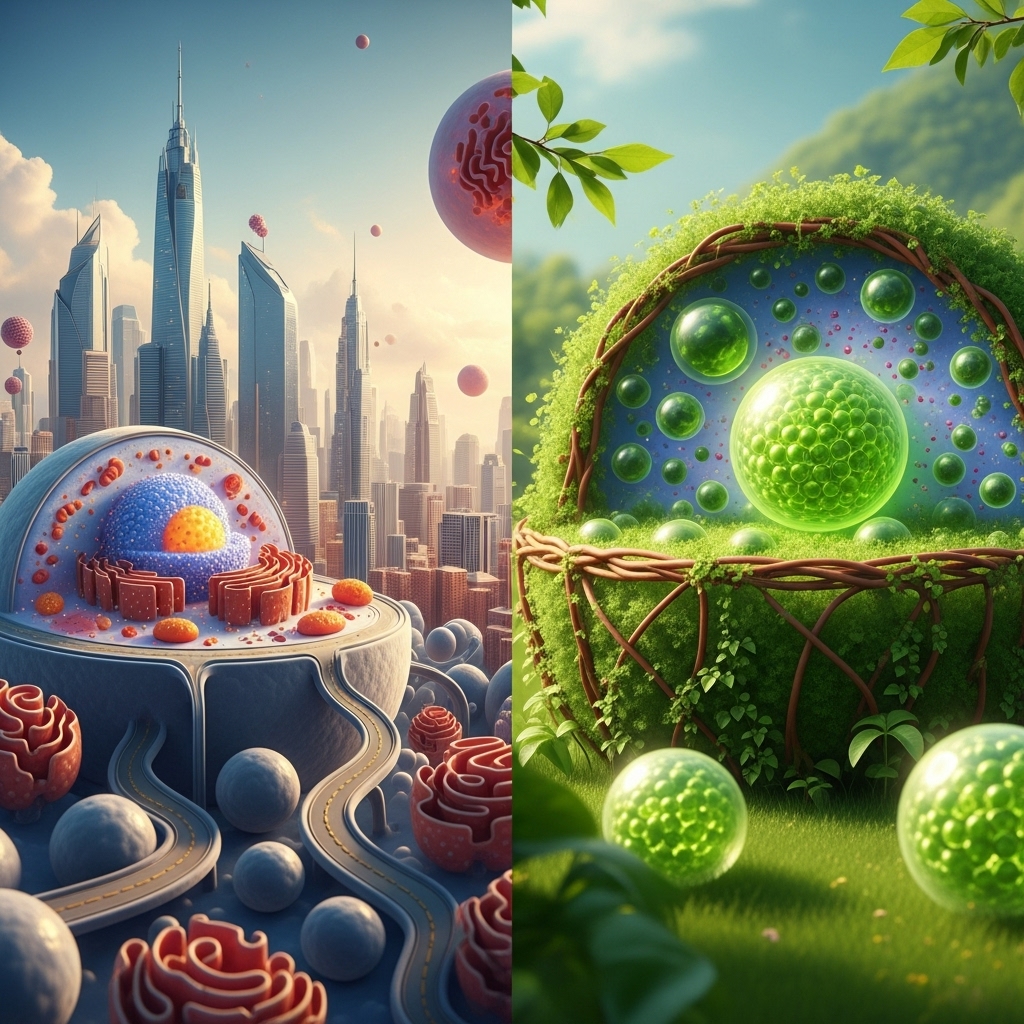
Visual representations of cells can be incredibly helpful for understanding their structures and functions. I remember the first time I saw an animal cell diagram; it was like looking at a city map of all the bustling activity happening within. In an animal cell diagram, you’d typically see various organelles like mitochondria, the nucleus, and ribosomes. Each part plays a specific role in cell function, and seeing these components laid out visually made it easier for me to grasp how they work together.
Plant Cell Diagram
Similarly, plant cell diagrams reveal their unique features, such as the cell wall, chloroplasts, and large vacuoles. I was always struck by how distinct the shapes and arrangements of organelles were compared to animal cells. The chloroplasts, in particular, often appear as small green dots, reminding us of the photosynthetic process that keeps plants alive. Having these visual aids helped me appreciate the complexity and beauty of cell biology. They serve not just as educational tools but also as reminders of the intricate design of life itself.
Applications and Importance in Biology
How Understanding Cells Aids in Science
Understanding cells is foundational to many scientific fields, from medicine to ecology. My own journey into the world of cells has shown me how crucial this knowledge is for advancements in health care and environmental science. For instance, studying cells allows researchers to identify diseases at the cellular level, which can lead to targeted treatments. I find it remarkable that by understanding how cells function and communicate, scientists can develop better therapies for conditions like cancer, diabetes, and even genetic disorders. For a deeper dive into this topic, read Animal Cell vs Plant Cell: Differences Explained.
Implications in Biotechnology and Medicine
In biotechnology, the insights gained from studying animal and plant cells have led to innovative techniques like genetic engineering and cloning. I think about how these advancements can help us create crops that resist pests or even produce medicine. The applications seem endless! For me, this highlights the importance of cell biology; it’s not just about understanding the building blocks of life, but about how we can utilize that knowledge to improve the world around us.
Common Questions About Animal and Plant Cells
Can Plant Cells Evolve into Animal Cells?
This is a question I often pondered while studying cell biology. The short answer is no; plant cells cannot evolve into animal cells. Each cell type has evolved to fulfill specific roles that suit the needs of the organism. I find it fascinating how the evolutionary paths for plants and animals diverged millions of years ago, leading to the distinct features we see today. Plant cells are designed to harness sunlight and store energy, while animal cells are built for movement and interaction with their environment. Although they share a common ancestor, their adaptations have created two unique lineages that serve different purposes in the ecosystem.
Why Do Animal Cells Lack Cell Walls?
Animal cells lack cell walls primarily due to the need for flexibility and mobility. I remember learning that without a rigid structure, animal cells can change shape and move easily, which is crucial for functions like muscle contraction and the movement of blood cells. This adaptability allows for complex behaviors and interactions, like when white blood cells track down and engulf pathogens. In contrast, plant cells need their cell walls for structural support; they rely on the rigidity to stand upright, especially since they don’t have the ability to move around. It’s a perfect example of how form follows function in biology, and how each cell type is tailored to its specific role.
What Are the Exceptions in Plant and Animal Cell Structures?
While most plant and animal cells conform to the general characteristics we’ve discussed, there are exceptions that are quite interesting. For example, some plant cells can lose their chloroplasts over time, especially in non-photosynthetic tissues like roots. This adaptation makes sense since roots do not need to perform photosynthesis; they are focused on absorbing nutrients and water. On the animal side, certain cells like red blood cells lose their nuclei and other organelles as they mature. This alteration allows them to carry more oxygen, demonstrating how cells can modify their structures to enhance their functions. It reminds me of how life is constantly adapting and evolving in response to its environment.
Recent Advances in Cell Biology
CRISPR and Gene Editing
One of the most exciting advancements in cell biology has been the development of CRISPR technology. I remember when I first heard about CRISPR; it felt like something out of a science fiction movie. This gene-editing tool allows scientists to make precise modifications to DNA in both plant and animal cells. The potential applications are staggering. For instance, researchers are using CRISPR to create disease-resistant crops, which is vital for food security. I find it inspiring that we can harness this technology to address real-world problems, from agriculture to medicine, potentially curing genetic disorders by correcting faulty genes.
Stem Cell Research
Stem cell research is another field that has captured my attention. Stem cells have the unique ability to develop into different cell types, which opens up possibilities for regenerative medicine. I can’t help but feel a sense of hope when I think about how we could repair damaged tissues or organs one day. For example, scientists are exploring how stem cells could be used to treat conditions such as heart disease or spinal cord injuries. It’s incredible to think that our understanding of these cells could lead to groundbreaking therapies that transform lives.
Cellular Communication and Signaling
Our understanding of how cells communicate with each other has also advanced significantly. I remember being amazed to learn that cells send and receive signals through chemical messengers called hormones and neurotransmitters. These signals regulate everything from growth to immune responses. For me, it’s fascinating to think about how our bodies coordinate complex systems just through these tiny interactions. Understanding cellular communication can lead to new insights into diseases, including cancer, where signaling pathways often go awry. This knowledge might pave the way for innovative treatments that target these pathways specifically.
The Future of Cell Biology
Personalized Medicine
Looking to the future, I believe personalized medicine will become a major focus in cell biology. Imagine a world where treatments are tailored to an individual’s genetic makeup! This approach could revolutionize how we treat diseases, making therapies more effective and reducing side effects. I think about the implications of this for everyone; it could mean a brighter future for how we approach healthcare. By understanding the unique characteristics of our own cells, we could receive targeted therapies that address our specific health needs.
Environmental Applications
We are also beginning to see the implications of cell biology in environmental science. As we face challenges like climate change and habitat loss, understanding how cells respond to environmental stressors can help us develop strategies for conservation. For instance, I learned about scientists who are working on creating more resilient plant varieties that can survive in harsh conditions. This could play a crucial role in maintaining biodiversity and food security in the face of a changing climate. It’s a reminder that our understanding of life at the cellular level can have a profound impact on the world around us.
Frequently Asked Questions
What is the primary difference between animal cells and plant cells?
The primary difference lies in their structure and function. Plant cells have unique features like a cell wall, chloroplasts, and larger vacuoles, whereas animal cells lack these structures and have a more flexible form.
What are the main components shared by all cells?
All cells share common characteristics, including a cell membrane, cytoplasm, and genetic material, regardless of whether they are animal or plant cells.
What is the role of chloroplasts in plant cells?
Chloroplasts are organelles in plant cells that contain chlorophyll, which is essential for photosynthesis, allowing plants to convert sunlight into energy.
How do animal cells store energy compared to plant cells?
Animal cells store energy in the form of glycogen, while plant cells store energy as starch. This difference reflects their unique lifestyles and energy needs.
What is the function of centrioles in animal cells?
Centrioles are crucial for cell division in animal cells; they help organize the microtubules that pull chromosomes apart during mitosis.
How do plant and animal cells differ in their metabolism?
Animal cells primarily rely on cellular respiration to convert nutrients into energy, while plant cells can perform both photosynthesis and cellular respiration, allowing them to produce their own food and oxygen.
What happens during meiosis in plant and animal cells?
In animal cells, meiosis produces gametes (sperm and egg cells), reducing the chromosome number by half. In plants, meiosis occurs in sporangia, leading to the formation of spores that can develop into new plants.
Why do animal cells lack cell walls?
Animal cells lack cell walls to maintain flexibility and mobility, which is essential for functions like muscle contraction and blood cell movement.
What advancements have been made in cell biology regarding CRISPR?
CRISPR technology allows scientists to make precise modifications to DNA in both plant and animal cells, with applications including creating disease-resistant crops and potentially curing genetic disorders.
What is the significance of understanding cellular communication?
Understanding how cells communicate through chemical signals is crucial for regulating processes like growth and immune responses, and it can lead to new treatments for diseases where these pathways go awry, such as cancer.