
Several animals feed on balsam fir trees, including deer, moose, squirrels, and various insects. These species rely on the tree’s needles, bark, and seeds for nutrition, especially in winter when food is scarce.
Balsam fir trees (Abies balsamea) are coniferous evergreens native to North America. They thrive in colder climates and are commonly found in the northeastern United States and Canada. Their unique, aromatic scent and distinctive appearance make them popular in landscaping and as Christmas trees. However, they also play a vital role in the ecosystem by providing food and habitat for various wildlife species.
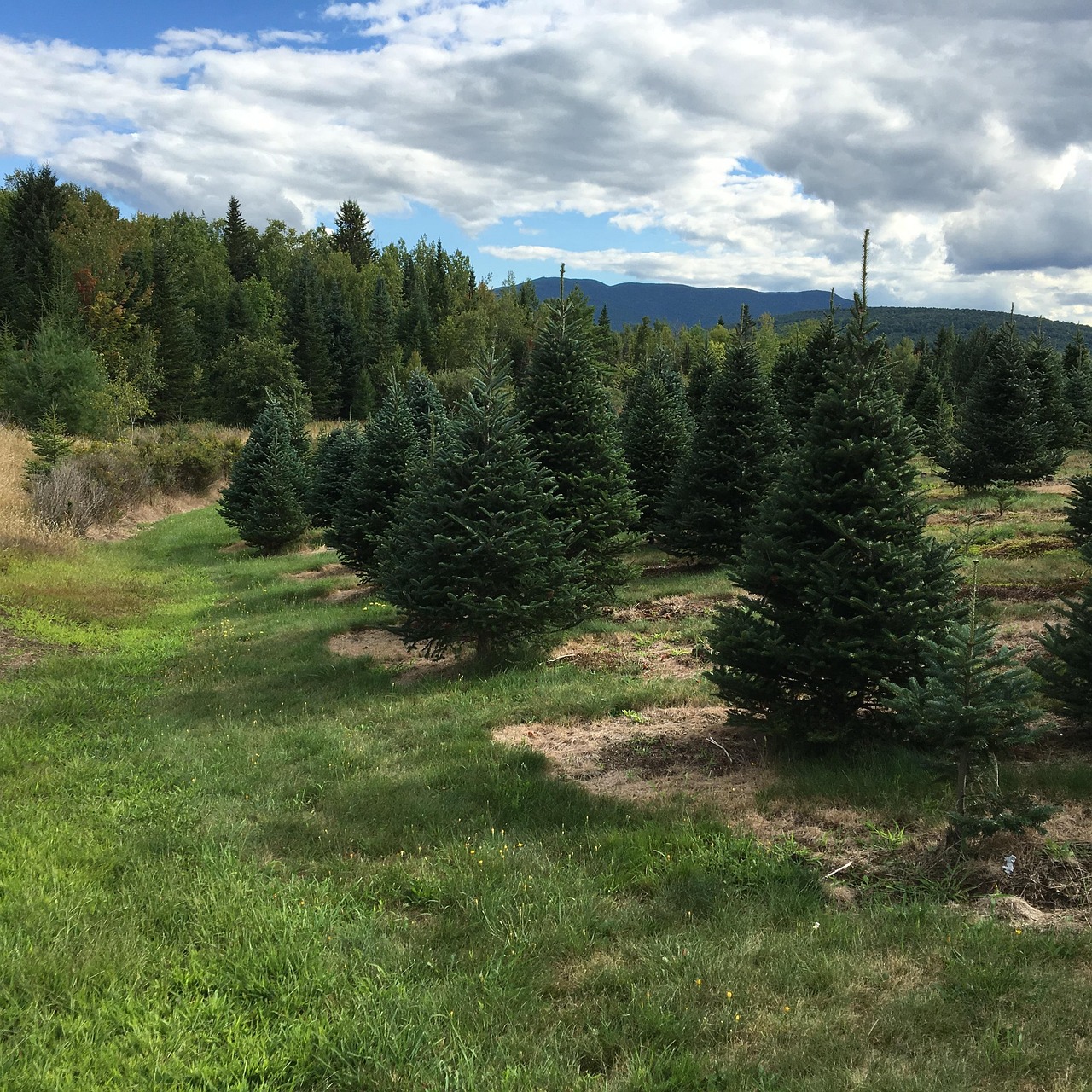
The balsam fir’s needles are flat and dark green, with a waxy coating that helps preserve moisture. This characteristic allows the tree to survive harsh winters. The tree also produces small cones that house seeds, which are an essential food source for many animals. The bark is soft and resinous, making it attractive to certain herbivores.
Animals That Feed on Balsam Fir Trees
Various animals are known to interact with balsam fir trees in their natural habitat. Below is a list of some common feeders that depend on these trees for sustenance:
- Deer: White-tailed deer often browse on the tender shoots and leaves of balsam firs, especially during winter when other food sources are limited.
- Moose: Moose enjoy eating the bark and branches of balsam fir trees. They can consume large quantities during the colder months.
- Squirrels: Both red and gray squirrels eat the seeds from the cones of balsam fir trees. They may also strip the bark to access the cambium layer underneath.
- Birds: Various bird species, including crossbills and chickadees, feed on the seeds found within the cones of balsam firs.
- Insects: Certain insects, such as bark beetles and aphids, feed on balsam fir trees. These pests can impact the health of the tree.
The interactions between these animals and balsam fir trees highlight the tree’s importance in the food web. As a primary food source for herbivores, balsam fir supports larger predators indirectly. For example, predators like wolves and bears may hunt deer or moose that have fed on balsam firs.
In addition to providing food, balsam fir trees also offer shelter for various species. Birds often nest in their branches, while small mammals may find refuge in their dense foliage. The tree’s ability to support diverse wildlife makes it a crucial component of its ecosystem.
Ecological Impact
The presence of balsam fir trees significantly influences local wildlife populations. They create a unique habitat that supports both flora and fauna. The following table summarizes some key aspects of the ecological impact of balsam fir trees:
| Aspect | Description |
|---|---|
| Nutritional Value | Balsam fir trees provide essential food resources for herbivores during winter. |
| Habitat | The dense foliage offers shelter for various bird species and small mammals. |
| Support for Predators | Herbivores that feed on balsam firs serve as prey for larger carnivores. |
| Insect Habitat | Balsam firs host various insects that play roles in pollination and decomposition. |
Understanding the relationships between animals and balsam fir trees is crucial for conservation efforts. Protecting these trees ensures the survival of many species that depend on them for food and habitat.
Furthermore, as climate change impacts forest ecosystems, studying how these animals interact with balsam firs can provide insights into adapting conservation strategies. Ensuring a healthy population of balsam fir trees is vital for maintaining biodiversity in affected regions.
The intricate connections between animals and balsam fir trees illustrate the complexity of forest ecosystems. Each species plays a role in sustaining this delicate balance and ensuring the survival of one another.
Feeding Habits of Animals on Balsam Fir Trees
The feeding habits of animals that consume balsam fir trees vary significantly among species. Each animal has adapted to exploit different parts of the tree for nourishment. These adaptations ensure that they can thrive in their environment, especially during challenging seasons.
Herbivores and Their Eating Patterns
Herbivores, such as deer and moose, primarily consume the softer parts of balsam fir trees. Their feeding patterns include browsing on the tree’s needles, shoots, and branches. Understanding these patterns offers insights into how these animals interact with their habitat.
- Needles: The soft, green needles are a significant food source in winter when other vegetation is scarce. They are high in carbohydrates, providing energy.
- Young Shoots: The tender young shoots are more palatable and nutritious. Animals often target these parts for their higher nutritional value.
- Bark: Some herbivores, like moose, will strip the bark from branches and trunks, especially in the winter months when food is limited.
These feeding habits not only benefit the herbivores but also play a vital role in the ecosystem. When herbivores feed on balsam fir trees, they help maintain the forest structure by influencing tree growth and regeneration.
Squirrels and Seed Consumption
Squirrels, including red and gray species, play a unique role in the ecosystem by feeding on the seeds found within the cones of balsam fir trees. Their feeding habits have several impacts:
- Seed Dispersal: As squirrels collect seeds, they inadvertently scatter some, facilitating the growth of new balsam fir trees.
- Population Control: By feeding on seeds, squirrels help control the density of balsam fir seedlings in their habitat.
- Nesting Material: Squirrels may also use balsam fir needles and small branches to build their nests.
The interaction between squirrels and balsam fir trees showcases a mutual benefit where both species contribute to a balanced ecosystem. Squirrels ensure their survival while promoting forest regeneration.
Impact of Insects on Balsam Fir Trees
Insects represent another group that feeds on balsam fir trees. Various species of insects have specialized feeding habits that can affect the health of these trees. Some key insects include:
- Bark Beetles: These insects bore into the bark, disrupting the tree’s ability to transport nutrients and water.
- Aphids: Aphids feed on the sap of balsam fir trees, which can weaken the tree and make it more susceptible to disease.
- Eastern Spruce Budworm: This pest primarily targets the new growth of balsam firs, leading to defoliation and reduced tree vigor.
The presence of these insects can have cascading effects on the ecosystem. For instance, a significant infestation can lead to tree decline or death, impacting species that rely on the tree for food or habitat.
Adaptations of Animals to Feed on Balsam Fir Trees
Animals that feed on balsam fir trees have developed various adaptations to maximize their foraging efficiency. These adaptations enhance their ability to thrive in environments where balsam firs are abundant.
Physical Adaptations
Many animals exhibit physical traits that enable them to feed effectively. For example:
- Deer: Their long necks allow them to reach higher branches where fresh leaves are available.
- Moose: Moose possess large bodies and powerful tongues that help strip bark from trees efficiently.
- Squirrels: Their sharp teeth are designed for gnawing through tough cones and bark.
Behavioral Adaptations
In addition to physical traits, behavioral adaptations also play a crucial role in how these animals interact with balsam fir trees:
- Foraging Strategies: Many herbivores engage in strategic foraging, selecting specific trees based on their nutritional content or accessibility.
- Seasonal Movements: Some animals may migrate or shift their range during different seasons to find healthier food sources.
- Caching Behavior: Squirrels often cache seeds in various locations, ensuring a food supply during winter months when resources are limited.
The adaptations seen in these animals reflect their ongoing relationship with balsam fir trees. As environmental conditions change, these adaptations may evolve further to ensure survival in their habitats.
Ecological Relationships Involving Balsam Fir Trees
Balsam fir trees do not exist in isolation. They are part of a broader ecosystem that includes various species that interact with them directly and indirectly. Understanding these ecological relationships is crucial for grasping the significance of balsam firs in their habitats.
Mutualistic Relationships
Some animals engage in mutualistic relationships with balsam fir trees, benefiting both parties. These interactions enhance biodiversity and contribute to the overall health of the forest ecosystem.
- Seed Dispersal: Many birds and small mammals rely on the seeds of balsam fir cones. As they consume the seeds, they often excrete them elsewhere, aiding in the tree’s reproductive success.
- Pollination: While balsam firs are primarily wind-pollinated, other flowering plants in the same ecosystem may benefit from pollinators attracted to the area, indirectly supporting the growth of balsam firs.
- Habitat Creation: Balsam fir trees provide shelter and nesting sites for numerous bird species. In return, these birds may help control insect populations that could harm the trees.
These mutualistic relationships illustrate how interconnected life forms rely on one another for survival and success. The presence of balsam firs supports a variety of wildlife, which in turn contributes to the tree’s health and reproduction.
Competition Among Herbivores
In ecosystems where balsam fir trees are prevalent, competition among herbivores can be intense. Various animals vie for access to the same resources, leading to specific adaptations and behaviors.
- Nutrient Competition: Species like deer and moose may compete for the same shoots and needles. This competition can influence their foraging strategies, as they may need to adapt their diets based on what is available.
- Territorial Behavior: Some animals may establish territories to secure access to prime feeding areas. This behavior can lead to conflicts between individuals of the same species or different species.
- Selective Feeding: To reduce competition, some herbivores may develop preferences for different tree parts or even different tree species when feeding.
Understanding these competitive dynamics is essential for wildlife management and conservation efforts, especially in areas where herbivore populations are high. Balancing these populations helps maintain healthy ecosystems around balsam fir trees.
Threats to Balsam Fir Trees and Their Animal Feeders
Balsam fir trees face several threats that can impact both their health and the animals that depend on them. Identifying these threats is essential for effective conservation strategies.
Environmental Changes
Climate change poses significant risks to balsam fir ecosystems. Changes in temperature and precipitation patterns can affect tree growth and health:
- Drought Stress: Increased temperatures can lead to drought, which stresses balsam fir trees and makes them more susceptible to pests and diseases.
- Pest Outbreaks: Warmer conditions may favor certain pests, such as bark beetles, leading to outbreaks that can devastate balsam fir populations.
- Altered Growth Patterns: Changes in seasonal patterns can affect the timing of bud break and seed production, impacting food availability for dependent animals.
The effects of climate change are complex and can lead to cascading impacts throughout the ecosystem, affecting both flora and fauna associated with balsam fir trees.
Human Activities
Human activities also present significant threats to balsam fir forests. Deforestation, urbanization, and logging can disrupt these ecosystems:
- Habitat Loss: Clearing land for agriculture or development reduces the available habitat for animals that rely on balsam firs.
- Fragmentation: When forests are fragmented, animal populations may become isolated. This isolation can decrease genetic diversity and increase vulnerability to extinction.
- Pesticide Use: Chemicals used in agriculture can harm beneficial insects and disrupt the delicate balance of the ecosystem.
The combination of environmental changes and human activities underscores the need for proactive conservation measures aimed at protecting balsam fir forests and their associated wildlife. Understanding these threats allows for the development of targeted strategies to ensure a sustainable future for these vital ecosystems.
Biodiversity Supported by Balsam Fir Ecosystems
The presence of balsam fir trees significantly contributes to forest biodiversity. A variety of species depend on these trees not only for food but also for shelter and breeding grounds.
Species Diversity
Balsam fir ecosystems host various species across multiple trophic levels:
- Mammals: In addition to deer and moose, many small mammals like chipmunks and rabbits thrive in these environments.
- Birds: Many bird species, including woodpeckers, owls, and songbirds, find suitable nesting sites in balsam fir trees.
- Insects: A rich assortment of insects, including pollinators and decomposers, play vital roles in maintaining ecological balance.
This diversity creates a dynamic network where each species contributes to the health of the ecosystem. Protecting balsam fir forests ensures that this intricate web of life continues to flourish.
Conservation Efforts for Balsam Fir Trees
Given the ecological importance of balsam fir trees, various conservation efforts are underway to protect these vital ecosystems. Understanding the need for such initiatives is crucial for ensuring the survival of both the trees and the animals that depend on them.
Restoration Projects
Several organizations and governmental bodies have initiated restoration projects aimed at rehabilitating balsam fir forests that have been degraded due to logging, pest infestations, or climate change. These projects often involve:
- Replanting: New balsam fir seedlings are planted in areas where older trees have died or been removed. This helps restore the forest structure.
- Pest Management: Integrated pest management strategies are employed to control harmful insect populations while minimizing negative impacts on other wildlife.
- Monitoring: Ongoing monitoring of forest health is conducted to detect changes in ecosystems early, allowing for timely interventions.
These restoration efforts not only help recover balsam fir populations but also enhance overall biodiversity in the region.
Education and Community Involvement
Educating the public about the significance of balsam fir trees and their associated wildlife is essential for fostering support for conservation initiatives. Community involvement can be encouraged through:
- Workshops: Educational workshops can teach residents about local ecosystems, the importance of biodiversity, and ways to protect it.
- Volunteer Programs: Community members can participate in tree planting events or wildlife monitoring efforts, promoting a sense of stewardship.
- Advocacy: Encouraging local residents to advocate for policies that protect balsam fir habitats can lead to broader support for conservation measures.
Engaging communities not only raises awareness but also empowers individuals to take action in protecting their local environments.
Impact of Climate Change on Balsam Fir Ecosystems
The effects of climate change are increasingly evident in balsam fir ecosystems. As temperatures rise and weather patterns become more unpredictable, these trees face numerous challenges:
- Increased Vulnerability: Balsam fir trees may become more susceptible to diseases and pests as warmer climates create favorable conditions for outbreaks.
- Shifts in Habitat: As certain regions become less suitable for balsam fir growth, these trees may migrate northward or to higher elevations, potentially disrupting existing ecosystems.
- Altered Species Interactions: Changes in climate may affect the timing of flowering, breeding, and migration patterns of animals that rely on balsam firs, leading to mismatches in seasonal availability of food.
Addressing climate change requires a multifaceted approach, including reducing greenhouse gas emissions and implementing adaptive management strategies for forests.
Final Thoughts
Balsam fir trees are integral to many forest ecosystems in North America. Their ability to provide food and shelter for a diverse array of wildlife underscores their importance in maintaining ecological balance. As we have explored, numerous animals, from herbivores like deer and moose to small mammals and birds, rely on balsam firs for survival.
The challenges faced by balsam fir ecosystems, including climate change and human activities, necessitate proactive conservation efforts. Restoration projects and community engagement are vital for safeguarding these trees and their associated wildlife. By fostering awareness and encouraging sustainable practices, we can help ensure that balsam fir forests continue to thrive for generations to come.
As stewards of the environment, it is our responsibility to protect these critical habitats. Through concerted conservation efforts, education, and community involvement, we can work together to preserve the rich biodiversity supported by balsam fir trees and maintain the health of our forests.