
Annual plants complete their life cycle in one growing season, while perennial plants live for multiple years, returning each season. Understanding these differences can help us make the best choices for our gardens and landscapes. For more insights on perennial plants, check out What Is a Perennial Plant? Meaning + Examples.
Understanding the Basics of Plant Types
Definition of Annual Plants
Annual plants are those that germinate, bloom, and die within a single year. They typically require replanting each season. I remember the first time I planted sunflowers; I was amazed at how quickly they grew and bloomed, only to be gone by the end of summer. This quick life cycle means that annuals are often chosen for their vibrant colors and ability to fill spaces in gardens quickly. They thrive in a variety of conditions, often adapting well to different climates, which makes them a favorite among gardeners like myself who enjoy seasonal change in their garden.
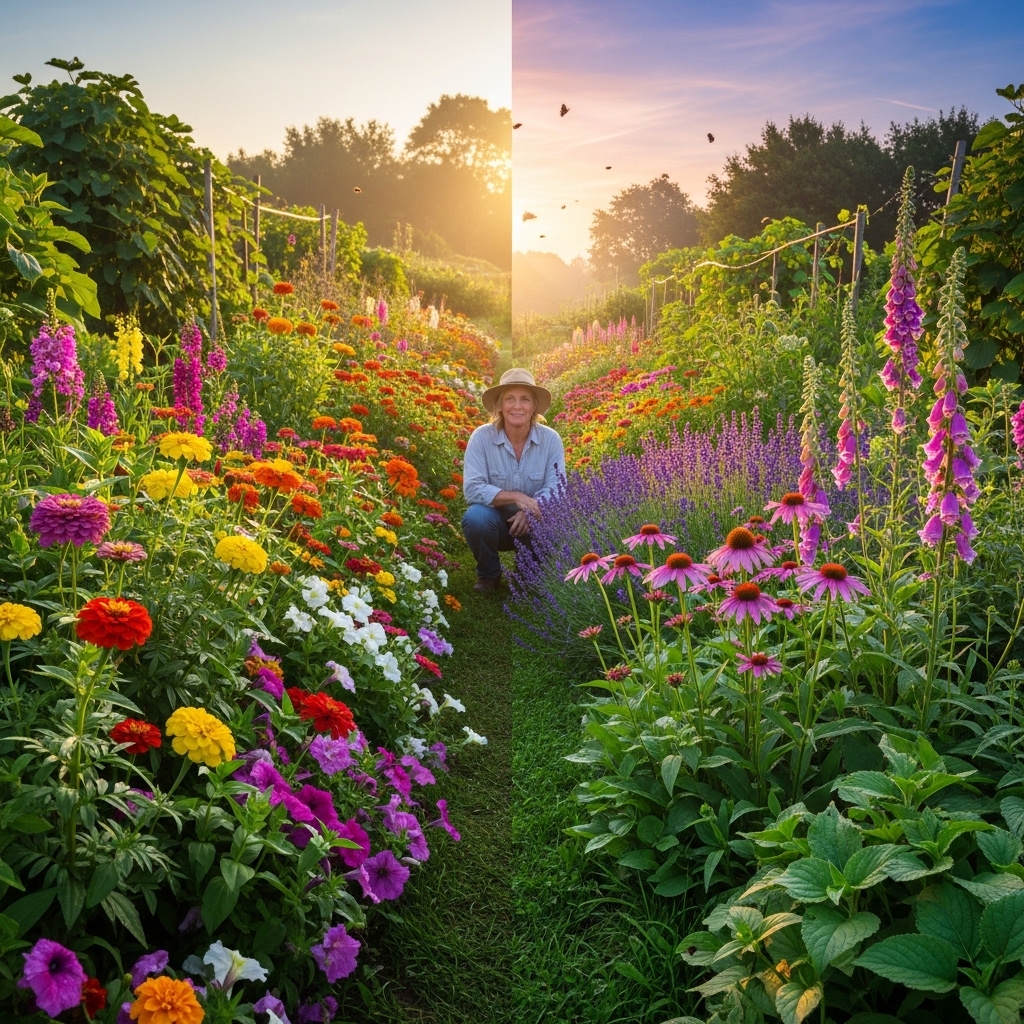
Definition of Perennial Plants
Perennial plants, on the other hand, live for three years or more. They go through cycles of growth and dormancy, usually dying back in winter and regrowing in spring. I find it comforting to know that some of my favorite plants, like hostas and peonies, will return year after year, creating a stable backdrop in my garden. For a simple explanation of what perennial plants mean, visit What Does Perennial Plant Mean? Simple Explanation. Perennials can be more challenging to establish at first, but once they’re rooted, they require less maintenance compared to annuals.
Common Examples of Annual Plants
There are countless annual plants to choose from, but some common examples include:
- Petunias
- Marigolds
- Zinnias
- Impatiens
- Cosmos
Each of these annuals brings a splash of color and can be used to create stunning displays in garden beds, pots, or hanging baskets. I’ve often mixed marigolds with zinnias for a vibrant arrangement that becomes a centerpiece on my patio.
Common Examples of Perennial Plants
When it comes to perennials, there’s a rich variety as well. Some popular choices include:
- Daylilies
- Lavender
- Hostas
- Coneflowers
- Peonies
I’ve grown lavender in my garden for years. Not only is it beautiful, but it also attracts bees and butterflies, creating a lively ecosystem. Watching daylilies bloom each summer never gets old for me; it’s like witnessing a beautiful performance year after year.
Key Differences Between Annual and Perennial Plants
Lifespan and Growth Cycles
The most significant difference lies in their lifespan. Annuals live just one season, while perennials can thrive for many years. This aspect affects how we plan our gardens. For example, I often find myself planting a burst of annuals in spring for instant gratification, but I also ensure I have perennials to provide structure and continuity in my garden design. Understanding this difference guides us in choosing plants that best fit our gardening styles and goals.
Flowering and Fruit Production
Annual plants usually flower and produce seeds within their short life span, often blooming continuously throughout the growing season. I love how marigolds seem to bloom non-stop, providing color until the frost hits. Perennials, however, may have a shorter blooming period, but when they do flower, it can be a spectacular show. It’s a different kind of beauty; for instance, my peonies bloom for a few glorious weeks in late spring, and their fragrance is unforgettable.
Maintenance and Care Requirements
In terms of maintenance, annuals generally require more attention. They need regular watering, fertilizing, and deadheading to encourage more blooms. I’ve learned that if I’m not diligent, my annuals can quickly become leggy or stop blooming entirely. Perennials, in contrast, tend to need less care once established. They may require occasional dividing or pruning, but overall, they’re more forgiving. I’ve enjoyed the ease of caring for my hostas once I got them established; they thrive with minimal effort.
Impact on Garden Design
The choice between annuals and perennials can significantly impact our garden design. Annuals offer a chance to experiment with different colors and arrangements each year, allowing for a fresh look and feel. I once transformed a dull corner of my yard by planting a mix of annuals that bloomed in waves, keeping that area lively all summer long. Perennials can create a more stable, lasting framework in the garden. They bring a sense of permanence and can be strategically placed to provide structure throughout the seasons. I often use perennials as a backdrop to my annuals, creating a layered effect that adds depth and interest to my garden.
Benefits of Annual Plants
Variety and Color in the Garden
One of the most enjoyable aspects of planting annuals is the sheer variety and vibrant colors they bring to the garden. I love wandering through garden centers, where the shelves are lined with colorful blooms just waiting to be taken home. You can find everything from bold reds to soft pastels, and the choices seem endless. This variety allows us to create stunning visual displays that can change dramatically from season to season. I often find myself experimenting with different color combinations, like pairing bright yellow marigolds with deep purple petunias, creating a lively and eye-catching arrangement that makes my garden feel alive and welcoming.
Quick Blooming and Seasonal Interest
Another benefit of annual plants is their quick blooming nature. When I want to fill in empty spaces or add immediate beauty to my garden, annuals are my go-to choice. They can go from seed to bloom in just a few weeks, providing that instant gratification we all crave. For example, I remember planting cosmos one May, and by the end of the month, they were already waving their delicate flowers in the breeze. This rapid growth not only brings beauty but also keeps our gardens interesting throughout the growing season. I often change out my annuals in late summer, so my garden feels fresh and vibrant right up until the first frost.
Ability to Experiment with New Varieties
Because annuals only last a season, they offer us the perfect opportunity to experiment with new varieties without the long-term commitment. I love trying out different species each year to see what thrives in my garden. Some years, I’ll go for unusual colors or textures; other years, I might focus on attracting specific pollinators. For instance, I once planted a variety of nasturtiums, drawn in by their unique leaves and edible flowers. It was a delightful surprise to find that not only did they look beautiful, but they also added a peppery kick to my salads! This ability to play around with new plants keeps my gardening experience exciting and fresh.
Benefits of Perennial Plants
Longevity and Low Maintenance
The most significant advantage of perennial plants is their longevity. Once established, they can return year after year, providing a reliable and beautiful foundation for my garden. I’ve found that investing time in planting perennials pays off in the long run. For example, my peonies, which I planted several years ago, have multiplied and only require a little care each spring. This low-maintenance aspect is especially appealing for those of us who might not have as much time to dedicate to our gardens as we’d like. Once they’re settled in, perennials like hostas and daylilies can thrive with minimal intervention.
Seasonal Changes and Structure
Perennials also offer a unique advantage in terms of seasonal changes. I love how certain plants can bring different colors and textures throughout the year. For instance, my garden transforms dramatically from spring to fall; when the daffodils bloom in early spring, it’s like a refreshing start, while the rich hues of fall asters signal the changing season. This ability to create a garden that evolves brings me joy and allows me to appreciate the beauty of nature’s cycles. Additionally, perennials provide structure and form, which is crucial for creating a well-balanced garden layout. They serve as anchor points, helping to define spaces and create a cohesive design.
Ecological Benefits and Pollinator Support
Another reason I love perennials is their ecological impact. Many perennials are excellent at attracting pollinators like bees and butterflies, which is vital for a healthy garden ecosystem. I’ve noticed a significant increase in pollinator activity since I added more native perennials to my garden. Plants like coneflowers and lavender not only bring beauty but also support local wildlife. This mutual benefit deepens my connection to the garden, knowing that the choices I make help sustain the environment. I feel like I’m playing a small part in the bigger picture by providing a habitat for these essential creatures.
When to Choose Annual vs Perennial Plants
Gardening Goals and Preferences
Choosing between annuals and perennials often comes down to our individual gardening goals and preferences. If you’re looking for a vibrant burst of color and the ability to change your garden’s look each year, annuals might be the way to go. However, if you prefer a garden that requires less maintenance and offers a sense of permanence, then perennials can be more appealing. Personally, I find that a mix of both tends to fit my style best. I enjoy the immediate impact of annuals while cherishing the lasting beauty of my perennials.
Climate and Environmental Considerations
Climate also plays a significant role in plant selection. Some annuals thrive in warm conditions, making them perfect for my summer garden, while certain perennials are well-suited for cooler climates and may go dormant in winter. It’s essential to consider the specific needs of plants in relation to our local climate. I’ve learned the hard way that not all plants thrive in my garden zone, and researching local growing conditions has helped me make better choices. Understanding the environmental factors can guide us in selecting plants that will flourish, ensuring our gardens remain healthy and vibrant.
Budget and Cost-Effectiveness
Budget is another critical factor when deciding between annuals and perennials. Annuals typically require more initial investment since you’ll need to purchase new plants each season. However, they can offer a quick aesthetic payoff. Perennials, while potentially more expensive upfront, can save money over time since they return year after year. I often evaluate my budget based on how much time I want to dedicate to gardening and how quickly I want results. Finding a balance that works for me has led to a garden that’s both beautiful and manageable.
How to Incorporate Both Types in Your Garden
Designing a Balanced Garden Layout
Creating a balanced garden layout that includes both annuals and perennials can be a rewarding experience. I’ve found that mixing these two types of plants not only enhances the visual appeal but also ensures year-round interest. One approach I love is to use perennials as the backbone of my garden. For example, I’ll plant clusters of daylilies and coneflowers as anchor points. Then, I fill in the gaps with vibrant annuals like petunias and zinnias. This combination provides structure while allowing for bursts of color that change with the seasons. In my garden, I often map out the layout on paper beforehand, determining where to place the taller perennials in the back and the shorter annuals in the front for a layered effect. This strategy keeps my garden looking full and lively throughout the growing season.
Seasonal Planting Strategies
Seasonal planting strategies can also make a significant difference in how to incorporate both annuals and perennials effectively. I’ve learned to stagger my planting times to maximize blooms and keep my garden dynamic. For instance, in early spring, I focus on planting my perennial bulbs, like tulips and daffodils, which give me a beautiful display as they emerge. Then, as the weather warms, I introduce annuals that thrive in the heat, such as marigolds and cosmos. I love that this strategy allows me to enjoy different blooms at various times. In fall, I often plant fall-blooming perennials like asters to extend the color palette into the cooler months. This layering of seasonal interest can create a stunning garden that evolves beautifully over time.
Companion Planting Techniques
Companion planting is another technique I’ve embraced to blend annuals and perennials effectively. This practice not only enhances the visual beauty of the garden but can also promote healthier plants. For example, I’ve paired marigolds with my vegetable garden, where they deter pests while adding a splash of color. Similarly, I love planting sunflowers alongside my perennial lavender. The tall sunflowers provide shade for the lavender in the hottest months, while the lavender attracts beneficial pollinators. It’s amazing how different plants can support each other, creating a more thriving ecosystem. I recommend experimenting with companion planting to discover combinations that work well in your garden, as the benefits can be numerous!
Common Mistakes to Avoid
Overestimating the Hardiness of Annuals
One common mistake I’ve made is underestimating how delicate some annuals can be. In my eagerness to plant my summer garden, I’ve sometimes planted annuals too early, only to have them damaged by a late frost. I’ve learned that timing is crucial, and I now pay close attention to the weather forecast before planting. It’s also important to consider the specific hardiness zones of each plant. When I take the time to research, I find that my garden flourishes much better. If you’re unsure, starting plants indoors or using protective coverings can help guard against unexpected weather shifts.
Neglecting Soil and Water Needs
Another mistake I’ve encountered is neglecting the soil and water needs of my plants. I remember a time when I planted a mix of annuals and perennials without considering their specific requirements. Some perennials needed well-draining soil, while others thrived in richer, moister conditions. As a result, I lost a few plants due to overwatering or insufficient nutrients. Now, I make a point to amend my soil before planting, ensuring it’s tailored to the variety of plants I’m using. Additionally, I’ve found that establishing a consistent watering schedule helps keep both my annuals and perennials healthy. Understanding and meeting the specific needs of my plants has transformed my garden into a thriving space.
Failing to Plan for Seasonal Change
Failing to plan for seasonal changes has also led to some frustrating moments in my gardening journey. I’ve had times when my perennials would bloom beautifully in spring, only for the garden to look sparse as the seasons progressed. To avoid this, I now ensure that my garden includes plants that bloom at different times throughout the year. By incorporating early bloomers, mid-season flowers, and late bloomers, I create a continuous display of color and interest. I often refer to bloom calendars to help me choose plants that will complement each other and keep my garden vibrant, no matter the season.
Frequently Asked Questions
What are annual plants?
Annual plants are those that germinate, bloom, and die within a single growing season. They typically require replanting each season and are often chosen for their vibrant colors and ability to fill spaces in gardens quickly.
What are perennial plants?
Perennial plants live for three years or more, going through cycles of growth and dormancy. They usually die back in winter and regrow in spring, providing stability and a lasting presence in gardens.
Can you provide some common examples of annual plants?
Common examples of annual plants include petunias, marigolds, zinnias, impatiens, and cosmos. These plants are known for their vibrant colors and ability to create stunning displays.
What are some popular examples of perennial plants?
Popular examples of perennial plants include daylilies, lavender, hostas, coneflowers, and peonies. These plants return year after year and provide a stable backdrop in gardens.
What is the main difference between annual and perennial plants?
The main difference lies in their lifespan; annuals live just one season, while perennials can thrive for many years. This affects garden planning and design.
How do annual plants impact garden design?
Annual plants allow for experimentation with different colors and arrangements each year, providing a fresh look and feel. They can fill spaces quickly and create vibrant displays throughout the growing season.
What are the benefits of planting annual plants?
Benefits of annual plants include their variety and vibrant colors, quick blooming nature, and the ability to experiment with new varieties each season without long-term commitments.
What advantages do perennial plants offer?
Perennial plants offer longevity and low maintenance, seasonal changes and structure, and ecological benefits by attracting pollinators, creating a healthy garden ecosystem.
When should you choose annual plants over perennial plants?
Choosing annual plants is ideal if you want vibrant bursts of color and the ability to change your garden’s look each year. In contrast, perennials are better if you prefer a low-maintenance garden with a sense of permanence.
What common mistakes should be avoided when planting annuals and perennials?
Common mistakes include overestimating the hardiness of annuals, neglecting soil and water needs, and failing to plan for seasonal changes, all of which can lead to less successful gardening outcomes.