
Aphids on roses can be effectively managed using natural methods like water sprays, introducing beneficial insects, and applying homemade solutions, to avoid chemical harm and promote healthy plant growth.
Table of Contents
This article covers six practical, eco-friendly strategies for controlling aphids on roses, including simple techniques and preventative measures that preserve beneficial insects and garden health.
How to Identify Aphids on Roses
Early detection of aphids on roses is crucial to prevent severe damage. These tiny pests often go unnoticed at first because of their small size and soft bodies, but recognizing their appearance and the signs of damage can help gardeners take timely action. Aphids are usually found in clusters on new growth, such as young leaves, buds, and stems. The presence of these insects, along with certain damage symptoms, can indicate an infestation even if the pests themselves are not immediately visible.
| Specification | Description |
|---|---|
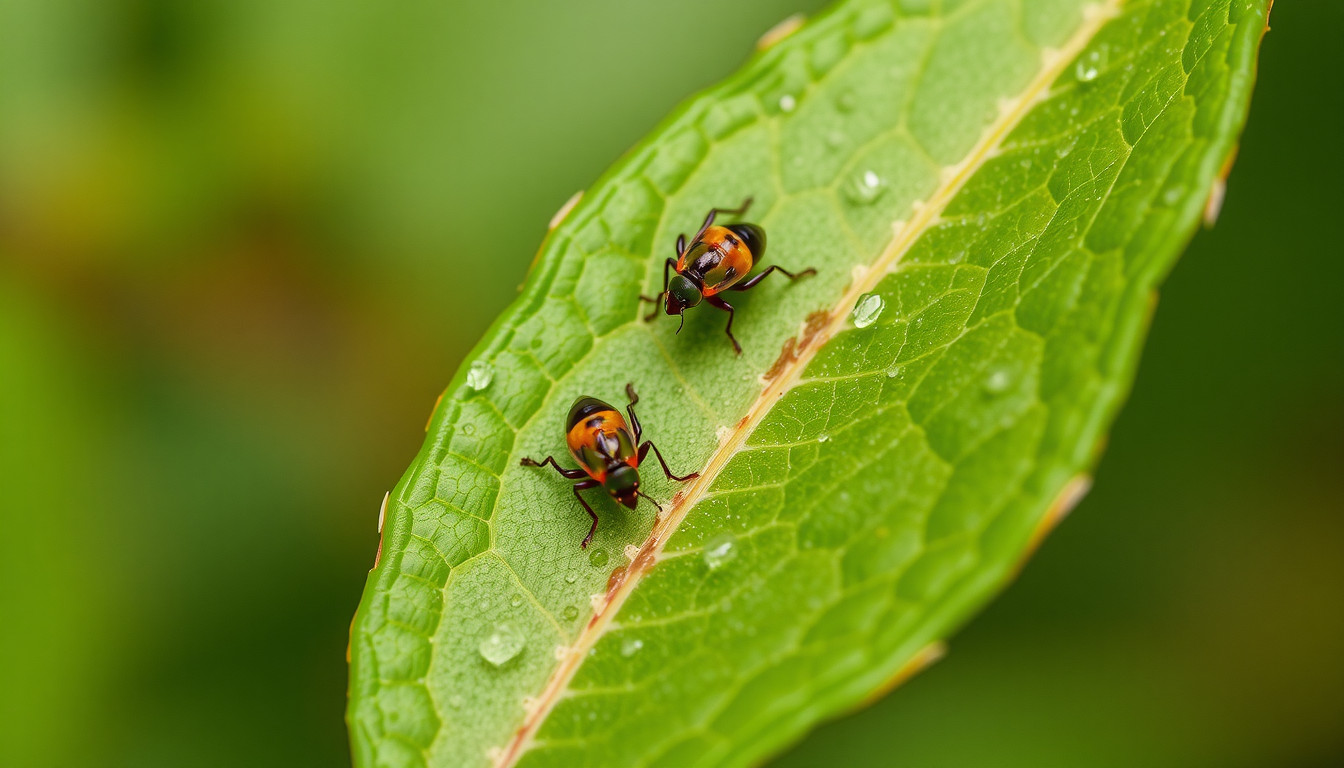
| Appearance | Small, soft-bodied insects, typically less than 1/4 inch long. They may be green, black, brown, or pink, with some species displaying a waxy or greasy look. Often found clustered on the undersides of leaves and on new, tender stems. |
| Damage Symptoms | Leaf curling or distortion, honeydew secretion that appears as a sticky, shiny residue on leaves and stems, and the growth of sooty mold fungus on the honeydew. Infested roses may also show stunted new growth and a general decline in plant vigor. |
1. Visual cues: small insects, color variations
One of the most immediate indicators of aphid presence is the sight of tiny insects, often clustered on the newest growth of roses. Their color can vary from bright green to black or pink, depending on the species and the stage of development. Because they cluster densely, they may appear as a fuzzy or powdery coating on leaves and stems.
Disclosure: As an Amazon Associate I earn from qualifying purchases.
Using a magnifier can help you detect early signs of aphids on your roses. Shop suitable handheld magnifier for plant inspection on Amazon (affiliate link).
2. Signs of damage: leaf curling, honeydew
Damage symptoms include curling, puckering, or distortion of leaves, especially on the tips and edges. The honeydew secretion is a sticky, sugar-rich substance that attracts ants and promotes mold growth. Over time, the damage can weaken the plant, reducing flowering and overall health. Recognizing these signs early allows for effective intervention before the infestation worsens.
High-Pressure Water Spray for Instant Relief
Using a high-pressure water spray provides a quick, chemical-free method to physically remove aphids from rose plants. This approach is especially useful for immediate relief during an active infestation, helping to dislodge soft-bodied aphids from the undersides of leaves and stems, where they often congregate. Since aphids are fragile and cannot withstand a strong blast of water, this method offers an effective initial step in integrated pest control, reducing pest populations with minimal impact on beneficial insects.
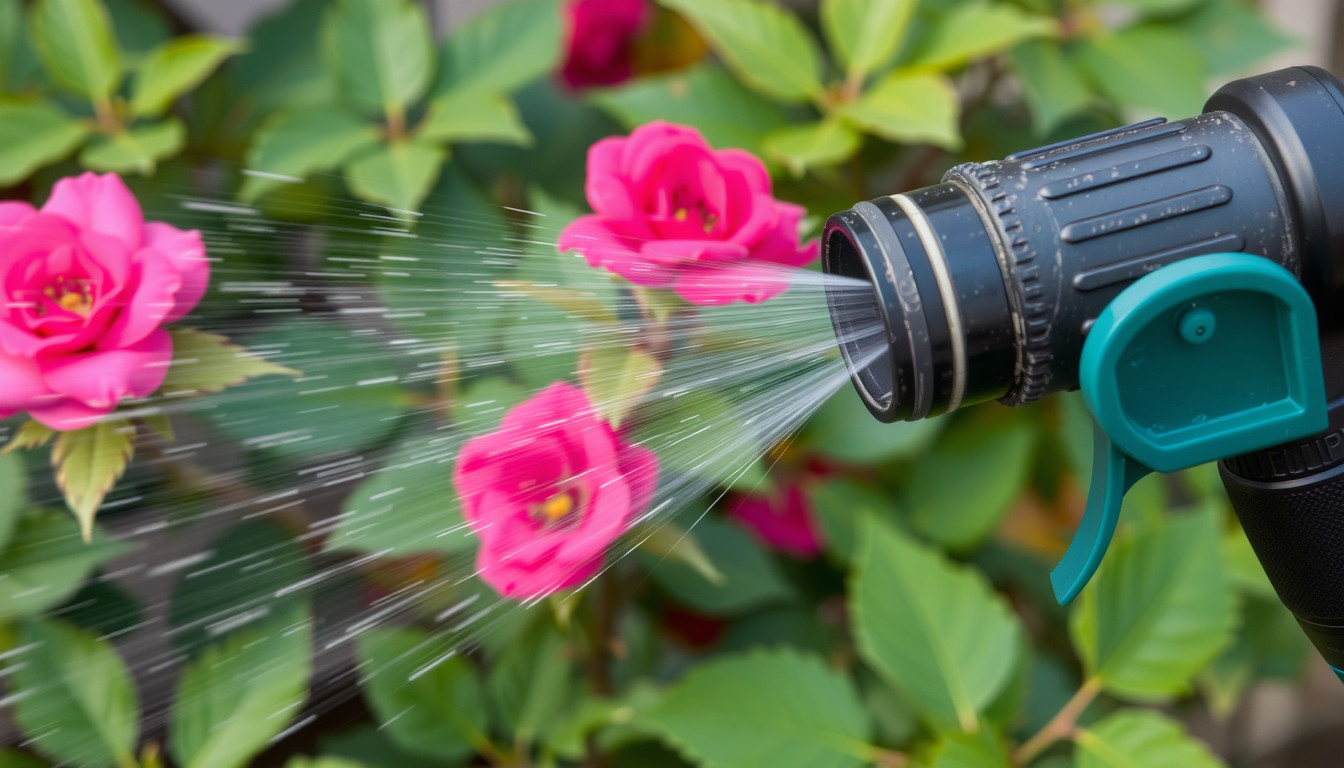
A high-pressure water spray can quickly remove soft-bodied aphids from rose bushes. Shop suitable garden hose with adjustable nozzle on Amazon (affiliate link).
1. Key points
- Effective against soft-bodied aphids, which are most vulnerable to physical removal.
- When used carefully, it is safe for beneficial insects such as ladybugs and hoverflies that might be nearby, provided they are not directly hit by the water jet.
- Requires regular application during active infestations to keep aphid populations under control, especially following rain or heavy watering that can wash away residual pests.
To maximize effectiveness, direct the water jet to target the undersides of leaves and stems where aphids tend to hide. It’s best to do this in the early morning or late afternoon to minimize stress on the plant and reduce the risk of damaging foliage. While this method provides fast relief and can significantly reduce aphid numbers, it does not eliminate all pests and works best as part of an integrated approach, including natural predators and other non-chemical controls.
Using Insecticidal Soap and Neem Oil Safely
Biological sprays like insecticidal soap and neem oil are effective options for controlling persistent aphid infestations on roses. They offer a more environmentally friendly alternative to chemical pesticides, specifically targeting aphids without harming beneficial insects when used correctly.
Neem oil is a natural ingredient that can help manage persistent infestations when used correctly. Shop suitable pure neem oil for plants on Amazon (affiliate link).
1. Application timing and frequency
Apply insecticidal soap and neem oil during the cooler parts of the day, ideally early morning or late afternoon. This minimizes the risk of plant stress and reduces the chance of sunburn on the foliage. For best results, treat roses once every five to seven days during active infestations, especially after heavy watering or rain, which can wash away residual sprays. Consistent applications can help suppress aphid populations effectively but should be coordinated with monitoring of pest levels.
2. Safety precautions for beneficial insects
While these natural insecticides are safer than synthetic chemicals, caution remains essential to protect beneficial insects like ladybugs and pollinators. Spray should be targeted onto infested areas—primarily the undersides of leaves—and avoided during flowering periods when pollinators are most active. Follow label instructions closely regarding dilution and application rates. Excessive or mistimed use can harm helpful insects, so applying during times of low pollinator activity helps preserve garden biodiversity.
Insecticidal soaps work primarily by breaking down aphid cell membranes, leading to dehydration and death. Neem oil acts as a growth inhibitor, preventing aphids from maturing and reproducing. Both naturally derived insecticides offer a sustainable option for gardeners seeking to maintain healthy, productive roses without risking the delicate balance of garden ecosystems. However, their effectiveness depends on correct timing, thorough coverage, and adherence to safety guidelines, underscoring the importance of careful application in a holistic pest management plan.
Companion Planting and Habitat Management
Designing a garden with pest prevention in mind can significantly reduce the risk of aphid infestations on roses. Strategic plantings can attract beneficial insects that prey on aphids, creating a natural pest control system. Creating a diverse planting environment also discourages aphids from settling, as they prefer monocultures or plants with minimal natural enemies. Proper habitat management, including regular pruning and removing debris, reduces hiding spots and breeding sites for pests.
1. Plant attracting beneficial insects
Including flowering plants such as marigolds and dill can attract beneficial insects like ladybugs and hoverflies, which are natural predators of aphids. Marigolds emit strong scents that repel many pests while providing habitat for ladybugs that actively hunt aphids. Dill and other umbelliferous plants attract hoverflies, whose larvae feed voraciously on aphids. These beneficial insects help keep aphid populations in check without the need for chemical interventions.
2. Select pest-repelling plants
Choosing plants with pest-repellent properties further defends roses from aphids. Plants like garlic, chives, or cilantro can act as natural repellents when placed near rose bushes. Their strong odors confuse or deter aphids, reducing their ability to settle and reproduce on target plants. Maintaining a diversity of these plants throughout the garden creates a less hospitable environment for aphids, preventing large outbreaks.
Besides planting strategies, maintaining healthy, vigorous roses through proper pruning and cleaning of fallen leaves and debris is crucial. Removing potential hiding places and overwintering sites for aphids lowers the likelihood of infestations returning season after season. Overall, integrating beneficial plants and habitat management practices offers a sustainable, chemical-free approach to protecting roses from aphids.
Monitoring and Early Intervention Techniques
Consistent vigilance is essential to catch aphid infestations on roses in their earliest stages. Early detection allows for prompt action, preventing large populations and significant plant damage.
Regular use of inspection tools can help you catch aphid problems before they spread. Shop suitable plant inspection tools kit on Amazon (affiliate link).
1. Regular inspection routines
Inspect roses at least once a week, paying close attention to the undersides of leaves where aphids tend to congregate. Use your hands or a magnifier to thoroughly examine these areas. Look for clusters of tiny, soft-bodied insects or for signs of their presence, such as curling or distorted leaves and sticky honeydew residues.
2. Spotting early signs of outbreaks
Early signs often include the appearance of small green, black, or yellow insects on new growth. Leaves may start to curl or become misshapen as aphids feed. Discoloration and the presence of black sooty mold on leaves are indicators that honeydew has accumulated, often associated with higher aphid populations. Recognizing these early signals helps determine when immediate action is necessary.
3. Early removal of infested parts
When initial infestations are detected, prune out affected stems or leaves to remove the colonies. This targeted removal reduces the aphid population directly on your plant, limiting further spread. Pinching or snipping infested parts should be done carefully to avoid spreading aphids or damaging healthy tissue.
4. Integrated use with natural sprays
Combine early inspection and physical removal with natural treatments, such as neem oil or insecticidal soap, applied to the undersides of leaves where aphids hide. These natural sprays enhance the effectiveness of early intervention strategies without disrupting beneficial insects. Regular monitoring ensures that treatments are timely and effective, preventing the need for more aggressive control methods later on.
However, bear in mind that vigilant inspection requires consistent effort. Missing early signs can allow small infestations to grow rapidly, making control more challenging. For best results, integrate regular checks into routine garden maintenance, and act swiftly at the first indication of aphid presence.
Questions & Answers on Natural Aphid Control
This section addresses common concerns about identifying and managing aphids on roses, helping gardeners feel more confident in their pest control strategies.
1. What do aphids on roses look like, and are they the pests infesting roses?
Familiarity with aphid appearance is essential for early detection. Aphids are tiny, soft-bodied insects that vary in color, including green, black, yellow, or pink. They are usually less than ¼ inch long and tend to cluster on the undersides of leaves, stems, and buds. Their small size and coloration often make them hard to notice without close inspection. The pests interfere with rose health by feeding on sap, which can cause curled leaves, stunted growth, and deformed flowers. The sticky substance called honeydew, produced by aphids, often indicates their presence. These pests are definitely the ones infesting roses when such signs are visible, especially during warm, humid conditions conducive to their proliferation.
2. Are aphids on roses always visible, or do they hide?
Aphids tend to hide on the undersides of leaves, making them less obvious at a glance. Regular inspection is necessary to detect early infestations. Physical signs such as curled or yellowing leaves, sticky residue, or distorted new growth can signal their presence even if the insects are not immediately visible. Close examination especially of the leaf underside and new shoots is recommended for accurate identification. Since aphids reproduce rapidly and can establish large colonies in a short time, early detection plays a key role in effective natural control. However, some gardeners find visual identification challenging without magnification, so being familiar with their appearance helps prevent overlooked infestations.
3. What are effective natural methods to control aphids on roses?
Natural control options include physical removal with a strong jet of water, which dislodges aphids without chemicals. Introducing beneficial insects like ladybugs or lacewings can provide ongoing biological control, as they feed on aphids. Organic sprays such as neem oil or insecticidal soap applied directly to the undersides of leaves effectively reduce aphid populations while sparing helpful insects. Frequent monitoring and early intervention are crucial for success with these methods. Nonetheless, natural treatments can be limited by weather conditions; heavy rain or strong wind may wash away sprays, and some natural enemies may struggle to establish in certain environments. Combining methods—such as water blasts and natural predators—can offer more comprehensive control, but patience and consistent effort remain essential for sustained rose health.
Frequently Asked Questions
1. What is the most important thing to know about aphids on roses?
Early detection is crucial; managing aphids promptly prevents severe damage and promotes healthy rose growth.
2. What should I check first?
Inspect the new growth, especially the undersides of leaves and tender stems, for clusters of small, soft-bodied insects.
3. What commonly causes problems with aphids on roses?
Overuse of chemical fertilizers can promote tender new growth that attracts aphids, along with environmental stress and lack of natural predators.
4. What is the safest next step?
Begin with a high-pressure water spray to dislodge the pests, then apply biological controls like insecticidal soap or neem oil if needed.
5. How long should I expect this to take?
Initial visible reduction can occur within a few days, but controlling established infestations may take one to two weeks with regular treatments.
6. When should I use a different approach?
If natural methods fail after two to three treatment cycles or if pest populations continually rebound, consider integrating other controls or consulting an expert.
7. When should I ask a qualified expert?
Seek professional advice if aphid populations are extensive, damage is severe, or if plant health does not improve despite multiple management efforts.
Sources and Further Reading
- How to Get Rid of Aphids on Roses With These 6 Tips – The Spruce
- How To Get Rid Of Aphids On Roses Naturally — 4 Easy Fixes
- How To Get Rid Of Aphids On Your Roses—And Prevent Them From Coming Back
- 7 Different Methods to Get Rid of Aphids on Roses – Epic Gardening
- Aphids on Roses: Beat Them Naturally Without Chemicals