
Balsam fir leaves are generally safe for goats to eat in moderation. However, excessive consumption can lead to digestive issues. It is important to monitor their intake and ensure a balanced diet.
Understanding Balsam Fir and Its Nutritional Value
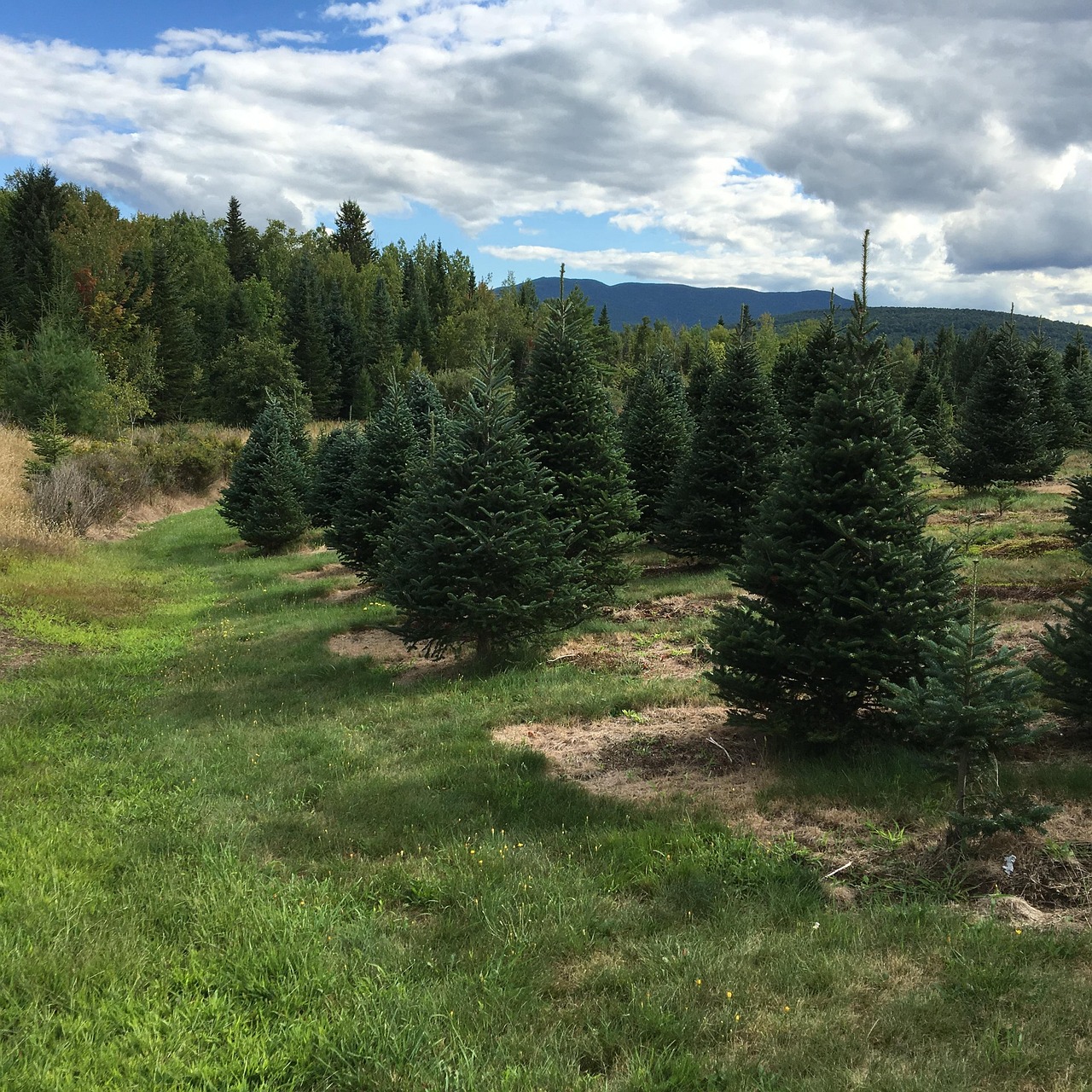
Balsam fir, scientifically known as Abies balsamea, is a coniferous tree native to North America. It is commonly found in the northeastern United States and Canada. The tree is known for its aromatic needles and is often used as a Christmas tree. Goats are known for their curious nature and tendency to nibble on various plants, including trees and shrubs.
While goats are generally hardy animals with the ability to digest a wide range of plant materials, not all foliage is suitable for their diet. Understanding the nutritional content and safety of specific plants is crucial for maintaining the health of goats. Balsam fir leaves, or needles, have some unique characteristics that make them worth examining.
Nutritional Profile of Balsam Fir Leaves
Balsam fir leaves contain essential oils, vitamins, and minerals that can contribute positively to a goat’s diet when given in small amounts. Below is a table outlining the key nutritional components of balsam fir leaves:
| Nutrient | Amount per 100g |
|---|---|
| Vitamin C | 30 mg |
| Calcium | 100 mg |
| Iron | 0.6 mg |
| Essential oils | Varies |
The presence of vitamin C can support the immune system of goats, while calcium and iron play important roles in their overall health. However, it is important to note that the essential oils found in balsam fir can be potent. These oils may lead to digestive upset if consumed in large quantities.
Potential Risks of Feeding Balsam Fir Leaves to Goats
While balsam fir leaves have some nutritional benefits, there are also potential risks associated with feeding them to goats. One of the primary concerns is the high concentration of essential oils. When ingested in excess, these oils can irritate the digestive tract, leading to symptoms such as:
- Diarrhea
- Abdominal discomfort
- Nausea
Another consideration is the individual goat’s health. Some goats may have sensitivities or allergies to certain plants. Therefore, it is important to introduce any new food gradually. Always observe for any adverse reactions when feeding balsam fir leaves for the first time.
How to Safely Introduce Balsam Fir Leaves into a Goat’s Diet
If you decide to include balsam fir leaves in your goats’ diet, it should be done cautiously. Here are some steps to do this safely:
- Start with small amounts: Begin by offering only a few leaves to gauge their reaction.
- Monitor behavior: Watch for any signs of digestive upset or discomfort.
- Gradually increase: If no adverse effects occur, you may gradually increase the amount over time.
- Provide variety: Ensure that balsam fir leaves are just one part of a varied diet that includes hay, grains, and other safe greens.
By following these steps, you can minimize the risk of health issues while introducing new foods into your goats’ diets.
Alternative Foliage Options for Goats
While balsam fir leaves can be safely introduced into a goat’s diet in moderation, it is essential to consider other foliage options that may offer similar benefits without the risks associated with essential oils. Here are some safe alternatives:
- Pine Needles: Pine needles are often safe for goats and contain many vitamins and minerals.
- Cedar Foliage: Cedar leaves can also be a healthy option, but like balsam fir, should be given in limited quantities.
- Alfalfa Hay: Alfalfa is rich in protein and provides essential nutrients for growth and health.
- Fruit Trees: Leaves from fruit trees like apple or pear can be a tasty treat for goats.
Introducing a variety of foliage can help ensure that goats receive balanced nutrition while minimizing potential risks. Each type of foliage has its unique benefits, which will be discussed further.
Benefits of Alternative Foliage for Goats
Feeding goats a variety of plant materials can provide numerous health benefits. Different plants contain various nutrients that contribute to overall well-being. Here are some advantages of incorporating alternative foliage into a goat’s diet:
- Diverse Nutritional Profile: Different plants provide various vitamins and minerals essential for goat health.
- Enhanced Digestion: A varied diet can promote better digestive health by preventing boredom and encouraging natural foraging behaviors.
- Weight Management: Offering different types of foliage can help maintain a healthy weight by providing lower-calorie options.
- Reduced Risk of Toxicity: By avoiding over-reliance on a single plant type, the risk of toxicity from overconsumption is minimized.
Signs of Digestive Distress in Goats
If goats consume too much balsam fir or any other unfamiliar foliage, they may exhibit signs of digestive distress. Recognizing these signs early can prevent more severe health issues. Common symptoms include:
- Loose Stool: Diarrhea is one of the first signs of digestive upset.
- Lethargy: A goat that is less active than usual may be experiencing discomfort.
- Bloating: This can occur if gas builds up in the digestive tract.
- Refusal to Eat: If a goat stops eating or is selective about what it consumes, it may indicate an underlying issue.
If you notice any of these symptoms, it is essential to consult with a veterinarian for proper diagnosis and treatment.
Consulting with a Veterinarian
When considering new foods for your goats, consulting with a veterinarian is highly recommended, especially when introducing something like balsam fir leaves. A veterinarian can provide valuable insights tailored to your specific herd’s needs. Here are some reasons why this consultation is beneficial:
- Customized Diet Plans: A vet can help create a diet plan that meets the individual nutritional needs of each goat.
- Monitoring Health: Regular veterinary check-ups can help catch potential issues before they become serious.
- Understanding Plant Toxicity: A veterinarian can offer guidance on which plants are safe and which should be avoided based on your local flora.
Maintaining open communication with your veterinarian ensures that you are making informed decisions regarding your goats’ diets and overall health.
The Importance of a Balanced Diet for Goats
A balanced diet is crucial for the overall health and productivity of goats. A typical diet should include:
- Quality Hay: Provides fiber necessary for digestion.
- Grains: Supplies energy, especially for pregnant or lactating goats.
- Mineral Supplements: Ensures that goats receive all necessary minerals that may not be available in forage.
A well-rounded diet helps prevent deficiencies and supports healthy growth, reproduction, and milk production in dairy goats. Always aim to provide a variety of food sources to keep your goats happy and healthy.
Understanding Goat Digestive Systems
To effectively manage a goat’s diet, it is essential to understand their unique digestive system. Goats are ruminants, meaning they have a specialized stomach with four compartments that allows them to break down fibrous plant materials efficiently. This adaptation helps them extract nutrients from a wide variety of forage. Here’s how their digestive system works:
- Rumen: The largest compartment where fermentation occurs. Microbes help break down complex carbohydrates.
- Reticulum: Works closely with the rumen to further process food, allowing goats to regurgitate and re-chew their food.
- Omasum: Absorbs water and nutrients from the partially digested food.
- Abomasum: The true stomach, similar to that of non-ruminants, where digestive enzymes break down proteins.
This complex system enables goats to thrive on a diet rich in fibrous plants. However, it also means that sudden changes in diet can disrupt their digestive balance, leading to issues such as bloat or acidosis.
How to Transition Goats to New Foods
When introducing new foods like balsam fir leaves or other foliage, a gradual transition is vital. Here are some effective strategies:
- Slow Introduction: Gradually increase the amount of new food over several days. Start with about 10% of their total diet.
- Monitor Reactions: Keep an eye on each goat’s behavior and health during the transition period.
- Maintain Regular Feeding Schedule: Consistency in feeding time helps goats adjust to dietary changes.
- Use High-Quality Forage: Ensure that the primary diet remains high-quality hay or pasture while introducing new foods.
The gradual transition helps prevent digestive upset and allows goats to acclimate to the new food source over time.
Common Mistakes When Feeding Goats
When it comes to goat feeding, several common mistakes can lead to health issues. Avoiding these pitfalls is key to keeping your goats healthy:
- Overfeeding New Foods: Introducing large quantities of unfamiliar foods can lead to digestive distress.
- Lack of Variety: Feeding only one type of food can result in nutritional deficiencies.
- Neglecting Water Intake: Fresh, clean water should always be available, especially when feeding dry hay or grain.
- Ignoring Signs of Illness: Always pay attention to changes in appetite or behavior as they can signal health problems.
Avoiding these common mistakes will help you maintain a healthy herd and ensure that your goats thrive on their diets.
Nutritional Needs Based on Age and Production Stage
The nutritional requirements of goats vary depending on their age, gender, and production stage. Here’s a breakdown of the needs for different groups:
| Group | Nutritional Needs |
|---|---|
| Kids (young goats) | High protein for growth; require milk and high-quality starter feed. |
| Pregnant Does | Increased energy and protein; need good quality hay and concentrates. |
| Lactating Does | High nutritional requirements for milk production; need access to minerals and energy-rich feeds. |
| Mature Bucks | Balanced diet with adequate energy for breeding; maintain body condition without excessive weight gain. |
Understanding these specific needs will help you provide tailored nutrition for each group, ensuring optimal health and productivity.
Supplementation for Optimal Health
In addition to a balanced diet, some goats may benefit from supplementation. Common supplements include:
- Mineral Blocks: Provide essential minerals like calcium, phosphorus, and trace minerals.
- Probiotics: Help maintain gut health and improve digestion.
- Electrolytes: Useful during hot weather or if goats show signs of dehydration.
Consulting with a veterinarian can help determine the best supplementation strategy based on your goats’ specific needs and conditions. Regular monitoring and adjustments will ensure that your goats remain healthy and productive throughout their lives.
Behavioral Considerations for Feeding Goats
Beyond nutrition, understanding the behavioral aspects of goats can enhance their feeding experience and overall well-being. Goats are natural browsers, meaning they prefer to eat a variety of plants rather than just grass. This preference influences how they interact with their environment and what foods they enjoy. Here are some important behavioral considerations:
- Foraging Behavior: Goats spend a significant part of their day foraging. Providing a diverse range of plants, including balsam fir leaves, can satisfy their natural instincts.
- Social Eating: Goats are social animals and often prefer to eat alongside others. Group feeding can reduce stress and promote healthy eating habits.
- Curiosity: Goats are naturally curious and may want to explore new foods. Introducing new items should be a part of their diet, but always in moderation.
Incorporating these behavioral insights into feeding practices can help create a more engaging and less stressful environment for goats.
Monitoring Overall Health
Regular health checks are vital for ensuring that goats are thriving on their diet. Here are some key aspects to monitor:
- Body Condition Score: Regularly assess your goats’ body condition to ensure they are neither underweight nor overweight.
- Dental Health: Check for any signs of dental issues, as they can impact a goat’s ability to eat properly.
- Fecal Consistency: Monitor fecal output for any changes that may indicate digestive problems.
- Behavioral Changes: Be alert for any changes in behavior, such as reduced activity or altered eating patterns.
Maintaining a routine health check will allow you to respond quickly to any potential issues, ensuring a longer and healthier life for your goats.
Environmental Factors Affecting Goat Diet
The environment in which goats are kept can significantly impact their dietary needs and preferences. Factors such as climate, available forage, and space must be considered:
- Climate: In warmer climates, goats may require more water and specific nutritional adjustments to cope with heat stress.
- Forage Availability: The type and quality of available forage will influence the necessity for additional supplements or alternative feed sources.
- Space to Roam: Providing ample space allows goats to engage in natural browsing behaviors, which is crucial for their mental and physical health.
By adapting feeding practices to the environmental conditions, you can enhance the overall health and productivity of your goats.
Final Thoughts
Feeding goats a balanced diet that includes safe foliage like balsam fir leaves can contribute positively to their health and well-being. Understanding their digestive systems, nutritional needs based on age and production stage, and the importance of variety in their diets is essential for successful goat management. Always consult with a veterinarian to tailor a diet that meets your goats’ specific needs while monitoring their health regularly.
In conclusion, while balsam fir leaves can be a safe addition to a goat’s diet in moderation, it is crucial to ensure that this introduction is done carefully. A varied diet rich in quality hay, grains, and safe plant materials will support the health of your goats. By considering both the nutritional and behavioral aspects of feeding, you can create an environment that promotes healthy growth and productivity for your herd.