
Balsam fir trees are generally not considered safe for rabbits to eat. While they are not toxic, their needles can cause digestive issues and may lead to health complications if consumed in large quantities.
Understanding Balsam Fir Trees
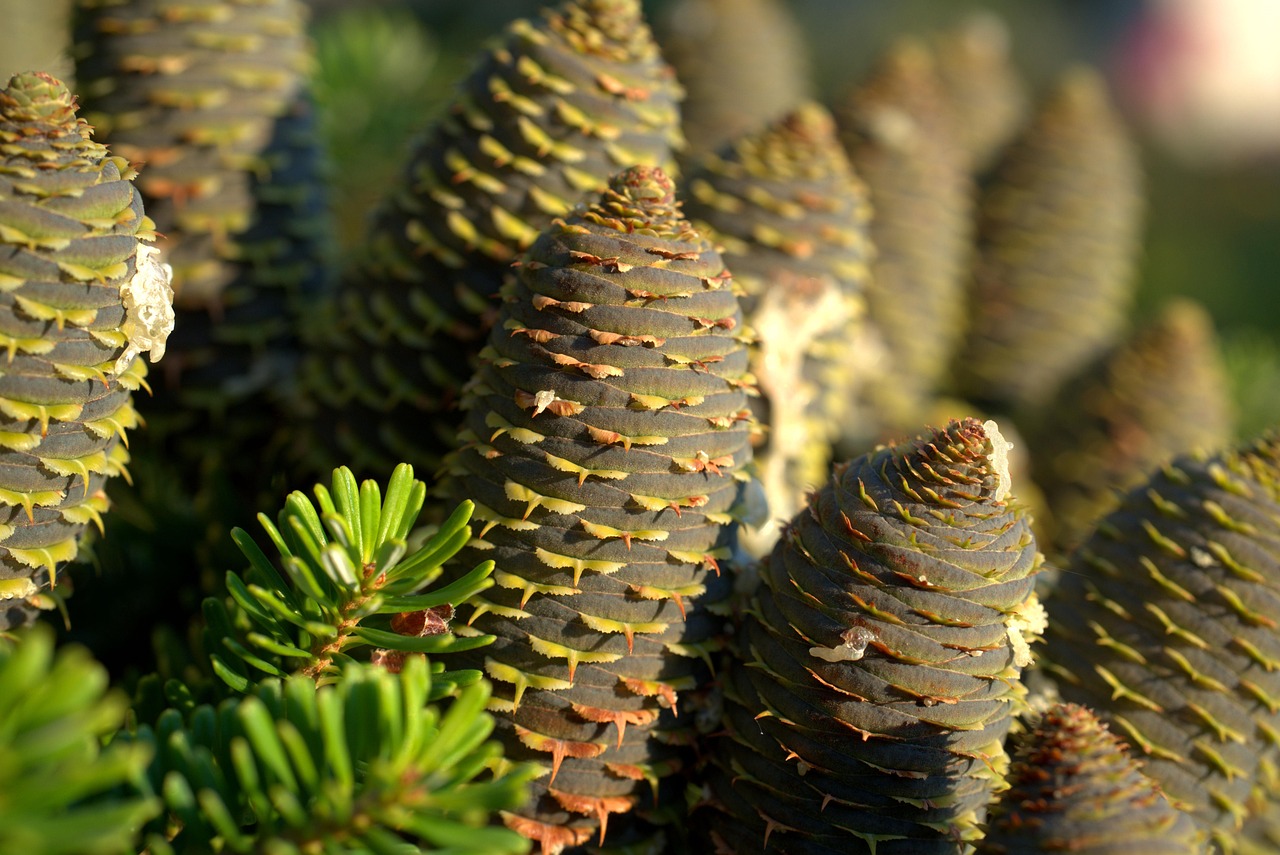
Balsam fir (Abies balsamea) is a species of fir tree native to North America. These evergreen trees are known for their distinctive scent and lush, dark green needles. They are commonly used as Christmas trees and are appreciated for their aesthetic appeal in landscaping.

Rabbits, as herbivores, have a diet that mainly consists of hay, fresh vegetables, and a small number of fruits. Understanding what plants are safe for them is crucial for their health and well-being. While many plants are safe for rabbits, not all trees and shrubs fit into this category.
Common Concerns about Rabbit Diet
When considering what to feed rabbits, it is important to be aware of certain concerns:
- Digestive health: Rabbits have sensitive digestive systems that can be easily upset.
- Toxic plants: Some plants can be poisonous or harmful to rabbits.
- Fiber requirements: Rabbits need a high-fiber diet to maintain proper gut health.
Balsam fir trees fall into a gray area when it comes to rabbit consumption. Although they are not classified as toxic, the consumption of fir tree needles can lead to potential digestive issues due to their high resin content and fibrous nature.

Nutritional Content of Balsam Fir Trees
To better understand why balsam fir may not be ideal for rabbits, it’s useful to look at its nutritional content. The needles of balsam fir contain:
| Nutrient | Percentage |
|---|---|
| Fiber | ~30% |
| Protein | ~5% |
| Fat | ~1% |
The high fiber content may seem beneficial; however, the overall composition is not well-suited for a rabbit’s dietary needs. Additionally, the resin present in the needles may create gastrointestinal discomfort if ingested.
Signs of Digestive Issues in Rabbits
If a rabbit consumes something that doesn’t agree with them, several signs may indicate digestive distress:
- Lethargy or decreased activity levels
- Loss of appetite or refusal to eat
- Abdominal bloating or discomfort
- Changes in stool consistency, such as diarrhea or lack of fecal pellets
Being vigilant about these signs is essential for any rabbit owner. Immediate veterinary attention should be sought if you notice any of these symptoms following the consumption of unfamiliar plants or trees.
Alternatives to Balsam Fir for Rabbits
If you are looking for safe alternatives for your rabbit to nibble on, consider the following options:
- Timothy hay: A great source of fiber that aids digestion.
- Fresh leafy greens: Such as kale, romaine lettuce, and parsley.
- Carrots: These can be offered in moderation due to their sugar content.
- Safe tree branches: Apple and willow branches are excellent choices for chewing.
Providing a varied diet helps ensure that your rabbit remains healthy and active. Focus on incorporating safe plants while avoiding those that may pose a risk, such as balsam fir.

In summary, while balsam fir trees are not toxic to rabbits, they are best avoided due to potential digestive issues. Keeping your rabbit’s diet balanced and healthy is crucial for its long-term well-being.
Potential Risks of Feeding Balsam Fir Trees to Rabbits
While many owners may wonder about the safety of various plants, it is essential to understand the potential risks involved with feeding rabbits balsam fir trees. The following points outline the primary concerns associated with balsam fir consumption:
- Resin Content: The needles of balsam fir trees contain natural resin that can be irritating to a rabbit’s digestive system.
- High Fiber but Low Nutritional Value: Although they are high in fiber, the nutritional value of balsam fir needles is not suitable for rabbits, who require a specific balance of nutrients.
- Possible Contaminants: Trees may be exposed to pesticides or pollutants that can be harmful if ingested.
Understanding Rabbit Digestive Systems
Rabbits have a unique digestive system designed to process high-fiber diets, mainly from grass and hay. Their digestive tracts rely on a constant intake of fiber to function properly. When considering any new food, including tree materials, it is crucial to recognize how rabbits digest these items.
The rabbit’s stomach and intestines work together to break down food. A delicate balance is maintained by a population of beneficial bacteria. This balance can easily be disrupted by introducing foreign materials that are not part of their natural diet, such as balsam fir needles.
Signs of Food Intolerance
If rabbits accidentally consume small quantities of balsam fir needles, they might not show immediate symptoms. However, continued consumption can lead to food intolerance. Here are some signs to watch for:
- Gastrointestinal upset: This may manifest as gas or bloating.
- Diarrhea: Watery droppings can indicate digestive distress.
- Changes in behavior: A rabbit may become more withdrawn or less active if it feels unwell.
Safe Tree Options for Rabbits
If you are considering providing your rabbit with tree materials to chew on, there are much safer options than balsam fir. Here are some trees and branches that are known to be safe for rabbits:
- Apple Trees: Apple branches and leaves are safe and provide a tasty treat.
- Willow Trees: Willow branches are soft and flexible, making them ideal for chewing.
- Pear Trees: Similar to apple trees, pear branches can be offered in moderation.
- Maple Trees: Maple leaves and twigs are also safe for rabbits.
How to Prepare Tree Branches for Rabbits
Before offering any branches to your rabbit, it is essential to prepare them properly to ensure safety:
- Select Fresh Branches: Choose branches from healthy trees that have not been treated with chemicals.
- Wash Thoroughly: Rinse the branches under running water to remove any dirt or contaminants.
- Cut into Manageable Pieces: Trim the branches into small sections that are easy for your rabbit to chew on.
- Monitor Consumption: Keep an eye on how much your rabbit eats, especially if introducing new items.
The Importance of Variety in Diet
A balanced diet is essential for the health and happiness of your rabbit. Providing a variety of safe foods helps meet their nutritional needs while keeping mealtime interesting. Here are some key components to incorporate into your rabbit’s diet:
- Hay: Unlimited access to hay should be the cornerstone of a rabbit’s diet.
- Fresh Vegetables: Introduce a selection of leafy greens, such as spinach, cilantro, and dandelion greens.
- Treats: Offer fruits like apples or bananas sparingly as occasional treats.
- Water: Fresh, clean water should always be available for hydration.
A diverse diet not only supports your rabbit’s health but also encourages natural foraging behaviors. By avoiding potentially harmful foods like balsam fir, you can ensure your furry friend remains happy and healthy.
Identifying Safe Plants for Rabbits
When considering what plants are safe for rabbits, it is essential to have a reliable list of options. Many plants may appear harmless but can pose risks to your pet’s health. Understanding which plants are safe can help you create a balanced and nutritious diet for your rabbit.
Common Safe Plants for Rabbits
Below is a list of commonly accepted safe plants that can be included in a rabbit’s diet:
- Basil: This aromatic herb is not only safe but also loved by many rabbits.
- Cilantro: A favorite among rabbits, cilantro provides nutrients and enhances flavor.
- Dandelion Greens: Rich in vitamins, these greens are a natural part of many rabbits’ diets.
- Mint: Another herb that is safe and enjoyable for rabbits.
- Parsley: This herb is safe in moderation and offers various health benefits.
These plants can be offered fresh and should be organic whenever possible to avoid pesticide exposure. Always wash the plants thoroughly before offering them to your rabbit to remove any contaminants.
Vegetables to Include in Your Rabbit’s Diet
In addition to herbs, a variety of vegetables are also safe for rabbits. Here are some vegetables that can be included:
- Carrots: While they are high in sugar, carrots can be given in moderation.
- Bell Peppers: These colorful vegetables are rich in vitamins and safe for rabbits.
- Broccoli: This vegetable is nutritious and can be offered occasionally.
- Zucchini: A low-calorie vegetable that rabbits enjoy.
- Celery: Provides hydration and is safe when offered in small amounts.
Introduce new vegetables slowly to monitor any adverse reactions. Always ensure that your rabbit has a well-rounded selection of foods to promote good health.
The Role of Herbs in a Rabbit’s Diet
Herbs play a significant role in enhancing the nutritional value of a rabbit’s diet. They provide essential vitamins and minerals, as well as add variety to their meals. Here are some benefits of including herbs:
- Nutritional Boost: Herbs are often rich in vitamins A, C, and K, which are vital for overall health.
- Aromatic Qualities: Many rabbits are attracted to the scent of herbs, making them more likely to eat their greens.
- Diversified Diet: Incorporating herbs keeps mealtime interesting and prevents boredom with their food.
Choosing the Right Herbs
When selecting herbs for your rabbit, consider the following factors:
- Freshness: Choose fresh herbs over dried ones, as they contain more nutrients and flavor.
- Organic Options: Opt for organic herbs to minimize exposure to harmful chemicals.
- Variety: Offer a mix of different herbs to provide diverse flavors and benefits.
Some safe herbs to consider include dill, oregano, thyme, and rosemary. Each herb offers unique flavors that can enhance your rabbit’s meals.
The Importance of Monitoring Rabbit Reactions
As you introduce new foods into your rabbit’s diet, it is crucial to monitor their reactions closely. Observing how your rabbit responds to different plants can help you identify any potential food intolerances or allergies. Here are some tips for monitoring your rabbit:
- Observe Behavior: Watch for changes in energy levels or activity after introducing new foods.
- Check Droppings: Healthy droppings should be round and firm. Any changes may indicate digestive issues.
- Look for Signs of Distress: Signs such as bloating, lethargy, or refusal to eat can indicate an adverse reaction.
If you notice any concerning symptoms, it is advisable to consult with a veterinarian experienced in rabbit care. Early intervention is key to maintaining your rabbit’s health.
The Role of Veterinary Guidance
Your veterinarian can provide valuable insights into the best dietary practices for your rabbit. They can help create a tailored feeding plan based on your rabbit’s individual needs. Regular check-ups will also ensure that any potential health issues are addressed promptly. Taking these steps can significantly improve your rabbit’s quality of life and longevity.
By focusing on a diverse and balanced diet while avoiding potentially harmful foods like balsam fir, you can help ensure that your rabbit stays healthy and happy.
Additional Considerations for Rabbit Owners
As a rabbit owner, it is crucial to stay informed about various factors that can impact your pet’s health and well-being. In addition to understanding the safety of specific plants like balsam fir, there are broader topics worth considering when caring for rabbits.
Environmental Enrichment
Rabbits are intelligent and active animals that require mental and physical stimulation. Providing a stimulating environment can help prevent behavioral issues and promote overall happiness. Here are some ideas for enriching your rabbit’s environment:
- Interactive Toys: Invest in toys that encourage chewing, digging, and exploration.
- Hideouts: Create cozy spaces using cardboard boxes or tunnels where your rabbit can feel safe.
- Regular Playtime: Allow your rabbit time outside its cage to roam and explore in a safe area.
Environmental enrichment not only keeps your rabbit entertained but also encourages natural behaviors that contribute to its overall health.
Social Interaction
Rabbits are social animals that thrive on companionship. Whether it’s human interaction or bonding with another rabbit, socialization is vital for their emotional well-being. Here are some ways to enhance social interaction:
- Spend Quality Time: Dedicate time each day to interact with your rabbit through petting, grooming, or gentle play.
- Consider a Companion: If feasible, consider adopting another rabbit. Be sure to research proper bonding techniques to ensure compatibility.
- Group Activities: Organize playdates with other rabbits if your pet is socialized and comfortable around other animals.
By fostering social connections, you can enhance your rabbit’s quality of life and reduce the risk of loneliness or depression.
Common Misconceptions about Rabbit Diets
As a rabbit owner, you may encounter various myths regarding what rabbits should eat. Here are a few common misconceptions to be aware of:
- All Vegetables are Safe: While many vegetables are safe, some can be harmful. Always research before introducing new foods.
- Rabbits Can Eat Fruit Freely: Fruits should be treated as occasional treats due to their high sugar content.
- Bread and Grains are Good for Rabbits: These foods are not suitable for rabbits and can lead to obesity and digestive issues.
Being informed and dispelling these myths will help you make better dietary choices for your rabbit.
Final Thoughts
In summary, while balsam fir trees are not toxic to rabbits, they should be avoided due to potential digestive issues. As a responsible rabbit owner, it is essential to prioritize a balanced diet consisting of high-quality hay, fresh vegetables, and safe treats. By providing a diverse diet and avoiding harmful foods, you can support your rabbit’s health and happiness.
Regular veterinary check-ups, environmental enrichment, and social interaction play crucial roles in ensuring your rabbit’s well-being. Understanding the unique needs of your pet will empower you to make informed decisions that contribute to a long and healthy life for your furry companion. Always stay curious and proactive in learning more about proper rabbit care, as this knowledge will benefit both you and your pet.
Your commitment to providing a safe and nurturing environment will undoubtedly enhance the quality of life for your rabbit, allowing it to thrive in your care.