
Yes, coffee grounds are good for plants and can serve as an excellent natural fertilizer. They provide essential nutrients and can improve soil health, making them a wonderful addition to any garden. Are coffee grounds good for plants?
Understanding Coffee Grounds as Plant Fertilizer
What are Coffee Grounds?
When I first started gardening, I was surprised to learn that those used coffee grounds from my morning brew could be beneficial for my plants. Coffee grounds are simply the remnants left after brewing coffee, and they are often discarded as waste. However, they are rich in nutrients and organic matter, making them a valuable resource for gardeners like us. Instead of tossing them in the trash, we can repurpose them to enrich our soil and help our plants thrive.
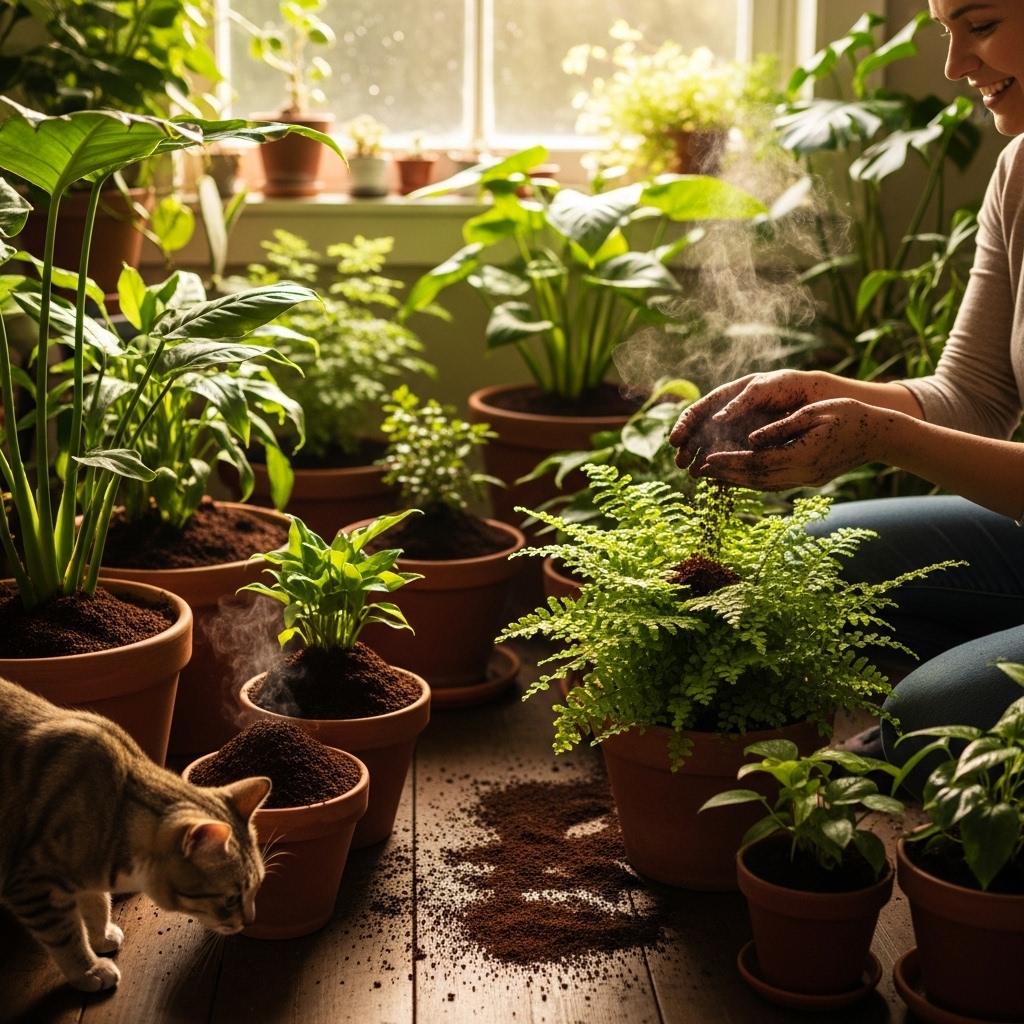
Nutritional Content of Coffee Grounds
One of the reasons why I love using coffee grounds is their impressive nutritional profile. They contain several essential nutrients that plants need, including nitrogen, phosphorus, and potassium, all of which contribute to healthy plant growth. In fact, coffee grounds are about 2% nitrogen by weight, which is particularly beneficial since plants require nitrogen for leaf growth and overall vigor. Additionally, they provide trace minerals like magnesium and calcium, which can enhance plant health.
In my experience, using coffee grounds in the garden not only nourishes the plants but also helps retain moisture in the soil. The organic matter helps improve soil structure, allowing it to hold water and air, creating a better environment for roots to grow. I remember the first time I added coffee grounds to my compost pile; the earthy smell was invigorating, and I knew I was doing something good for my garden.
How Coffee Grounds Benefit Soil
Over time, I’ve come to appreciate how coffee grounds can transform the soil in my garden. When added to the soil, coffee grounds can improve its texture and structure. They help create a looser, more aerated soil, which is essential for root development. This is particularly important for plants that thrive in well-drained soil. I’ve noticed that after adding coffee grounds, my garden plants seem to grow more robustly, and the soil has a richer texture.
Moreover, coffee grounds increase the soil’s organic matter content. This organic matter is crucial because it acts like a sponge, absorbing water and nutrients and slowly releasing them back to the plants over time. I’ve seen firsthand how this can lead to healthier plants and better yields in my vegetable garden.
Another aspect I found fascinating is that coffee grounds can enhance microbial activity in the soil. Beneficial microorganisms, such as bacteria and fungi, thrive on organic materials like coffee grounds. These organisms break down the organic matter, converting it into nutrients that plants can easily absorb. When I added coffee grounds to my garden, I noticed an increase in earthworm activity, a sign that the soil ecosystem was thriving. Healthy soil means happier plants, and I believe this has been one of the best experiences in my gardening journey.
Additionally, coffee grounds can help suppress certain pests and diseases in the soil. While they are not a cure-all, I’ve read that the caffeine content in coffee grounds can deter some garden pests, which is a nice bonus when you’re trying to keep your plants healthy. I’ve always been on the lookout for natural methods to manage pests, so having coffee grounds in my arsenal felt like a win-win situation.
Using coffee grounds is not just about fertilizing; it’s about cultivating a healthier garden ecosystem. I’ve found that integrating them into my gardening routine has made a significant difference in the overall health and vitality of my plants. Whether you’re a seasoned gardener or just starting, coffee grounds can be a simple yet effective way to give your soil the boost it needs.
Benefits of Using Coffee Grounds for Plants
Improving Soil Structure
One of the standout benefits of using coffee grounds is their ability to improve soil structure. When I first added coffee grounds to my heavy clay soil, I noticed a remarkable difference. The soil became more pliable and better able to retain moisture, yet it also drained well, which is crucial for preventing root rot. This improvement in soil structure means that my plants have a better chance of thriving, especially during heavy rains or dry spells.
Enhancing Nutrient Availability
Another benefit I’ve experienced is the enhancement of nutrient availability in my garden. Coffee grounds break down over time, releasing nutrients that plants can readily absorb. I’ve often seen plants perk up and show signs of growth shortly after I incorporated coffee grounds into the soil. It’s like a little boost of energy for them, and I love witnessing that transformation.
Increasing Soil Acidity
For those of us who love acid-loving plants, coffee grounds are a dream come true. I remember when I planted blueberries in my garden; I was concerned about the soil pH. Adding coffee grounds helped increase the acidity of the soil, giving my blueberries the environment they crave. Other acid-loving plants, like azaleas and rhododendrons, also thrive with the addition of coffee grounds.
Attracting Beneficial Microorganisms
As I mentioned earlier, coffee grounds can attract beneficial microorganisms. This is vital for maintaining a healthy soil ecosystem. The more diverse the microbial life in the soil, the more resilient it becomes. I’ve seen that my plants not only grow better but also have fewer issues with pests and diseases since I started using coffee grounds regularly. What plants like coffee grounds?
In summary, coffee grounds can significantly benefit our gardens. They improve soil structure, enhance nutrient availability, increase soil acidity for specific plants, and attract beneficial microorganisms. From my experience, incorporating coffee grounds into my gardening routine has been one of the most rewarding decisions. I encourage you to consider using them in your garden for healthier and happier plants.
Types of Plants That Thrive with Coffee Grounds
Acid-Loving Plants
I’ve discovered that coffee grounds are particularly beneficial for acid-loving plants. When I planted my first blueberry bush, I was a little nervous about whether I had the right soil conditions. Blueberries thrive in acidic soil, and adding coffee grounds turned out to be a game-changer. I noticed the leaves became greener and more vibrant, and the bush produced an abundance of juicy berries. Along with blueberries, I also found that azaleas and rhododendrons responded positively to the addition of coffee grounds. If you have any acid-loving plants in your garden, I highly recommend giving coffee grounds a try—they might just flourish like mine did!
Vegetables and Herbs
Using coffee grounds in my vegetable and herb garden has been one of the most rewarding experiences. I’ve seen that plants like carrots, radishes, and even tomatoes benefit from the nutrients in coffee grounds. The nitrogen helps with leafy growth, while the improved soil structure promotes healthy root development. I remember planting basil one year and mixing in coffee grounds; the aroma was intoxicating, and the plants thrived beautifully. If you’re growing vegetables or herbs, incorporating coffee grounds can give them an extra boost, making your garden even more productive.
Flowers and Ornamental Plants
Flowers and ornamental plants also thrive with coffee grounds. I’ve sprinkled them around my rose bushes, and I was amazed at how vibrant the blooms became. Roses are known to be heavy feeders, and the slow-release nutrients from coffee grounds provided the nourishment they needed. Similarly, I’ve noticed my marigolds and petunias loving the extra boost. Not only do these plants grow more robustly, but the color and fragrance of the flowers are also enhanced. Using coffee grounds has definitely added beauty to my garden, and I believe it can do the same for yours!
How to Use Coffee Grounds in Your Garden
Composting with Coffee Grounds
One of the easiest ways to use coffee grounds is by adding them to your compost pile. I remember the first time I tossed in a bag of used grounds; it felt like I was doing something special for my garden. Coffee grounds are a great green material, providing nitrogen that balances with the carbon-rich browns like leaves and cardboard. I mix them in layers, and before I know it, my compost is teeming with life. The result is rich, dark compost that I can use to enrich my garden soil, and I feel proud knowing I recycled something that would have gone to waste.
Using Coffee Grounds as Mulch
Applying coffee grounds as mulch has worked wonders for my garden beds. I spread a thin layer of used grounds around my plants, and I’ve noticed that it helps retain moisture while suppressing weeds. The grounds break down over time, slowly releasing nutrients into the soil. I love how it gives my garden a rustic look, and it feels good to know I’m using a sustainable material that benefits my plants. Just remember not to apply too thickly, as it can compact and create a barrier that water and air can’t penetrate.
Making Liquid Fertilizer from Coffee Grounds
Another method I’ve found effective is making liquid fertilizer from coffee grounds. I simply steep a cup of used coffee grounds in a bucket of water for a day or two. After straining, I have a nutrient-rich liquid that I can dilute and use to water my plants. It’s like giving them a drink of energizing goodness! I noticed my plants responding positively after a few applications, and it’s a simple way to incorporate coffee grounds into my routine without much effort.
Direct Application to Soil
Sometimes, I just sprinkle coffee grounds directly onto the soil around my plants. I’ve found this to be especially beneficial in the spring when I’m preparing the garden for the growing season. Just a light layer mixed into the topsoil can improve nutrient availability and soil structure. I often do this with my seedlings, and I feel like it gives them a head start. It’s gratifying to see how such a simple addition can have such a big impact on plant health.
When Not to Use Coffee Grounds
Plants That Prefer Neutral or Alkaline Soil
While coffee grounds offer numerous benefits, I’ve learned that not all plants appreciate the acidity they bring. For instance, plants like asparagus or beets prefer neutral to slightly alkaline soil, so I avoid using coffee grounds around them. It’s important to know your plants and their soil preferences, as using coffee grounds on the wrong ones could hinder their growth. What plants don’t like coffee grounds?
Potential Issues with Overuse
Another consideration I’ve encountered is the potential for overusing coffee grounds. While they are beneficial, too much can lead to compacted soil or create an imbalance in nutrient levels. I’ve made it a point to use coffee grounds in moderation, mixing them with other organic matter to maintain a healthy balance. It’s all about finding that sweet spot for your garden, and being mindful of how much you’re adding can save you from future headaches.
Contamination Concerns
Lastly, I’ve read about contamination concerns regarding coffee grounds. If you’re using coffee from commercial establishments, it’s possible that the grounds could contain pesticides or herbicides. I prefer using my own grounds from home to ensure I know exactly what’s going into my garden. This way, I can feel confident that I’m nurturing my plants with safe, organic material.
Best Practices for Collecting and Storing Coffee Grounds
How to Collect Coffee Grounds
Collecting coffee grounds is one of the simplest things to do, and it has become a part of my daily routine. After brewing my morning cup, I just scoop the used grounds into a container. I’ve found that keeping a dedicated jar or bucket near my coffee maker helps me remember to save them instead of tossing them in the trash. If you’re not a coffee drinker, don’t worry! Many coffee shops and cafes are happy to give away their used grounds to anyone interested in gardening. I’ve chatted with local baristas, and they often have a stash ready for anyone who asks. It’s a great way to connect with the community while benefiting your garden.
Storing Coffee Grounds Properly
Once I have my collection of coffee grounds, I make sure to store them properly. I use an airtight container to keep them fresh and prevent any mold from developing. I’ve learned that moisture is the enemy when it comes to storing coffee grounds, so I always make sure they’re dry before sealing them up. If I have a large batch, I often freeze some of the grounds in small portions. This way, I have a ready supply to use whenever I need it. Plus, it’s a great space-saver in my kitchen!
Timeframe for Using Stored Coffee Grounds
From my experience, using stored coffee grounds within a few months is best. While they can last longer if stored correctly, I’ve noticed that their nutritional value diminishes over time. So, I try to use them within three to six months. This practice helps ensure that my plants are getting the most benefits from the coffee grounds. I also find that rotating my stock keeps the process fun. It’s almost like a little gardening challenge to use older grounds first and see how I can incorporate them into my gardening routine.
Common Myths About Coffee Grounds and Plants
Debunking the Myth of Coffee Grounds as a Pest Repellent
There are many myths floating around about coffee grounds, and one that I’ve come across often is that they can completely repel pests. I used to think that sprinkling coffee grounds around my plants would keep all pests at bay. However, while there’s some evidence that caffeine can deter certain insects, I’ve found that coffee grounds aren’t a foolproof solution. They can help reduce pest populations, but they don’t eliminate them entirely. I’ve still had to deal with pests like aphids and slugs even after using coffee grounds. So, I treat them as part of an integrated pest management strategy rather than a standalone solution.
Misconceptions About Coffee Grounds and Drainage
Another common misconception I’ve encountered is that coffee grounds improve drainage in soil. While coffee grounds can enhance soil structure, I’ve learned that they can also compact if used in large amounts. This compaction can actually hinder drainage, especially in heavy clay soils. I make sure to mix coffee grounds with other organic materials to promote aeration and maintain good drainage. It’s a balancing act, and by keeping this in mind, I’ve achieved better results in my garden.
FAQs About Coffee Grounds and Gardening
Can Coffee Grounds Attract Pests?
In my experience, coffee grounds can attract certain pests, particularly if they are used in large quantities or if they are moist. Ants, for instance, may be drawn to them, thinking they’ve found a food source. I always monitor the area where I’ve applied coffee grounds and take action if I see any unwanted visitors. It’s all about being aware and proactive in maintaining a healthy garden environment.
How Often Should I Use Coffee Grounds?
For me, the frequency of using coffee grounds depends on my garden’s needs. I typically incorporate them into my compost pile or as mulch every few weeks during the growing season. I’ve found that regular application helps keep my soil rich and nutrient-dense. However, moderation is key. I alternate with other organic materials to ensure a balanced approach and avoid potential issues from overuse.
Can I Use Flavored Coffee Grounds?
When it comes to flavored coffee grounds, I’ve been cautious. While it might seem tempting to throw in those pumpkin spice or hazelnut grounds, I worry about the additional ingredients that might be in them. Artificial flavors and sweeteners could harm my plants. So, I stick to plain, used coffee grounds from my brew. It’s better to be safe than sorry, especially when nurturing my garden.
Frequently Asked Questions
“`html
Are coffee grounds good for plants?
Yes, coffee grounds are good for plants and can serve as an excellent natural fertilizer. They provide essential nutrients and improve soil health.
What nutrients do coffee grounds provide to plants?
Coffee grounds contain several essential nutrients including nitrogen, phosphorus, and potassium, which contribute to healthy plant growth. They are about 2% nitrogen by weight and also provide trace minerals like magnesium and calcium.
How do coffee grounds benefit soil structure?
When added to the soil, coffee grounds improve its texture and structure by creating a looser, more aerated environment that is essential for root development. This leads to healthier plants and better yields.
Which types of plants thrive with coffee grounds?
Acid-loving plants like blueberries, azaleas, and rhododendrons thrive with coffee grounds. Additionally, vegetables and herbs such as tomatoes, carrots, and basil also benefit from their nutrients.
How can I use coffee grounds in my garden?
You can use coffee grounds by adding them to your compost pile, applying them as mulch, making liquid fertilizer, or sprinkling them directly onto the soil around your plants.
Are there plants that should not be given coffee grounds?
Yes, plants that prefer neutral or alkaline soil, such as asparagus or beets, should not be given coffee grounds as they may hinder their growth due to the acidity.
What are some best practices for collecting and storing coffee grounds?
Collect coffee grounds by saving them in a dedicated container after brewing. Store them in an airtight container to keep them fresh and prevent mold, and use them within three to six months for the best nutritional value.
Can coffee grounds help repel pests?
While coffee grounds can help reduce pest populations, they are not a foolproof solution for repelling all pests. They can deter certain insects but may not eliminate them entirely.
How often should I apply coffee grounds to my garden?
The frequency of using coffee grounds depends on your garden’s needs. Regular application every few weeks during the growing season is beneficial, but moderation is key to avoid potential issues from overuse.
Can I use flavored coffee grounds in my garden?
It is advisable to avoid using flavored coffee grounds as they may contain additional ingredients like artificial flavors and sweeteners that could harm your plants. Stick to plain, used coffee grounds.
“`