
Yes, grub worms are edible and consumed in many cultures around the world.
Table of Contents
Grub worms are not only edible but also serve as a sustainable protein source enjoyed by many cultures globally. This guide explores their nutritional value, preparation methods, and cultural significance, helping you understand why they might be an interesting addition to your diet.

Understanding Grub Worms: What Are They?
Grub worms are the larval stage of beetles and are a significant source of nutrition in various cultures. Their lifecycle and types contribute to their ecological roles and culinary potential.
The Lifecycle of Grub Worms
Grub worms undergo a transformative lifecycle, which consists of four main stages: egg, larva (grub), pupa, and adult beetle.
- Egg: Female beetles lay eggs in soil or decaying matter.
- Larva: Eggs hatch into grubs, which feed on organic material. This stage can last several months to years, depending on the species.
- Pupa: Grubs form a pupa, where they undergo metamorphosis.
- Adult: The adult beetle emerges, ready to continue the cycle.
This lifecycle highlights the role of grubs in nutrient recycling within ecosystems.
Common Edible Grub Types
Several species of grubs are recognized for their edibility and nutritional benefits. Here are a few notable examples:
- Witchetty Grub: Native to Australia, this grub is high in protein and has a nutty flavor.
- Palm Weevil Grub: Found in tropical regions, it is fatty and often considered a delicacy.
- Mealworms: Although technically not grubs, these larvae of darkling beetles are widely consumed and available in various forms.
These grubs not only provide essential nutrients but also play a role in local ecosystems by breaking down organic matter.
Nutritional Benefits and Ecological Roles
Grub worms are rich in protein, healthy fats, vitamins, and minerals. Their nutritional profile is comparable to traditional protein sources like chicken and beef but with a lower environmental impact.
- High Protein Content: Grubs contain up to 50% protein by weight.
- Sustainable Farming: They require less land and water compared to livestock.
Grubs contribute to soil health and biodiversity by decomposing organic matter, thus enhancing soil fertility.
Incorporating grubs into your diet can be a sustainable choice with significant health benefits. For those interested in exploring culinary uses, consider checking out an “Edible Insect Cookbook” for unique recipes and preparation methods. Check Price on Amazon.
Nutritional Benefits of Grub Worms
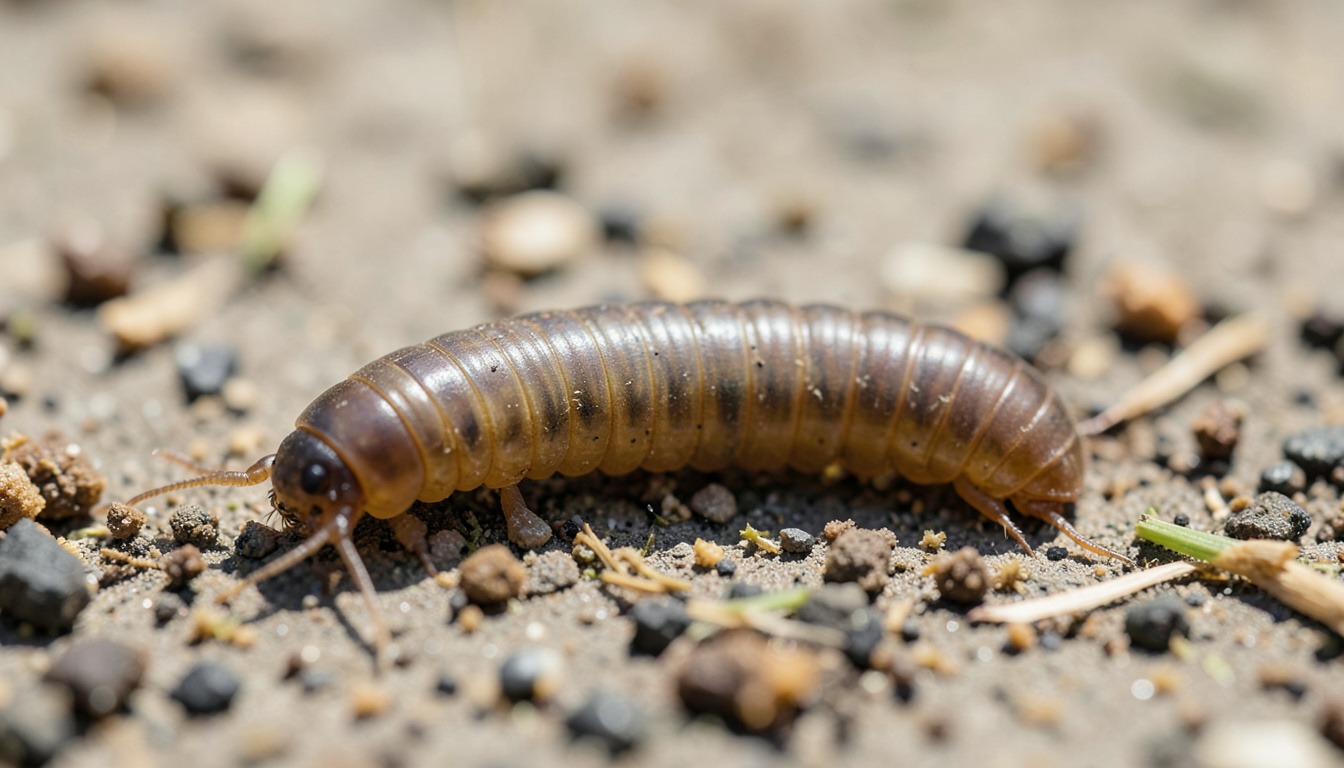
Grub worms are not just a curiosity; they offer substantial nutritional benefits. Their protein content and rich array of vitamins and minerals make them a viable food source comparable to traditional meats.
Protein Content and Health Benefits
Grubs can contain up to 50% protein by weight. This high protein level makes them an excellent alternative to conventional protein sources like chicken and beef. Moreover, they provide essential amino acids necessary for human health.
- Protein Comparison:
- Grubs: 50% protein
- Chicken: 31% protein
- Beef: 26% protein
Vitamins and Minerals in Grubs
Grubs are rich in vitamins and minerals that contribute to overall health. They contain significant amounts of:
- B Vitamins: Essential for energy metabolism.
- Iron: Supports oxygen transport in the blood.
- Zinc: Aids in immune function.
Nutritional Comparison with Traditional Protein Sources
The following table summarizes the nutritional values of grubs compared to chicken and beef. This comparison highlights the advantages of incorporating grubs into your diet.
| Nutrient | Grubs (per 100g) | Chicken (per 100g) | Beef (per 100g) |
|---|---|---|---|
| Protein | 50g | 31g | 26g |
| Fat | 30g | 3.6g | 20g |
| Iron | 4mg | 1mg | 2.6mg |
| Zinc | 2mg | 1mg | 4.5mg |
| Vitamin B12 | 4.5µg | 0.3µg | 2.4µg |
Incorporating grubs into your diet not only enhances nutritional intake but also promotes sustainability. For those looking to explore the culinary potential of grubs, consider an “Edible Insect Cookbook” for unique recipes and preparation methods. Check Price on Amazon.
How to Safely Prepare Grub Worms

Preparing grubs for consumption involves careful handling and cooking to ensure safety and enhance flavor. Follow these guidelines for effective preparation techniques.
Cooking Methods: From Frying to Baking
Grubs can be prepared in various ways. Here are popular methods:
- Frying: This method gives grubs a crispy texture. Heat oil in a pan and fry the grubs until golden brown.
- Baking: Preheat your oven, toss grubs with seasoning, and bake until they reach a desired crunchiness.
- Boiling: Boil grubs for a few minutes to cook thoroughly before using them as an ingredient in other dishes.
- Grilling: Skewer grubs and grill them for a smoky flavor.
Each method brings out different flavors and textures, making grubs a versatile ingredient.
Hygiene and Safety Tips
Proper hygiene is crucial when preparing grubs. Follow these safety precautions:
1. Source: Ensure grubs are sourced from reputable suppliers. Wild grubs can carry parasites.
2. Purging: Before cooking, purge grubs by placing them in a container of clean, moist soil for 24 hours. This helps eliminate any toxins in their system.
3. Cleaning: Rinse grubs thoroughly under running water to remove dirt and debris.
4. Cooking Temperature: Always cook grubs to an internal temperature of at least 165°F (74°C) to eliminate pathogens.
5. Avoid Raw Consumption: While some grubs can be eaten raw, cooking is recommended to ensure safety.
Checklist for Safe Preparation
- [ ] Source grubs from reliable suppliers.
- [ ] Purge in clean soil for 24 hours.
- [ ] Rinse grubs thoroughly.
- [ ] Cook to at least 165°F (74°C).
- [ ] Avoid eating raw unless knowledgeable about safety.
By adhering to these preparation techniques and safety tips, you can enjoy the nutritional benefits of grubs confidently. For more culinary inspiration, consider checking out an “Edible Insect Cookbook” for unique recipes and preparation methods. Check Price on Amazon.
What Do Grub Worms Taste Like?

Grub worms offer a unique flavor profile that varies based on their species and preparation methods. Understanding their taste can enhance your culinary experience and inspire adventurous eating.
Common Flavor Descriptions
Many people describe the taste of grubs as rich and savory. Common comparisons include:
- Beef Bone Marrow: Some claim grubs taste similar to soft, tender beef bone marrow, providing a creamy texture.
- Chicken and Bacon: Others liken the flavor to chicken or even bacon when roasted, especially over an open flame.
Cultural perspectives also play a role in taste perception. In regions where grubs are a staple, such as Australia or Africa, they are often enjoyed for their unique flavors and nutritional benefits.
Influence of Cooking Methods on Taste
Preparation methods significantly impact the taste and texture of grubs. Here are some common techniques:
- Roasting: This method enhances the nutty, savory notes and can create a crispy exterior. Many find roasted grubs reminiscent of bacon.
- Sautéing: Quick frying in oil can intensify the flavor and create a delightful crunch.
- Boiling: While this method is less common, it can soften the texture and make them easier to incorporate into dishes.
Chefs and food enthusiasts have shared their experiences, noting that cooking methods can elevate the flavor of grubs. One chef remarked, “When prepared properly, grubs can be a gourmet ingredient, adding depth to various dishes.”
For those exploring the world of edible insects, experimenting with different cooking techniques can yield surprising and delicious results.
Cultural Perspectives on Eating Grubs
Eating grubs has deep cultural roots in many societies. These insects are not only a source of nutrition but also a significant part of traditional dishes and practices across the globe.
Grubs in Indigenous Diets
In various indigenous cultures, grubs serve as a staple food source. For instance:
- Witchetty grubs: Consumed by Aboriginal Australians, these grubs are rich in protein and can be eaten raw or cooked.
- Palm weevil grubs: Popular in parts of Africa and Asia, these grubs are often roasted and incorporated into local dishes.
- Mopane worms: Found in Southern Africa, they are dried and used in stews or as snacks, providing essential nutrients.
These practices highlight how grubs contribute to food security and cultural identity.
Modern Culinary Trends
Recently, grubs have gained popularity in haute cuisine. Chefs around the world are experimenting with them in innovative ways. Grubs are featured in:
- Gourmet tacos: Incorporating roasted grubs for added texture and flavor.
- Salads: Tossed in with fresh greens for a protein boost.
- Snacks: Flavored and packaged as crunchy alternatives to traditional chips.
This trend reflects a growing acceptance of entomophagy and the exploration of sustainable protein sources. Grubs are not merely food; they are a culinary adventure that bridges tradition with modern innovation.
These cultural perspectives on eating grubs illustrate their edibility and nutritional benefits, enhancing our understanding of this unique food source.
Common Types of Edible Grubs
Grubs are rich in protein and can be prepared in various ways. Here are some of the most commonly consumed species, along with their characteristics and culinary uses.
Cockchafer Grubs
Cockchafer grubs, the larvae of the May beetle, are creamy-white and plump. They are known for their high fat content, making them rich in flavor.
- Taste: Earthy and nutty.
- Preparation: Best when roasted or fried. They can also be used in stews, adding depth to the dish.
- Culinary Uses: Often incorporated in traditional dishes in Europe, particularly in rural settings.
Mopane Worms
Mopane worms are the larvae of the emperor moth, primarily found in Southern Africa. They are a staple in various local cuisines.
- Taste: Savory and slightly chewy.
- Preparation: Commonly dried, fried, or cooked in sauces. They can be included in stews or eaten as a snack.
- Culinary Uses: Frequently featured in traditional African dishes, providing a rich source of protein.
Mealworms
Mealworms are the larvae of darkling beetles and are gaining popularity globally for their versatility.
- Taste: Mild and slightly nutty.
- Preparation: Can be baked, fried, or incorporated into energy bars and snacks.
- Culinary Uses: Used in a variety of dishes, including gourmet tacos and protein-rich smoothies.
Summary of Grub Characteristics
| Grub Type | Appearance | Taste | Best Preparation Method | Common Culinary Uses |
|---|---|---|---|---|
| Cockchafer Grubs | Creamy-white | Earthy and nutty | Roasted or fried | Traditional European dishes |
| Mopane Worms | Greenish-brown | Savory and chewy | Dried or cooked in sauces | Southern African cuisines |
| Mealworms | Yellowish-brown | Mild and nutty | Baked or fried | Energy bars, gourmet tacos |
These grubs not only offer diverse flavors and textures but also provide significant nutritional benefits, making them appealing options for those exploring entomophagy.
Are There Risks in Eating Grub Worms?
While grub worms are often touted for their nutritional benefits, it’s crucial to consider the potential health risks associated with their consumption. Understanding these risks can help ensure a safe and enjoyable experience when venturing into entomophagy.
Parasites and Contaminants
Grubs can harbor parasites and contaminants that pose health risks. Some common concerns include:
- Parasites: Grubs may serve as hosts for various parasites, which can lead to digestive issues in humans if ingested. Cooking grubs thoroughly can eliminate these parasites, making them safe to eat.
- Bacterial Contamination: Like any food source, grubs can be contaminated with bacteria. Proper handling and cooking are essential to reduce this risk.
- Environmental Toxins: Grubs that feed on contaminated vegetation may accumulate toxins. It’s important to source grubs from clean environments.
Safety Tips for Consumption
To minimize health risks, follow these safety guidelines:
- Cook Thoroughly: Ensure grubs are fully cooked to kill potential parasites and bacteria.
- Source Wisely: Purchase grubs from reputable suppliers who ensure their products are safe and clean.
- Avoid Raw Consumption: While some advocate for eating raw grubs, cooking significantly reduces health risks.
Safe Sourcing of Grubs
Choosing where to obtain grubs is critical for safety. Consider these sourcing options:
- Farm-Raised Grubs: These are typically bred in controlled environments, ensuring quality and safety.
- Wild-Caught Grubs: If collecting wild grubs, ensure they come from areas free of pesticides and pollutants. This requires knowledge of local ecosystems and safety protocols.
- Commercial Suppliers: Look for suppliers who specialize in edible insects. They often provide information on sourcing and safety practices.
By adhering to these safety measures, you can enjoy the nutritional benefits of grub worms while minimizing health risks.
Grubs vs. Other Edible Insects
Grubs are a popular choice among edible insects, but how do they compare to other options in terms of nutrition, taste, and preparation? This section explores these comparisons to help you decide if grubs are the right choice for your culinary adventures.
Nutritional Breakdown Comparison
Grubs are often praised for their high nutritional content. Here’s how they stack up against some other common edible insects:
| Insect Type | Protein (per 100g) | Fat (per 100g) | Fiber (per 100g) | Vitamins and Minerals |
|---|---|---|---|---|
| Grubs | 25g | 20g | 1g | B vitamins, iron, zinc |
| Crickets | 60g | 20g | 3g | B12, iron, calcium |
| Mealworms | 28g | 15g | 2g | B vitamins, selenium |
| Ants | 13g | 6g | 3g | Vitamin C, iron |
Grubs provide a balanced mix of protein and fats, making them a suitable source of nutrition. Their nutritional profile is comparable to that of crickets and mealworms, offering diverse options depending on dietary needs.
Taste Comparisons
When it comes to flavor, grubs and other edible insects present unique profiles.
- Grubs: Often described as nutty and buttery, grubs have a soft texture that complements various dishes.
- Crickets: They offer a more robust flavor with a crunchier texture, often likened to roasted nuts.
- Mealworms: These have a mild, slightly sweet taste, making them versatile for both savory and sweet recipes.
- Ants: Known for their tangy taste, ants can add a zesty kick to salads and dishes.
Preparation Techniques
Preparation methods can enhance the flavors of these insects. Here are common techniques:
- Roasting: Enhances crunchiness, ideal for crickets and mealworms.
- Frying: Creates a crispy exterior while retaining moisture inside, suitable for grubs.
- Baking: Works well for creating protein-rich snacks, such as insect flour cookies.
- Boiling: A quick method that retains the insect’s natural flavor but may affect texture.
Experimenting with different preparation methods can yield varied results, maximizing the culinary potential of grubs and their insect counterparts.
How to Incorporate Grubs into Your Diet
Grubs can be a nutritious and versatile addition to your meals. Their unique texture and flavor profile can enhance various dishes. Here are some practical tips and recipes for incorporating grubs into your diet.
Simple Recipes with Grubs
1. Grub Stir-Fry
- Ingredients: 1 cup of grubs, mixed vegetables (bell peppers, broccoli), soy sauce, garlic, and ginger.
- Instructions:
1. Heat oil in a pan.
2. Sauté garlic and ginger until fragrant.
3. Add grubs and cook until golden.
4. Toss in vegetables and soy sauce, stir-fry for 5-7 minutes.
- This dish highlights the savory taste of grubs while providing a nutritious meal.
2. Grub Tacos
- Ingredients: Corn tortillas, 1 cup of cooked grubs, diced tomatoes, lettuce, cheese, and salsa.
- Instructions:
1. Warm tortillas on a skillet.
2. Fill with cooked grubs and top with tomatoes, lettuce, cheese, and salsa.
- These tacos offer a fun and flavorful way to enjoy grubs, perfect for a protein-packed lunch.
Innovative Cooking Ideas
- Grub Burgers
- Use ground grubs to create patties mixed with breadcrumbs and spices. Grill or pan-fry for a unique burger option that is rich in protein.
- Grub Protein Bars
- Blend grubs with oats, honey, and nuts. Press into a pan and chill until firm. Cut into bars for a nutritious snack that fuels your day.
- Grub Pasta
- Add sautéed grubs to your favorite pasta dish. Their nutty flavor complements sauces like pesto or marinara, enhancing both taste and nutrition.
Safety Precautions
When preparing grubs, ensure they are sourced from safe environments. Avoid wild grubs, as they may have ingested toxins. Cook grubs thoroughly to eliminate any potential pathogens.
Cultural Significance
In many cultures, grubs are considered a delicacy and a sustainable protein source. Understanding their culinary history can enrich your appreciation for these edible insects, making them a more appealing ingredient.
By experimenting with these recipes and ideas, you can safely incorporate grubs into your meals, enjoying their unique taste and nutritional benefits.
When is the Best Time to Eat Grubs?
The timing for harvesting grubs is crucial for ensuring their quality and flavor. Grubs thrive in specific seasons, and understanding their life cycle can enhance your culinary experience.
Seasonal Availability
Grubs are typically most abundant during warmer months. Their lifecycle often aligns with the following seasonal patterns:
- Spring: As temperatures rise, grubs emerge from eggs laid in the soil. This is an ideal time for harvesting young grubs, which are tender and flavorful.
- Summer: Grubs reach maturity during summer, providing a rich source of protein. They are often larger and more robust at this stage.
- Fall: As temperatures cool, grubs begin to burrow deeper into the ground. This makes them harder to find, but they can still be harvested if you dig deeper.
Harvesting Grubs Safely
When sourcing grubs, prioritize safety to avoid potential health risks. Follow these guidelines:
1. Identify Edible Species: Focus on known edible varieties of grubs, such as mealworms or the larvae of specific beetles.
2. Harvest from Clean Environments: Avoid areas treated with pesticides or chemicals. Farmed grubs are safer than wild ones, which may pose health risks.
3. Timing for Harvest: Aim to harvest during the late afternoon or early evening when grubs are more active and easier to find.
By understanding the seasonal availability and safe harvesting practices, you can enjoy grubs at their best, maximizing both flavor and nutritional benefits.
Are Grubs Safe to Eat Raw?
Consuming raw grubs may seem adventurous, but it carries certain risks. Understanding these dangers is crucial for safe consumption.
Risks of Raw Consumption
Eating raw grubs can expose you to harmful bacteria and parasites. These microorganisms thrive in the gastrointestinal tracts of insects. Here are some key risks:
- Bacterial Contamination: Raw grubs may harbor bacteria that cause food poisoning.
- Parasites: Some grubs can carry parasites that pose health risks if ingested.
- Toxicity: Certain species might ingest toxic substances from their environment.
To mitigate these risks, consider the following precautions before consuming raw grubs:
1. Identify Safe Species: Only consume known edible grubs, such as mealworms or the larvae of specific beetles.
2. Harvest from Clean Environments: Ensure grubs come from pesticide-free areas.
3. Inspect Carefully: Look for any signs of abnormal color or odor.
When to Cook Grubs
Cooking grubs significantly reduces health risks. Heat kills harmful bacteria and parasites. Here’s when to opt for cooking:
- Uncertain Species: If you are unsure about the edibility of the grub species, always cook them.
- Wild Harvested Grubs: Cooking is essential for any wild-harvested grubs to ensure safety.
- Personal Preference: Many people find cooked grubs tastier and more palatable.
Popular cooking methods include:
- Deep Frying: This method enhances crunchiness and flavor.
- Steaming: A healthier option that preserves nutrients while cooking.
- Roasting: Adds a rich, nutty flavor to grubs.
By following these guidelines, you can enjoy grubs safely while minimizing potential health risks.
Alternatives to Grub Worms
If you’re exploring the world of edible insects, several alternatives to grub worms offer similar nutritional benefits and culinary versatility. Here are two popular substitutes that can enhance your recipes.
Mealworms as a Substitute
Mealworms are the larval stage of the darkling beetle. They are widely recognized for their mild flavor and crunchy texture. Nutritionally, mealworms provide:
- Protein: Approximately 50-60% protein by weight.
- Fat: Rich in omega-3 and omega-6 fatty acids.
- Vitamins and Minerals: High in B vitamins, iron, and zinc.
Cooking mealworms is straightforward. You can fry, bake, or even use them in protein bars and snacks. Their nutty flavor complements both sweet and savory dishes.
Crickets and Other Alternatives
Crickets are another excellent alternative to grubs. They are a staple in many cultures and are celebrated for their:
- High Protein Content: Roughly 60-70% protein by weight.
- Mineral Richness: Good sources of calcium, iron, and magnesium.
- Versatile Usage: Flavors range from earthy to nutty.
Crickets can be enjoyed in various forms, such as whole roasted, ground into flour for baking, or added to smoothies for a protein boost. Their adaptability makes them a popular choice for those new to entomophagy.
Comparison of Edible Insects
Here’s a quick comparison of grubs, mealworms, and crickets regarding their nutritional benefits:
| Insect | Protein (%) | Fat (%) | Vitamins & Minerals |
|---|---|---|---|
| Grubs | 30-40 | 20-30 | B vitamins, zinc, iron |
| Mealworms | 50-60 | 20-30 | B vitamins, iron, omega fatty acids |
| Crickets | 60-70 | 10-20 | Calcium, iron, magnesium |
These alternatives not only provide similar health benefits but also introduce new flavors and textures to your meals.
Frequently Asked Questions
These quick answers cover the most common questions about this topic, including key details, practical tips, and common concerns.
What does grub worm taste like?
Grub worms have a unique flavor profile that can vary depending on the species and preparation method. Many describe their taste as rich and nutty, similar to beef bone marrow or roasted chicken. Cooking methods such as frying or roasting can enhance their savory notes, making them a delightful addition to various dishes.
Should you kill grub worms?
Whether to kill grub worms depends on your purpose. If you are cultivating a garden, grubs can be harmful as they may damage roots. However, if you’re considering them as a food source, harvesting them responsibly is essential. Make sure to source them from clean environments to ensure safety.
What kind of grubs can you eat?
Several species of grubs are edible, including the Witchetty grub, Palm weevil grub, and mealworms. Each type offers different flavors and nutritional benefits. When selecting grubs, ensure they are sourced from reputable suppliers or harvested from clean environments.
Are grub worms safe to eat raw?
While some individuals consume raw grubs, it is generally not recommended due to potential health risks. Raw grubs may carry harmful bacteria or parasites. Cooking them thoroughly eliminates these risks, making them safer and more palatable.
What are the health risks associated with eating grubs?
Health risks include exposure to parasites, bacterial contamination, and environmental toxins. To minimize these risks, ensure grubs are sourced from clean environments, cook them thoroughly to an internal temperature of at least 165°F (74°C), and avoid consuming raw grubs unless you are knowledgeable about the species.
How should grubs be prepared for consumption?
Grubs can be prepared in various ways, including frying, baking, boiling, or grilling. Each method brings out different flavors and textures. For safety, rinse grubs thoroughly, purge them in clean soil, and cook them to eliminate any pathogens.
What other insects can be eaten?
In addition to grubs, several other insects are edible and nutritious. Popular options include mealworms, crickets, and ants. Each type offers unique flavors and nutritional profiles, making them versatile ingredients in various culinary applications.