
Jade plants are mildly toxic to cats, potentially causing symptoms like vomiting and diarrhea if ingested. While they are not considered highly dangerous, it’s best to keep them out of reach of our feline friends for safety. For more information on plant safety, you can check out Are Aloe Plants Poisonous to Cats? Important Safety Info.
Understanding Jade Plants
What Are Jade Plants?
Jade plants, scientifically known as Crassula ovata, are popular succulent houseplants famed for their thick, fleshy leaves and tree-like appearance. I remember the first time I saw one—it was in a friend’s living room, radiating a vibrant green. It’s not just their looks; they’re also known for being low-maintenance, making them a favorite for busy plant lovers like me. Jade plants are often associated with good luck and prosperity, which adds to their charm. They thrive in bright light and require minimal watering, which makes them an inviting addition to many homes.
Common Varieties of Jade Plants
There are several varieties of jade plants, but the most common ones include the traditional green jade and the variegated jade, which has beautiful cream or yellow edges on its leaves. I’ve seen the variegated ones pop up more often lately, and they’re stunning! Another variety is the ‘Gollum’ jade, characterized by its tubular leaves that resemble little fingers. Each variety has its unique charm, making it easy to see why they have captured the hearts of many plant enthusiasts.
Jade Plants and Pet Safety
Are Jade Plants Toxic to Cats?
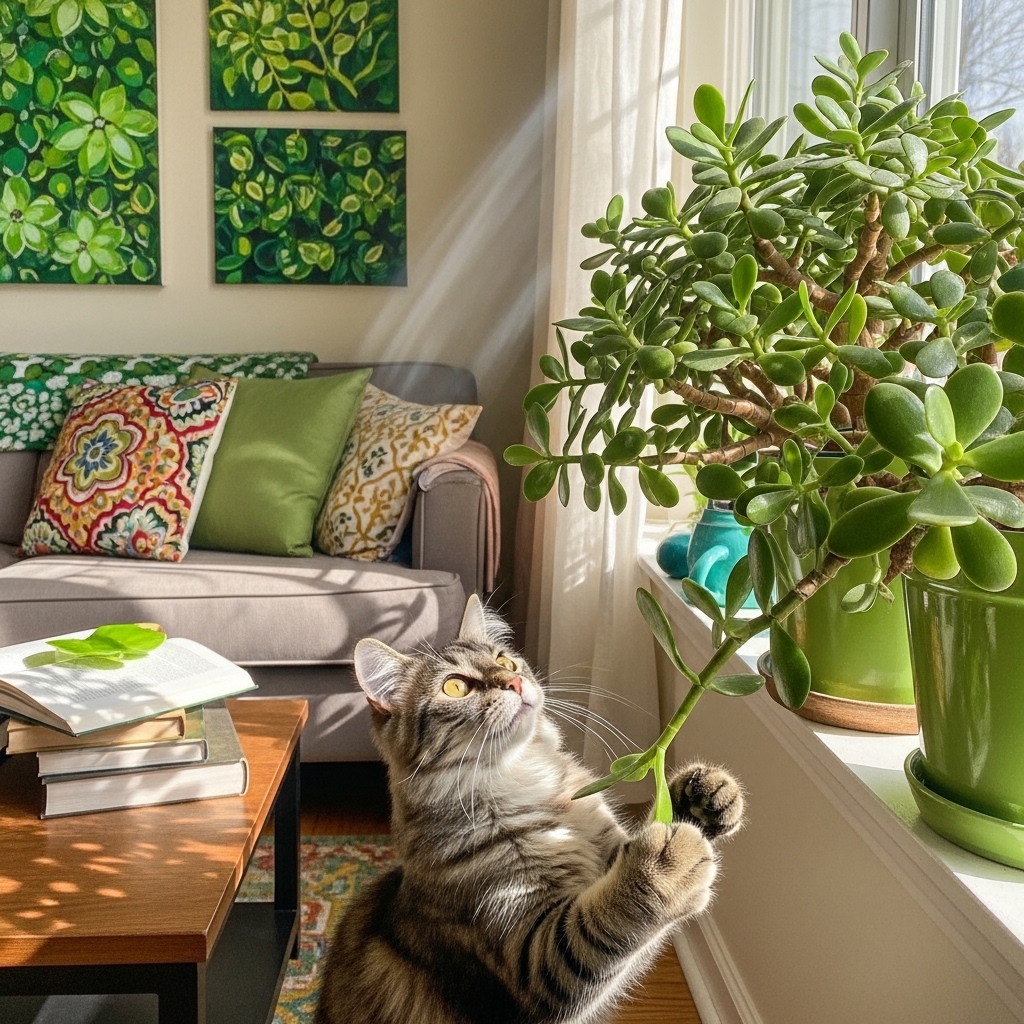
As I mentioned earlier, jade plants are mildly toxic to cats. The toxicity level is low, but it’s still something to be cautious about. Cats are naturally curious creatures, and I’ve noticed my own cat, Luna, loves to explore every nook and cranny of our home—especially where plants are concerned. The good news is that most cats won’t seek out jade plants as a food source. However, if they do munch on the leaves, it can lead to some unpleasant symptoms.
Why Are Jade Plants Considered Toxic?
The toxicity of jade plants is primarily attributed to a compound called bufadienolides, which can affect the heart and gastrointestinal system. When I first learned about this, I felt a sense of relief knowing that it wasn’t as dangerous as some other plants, but I still wanted to be cautious. The symptoms caused by jade plant ingestion are typically mild and include vomiting and diarrhea, which I certainly wouldn’t want my furry friend to experience. It’s important to be aware that not all cats will react the same way; some may show symptoms while others might not have any reaction at all.
Common Toxicity Misconceptions
I’ve come across various myths regarding plant toxicity, and jade plants are no exception. Some people believe that all succulents are safe for pets, while others think that jade plants are highly toxic. From my perspective, it’s crucial to educate ourselves on the specific plants we bring into our homes. While jade plants are not as deadly as some others like lilies or philodendrons, it’s essential to treat them with care and respect. Being informed helps us make better choices to keep our pets safe. For instance, learning about the Jade Tree Growth Rate Indoors for Decorative Planting can also help in understanding how to care for these plants properly.
Symptoms of Jade Plant Toxicity in Cats
Initial Symptoms to Watch For
If a cat ingests a jade plant, you may notice some initial symptoms such as vomiting, diarrhea, and lethargy. I’ve seen Luna act a bit out of sorts after she got into something she shouldn’t have, and it’s always a worrying moment. Other symptoms can include a lack of appetite and mild abdominal discomfort. These signs can often be mistaken for other issues, so it’s essential to monitor your cat closely if you suspect they’ve nibbled on a jade plant.
Severe Symptoms and Reactions
In rare cases, a cat may exhibit more severe symptoms after ingesting jade plants, such as difficulty breathing or an irregular heartbeat. Though these cases are uncommon, they serve as a reminder of the importance of prompt action. I always keep an eye on Luna and any changes in her behavior. If something seems off, I don’t hesitate to consult a veterinarian. It’s better to be safe than sorry when it comes to our furry companions.
When to Seek Veterinary Help
If you notice any symptoms of jade plant toxicity in your cat, I recommend contacting your veterinarian right away. They can provide guidance based on your cat’s symptoms and medical history. In my own experience, it’s always better to err on the side of caution. If you feel something isn’t right, don’t hesitate to reach out for professional help. Your cat’s health is paramount, and knowing when to act can make a significant difference in their recovery.
Prevention and Safety Measures
Safe Placement of Jade Plants in Your Home
When it comes to keeping our furry friends safe, placement is everything. I’ve learned from experience that it’s essential to choose the right spots for my plants. For instance, I’ve found that placing my jade plants on high shelves or hanging them in a way that’s out of reach for Luna is a practical solution. It not only protects her from potential ingestion, but it also gives my plants a lovely space to grow. I always look for areas with the right amount of light, too, since jade plants thrive in bright conditions. If you have cats that are climbers, like mine, consider using wall-mounted planters or hanging baskets. This way, everyone stays safe and sound, and my plants can flourish without fear of becoming a snack.
Alternatives to Jade Plants for Cat Owners
If you’re a cat owner looking for pet-friendly plants, I’ve discovered several great alternatives. For instance, spider plants and Boston ferns are not only safe for cats but also add a touch of greenery to your home. They’re both relatively easy to care for, which is a win-win! I also love incorporating cat grass or catnip into my plant collection—they’re safe and provide a little treat for Luna. Another option I’ve come across is the parlor palm, which is beautiful and non-toxic. Exploring these alternatives has really opened up my options for decorating my space without worrying about my cat’s safety. If you want to know more about jade plants, you can also read about the Jade Money Tree: Feng Shui Benefits And Easy Care.
Educating Guests About Plant Safety
It’s not just about keeping our own cats safe; it’s also important to make sure our friends and family are aware of plant safety. I remember having a few friends over and realizing they had no idea that jade plants could be toxic. So, I took the opportunity to educate them a bit. I casually mentioned how some plants can pose a risk to pets and pointed out which ones are safe. It’s all about creating a culture of awareness. I even thought about putting together a little pamphlet with information about common houseplants and their effects on pets. This way, everyone can enjoy their time at my place without any worries. Being proactive helps create a safe environment for all pets, and I feel more at ease knowing that my guests are informed.
What to Do If Your Cat Ingests a Jade Plant
Immediate Steps to Take
If you find yourself in the unfortunate situation where your cat has ingested a jade plant, the first thing I recommend is to stay calm. I know it can be easy to panic, but keeping a level head will help you think clearly. The next step is to check your cat for any immediate symptoms like vomiting or lethargy. I’ve learned that it’s vital to monitor their behavior closely. If your cat seems a bit off, take note of any specific signs. It’s also a good idea to gather information about how much of the plant they may have eaten. This can be helpful when you speak with your vet.
Home Remedies vs. Veterinary Care
While I love the idea of home remedies, I believe that when it comes to potential plant toxicity, it’s best to err on the side of caution. I’ve read various home remedies that suggest giving cats small amounts of water or even trying to induce vomiting, but I’ve often felt that it’s best to consult a veterinarian first. They have the expertise to determine the right course of action based on your cat’s symptoms. In my experience, it’s better not to take chances, especially with something that could affect their health. If your vet recommends treating your cat at home, they’ll provide the best guidance on what to do next.
Follow-Up Care and Monitoring
After you’ve contacted your vet and taken the necessary steps, keep a close eye on your cat for the next few days. I remember when Luna had a little mishap, and I made it a point to monitor her behavior for any changes. You want to watch for any recurring symptoms or new issues. Keeping track of her eating habits, energy levels, and bathroom habits helped me stay informed about her recovery. If anything seems off, I wouldn’t hesitate to reach out to my vet again. It’s all about ensuring our furry friends get the best care possible, and I truly believe that being vigilant can make all the difference.
Expert Opinions and Studies
Veterinary Insights on Plant Toxicity
When I started researching plant safety for pets, I came across some really interesting insights from veterinarians. Many experts emphasize the importance of understanding which plants are toxic and which are safe. I remember reading a veterinary article that highlighted how education is key to preventing accidental poisonings. Veterinarians recommend keeping a list of toxic plants handy, so you can easily refer to it when considering new plants for your home. This information has helped me make better decisions about the plants I choose to bring into my space, ensuring Luna stays safe while I enjoy my love for greenery.
Research on Jade Plant Effects in Cats
There’s been some fascinating research on the effects of jade plants on cats that I came across during my exploration. Studies show that while jade plants can cause gastrointestinal upset, the long-term effects are typically minimal if the cat receives prompt care. I’ve found comfort in knowing that, while jade plants can lead to some unpleasant symptoms, they’re not as dangerous as other plants. This kind of information has shaped how I approach plant ownership as a cat lover. Staying informed helps us create a safe environment for our pets, and I feel more empowered to make choices that benefit both my plants and my furry friend.
Frequently Asked Questions (FAQs)
Can Jade Plants Affect Other Pets?
It’s natural to wonder if jade plants are a concern for other pets as well. From what I’ve learned, jade plants can be mildly toxic to dogs too, causing similar symptoms like vomiting and diarrhea. I think it’s crucial for pet owners with multiple animals to be aware of how certain plants can affect each of them. Keeping plants out of reach is a good practice, regardless of the type of pet you have.
What Are Other Common Houseplants Toxic to Cats?
I’ve often wondered about other houseplants that might pose a risk to cats. Some common culprits include lilies, philodendrons, and poinsettias. Each of these plants can lead to varying degrees of toxicity, and I always make sure to research any new plants before bringing them home. It’s all part of being a responsible pet owner and ensuring a safe environment for our beloved companions.
How to Identify Safe Indoor Plants for Cats?
Identifying safe indoor plants can be a bit daunting at first, but I’ve found a few strategies that help. First, I check reputable sources online, such as the ASPCA’s list of toxic and non-toxic plants. This list has been a lifesaver for me! Additionally, I often talk to local nurseries or plant shops; they usually have knowledgeable staff who can guide me toward safe options. Finally, I love connecting with other plant-loving cat owners through social media groups. Sharing experiences and tips makes finding safe plants more enjoyable and less stressful.
Frequently Asked Questions
Are jade plants toxic to cats?
Yes, jade plants are mildly toxic to cats, potentially causing symptoms like vomiting and diarrhea if ingested. It’s best to keep them out of reach for safety.
What symptoms should I watch for if my cat ingests a jade plant?
If a cat ingests a jade plant, you may notice initial symptoms such as vomiting, diarrhea, lethargy, lack of appetite, and mild abdominal discomfort.
What severe symptoms can occur from jade plant ingestion in cats?
In rare cases, a cat may exhibit more severe symptoms such as difficulty breathing or an irregular heartbeat after ingesting jade plants.
When should I seek veterinary help for my cat?
If you notice any symptoms of jade plant toxicity in your cat, it’s recommended to contact your veterinarian right away for guidance based on your cat’s symptoms and medical history.
How can I prevent my cat from ingesting jade plants?
To keep your cat safe, place jade plants on high shelves or in wall-mounted planters out of reach of climbing cats. Ensuring they are in bright light conditions can also help.
What are some pet-friendly alternatives to jade plants?
Safe alternatives for cat owners include spider plants, Boston ferns, cat grass, catnip, and parlor palms, which are all non-toxic to cats.
How can I educate guests about plant safety in my home?
Educate guests by sharing information about which plants can be toxic to pets, and consider providing a pamphlet with details on common houseplants and their effects on pets.
What immediate steps should I take if my cat ingests a jade plant?
Stay calm, check your cat for immediate symptoms like vomiting or lethargy, and gather information about how much of the plant they may have eaten before contacting your vet.
Should I try home remedies if my cat ingests a jade plant?
It’s best to consult a veterinarian rather than relying on home remedies, as they can provide the appropriate guidance based on your cat’s symptoms.
What research has been done on jade plants and their effects on cats?
Research indicates that while jade plants can cause gastrointestinal upset in cats, the long-term effects are typically minimal if the cat receives prompt care.